The most vulnerable moment on many solo trips is not a dark alley. It is the first tired hour after landing, when your phone is low, your head is foggy, and nobody knows exactly where you are. That is why solo travel emergency prep matters: a few smart systems set up before departure can make traveling alone safely feel calm instead of chaotic.
Solo travel still gives you the best part of independent travel - total control over your days. But freedom works better with structure. If you want a trip you can actually enjoy, build the boring parts first: your check-ins, your money backups, your first-night plan, and your exit options.
Start your solo travel safety plan before you book
Photo by Anete Lūsiņa on Unsplash
Good solo travel emergency prep starts before you pay for a flight. The goal is simple: if something goes wrong, one person at home can quickly see where you are, how to reach you, and what your next stop should have been. That sounds dramatic, but in practice it takes about 30 minutes.
Start with one trusted contact, not five. Send them your flight numbers, accommodation addresses, passport copy, insurance details, and a rough day-by-day outline. I like to keep the final plan in one place such as TravelDeck, then send a plain-text version by message and email as backup. Set one predictable check-in rule, such as a message every evening by 9 p.m. local time or every time you change cities.
Before you leave, check official advisories for your passport country and register your trip where available, such as the U.S. STEP program or the UK foreign travel advice portal. If you are heading to Europe, save the official page for the 112 emergency number. If this is your first independent city break, keep it short and rebuildable; something compact like 3 Days in Athens Itinerary 2026: The Perfect First Trip is easier to manage than a fast-moving, multi-country route.
Before departure, set up this solo trip checklist:
- One trusted contact with your full itinerary
- Two check-in rules, such as nightly message plus arrival message
- Digital copies of passport, visa, insurance, and tickets
- One printed card with your hotel address and emergency numbers
- A first-night transport plan from airport or station to accommodation
- Travel insurance with medical coverage and 24-hour assistance, often around $40 to $120 for a one-week trip depending on age and destination
Book stays that make traveling alone safely easier
Photo by Esra Afşar on Unsplash
A safe solo travel experience usually begins with a low-friction stay. When you step onto an unfamiliar street with a backpack digging into your shoulders and scooters buzzing past, you do not want to discover that your guesthouse has no sign, no night staff, and a 15-minute walk through empty side streets.
Choose accommodation that reduces decision fatigue. Pay close attention to location, not just price. For many cities, spending an extra $10 to $25 per night for a central area, a staffed entrance, and a well-lit walk from transit is a much better safety investment than saving that money and arriving stressed. Aim for a place within 300 to 800 meters of a main station, airport shuttle stop, or busy avenue with late-opening cafes, pharmacies, and convenience stores.
The best room is rarely the cheapest bed on the map. For hotels, floors 2 through 6 are often a practical sweet spot: not directly accessible from street level, but still easier to leave in an emergency than a very high floor. For hostels, a female-only dorm can be a good option if that helps you rest better, and the advice overlaps with many solid solo female travel tips: choose privacy where it actually improves your confidence.
Green flags when booking a solo stay:
- Staffed reception or reliable self-check-in with clear instructions
- Recent reviews mentioning safety, quiet nights, and helpful staff
- Lockers large enough for your laptop or day bag
- Good street lighting outside the property
- Easy access to official taxis or public transport
- A room door with a deadbolt or interior lock
Red flags that deserve extra caution:
- Vague address details
- No comments on neighborhood feel in recent reviews
- Long uphill or isolated walk from transit after dark
- Ground-floor rooms opening directly onto the street
- Arrival instructions that depend on unstable phone signal or last-minute messages
A lighter bag helps here too. The less you struggle with your luggage at 11 p.m., the fewer mistakes you make. If you need a practical clothing system, Carry-On Capsule Wardrobe 2026: Pack More, Carry Less is a good place to trim bulk without underpacking.
Split money, phone, and documents into separate systems
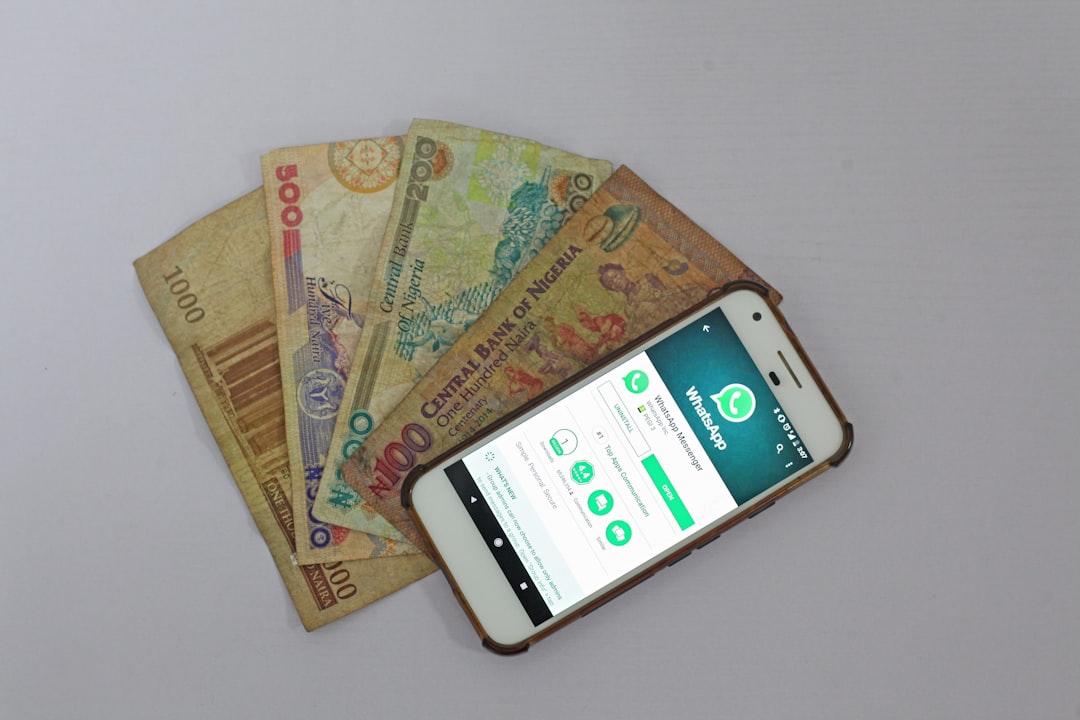
Photo by Benjamin Dada on Unsplash
The point of solo travel emergency prep is separation. If your phone dies, your trip should still work. If your wallet goes missing, your hotel check-in should still work. If your bag is delayed, your first 24 hours should still be manageable. Think in systems, not items.
Carry your main spending card and daily cash in one wallet. Then store a backup card somewhere else - an inner pocket, a second pouch, or locked in your room safe if you trust it. Keep emergency cash separate from both. For many urban trips, $100 to $200 in local currency or a widely accepted foreign currency is enough to cover a ride, food, and one unexpected night. Add one printed sheet with your accommodation address, emergency contact, and insurance line in case your battery crashes at the wrong moment.
Health matters too. Pack your own basics even for a short city break: pain relief, blister pads, rehydration sachets, and any prescriptions in original packaging. If you are crossing regions with changing health notices, check the official destination health notices before departure.
Use this copyable backup table when packing:
| Item | Main location | Backup location | Typical cost |
|---|---|---|---|
| Passport | Hidden on your body during transit | Digital and printed copy | Copying under $2 |
| Main card | Everyday wallet | Separate backup card | Varies by bank |
| Cash | Small amount in wallet | $100 to $200 hidden separately | Your set amount |
| Phone power | Cable in day bag | Small power bank in outer pocket | $20 to $40 |
| Room access | Card or key with you | Photo of room number not needed; write it on paper only if necessary | Free |
| Medical basics | Toiletry pouch | Mini day-pack kit | $15 to $35 |
This is where safe solo travel becomes practical rather than abstract. You are not trying to predict disaster. You are reducing the blast radius of ordinary problems.
Plan your first 3 hours after arrival
Your arrival script is the most useful part of solo travel emergency prep because tired people make expensive choices. Airports glow, train stations echo, and every offer can sound helpful when you have been awake too long. Decide the sequence before you travel so you do not improvise under pressure.
If possible, aim to arrive in daylight on your first day in a new city. If a late arrival is unavoidable, book your first night closer to the airport rail line or station even if it is less charming than the old town. The prettiest lane in a destination is not always the best first-night choice. A 20-minute licensed taxi ride for $20 to $50 can be money well spent if the alternative is hauling luggage through an unfamiliar district at midnight.
Use this first-3-hours routine every time:
- Use the bathroom and refill water before leaving the terminal or station.
- Connect your phone or turn on your travel data while still inside a staffed area.
- Withdraw only the cash you need for the first day.
- Send one arrival message to your trusted contact with your transport choice and estimated arrival time.
- Use official transport only: airport train, licensed taxi queue, hotel car, or clearly marked public bus.
- Do not make side trips before check-in, even if the city looks inviting.
- After check-in, take a 10-minute daylight walk around the block to find one cafe, one grocery shop, one pharmacy, and one easy landmark.
That last step matters. When you later come back with tired feet and a fading phone, the smell of bread from the corner bakery or the bright green pharmacy cross can be a much better memory anchor than a screen.
Meet people without giving away your whole plan
Solo travel can feel thrilling at breakfast and lonely by dinner. That is why so many travelers rush the social part and overshare too fast. You do not need to choose between isolation and recklessness. The trick is to meet people in structured settings while keeping your private details private.
The safest social options are usually daytime walking tours, cooking classes, museum events, coworking day passes, and small group excursions booked through official providers or directly with the venue. Conversation comes naturally because everyone already has a shared activity. If you meet someone you like, keep the next step public: coffee, a market stroll, a museum, a rooftop with security staff, not an unplanned apartment invite.
A few scripts make traveling alone safely easier:
- Instead of saying you are staying alone, say your plans are still flexible.
- Instead of sharing your room number, say you will message later.
- Instead of revealing your exact route tomorrow, say you are deciding in the morning.
- If someone pushes for details, leave. Politeness is never more important than your comfort.
These are useful for everyone, and especially relevant among solo female travel tips that actually work in real life: keep your boundaries boring, brief, and firm. Most awkward situations end faster when your answer is short.
Build a night routine before you go out
Night amplifies every small mistake. Streets change tone after 10 p.m.; the same block that felt lively at sunset can feel hollow once shutters drop and the last coffee cups are stacked away. Safe solo travel is often less about courage than about having a cutoff point before you start the evening.
Set three personal rules before you leave your room. First, decide your return time or at least your return trigger, such as leaving when your battery drops below 40 percent or when the group moves to a second bar. Second, keep enough money for a direct ride home untouched in a separate pocket. Third, know your door-to-door route back before the first drink, not after.
Your night-out checklist should be simple:
- Charge your phone to at least 80 percent before leaving
- Carry only the cash and cards you need for that evening
- Wear shoes you can actually walk fast in for 1 kilometer if needed
- Keep one ear free if using headphones on the street
- Avoid posting your real-time location publicly
- Leave if the vibe shifts, even if you cannot explain why
- Message your trusted contact if you change neighborhoods late at night
This is also why your trip shape matters. If you are deciding when to travel, shoulder days around busy summer weekends can feel easier than full festival peaks. And if you are choosing a season with lighter crowds, articles like Where to Go in July 2026: Pick the Right Holiday Fast can help you avoid building a first solo trip around pure chaos.
FAQ
Is solo travel safe for first-time travelers?
Yes, if you keep the trip small enough to manage. Start with one city, 3 to 5 nights, one well-located stay, and a daylight arrival. Most first-timer problems come from overcomplicated routes, not from being alone.
How much emergency cash should a solo traveler carry?
For many city trips, $100 to $200 is a sensible backup amount, split away from your main wallet. It should cover one ride, one meal, and one emergency overnight cost while you sort out cards or phone problems.
Is it better to arrive during the day?
Usually yes. Daylight makes navigation easier, helps you read the neighborhood faster, and lowers the chance of paying inflated transport prices out of stress. If a night arrival is much cheaper, use the savings on a more direct transfer and a better first-night location.
What extra items help with solo travel safety?
A small power bank, a printed address card, basic medication, and a simple doorstop or portable alarm can all add peace of mind. None is expensive on its own, but together they reduce the number of decisions you have to make when tired.
Do solo female travel tips differ from general solo safety advice?
Some do. Many women prefer female-only dorms, more conservative clothing in certain regions, and firmer boundaries when new people ask personal questions. But the core rules are the same for everyone: good prep, smart transport, separate backups, and leaving early when something feels wrong.
Done well, solo travel emergency prep feels almost invisible. That is the point. The safest solo travelers are not the bravest-looking ones in the room; they are usually the people who already know how they are getting home, who has their plan, and what they will do if the easy version of the night stops being easy.