The smartest trips this year are not always the obvious ones. They are the places where something has shifted: a major museum finally opens, a visa process gets easier, a remote island becomes simpler to reach, or a national park tightens access before crowds surge. That is why 2026 travel updates matter so much: they do not just tell you what is new, they tell you what is newly worth planning.
If you want a trip that feels current without feeling chaotic, build around change rather than hype. A planning tool like TravelDeck can help you turn those moving parts into a usable route, but the real trick is knowing which changes are big enough to shape an itinerary.
If flight access is your biggest constraint, pair this guide with New Flight Routes 2026: 6 Easier Trips to Plan Now.
How to plan a trip around 2026 travel updates
Photo by Tom Cleary on Unsplash
A destination in the news is not automatically a good trip. The useful question is simpler: what changed, and does that change save you time, unlock something new, or make the place better right now?
Use this four-filter rule before you book anything nonrefundable.
- Ask what exactly changed: a museum opening, a transport link, a visa rule, a restored historic quarter, or new park regulations.
- Check the timing window: opening months shift all the time, so confirm dates on official websites before locking hotels.
- Build a trip around one anchor and two backups: one must-do reason to go, plus two nearby experiences that still make the trip worth it if plans move.
- Price the change itself: new openings often raise hotel rates nearby, while easier access can lower total transport cost.
That last point matters. A destination can look expensive on paper but become more practical once you remove a connection, a guide requirement, or two wasted transit days. On the flip side, a place getting attention fast can jump from great value to awkwardly pricey in one season.
For long-haul itineraries, do one more thing: plan your first day to be light, outdoor, and close to your hotel. If you are crossing many time zones, Science-Backed Jet Lag Plan for Long-Haul Arrivals is worth reading before you set your arrival time.
Best places to visit in 2026 for a culture-first city break: Brussels
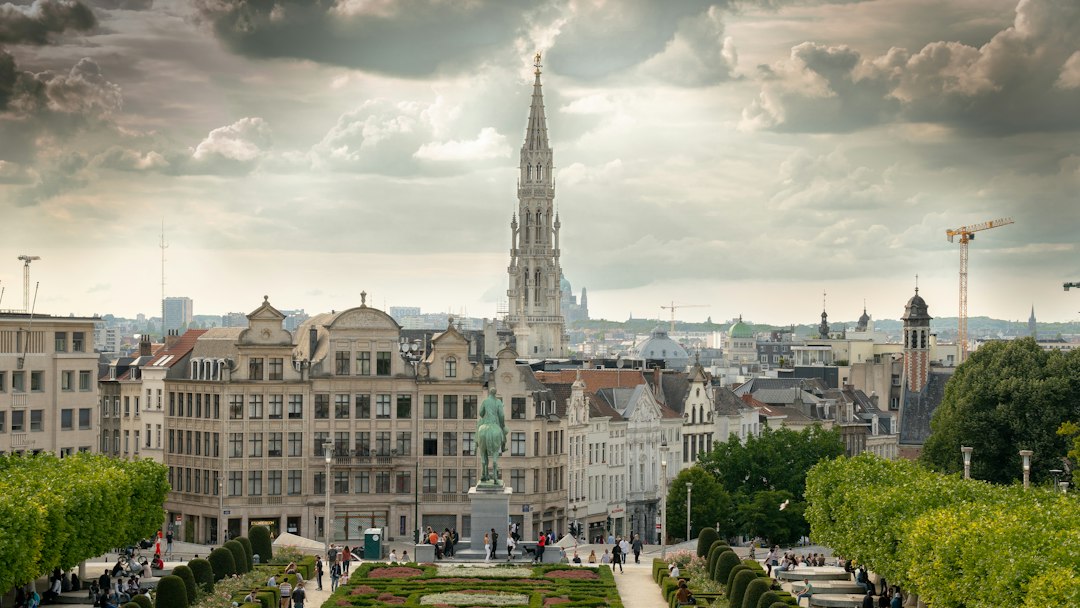
Photo by Seifeddine Dridi on Unsplash
Brussels is having a real cultural lift, not just a marketing one. The big draw is the long-awaited opening of KANAL-Centre Pompidou in November 2026, turning a former industrial site into one of Europe's headline spaces for modern art, performance, film, and design. Around it, the canal district feels sharper, livelier, and more destination-worthy than many travelers still assume.
This is a city that works especially well for travelers who like short transit times and dense days. You can land, be in the center quickly, and spend your hours on galleries, Art Nouveau facades, market halls, and beer bars rather than on logistics. Spring is also smart if you care more about gallery-hopping than the opening itself, because the city is bright, walkable, and packed with design energy.
Plan it this way:
- Best timing: April to June for art fairs and mild weather, or mid-November onward if KANAL is your anchor.
- Ideal length: 3 days.
- Stay area: Sainte-Catherine, Dansaert, or near the canal for easy museum access.
- Midrange budget: about 170 to 260 euros per person per day with hotel, local transport, museum entries, and meals.
- Smart move: book one full museum day and keep your second day flexible for neighborhoods, because opening-week crowds can distort schedules.
Useful official links:
A concrete first-timer structure works well here: Grand-Place early, design and fashion streets by midday, canal district in the afternoon, then a long dinner around Sainte-Catherine. If you are coming from London, Paris, or Amsterdam, rail often makes more sense than flying once you count airport time.
How to plan a meaningful Japan return trip in 2026: Ishikawa and Noto
If you have already done Tokyo and Kyoto, Ishikawa is one of the best 2026 travel updates to act on. Two years after the devastating New Year's Day earthquake, the region is actively welcoming visitors back, especially travelers willing to spend directly with family-run inns, reopened restaurants, sake producers, and craft workshops.
Kanazawa gives you a polished base: Kenrokuen garden, gold-leaf studios, traditional tea districts, and easy rail access from Tokyo in roughly 2.5 hours on the Hokuriku Shinkansen. But the deeper reason to go is Noto, where tourism spending now has unusual weight. Sleeping in a farmhouse inn, buying lacquerware locally, or joining seasonal rural activities is not a vague good deed here; it is direct support for a living culture under pressure.
Plan it this way:
- Best timing: late May to June or October to early November for cooler weather and better road conditions.
- Ideal length: 5 to 7 days.
- Split: 2 nights in Kanazawa, 2 to 4 nights on the Noto Peninsula.
- Midrange budget: 18,000 to 30,000 yen per person per day; farmhouse and ryokan stays with dinner can push higher, but they are often the most valuable spend.
- Smart move: rent a car only for the Noto portion if you are comfortable driving; keep Kanazawa car-free.
Useful official links:
The best itinerary rhythm is city first, peninsula second. Kanazawa gives you the clean lines and controlled pace of a Japanese cultural city. Noto gives you sea air, quiet roads, seafood, sake, and a sense that your money is landing where it counts. If you are flying long-haul, arrive in Tokyo, sleep there one night, then move on with a lighter body clock.
Where easier visa and access changes the math: Algeria
Algeria has long had the classic problem of a fascinating destination made harder by paperwork and uncertainty. In 2026, that friction is lower than many travelers think, and that changes the trip-planning equation. You are looking at Roman ruins with almost no crowd pressure, layered cities, and Sahara landscapes that still feel properly immense.
This is not the place for lazy planning. It is the place for deliberate planning. Visa rules can vary by nationality and trip style, and some travelers will find organized routes smoother than fully independent ones. The reward is a trip that still feels genuinely under-visited: whitewashed Algiers streets above the sea, the deep history of Constantine, and desert gateways like Djanet if you want dunes and rock formations rather than another Mediterranean city break.
Plan it this way:
- Best timing: March to May or October to November.
- Ideal length: 7 to 10 days.
- Best first trip shape: Algiers plus Constantine and one ruins or desert extension.
- Midrange budget: 90 to 160 euros per person per day in cities; Sahara circuits add transport and guide costs fast, often 350 to 700 euros for multi-day desert segments.
- Smart move: verify visa conditions before booking flights, then reserve your first two nights only after your entry plan is clear.
Useful official links:
If you want a North Africa trip without the usual density of tour buses, Algeria is one of the strongest bets of the year. Just do not plan it casually. Paperwork first, route second, hotels third.
New island access worth using well: Cook Islands
Some destinations become newly practical without becoming overbuilt. The Cook Islands are a good example in 2026, with improved flight access from the wider Pacific and Australia making Rarotonga easier to reach for more travelers. The key is to treat that access as permission to slow down, not to over-schedule.
Rarotonga is small enough to feel graspable almost immediately. The ring road is about 32 kilometers, the lagoon shifts from pale turquoise to hard blue through the day, and inland trails cut into a greener, steeper world than many beach-first travelers expect. This is not a checklist island. It is a base-and-breathe island, ideally paired with Aitutaki if your budget allows.
Plan it this way:
- Best timing: May to October for drier conditions.
- Ideal length: 6 to 8 days.
- Split: 4 to 5 nights in Rarotonga, 2 to 3 in Aitutaki.
- Midrange budget: 320 to 500 New Zealand dollars per person per day once on the islands.
- Smart move: stay lagoon-side for swimming days, but book one inland activity early in the trip so the island does not blur into resort time.
Useful official links:
This is one of the best places to practice a simple planning hack: budget by island, not by country. Rarotonga and Aitutaki can feel like two different price levels. Price them separately and you avoid the classic South Pacific mistake of underestimating transfers and day-tour costs.
Conservation travel in 2026: Komodo without winging it
Komodo works best when you accept that tighter visitor management is part of the appeal, not an annoyance. The park's 45th anniversary year brings stronger conservation focus, and that means more reason to plan permits, boat style, and timing before you go. Direct access to Labuan Bajo from major regional hubs also makes the route more straightforward than it used to be.
The visual payoff is absurdly high: pink-sand beaches, dry brown hills folding into electric water, manta-rich reefs, and the strange prehistoric tension of seeing Komodo dragons in their own landscape. But this is not a destination to improvise at the last minute if your heart is set on specific islands, dives, or trekking slots.
Plan it this way:
- Best timing: April to June or September to November.
- Ideal length: 4 to 6 days.
- Base: 2 nights in Labuan Bajo plus 1 to 3 nights on a boat or island stay.
- Midrange budget: 1.7 million to 3.5 million Indonesian rupiah per person per day depending on boat type and dive plans.
- Smart move: choose whether your trip is dragon-focused, snorkel-focused, or boat-life-focused before booking, because trying to maximize all three usually creates a rushed, expensive schedule.
Useful official links:
The smartest version of this trip is simple: one sunrise hike, one serious boat day, one easy town evening with seafood by the harbor. Save energy for the landscape instead of trying to conquer every viewpoint.
A comparison table you can copy into your trip plan
When a destination is changing fast, the planning window matters almost as much as the destination itself.
| Destination | Best 2026 window | Book this far out | Typical daily spend | Ideal trip length | Main planning risk |
|---|---|---|---|---|---|
| Brussels | Apr-Jun or from mid-Nov | 2-4 months | 170-260 euros | 3 days | Opening dates and event-week hotel spikes |
| Ishikawa and Noto | May-Jun, Oct-Nov | 3-5 months | 18,000-30,000 yen | 5-7 days | Limited rural availability |
| Algeria | Mar-May, Oct-Nov | 2-4 months after visa check | 90-160 euros | 7-10 days | Visa timing and route complexity |
| Cook Islands | May-Oct | 4-6 months | 320-500 NZD | 6-8 days | Inter-island costs |
| Komodo | Apr-Jun, Sep-Nov | 3-5 months | 1.7m-3.5m IDR | 4-6 days | Permit, boat, and weather variables |
If you only remember one rule, make it this: never build a whole trip around a single news hook unless the backup trip would still satisfy you. The opening, route, or policy change should improve the holiday, not hold it hostage.
FAQ
How far ahead should I book a trip built around travel news?
For city breaks tied to a museum or district opening, 2 to 4 months is often enough unless you are traveling on a holiday weekend. For islands, safari gateways, or boat-based trips, 4 to 6 months is safer because accommodation supply is thinner and transport options matter more.
How do I verify that a major opening is actually happening?
Check the official website of the museum, tourism board, or transport operator first, then look for opening-month wording rather than one exact date. If the opening is the main reason for your trip, choose refundable accommodation and keep one alternative day plan nearby.
Is it ethical to visit a place that is still rebuilding?
Usually yes, if local authorities are actively welcoming visitors and you spend in locally owned places where possible. The best approach is to avoid disaster voyeurism, respect restricted areas, and choose businesses that are clearly operating and ready for guests.
Which of these trips works best for one week?
Ishikawa is the most balanced one-week choice because it combines easy access, strong food, cultural depth, and a clear way to split city and rural time. Algeria can also work in a week, but only if you keep the route tight and avoid trying to bolt the Sahara onto every itinerary.
What is the easiest way to avoid overpaying on newly popular trips?
Travel just before or just after the headline moment. For example, go to Brussels in late spring if you want the cultural buzz without opening-week pressure, or plan Komodo in shoulder months when the weather is still good but the boat market is less strained.
The best travel news is not really news at all once you use it properly. It becomes timing, route design, and better odds of having the place meet you at the right moment: just opened, just easier, just ready, or still wonderfully uncrowded.