Your body clock does not care that the arrivals board says Tokyo while your bloodstream still thinks it is 2 a.m. A science-backed jet lag plan matters because the brain usually shifts only about one time zone per day, so a five-hour difference can erase the best part of a short trip.
Jet lag is more than tiredness. It can slow reaction time, upset your stomach, flatten your mood, and make the first day abroad feel strangely unreal: bright terminal lights, weak coffee, a hotel room that looks ready for sleep at exactly the wrong hour. The good news is that most travelers can cut the worst of it with better light exposure, smarter sleep timing, and a few health precautions before, during, and after the flight.
Why jet lag feels worse than ordinary travel fatigue
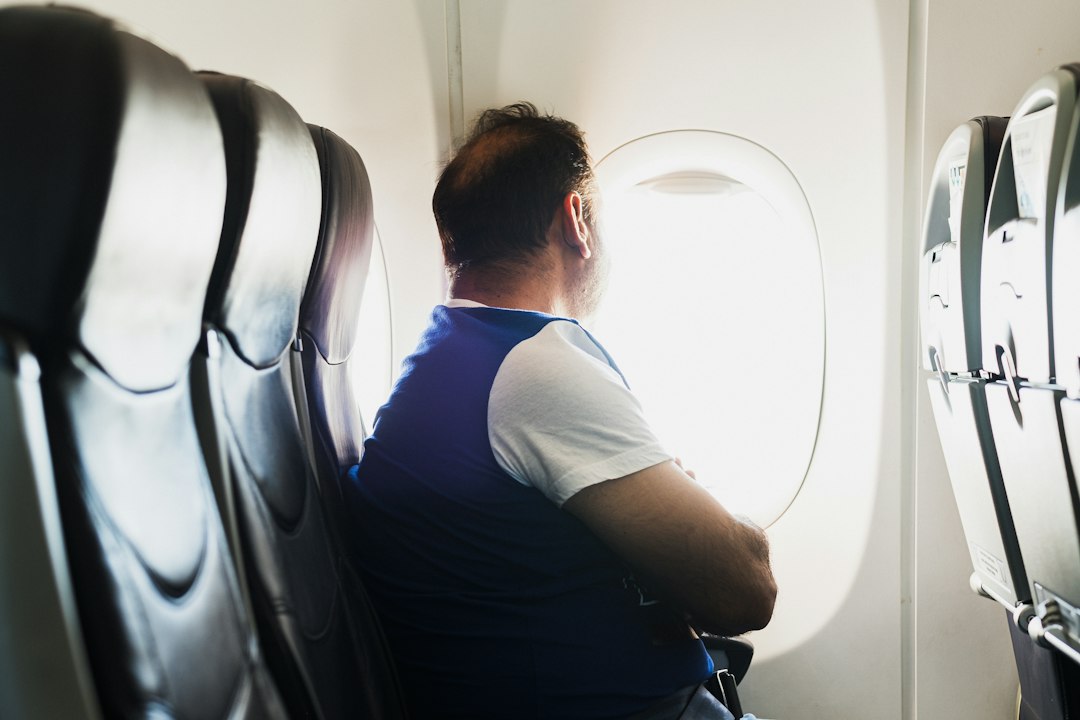
Photo by Richmond Archer on Unsplash
A long flight can leave anyone stiff, dry-eyed, and cranky. But jet lag is different: your internal clock is out of sync with the local day. That clock influences sleep, alertness, hunger, digestion, body temperature, and even how sharp you feel crossing a street or reading a train platform after landing.
This is why the problem is about time zones, not flight length. You can sit on a plane for 11 hours and feel tired but fine if you barely change time zones. Cross five or six zones on a shorter overnight route, and suddenly breakfast feels like midnight. Eastbound flights are usually harder than westbound ones because asking your body to fall asleep earlier is tougher than asking it to stay up later.
From a safety angle, treat the first day seriously if you are badly misaligned. Jet lag raises the odds of small mistakes: missing the right station, leaving a bag behind, or deciding to drive after a red-eye when you should not. If your arrival day includes a rental car, mountain roads, scuba diving, or a long onward transfer, move that plan if you can.
- Crossed 1 to 2 time zones? You may only need daylight, hydration, and a normal bedtime.
- Crossed 3 to 5 time zones? Use a structured jet lag routine.
- Crossed 6 or more time zones? Protect the first 48 hours and avoid demanding plans on day one.
- Flying east? Start earlier and be stricter with evening light.
- Flying west? Focus on staying awake until a sensible local bedtime.
The 3-day sleep shift before you fly

Photo by Cuvii on Unsplash
The easiest jet lag hours to fix are the ones before you leave home. Most travelers ignore this because it feels small, but shifting your schedule by even 90 minutes before departure can save a full day of jet lag recovery later.
Think of it like easing your body clock into a bend instead of jerking the wheel. If you are flying east, move bedtime and wake time earlier by 30 to 60 minutes each day for two or three days. If you are flying west, do the opposite and stay up later. Pair that shift with the right light at the right time, because sleep timing works far better when daylight reinforces it.
If the first morning at your destination matters, protect it while booking. A buffer day is often cheaper than losing a paid tour, a meeting, or the first half of a city break. That same buffer logic matters when you map your year, much like 2026 Travel Calendar: 4 Trips to Book Around Big Dates.
- Three days before departure, shift bedtime and wake time by 30 minutes toward destination time.
- Two days before departure, shift another 30 minutes.
- One day before departure, repeat once more if life allows.
- For eastbound travel, get outdoor light soon after waking and dim screens earlier at night.
- For westbound travel, seek more evening light and avoid very early bright light if possible.
- Eat meals a little closer to destination time, especially breakfast.
- Finish packing early so the last evening is calm instead of midnight-chaotic.
If you need to price in an arrival-day hotel, airport transfer, or a recovery meal, add it to the same math you use in Travel Budget Worksheet 2026: The 7-Line Trip Cost Plan. Jet lag is a health issue, but it also has a real budget cost when it wipes out paid time.
Light exposure and melatonin timing that actually help
Photo by Solving Healthcare on Unsplash
Light is the most powerful lever you have. Morning sun, late-day glare on glass towers, even a gray urban sky outside a station all send stronger timing signals than most indoor rooms. If you use light well, you can move your body clock faster; if you use it badly, you can delay recovery without realizing it.
For eastbound flights, the usual aim is morning light and less evening light for the first few days. For westbound flights, late-afternoon or evening light often helps more, while very early morning brightness can wake you too soon. You do not need a perfect laboratory schedule, just a clear direction.
When melatonin helps
Melatonin can be useful, especially after eastbound trips, but more is not better. For many healthy adults, a low dose such as 0.5 mg to 3 mg taken 30 to 60 minutes before the new local bedtime is enough for three to five nights. Bigger doses often add grogginess without giving better circadian results.
Melatonin is not right for everyone. If you are pregnant, managing a chronic condition, or taking blood thinners, immune-suppressing medication, or other sleep aids, check official guidance first. Country rules also differ, so confirm what is legal to buy or carry before you pack it. Two good starting points are NHS melatonin guidance and CDC information on melatonin and sleep.
Light and food rules worth remembering
The first meal in a new time zone matters more than travelers think. Your gut has its own rhythms, and eating on local time helps the whole system catch up. Do not wait until you feel hungry on home time.
- Seek outdoor daylight, not just bright hotel lobbies.
- Eastbound: prioritize morning light and dim evenings.
- Westbound: seek later daylight and avoid crashing too early.
- Take melatonin close to intended bedtime, not in the middle of the day.
- Keep caffeine 6 to 8 hours away from planned sleep.
- Eat breakfast, lunch, and dinner on local time as soon as you can.
The in-flight routine that reduces jet lag and travel stress
The plane is not just dead time between airports. It is the bridge between clocks. The smartest move is simple: live on destination time as soon as you board. Reset your watch, your meal choices, and your sleep goal to where you are going, not where you left.
If it is nighttime at your destination during most of the flight, try to sleep as soon as practical. If it is daytime there, stay awake even if the cabin is dim and everyone around you looks half unconscious. A badly timed airplane nap can feel good for 90 minutes and cost you a full night later.
Cabin air is also extremely dry, often around 10 to 20 percent humidity. That is one reason travelers feel hollowed out and headachey on arrival. Dehydration does not cause jet lag, but it makes it feel worse and muddies the picture with extra fatigue.
- Drink about 250 ml of water per hour in the air.
- Limit alcohol; it fragments sleep and adds dehydration.
- Use caffeine only in the part of the flight when you are trying to stay awake.
- Walk or stretch at least every 2 hours.
- Wear an eye mask if sleep aligns with destination nighttime.
- Keep a simple sleep kit in your personal item: eye mask, earplugs, water bottle, melatonin if appropriate, lip balm, and a light layer.
If you are arriving alone and already know the first day will be foggy, keep your transfer boring and easy. That is where the habits in Solo Trip Safety Tips for 2026: Smart Moves From Landing to Late Night become especially useful.
The first 48 hours after landing
This is where most science-backed advice gets won or lost. Landing day is emotional: relief, stale cabin clothes, a jolt of strange weather, maybe the smell of rain on hot pavement outside the terminal. It is also when the urge to lie down becomes strongest. If you sleep for hours at the wrong local time, you can push recovery back by a day.
The best rule is to anchor yourself to local time fast. Get outside, move your body, eat a real meal, and aim for a normal bedtime. If you are building your trip in TravelDeck, block the first afternoon as low-stakes time rather than stuffing it with museum reservations or a long intercity train.
If you land in the morning or early afternoon
Stay awake until a normal bedtime if you reasonably can. A walk in daylight is better than sitting in a dim room scrolling. If you absolutely must sleep, cap the nap at 20 to 30 minutes and set an alarm.
Choose activities with low consequences: a riverside stroll, a market, a neighborhood cafe, laundry, a gentle museum, or an early dinner. Skip complicated driving, cliff walks, deep-water swims, and anything that depends on sharp judgment.
If you land in the evening
Do not fight for extra awake hours just to feel disciplined. If local bedtime is close, keep lights low, hydrate, wash off the flight, and sleep. Night arrivals are often easier because your environment and your plan point the same way.
Your arrival-day checklist
- Get daylight exposure as soon as possible if it is still daytime.
- Eat on local schedule even if appetite is off.
- Keep the last caffeine about 8 hours before bed.
- Walk for 20 to 30 minutes outdoors.
- Nap only if necessary, and keep it under 30 minutes.
- Keep dinner moderate; giant late meals can backfire.
- Aim for the same bedtime on night one and night two.
Older travelers often need a little more recovery margin, and children may bounce faster but melt down harder in the transition. In both cases, routine helps more than heroics.
Eastbound vs westbound cheat sheet for jet lag recovery
Direction changes the strategy. Eastbound trips usually require an earlier body clock, so they need more discipline. Westbound trips usually feel easier, but travelers often sabotage them by napping too long and waking before dawn for several days.
| Route pattern | Best light exposure | Best sleep move | Melatonin use | Biggest mistake |
|---|---|---|---|---|
| Eastbound, 3 to 5 zones | Morning outdoor light | Sleep earlier before trip and on arrival nights | Often useful at low dose near bedtime | Bright late evenings and long daytime naps |
| Eastbound, 6 to 9 zones | Strict morning light, dim evenings | Protect first 2 to 3 nights carefully | Often useful for 3 to 5 nights | Scheduling hard sightseeing or driving on day one |
| Westbound, 3 to 5 zones | Late afternoon or evening light | Stay awake to a normal local bedtime | Often less necessary | Going to bed at 6 or 7 p.m. local time |
| Westbound, 6 to 9 zones | Seek later light, avoid ultra-early light if waking too soon | Delay bedtime gradually | Optional for sleep consolidation | Repeated early-morning coffee and 2-hour naps |
One practical rule of thumb: eastbound recovery often takes about one day per time zone if you do nothing, while westbound recovery is usually a bit faster. A science-backed jet lag plan does not make you superhuman, but it can make you functional by day two instead of day five.
FAQ
How many time zones usually cause real jet lag?
Many travelers notice little with one or two time zones. Three or more is where a structured plan starts paying off, especially on short trips where the first day matters.
Is melatonin enough on its own?
Usually no. Melatonin can help with sleep timing, but light exposure and local meal timing do more to reset the clock. Think of melatonin as a supporting tool, not the whole solution.
Should I exercise after a long-haul flight?
Yes, but keep it moderate on arrival day. A 20 to 30 minute outdoor walk is often better than an intense gym session because it gives you movement and daylight without pushing stress hormones too high close to bedtime.
Does fasting fix jet lag?
Meal timing may help a little, but the evidence is much stronger for light exposure and sleep timing. If fasting makes you shaky, overhungry, or irritable, it is not the best lever to pull.
What is the worst mistake travelers make?
A long daytime sleep right after arrival. It feels wonderful in the moment and often wrecks the first night, which then drags the next day down with it.
A good science-backed jet lag plan is really a discipline plan: move your clock before takeoff, respect light, keep naps short, and protect the first two nights. You cannot stop your body from noticing a six-hour jump, but you can stop giving it mixed signals.