The riskiest part of a solo trip is often not a dark alley or a dramatic worst-case scenario. It is the blurry hour after landing, when you are tired, holding all your valuables, and making fast decisions in a place that smells unfamiliar and sounds loud with engines, announcements, and competing voices.
These solo trip safety tips are built around that reality. Instead of vague advice, this guide gives you a practical system for traveling alone safely: how to plan a low-friction first day, how to choose rooms and routes that reduce risk, and how to set simple rules before the night gets complicated.
If you keep your trip details in one place, whether that is a paper folder or a planner like TravelDeck, it becomes much easier to share your route, bookings, and backup notes with someone at home.
Start with a low-friction itinerary, not a brave one
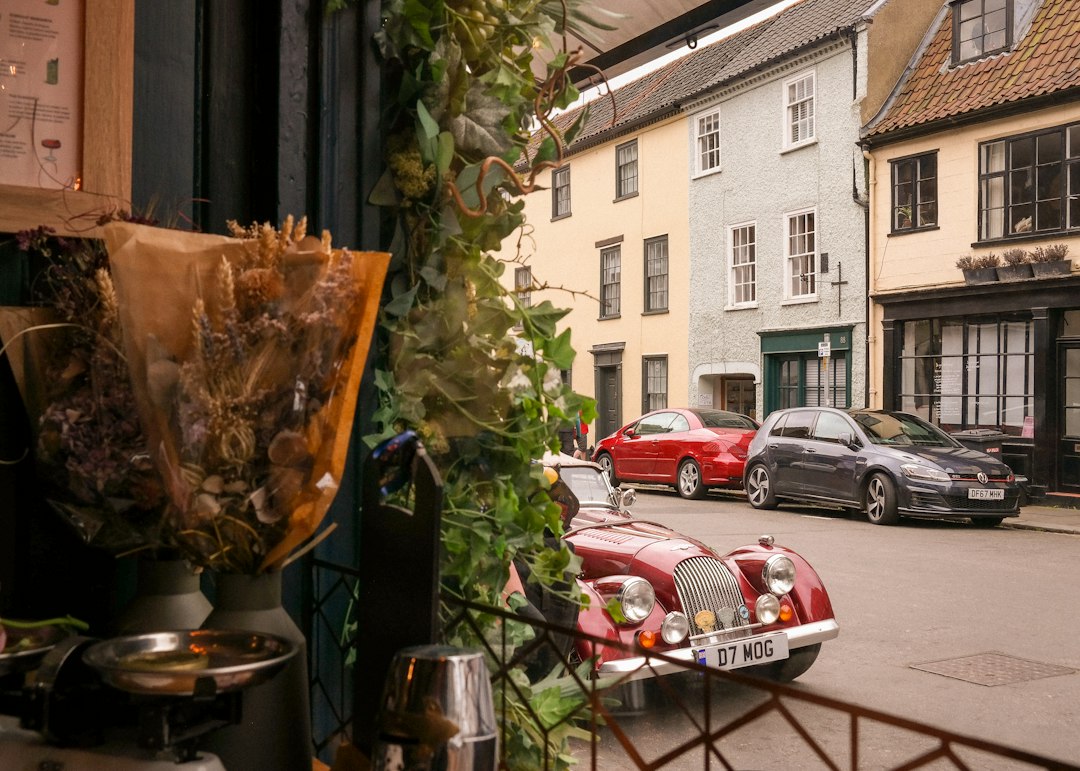
Photo by Matthew Stephenson on Unsplash
The biggest solo travel mistake is confusing freedom with improvisation. Freedom feels great on day three, when you already know the rhythm of a place. On day one, too much improvisation can leave you hunting for cash, transport, and a bed while the light fades and your battery drops.
For your first 24 hours, make the trip deliberately easy. Choose an arrival that lands in daylight if possible, book at least the first two nights, and stay in a neighborhood with busy foot traffic, food within a 5 to 10 minute walk, and a direct route from the airport or station. The safest solo trips usually begin with convenience, not courage.
A useful rule: pay a little more to remove three points of friction on arrival. That may mean spending an extra $10 to $25 for a central room, an extra $8 to $30 for an official airport transfer, or an extra $5 to $15 for a local data plan set up as soon as you land. Those are not luxury upgrades. They are safety purchases.
If you are still pricing the trip, build those costs in from the start with Travel Budget Worksheet 2026: The 7-Line Trip Cost Plan.
Before you book, check official travel advice rather than rumor or recycled forum chatter. These are the pages worth bookmarking:
- U.S. travel advisories
- UK foreign travel advice
- Australia Smartraveller
- EU emergency information for travelers
Use them to answer concrete questions: Are there transport strikes? Are certain border regions off-limits? Is there a curfew, protest activity, or severe heat warning during your dates?
Build a one-page solo travel checklist before you fly
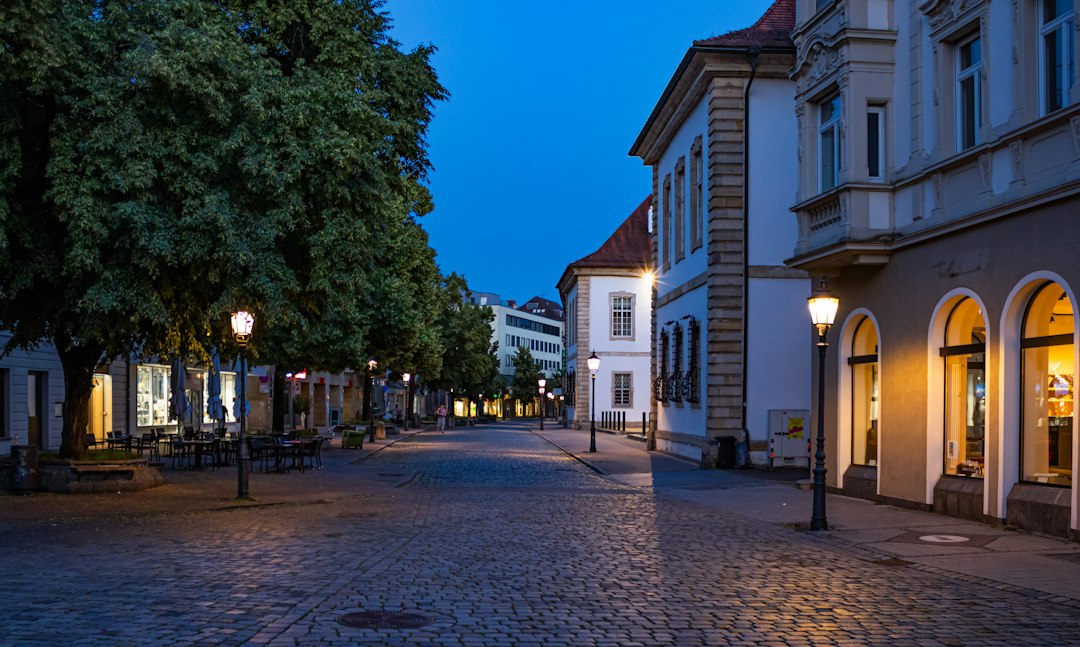
Photo by Philipp Kämmerer on Unsplash
A calm solo traveler is usually a prepared one. When something goes wrong abroad, the problem is rarely just the incident itself. It is the scramble: searching for policy numbers, embassy details, the address of tonight's hotel, or the name of the medication you packed.
Create a one-page solo travel checklist and save it in three places: on your phone, in your email, and on paper in a separate pocket. Keep it brutally short and useful. If you had to hand it to a stranger helping you at a train station, it should explain the essentials in 20 seconds.
Your sheet should include:
- Full name as shown on passport
- Passport number and passport issue country
- Accommodation name, address, and phone number for the first two nights
- Emergency contact at home
- Insurance emergency line
- Local emergency number
- Nearest embassy or consulate details
- Any allergies, prescriptions, or medical conditions
- A short list of local phrases: help, hospital, police, I am lost
Carry copies, but do not carry everything together. A lost wallet should not also mean losing your backup card, passport copy, and emergency cash in the same moment.
A practical setup looks like this:
- Main wallet: one payment card, one day of cash, transit card if needed
- Day bag hidden pocket: backup card and hotel address card
- Luggage or money belt: passport and emergency cash reserve
- Cloud storage or secure notes: document scans and booking confirmations
For deeper pre-trip decisions on neighborhoods, transport, and room types, Solo Travel Planning Tips 2026: Safer Hotels, Streets and Rides pairs well with this checklist.
Use a 90-minute arrival routine every time
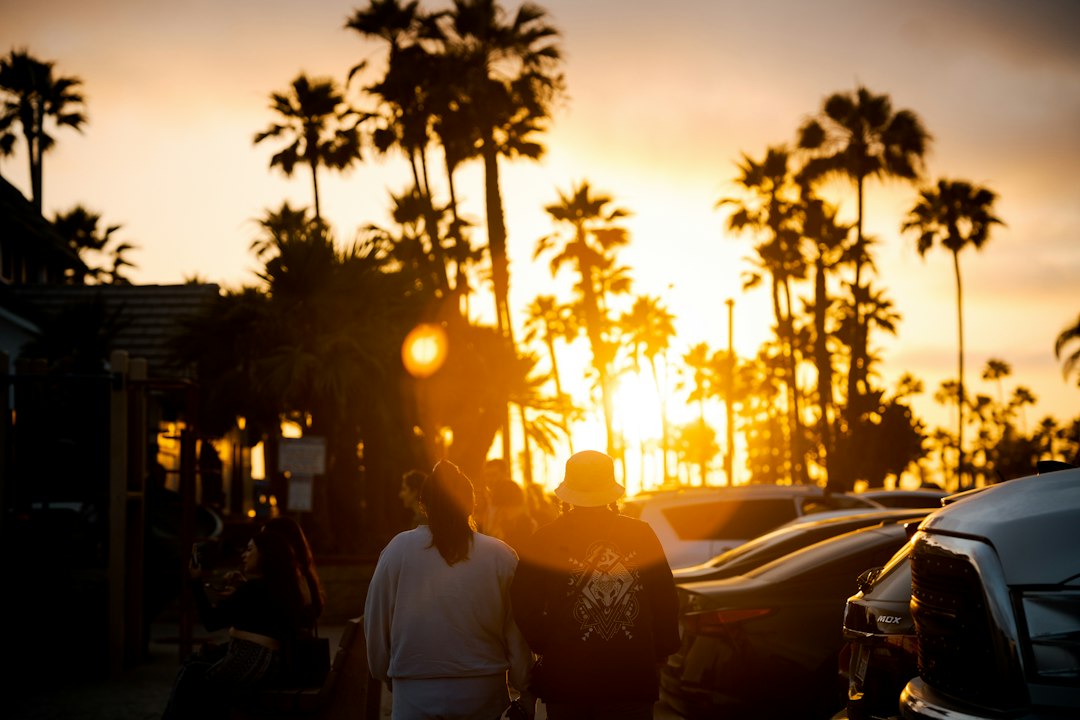
Photo by Daniel Lee on Unsplash
Stepping out of arrivals can feel like walking into static. Taxi offers, humid air, neon signs, street noise, and the temptation to make quick choices because you are tired. This is exactly when solo travelers benefit from a routine that never changes.
Give yourself 90 minutes from touchdown to calm. Do not rush to prove you can handle it. Slow is smooth, and smooth is safe.
Follow this order on every solo trip:
- Use the restroom and refill water before leaving the secure area.
- Get connected to mobile data or airport Wi-Fi long enough to message your check-in contact.
- Withdraw only enough local cash for the first 24 hours.
- Confirm the exact address of your accommodation and how you will get in if you arrive early or late.
- Use only official transport options or a transfer arranged in advance.
- Once checked in, do not go wandering with all your valuables. Reset first.
This table is worth copying into your trip notes:
| Moment | Smart default | Number to remember | Red flag |
|---|---|---|---|
| After landing | Get data working before leaving | 10 minutes | Relying on luck for connection |
| Cash | Withdraw a small first-day amount | $40 to $80 | Exchanging your full trip budget at the airport |
| Transfer | Use official queue, shuttle, or pre-booked pickup | $8 to $30 in many cities | Unsolicited drivers approaching you |
| Check-in | Learn the exact late-night return route | 2 route options | Discovering it for the first time after dark |
| First meal | Eat close to the hotel | Within 800 meters | Crossing the city immediately with luggage |
One more rule: after checking in, do a short neighborhood loop in daylight. Find water, food, an ATM inside a bank or busy mall, and the simplest route back. That 20-minute walk can remove hours of stress later.
Choose rooms and street habits that make you harder to target
A good solo room should help you exhale. You want light in the corridor, a lock that feels solid, reception or staff nearby, and a neighborhood that sounds lived-in rather than deserted. The low mechanical hum of a reliable building matters more than a trendy photo.
For the first nights of a trip, choose function over fantasy. A charming lane can wait until you understand the city better.
Look for these safe accommodation tips when traveling alone safely:
- Book a place with recent reviews that mention staff, cleanliness, and neighborhood feel
- Prefer a staffed entrance or 24-hour reception for late arrivals
- Ask for a room between the 2nd and 6th floors when possible
- Avoid ground-floor rooms on your first nights in a new city
- Check that the route from transit to the door is well lit and active after 8 pm
- Carry a small door wedge or portable alarm; many cost around $8 to $20
- Pack a simple lock for lockers or shared storage
Street habits matter just as much. A traveler who looks busy but not flustered is less likely to be bothered. Keep your phone put away at intersections, stop inside a shop or cafe if you need to reorient, and never stand with your bag open on the pavement while you sort cash.
A few small habits do real work:
- Keep one ear free when walking, especially after dark
- Wear a crossbody bag zipped to the front
- Keep your daily cash split into two places
- Do not announce that you are alone to strangers who do not need to know
- If someone is pushy, move toward light, staff, or other people fast
If your route includes busy transport hubs or tourist districts, read Avoid Scams While Traveling in 2026: Use the 30-Second Rule before you go.
Set your after-dark rule before sunset
Night is not automatically dangerous. In many cities, evening is the best part of the day: warm air rising from stone streets, glasses clinking on terraces, market smoke, music leaking from doorways, and the looseness that makes solo travel feel alive. The problem is not night itself. The problem is making safety decisions after you are already tired, tipsy, or far from your base.
Make your night plan while it is still light outside. Decide how you are getting back, what your spending limit is, and what your personal cutoff looks like.
A simple after-dark system:
- Know your last easy return option before you leave the room
- Carry the hotel address on paper, not just on your phone
- Keep enough charged battery for the ride home, not just the night out
- Limit alcohol to the point where you can still navigate and notice changes around you
- If a street feels wrong, pay for the safer route back without debating it
For many solo travelers, especially on a first visit, spending an extra $10 to $20 to avoid a 25-minute walk at 11 pm is money well spent. Safe solo travel is often just early decision-making.
For solo female travel safety, add one more layer: do not share your room number, exact lodging details, or tomorrow's solo plans with someone you just met. Friendly conversation is fine; precise logistics are private.
Protect money, phone, and identity with a backup system
When you travel with friends, someone can spot you cash if your card fails or call your hotel while you sort out a lost phone. Alone, you need to build that support into your gear and habits.
Your goal is simple: one loss should not ruin the trip.
Use the two-card, three-cache rule:
- Card 1 in your main wallet for daily use
- Card 2 stored separately and never carried with Card 1
- Cash cache 1 for the day
- Cash cache 2 hidden reserve of $50 to $100 equivalent
- Cash cache 3 optional small note in local currency for transport or water
Keep your phone locked with biometrics or a strong passcode, and make sure remote location and erase functions are enabled before departure. Back up your passport scan, insurance details, and first-night booking somewhere you can access from another device.
Also think about your digital footprint. Posting your exact table, hostel, or room-view in real time tells strangers two things: where you are and that you are alone long enough to share it. Post later. The sunset will still look good tomorrow.
A few smart numbers to remember:
- Emergency cash: $50 to $100 equivalent
- Backup power bank: enough for 1.5 to 2 full phone charges
- Check-in rhythm with home: once every 24 hours on moving days
- Buffer fund: at least 15% of trip cost for transport changes or safer last-minute choices
FAQ
What is the safest way to start a first solo trip?
Pick an easy first destination with strong transport, clear signage, and a simple airport-to-hotel route. Land in daylight, book your first two nights, and keep day one to one neighborhood only. The best first solo trips feel almost boring on arrival, and that is a good sign.
How much emergency cash should a solo traveler carry?
A practical range is $50 to $100 equivalent hidden separately from your main wallet, plus one day's normal spending cash. That should cover a ride, food, and a basic room problem without forcing you into a bad decision.
Is it safe to go out alone at night when traveling?
Often yes, but only with a plan. Stay in well-trafficked areas, decide your return method before leaving, and do not let low battery or too many drinks make the decision for you. If the safer route costs more, treat it as part of the evening budget.
Should I share my live location with someone at home?
For moving days, late arrivals, remote hikes, or night transfers, yes. For every casual afternoon, not necessarily. The useful habit is regular check-ins and sharing location when the risk level rises.
What if I feel unsafe but nothing has technically happened yet?
Leave anyway. Trusting your discomfort early is one of the most valuable solo trip safety tips there is. Walk into a staffed place, reset, and choose the option that gets you back into control fastest.
Traveling alone safely is not about shrinking your world. It is about clearing away preventable stress so the good parts come forward: the long breakfast with your notebook, the quiet museum hour, the night market smoke, the confidence of getting yourself home through a city that no longer feels strange. The more your safety habits become automatic, the more freedom solo travel actually gives you.