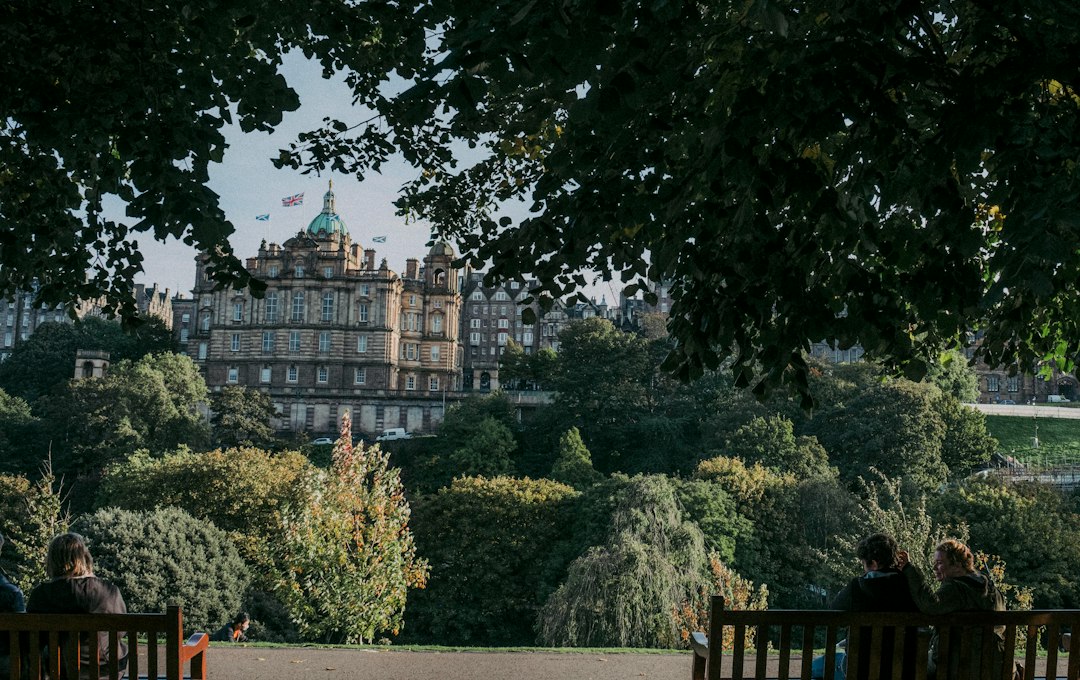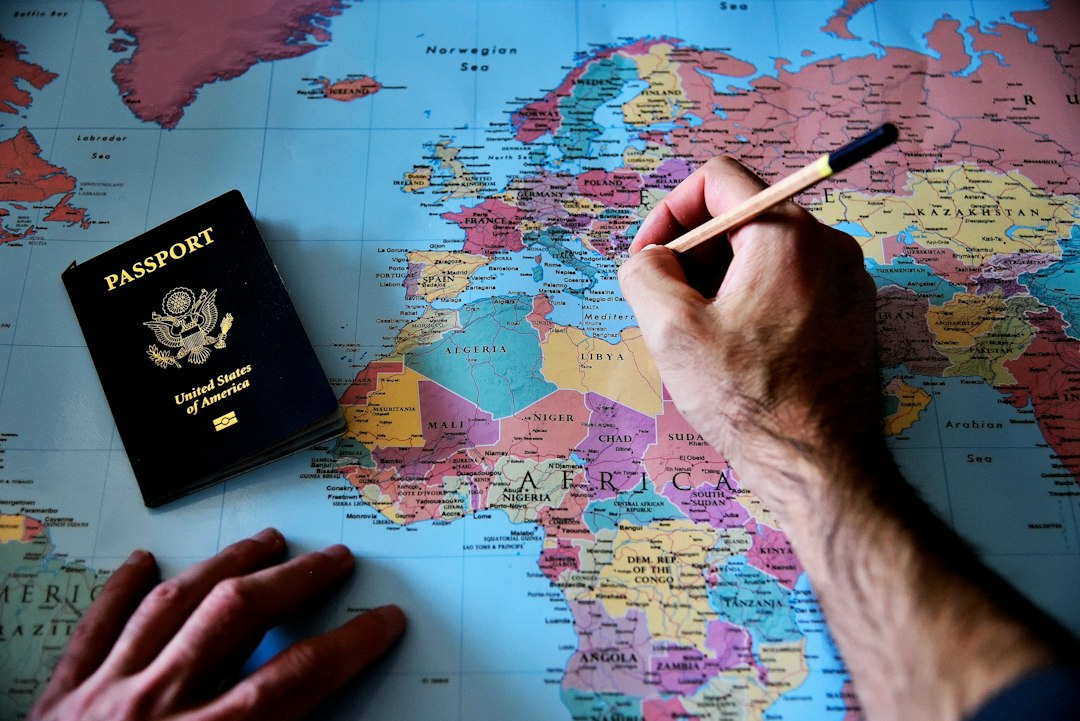
The smartest trip in 2026 may not be the cheapest or the flashiest. It will be the one you time to a new museum, a fresh air route, or a one-night-only sky event before prices jump and rooms disappear. That is why a good 2026 travel calendar beats a vague bucket list every time.
Instead of scrolling endless inspiration, build your year around one news trigger that actually changes the trip: an opening, a reopening, a new route, or a fixed-date phenomenon. Below are four places where the latest travel news genuinely affects when to go and how to plan it, with real budgets, booking windows, and official links so you can turn an idea into dates.
How to use a 2026 travel calendar
Photo by Towfiqu barbhuiya on Unsplash
A useful 2026 travel calendar is not a list of everywhere. It is a filter. Start by asking one practical question: what has changed in this place for 2026 that would make the trip better this year than next year? If you can answer that in one sentence, you have a trip worth pricing.
My rule is simple: lock the thing that is hardest to replace first. That might be an opening week, a direct flight, or the single night of an eclipse. Then build the rest around it. I like sketching those moving parts in TravelDeck so flights, hotel holds, and fixed dates sit on one timeline instead of in ten open tabs.
| Trip | Why 2026 matters | Best dates | Book by | Rough daily cost |
|---|---|---|---|---|
| Brussels | KANAL-Centre Pompidou opens in November and the canal district is heating up | Mid-November to early December | 3 to 5 months ahead | €170 to €300 |
| Ishikawa, Japan | Recovery-led travel supports Noto while Kanazawa stays easier than Tokyo or Kyoto | Mid-October to late November | 4 to 6 months ahead | ¥18,000 to ¥35,000 |
| Cook Islands | Direct Brisbane-Rarotonga flights begin in May 2026 | June to September | 5 to 8 months ahead | NZ$280 to NZ$500 |
| Aragon, Spain | The total solar eclipse lands on 12 August 2026 | 10 to 13 August | 8 to 12 months ahead | €140 to €260 |
Use this 30-minute planning method before you book anything:
- Pick one anchor date you cannot move.
- Price transport and one central hotel for three date options.
- Decide your trip length before you browse extras.
- Set a spending ceiling using the same categories from Travel Budget Worksheet 2026: The 7-Line Trip Cost Plan.
- If you are paying for a long-haul or a hotel-heavy city break, review the timing and perks in Travel Credit Card Starter Plan for 2026: Spend Less, Fly More before checkout.
That is the whole hack: choose the date first, not the dreamiest photo.
Brussels: a culture weekend timed to KANAL
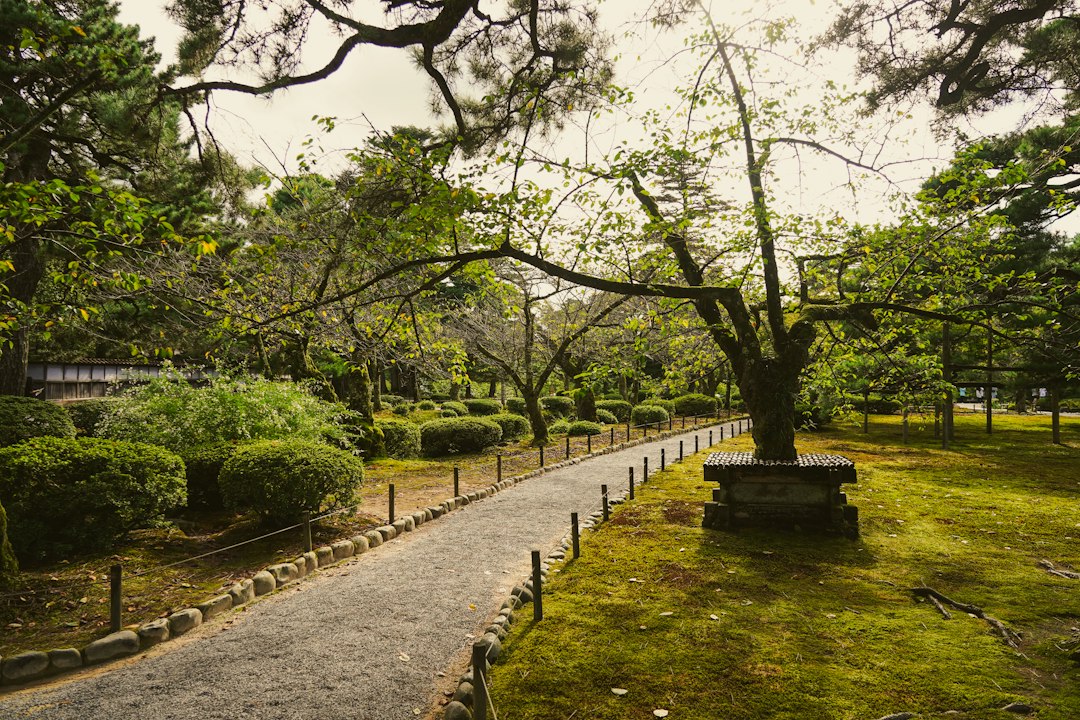
Photo by Zion C on Unsplash
Brussels has always had grand facades, comic-book color, and the smell of butter and hot sugar drifting from corner bakeries. In 2026, it also gets a sharp new reason to visit: KANAL-Centre Pompidou opens in November, turning a huge former industrial space by the canal into one of Europe’s most anticipated cultural launches.
This is exactly the kind of trip that belongs on a 2026 travel calendar because the news changes the vibe of the city. Go too early and you miss the opening pulse. Go too late and you pay high-season prices once every culture-first weekend traveler catches on. The sweet spot is the second half of November or the first two weeks of December, when you can pair the new museum with crisp walking weather, easy public transport, and long dinners in Sainte-Catherine.
How to plan it:
- Best trip length: 3 nights.
- Best base: the canal district, Sainte-Catherine, or around De Brouckere so you can walk between galleries, restaurants, and transit.
- Hotel budget: roughly €140 to €220 per night for a solid central double room in shoulder season.
- Food budget: €35 to €60 per person per day if you mix bakery breakfasts, market lunches, and one proper dinner.
- Total budget: a well-planned long weekend usually lands around €550 to €900 per person before transport.
- Transport tip: skip the car. Brussels is compact, and new transport links improve airport-to-center access.
- Booking window: book transport and hotel 3 to 5 months ahead, but watch for museum ticket releases earlier if you want opening-period dates.
Two practical rules make this trip smoother. First, book one headline cultural stop per day, not three. Big opening weekends look seductive on paper and exhausting in real life. Second, leave one meal unplanned near the canal, because new city energy is easiest to feel after dark, when restaurants spill warm light onto wet pavements and people linger over beer, fries, and sharp little plates.
Useful official links:
Ishikawa: plan a Japan trip that helps, not crowds
If you want Japan in 2026 without throwing yourself into the most crowded lanes of Tokyo and Kyoto, put Ishikawa on your 2026 travel calendar. Kanazawa gives you the lacquer shine of traditional crafts, quiet garden space, market seafood, and gold-leaf workshops; further north, parts of Noto are welcoming visitors again, and your spending can directly support family inns, local brewers, and artisans rebuilding after the 2024 earthquake.
This is not disaster tourism. It only works if you plan lightly and respectfully. The point is to stay where operations have resumed, spend locally, and accept that some services will still be limited. Done well, it becomes one of the most meaningful trips of the year: cool sea air, cedar-scented ryokan corridors, bowls of crab and rice, and towns where buying one handmade item matters more than ticking off ten sights.
How to plan it:
- Best dates: mid-October to late November for autumn color, or late March to mid-April for spring.
- Best trip length: 4 to 6 nights.
- Smart split: 2 nights in Kanazawa, then 2 to 4 nights in reopened areas of Noto or nearby onsen towns where availability has stabilized.
- Hotel budget: Kanazawa business-style hotels often run ¥12,000 to ¥20,000 per double room; ryokan stays with dinner and breakfast can range from ¥25,000 to ¥45,000 per person.
- Activity budget: craft workshops usually sit around ¥2,000 to ¥6,000.
- Booking window: 4 to 6 months ahead for foliage season, especially if you want a ryokan with private bath options.
- Rail tip: keep your first and last nights in Kanazawa for easier train timing and luggage storage.
- Spending tip: buy direct from artisans or reopened breweries rather than loading the trip with generic souvenirs.
A practical route is simple: arrive in Kanazawa, visit Kenrokuen early, eat at Omicho Market, then slow down. One craft workshop, one garden morning, one bathhouse evening, one seafood splurge. For a trip like this, depth beats mileage.
Useful official links:
Cook Islands: use the new Brisbane access to make the South Pacific doable
The Cook Islands can feel like a screensaver made real: a neon-blue lagoon, sharp green peaks behind it, roosters announcing dawn, and a road so small you can circle the main island in under an hour. What changes in 2026 is access. Direct Brisbane-Rarotonga flights begin in May, which makes this trip far more realistic for travelers coming from Australia and easier to pair with wider Pacific plans.
This belongs on a 2026 travel calendar because flight changes are one of the most useful kinds of travel news. A new route does not just save time. It can turn a complicated three-stop dream into a one-week holiday you can actually take. The best version is not a rushed island checklist. It is a split stay: enough time in Rarotonga to settle into the lagoon rhythm, then a short hop to Aitutaki if your budget allows.
How to plan it:
- Best dates: June to September for drier weather and comfortable temperatures.
- Best trip length: 6 to 8 nights.
- Smart split: 4 or 5 nights in Rarotonga and 2 or 3 nights in Aitutaki.
- Stay budget: guesthouses usually start around NZ$180 to NZ$260 per night; smaller beachfront resorts often sit around NZ$350 to NZ$500.
- Getting around: scooter hire is roughly NZ$35 to NZ$45 per day.
- Excursion budget: lagoon day trips commonly cost NZ$130 to NZ$180.
- Booking window: lock your main international flight 5 to 8 months ahead, then book Aitutaki sectors as soon as your dates are firm.
- Packing rule: bring reef shoes, high-SPF sunscreen, and more insect repellent than you think you need.
The biggest planning mistake here is underestimating transfer time. On paper, the islands look tiny. In practice, island schedules mean you want breathing room, especially on the day you connect onward. Build one slow day with no fixed plans. That is usually the day the place finally clicks.
Useful official links:
Aragon: build your August trip around the total solar eclipse
Most travelers choose Spain for food, architecture, and easy train days. In August 2026, parts of Aragon add a far rarer reason: the total solar eclipse on 12 August. That makes this one of the clearest examples of how to plan a trip from the latest travel news rather than from a generic summer list.
Aragon is a strong eclipse base because it gives you space. Zaragoza is practical and well connected; smaller towns in the region offer darker skies, drier inland conditions, and less crowd pressure than obvious coastal choices. The landscape helps too: ochre plains, hill towns, Roman traces, and evening light that already feels theatrical before the sky starts changing. If you have never watched a landscape go quiet in the middle of the day, this is a memorable year to fix that.
How to plan it:
- Best dates: 10 to 13 August 2026.
- Best base for simplicity: Zaragoza, with a flexible day trip plan to your viewing point.
- Best base for a slower trip: rural stays in Teruel province or smaller towns with clear western horizons.
- Hotel budget: around €110 to €180 for a city double room; rural properties can run €140 to €220 in eclipse week.
- Transport budget: early-booked rail seats into Zaragoza can start around €25 to €60 each way depending on route and timing.
- Essential gear: certified eclipse glasses, water, hat, portable battery, offline map, and a lightweight picnic.
- Booking window: 8 to 12 months ahead for accommodation in the path area.
- Viewing rule: arrive at least 3 hours early and do not rely on mobile signal once crowds gather.
The best hack is to separate sleep from sky. Sleep in a place with food and logistics. View from a place with horizon, parking, and a clean exit route. You do not need the prettiest hotel on eclipse day; you need the calmest plan.
Useful official links:
FAQ
How far ahead should I book a news-driven trip in 2026?
Use the type of news as your guide. A fixed-date event such as the 12 August eclipse should be booked 8 to 12 months out. A museum opening or city break usually works at 3 to 5 months. A new route for a long-haul island trip often rewards booking 5 to 8 months ahead, especially when seats are limited at launch.
Should I wait for a deal if prices feel high?
Usually not for trips built around a specific date. If the total price already fits your ceiling, book the flight and hotel core, then save money on the parts you can control later such as dining pace, room category, or paid tours. Event-driven travel gets more expensive faster than ordinary travel.
Which of these trips works best if I only have one long weekend?
Brussels is the cleanest fit. You can land, move entirely by public transport, and fill 3 nights with one major opening, one neighborhood wander, and one excellent dinner without spending half the trip in transit.
Which trip gives the biggest reward for a one-week holiday?
The Cook Islands. A direct route changes the math dramatically, and 6 to 8 nights is enough to make the long-haul worthwhile. If you crave a deeper cultural trip rather than a beach reset, Ishikawa is the better week.
What if I am planning solo?
Pick the trip with the fewest moving parts and the easiest first day. Brussels and Kanazawa are especially manageable for solo travelers because they combine walkable centers, strong public transport, and plenty to do without a car. If you want a framework for hotel choice, late arrivals, and safer local transport decisions, read Solo Travel Planning Tips 2026: Safer Hotels, Streets and Rides.
A sharp 2026 travel calendar is really just a way of spending your energy where it matters. Pick the year’s most time-sensitive reason to go, give yourself one good buffer day, and let the rest of the trip stay simple. That is usually when a place stops feeling like news and starts feeling like a memory.