
One museum opening, one new air route, or one restored district can change the value of a trip overnight. That is why new travel openings 2026 matter more than generic trend lists: they show you where access just improved, where a place has fresh energy, and where you still have a shot at going before prices spike.
This guide is built for action. Instead of chasing headlines, you will use four practical filters, then match yourself to one of four destinations where the latest travel news actually changes how to plan. If you want a cleaner way to compare dates and costs side by side, a planner such as TravelDeck can help you test the trip before you commit.
How to use travel news without booking the wrong trip
Photo by appshunter.io on Unsplash
The mistake most travelers make is treating travel news like a reason to book instantly. It is better to treat it like a planning advantage. A new route can cut a long connection. A museum launch can give you a strong anchor for a city break. A reopening can make a region feel timely again. But none of that matters if the weather is wrong, the launch date slips, or the trip becomes too expensive once everyone notices.
Use this rule: only book around news when it improves one of these four things for you personally: access, timing, value, or experience. If the headline does not change one of those, it is noise.
Before you choose, price the trip in seven lines with Travel Budget Worksheet 2026: The 7-Line Trip Cost Plan, and if your travel dates depend on public holidays or major events, cross-check them with 2026 Travel Calendar: 4 Trips to Book Around Big Dates. For long-haul airfare, it is also worth checking whether points can offset the biggest line item with Travel Credit Card Starter Plan for 2026: Spend Less, Fly More.
- Ask what exactly is new: a route, an opening, a restoration, or an easier visa process.
- Check whether the opening date is fixed or still soft. For big launches, leave a two- to three-week buffer after the announced opening.
- Price the full trip, not just flights. New travel openings 2026 often create hotel spikes before airfare jumps.
- Decide your trip length before you fall in love with the headline. Most news-led trips work best at 3 to 5 nights, not 10.
| Destination | What is new in 2026 | Best for | Ideal booking window | Typical spend |
|---|---|---|---|---|
| Brussels | KANAL opening and better airport-city links | 2 to 3 day culture break | 2 to 4 months | €180 to €300 per day for two |
| Arusha | Goodall Centre opening and forest-style safari stays | 4 to 6 nights | 4 to 8 months | US$250 to US$600 per person per day depending on lodge style |
| Cook Islands | Easier access from Australia and stronger island protection | 7 to 10 nights | 5 to 9 months | NZ$350 to NZ$900 per day for two |
| Ishikawa | Recovery travel momentum and easier purpose-led itineraries | 4 to 5 nights | 2 to 5 months | ¥18,000 to ¥40,000 per person per day |
Brussels for a culture-first weekend with easy logistics

hello BRUSSELS! Tours & travel-related services in Belgium
Brussels is the kind of city that gets underestimated until you are standing under an Art Nouveau facade with the smell of butter, beer, and rain in the air. In 2026, the city has a sharper reason to go: KANAL, a huge new contemporary arts hub, is set to open in November inside a former industrial building by the canal. That matters because it gives Brussels a fresh cultural center of gravity, not just another museum stop between Paris and Amsterdam.
The practical win is that Brussels is easy to do well. You do not need a car, the center is compact, and a new airport tram connection should make city transfers smoother. For new travel openings 2026, that combination is gold: a headline-worthy opening plus low-friction logistics.
If KANAL is your anchor, aim for late November through early December 2026 and keep the trip to two full days or three nights. If you care more about the wider creative scene than the exact opening week, go in spring when sidewalks spill onto cafe terraces and the city feels lighter.
- Stay in Sainte-Catherine, Saint-Gery, or near Dansaert for walkable evenings and quick access to the canal district.
- Budget about €140 to €240 a night for a solid mid-range double room and €20 to €35 for a relaxed bistro dinner.
- Give KANAL at least half a day, then pair it with the Grand-Place area, Gare Maritime, and a design-forward dinner near the canal.
- Use public transport for airport transfers and trams within the city; you will lose time, not save it, by hiring a car.
- Official links: Visit Brussels, KANAL
A simple plan works well here: arrive Friday evening, do the historic core and food markets on Saturday morning, spend Saturday afternoon and early evening around KANAL and the canal district, then leave Sunday after a long brunch. Brussels rewards a tight plan because the city is dense, stylish, and best enjoyed in short, vivid bursts.
Arusha for a softer, smarter East Africa trip
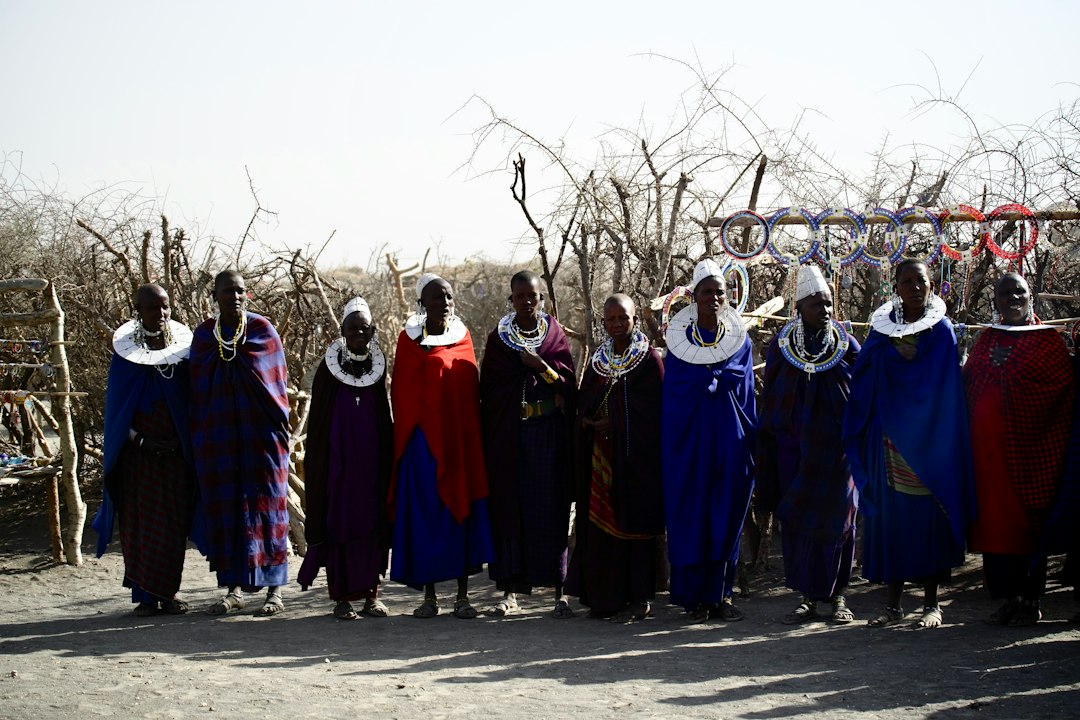
Photo by ray rui on Unsplash
Arusha usually gets treated like a transit point. That is a missed opportunity in 2026. The city has its own reason to stop now, with the Dr. Jane Goodall Centre for Hope due to open in late October beside the Cultural Heritage Center. Add the rise of forest-style safari stays near Mount Meru, and Arusha becomes more than the night before the safari truck leaves.
This is one of the most interesting new travel openings 2026 stories because it changes the shape of an East Africa itinerary. Instead of racing straight to the Serengeti, you can build in a lighter, greener beginning: coffee farms, forest wildlife, and one full city day before the bigger plains safari. That usually means less travel fatigue and a better first impression of northern Tanzania.
For a first trip, give Arusha four nights minimum. Fly into Kilimanjaro International Airport, spend one night recovering, do one city-and-culture day, then shift to Arusha National Park or a Meru-facing lodge for two nights. The park is smaller than Tanzania's headline reserves, but that is the point: less driving, fewer vehicles, and a different texture of safari with forest, crater lakes, giraffes, and colobus monkeys.
- Town hotels often start around US$70 to US$120 a room; guided nature-focused lodge stays can rise to US$350 and well beyond per person depending on inclusions.
- Avoid March to May if you want simpler logistics; October to February is easier for mixed city and park time.
- If the Goodall Centre is a must, do not book the exact opening week. Leave a buffer in case launch dates move.
- Build in cash for tips, park fees, and airport transfers. Those three costs catch first-timers most often.
- Official links: Tanzania National Parks, Tanzania eVisa
Arusha works best when you resist overloading it. One museum-style cultural stop, one market or craft session, one forest safari day, and one slow sundowner with Mount Meru in view is enough. The goal is not to tick off everything. It is to land in East Africa at a human pace.
Cook Islands if easier access finally makes the South Pacific realistic
The South Pacific often lives in the mental folder marked someday. In 2026, that may change for more travelers because access is getting simpler. Direct Brisbane-Rarotonga flights begin in May, while existing North Pacific connections have become more convenient. The result is practical, not just dreamy: fewer awkward stopovers and a more believable one-week or nine-night trip.
Rarotonga smells like salt, frangipani, and warm earth after rain. Scooters hum around the ring road. Lagoon water turns from pale mint to ink blue by sunset. What makes the islands a strong news-led pick now is not only easier access but also stronger environmental protection around significant marine areas. That is the kind of travel news worth acting on because it improves both the journey and the long-term health of the place.
New travel openings 2026 do not always mean a building. Sometimes the smartest reason to go is that a route finally makes the numbers and time off work line up. That is exactly the Cook Islands story.
- Plan 7 to 10 nights if you are coming from far away. A good split is 5 nights on Rarotonga and 2 to 4 on Aitutaki.
- Expect mid-range stays on Rarotonga from about NZ$220 to NZ$350 a night, with higher-end lagoon resorts on Aitutaki often NZ$550 and up.
- Scooter rental usually lands around NZ$35 to NZ$45 a day; book early in high season.
- The driest, easiest weather is generally June to October, but shoulder months can offer better room value.
- Official links: Cook Islands Tourism, Air Rarotonga
If you go, keep the itinerary light. One lagoon cruise, one inland hike, one market morning, one beach day with nothing scheduled. The Cook Islands punish overplanning. Their value is space: for swimming, for talking, for hearing night insects instead of traffic.
Ishikawa for a trip that feels good to spend money on
Many travelers want their 2026 trips to do more than entertain them. Ishikawa is one of the clearest examples of where your money can still have visible impact. After the devastating 2024 earthquake, parts of the Noto Peninsula have been rebuilding while Kanazawa continues to offer one of Japan's most graceful city breaks. In 2026, that creates a rare combination: an easy entry point and a meaningful extension.
Kanazawa itself is seductive without being frantic. There are samurai lanes, tea districts, precise gardens, and gold leaf shining in shopfront light. But the more powerful reason to go now is north in Noto, where family inns, seafood restaurants, lacquerware workshops, and sake makers benefit directly when travelers return carefully and respectfully.
For planning, keep it simple: two nights in Kanazawa, then two nights in Noto if local conditions allow. The Hokuriku Shinkansen gets you from Tokyo to Kanazawa in roughly 2.5 hours, which makes this one of the easiest new travel openings 2026 choices to fold into a wider Japan trip without wasting transit days.
- Budget around ¥11,000 to ¥22,000 a night for a comfortable Kanazawa stay, and about ¥14,000 to ¥28,000 per person for minshuku stays in Noto with meals.
- Spend intentionally: book family-run lodging, buy lacquerware directly, and order local sake and seafood where businesses have reopened.
- Check local conditions close to departure. In recovery regions, road access and attraction hours can change.
- Best seasons are spring and autumn, but winter is excellent if you want crab, hot baths, and lower visual clutter.
- Official links: Ishikawa Tourism, Visit Kanazawa
This is not disaster tourism. It is the opposite. Go slowly, spend locally, and accept that a meaningful trip may include a few imperfections. Often those are the trips you remember most clearly.
FAQ
Is it worth booking a trip around a new opening?
Yes, if the opening changes the trip in a practical way. A major museum, easier flight access, or a restored district can justify a visit. A flashy hotel alone usually cannot. For news-led trips, the best question is not what is new, but what becomes easier, better, or more distinctive because it is new.
How far ahead should I book news-driven travel in 2026?
For a Europe city break such as Brussels, two to four months is often enough unless you are targeting a launch week or a festival. For safari and South Pacific trips, four to nine months is safer because the flight combinations and limited-room stays tighten first. New travel openings 2026 create uneven demand, so book the bottleneck first: usually the long-haul flight or the small lodge.
Should I travel on the exact opening date?
Usually no. Soft openings, invitation-only previews, and delayed public access are common. Build a buffer of two to three weeks after a headline opening unless you are comfortable with uncertainty. If the opening is the whole reason for the trip, buy refundable or flexible rates where possible.
What budget buffer should I add for a news-led trip?
Add 10% for Europe city breaks and 15% for long-haul trips. News-driven travel creates surprise costs in taxis, timed-entry tickets, reopening closures, and last-minute room changes. If you are heading somewhere remote, also keep a separate emergency transport fund.
Is recovery travel ethical?
It can be, if the destination is openly welcoming visitors and you travel in a way that supports local businesses instead of turning damage into spectacle. Stay longer, spend directly with local operators, ask before photographing sensitive areas, and keep your plans flexible. Recovery travel is best when it feels like participation in normal life returning.
The best travel news does not shout. It quietly changes the math of a trip: one easier route, one important opening, one region ready to welcome people back. If you plan around those moments instead of chasing hype, you usually end up with a trip that feels fresher, calmer, and more worth the money.