Athens is one of the few capitals where a world-famous temple, a village-like old quarter, and a sea-view tram ride can all fit into the same trip. That is why a well-built 3 days in Athens itinerary works so well: it gives you enough time for the Acropolis and museums, but also enough breathing room to feel the city rather than sprint through it.
If you are wondering how many days in Athens you really need, the honest answer for most first-timers is three. Two days can cover the essentials, but the third day changes the whole rhythm of the trip: you can add a neighborhood, a market, a proper sunset, or even a Riviera escape instead of treating Athens as a stopover. If you like lining up timed entries and walking routes before landing, this is exactly the kind of plan that is easy to map out in TravelDeck.
Why 3 days is the sweet spot in Athens
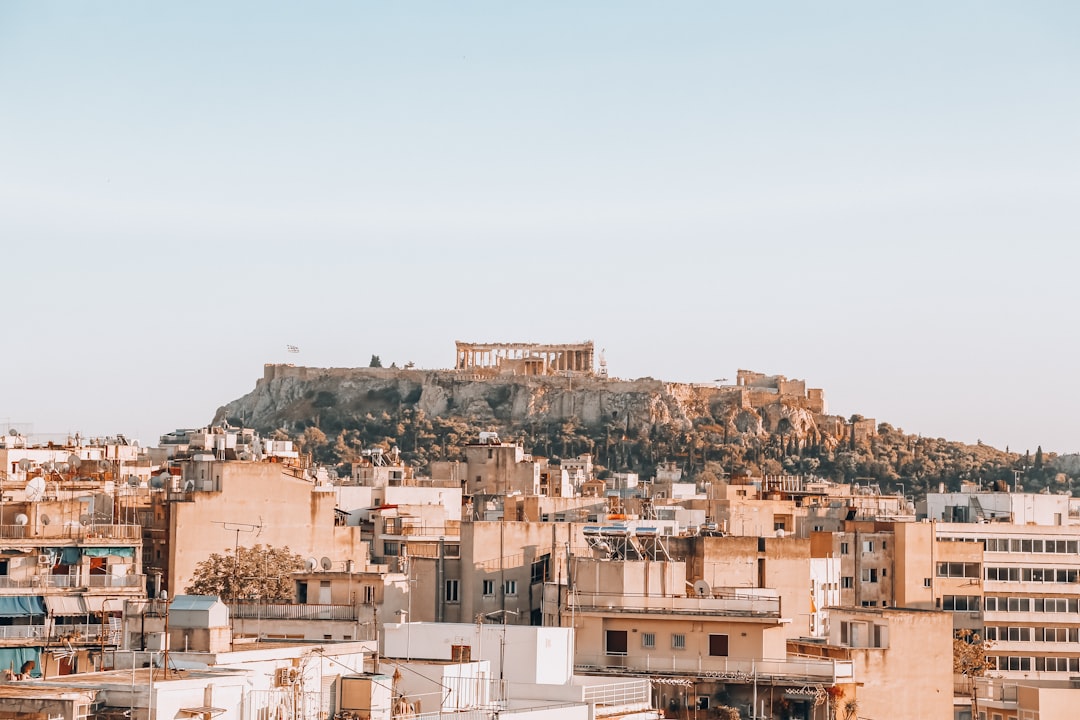
Photo by Kylie Docherty on Unsplash
Athens rewards structure. The ancient core around the Acropolis, Plaka, Monastiraki, and the Ancient Agora is compact, but museums, hillside viewpoints, and the coast all take time if you do not want the trip to feel like a checklist. A 3 days in Athens itinerary lets you do the historic must-sees on day one, the city life and museums on day two, and a more local or coastal side on day three.
Three days is also the best answer to the classic how many days in Athens question because it matches the city’s real pace. You can start early before the marble heats up, pause for long lunches, and still make rooftop dinners or sunset viewpoints without rushing between metro stations.
- Choose 2 days if Athens is only the start of a wider Greece trip and your priority is the Acropolis, Plaka, and one museum.
- Choose 3 days if this is your first visit and you want both highlights and atmosphere.
- Choose 4 days or more if you want a day trip to Cape Sounion, Hydra, Aegina, or Delphi.
Day 1: Acropolis, Plaka and the ancient heart
Your first day should begin with the Athens everyone imagines: pale stone, sun on marble, and the Acropolis rising above every rooftop. Start early, because this is not just about beating lines. It is about seeing the Parthenon before the heat bounces off the rock and tour groups fill every passageway.
After the Acropolis, Athens becomes softer and more human-scale. You drift downhill into museum galleries, old lanes, shaded tavernas, and stairways that suddenly open to views of the hill you just climbed. This is the day when the city’s ancient grandeur and everyday charm click into place.
Morning
Begin at the Acropolis entrance on Dionysiou Areopagitou, Acropolis neighborhood. Aim for the first timed slot you can realistically make.
- 08:00-10:00: Acropolis hill, including the Parthenon, Erechtheion, Propylaea, and Temple of Athena Nike.
- Cost: expect around €20-30 depending on season and ticket type; multi-site archaeological bundles can be better value if you will also visit the Agora and Roman sites.
- 10:10-12:00: Walk 8 minutes to the Acropolis Museum, Makrygianni.
- Cost: usually around €15-20 depending on season or exhibition access.
- Coffee stop nearby: the pedestrian stretch of Dionysiou Areopagitou has easy freddo espresso stops before or after the museum.
Afternoon
From the museum, wander into Plaka for lunch. Stick to the lanes between Adrianou Street, Kidathineon Street, and the stairways leading up to Anafiotika, the tiny Cycladic-style pocket under the Acropolis.
- 12:15-13:30: Lunch in Plaka. Budget €8-15 for souvlaki or pie, €18-30 for a sit-down taverna meal.
- 13:45-15:15: Explore Anafiotika, Plaka, then continue to the Roman Agora and Hadrian’s Library, Monastiraki area.
- 15:30-17:00: Visit the Ancient Agora, Thissio/Monastiraki, including the Temple of Hephaestus.
- Cost: included in some archaeological multi-site tickets, or paid separately if you did not buy a bundle.
Evening
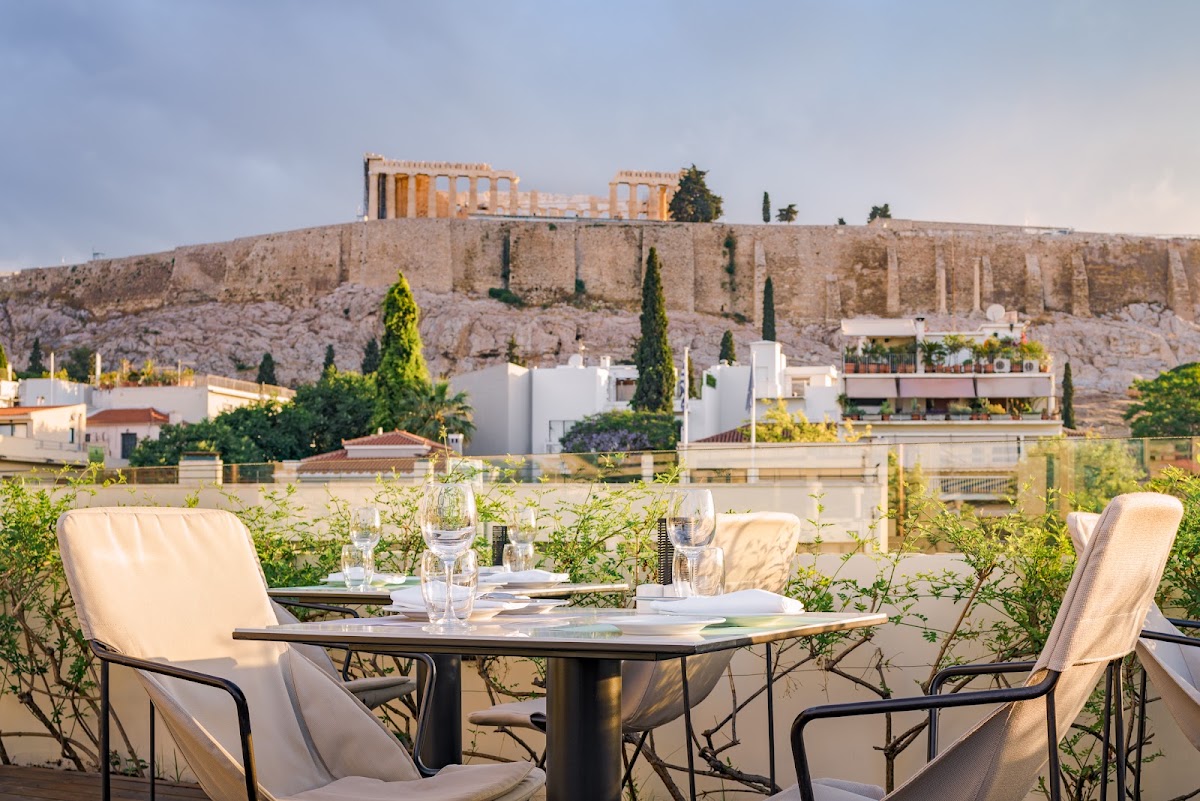
As the light turns honey-colored, head to Areopagus Hill, the rocky outcrop beside the Acropolis entrance. It is one of the best free sunset spots in the city, and the view back toward the Parthenon is far more dramatic than many paid rooftops.
- 18:30-19:30: Sunset at Areopagus Hill, Acropolis.
- 20:00 onward: Dinner in Monastiraki or Psyrri.
- Budget: €20-35 for meze and wine, more if you choose a rooftop with a direct Acropolis view.
- Good evening streets to roam after dinner: Agiou Dimitriou, Miaouli, and the lanes around Monastiraki Square.
Insider tip
Do not schedule the Acropolis for late morning in summer unless you absolutely have to. The stone reflects heat brutally, there is little shade, and the experience feels very different at 08:00 than it does at 11:30.
Day 2: Museums, markets, Syntagma and Lycabettus
If day one is about the postcard Athens, day two is about the working city: museum halls full of bronze statues, fishmongers and spice sellers, polished avenues near Parliament, and neighborhoods that switch from elegant to scruffy within a few blocks. This is the day when Athens feels less like an ancient site and more like a living capital.
You will also notice how layered the city is. One hour you are staring at the Antikythera Mechanism behind glass, the next you are watching the changing of the guard in Syntagma, and by sunset you are high above the city on Lycabettus Hill with the Acropolis off in the distance.
Morning
Start at the National Archaeological Museum, Exarcheia/Victoria, one of the richest museum collections in Greece. Give it proper time; rushing through it defeats the point.
- 09:00-11:30: National Archaeological Museum, 44 Patission Street.
- Cost: usually around €12-16 depending on season or exhibitions.
- 11:30-12:00: Coffee and pastry nearby. A spinach pie or cheese pie from a bakery will usually cost €3-5.
- 12:15-13:00: Walk or short taxi/metro ride to Varvakios Central Market, Athinas Street.
Afternoon
The stretch from Varvakios Agora down Athinas Street toward Monastiraki shows a louder, grittier Athens than Plaka. You get butchers, herbs, cookware shops, old cafés, and then the hum of souvenir stalls and terraces as you enter Monastiraki.
- 13:00-14:00: Browse Varvakios Central Market and nearby food shops.
- 14:00-15:15: Lunch in Monastiraki or Psyrri. Budget €7-12 for a pita-and-drink lunch, €18-28 for a fuller sit-down meal.
- 15:30: Walk to Syntagma Square to see the Changing of the Guard at the Tomb of the Unknown Soldier. The guards change every hour; the fuller Sunday ceremony is more elaborate.
- 16:00-17:00: Stroll through the National Garden behind Parliament.
Evening
Finish the day on Lycabettus Hill, Kolonaki/Lycabettus. You can hike up the winding path or take the funicular from Aristippou Street, Kolonaki. The summit gives you the classic giant-city view: apartment blocks, hills, the Acropolis, and on clear days a shimmer of sea.
- 18:00-19:30: Ascend Lycabettus Hill by funicular or on foot.
- Funicular cost: roughly €10-12 return.
- 20:00 onward: Dinner in Kolonaki if you want a polished evening, or return to Psyrri if you prefer a livelier, more casual atmosphere.
- Dinner budget: €22-40 depending on area and drinks.
Insider tip
Take the funicular up and walk down after sunset if your shoes have grip. You save time on the climb, still get the downhill city views, and avoid paying for two directions if you feel comfortable walking.
Day 3: Pagrati, the Riviera and a slower final evening
By the third day, Athens should stop feeling monumental and start feeling textured. This is when you move beyond ruins and see why locals defend the city so fiercely: the marble stadium in Pagrati, the shaded garden paths, the tram lines running toward the sea, and the long dinners that start late and end even later.
For most first-timers, this is the day that justifies spending three days rather than two. You have already seen the essential history, so now you can choose contrast. My favorite contrast is inland Athens in the morning and the Riviera in the afternoon, because it shows how quickly the city shifts from ancient capital to coastal escape.
Morning
Start in Pagrati at the Panathenaic Stadium, the all-marble stadium associated with the first modern Olympic Games. Then walk through the green belt back toward central Athens.
- 08:30-09:30: Panathenaic Stadium, Pagrati.
- Cost: around €10-15 depending on ticket type.
- 09:45-10:30: Walk past the Zappeion and into the National Garden, Syntagma.
- 10:45-11:30: Exterior stop at the Temple of Olympian Zeus, Makrygianni if you want one last classical landmark close to the center.
- 11:30-12:00: Early lunch or substantial snack before heading coastward.
Afternoon
Take public transport toward the Athens Riviera. If you want the easiest version of this day, go to Glyfada for a seaside promenade and lunch. If you want a real swim, continue to Vouliagmeni or Lake Vouliagmeni.
- 12:00-13:00: Travel by metro and tram, or metro plus bus/taxi, to Glyfada or Vouliagmeni.
- 13:00-16:30: Choose one coastal stop:
- Glyfada for cafés, shopping, and a gentle sea-facing walk.
- Vouliagmeni Beach for a classic beach afternoon with organized facilities.
- Lake Vouliagmeni for a distinctive thermal-lake experience.
- Costs: transport is low with a standard urban ticket unless you use taxi legs; beach club or lake entry can range roughly from €10 to €25 or more depending on season and setup.
- 16:30-17:30: Late lunch or seafood dinner by the water. Expect €18-35 for fish meze or grilled seafood, less for salads and souvlaki.
Evening
Return to central Athens for a final slower evening in Koukaki or Thissio. These neighborhoods feel more lived-in than postcard-pretty Plaka, but they are perfect for a last walk.
- 19:00-20:00: Return to the center.
- 20:15 onward: Dinner in Koukaki around Drakou Street or in Thissio near the pedestrian zone.
- Optional final viewpoint: the paths on Philopappou Hill if you still want one more Acropolis view without the rooftop-bar feel.
- Budget: €20-35 for dinner, more with cocktails.
Insider tip
If you are visiting outside high summer, keep day three flexible until the night before. If the forecast turns windy or grey, swap the Riviera for the Benaki Museum or Museum of Cycladic Art and spend longer in Pagrati, one of the best café-and-gallery neighborhoods in Athens.
How to get to Athens
Most travelers arrive through Athens International Airport, ATH, about 20 km east of the center. The city is easy to reach without a car, and for a short itinerary it is usually better not to rent one at all.
If you are arriving from the islands, you will likely come through Piraeus Port, which is directly connected to the metro network. Official travel details are best checked close to departure on the Athens airport site and the OASA public transport site.
- Metro Line 3 from ATH to Syntagma: about 40 minutes, with a special airport fare that is higher than the regular city ticket.
- X95 airport bus to Syntagma: roughly 60 minutes depending on traffic, cheaper than the metro and useful for late arrivals.
- Taxi from ATH to the center: usually around €40 by day and more at night, with journey times from 35 to 50 minutes.
- From Piraeus Port to Monastiraki or Syntagma: about 20-30 minutes by metro depending on the line and your final stop.
- From Thessaloniki: domestic flights are fastest at around 50 minutes; overland routes take several hours and make more sense if Athens is part of a longer mainland trip.
Best time for this 3 days in Athens itinerary
The best months for a 3 days in Athens itinerary are April to May and September to October. You get warm days, lighter crowds, and far better walking conditions than in midsummer. The city is at its most enjoyable when you can climb hills, sit outside for lunch, and still explore in the afternoon without hiding from the sun.
June to August brings long days and a lively atmosphere, but also serious heat. Marble sites can feel punishing by midday, and some afternoons become all about shade management. Winter is milder than many European capitals and often good value, especially for museums and food-focused trips. If you like off-season planning, Where to Go in January 2026: Sun, Snow and Smart Timing is a useful read for the wider month-by-month picture.
- Best overall: late April, May, late September, October.
- Hottest period: July and August, often above 35°C.
- Best for lower hotel prices: November to March, excluding holiday peaks.
- Best for swimming on day three: June, September, and early October.
Estimated budget per person for 3 days in Athens
Athens can be pleasantly affordable for a capital city if you mix ancient sites with bakeries, markets, and simple tavernas. The biggest swing factors are hotel location, rooftop drinks, and whether your third day includes paid beach access or just a tram ride and a seaside walk.
For this 3 days in Athens itinerary, plan your base budget before flights. If you are packing for a city break with lots of walking and rewearing clothes between café stops and museums, Carry-On Capsule Wardrobe 2026: Pack More, Carry Less is especially relevant.
| Budget tier | Hotel per night | Food per day | Attractions total | Transport total | Estimated 3-day total |
|---|---|---|---|---|---|
| Budget | €70-110 | €20-35 | €45-70 | €15-30 | €270-465 |
| Mid-range | €130-220 | €35-60 | €55-90 | €20-40 | €500-850 |
| Luxury | €260-500+ | €70-120 | €70-120 | €30-70 | €1,050-1,950+ |
A good mid-range first trip usually lands around €600-750 per person for three days excluding flights, with a central hotel, site entries, one special dinner, and one coastal afternoon.
Where to stay in Athens
Where you sleep matters more in Athens than many first-timers expect. Stay too far out and you lose time to transit and hills; stay central and much of the city becomes walkable, especially on day one and day two.
For a first visit, I would focus on three neighborhoods. They each give a different version of the city, but all work well for this itinerary.
- Koukaki: best overall base for a first trip. You are near the Acropolis Museum, good cafés, and local-feeling restaurants without being stuck in the busiest tourist lanes. Expect roughly €90-160 budget-to-mid range, with upscale stays above that.
- Plaka: best if you want old-stone atmosphere and easy evening strolls. It is charming and convenient, but some streets are noisier and pricier than they look. Expect roughly €120-220 for solid mid-range options, with higher rates for terrace views.
- Syntagma or Monastiraki: best for transport convenience. You are well placed for airport links, metro changes, and walking to major sights. Monastiraki is livelier and scruffier; Syntagma feels more polished. Expect roughly €100-200 mid-range, with luxury properties well above that.
If nightlife matters more than quiet sleep, look at Psyrri. If cafés, galleries, and a more residential rhythm matter more, look at Pagrati.
How to get around Athens
Central Athens is a walking city, but it is not a flat one. Marble steps, uneven paving, and exposed hills can wear you down faster than the map suggests, especially in warm weather. The smartest approach is to walk the ancient core and use the metro, tram, or short taxi hops for everything else.
For day three in particular, public transport makes sense because the tram and metro connections toward the coast are inexpensive. Current tickets, passes, and network maps are best checked on OASA.
- Walk between Acropolis, Plaka, Monastiraki, Syntagma, and Thissio whenever possible.
- Metro is fastest for longer jumps such as airport transfers and center-to-center movement.
- Tram is useful for the Riviera and slower but scenic.
- Taxis are handy at night or when hill climbs are not appealing, but traffic can eat time.
- Shoes matter: wear soles with grip. Smooth sandals on polished stone are a bad mix.
Things to do in Athens if you add a fourth day
Three days is enough for a great first trip, but a fourth day opens Athens up beautifully. You can either go deeper into the city or step outside it for a classic Greece-style contrast.
If you extend your stay, these are the add-ons that make the most sense from this itinerary.
- Cape Sounion and the Temple of Poseidon for a half-day coastal excursion and one of the best sunsets in Attica.
- Benaki Museum, Kolonaki for a broader sweep of Greek culture beyond classical ruins.
- Museum of Cycladic Art, Kolonaki for elegant prehistoric and ancient collections in a manageable format.
- Stavros Niarchos Foundation Cultural Center, Kallithea for modern architecture, canal walks, and rooftop views. Official info: SNFCC.
- Hydra or Aegina for an island-flavored day without turning your Athens trip into a full ferry marathon.
- Exarchia for bookshops, street art, and a more alternative urban atmosphere.
Where to eat during this Athens itinerary
Athens is one of those cities where the humble meal often beats the scenic one. A hot cheese pie from a bakery, a paper-wrapped souvlaki near Syntagma, or a market lunch can be every bit as memorable as a formal dinner with a view.
That said, the city also does long evenings extremely well. Plan for one casual street-food meal, one proper meze dinner, and one coastal lunch or seafood dinner if you follow day three.
- Breakfast: bakery stop for spanakopita, tiropita, or bougatsa, usually €3-5.
- Quick lunch: souvlaki or gyros near Syntagma, Monastiraki, or Psyrri, usually €4-8 per wrap and drink.
- Classic taverna dinner: Plaka for atmosphere, Psyrri for energy, Koukaki for a more local feel.
- Market stop: the lanes around Varvakios Agora for olives, cheese, herbs, and old-school food shops.
- Seafood meal: Glyfada or Vouliagmeni on day three, where grilled fish and meze feel worth the extra spend.
- What to order: Greek salad, fava, grilled halloumi or saganaki, octopus, dolmades, moussaka, and loukoumades for dessert.
Practical tips for a first Athens trip
Athens is easy to love when you respect its two biggest realities: heat and terrain. Start early, slow down at lunch, refill water often, and save your longest outdoor walks for morning and evening. The city becomes much more generous when you stop fighting the climate.
It is also a very manageable first Mediterranean capital for independent travelers, but the usual city habits still matter. Keep an eye on bags in crowded squares and on public transport, especially around Monastiraki and airport routes. If you are traveling alone, Solo Travel Red Flags in 2026: 12 Rules for Safer Days is a smart companion read.
- Book the Acropolis ahead on the official archaeological ticketing platform: hhticket.gr.
- Check Acropolis Museum opening times directly: theacropolismuseum.gr.
- Use the official city guide for events and neighborhood ideas: This is Athens.
- Carry a refillable bottle, sunscreen, and a hat from April through October.
- Avoid smooth-soled shoes for the Acropolis and hill viewpoints.
- Eat dinner later than you might in northern Europe; many places feel best from 20:30 onward.
- If museums matter to you, check weekly closing days before you build the sequence.
FAQ
Is 2 days enough for Athens?
Yes, but it is tight. Two days can cover the Acropolis, Acropolis Museum, Plaka, Monastiraki, and one additional museum or hilltop view. The third day is what lets Athens feel rounded rather than rushed.
Is 3 days in Athens too much?
Not for a first trip. Three days is the most balanced answer to how many days in Athens you need, because it gives you both the ancient essentials and time for a neighborhood or Riviera afternoon.
What is the best area to stay in Athens for first-timers?
Koukaki is the best all-round choice for many travelers, especially if you like walkability and a slightly more local evening scene. Plaka is the prettiest, while Syntagma is the most convenient for transport.
Should I buy Acropolis tickets in advance?
Yes, especially from spring through autumn. Timed entry can save a lot of waiting, and an early slot makes the site far more pleasant in warm weather.
Is Athens walkable?
Very, within the center. The core sights are close together, but you still need to factor in heat, slopes, and slippery stone. Walk the historic center, then use metro, tram, or short taxi rides for longer jumps.
Three days gives Athens enough room to reveal its layers: sacred hill, market streets, museum halls, café neighborhoods, and finally the sea.
---