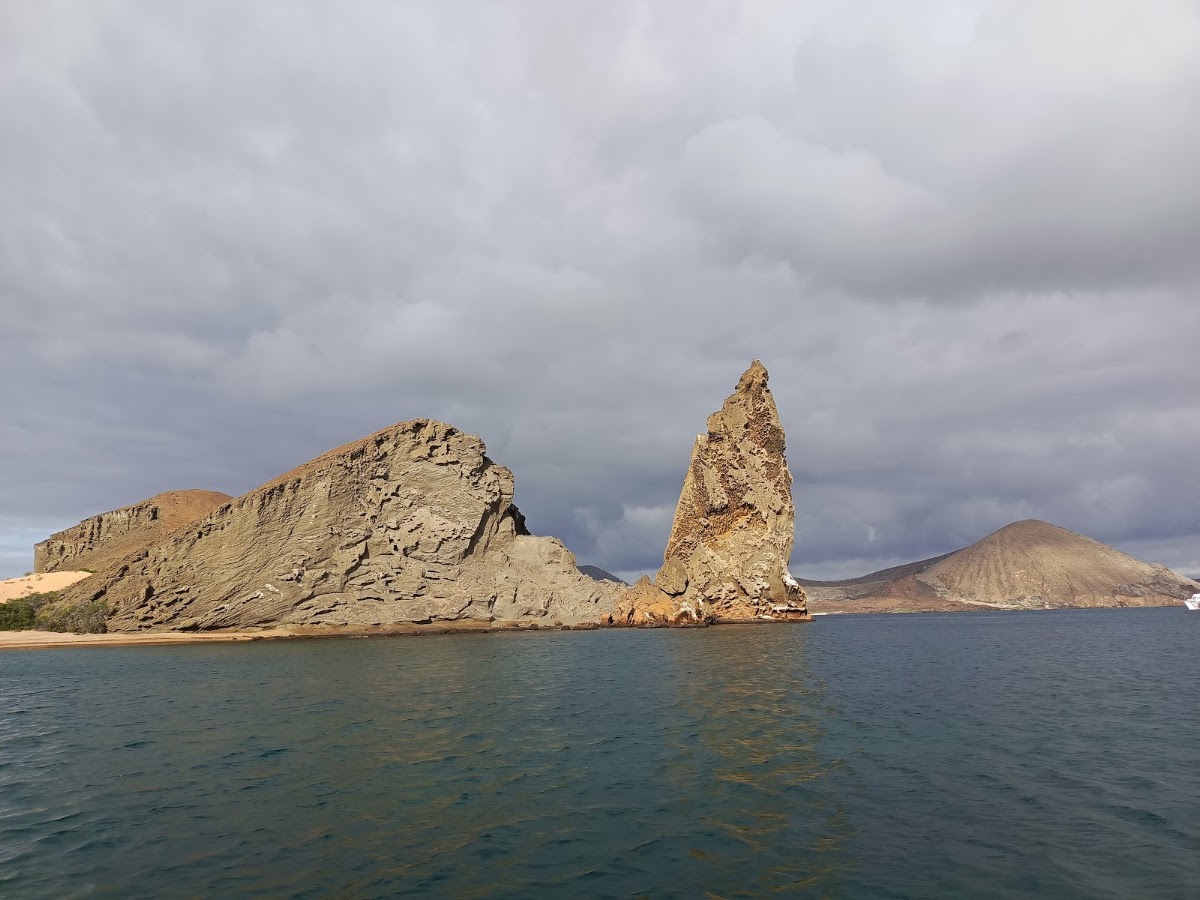
You can spend a fortune reaching the Galapagos and still waste half the trip on bad logistics. That is why a smart 7 days in the Galapagos plan matters so much: seven calendar days usually means only five to six truly immersive exploring days once flights, ferries, and transfer time are counted. For most first-timers, this 7 days in the Galapagos route is the sweet spot between cost, wildlife variety, and sanity.
This is a rebuildable, land-based itinerary built around Santa Cruz and Isabela, the easiest pair of islands for a first trip. You will see giant tortoises in the highlands, snorkel with sea turtles and reef sharks, walk lava landscapes, and still keep enough breathing room to enjoy sunset on the beach instead of spending every day in transit. If you like keeping ferry times, tour slots, and hotel moves in one place, TravelDeck is useful for mapping the moving parts before you go.
Why 7 days is the sweet spot for a Galapagos itinerary
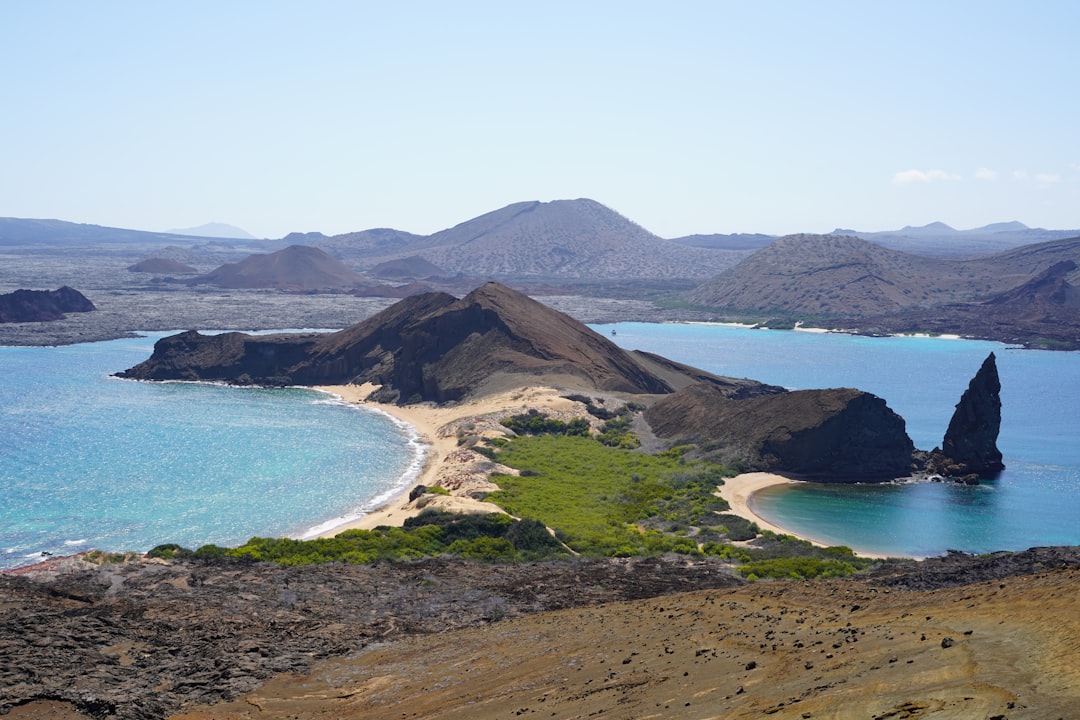
Photo by Heidi Bruce on Unsplash
If you are wondering how many days in Galapagos you really need, here is the honest answer: five days is the practical minimum, seven is the best first-timer balance, and ten starts to feel complete. Fewer than five days can work if you stay on one island, but the travel effort from mainland Ecuador is so big that most travelers leave wishing they had stayed longer.
A 7 days in the Galapagos trip works because it lets you base yourself on Santa Cruz, add Isabela Island for a wilder, slower feel, and still fit one flagship wildlife day boat. It is also easier on the budget than a cruise and more flexible if sea conditions shift. This itinerary assumes you fly into Baltra, sleep three nights on Santa Cruz, two nights on Isabela, one final night back on Santa Cruz, and fly out the next day.
Day 1: Santa Cruz soft landing in Puerto Ayora

Tropical World
Arrival day in the Galapagos feels cinematic from the first minute: pale lava fields outside the plane window, cactus silhouettes, and frigatebirds cutting across the sky. But it is also a logistics day, so the goal is simple: get to Puerto Ayora smoothly, do one meaningful wildlife stop, and stay awake until after sunset.
After landing at Seymour Airport on Baltra Island, you will cross the Itabaca Channel by ferry and continue south to Puerto Ayora on Santa Cruz. By late afternoon, you can already be standing a few feet from marine iguanas and young giant tortoises at the Charles Darwin Research Station, which makes this day feel like a real Galapagos day rather than just a transfer.
Morning
- 10:00-12:30 Arrive at Baltra Airport, buy or show your transit paperwork, then take the airport bus to Canal de Itabaca. Approximate costs: airport bus US$5, channel ferry US$1, shared taxi or bus onward to Puerto Ayora US$5-25 depending on mode.
- 12:30-13:30 Check in around the waterfront area of Puerto Ayora, ideally near Avenida Charles Darwin or Charles Binford for walkability.
Afternoon
- 15:00-17:00 Visit the Charles Darwin Research Station, Puerto Ayora. Entry is generally free for the main visitor area; guided add-ons vary. Expect breeding corrals, baby tortoises, dry-zone vegetation, and easy first wildlife sightings.
- 17:00-17:30 Walk the nearby Malecón and small fish market where pelicans, sea lions, and herons often steal the show.
Evening
- 18:30 Dinner in central Puerto Ayora. Budget around US$8-15 for a set meal at the kiosks and US$20-35 for a sit-down seafood dinner.
- 20:00 Early night. Tomorrow is fuller, and the equatorial sun hits hard even when the sky looks soft.
Insider tip
Go to the research station after 15:00, not right after check-in. The light is softer, the heat drops, and the path feels calmer after the midday tour rush.
Day 2: Giant tortoises, lava tunnels, and Tortuga Bay
Your first full day should show you why Santa Cruz works so well in a Galapagos land-based itinerary. In the humid highlands, the air cools, scales of green replace the lava-black coast, and giant tortoises graze in the open like living boulders. Then, back at sea level, Tortuga Bay gives you that classic Galapagos contrast: white sand, cactus, marine iguanas, and turquoise water in one frame.
This is not a heavy tour day. It is about building context. You will understand the islands better after seeing both the highland ecosystem and the coast on the same day, and you will not be too exhausted for tomorrow's longer boat excursion.
Morning
- 08:00-12:30 Taxi into the Santa Cruz Highlands via Santa Rosa. Visit El Chato Reserve or Rancho Primicias for free-roaming giant tortoises, then stop at one of the lava tunnels. Approximate costs: taxi for the route US$40-60 total per vehicle, reserve entry around US$10.
- Optional quick stop at Los Gemelos sinkholes on the way back if your driver includes it.
Afternoon
- 14:30 Walk to Tortuga Bay trailhead from Puerto Ayora and follow the paved path to Playa Brava and Playa Mansa. Entry is free.
- 15:15-17:30 Swim only at Playa Mansa, where the water is calmer. rental, when available, usually starts around US$10-20 per hour.
Evening
- 18:30 Fresh juice or ceviche near Avenida Charles Darwin.
- 19:30 Dinner at the Puerto Ayora kiosks on Charles Binford Street. Expect grilled fish, arroz marinero, and canelazo-style warm drinks in cooler months. Budget US$10-18.
Insider tip
Bring water shoes or sandals with grip for Tortuga Bay. The beach looks soft and simple, but the heat on the path and the rocky entries around the calmer cove can surprise people.
Day 3: Bartolome day trip for the iconic volcanic panorama
Today is the postcard day. Bartolome Island is the image many travelers carry in their heads before they even book the Galapagos: Pinnacle Rock rising from dark lava, golden beaches tucked between black volcanic slopes, and clear water where penguins, rays, and reef fish sometimes appear at the edge of your mask.
It is a long day and usually the most expensive excursion of the week, but it earns its place in a 7 days in the Galapagos itinerary because it adds a landscape you simply do not get from town beaches alone. Think of it as your big marine-and-geology day.
Morning
- 06:00 Hotel pickup in Puerto Ayora and transfer to Itabaca Channel.
- 07:30-10:00 Yacht navigation toward Bartolome Island. Full-day tours commonly cost US$260-320 including lunch, guide, and snorkel gear basics.
- 10:30-12:00 Hike the wooden boardwalk to the Bartolome summit viewpoint for the famous Pinnacle Rock panorama.
Afternoon
- 12:30 Lunch onboard.
- 13:30-15:00 Snorkeling near Pinnacle Rock or Sullivan Bay, depending on operator and conditions. Look for sea turtles, white-tip reef sharks, rays, and, in cooler months, a chance of Galapagos penguins.
Evening
- 17:30-18:30 Return to Puerto Ayora.
- 19:30 Very relaxed dinner near the waterfront. Budget US$12-25.
Insider tip
If you travel between June and November, rent a short wetsuit even if you rarely use one elsewhere. The water can be much colder than people expect, and staying warm keeps you in the water longer.
Day 4: Ferry to Isabela and an easy wildlife afternoon in Puerto Villamil
This morning shows the glamorous and unglamorous side of a Galapagos island-hopping trip. The open-water ferry from Santa Cruz to Isabela is practical and affordable, but it can be bumpy. Plan for motion, salt spray, and a slower pace after arrival. The reward is Isabela Island, which feels looser, sandier, and more spacious than Puerto Ayora almost immediately.
Puerto Villamil is small enough that the whole town seems to dissolve into the beach. Flamingos may be feeding in the wetlands while surfers, sea lions, and barefoot locals share the same stretch of afternoon light. After the ferry, do not overschedule this day.
Morning
- 06:30 Check out and walk or taxi to the Puerto Ayora dock.
- 07:00-09:30 Public speedboat from Santa Cruz to Isabela. Approximate costs: ferry ticket US$30-35, water taxi around US$1, small departure or arrival fees can add a few dollars.
- 10:00 Check in around central Puerto Villamil, ideally within a few blocks of the beach.
Afternoon
- 15:00-16:00 Snorkel at Concha de Perla near the Isabela pier. Entry is free; mask rental in town is usually US$5-10.
- 16:15-17:00 Walk the lagoon area for flamingos around Laguna Salinas and the wetlands access roads west of town.
Evening
- 17:30 Sunset on Playa Puerto Villamil.
- 19:00 Dinner along Avenida Antonio Gil or the beachfront. Budget US$8-15 for simple plates, US$18-30 for seafood.
Insider tip
Sit in the middle section of the ferry, not the very front. It usually means less pounding on rough crossings, which matters more than the view after the first thirty minutes.
Day 5: Los Tuneles snorkeling, the signature Isabela Island day
If Santa Cruz introduces the Galapagos, Los Tuneles is the day that makes people obsessed with it. West of Puerto Villamil, old lava flows collapsed into arches, bridges, and channels over shallow turquoise water. The landscape feels half aquarium, half science-fiction set, and the wildlife density can be astonishing in a short span.
This is the most memorable marine day in the itinerary for many travelers. It is also weather dependent, so if your operator suggests swapping this with another Isabela activity because of sea conditions, listen. Flexibility matters more here than clinging to a rigid schedule.
Morning
- 07:30-08:00 Check in at the Puerto Villamil pier for the Los Tuneles tour.
- 08:00-12:30 Boat trip to Cabo Rosa and guided snorkeling in Los Tuneles. Typical tour cost: US$140-180 including guide, boat, lunch or snack, and basic gear.
- Wildlife often includes sea turtles, eagle rays, white-tip reef sharks, marine iguanas, seahorses, and blue-footed boobies on the lava formations.
Afternoon
- 13:00-14:00 Return to town and eat a late lunch.
- 15:30-17:00 Slow recovery time on Playa Puerto Villamil or a short walk through town for coffee, empanadas, and souvenir browsing.
Evening
- 18:30 Dinner by the beach. Grilled lobster or brujo fish usually lands in the US$18-35 range when in season.
- 20:00 Quiet evening. Tomorrow includes another transfer day.
Insider tip
Wear your swimsuit under your clothes and carry a dry bag, even if the morning starts calm. Wet dock entries and salt spray are common, and changing space can be limited.
Day 6: Back to Santa Cruz, then Las Grietas and the quiet side of Puerto Ayora
Returning to Santa Cruz might sound like a step backward, but it actually balances the itinerary well. After two nights on Isabela, you come back to better dining, smoother departure logistics, and one last chance to see a very different kind of water landscape. Las Grietas is a narrow volcanic fissure with startlingly clear water, reached by crossing the bay from Puerto Ayora.
This final active afternoon feels almost secret compared with the busier main streets. Salt-white rocks, cactus, bright crabs, and the sudden cool of the channel make it one of the most satisfying short outings in the whole week.
Morning
- 06:30 Check out and head to the Isabela pier.
- 07:00-09:30 Public speedboat back to Santa Cruz. Approximate cost: US$30-35 plus water taxi.
- 10:30 Drop bags at your Puerto Ayora hotel and take it slow after the crossing.
Afternoon
- 14:30 Take a water taxi across the bay from the Puerto Ayora dock to Angermeyer Point area. Water taxi is usually around US$1.
- 15:00-17:00 Walk to Las Grietas via Playa de los Alemanes and the salt flats. Access rules can change; expect a small visitor fee or guided control depending on current management.
Evening
- 18:30 Stroll the waterfront one last time.
- 19:30 Farewell dinner in Puerto Ayora. Budget US$15-35.
Insider tip
Bring small cash every day in the Galapagos. Water taxis, dock fees, mask rentals, and park-related add-ons are often tiny expenses, but they are rarely convenient if you only carry large bills.
Day 7: Baltra departure with a final highlands stop if your flight is late
The last day of a 7 days in the Galapagos trip is mostly about not making it stressful. Flights from Baltra often leave late morning or early afternoon, so this is not the day to gamble with a long activity. Treat it as a clean exit with one bonus stop only if your timing really allows it.
Even so, the route back across Santa Cruz can be surprisingly beautiful. If you leave Puerto Ayora early, the road climbs again through scalesia forest and misty highland zones before dropping back toward the dry lava plains near the airport. It is a final reminder that the Galapagos is much more varied than the beaches in the brochures.
Morning
- 07:00-08:30 Transfer from Puerto Ayora to Baltra via Itabaca Channel. Approximate costs: shared transfer US$5-10, channel ferry US$1, airport bus US$5.
- If your flight departs after mid-afternoon, arrange a private taxi route with a stop at Los Gemelos on the way. Expect US$40-50 total for the vehicle.
Afternoon
- 11:00-15:00 Fly to Quito or Guayaquil from Baltra Airport. Mainland flight costs vary widely by season, but many travelers pay roughly US$220-450 round trip from Ecuador.
Evening
- If you overnight on the mainland, keep the evening easy. The wildlife high fades slowly, and you will want time to process it.
Insider tip
Do not cut the airport transfer too fine. Galapagos departure days involve hotel transfer, channel crossing, airport bus, and security layers that take longer than a normal domestic flight.
How to get there for a 7 days in the Galapagos trip
Getting to the islands is straightforward once you understand the sequence. You first fly to mainland Ecuador, usually Quito or Guayaquil, then take a domestic flight to the Galapagos. For this itinerary, Baltra Airport on Seymour Island is the easiest arrival point because it connects directly to Santa Cruz.
Before you fly, check the current transit-card and entry-fee rules on the official INGALA page and the official Galápagos National Park site. Fees can change, but foreign visitors should expect a transit control card fee and a national park entrance fee paid separately, with cash still important.
- Best arrival airport for this route: Baltra Airport, GPS
- Mainland gateways: Quito, UIO, and Guayaquil, GYE
- Flight time from mainland Ecuador: usually 2 to 3 hours depending on route and stop pattern
- Transit control card: around US$20, verify before departure
- National park fee: check current official rate before flying; bring cash
- Santa Cruz to Isabela ferry: usually 2 to 2.5 hours, about US$30-35 one way
- Return ferry Isabela to Santa Cruz: same timing and price range
Best time to go for a Galapagos land-based itinerary
There is no bad season for 7 days in the Galapagos, but there are two very different feels. December through May is generally warmer, greener, sunnier, and calmer for ferry crossings and snorkeling. June through November is cooler, cloudier, and often richer for marine life because colder currents bring nutrients.
If you care most about easy swimming and smoother travel days, aim for February to April. If you care most about wildlife-heavy water and do not mind a wetsuit, aim for July to November. If your timing is flexible, shoulder months are often the smartest compromise, much like the logic in Where to Go in January 2026: Sun, Snow and Smart Timing.
Estimated budget per person
The Galapagos rewards planning because costs stack up fast in small increments: park fees, ferries, water taxis, tour deposits, wetsuit rental, and cash-only meals. The table below assumes a 7-day land-based itinerary with two paid excursions, shared transport, and midrange habits.
| Budget tier | Estimated total per person | What it usually includes |
|---|---|---|
| Budget | US$1,350-1,750 | Basic guesthouses, set lunches, public ferries, one premium day tour and one cheaper activity |
| Mid-range | US$1,900-2,700 | Comfortable hotels, Bartolome and Los Tuneles tours, more restaurant meals, private taxis when useful |
| Higher-end | US$3,200-4,800+ | Boutique stays, private transfers, upgraded boat tours, better rooms, more flexible booking windows |
These ranges usually exclude international flights to Ecuador, but they do include the big on-island expenses. If you want to keep luggage small and avoid paying for extra bags on mainland flights, Carry-On Capsule Wardrobe 2026: Pack More, Carry Less is a useful pre-trip read.
Where to stay
For this itinerary, location matters more than luxury. On Santa Cruz, being walkable to the dock saves time on early tour days. On Isabela, being near the beach makes the whole island feel easier because the town is spread lightly along the shore.
- Puerto Ayora waterfront, Santa Cruz: best for first-timers, restaurants, dock access, and Charles Darwin Station walks
- Puerto Ayora near Charles Binford or Avenida Baltra: quieter than the immediate waterfront but still convenient on foot
- Puerto Villamil central beach area, Isabela: best for sunset walks, snorkel pickups, and easy restaurant access
Price guide per night:
- Budget: US$35-70 for simple guesthouses with fan or basic air conditioning
- Mid-range: US$80-160 for cleaner, better-located hotels with breakfast
- Higher-end: US$180-350+ for boutique beachfront or design-forward properties
How to get around between islands and within towns
This 7 days in the Galapagos route is built around public speedboats and short local taxis. You do not need a car, and on most days you do not even need much planning once you are in town. What you do need is realistic timing and a little patience.
- Between Santa Cruz and Isabela: public speedboats, usually morning runs, 2 to 2.5 hours
- In Puerto Ayora: mostly walking, with occasional taxis for Tortuga Bay trailhead returns or highlands trips
- In Puerto Villamil: walking, bike rental, and short taxi rides
- Water taxis in harbor areas: usually around US$1 per ride
- Motion sickness tablets: worth bringing for both ferry legs
Things to do if you want to swap one day
Not every traveler prioritizes the same wildlife. If your version of the ultimate Galapagos itinerary leans more toward hiking, photography, or easier snorkeling, these are the most sensible swaps without breaking the route.
- North Seymour day trip from Santa Cruz: excellent for blue-footed boobies, frigatebirds, and land iguanas
- Sierra Negra Volcano, Isabela: full-day hike across one of the world's largest volcanic calderas, usually US$35-60 with guide
- Las Tintoreras, Isabela: shorter boat-and-snorkel outing with penguins, sharks, and lava channels, usually US$45-90
- Playa Mann and San Cristobal extension: best saved for a 10-day trip if you want a third island without rushing
- Tortuga Bay kayaking: a lighter, cheaper replacement if you want fewer full-day boat tours
Where to eat
Food in the Galapagos is best when you keep expectations local and order what the islands do well: grilled fish, rice plates, ceviche, lobster in season, patacones, breakfast fruit juice, and simple soups after rough ferry days. You are not coming here for experimental fine dining; you are coming for a sea-to-plate rhythm that suits tired, sunburned travelers.
The most reliable strategy is to focus on areas rather than chase one famous table every night.
- Puerto Ayora kiosks, Charles Binford Street: best budget dinner zone for grilled seafood and set menus
- Waterfront around Avenida Charles Darwin, Puerto Ayora: better for sunset drinks and more polished sit-down meals
- Puerto Villamil beachfront and Avenida Antonio Gil: easiest area for casual dinners after tours
- Dishes worth trying: encebollado, ceviche, brujo fish, grilled lobster when legal and in season, arroz marinero, patacones
Practical tips for first-timers
A Galapagos land-based itinerary is easy once you accept that small frictions are normal. Internet can be patchy, card machines can fail, and ferries can be rough even on pretty days. Pack for sun, salt, and motion rather than for city comfort.
- Bring reef-safe sunscreen, a hat, quick-dry clothes, a dry bag, and one light long-sleeve layer for boat wind
- Carry cash in small bills for water taxis, snacks, and incidental fees
- Use a waterproof pouch for your phone on ferries and wet landings
- Respect wildlife distance rules at all times; this is not a place for close selfies
- If you are traveling solo, the islands are generally manageable, but the same commonsense routines still apply as in Solo Travel Red Flags in 2026: 12 Rules for Safer Days
- Book flights, Bartolome, and Los Tuneles ahead in busy months; leave easier town activities flexible
FAQ
How many days in Galapagos is enough for a first trip?
Seven days is the best first-timer balance. Five days is workable but rushed, while ten days gives you time for a third island and more free days.
Is a 7 days in the Galapagos trip better by cruise or land-based?
For independent travelers watching budget and wanting flexibility, land-based is usually better. Cruises reach more remote islands efficiently, but they cost much more and lock you into fixed dates and cabins.
Is Santa Cruz or Isabela better?
They do different jobs. Santa Cruz is better for logistics, day tours, and dining; Isabela is better for slower scenery, a wilder feel, and memorable snorkeling.
How expensive is a Galapagos itinerary?
A realistic 7-day land-based trip often starts around US$1,350 per person and can easily climb past US$2,500 once flights, park fees, and premium tours are included.
Can you do the Galapagos without booking everything in advance?
Partly, yes. Hotels, ferries, and basic local activities can stay somewhat flexible, but flights and the most sought-after tours should be reserved earlier, especially in holiday periods.
A well-built 7 days in the Galapagos itinerary is less about ticking off islands and more about choosing the right rhythm: one hub, one quieter island, two unforgettable water days, and enough empty space for the wildlife to feel real.
---