Most bad solo travel days do not begin with a dramatic crime story. They begin with one tired compromise: the flight that lands at 11:45 p.m., the cheap room on a silent street, the stranger who seems friendly until they know too much. That is why learning solo travel red flags matters more than memorizing generic advice. If you want to keep traveling alone safely in 2026, build a few decision rules before wheels leave the runway.
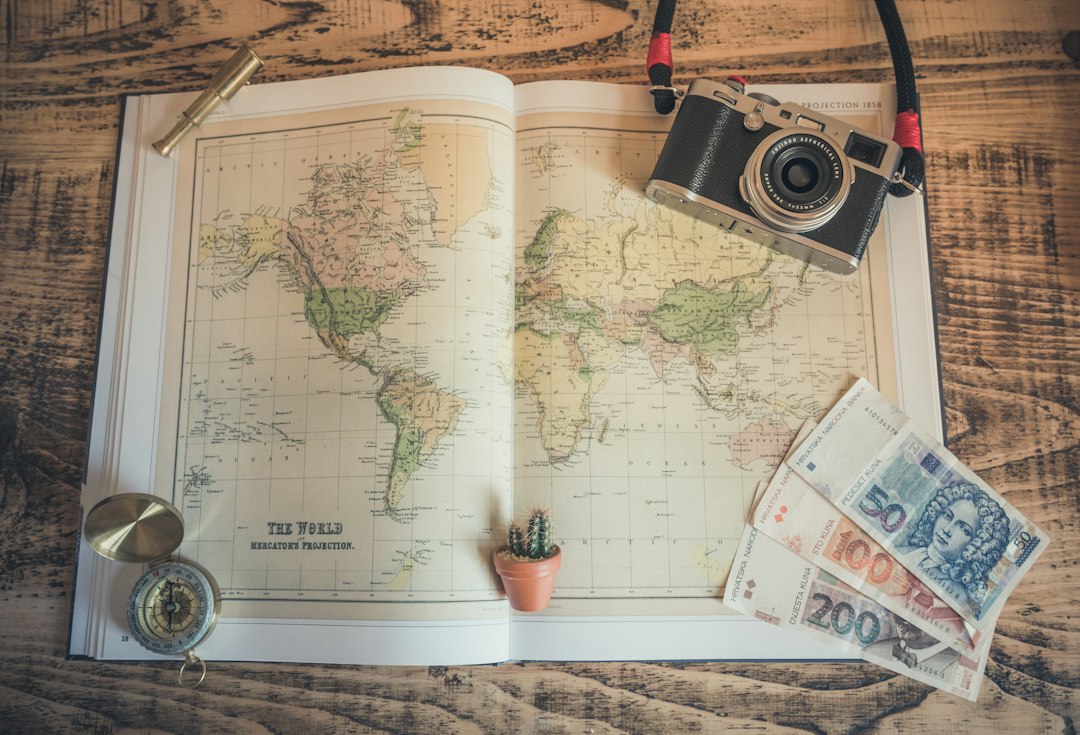
The first solo travel red flags happen before you land
Photo by Azzedine Rouichi on Unsplash
The airport is where a confident trip can quietly wobble. Air feels dry, your phone battery is dropping, and every sign takes half a second longer to process than it should. The biggest solo travel red flags often show up before you even reach the city center: a midnight arrival, no backup route, no data, no first-night meal, and no one who knows where you are meant to be.
A simple first-day plan solves most of this. If two flights are similar, paying an extra $25 to $70 for a landing before 4 p.m. is usually better value than saving money on a late arrival. Daylight gives you more official transport options, easier check-in, and a calmer brain. Book your first two nights before departure, even if the rest of the trip stays flexible.
I also like storing the hotel address, one transport backup, and a check-in note in one shared trip file inside TravelDeck. It is not about being tracked every minute. It is about making sure someone can find your next step if you go quiet.
Before you fly, finish this first-day setup:
- Land before 4 p.m. local time if possible.
- Book the first two nights in a central, active area rather than the absolute cheapest edge-of-city option.
- Save the hotel name, address, nearest station, and host phone number offline.
- Activate data on arrival; 10 to 20 GB often costs around $15 to $35 in major destinations.
- Carry one small food backup such as nuts, crackers, or a protein bar.
- Send one simple message after check-in: arrived, room locked, phone charged.
If you are choosing your first solo city break, a compact plan beats a sprawling route. Something structured like 3 Days in Vienna in 2026: The Smart First-Timer Itinerary is easier to manage alone than a six-stop rail sprint.
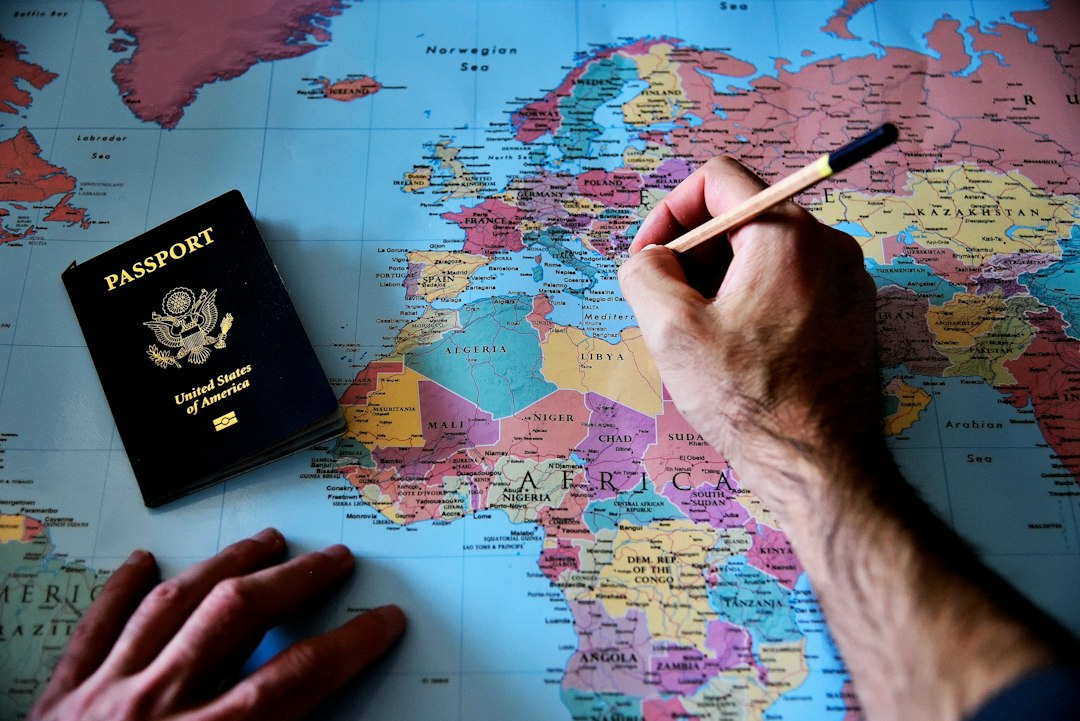
Safe accommodation for solo travelers starts with friction, not style
Photo by Suhyeon Choi on Unsplash
A beautiful apartment photo can hide a deeply inconvenient reality: one keypad, one dark side street, one broken stair light, and no reception after 9 p.m. When you are traveling alone safely, the question is not only Is this place nice. It is How many things have to go right before I reach my bed.
Good accommodation reduces friction. You want lighting, transport, food nearby, and staff or hosts who answer clearly. That matters more than a trendy interior. A room that costs $18 less per night can become expensive very fast if it forces you into late taxis, long walks with luggage, or awkward check-ins outside empty buildings.
Use these filters before you book:
- Review score of 8.5 or higher with at least 20 recent reviews.
- Comments that mention staff helpfulness, neighborhood safety, and easy late check-in.
- A location within a 10-minute walk of a major train, metro, tram, or bus stop.
- Food, pharmacy, or convenience store within 300 to 500 meters.
- Room location between the 2nd and 6th floor when possible, avoiding ground-floor rooms.
- Full-size lockers in dorms, and your own small lock if needed.
Three questions to ask after check-in:
- Which street should I avoid late at night?
- What is the easiest official way back after 10 p.m.?
- Where is the nearest place to buy water right now?
If you travel light, this gets easier. A smaller bag means quicker exits, less fumbling on staircases, and fewer moments standing exposed on the street. The system in Carry-On Packing Rules 2026: Fit 10 Days in One Bag is especially useful for solo trips where mobility is part of safety.
Transport red flags solo travelers ignore too often
Photo by bruno neurath-wilson on Unsplash
Street confidence is rarely about looking fearless. It is about avoiding small situations that make you look stuck. The classic image is a traveler frozen at a curb, phone in one hand, rolling bag in the other, trying to decide whether a driver, a side street, or a half-empty platform feels right. That pause is when bad choices sneak in.
Traveling alone safely usually means moving with purpose, then stopping with purpose. If you need to check directions, step into a bakery, pharmacy, hotel lobby, or station shop. If a ride pickup point feels chaotic, go back into the terminal and reset. If your battery is under 20 percent and you still need to get home after dark, that is already a solo travel red flag.
Use this rule: if the safer ride home costs less than dinner, take it. In many capitals, that might mean $12 to $30 for a verified car or official taxi after dark. Cheap pride is not a travel hack.
| Situation | Red flag | Safer move |
|---|---|---|
| Airport arrival after 10 p.m. | Last train soon, unofficial drivers hovering | Use the official taxi line or pre-checked public transport only |
| New city, first day, overnight bus | You are tired and disoriented | Sleep near the station and travel in daylight next morning |
| Long walk from transit with luggage | Empty blocks, poor lighting, no shops open | Spend more for a closer stay or take a verified ride |
| Phone battery below 20 percent | No navigation or contact backup | Stop to charge before leaving a busy area |
| Driver changes route without explanation | You feel rushed or confused | Ask to stop in a busy public place and exit |
A second smart move is to avoid stacking too many unknowns. First night, new city, unfamiliar bus station, and no data is a bad combination. If you want a busier, more sensory first solo destination, 3 Days in Hanoi in 2026: The Ideal First-Timer Itinerary works best when you keep the first night close to the Old Quarter and arrive with a fixed transfer plan.
Meeting people while traveling alone without oversharing
Solo travel can feel wonderfully social. The espresso bar turns into a conversation, the walking tour becomes lunch, and suddenly you are swapping stories with people from three countries under yellow streetlights. That openness is part of the pleasure. But one of the biggest solo travel red flags is mistaking fast friendliness for earned trust.
You do not need to become guarded or cold. You just need boundaries that are easy to repeat. Structured social settings are better than vague ones: walking tours, cooking classes, museum events, language exchanges, and small day trips. They give you company without requiring instant intimacy.
Safer ways to meet people while traveling alone:
- Join a walking tour on your first full day; many good ones cost around €10 to €20 in tips or fees.
- Pick a cooking class or market experience in the $25 to $60 range instead of a late bar crawl.
- Sit at counter seats or communal tables where conversation stays public and casual.
- Keep first meetups within a 15-minute walk or ride of your accommodation.
- Buy your own drinks and keep them in sight.
Things not to share with new acquaintances:
- Your room number.
- The fact that you are completely alone in the property.
- Tomorrow's remote hiking or beach plan.
- How much cash you carry.
- Your full multi-day itinerary.
Give yourself one exit line before every social evening. Mine is simple: early start tomorrow, heading back now. A prepared line sounds boring until you need it. Then it feels like freedom.
Protect your phone, money, and documents like separate systems
Losing a wallet with friends is irritating. Losing a wallet alone can eat a full day, especially if your bank app, transport ticket, room key message, and passport photo were all on the same dead or stolen phone. Smart solo travel safety tips are less about carrying less and more about splitting risk.
Think in layers. Your goal is that one mistake never becomes a full emergency. That means one payment method on you, one backup away from you, one digital copy online, and one paper fallback that survives a dead battery.
Build this solo setup before departure:
- Two bank cards on different networks.
- Day cash only, plus emergency cash of $50 to $100 or €50 to €100 hidden separately.
- Passport scan, visa, insurance, and prescription copies in secure cloud storage.
- One paper card with your accommodation address and emergency contact.
- A power bank of at least 10,000 mAh and the correct charging cable in your day bag.
- Phone tracking and remote wipe switched on.
Money rules worth keeping:
- Use ATMs inside banks or shopping centers during daylight when possible.
- Refill cash in small amounts instead of carrying a thick wallet.
- Keep your main card in a different place from your daily spending card.
- Never set your bag down loose while buying tickets or snacks.
The safest solo travelers often look relaxed because their backups are already done. That is what traveling alone safely really feels like in practice: less panic, faster recovery.
A 20-minute solo traveler emergency plan you can finish tonight
Emergency planning sounds dramatic until you actually need it. Then it becomes the calmest part of the trip. You do not need a thick folder. You need one note on your phone, one paper copy in your bag, and a few official links saved before departure.
Your emergency note should include local emergency numbers, your accommodation address, your insurance contact, one person at home, and the nearest embassy or consulate. In much of Europe, the general emergency number is 112. If you are crossing borders or traveling for more than a week, it is worth checking official updates before you go.
Save these official resources before departure:
Your 20-minute emergency checklist:
- Screenshot your first two nights of bookings.
- Write your hotel address on paper.
- Add one backup payment method.
- Save one local hospital and one embassy or consulate.
- Share your arrival window with one trusted person.
- Decide your stop signal in advance: too tired, low battery, second bad feeling, or transport confusion after dark.
That last step matters. Pre-deciding when to pause is one of the most useful solo travel safety tips there is. It stops you negotiating with yourself when you are exhausted.
FAQ
Is solo travel safe for beginners in 2026?
Yes, if you lower complexity. Pick one city instead of three, arrive in daylight, book the first two nights in a central area, and keep your first evening simple. Safe solo travel is easier when you remove unnecessary decisions.
What is the safest type of accommodation for a solo traveler?
The safest option is usually the one with the least friction, not the fanciest category. Look for recent reviews, active streets, nearby food and transport, and a clear check-in process. A well-run hostel with lockers and 24-hour staff can be safer than a remote apartment with no support.
How much emergency cash should I carry when traveling alone?
A practical amount is $50 to $100 or €50 to €100, stored separately from your main wallet. That usually covers a ride, food, and one unexpected delay without turning you into a target for loss.
Is it safe to go out alone at night?
Often yes, but only with a return plan. Stay in busy areas, keep enough battery for navigation, know your route back before you leave dinner, and use official transport if the walk feels vague. The danger usually starts when the plan becomes fuzzy.
What are the biggest solo travel red flags?
Late arrivals with no transfer plan, bargain rooms in empty districts, low phone battery after dark, oversharing with strangers, and carrying all your money in one place. None of these sound dramatic, which is exactly why they cause trouble.
Traveling alone safely is rarely about acting tough. It is about noticing when a day is starting to fray and correcting early: pay for the closer room, skip the vague invitation, charge the phone, go back to the bright street, sleep first and move tomorrow. Solo travel stays joyful when your safety rules are simple enough to follow even when you are tired.