Vienna is one of those rare capitals where a palace, a world-class painting, a slice of cake and a tram ride can all fit into the same afternoon without feeling forced. That is exactly why 3 days in Vienna works so well for first-timers: you get the imperial highlights, the café culture and one slower, more local evening beyond the postcard center.
If you are wondering how many days in Vienna you really need, three is the sweet spot for most travelers. Two days is doable but rushed; four gives you more museum time, but 3 days in Vienna is enough to see the essentials without spending the whole trip in transit. If you like keeping museum slots, restaurant ideas and walking order in one place, plotting this route on TravelDeck before you leave makes the pacing much easier to judge.
Why 3 days in Vienna is the sweet spot
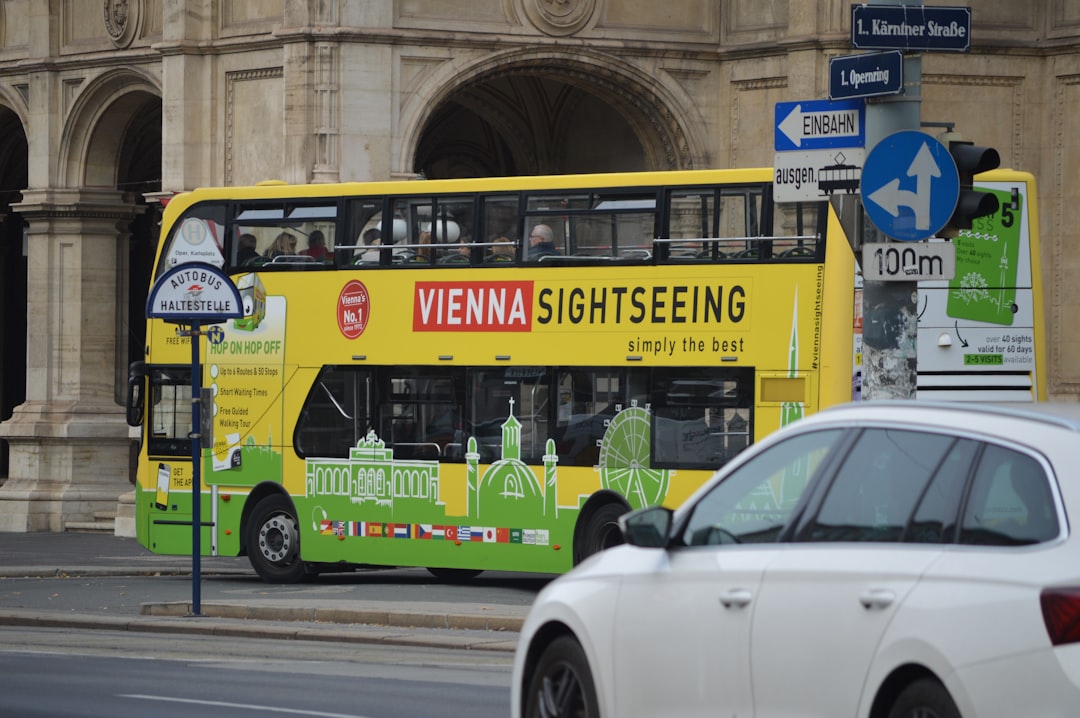
Photo by Joshi Milestoner on Unsplash
Vienna rewards a measured pace. The city is compact enough that you can walk much of the 1st District, yet dense enough with palaces, churches and museums that trying to cram everything into a weekend can turn elegant streets into a checklist. For most first visits, 3 days in Vienna lets you cover the classic sights and still leave room for the rituals that make the city feel like Vienna: a Melange in a wood-paneled coffeehouse, an evening concert, or a glass of Gemischter Satz in a wine tavern.
This Vienna itinerary 3 days plan is built for travelers who want a rebuildable route, not just a list of attractions. Day 1 stays in the historic core so jet-lagged legs are not wasted. Day 2 shifts west to Schönbrunn and then back into the city for markets and modern Vienna. Day 3 gives you art, Belvedere and a final evening in Grinzing. If you are comparing shoulder-season city breaks, the pacing here is especially good in spring and early summer, much like the logic behind June 2026 Trip Planner: 6 Places Before Peak Summer.
How to get there
Photo by Tony Hand on Unsplash
Vienna is served by Vienna International Airport, VIE, about 18 km southeast of the center. Most long-haul and European arrivals land here, and the airport is efficient enough that you can usually be in the city within 30 to 45 minutes after clearing arrivals. Official airport details are at Vienna Airport.
If you are already traveling in Central Europe, train arrivals are often even easier than flying. Wien Hauptbahnhof has frequent direct services from Budapest, Prague, Salzburg, Munich and Bratislava, and the station connects quickly to the U-Bahn. Check routes on the official ÖBB.
- From Vienna Airport to Wien Mitte on the CAT train: about 16 minutes, around €14.90 one way via the official City Airport Train
- From Vienna Airport to the city on the S7 suburban train: about 25 to 30 minutes, roughly €4.40 total with local zone ticket
- Airport bus to Morzinplatz or Hauptbahnhof: about 25 to 35 minutes, around €9 to €10
- Train from Bratislava to Vienna: about 1 hour, often €11 to €18 depending on route and booking time
- Train from Budapest to Vienna: about 2 hours 30 minutes to 2 hours 45 minutes, often €25 to €60
- Train from Prague to Vienna: about 4 hours, often €20 to €50
For this 3 days in Vienna itinerary, staying near a U1, U2 or U4 line saves the most time.
Day 1: Old Town grandeur and coffeehouse ritual
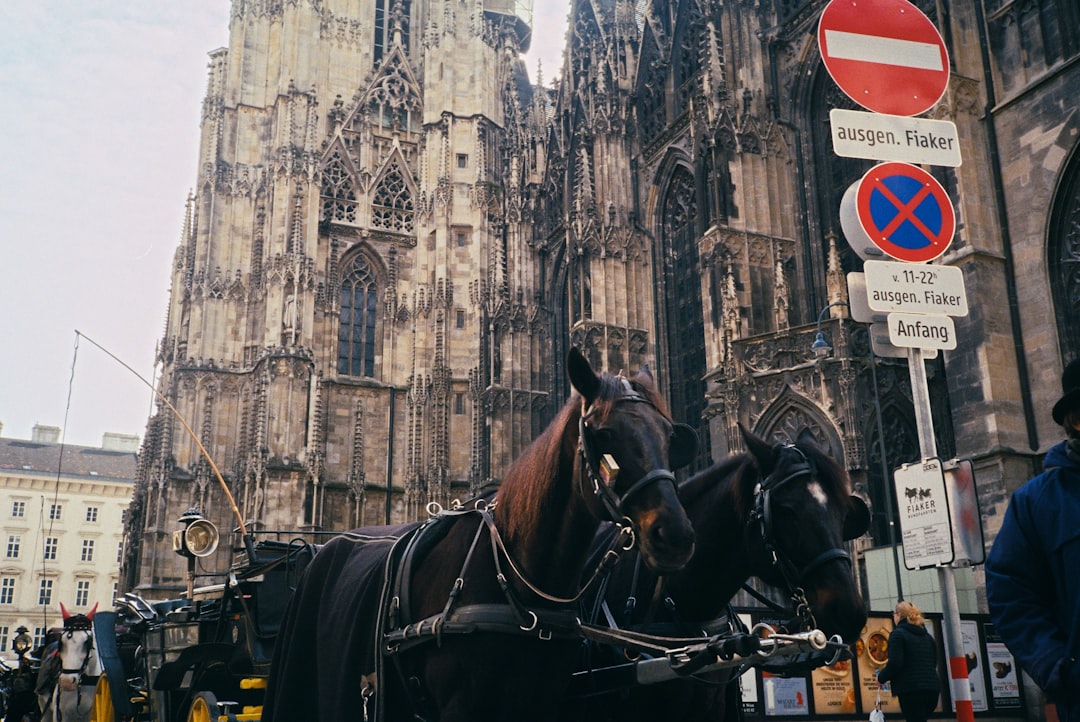
Your first day should be all about Vienna at its most cinematic: Gothic stone, Baroque facades, carriage wheels on cobbles and the faint smell of roasted coffee drifting out of formal cafés. Keep this day concentrated in Innere Stadt so you spend more time looking up than navigating.
The route below works especially well if you arrive the night before. If you land in the morning, drop bags, start at Stephansplatz and shorten the afternoon by choosing either the Hofburg interiors or the Austrian National Library instead of both.
Morning
Start before the tour groups thicken around Stephansplatz. St. Stephen's Cathedral feels most impressive when the square is still waking up and the bells cut through the quieter streets around Graben and Kärntner Straße.
- 08:30-09:45 Visit St. Stephen's Cathedral, Stephansplatz, Innere Stadt; church entry is free, tower and catacomb combinations usually €6 to €25 depending on access level; official info at Stephansdom
- 09:45-10:15 Walk Graben and see the Plague Column, then step into Peterskirche, Innere Stadt; free entry, donation appreciated
- 10:20-11:10 Coffee stop at Café Demel, Kohlmarkt, Innere Stadt; allow €8 to €14 for coffee and pastry
- 11:10-11:45 Stroll Kohlmarkt to Michaelerplatz for the first full view of the Hofburg complex
Afternoon
After coffee, Vienna turns imperial fast. The Hofburg is not one single building but a whole political universe layered over centuries, and the sense of scale makes more impact if you enter on foot from Michaelerplatz rather than arriving underground.
- 12:00-14:00 Visit the Imperial Apartments and Sisi Museum at Hofburg, Innere Stadt; around €19 to €22 depending on ticket type; official tickets at Hofburg Vienna
- 14:05-14:50 Lunch at Bitzinger Würstelstand Albertina, Albertinaplatz, Innere Stadt, for a fast and tasty first-day meal; €7 to €14
- 15:00-15:45 Visit the State Hall of the Austrian National Library, Josefsplatz, Innere Stadt; about €10
- 15:50-16:30 Walk Heldenplatz and Burggarten; free
Evening
Vienna softens beautifully at dusk. The formal architecture around the Ringstraße glows honey-colored, and even a simple tram ride feels ceremonial. Keep the evening relaxed: a little music, a proper dinner and one final stroll.
- 17:00-17:25 Ride tram 1 or 2 along parts of the Ringstraße from Oper or Burgring; use a 24-hour transport pass, about €8.00 via Wiener Linien
- 17:30-18:15 See the exterior of the Vienna State Opera, Opernring, Innere Stadt, and walk to Albertinaplatz
- 18:30-20:00 Dinner at Meissl & Schadn, Schubertring, Innere Stadt, for schnitzel; expect €25 to €40 per person with drink
- 20:15-21:15 Optional classical concert or an evening walk through Kärntner Straße and Neuer Markt; concerts vary widely, roughly €35 to €90
- Insider tip: If the line at Demel is long, go early or swap in Café Frauenhuber on Himmelpfortgasse for a calmer first-day coffeehouse stop with less queue pressure
Day 2: Schönbrunn, market flavors and the creative city
Day 2 is where your Vienna first timer itinerary widens out. The city stops being just imperial frontage and starts showing its rhythm: broad palace gardens in the morning, the noisy appetite of Naschmarkt at lunch, and a younger, more relaxed energy by evening.
Leave early for Schönbrunn. This is the one sight in a 3 days in Vienna plan that can feel crowded fast, and it is much more enjoyable if you reach the palace close to opening time and have the grounds partly to yourself.
Morning
The yellow façade of Schönbrunn is impressive, but the real pleasure is the sequence: state rooms, formal gardens, the hill rising to the Gloriette and the long backward look over the city. Wear comfortable shoes; this morning is more walking-heavy than Day 1.
- 08:45-09:00 U4 to Schönbrunn station, Hietzing
- 09:00-11:00 Visit Schönbrunn Palace, Schönbrunner Schloßstraße 47, Hietzing; standard palace routes usually start around €27, other circuit options cost more; official booking at Schönbrunn Palace
- 11:00-12:00 Walk the Schönbrunn Gardens up to the Gloriette; garden access is free, Gloriette terrace access may add a small fee depending on ticket
- 12:00-12:30 Quick snack or strudel stop at Café Restaurant Residenz, Schönbrunn grounds; €8 to €16
Afternoon
Back in the city, the mood changes completely. Naschmarkt is louder, scrappier and more contemporary than the palace zone, with spice stalls, produce stands and casual lunch counters packed close together under the open sky.
- 13:00-14:15 Lunch and browse at Naschmarkt, Wieden and Mariahilf border; budget €12 to €25 depending on what you pick
- 14:20-15:00 Visit Karlskirche, Karlsplatz, Wieden; around €9
- 15:10-16:00 See the Secession Building, Friedrichstraße, Wieden, and Beethoven Frieze if open; around €12 to €15
- 16:15-17:30 Coffee or rest in Café Sperl, Gumpendorfer Straße, Wieden; €7 to €14
Evening
For the evening, head west into Neubau and the MuseumsQuartier zone. This area lets you breathe after two museum-heavy halves of the day, and it gives your 3 days in Vienna itinerary a more local finish than another formal dinner in the 1st District.
- 18:00-19:15 Walk the courtyards of MuseumsQuartier, Neubau, and continue along Spittelberg's small lanes; free
- 19:30-21:00 Dinner at Glacis Beisl, Museumsplatz, Neubau, or at Ulrich, Sankt-Ulrichs-Platz, Neubau; €20 to €38 per person
- 21:00-22:00 Drinks in Neubau or a casual evening walk back toward Mariahilfer Straße; €6 to €14
- Insider tip: Book the earliest Schönbrunn slot you can tolerate. The palace rooms feel dramatically calmer before 10:00, and you will reach Naschmarkt just as the lunch energy picks up
Day 3: Belvedere art, museum depth and a Grinzing finale
Your last day should feel complete rather than frantic. This is the moment to combine Vienna's artistic side with one of its most pleasant local traditions: the evening trip to a Heuriger in the vine-covered outskirts.
Belvedere and Grinzing make a surprisingly elegant pairing. One gives you Klimt and Baroque symmetry; the other gives you wooden benches, cold white wine and a slower, more lived-in version of the city.
Morning
Begin at Upper Belvedere, where the gardens frame one of the city's most photogenic palace approaches. Going early helps with both the paintings and the garden views, especially if Gustav Klimt's The Kiss is high on your list.
- 09:00-11:00 Visit Upper Belvedere, Prinz Eugen-Straße 27, Landstraße; around €17 to €19; official tickets at Belvedere Museum
- 11:00-11:30 Walk the Belvedere Gardens toward Lower Belvedere; garden access is free
- 11:40-12:20 Coffee stop at Café Goldegg, Goldeggasse, Wieden, or at the Belvedere café; €6 to €12
Afternoon
By now you will have seen imperial Vienna from the outside and the inside. The best final-afternoon move is one major museum rather than three smaller stops, so you leave with a real memory instead of a blur of ticket stubs.
- 12:45-13:30 Lunch at Café Museum, Operngasse, Innere Stadt edge, or at a nearby Beisl in the Karlsplatz area; €15 to €28
- 14:00-16:15 Choose one anchor museum: Kunsthistorisches Museum, Maria-Theresien-Platz, Innere Stadt, around €21, or Leopold Museum, MuseumsQuartier, Neubau, around €17
- 16:15-17:00 Pause in Maria-Theresien-Platz or Volkstheater area before heading north
Evening
Now finish with the Vienna many travelers miss on their first night: the wine village atmosphere of Grinzing in Döbling. It is still within city limits, but the mood shifts into leafy streets, tavern courtyards and a much less formal kind of grandeur.
- 17:00-17:45 Tram D and connection toward Grinzing, Döbling, or local transport from Schottentor; use daily or 48-hour pass if still valid
- 18:00-20:30 Dinner at a traditional Heuriger such as Mayer am Pfarrplatz, Pfarrplatz, Heiligenstadt, or Feuerwehr Wagner, Grinzinger Straße, Grinzing; expect €22 to €40 per person with wine
- 20:30-21:15 Walk a short stretch through Grinzing's village lanes before returning to the center
- Insider tip: Reserve a Heuriger table if you are visiting Friday or Saturday. These taverns are part of local social life, not just tourist scenery, and the best outdoor seats fill early in warm weather
Things to do if you have extra hours in Vienna
Even a well-planned 3 days in Vienna leaves a few excellent options on the table. If you arrive early on Day 1, stay for a fourth night, or need a rainy-day swap, these are the easiest additions that fit the route above without creating transport headaches.
- Ride the Riesenrad at Prater, Leopoldstadt, for classic city views; about €14 to €15
- Visit the Spanish Riding School, Innere Stadt, if Lipizzaner training interests you; prices vary by performance and training session
- See the Albertina, Innere Stadt, for graphic art and major temporary exhibitions; around €18 to €20
- Explore the House of Music, Innere Stadt, for a lighter, interactive music stop; around €17
- Walk the Danube Canal murals between Schwedenplatz and Urania; free
- Browse the Brunnenmarkt in Ottakring for a less-touristed market experience; free to enter, pay by purchases
If Vienna is one stop on a longer rail trip, it pairs especially well with Alpine routes and lake scenery, and 8 Days in Switzerland in 2026: Ultimate Scenic Itinerary is a useful contrast if you are deciding between an urban break and a landscape-heavy trip.
Where to eat
Vienna is richer and more varied than the usual schnitzel-and-cake stereotype, but you should absolutely make room for both. The city shines when you mix old-school institutions with one market lunch and one wine-tavern dinner.
For classic dishes, order Wiener Schnitzel, Tafelspitz, goulash, apfelstrudel and Sachertorte. Coffeehouse culture matters here, so do not rush your café stop; table time is part of the experience, not a problem to solve.
- Café Demel, Innere Stadt: pastries, elegant interior, €8 to €14
- Café Central, Innere Stadt: grand coffeehouse setting, usually busier, €10 to €18
- Meissl & Schadn, Innere Stadt: reliable schnitzel, €25 to €40
- Figlmüller, Innere Stadt: famous schnitzel, expect queues, €22 to €35
- Naschmarkt, Wieden and Mariahilf: lunch variety from quick plates to seafood and mezze, €12 to €25
- Glacis Beisl, Neubau: refined Austrian comfort food, €20 to €38
- Mayer am Pfarrplatz, Heiligenstadt: Heuriger dinner with wine, €22 to €40
Best time to go
The best time for 3 days in Vienna is April to May and September to October. These shoulder months give you comfortable walking weather, fewer queues than peak summer and the kind of light that makes palace gardens and Ringstraße façades look especially good.
June is lively and green, but the busiest sights are noticeably more crowded. July and August are warm and festival-friendly, though not ideal if you dislike heat or lines. December is magical for Christmas markets, but daylight is short and accommodation prices can jump around weekends.
For packing, think layers, a light waterproof and shoes you can walk 15,000 steps in without resentment. If you are traveling carry-on only, Carry-On Packing Rules 2026: Fit 10 Days in One Bag is useful preparation for a city break like this.
Estimated budget per person
Vienna can be done at several price levels, but museums and palace entries add up quickly. The easiest way to control costs is to choose your paid highlights deliberately: for most travelers, one major palace interior per day plus one anchor museum is enough.
Below is a realistic 3-day budget per person excluding flights.
| Budget tier | Hotel per night | Food per day | Transport total | Sightseeing total | 3-day total |
|---|---|---|---|---|---|
| Budget | €45-€80 | €25-€40 | €17-€25 | €45-€70 | €220-€375 |
| Mid-range | €120-€190 | €45-€75 | €17-€25 | €70-€120 | €490-€790 |
| Luxury | €260-€500+ | €90-€160 | €17-€30 | €120-€220 | €1,170-€2,370+ |
A 24-hour public transport pass costs about €8.00, and a 48-hour pass around €14.10, with current prices on Wiener Linien.
Where to stay
For a first visit, stay central enough that Day 1 is mostly walkable and Day 2 to Schönbrunn is one clean U-Bahn ride. Vienna's transit is excellent, but a smart base still saves you an hour or more over three days.
- Innere Stadt: best for classic first-timer atmosphere, easy walks to Stephansdom, Hofburg and the Ringstraße; expect roughly €170 to €400+; good if you want to step outside and already be in the postcard center
- Wieden: best balance of charm and price, close to Karlsplatz, Belvedere and Naschmarkt; expect roughly €110 to €240; excellent for this Vienna itinerary 3 days route
- Neubau or Mariahilf: best for cafés, creative energy and easier mid-range pricing; expect roughly €100 to €220; ideal if evening dining matters more than palace views
Sample stays by budget:
- Budget: Hotel Daniel Vienna in Landstraße, Motel One Wien-Hauptbahnhof in Favoriten edge, or ibis Wien Mariahilf in Mariahilf
- Mid-range: Hotel Beethoven Wien in Wieden, Ruby Marie in Mariahilf, or Hollmann Beletage near the center
- Luxury: Hotel Sacher Wien, Park Hyatt Vienna, or The Amauris Vienna
How to get around
Vienna is one of Europe's easiest capitals to navigate without a car. The U-Bahn, trams and buses are reliable, stations are clearly marked and most major sights on this itinerary line up naturally along a few corridors.
For 3 days in Vienna, buy either separate 24-hour passes or a 48-hour pass plus one extra single day depending on arrival time. Validate paper tickets when required, and keep them accessible during inspections.
- Best U-Bahn lines for this itinerary: U1 for Stephansplatz, U4 for Schönbrunn, U2 or U3 for MuseumsQuartier area depending on your base
- Best walking zone: Innere Stadt between Stephansdom, Graben, Hofburg and the Ringstraße
- Best tram experience: Ringstraße segment on tram 1 or 2 for a scenic orientation ride
- Avoid renting a car: parking is expensive and unnecessary for this route
Practical tips
Vienna uses the euro, card payments are common and tap water is excellent. Tipping is modest: round up or add roughly 5 to 10 percent in restaurants if service was good.
Safety is generally very good, but keep an eye on bags around Stephansplatz, inside busy trams and at Naschmarkt. Shops often close on Sundays except in major stations and some tourist areas, so do not leave essentials to the last minute.
Book timed tickets ahead for Schönbrunn, Hofburg and Belvedere if you are visiting spring weekends, summer or December. For official city planning help and event calendars, the best starting point is Vienna Info.
FAQ
How many days in Vienna do you really need?
Most first-time visitors need 3 days in Vienna for a balanced trip. That gives you the historic center, one major palace morning, one major art museum and a more local evening such as Grinzing without rushing every meal.
Is 3 days in Vienna enough for Schönbrunn and Belvedere?
Yes. In fact, that is one reason 3 days in Vienna is such a strong format. Put Schönbrunn on Day 2, Belvedere on Day 3 and keep Day 1 for Innere Stadt and Hofburg.
What is the best area to stay in Vienna for this itinerary?
Wieden is the best all-rounder for value and access. Innere Stadt is the most atmospheric but costs more, while Neubau and Mariahilf work well if you care more about restaurant and café life.
Is Vienna expensive?
Vienna is not cheap, but it is manageable. Accommodation drives the budget more than transport, and museum choices make the next biggest difference. If you mix one coffeehouse splurge, one market lunch and selective ticketing, the city feels much more reasonable.
Should you buy a sightseeing pass?
Only if you know you will do multiple paid interiors each day. For this specific 3 days in Vienna itinerary, many travelers do better by buying individual tickets for their must-see places and skipping anything that does not truly interest them.
Three days gives Vienna enough room to feel like itself: grand but not stiff, cultured but still easy to enjoy on foot, and full of small pleasures between the headline sights. Follow this route closely or swap a museum for a longer lunch, and you will still leave with a trip that feels coherent, memorable and genuinely yours.
---