Most first-time visitors underestimate how spread out this mountain range really is. On paper, 5 days in the Dolomites sounds generous; on the road, it is the sweet spot that lets you see the icons without turning the trip into a blur of parking lots, hairpin bends, and rushed photo stops. If you want a Dolomites road trip that feels full but still breathable, this is the version I would actually book.
This 5 days in the Dolomites itinerary is built for June to early October, when the lifts are running and the classic trails are usually clear. The route is deliberately split between two bases: Cortina d'Ampezzo for the eastern highlights, then Ortisei or Selva di Val Gardena for the western side. If you sketch routes in TravelDeck, build this trip as two separate clusters rather than one giant loop from a single hotel.
You could shave the Dolomites down to three days if you only want viewpoints and scenic drives. But if you want Tre Cime, Lago di Braies, Seceda, proper hut lunches, and time to enjoy the mountains instead of constantly checking the clock, five days is where this destination starts to make sense.
| Day | Base | Main stops |
|---|---|---|
| 1 | Cortina d'Ampezzo | Arrival, Passo Falzarego, Cinque Torri |
| 2 | Cortina d'Ampezzo | Tre Cime di Lavaredo, Cadini di Misurina, Lago di Misurina |
| 3 | Ortisei or Selva | Lago di Braies, Lago di Dobbiaco, Passo Gardena transfer |
| 4 | Ortisei or Selva | Seceda, Pieralongia ridge, Passo Sella |
| 5 | Ortisei or Selva | Val di Funes, Santa Maddalena, Geisler Alm |
Day 1: Cortina Soft Landing and Cinque Torri Light
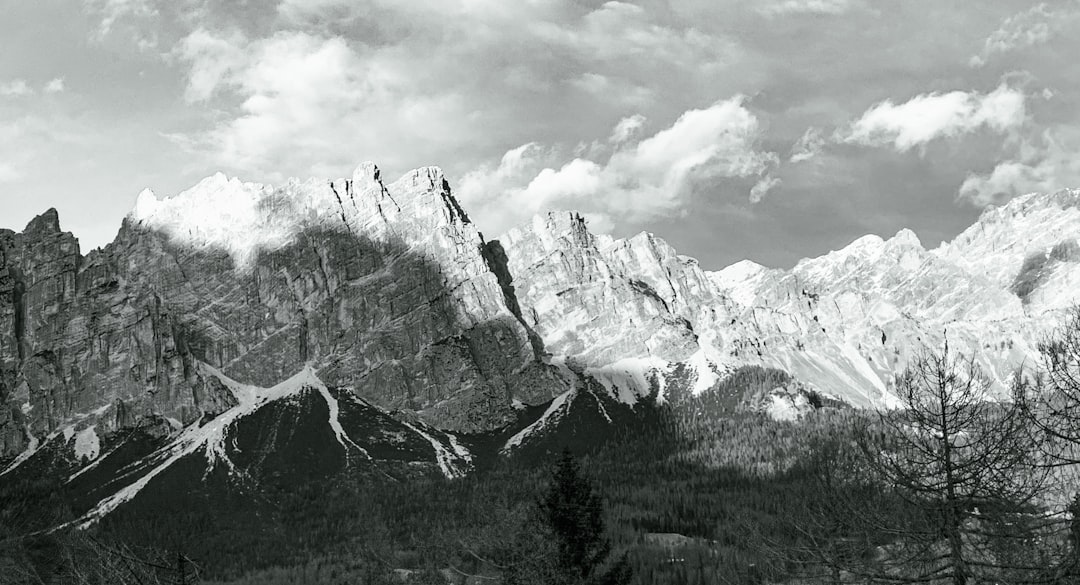
Photo by Frederick Wallace on Unsplash
The smartest first day in the Dolomites is not the most ambitious one. After a flight or train ride, these roads demand more attention than people expect, and the mountains look best when you still have a little energy left to enjoy them. Cortina d'Ampezzo makes an easy first base because it has a real town center, good restaurants, and quick access to eastern highlights.
By late afternoon, the rock towers around Passo Falzarego begin to glow from silver to honey. Cinque Torri is perfect for day one because it gives you immediate drama without a huge physical effort, and it introduces one of the things the Dolomites do best: mixing alpine beauty with deep wartime history.
Morning
Start by driving to Cortina d'Ampezzo from Venice Marco Polo Airport (VCE). The route is about 160 km and usually takes 2.5 to 3 hours, depending on traffic around Longarone and Pieve di Cadore.
- 09:00 Pick up your rental car at VCE or start from Venice Mestre
- 10:45 Coffee stop in Pieve di Cadore, historic center
- 12:00 Arrive in Cortina d'Ampezzo and check in
- Approximate cost: car rental share €30-55 per person for the day if split between two travelers, fuel around €12-18 per person
Afternoon
From Cortina, drive about 25 minutes to Bai de Dones on the Passo Falzarego side. Take the chairlift up to Rifugio Scoiattoli, then walk the easy loop around Cinque Torri and the open-air WWI trenches. It is one of the most rewarding low-effort walks in the region.
- 14:30 Drive to Bai de Dones, Passo Falzarego area
- 15:00 Chairlift to Rifugio Scoiattoli
- 15:15-17:15 Cinque Torri loop and WWI open-air museum
- Approximate cost: chairlift around €18-25 round trip, parking usually free or low-cost depending on lot, rifugio lunch €15-25
Evening
Back in Cortina, the mood changes from mountain amphitheater to polished alpine resort. Walk Corso Italia in the town center, order an aperitivo, and settle into the rhythm of the trip before the earlier starts begin.
- 18:30 Return to Cortina d'Ampezzo town center
- 19:00 Aperitivo on Corso Italia
- 20:00 Dinner in central Cortina; expect €25-45 per person
- Insider tip: stay at Cinque Torri until the late afternoon light hits the rock faces; this is when the towers photograph far better than at midday
Day 2: Tre Cime, Cadini, and the Classic Eastern Dolomites
If there is one day that justifies the entire trip, this is it. Tre Cime di Lavaredo feels almost oversized, as if someone sharpened three stone blades and dropped them into a high green basin. Even on a busy day, the scale is so strange and so clean that the crowds tend to fade into the background once you start walking.
The best strategy is simple: go early, commit to the full morning outdoors, and keep the afternoon flexible. That gives you the option to add the Cadini di Misurina viewpoint and still end the day by the water at Misurina instead of driving in exhaustion.
Morning
Leave Cortina early for Rifugio Auronzo, the access point for Tre Cime. In peak season you usually need to pre-book road access and parking, and the earlier you arrive, the smoother the day goes.
- 07:00 Leave Cortina d'Ampezzo
- 07:40 Arrive at Rifugio Auronzo parking area
- 08:00-12:00 Hike the Tre Cime di Lavaredo loop with viewpoint detours
- Approximate cost: access road and parking around €40-45 per car in summer, effectively about €20-22 per person if split between two travelers; trail access itself is free
Afternoon
If your legs still feel good, continue from the same general area toward the Cadini di Misurina viewpoint. It is shorter, narrower, and more dramatic in a different way: jagged peaks crowd the skyline like a stone crown. Afterward, drive down to Lago di Misurina for a late lunch or gelato by the lake.
- 12:30-14:00 Cadini di Misurina viewpoint hike
- 14:30 Late lunch near Lago di Misurina
- 15:30 Short lakeside walk at Misurina
- Approximate cost: Cadini hike free, lunch €15-30, coffee or gelato €3-8
Evening
Keep the evening light. If the sky is crystal clear and you still have energy, you can take the Freccia nel Cielo lift from Cortina toward Cima Tofana for sunset views. If not, a quiet dinner in town is the better choice; there is no prize for overpacking a mountain day.
- 17:00 Return to Cortina
- Optional 17:30-19:00 Freccia nel Cielo lift ride if weather is excellent
- 20:00 Dinner in Cortina d'Ampezzo
- Approximate cost: optional lift around €30-40 round trip, dinner €25-45
- Insider tip: walk the Tre Cime loop counterclockwise from Rifugio Auronzo if you want the big reveal to build gradually rather than all at once
Day 3: Lago di Braies, Dobbiaco, and the Transfer West
Day three is where this 5 days in the Dolomites route earns its keep. Instead of clinging to one base and wasting hours backtracking, you use the transfer day as sightseeing. The eastern lakes have a softer beauty than Tre Cime: darker forests, mirrored water, and boardwalks instead of bare stone. It is a good reset after yesterday's bigger hiking effort.
Lago di Braies is famous enough to be overrun by mid-morning, so the rule is non-negotiable: go early or go late. Since this itinerary still needs to reach Val Gardena by evening, early wins.
Morning
Drive from Cortina to Lago di Braies before the access restrictions and parking stress kick in. Walk the full lakeside loop if you have time, or do the western shore out-and-back if you want a shorter visit.
- 07:30 Leave Cortina d'Ampezzo
- 08:30 Arrive at Lago di Braies, Pragser Tal valley
- 08:30-10:30 Walk the lake loop and optional rowboat rental
- Approximate cost: parking around €8-15 depending on duration and season, rowboat about €50 per boat for 45 minutes in high season, coffee and pastry €6-10
Afternoon
Continue to Lago di Dobbiaco for lunch, then begin the cross-Dolomites drive toward Val Gardena. The nicest route runs through Val Badia and over Passo Gardena, where the road opens into one of the classic western Dolomites landscapes.
- 11:00 Short stop at Lago di Dobbiaco
- 11:30-12:30 Lunch by the lake or in Dobbiaco town center
- 12:30-16:00 Scenic drive via San Lorenzo di Sebato, Corvara, and Passo Gardena to Ortisei or Selva di Val Gardena
- Approximate cost: lunch €15-28, fuel around €15-25 per person for the day depending on route and car type
Evening
Ortisei feels different from Cortina: more South Tyrolean, more wood-and-balcony postcard village, and more tightly wrapped around lift stations and walking streets. Check in, stretch your legs on Via Rezia, and enjoy a slower evening because tomorrow is another high-view day.
- 17:00 Check in at Ortisei historic center or Selva di Val Gardena
- 18:30 Walk Via Rezia in Ortisei or the central streets in Selva
- 20:00 Dinner; expect €25-40 per person
- Insider tip: if you are traveling in July or August, confirm Lago di Braies access rules a few days before arrival because private car restrictions can change by season and time slot
Day 4: Seceda and the Best Ridge Walk for First-Timers
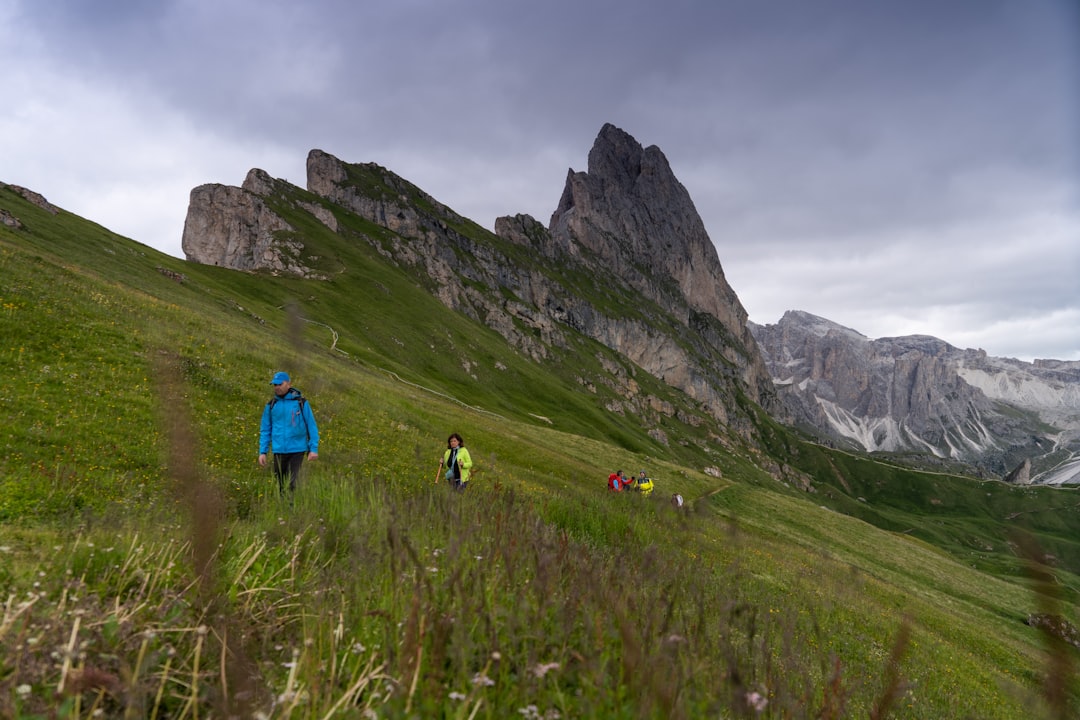
Seceda is the image many people carry in their head before they ever reach the Dolomites: a shock of knife-edged peaks rising above smooth meadows. The beauty of this day is that it delivers a huge visual payoff without requiring a punishing hike. With the cable car doing the vertical work, you get to spend your energy where it matters most: on the ridge itself.
There is also a particular western Dolomites atmosphere up here that feels almost theatrical. Bells carry up from the slopes, rifugi smell of butter and mountain herbs, and every bend in the path opens another impossible angle on the Odle group.
Morning
Take the lift system from Ortisei up toward Seceda as early as possible. Walk from the top station toward the main Seceda viewpoint, then continue in the direction of Pieralongia if you want the best combination of drama and manageable effort.
- 08:30 Arrive at Ortisei lift station
- 09:00 Lift to Seceda
- 09:30-12:30 Walk the Seceda ridge and optional Pieralongia extension
- Approximate cost: round-trip lift about €40-45, coffee at the top €3-6, trail free
Afternoon
Stop for lunch at a rifugio such as Baita Sofie or Rifugio Firenze, then descend when the light turns harsher and the trails get busier. If you still want more scenery, drive the short mountain road toward Passo Sella in the late afternoon for broad views over Sassolungo.
- 12:30-14:00 Rifugio lunch near Seceda
- 14:30 Descend to Ortisei
- 17:00-18:30 Optional scenic drive to Passo Sella
- Approximate cost: lunch €18-30, parking at Passo Sella usually low-cost or free depending on stop duration
Evening
Tonight is the time for a better dinner. Ortisei and Selva have some of the most satisfying meals on this trip: speck dumplings, venison ragout, barley soup, apple strudel, and that familiar Alpine mix of Italian finesse with mountain-sized portions.
- 19:30 Dinner in Ortisei or Selva
- 21:00 Short evening stroll through the pedestrian center
- Approximate cost: dinner €30-50 per person
- Insider tip: if the forecast is mixed, do Seceda on the clearest day of your western stay; low cloud can erase the ridge almost completely while valley weather still looks acceptable
Day 5: Val di Funes, Santa Maddalena, and a Strong Finish
For the last day, trade big lift infrastructure for one of the most photogenic valleys in the Alps. Val di Funes has a quieter rhythm than both Cortina and Val Gardena. Barns sit in high grass, church spires rise from the folds of the valley, and the Odle peaks feel less like a wall and more like a painted backdrop made real.
This is also the best final-day choice because it works for different energy levels. If you want a proper walk, head toward Geisler Alm. If you are tired, the valley still gives you a memorable finish through viewpoints, small lanes, and one last lunch with a mountain horizon.
Morning
Drive to Val di Funes and start with the iconic viewpoints around Santa Maddalena and the Chiesetta di San Giovanni in Ranui. Come early enough to enjoy the valley before buses and day-trippers thicken the roads.
- 08:00 Leave Ortisei or Selva di Val Gardena
- 08:45 Arrive in Santa Maddalena, Val di Funes
- 09:00 Panorama walk above Santa Maddalena village
- 10:00 Stop at the Ranui chapel viewpoint
- Approximate cost: parking €5-10, private viewpoint access around €4-5 where applicable, coffee €3-6
Afternoon
Continue to Zannes car park for the walk toward Geisler Alm if you want a last hike. The route can be done as a moderate out-and-back, and even a shortened version delivers broad meadow views under the Odle wall.
- 11:30 Drive to Zannes trailhead area
- 12:00-15:00 Walk toward Geisler Alm and have lunch there or back in the valley
- 15:30 Begin return drive to Bolzano, Verona, or Venice depending on your onward plans
- Approximate cost: trailhead parking €8-12, lunch €15-28, fuel €10-25 per person depending on exit city
Evening
If you are not departing the same day, spend one final night in Val Gardena or near Bolzano. A calm final dinner works better than trying to squeeze in one more attraction; the Dolomites are a destination that rewards restraint.
- 18:00 Check in near your departure route or stay one more night in Val Gardena
- 20:00 Final dinner with regional dishes such as canederli, spinach ravioli, venison, or strudel
- Approximate cost: dinner €25-45 per person
- Insider tip: the Santa Maddalena viewpoint is best earlier or later in the day; midday flattens the church-and-peaks composition that makes this valley famous
How to get there
For this exact 5 days in the Dolomites plan, flying into Venice Marco Polo Airport (VCE) is the easiest option. The drive to Cortina d'Ampezzo is about 2.5 to 3 hours, and the drive back from Ortisei to Venice is usually around 3 hours 15 minutes. Verona Airport (VRN) works well if you want to reverse the route and start in Val Gardena instead.
If you prefer rail for part of the journey, take the train to Bolzano or Bressanone, then rent a car there for the mountain segment. This saves city driving and still gives you the flexibility that the Dolomites really demand.
- Venice Marco Polo Airport to Cortina d'Ampezzo: about 160 km, 2.5-3 hours
- Verona Airport to Ortisei: about 190 km, 2.5-3 hours
- Bolzano train station to Ortisei: about 40 km, 55-70 minutes by car
- Rental car in summer: roughly €55-110 per day for a compact or midsize car
- Train tickets in northern Italy vary, but Venice to Bolzano is often around €15-45 if booked in advance
- Useful official planning links: Trenitalia, South Tyrol Mobility, South Tyrol Tourism, Venice Airport
Best time to go to the Dolomites
For this itinerary, late June to early October is the most reliable window. July and August bring the longest days and the fullest lift schedules, but they also bring the biggest crowds, pricier rooms, and more pressure on lake access and parking.
My favorite balance is early July or September. You usually get open trails, green meadows, and cooler hiking temperatures without the peak-school-holiday crush. If you are curious about colder-season ideas instead, Where to Go in January 2026: Sun, Snow and Smart Timing is useful for deciding whether you want a snow trip rather than a hiking trip.
- Best overall months for this route: late June, early July, September
- Busiest months: late July and August
- Shoulder-season warning: some cable cars close for maintenance in spring and again in autumn
- Weather pattern to expect: clear mornings, cloud build-up after lunch, occasional afternoon storms
Estimated budget per person
A Dolomites itinerary 2026 budget depends heavily on car-sharing, hotel standards, and how often you use lifts. Food in rifugi is not wildly expensive, but lift passes and summer lodging can push totals upward quickly.
Here is a realistic range for five days, assuming two travelers sharing a car and a room.
| Budget tier | 5-day estimate per person | What it usually includes |
|---|---|---|
| Budget | €650-850 | Simple guesthouses outside prime centers, shared car costs, casual meals, 2-3 lifts |
| Mid-range | €1,050-1,450 | Central 3-star or chalet stays, most lifts in this itinerary, sit-down dinners, better room views |
| Comfort/luxury | €1,900-2,800+ | Premium hotels, spa stays, top-season travel, richer dining, little compromise on location |
Where to stay in the Dolomites
The biggest lodging mistake on a first trip is trying to use one hotel for everything. For a rebuildable 5 days in the Dolomites route, split your stay across two areas.
- Cortina d'Ampezzo town center: best for Days 1 and 2, with restaurants and quick access to Tre Cime, Falzarego, and Misurina. Expect roughly €140-250 for mid-range rooms, more in August.
- Ortisei historic center: best if you want lift access, a walkable evening atmosphere, and easy logistics for Seceda. Mid-range rooms often start around €170-280 in season.
- Selva di Val Gardena or Santa Cristina: slightly more hiking-focused and often a bit calmer than Ortisei, with a broad range from around €130 to €300+
Budget-minded alternatives include San Vito di Cadore on the Cortina side and Castelrotto or Chiusa on the Val Gardena side. They lower room rates, but you pay back some of that saving in extra driving time.
How to get around the Dolomites
For this itinerary, a car is the practical answer. Public transport exists and works fairly well between major valleys, but once you start combining lake access, early trailheads, weather pivots, and evening returns, the freedom of your own vehicle becomes the difference between a flowing trip and a frustrating one.
Mountain driving here is absolutely manageable, but it is slower than the map suggests. Build your days around average speeds, not straight-line distances.
- Best option: compact rental car with strong brakes and no oversized footprint for narrow parking areas
- Parking rules matter at Tre Cime and Lago di Braies; check them in advance
- Start scenic drives early to avoid convoys of tour buses and motorbikes
- Keep fuel above half a tank when crossing passes
- If you must rely on transit, use South Tyrol Mobility for western Dolomites planning and confirm local bus timetables the night before
Things to do if you want to swap a day
Even a strong 5 days in the Dolomites itinerary cannot include everything. These are the best alternates if weather or fitness changes your plan.
- Lago di Sorapis, Passo Tre Croci area: one of the most striking alpine lakes in the region, better for hikers than casual sightseers
- Alpe di Siusi, Seiser Alm: broad meadow scenery and gentler walking than Seceda, excellent for families and photographers
- Lagazuoi cable car, Passo Falzarego: huge summit views and WWI history with less hiking commitment
- Passo Giau: one of the most beautiful drives in the Dolomites, especially at sunrise or sunset
- Corso Italia, Cortina d'Ampezzo: elegant shopping street and good bad-weather fallback
- Via Rezia, Ortisei: the best evening stroll on the western side
- Lago di Landro, between Dobbiaco and Misurina: quick photo stop with Tre Cime reflections in good light
Where to eat
The food here is half northern Italy, half Alpine comfort, and fully worth slowing down for. Order local dishes instead of default pasta every night and the trip becomes much more rooted in place.
Look for canederli, casunziei ampezzani, speck platters, barley soup, venison, mountain cheese, and apple strudel. In the western valleys, menus lean more South Tyrolean; in Cortina, they tilt more Veneto.
- Corso Italia, Cortina d'Ampezzo: best area for dinner and aperitivo; mains often €18-30
- Rifugio Scoiattoli, Cinque Torri area: one of the best scenic lunches on Day 1
- Lago di Misurina area: easy lunch stop after Tre Cime; Pizzeria Edelweiss is a reliable classic
- Via Rezia, Ortisei: strong dinner zone for dumplings, local wine, and wood-paneled dining rooms
- Baita Sofie, Seceda area: ideal lunch with views on Day 4
- Geisler Alm, Val di Funes: classic mountain-hut stop if you hike on Day 5
Practical tips
The Dolomites reward preparation more than bravado. The people who enjoy them most are not necessarily the fittest hikers; they are the ones who respect weather, book key access points early, and leave margin in the day.
Layering matters even in midsummer. If you need help building a small but useful mountain wardrobe, Carry-On Capsule Wardrobe 2026: Pack More, Carry Less is a good companion read before you pack.
- Pack a light waterproof shell, fleece, sunglasses, sunscreen, and shoes with proper grip
- Morning starts are worth it; both light and parking are better before 09:00
- Afternoon thunderstorms are common in summer, especially after hot mornings
- Card payments are widely accepted, but keep some cash for huts, parking, or small purchases
- Signs may appear in Italian and German; Ortisei is also Urtijei, Santa Cristina is S. Cristina, and so on
- Mobile signal is decent in towns and patchier on some trails; download essentials before the day begins
- Travel insurance that covers hiking is sensible if you plan longer walks
FAQ
Is 5 days enough in the Dolomites?
Yes, for a first trip. Five days is enough to see the big-name highlights on both the eastern and western sides without spending the whole holiday in the car. If you are a serious hiker, though, you could easily use 7 to 10 days.
Is Cortina or Ortisei better for a first stay?
Neither is better for everything, which is exactly why this itinerary uses both. Cortina is stronger for Tre Cime, Misurina, and Cinque Torri; Ortisei or Selva is far better for Seceda and Val Gardena.
Do you really need a car for this route?
For this specific day-by-day plan, yes. You can visit parts of the Dolomites by bus, but recreating this route with early trailheads and cross-valley transfers is much easier and more efficient by car.
Can non-hikers follow this itinerary?
Mostly, yes. Tre Cime and Seceda are the most active days, but both can be shortened, and Day 5 in Val di Funes can be scenic rather than hike-heavy. If you want an even softer version, swap in Alpe di Siusi and Lagazuoi.
What should I book in advance?
Book your car, your first two hotel nights in Cortina, your western-base stay, and any regulated access or parking for Tre Cime as early as possible in summer. If you are traveling in August, book far earlier than you think you need to.
With two bases, a few early alarms, and enough flexibility to follow the weather, the Dolomites stop feeling overwhelming and start feeling wonderfully planable.
---