7 Day Kyoto Itinerary for 2026: Temples, Tea, and Evenings
Kyoto has more than 1,600 Buddhist temples, dozens of shrines, and enough tiny lanes, tea shops, and incense-scented side streets to make even a week feel short. That is exactly why a smart 7 day Kyoto itinerary matters: without a plan, it is easy to lose time zigzagging across the city, arriving at famous places in peak-hour crowds, and missing the quieter magic that makes Kyoto unforgettable.
What surprises many first-time visitors is not how big Kyoto feels on a map, but how textured it feels on the ground. One street smells like roasted hojicha and sweet bean paste; the next opens onto a stone stairway where wooden machiya facades glow in the late afternoon. A good Kyoto itinerary 7 days long should leave room for both icons and pauses: temple gardens at opening time, a market lunch standing at a counter, a slow train ride to a tea town, and at least one evening when you do little more than listen to the river and watch lantern light move across old timber.
This guide is built to match real search intent for a 7 day Kyoto itinerary, but it is also designed to feel livable. I have arranged each day to reduce backtracking, lean into the best hours for the busiest sights, and keep a rhythm that feels human rather than punishing. If you are sorting trains, hotel areas, and spending before you go, it also helps to skim Travel Credit Cards for Japan in 2026: Use Points Wisely. And if you like sketching routes visually before locking them in, TravelDeck is a neat way to see how your days fit together.
Day 1: Southern Higashiyama at First Light
Miquel Lapuente Marquès
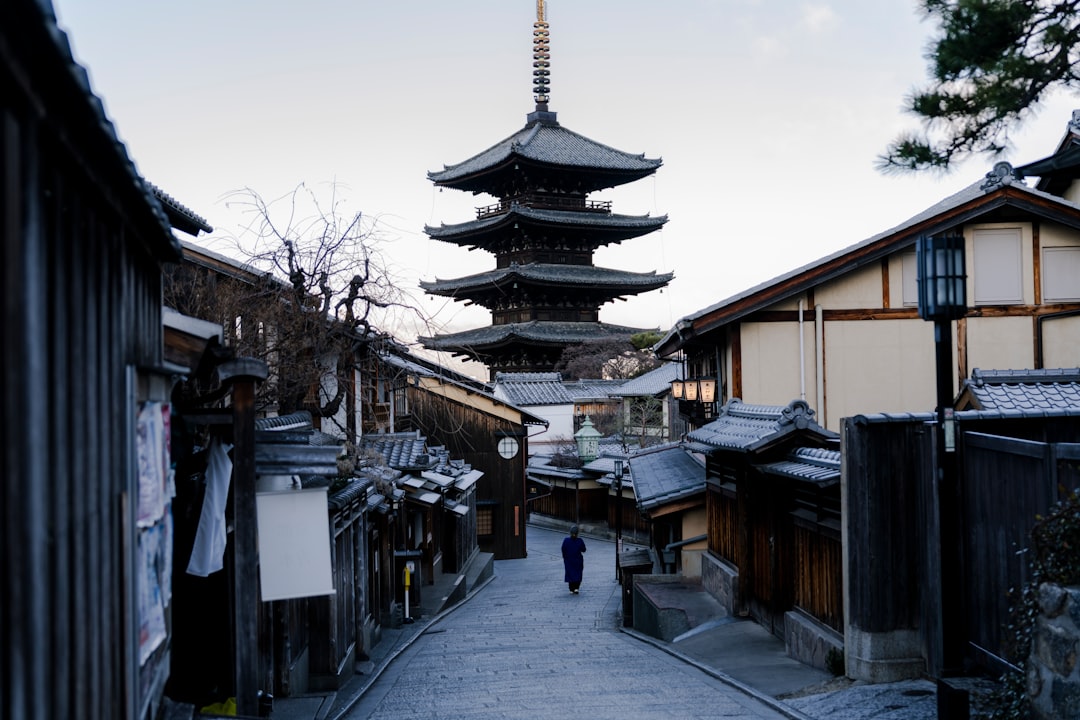
The best way to begin Kyoto is before Kyoto fully wakes up. Southern Higashiyama is one of the city's most photographed quarters, but at dawn it becomes something else entirely: stone lanes washed clean, shutters still down, the air cool and slightly smoky, and the silhouette of Yasaka Pagoda rising above rooflines without the usual river of selfie sticks. The first lesson of any 7 day Kyoto itinerary is simple: famous places feel different when you reach them an hour earlier than everyone else.
Start uphill, not down. Reaching Kiyomizu-dera close to opening gives you wooden terraces, temple bells, and city views with space to breathe. Afterward, drift through Sannenzaka and Ninenzaka while shopkeepers set out ceramics, tea tins, and fans. By late morning, Higashiyama begins to thicken with tour groups, which is your cue to pivot toward quieter temple gardens such as Kodai-ji or Kennin-ji. By evening, Gion shifts from daytime postcard to something subtler: shadowy alleys, lattice windows, clipped conversation, and the sense that the old city is still very much inhabited.
- Morning, 6:30-11:00: Taxi or early bus to Kiyomizu-dera. Entry about 500 yen. Walk via Sannenzaka, Ninenzaka, and Yasaka Pagoda viewpoints. Coffee and a small pastry nearby, 700-1,200 yen.
- Afternoon, 11:30-16:30: Lunch in Higashiyama, then visit Kodai-ji, around 600 yen, or Kennin-ji, around 800 yen depending on the hall access. Continue to Yasaka Shrine, free, and Maruyama Park.
- Evening, 17:30-21:00: Wander Hanamikoji in Gion and eat a relaxed first-night dinner. Budget ramen or donburi 1,200-1,800 yen; kaiseki-style course meal from 6,000 yen and up.
- Insider tip: Walk downhill from Kiyomizu-dera after opening time rather than arriving from the bottom later in the morning. You move against the main tourist flow and get far cleaner photos on Sannenzaka.
Day 2: Arashiyama Bamboo, River Air, and Golden Light
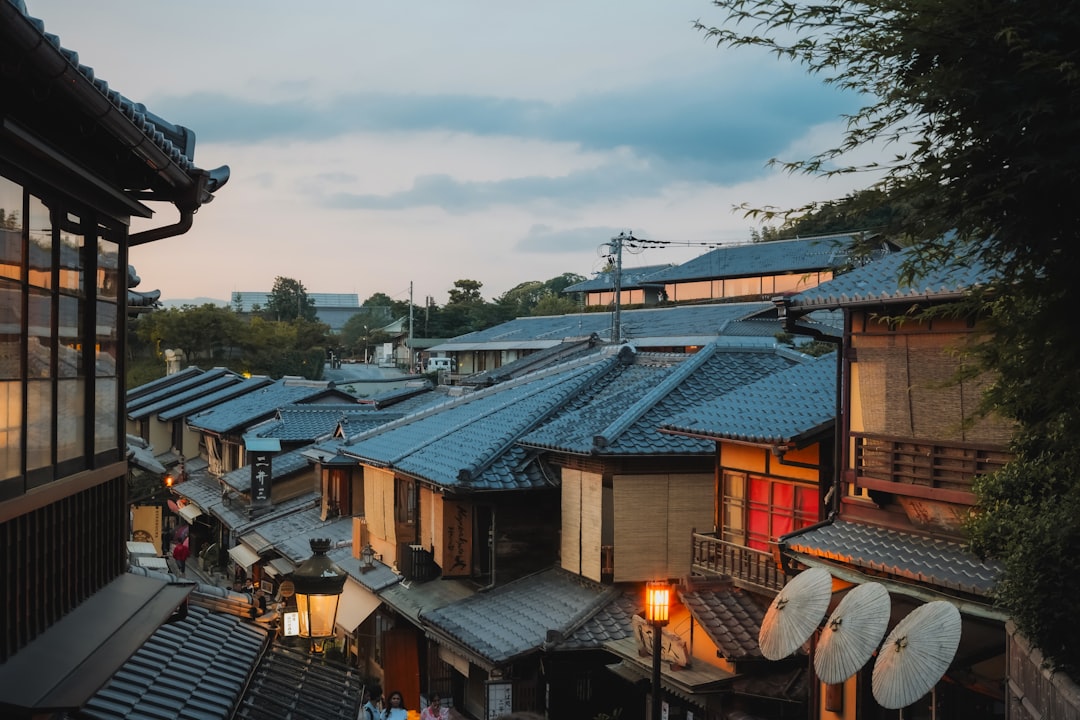
Photo by sun hung on Unsplash
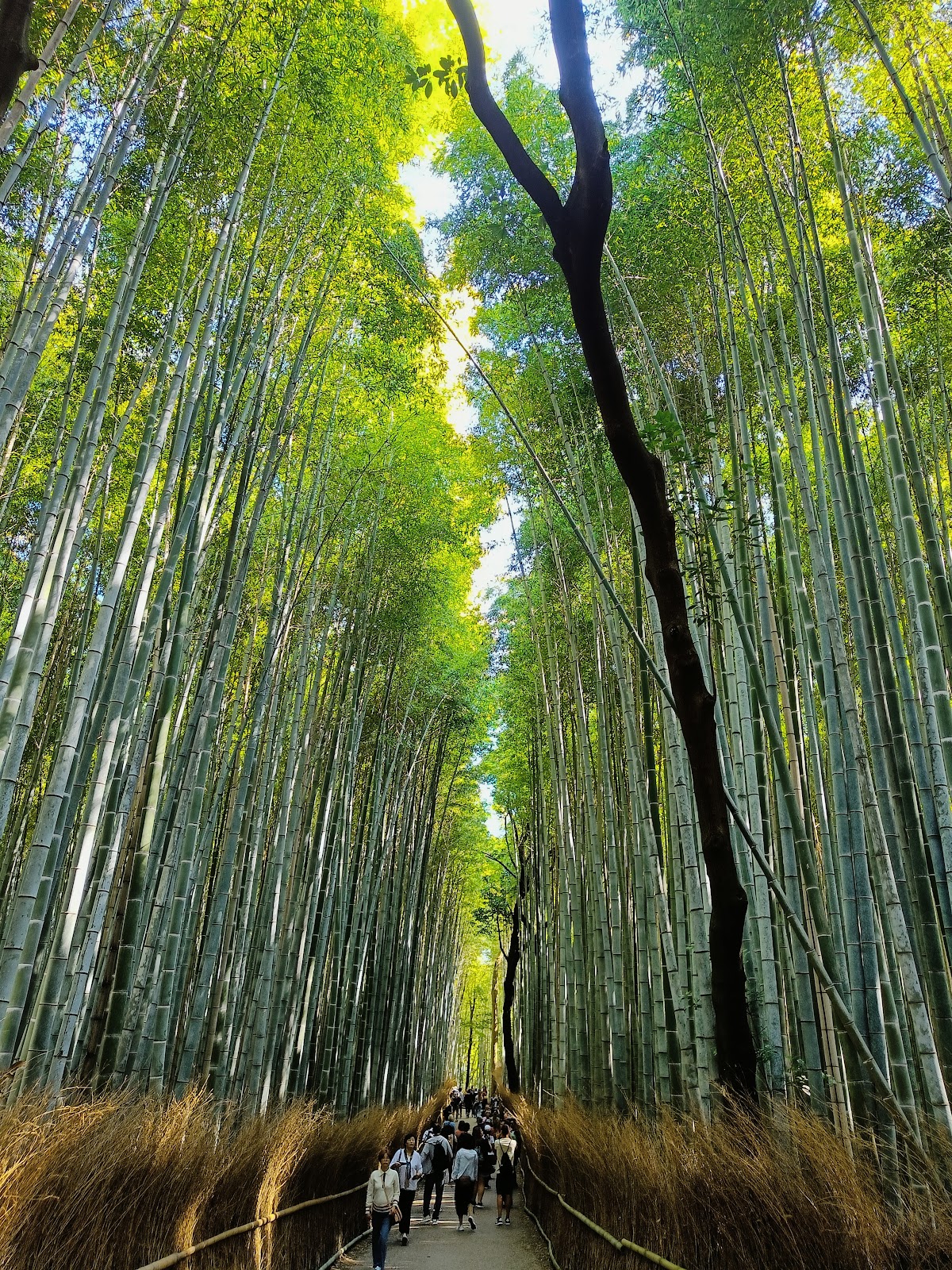
Arashiyama is often treated like a single photo stop, but that sells it short. Go early and you get layers: bamboo leaves knocking lightly in the wind, temple moss still damp, the wide curve of the Katsura River catching morning light, and a district that feels more like a small excursion town than a city neighborhood. In a well-paced 7 day Kyoto itinerary, Arashiyama works best as a dawn-to-late-afternoon sweep before you cross town for a very different Kyoto icon.
The trick is to do the bamboo grove first, before the pathways become shoulder-to-shoulder. Then give Tenryu-ji the time it deserves. Its garden is not a quick add-on; it is one of the most satisfying landscape compositions in the city, with borrowed mountain scenery and still water that makes the crowds outside feel far away. Later, a taxi or direct bus toward Kinkaku-ji saves your energy. The Golden Pavilion can feel almost unreal in late afternoon, reflecting on the pond like lacquer under glass.
- Morning, 6:45-11:30: Arrive at Saga-Arashiyama Station or Arashiyama Hankyu area. Walk the Bamboo Grove, then Tenryu-ji. Temple entry around 500 yen for the garden, more for combined access. Optional Okochi Sanso Villa, around 1,000 yen including tea.
- Afternoon, 12:00-17:00: Lunch in Arashiyama, then visit Togetsukyo Bridge and the riverbank. Taxi to Kinkaku-ji, entry about 500 yen. If you still have energy, add Ryoan-ji, around 600 yen.
- Evening, 18:30-21:00: Return downtown for dinner around Shijo or Pontocho. Expect 2,000-4,000 yen for a solid sit-down meal.
- Insider tip: If you want the classic empty-looking bamboo photo, step off the main route and use the side edge of the path near opening. By 8:30, the grove changes completely.
Day 3: Fushimi Inari, Hidden Slopes, and the Sake District
No image is more overused in Kyoto than the red gates of Fushimi Inari Taisha, which is precisely why you should meet the place when it still feels personal. Arriving at sunrise turns the shrine from a checklist stop into a real walk: fox statues damp with morning condensation, the smell of cedar and earth, lanterns fading as daylight pushes through the torii. A strong 7 day Kyoto itinerary always protects one early morning for Fushimi Inari, because the difference between 7:00 and 10:00 is enormous.
Most visitors turn back too soon. The lower gates are dramatic, but the mood deepens as you keep climbing, where the crowds thin and the city starts to appear in slivers through the trees. Afterward, stay in the south rather than darting back into central Kyoto. Tofuku-ji gives you Zen-scale wooden architecture, and the Fushimi district offers an entirely different atmosphere again: canals, white-walled storehouses, sake history, and tasting rooms where the city feels slower and more local.
- Morning, 6:00-10:30: JR train to Inari Station. Fushimi Inari Taisha is free. Walk at least to Yotsutsuji viewpoint, about 60-90 minutes round trip from the base, or complete more of the mountain if you feel strong.
- Afternoon, 11:00-16:30: Visit Tofuku-ji, around 1,000 yen in peak foliage season and less at other times, then take the train to Fushimi-Momoyama. Explore the Gekkeikan Okura Sake Museum, around 600 yen, and sample sake, 300-800 yen depending on venue.
- Evening, 17:30-21:00: Eat in Fushimi or return to Kyoto Station for a practical dinner before an early night. Casual izakaya meal 2,000-3,500 yen.
- Insider tip: Bring a light layer even in warmer months. The mountain can feel cooler and breezier before sunrise, and the early start is worth protecting with comfort.
Day 4: Nishiki Market, Castle Walls, and Lantern Streets
By the fourth day, Kyoto begins to feel less intimidating and more legible. You start to recognize the cross-city logic of the grid, the difference between a bus-heavy day and a subway-heavy one, the neighborhoods where mornings feel efficient and the ones better saved for twilight. That is when a 7 day Kyoto itinerary should pivot into the city center and let you enjoy Kyoto as a lived-in urban place rather than a string of temples.
Downtown Kyoto is where appetite takes over. Nishiki Market is narrow, noisy, fragrant, and fun in small doses: skewered seafood, tamagoyaki, sesame sweets, pickles in jewel-bright tubs, and the low hum of shoppers making quick decisions. Pair it with the disciplined geometry of Nijo-jo and the contrast becomes the point. You move from feudal power to street-level snacking in one easy day, then finish in Kiyamachi or Pontocho where the river softens the whole city after dark.
- Morning, 9:00-12:00: Explore Nishiki Market. Budget 1,500-3,000 yen for grazing. Walk to nearby Teramachi and Shinkyogoku arcades for shops and small shrines.
- Afternoon, 13:00-17:00: Visit Nijo-jo, around 1,300 yen for the main combined ticket. Optional add-on: Kyoto International Manga Museum, around 1,200 yen, or a tea ceremony experience from about 2,500-4,000 yen.
- Evening, 18:00-22:00: Sunset stroll along the Kamo River, then dinner in Pontocho or Kiyamachi. Expect 2,500-5,000 yen for a mid-range dinner, more for riverside terrace dining in summer.
- Insider tip: Use Nishiki as a tasting stop, not a full meal destination. The market is most enjoyable when you sample four or five small things and save your real lunch for a nearby sit-down spot.
Day 5: Philosopher's Path, Zen Gates, and the Quiet Side of Kyoto
If Day 1 is Kyoto's grand introduction, Day 5 is where the city often becomes personal. Eastern Kyoto north of Gion carries a slower, more reflective mood, especially in the morning. Stone paths are lined with canals, temple bells travel farther, and small cafés open into neighborhoods that feel almost residential. In any thoughtful 7 day Kyoto itinerary, this is the day for walking without the pressure to collect icons at speed.
Begin at Ginkaku-ji rather than saving it for later. The Silver Pavilion is less flashy than Kinkaku-ji, but many travelers end up loving it more: sand garden, moss, pines, and a hillside path with a city view that feels earned rather than displayed. From there, the Philosopher's Path unfolds naturally toward Nanzen-ji, Eikan-do, and smaller side temples. It is a day built on transitions rather than spectacle, and that is exactly why it works.
- Morning, 8:30-11:30: Visit Ginkaku-ji, entry about 500 yen, then start walking the Philosopher's Path. Coffee stop on the way, 600-1,000 yen.
- Afternoon, 12:00-17:00: Lunch near Okazaki or Nanzen-ji. Visit Nanzen-ji grounds, free in parts, with paid access for selected subtemples and the Sanmon gate, usually a few hundred yen. Add Eikan-do, around 600-1,000 yen depending on season.
- Evening, 17:30-21:00: Slow dinner near Demachiyanagi, Okazaki, or back downtown. If the weather is clear, sit by the Kamo River after dinner.
- Insider tip: Walk the Philosopher's Path north to south if you want the afternoon to become gradually more dramatic. Walk south to north if you want the more serene start and a tidy finish at Ginkaku-ji.
Day 6: Uji Tea Houses and Riverside Calm
A city as visually intense as Kyoto benefits from one day that changes texture. Uji is the perfect sixth-day reset: smaller scale, greener edges, strong tea identity, and enough heritage to feel significant without overwhelming you. For a 7 day Kyoto itinerary, Uji gives your legs and your attention span a break while still delivering one of the region's most memorable experiences.
The shift happens as soon as you arrive. The station area is simpler, the river wider, and the pace noticeably gentler. Matcha is everywhere, of course, but in Uji it feels rooted rather than commercial. Bowls of soba, soft-serve, sweets, and thick green drinks appear in shop windows, yet the main landmark, Byodo-in, restores the mood immediately with its measured symmetry and reflective pond. Stay long enough for tea, not just photos. That is what makes the day feel complete.
- Morning, 8:30-11:30: JR Nara Line from Kyoto to Uji, about 20-30 minutes and roughly 240 yen. Visit Byodo-in, around 700 yen, and if available add the museum. Walk the Uji River and Ujibashi Bridge.
- Afternoon, 12:00-16:30: Lunch at a tea-focused soba or matcha restaurant. Budget 1,500-2,500 yen. Visit tea shops for tasting flights and sweets, usually 500-1,500 yen. If you want more sightseeing, add Ujigami Shrine, free.
- Evening, 17:30-21:00: Return to Kyoto for one nicer dinner, perhaps tofu kaiseki, seasonal Kyoto cuisine, or a refined noodle shop. Budget 3,000-8,000 yen depending on style.
- Insider tip: Buy tea near the end of the day, not first thing. You avoid carrying packets and tins around temple grounds and riverside walks.
Day 7: Kurama, Kibune, and One Last Kyoto Evening
The final day should feel different from the others, and Kyoto's northern mountains provide exactly that. Kurama and Kibune offer cedar forest air, a small pilgrimage atmosphere, and a break from the city grid that makes your last evening back in Kyoto feel sharper and sweeter. In a balanced 7 day Kyoto itinerary, this is the moment to trade major monuments for landscape and leave yourself with the memory of movement: train windows, uphill steps, mossy stone, and cool water.
The route is simple and satisfying. Ride the Eizan train north, visit Kurama-dera, and if the trail is open and the weather is good, walk over the mountain toward Kibune. The path is not a technical hike, but it is uneven and full of roots and stairs, which makes it feel adventurous after a week of paved lanes. Back in town for your last night, choose one final meal in a place that lets you absorb what the trip has been: deliberate, atmospheric, and just structured enough to keep the magic intact.
- Morning, 8:00-11:30: Take the Eizan line from Demachiyanagi to Kurama, around 430 yen. Visit Kurama-dera, around 500 yen. If you want a gentler day, skip the hike and explore only Kurama village.
- Afternoon, 12:00-16:30: Hike from Kurama to Kibune if conditions allow, around 1-2 hours at an easy pace with stops. Lunch in Kibune. In summer, riverside dining can be expensive, often 4,000 yen and up; standard lunches cost less.
- Evening, 18:00-22:00: Return to central Kyoto for a farewell dinner in Gion, downtown, or near Kyoto Station depending on your departure plans. Expect 3,000-10,000 yen.
- Insider tip: Check weather and trail conditions the day before. Heavy rain changes the feel of the Kurama-Kibune walk quickly, and on some trips a city-based final day is the wiser choice.
Best time to go for a 7 day Kyoto itinerary
Season matters almost as much as route design in a 7 day Kyoto itinerary. Kyoto is beautiful year-round, but it is not equally comfortable year-round. Spring and autumn are the obvious winners for first-timers, with mild temperatures and high visual drama. The catch, of course, is crowding and price spikes. Cherry blossom weeks can make hotel rates jump sharply, and late-November foliage brings long lines to places that feel calm in February.
If you care more about atmosphere than postcard perfection, early winter is a strong compromise. December mornings are cold but often bright, temples feel spacious again, and dinners in old wooden neighborhoods become even more appealing. Summer can be deeply humid, especially in July and August, though early starts and shaded temple precincts help. Rainy season is not a deal breaker either; Kyoto in soft rain has a quiet, lacquered beauty that suits gardens and tea houses especially well.
| Season | Typical temperature | Crowd level | Why go |
|---|---|---|---|
| Late March to early April | 10-20 C | Very high | Cherry blossom atmosphere, cool walking weather |
| Late April to May | 14-24 C | Moderate to high | Fresh greenery, pleasant days, fewer peak crowds |
| June | 18-27 C | Moderate | Hydrangeas, lush gardens, rain-softened streets |
| July to August | 24-35 C | High | Festivals, long evenings, but heavy heat and humidity |
| October | 14-25 C | Moderate to high | Crisp mornings, excellent walking weather |
| Mid-November to early December | 8-18 C | Very high then easing | Autumn colors, glowing temple evenings |
| January to February | 1-10 C | Low | Quiet temples, lower hotel rates, occasional snow dusting |
For most travelers, the sweet spots are late April, late October, and early December. If you are building a 7 day Kyoto itinerary around foliage, book far ahead and accept that your quietest moments will come at opening time, not midday.
Estimated budget per person for a 7 day Kyoto itinerary
Budgeting a week in Kyoto depends less on transport than many people expect and more on accommodation and dinner choices. Temple tickets are usually modest, local trains are affordable, and even taxis stay manageable if used selectively. Where costs climb is hotel location, seasonal demand, and whether your evenings lean toward simple noodles or multi-course Kyoto cuisine. That is why a realistic 7 day Kyoto itinerary should separate daily essentials from splurge moments rather than pretending every day costs the same.
The table below assumes one person sharing a double room in mid-range and luxury categories, and it excludes international flights. It includes local transport, standard sightseeing, and a mix of inexpensive and nicer meals. Peak blossom and peak foliage weeks can push accommodation up by 20 to 50 percent, sometimes more.
| Budget tier | Stay per night | Food per day | Local transport per day | Sightseeing total | Estimated 7-day total |
|---|---|---|---|---|---|
| Budget | 6,500-10,000 yen | 3,500-5,500 yen | 800-1,500 yen | 5,000-9,000 yen | 80,000-125,000 yen |
| Mid-range | 14,000-24,000 yen | 6,000-10,000 yen | 1,000-2,000 yen | 6,000-12,000 yen | 150,000-240,000 yen |
| Luxury | 35,000-90,000 yen | 12,000-25,000 yen | 1,500-4,000 yen | 8,000-20,000 yen | 390,000-950,000 yen |
A few simple choices keep costs in check without making the trip feel stripped down: stay near Kyoto Station or downtown rather than in premium Gion lanes, eat one standout dinner instead of three, and use IC card transit rather than defaulting to taxis. If points are part of your trip planning, revisit Travel Credit Cards for Japan in 2026: Use Points Wisely before booking hotels.
How to get there
Kyoto does not have a major international airport of its own, which is good news in practice because access is easy from both Kansai International Airport and Osaka Itami Airport. Most international travelers land at KIX, then continue by train or airport bus. If you are already in Japan, the Tokaido Shinkansen makes Kyoto one of the most convenient long-distance arrivals in the country. For a 7 day Kyoto itinerary, arrival timing matters: if you can reach the city by late afternoon, you set yourself up for a gentler first evening and an early temple start the next morning.
Kyoto Station is also one of the easiest big stations in Japan to use once you understand its basic logic. Shinkansen lines, JR local lines, buses, taxis, and hotels all converge here, which makes it a smart base if you want practical movement over postcard charm. Official transport planning is straightforward through JR Central, JR West Haruka, and the Kyoto City Official Travel Guide.
- From Kansai International Airport, KIX: JR Haruka express to Kyoto Station takes about 75-85 minutes and usually costs around 3,600-4,000 yen. Limousine bus takes roughly 90-110 minutes, often around 2,800 yen depending on route.
- From Osaka Itami Airport, ITM: Limousine bus to Kyoto Station takes about 50-60 minutes and costs around 1,340 yen.
- From Tokyo: Tokaido Shinkansen Nozomi reaches Kyoto in about 2 hours 10 minutes. One-way fares are usually around 14,000-15,000 yen depending on seat type and reservation.
- From Osaka Station: JR Special Rapid Service to Kyoto takes about 30 minutes and costs roughly 580 yen.
- From Nara: JR Miyakoji Rapid to Kyoto takes around 45 minutes, about 720 yen.
- By car: Possible, but rarely ideal. Parking is expensive, streets are narrow, and a city-focused 7 day Kyoto itinerary works better by rail and bus.
Where to stay for a 7 day Kyoto itinerary
Where you sleep changes the whole feel of Kyoto. For first-timers, three areas work especially well: Kyoto Station for convenience, Downtown Kawaramachi-Shijo for food and evening walks, and Southern Higashiyama-Gion for atmosphere. The best choice depends on whether you value easy transport, nightlife and restaurants, or postcard beauty when you step outside. In a 7 day Kyoto itinerary, convenience usually wins unless you are comfortable paying a premium for heritage atmosphere.
Kyoto Station is ideal if you are arriving from the airport, taking day trips, or leaving early by Shinkansen. Downtown gives you better restaurant density and a more flexible evening scene. Gion and Higashiyama feel magical, but the trade-off is higher cost, narrower access for luggage, and more crowd pressure by day. If you are packing light, Carry-On Packing System for Awkward Trips in 2026 is especially relevant here because old streets and station transfers are far easier with less luggage.
Best areas
- Kyoto Station: Easiest for transport, airport arrivals, and train day trips. Best for efficiency and mixed budgets.
- Downtown Kawaramachi-Shijo: Best for restaurants, shopping streets, and evening river walks. Great all-round base.
- Gion and Southern Higashiyama: Best for classic Kyoto atmosphere, early access to temple districts, and special-occasion stays.
Budget stays, roughly 6,500-12,000 yen per night
- K's House Kyoto: Friendly, practical, near Kyoto Station.
- Piece Hostel Sanjo: Strong downtown location and stylish common areas.
- Len Kyoto Kawaramachi: Good value for travelers who want central access and café energy.
Mid-range stays, roughly 14,000-28,000 yen per night
- Cross Hotel Kyoto: Excellent downtown base for dining and walking.
- Hotel The Celestine Kyoto Gion: Quiet, polished, and well placed for Higashiyama mornings.
- Richmond Hotel Premier Kyoto Shijo: Reliable comfort in a central location.
Luxury stays, roughly 35,000-120,000 yen per night
- The Thousand Kyoto: Sophisticated design and strong station access.
- Ace Hotel Kyoto: Stylish, central, and good for travelers who want design-led stays.
- Four Seasons Hotel Kyoto: High-end service, garden setting, and one of the most serene luxury options in the city.
How to get around in Kyoto
Kyoto rewards travelers who mix transport modes instead of relying on just one. Buses reach many famous sights, but traffic can be frustrating, especially in blossom and foliage season. Trains and subways are faster for longer jumps, and taxis make sense early in the morning when you are protecting a sunrise start at Kiyomizu-dera or Fushimi Inari. For a 7 day Kyoto itinerary, the best strategy is not to hunt for the perfect pass every day; it is to cluster neighborhoods intelligently and use an IC card for most rides.
Walking matters more here than in many cities. Some of Kyoto's best moments happen between the official stops: a tiny sweets counter near a temple gate, a sudden view into a private garden, a side lane in Gion that you would never have seen through a bus window. Keep days geographically tight, carry water in summer, and accept that a short taxi at the right moment can save both energy and mood. Official fare and route details are on the Kyoto City Bus and Subway site and general tourist guidance is strong on Kyoto Travel.
- IC card: Use ICOCA or another major Japanese transit card for seamless tap-in travel.
- City bus: Flat fare usually around 230 yen. Useful, but slower in traffic-heavy areas.
- Subway: Faster for north-south and east-west transfers. Typical rides around 220-360 yen.
- JR local lines: Best for Fushimi Inari, Uji, and some outer areas.
- Eizan Railway: Essential for Kurama and Kibune day trips.
- Taxi: Worth it for pre-7:00 starts or cross-town hops after a long walking day. Short rides often land around 1,000-2,000 yen.
- Bike rental: Great in flatter central areas on dry days. Expect around 1,500-2,500 yen per day.
Things to do if you want to swap a day
Even a carefully built one week in Kyoto leaves things out. That is normal, and it is part of what makes the city worth returning to. A strong 7 day Kyoto itinerary should feel structured, not rigid. If weather changes, temple fatigue sets in, or you realize you want more craft, food, or modern culture, there are easy swaps that still fit the rhythm of the week.
The key is to replace like with like. Swap a temple-heavy half day for a museum and market district, or replace a distant outing with a neighborhood walk and a long lunch. Kyoto is forgiving when you make these adjustments because its layers are close together and public transport is dependable.
- Kyoto Imperial Palace Park, Kamigyo Ward: Broad gravel paths and green space, free to enter, especially nice on a clear morning.
- Sanjusangendo, Higashiyama: Famous hall of 1,001 statues, around 600 yen, easy to pair with Kyoto National Museum.
- Kyoto National Museum, Higashiyama: Good cultural reset if you want art over temple gardens, around 700-2,000 yen depending on exhibition.
- Nishijin Textile Center area: For craft interest and a different historical layer of the city.
- Kyoto Railway Museum, near Umekoji: Excellent if traveling with kids or train lovers, around 1,500 yen.
- To-ji Temple flea market, Minami Ward: Best on the 21st of each month for antiques and atmosphere.
- Ohara day trip: Village feel, temple gardens, and less city pressure if you want a rural edge without going far.
Where to eat in Kyoto
Food is one of the real reasons to spend a full week here. Kyoto cuisine is often described as refined, but that word can make it sound fussy when it is really about balance, seasonality, and detail. Tofu appears in forms that feel far more satisfying than you might expect, dashi drives quiet depth into simple dishes, and sweets arrive with a precision that mirrors the gardens outside. A 7 day Kyoto itinerary becomes much richer when you treat meals as part of the sightseeing rather than merely fuel between temples.
The other side of Kyoto food culture is casual and deeply enjoyable. Market skewers, noodle counters, curry rice, standing coffee bars, and tiny izakaya all matter just as much as the elegant meals. If you are sensitive to street-food risk or long travel days sometimes unsettle your stomach, Avoid Food Poisoning Abroad in 2026 With a Smarter Food Routine is a practical pre-trip read.
- Nishiki Market: Best for tasting small bites such as tamagoyaki, tsukemono, soy milk doughnuts, and grilled seafood. Go hungry, but not desperately hungry.
- Omen Ginkaku-ji: Excellent udon and seasonal vegetables near the eastern temple district.
- Yudofu Sagano, Arashiyama: Classic tofu meal in a serene setting, ideal after temple visits.
- Men-ya Inoichi Hanare: Highly regarded ramen with careful, clean flavors. Expect a queue.
- Gion Kappa: Good-value Kyoto-style small dishes in Gion.
- Saryo Tsujiri, Gion or Uji-linked tea spots: For matcha parfaits, tea sweets, and a break from walking.
- Pontocho alley restaurants: Atmospheric evening dining from yakitori to more formal kaiseki. Prices vary widely.
- Kyoto Station dining floors: Surprisingly useful for dependable meals before or after train travel.
Local dishes to look for include yudofu, obanzai, herring soba, matcha sweets, sesame tofu, seasonal kaiseki, and crisp tempura in smaller specialist restaurants.
Practical tips for a Kyoto itinerary
Kyoto is straightforward once you understand its friction points. Heat in summer is real, temple opening hours matter more than people expect, and crowd management is as important as budgeting. The happiest travelers are usually the ones who wake early, keep one flexible afternoon in reserve, and do not try to conquer every famous sight in the city. That is the hidden logic behind a successful 7 day Kyoto itinerary: not more ambition, just better timing.
Etiquette is also part of the pleasure here. Kyoto can feel dreamlike, but it is not a museum set. People live, work, pray, and commute through these neighborhoods every day. Quiet voices, careful photography, and respect around private alleys and temple precincts go a long way. If you are traveling solo, some of the habits in Traveling Alone Safely in 2026: A Solo Routine That Works adapt very well to Kyoto evenings and early starts.
- Cash and cards: Cards are widely accepted, but carry some cash for temples, small eateries, and older shops.
- Connectivity: A local eSIM or pocket Wi-Fi makes route changes much easier.
- Packing: Comfortable walking shoes are non-negotiable. Add layers in spring and autumn, a hat and light shirt in summer, and gloves for winter mornings.
- Temple etiquette: Speak softly, avoid blocking paths for photos, and check signs before entering halls.
- Crowd strategy: Aim for major sights at opening or near closing. Save markets and shopping streets for late morning or early afternoon.
- Safety: Kyoto is generally very safe, but late-night drinking districts still call for normal city awareness.
- Luggage: If changing hotels, use station lockers or same-day luggage forwarding when possible.
FAQ
Is 7 days too much for Kyoto?
Not at all. A 7 day Kyoto itinerary gives you time for the major temples, one or two nearby excursions such as Uji or Kurama, and enough breathing room to enjoy meals and neighborhoods without racing.
How many days in Kyoto do first-time visitors really need?
Three days covers the highlights. Five days feels comfortable. A full 7 day Kyoto itinerary is ideal if you love culture, food, gardens, and slower travel.
Is Kyoto expensive for a week?
It can be, especially in cherry blossom and autumn foliage season, but it does not have to be. Budget travelers can keep a week around 80,000-125,000 yen excluding flights with hostels, simple meals, and careful transport choices.
What is the best area to stay in Kyoto without a car?
Kyoto Station is easiest for transport. Downtown Kawaramachi-Shijo is best for restaurants and nightlife. Gion and Higashiyama are the most atmospheric if your budget stretches.
Should I stay in Osaka and day trip to Kyoto instead?
If your main goal is Kyoto, no. Staying in Kyoto lets you enjoy dawn at temples and evening walks after day-trippers leave, which is one of the biggest advantages of this whole experience.
Kyoto is one of those rare cities where planning does not reduce spontaneity; it creates space for it. Once your temple mornings, neighborhood base, and a few key meals are mapped out, the rest of the week opens beautifully.
---