Taiwan is one of the rare places where a temple morning, a mountain sunrise, and a seafood night market can all fit into one trip without feeling like a blur. That is exactly why a 9 days in Taiwan route works so well in 2026: fast trains stitch together the west coast, while short detours deliver tea hills, old streets, lake views, and southern port-city energy.
This Taiwan travel itinerary is built for first-timers who want a plan they can actually rebuild step by step. You will sleep in logical bases, keep transfers manageable, and still see the island change shape from Taipei lanes to Alishan forest. If you enjoy efficient Asia routes with clear daily pacing, you may also like 7 Days in Seoul in 2026: The First-Timer Route That Works.
How to get there

Photo by Alexas_Fotos on Unsplash
Most international travelers land at Taiwan Taoyuan International Airport (TPE), west of Taipei. The simplest arrival is the Taoyuan Airport MRT, which reaches Taipei Main Station in about 35 to 40 minutes for roughly NT$160. If you find a regional flight into Taipei Songshan Airport (TSA), you will be inside the city much faster, usually 15 to 20 minutes by MRT to central districts.
For this route, the smartest flight pattern is open-jaw: arrive in Taipei and depart from Kaohsiung International Airport (KHH). That saves you a final backtrack. If flights are cheaper in and out of Taipei, the THSR high-speed rail gets you from Zuoying Station in Kaohsiung back to Taipei in about 90 to 105 minutes, usually from NT$1,490 full fare.
Before departure, check entry rules on the official Bureau of Consular Affairs. Once you land, buy an EasyCard at the airport or first MRT station. You will use it constantly for urban transit, many buses, convenience stores, and some ferries.
Day 1: Taipei old streets and an easy landing
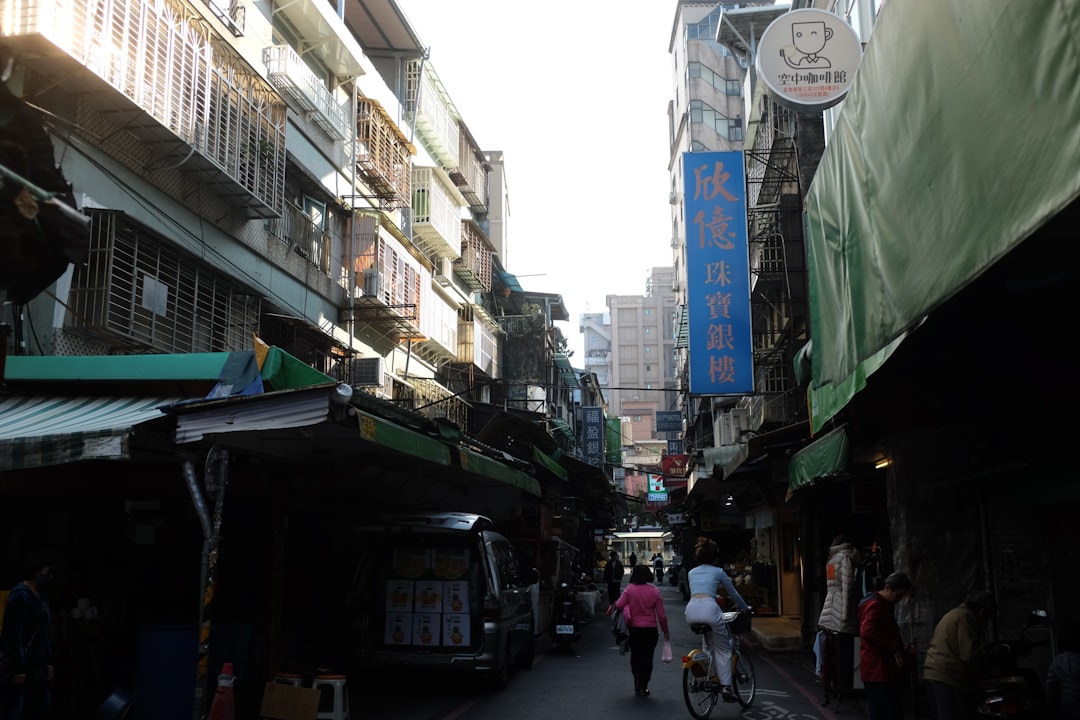
Photo by MChe Lee on Unsplash
Your first day should feel like a soft opening, not a sprint. Taipei rewards curiosity, but jet lag and humidity can flatten even enthusiastic travelers if they start too hard. Today is about stepping into the city through its oldest neighborhoods, incense-filled temples, and one compact night market that gives you Taiwan fast.
Wanhua is the right place to begin because it still feels lived-in rather than staged. You hear scooters, temple bells, and market chatter all at once, and the city immediately makes sense: faith, food, and movement sit side by side.
Morning
Land at TPE or TSA, transfer to your hotel, and aim to stay around Taipei Main Station, Zhongshan, or Ximen for easy rail links.
- 08:00-12:00: Arrive in Taipei and take the Airport MRT to Taipei Main Station, about 35-40 minutes, around NT$160
- 12:00-13:00: Check in or drop bags and grab a quick lunch near Taipei Main Station, around NT$120-250
Afternoon
Start in Wanhua, where Taipei feels oldest and most atmospheric.
- 14:00-14:45: Longshan Temple, Wanhua District, free
- 14:50-15:30: Bopiliao Historical Block, Wanhua District, free
- 16:00-17:00: Chiang Kai-shek Memorial Hall, Zhongzheng District, free
- MRT and short walks through the afternoon: around NT$20-40 total
Evening
Keep dinner simple and local rather than chasing the biggest market on night one.
- 18:30-20:30: Ningxia Night Market, Datong District
- Typical spend: NT$250-450 for oyster omelet, taro balls, grilled squid, and a drink
- Optional post-dinner walk: Dadaocheng Wharf riverside, free
- Insider tip: Enter Longshan Temple from Guangzhou Street around late afternoon, when worshippers arrive with offerings and the temple feels most alive.
Day 2: Taipei 101, Dadaocheng, and a skyline sunset
Taipei can switch moods in one MRT ride. In the morning, it is glossy and vertical in Xinyi; by afternoon, it slows into brick shop-houses and tea merchants in Dadaocheng. This is the day that shows why the capital is more than just a launch pad for the rest of the island.
The rhythm matters here. Put the high-rise viewpoint first, wander historic streets after lunch, and save the classic skyline panorama for sunset when the city lights begin to switch on.
Morning
Start in Xinyi before the observation deck lines grow.
- 09:00-10:30: Taipei 101 Observatory, Xinyi District, around NT$600
- 10:40-11:20: Walk to Sun Yat-sen Memorial Hall area for open plaza views of Taipei 101, free
- Coffee or snack in Xinyi: NT$120-220
Afternoon
Cross back into older Taipei for shops, tea, and calmer streets.
- 13:00-15:00: Dihua Street, Datong District, free to explore
- 15:00-15:30: Xiahai City God Temple, Datong District, free
- 15:30-17:00: Tea stop in Dadaocheng, budget NT$200-450 depending on tasting
Evening
Finish with the most famous skyline hike in Taipei, then reward yourself with a night market dinner.
- 17:45-18:30: Elephant Mountain Trail from Xiangshan trailhead, Xinyi District, free
- 19:00-21:00: Raohe Night Market, Songshan District, budget NT$300-500
- Must-try: pepper bun, herbal pork rib soup, black pepper beef cubes
- Insider tip: Go up Elephant Mountain for sunset but leave the trailhead by 17:00 on clear weekends; the photo platforms clog fast after that.
Day 3: Jiufen and Shifen on the northeast line
A lot of Taiwan itineraries treat Jiufen and Shifen like vague postcard stops. They are much easier to handle if you break them into a simple rail-and-bus sequence: Taipei Main Station to Ruifang, bus up to Jiufen, back down to Ruifang, then the Pingxi Line to Shifen.
Jiufen gives you steep stairs, red lanterns, tea houses, and sea views. Shifen adds the old rail-line drama of tracks running straight through the village, plus the very theatrical sky-lantern ritual.
Morning
Leave Taipei early enough to enjoy Jiufen before the heaviest day-trip crowds.
- 08:30-09:20: TRA train from Taipei Main Station to Ruifang Station, around NT$49-76
- 09:30-09:50: Bus from Ruifang Station to Jiufen Old Street, around NT$15-30
- 10:00-12:30: Jiufen Old Street, Ruifang District, free to explore
- Tea house break with mountain-ocean view: NT$250-450 per person
Afternoon
Come back down to Ruifang and switch to the Pingxi branch line.
- 13:15-14:00: Train to Shifen Station, around NT$20-40
- 14:00-15:00: Shifen Old Street, Pingxi District, free
- 15:00-15:30: Sky lantern release, around NT$200-300 for a shared lantern
- 15:45-16:30: Shifen Waterfall, free
Evening
Return to Taipei rather than staying out too late on the branch line.
- 17:00-18:30: Train back to Taipei, around NT$50-80
- 19:30 onward: Dinner in Zhongshan or back at Ningxia Night Market, NT$250-450
- Insider tip: Jiufen is at its prettiest from about 16:00 to dusk, but if you are day-tripping, arrive early and linger until the lanterns switch on instead of doing a rushed lunchtime loop.
Day 4: Sun Moon Lake by high-speed rail
Today is the cleanest long transfer of the trip: Taipei to Taichung by high-speed rail, then onward by bus to Sun Moon Lake. The island suddenly opens up here. The noise drops, the air changes, and you trade dense neighborhoods for water, temples, and wooded ridgelines.
Sun Moon Lake works best when you do not try to circle every viewpoint. Pick one scenic ride, one temple, one waterfront walk, and a slow dinner in Ita Thao rather than over-committing.
Morning
Move early so you still have half a day at the lake.
- 08:00-08:55: THSR Taipei to Taichung, around NT$700-1,010 depending on train and discount
- 09:20-11:00: Nantou bus from Taichung HSR to Shuishe Visitor Center, around NT$190-250
- 11:00-12:00: Check in at Shuishe or drop bags and walk the lakeside boardwalk, free
Afternoon
Keep the afternoon focused on the most scenic and least stressful pieces.
- 13:00-14:00: Wenwu Temple, Yuchi Township, free
- 14:30-17:00: Rent a bike and ride the Shuishe to Xiangshan section of the lakeside path, around NT$300-500
- Optional cable car from Ita Thao: around NT$380 if the weather is clear
Evening
Ita Thao is a good place to end the day because food stalls stay lively after the boat crowds thin.
- 17:30-19:30: Ita Thao lakeside area, Yuchi Township
- Dinner budget: NT$250-450
- Try wild boar sausage, millet mochi, and local black tea
- Insider tip: If you only cycle one part of Sun Moon Lake, do the Shuishe-Xiangshan stretch; it delivers the best views with the least climbing.
Day 5: Lake morning and the climb to Alishan
The transition from Sun Moon Lake to Alishan is one of the most underrated shifts in Taiwan. You move from still water to mountain forest, and the whole trip becomes less urban and more elemental. Mist, cedar, and cool air replace neon and tiled storefronts.
Because transport between these two stops is less frequent than the main rail trunk, today works best when you protect the middle of the day and avoid adding unnecessary detours.
Morning
Use the morning for one last quiet look at the lake instead of another busy attraction.
- 07:30-08:30: Lakeside walk around Shuishe Pier or Shuishe Dam, free
- 09:00-10:30: Boat circuit to Xuanguang Pier and back, around NT$300-350
- 10:30-11:30: Early lunch near Shuishe, NT$180-300
Afternoon
Take the direct bus if it is operating on your date; if not, route via Chiayi.
- Around 13:00-15:30: Sun Moon Lake to Alishan bus, approximately NT$300-350
- If the direct service is not running: bus to Chiayi plus Alishan connection, longer and usually closer to 4.5-5.5 hours total
- 16:00: Check in around Alishan Recreation Area
- Alishan Forest Recreation Area entry: around NT$300
Evening
Do not try to cram in a major hike tonight. Save your legs for sunrise and keep it short.
- 16:30-18:00: Sister Ponds area or short cypress forest walk inside Alishan Recreation Area, included with park entry
- 18:30-19:30: Mountain dinner near the station area, NT$250-400
- Early night for the sunrise train
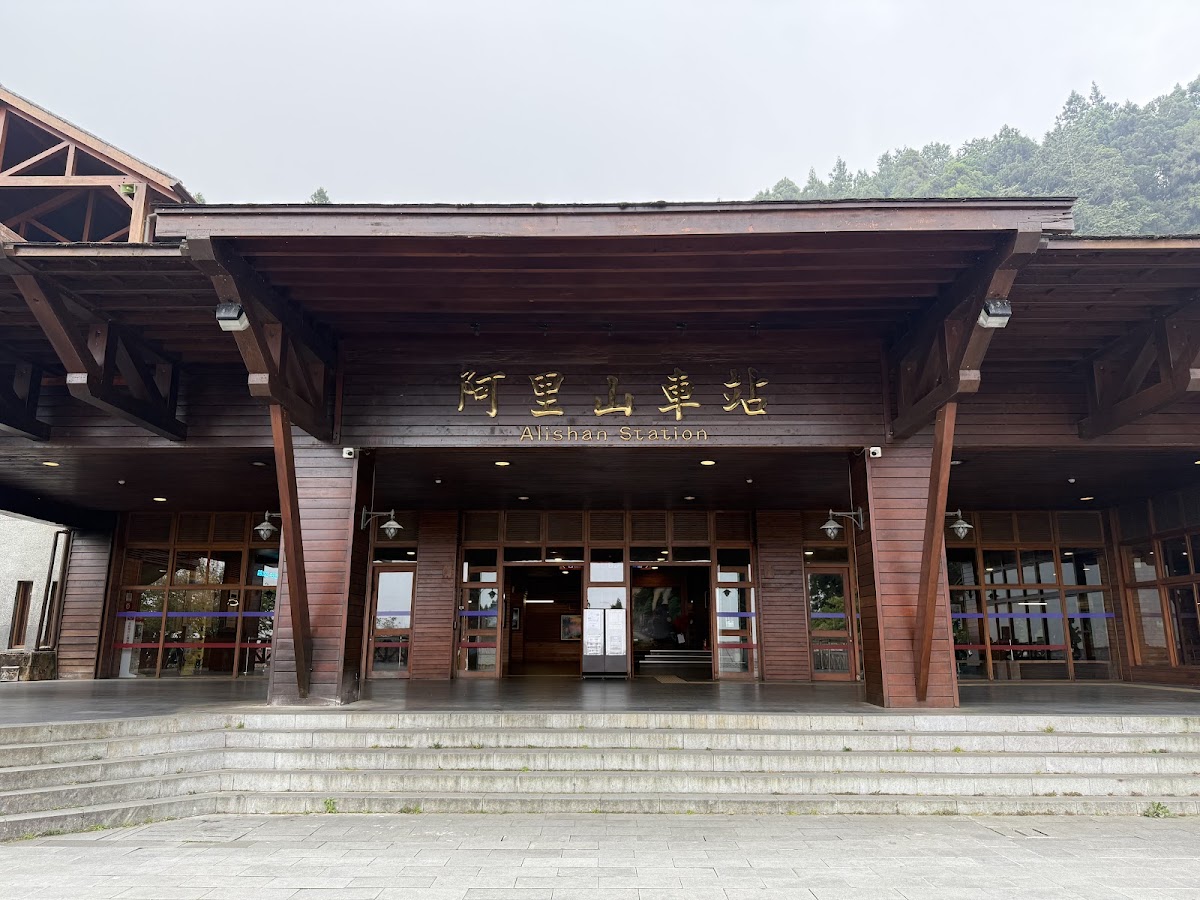
- Insider tip: Buy your Zhushan sunrise train ticket as soon as you arrive at Alishan Station; same-day evening queues are much shorter than dawn queues.
Day 6: Alishan sunrise and Tainan after dark
The alarm will feel brutal, but Alishan is one of the few sunrise outings that regularly justifies the effort. The forest railway, cold predawn platform, and sudden glow over layered ridges give the trip one of its strongest memory points.
After lunch, you drop back down to the plains and enter Tainan, Taiwan's most rewarding city for slow walking and serial snacking. The contrast is part of the fun.
Morning
This is the earliest start of the itinerary, so pack the night before.
- 04:30-06:30: Zhushan sunrise train and viewpoint, around NT$150-300 depending on service
- 07:30-10:00: Giant Tree Trail and cypress boardwalks, Alishan Recreation Area, included with entry
- 10:00-11:00: Brunch or tea stop in Alishan, NT$180-300
Afternoon
Descend to Chiayi and continue south to Tainan.
- 11:30-14:00: Bus from Alishan to Chiayi, around NT$240-300
- 14:30-15:30: TRA train Chiayi to Tainan, around NT$100-170
- 16:00: Check in around West Central District, Tainan
Evening
Tainan should start with old lanes and street food, not museums.
- 17:30-18:30: Shennong Street, West Central District, free
- 18:30-20:30: Guohua Street food crawl, West Central District, NT$300-550
- Must-try: milkfish soup, shrimp rolls, bowl cake, and mango ice in season
- Insider tip: In Tainan, famous snack stalls often sell out rather than stay open late, so eat early and move in a zigzag rather than saving everything for 21:00.
Day 7: Tainan temples, Anping, and the best snack day
Tainan feels softer than Taipei and less polished than Kaohsiung, but that is exactly why it stays with people. Shrines hide behind scooter rows, old walls appear between dessert shops, and lunch can become a three-hour sequence of snacks if you let it.
Do the west side in the morning when Anping is cooler, then come back into the historic center for temples and old-school streets.
Morning
Head straight to Anping before the day gets hot.
- 09:00-10:00: Anping Fort, Anping District, around NT$70
- 10:05-10:45: Anping Tree House, Anping District, around NT$70
- 11:00-12:00: Anping Old Street snacks, NT$150-300
Afternoon
Return to the center for historic Tainan's densest cluster of sights.
- 13:30-14:30: Chihkan Tower, West Central District, around NT$70
- 14:45-15:30: Tainan Confucius Temple, West Central District, around NT$40
- 15:40-16:30: Hayashi Department Store rooftop and Japanese-era interiors, free to browse
- 16:45-17:30: Blueprint Culture and Creative Park, South District, free
Evening
Choose your night market based on the day of the week.
- 18:30-21:00: Garden Night Market if it is open, otherwise Dadong Night Market
- Dinner budget: NT$300-500
- Transport by taxi or bus from central Tainan: usually NT$20-150 depending on mode
- Insider tip: Night market opening days matter in Tainan; check them before you lock the date, because Garden Night Market is not a daily market.
Day 8: Kaohsiung waterfront and Cijin Island
Kaohsiung is where the trip loosens up again. After Tainan's dense food-and-history texture, Kaohsiung feels broad, coastal, and airy. Warehouses have become art spaces, ferries cross short stretches of harbor water, and the city is easier to navigate than many first-timers expect.
Base yourself near Yancheng, Kaohsiung Main Station, or Formosa Boulevard so you can use MRT and light rail easily.
Morning
The move south is short, so you still get almost a full day.
- 08:30-09:15: TRA train Tainan to Kaohsiung, around NT$106-150
- 10:00-12:00: Pier-2 Art Center, Yancheng District, free
- 12:00-12:30: Hamasen Railway Cultural Park area, free
Afternoon
Cijin gives Kaohsiung its breeziest half-day.
- 13:30-13:40: Ferry from Gushan Ferry Pier to Cijin, around NT$30-40
- 14:00-16:30: Cijin Old Street, beach, and Cihou Lighthouse area, free except snacks and rentals
- Seafood late lunch: NT$250-500
Evening
Finish with one of the city's most reliable eating zones.
- 18:30-21:00: Ruifeng Night Market, Zuoying District, NT$300-500
- Alternative gentler evening: Love River walk near Kaohsiung Music Center, free
- Insider tip: Sit on the upper level of the Cijin ferry if the weather is dry; the crossing is short, but the harbor breeze is part of the experience.
Day 9: Lotus Pond, Fo Guang Shan, and departure
The final day should stay practical. Kaohsiung gives you two strong choices: stay urban with Lotus Pond and a relaxed brunch, or go bigger with the monumental Fo Guang Shan Buddha Museum. If your flight is late afternoon or evening, you can fit both with an early start.
This last day also shows why an open-jaw itinerary is so efficient. You finish without repeating the entire island in reverse.
Morning
Leave central Kaohsiung early for the Buddhist complex before heat builds.
- 08:30-11:30: Fo Guang Shan Buddha Museum, Dashu District, free entry
- Allow MRT or taxi plus shuttle time; budget NT$80-400 depending on transport choice
Afternoon
Come back toward Zuoying for one last classic sight.
- 12:30-13:30: Lotus Pond, Zuoying District, free
- 13:30-14:00: Dragon and Tiger Pagodas exterior views, free
- 14:00-15:00: Lunch near Zuoying, NT$180-300
Evening
Choose the departure that matches your flight plan.
- Option 1: MRT to Kaohsiung International Airport (KHH), about 25-35 minutes from central Kaohsiung, around NT$35-60
- Option 2: THSR from Zuoying to Taipei if flying out of TPE, about 90-105 minutes, from around NT$1,490
- Last coffee or bubble tea before the airport: NT$80-180
- Insider tip: If you are flying from Taipei instead of Kaohsiung, do not leave the HSR run too late in typhoon season; build in a buffer rather than a heroic connection.
Best time to go for a Taiwan travel itinerary
For this 9 days in Taiwan route, the sweet spot is October to April. You get more comfortable walking weather in Taipei and Tainan, clearer mountain mornings in Alishan, and less oppressive humidity around Sun Moon Lake. March and April are especially good if you like greener hills and mild evenings.
Summer can still work, but it changes the feel of the trip. Taipei becomes sticky, Tainan afternoons get intense, and typhoon disruptions are possible from roughly June to October. If those months are your only option, keep your hotel and rail bookings flexible.
| Months | What it feels like | Best for |
|---|---|---|
| Oct-Nov | Warm, relatively dry, clear evenings | Best all-round season for this route |
| Dec-Feb | Cool to mild, occasional rain in the north | Cities, food, easier walking |
| Mar-Apr | Pleasant, green landscapes, spring energy | Balanced first-timer trip |
| May | Warmer and more humid | Good value before peak summer |
| Jun-Sep | Hot, humid, typhoon risk | Lower prices, but more weather risk |
Estimated budget per person
Taiwan gives you strong value if you lean into trains, local food, and simple hotels. The main cost difference comes from accommodation style and whether you use high-speed rail everywhere possible or mix in slower regional trains.
The figures below are realistic for 9 days in Taiwan, excluding international flights. They assume one-way north-to-south travel, paid attractions, and a healthy night-market budget.
| Budget tier | Total for 9 days | What it covers |
|---|---|---|
| Budget | NT$28,000-36,000 | Hostel or simple guesthouse rooms, local trains and buses, street food, selective paid sights |
| Mid-range | NT$45,000-60,000 | Comfortable private rooms, mix of THSR and TRA, more cafe stops, most major sights |
| Comfortable | NT$75,000-110,000 | Well-located hotels, frequent THSR, taxis when useful, nicer tea houses and seafood meals |
Where to stay
This Taiwan travel itinerary works best when you sleep close to transport rather than chasing the most fashionable district every night. Taiwan's stations are efficient, and a short walk with luggage can save a lot of time on a multi-stop route.
If you want the cleanest rebuildable version, use these bases.
| Nights | Area | Why it works | Typical price |
|---|---|---|---|
| 1-3 | Taipei Main Station, Zhongshan, or Ximen | Best for airport rail, day trips, and MRT links | NT$1,200-4,500 per night |
| 4 | Shuishe or Ita Thao, Sun Moon Lake | Easy lake access; Shuishe is more practical, Ita Thao more atmospheric at night | NT$1,800-5,500 |
| 5 | Alishan Recreation Area | Essential if you want the sunrise without a punishing transfer | NT$2,200-6,500 |
| 6-7 | West Central District, Tainan | Walkable food streets and historic core | NT$1,400-4,800 |
| 8 | Yancheng, Formosa Boulevard, or Kaohsiung Main Station | Best for light rail, MRT, ferries, and departure flexibility | NT$1,300-4,800 |
How to get around Taiwan
The backbone of this route is simple: MRT inside cities, THSR for the long west-coast leap, TRA for shorter regional hops, and a few targeted buses for Sun Moon Lake and Alishan. You can book the major rail segments through the official THSR and Taiwan Railways sites, and check Alishan rail information on the official Alishan Forest Railway.
In practice, your most useful tool on the ground is still the EasyCard. Use it for MRT rides in Taipei and Kaohsiung, many local trains, buses, convenience-store top-ups, and some ferry payments. For a rail-heavy route like this, keeping bookings, check-in times, and transfer notes organized in one place is where TravelDeck is genuinely handy.
- Buy an EasyCard on arrival and keep NT$500-1,000 loaded on it
- Use THSR for Taipei-Taichung and, if needed, Kaohsiung-Taipei
- Use TRA for Taipei-Ruifang, Chiayi-Tainan, and Tainan-Kaohsiung
- Expect buses to Alishan and Sun Moon Lake to run less frequently than city transit
- In Taipei and Tainan, walking 10 to 20 minutes between stops is often part of the experience
Things to do
If you want to customize the route without breaking it, add or swap only one extra stop per region. Taiwan rewards depth more than checklist speed, and overstuffing the days is the fastest way to turn a smooth itinerary into a transfer marathon.
These are the strongest additions if you have a half-day more, arrive early, or decide to trim something.
- National Palace Museum, Shilin District, Taipei, around NT$350
- Maokong Gondola and tea houses, Wenshan District, Taipei, around NT$120 for the gondola
- Xuanzang Temple area, Sun Moon Lake, free plus boat or bike cost
- Chiayi City stop for turkey rice before or after Alishan, budget NT$100-200
- Tainan Chimei Museum, Rende District, around NT$200
- Kaohsiung Kaohsiung Music Center waterfront at sunset, Yancheng/Lingya edge, free
- Cijin Sunset Bar area and black-sand shoreline, Cijin District, free except food and drinks
Where to eat
Food is not a side activity in Taiwan; it is part of the route logic. You plan train times around breakfast shops, leave room for market grazing, and accept that one full meal may become six small plates over two neighborhoods.
The easiest way to eat well on this itinerary is to target one food street or market per stop instead of chasing scattered famous queues all over town.
- Taipei: Ningxia Night Market for oyster omelet and taro balls; Raohe Night Market for pepper buns and herbal soup
- Jiufen: taro ball dessert and tea house snacks with sea views
- Sun Moon Lake: Ita Thao for wild boar sausage, millet snacks, and black tea products
- Alishan: high-mountain tea and simple hot meals near the station area
- Tainan: Guohua Street for milkfish dishes, shrimp rolls, bowl cake, and seasonal fruit desserts
- Kaohsiung: Cijin for seafood, Yancheng for duck rice, Ruifeng Night Market for casual grazing
Practical tips
Taiwan is easy to travel, but small habits make the route smoother. Carry some cash even though cards are increasingly common, especially for night markets, rural buses, and smaller snack shops. Convenience stores are useful for ticket collection, ATM withdrawals, and emergency breakfasts.
Pack for layers rather than one single climate. Taipei can feel damp, Alishan turns cool before sunrise, and Tainan or Kaohsiung may still feel warm after dark. Temple etiquette is straightforward: dress decently, keep your voice down, and do not block worshippers taking offerings to the altar. For a wider etiquette refresher before departure, Local Customs Checklist 2026: 12 Things Before You Fly is worth a read.
- Currency: New Taiwan dollar, usually written NT$
- Connectivity: airport SIM cards and eSIMs are easy to set up; coverage is excellent on this route
- Safety: very good overall; still watch for scooters when crossing side streets
- Weather: always check mountain visibility and transport updates before Alishan day
- Packing: light rain layer, comfortable shoes, small daypack, refillable bottle, and one warm layer for the sunrise train
FAQ
Is 9 days enough for Taiwan?
Yes, if you focus on one clean north-to-south route. Nine days is enough for Taipei, a northeast day trip, Sun Moon Lake, Alishan, Tainan, and Kaohsiung without feeling absurdly rushed.
Do I need a car for this Taiwan itinerary?
No. This route is designed specifically for trains, MRT lines, and buses. The only places where schedules require extra attention are Sun Moon Lake and Alishan.
Is Alishan worth the overnight stay?
Absolutely. Staying inside or near the recreation area is what makes the sunrise easy and meaningful rather than exhausting. It also gives you time to enjoy the forest trails properly.
Should I fly out of Kaohsiung or backtrack to Taipei?
If prices are reasonable, fly out of Kaohsiung. It saves time and removes one long return leg. If you must fly from Taipei, the high-speed rail makes the backtrack manageable.
Can I swap Sun Moon Lake for Taichung?
You can, but the trip becomes much more urban. Sun Moon Lake creates a needed pause in the middle of the route and balances the city-heavy first and last thirds.
A good Taiwan trip does not need to see every corner of the island to feel complete. If you follow this route at the right pace, you will finish with a clear sense of Taiwan's cities, mountains, food culture, and rail logic, which is exactly what makes planning the next return so easy.
---