A long flight does not feel exhausting just because it is long. It feels exhausting because your body is being dried out, compressed, overlit, under-rested, and asked to ignore time itself. That is why long-haul flight comfort has much less to do with luck than most travelers think. If you have ever landed after 11 hours feeling dusty-eyed, puffy, hungry at the wrong time, and somehow both wired and half asleep, you did not fail the flight. The flight won.
The good news is that long-haul flight comfort is trainable. You do not need a lie-flat seat, a silver lounge card, or an expensive airport shopping spree. What helps most is a repeatable routine that starts before check-in, continues through boarding, and protects your energy in the air. The cabin will still hum, the baby three rows back may still cry, and the pasta may still arrive at a biologically ridiculous hour. But your body can handle the journey far better if you make a few smart decisions in the right order.
Think of this guide as a practical rhythm rather than a random stack of hacks. The goal is simple: arrive clear-headed enough to find the train, hold a conversation, eat a real meal, and enjoy the first hours of your trip instead of losing them to recovery.
Why long-haul flights feel harder than they should
Photo by Luke Porter on Unsplash
A long-haul cabin has its own weather, its own clock, and its own strange social rules. The air is dry enough to leave your lips cracked before the first meal cart appears. Your knees are negotiating for millimeters. Blue seatback screens glow like small moons in a dark room. Even the smell is distinct: reheated bread, coffee, sanitizer, and recycled air. None of that is dangerous on its own, but stacked together for 8 to 16 hours, it becomes draining fast.
What makes the experience feel brutal is that several small stressors hit at once. Cabin humidity is far lower than what most of us live in at home, so your skin, eyes, and throat dry out. Sitting still for hours makes your hips stiff and your feet swell. Crossing time zones scrambles hunger, alertness, and sleep. Add airport queues, late boarding, and noisy seatmates, and you have the recipe for a rough arrival.
For most travelers, long-haul flight comfort comes down to managing five pressure points before they spiral:
- Seat geometry: legroom, recline, armrest battles, and how easy it is to stand up.
- In-flight sleep: getting rest without wrecking your neck or waking every 20 minutes.
- Flight hydration: staying ahead of dry cabin air without living in the lavatory line.
- Meal timing: eating in a way that supports your destination clock instead of fighting it.
- Movement and recovery: keeping circulation, mood, and muscles from collapsing.
Once you treat those as the core system, the flight stops feeling random. It becomes manageable.
How to get there
Photo by Ross Parmly on Unsplash
The first mistake many people make with long-haul flight comfort happens before the airport even comes into view. They start the day already depleted: too little sleep, a rushed taxi, no water, no proper meal, and a frantic sprint through departures. By the time they reach the gate, the journey has already taken a bite out of their energy. A comfortable flight starts with a calm airport approach.
If you are departing from a major hub, build in enough time to move slowly. That means getting to the terminal early enough to refill your bottle after security, reorganize your bag, use the restroom without a queue-induced adrenaline spike, and sit down before boarding begins. If you need to change into compression socks, brush your teeth, or buy a last-minute banana and yogurt, you want time to do it while your pulse is still normal.
Here are reliable city-to-airport routes for several major long-haul hubs, with typical times and costs:
| Airport | Best city-center route | Typical time | Typical cost | Comfort note |
|---|---|---|---|---|
| London Heathrow, LHR | Paddington to Heathrow Express via heathrowexpress.com | 15-20 min | about GBP 25 | Fastest if you want the least stress before an early departure |
| New York JFK, JFK | Penn Station to Jamaica on LIRR plus AirTrain via new.mta.info | 35-45 min | about USD 15-20 | Usually calmer than a traffic-heavy taxi when roads are clogged |
| Singapore Changi, SIN | City Hall to Changi Airport on MRT via changiairport.com | 40-45 min | about SGD 2-3 | Cheap, clean, and predictable; excellent for conserving energy |
| Doha Hamad, DOH | Msheireb to Hamad Airport on Doha Metro via qr.com.qa | 20-25 min | about QAR 2 | Cool, efficient, and much easier than sitting in traffic |
| Dubai, DXB | Central Dubai on Metro Red Line via rta.ae | 20-35 min | about AED 4-8 | Ideal if you travel light and want to avoid road delays |
A few timing rules help more than they seem to:
- Aim to reach the airport 3 hours before departure for most international long-haul flights.
- Add extra buffer during holiday peaks, summer weekends, or winter storm season.
- If you are checking bags, traveling with children, or carrying sports gear, add another 30 to 45 minutes.
- If you are anxious, treat early arrival as part of long-haul flight comfort, not wasted time.
The 24-hour long-haul flight comfort routine before boarding
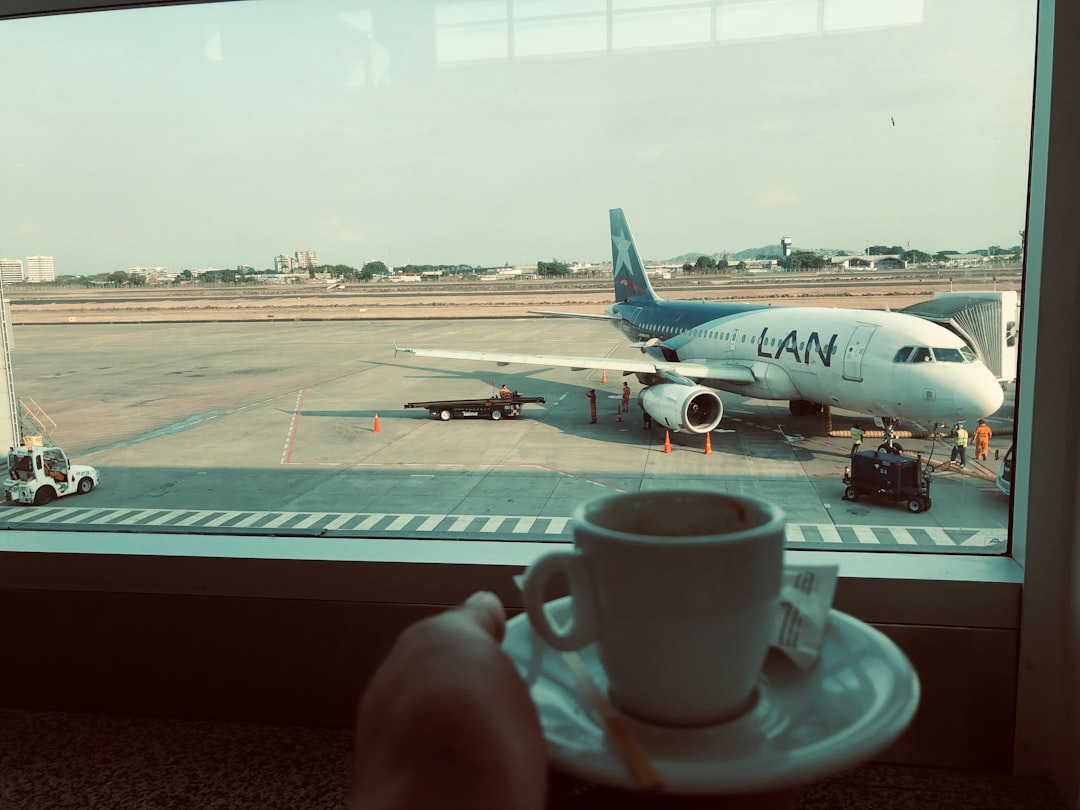
Photo by Pablo Ayala on Unsplash
The best flights often look boring the day before. There is no frantic midnight packing, no two-beer airport breakfast, and no last-second hunt for a charging cable. Instead, the routine is clean and deliberate. The night before, your body needs one message above all: nothing dramatic is happening. That means a normal dinner, moderate salt, no heroic workout, and an honest bedtime.
On departure day, think in stages. Wake up and expose yourself to natural light. Move your body a little. Eat a meal that feels familiar. Keep caffeine purposeful rather than constant. If the airport becomes the first chapter of your travel day instead of a sudden ambush, your system stays calmer, and long-haul flight comfort becomes much easier to protect once the cabin door closes.
Use this pre-flight timeline as a template:
- The night before:
- Pack your cabin pouch completely so you do not unzip half your bag at the gate.
- Charge phone, headphones, power bank, and e-reader.
- Set out travel clothes in layers.
- 8 to 12 hours before departure:
- Reduce alcohol. One drink can turn into dry skin, lighter sleep, and a headache by boarding time.
- The morning of the flight:
- Drink water steadily, not in one giant panic bottle.
- Have a meal with fiber and protein.
- If you wear compression socks, put them on before you leave home.
- At the airport before security:
- Empty your pockets and streamline your liquids bag so screening is fast. The current US liquids rules are outlined at tsa.gov.
- After security:
- Buy one or two gentle snacks: nuts, fruit, crackers, yogurt, or a sandwich with lean protein.
- Use the restroom before boarding starts.
- Switch your watch and your mindset to destination time.
- At the gate:
- Organize your seat-pocket items so you only keep essentials at hand.
- Board with calm, not with the last-minute energy of someone still solving problems.
This routine looks simple because it is. That is exactly why it works.
Seat selection strategies that change the whole flight
A seat is not just a seat on a long flight. It is your mattress, office, dining chair, meditation pod, and waiting room for half a day. If your knees are jammed, the lavatory line keeps brushing your shoulder, or the person in front reclines early and hard, the smallest annoyance grows teeth. Good seat selection is one of the cheapest upgrades to long-haul flight comfort, even when you never pay for premium economy.
Cabin geography matters. Seats over the wing usually feel the least turbulent because that is near the aircraft's center of lift. Bulkhead seats can offer extra space in front, but they often have fixed armrests and no under-seat storage during takeoff and landing. Window seats are usually best for sleepers because they give you a wall to lean on and control over one side of your personal space. Aisle seats are best for people who value movement more than uninterrupted rest.
Use this quick comparison when choosing:
| Seat type | Best for | Watch out for | Verdict |
|---|---|---|---|
| Window | Sleepers, shy travelers, anyone who wants to lean | Harder to get out for stretching or bathroom breaks | Best all-round choice for in-flight sleep |
| Aisle | Frequent walkers, taller travelers, anxious fliers | More bumping from carts and passing passengers | Best for circulation and autonomy |
| Middle section aisle on wide-body aircraft | Couples or solo flyers who want flexibility | Noise and foot traffic can be higher | Good compromise on full flights |
| Exit row | Legroom and knee relief | Sometimes colder, fixed armrests, restrictions on baggage | Excellent if you do not need lots of seat-pocket access |
| Bulkhead | Space in front and easier baby-free gamble on some airlines | Bassinets nearby, fixed screens, no under-seat bag during taxi | Great or awful depending on layout |
| Last row of a cabin section | Fewer people behind you | Limited recline and galley noise | Only worth it if every other seat is poor |
A few seat selection rules almost always improve long-haul flight comfort:
- Choose over the wing if turbulence bothers you.
- Avoid seats directly by lavatories and galleys if you value sleep.
- If you wake easily, avoid bulkhead bassinet rows on overnight routes.
- If you know you will stand up often, choose an aisle and commit to movement.
- If you plan to sleep hard, choose a window and tell your seatmates early when you expect to stay put.
If you are stuck with a bad seat, reclaim control where you can: use a foot hammock if your airline allows it, keep shoes loose, and never let all your essentials disappear into the overhead bin.
Carry-on essentials for better long-haul flight comfort
Open the wrong bag at 35,000 feet and you create chaos: charger in one pouch, lip balm in another, toothbrush buried beneath a sweater you suddenly need, passport mixed with snack wrappers, headphones trapped under a book you are no longer in the mood to read. Long-haul flight comfort depends on a tiny in-seat ecosystem, and the smartest travelers build it before boarding.
Think in layers. Your main cabin bag goes overhead. Under the seat, keep one slim pouch or tote with only the items you will actually use in the next 10 hours. This is not the place for every just in case object you own. It is the place for dry air defense, sleep support, and a few pieces of low-drama entertainment. If you are refining your packing system overall, Carry-On Only Packing Guide for 2026: The One-Bag Method is a useful companion read.
My core long-haul flight comfort kit looks like this:
- Neck support that fits your sleep style: a traditional pillow, wraparound support, or inflatable model.
- Large scarf or light layer: better than relying on airline blankets alone.
- Noise-canceling headphones or quality earplugs: the cabin hum wears you down more than you notice.
- Eye mask: especially important on eastbound overnight routes.
- Refillable bottle: empty at security, full after it.
- Lip balm and richer moisturizer: dry cabin air is relentless.
- Preservative-free eye drops: a small item that can rescue a whole flight.
- Toothbrush, toothpaste, and face wipes: useful before sleep and before landing.
- Compression socks: put them on early, not halfway through.
- Power bank and charging cable: seat power fails more often than airline marketing suggests.
- Medication in original packaging: always in cabin baggage, never checked.
- Simple snacks: almonds, oat bars, bananas, crackers, dried fruit, or a turkey sandwich.
- A pen: still oddly useful for forms, backup plans, and sanity.
If you travel with dietary restrictions or medication, make your bag even more deliberate. Traveling With Allergies Tips for Safer Trips in 2026 covers the details worth preparing before you fly.
A few packing habits improve long-haul flight comfort immediately:
- Keep your sleep items together in one pouch.
- Put hydration items where you can reach them without standing.
- Avoid strong-smelling snacks that turn your seat row into a tiny shared kitchen.
- Wear slip-on shoes or shoes with forgiving uppers, because your feet will likely swell.
- Keep one spare pair of socks. Fresh socks midway through an ultra-long flight can feel absurdly luxurious.
In-flight sleep and jet lag tips that actually work
Cabin sleep is never perfect, but it can be dramatically better than the shallow, twitchy doze most people settle for. The trick is to stop chasing perfect sleep and build acceptable sleep in stages. In-flight sleep works best when you remove friction one layer at a time: light, sound, posture, temperature, then timing. Do that well, and you may not wake refreshed exactly, but you can wake functional, which matters far more on arrival day.
Jet lag tips also work better when they are anchored to the clock at your destination, not the schedule of the trolley. If you are flying east overnight, the goal is usually to create one consolidated sleep block and then seek morning light after landing. If you are flying west, it is often smarter to stay awake longer, use light strategically, and keep caffeine for the early local afternoon instead of guzzling it at random. Long-haul flight comfort improves when your meal and sleep decisions agree with the city you are flying into.
A practical sleep sequence looks like this:
- Once you board: set your watch and phone to destination time.
- After takeoff: wait until the first burst of cabin activity settles.
- Create your sleep zone: shoes loosened, socks comfortable, belt visible over the blanket, screen off, neck support in place.
- Control light: use an eye mask or lower the shade if you have the window.
- Control noise: headphones with brown noise, soft music, or nothing at all.
- Drop body tension on purpose: unclench your jaw, lower your shoulders, relax hands and calves.
- Sleep in one serious attempt: trying every 25 minutes usually feels worse than one deliberate block.
This quick route table helps you decide what to prioritize:
| Route style | Main goal | Best sleep move | Best light move | Best caffeine move |
|---|---|---|---|---|
| Eastbound overnight, such as New York to London | Fall asleep earlier than your body wants | Try to sleep soon after first service | Seek morning light after landing | Minimal caffeine after mid-flight |
| Eastbound ultra-long, such as Europe to Asia | Build one longer sleep block and a short second rest | Sleep after a light meal and use eye mask fast | Light on arrival morning is crucial | Save caffeine for destination morning |
| Westbound daytime, such as Europe to North America | Stay awake longer and sleep at local night | Nap only briefly if needed | Get daylight after arrival | Use small doses earlier, not late |
| Westbound evening, such as Asia to Europe | Mix rest with wakefulness | Short sleep block only if it supports arrival | Open shade when destination morning nears | Avoid piling on coffee during cabin night |
More jet lag tips that help without making your trip feel clinical:
- Eat at roughly the time your destination would eat, even if the airline's meal timing is strange.
- Use melatonin cautiously and only if you know it agrees with you; if you are unsure, ask a clinician before travel.
- Skip heavy drinking. Alcohol can knock you out but often ruins in-flight sleep quality.
- Brush your teeth before you try to sleep. It sounds small, but it signals a reset.
- If you cannot sleep after a solid attempt, stop fighting. Listen to something calm, close your eyes, and rest anyway.
Good long-haul flight comfort does not require eight perfect airborne hours. It requires enough sleep and enough rhythm that your first day on the ground is still yours.
Flight hydration and what to eat before boarding
Dry cabin air changes everything. Your eyes feel sandy, your throat feels papery, your skin tightens, and suddenly the salty airline meal seems like a direct personal attack. The instinct is to fix this with coffee, sparkling wine, tomato juice, or whatever the cart offers first. Most of the time, that turns a manageable problem into a bigger one. Flight hydration works best when it is steady, quiet, and boring.
Food matters too, but not in the dramatic cleanse-or-feast way travel lore often suggests. The sweet spot for long-haul flight comfort is food that is familiar, moderate, and easy to digest. Think eggs, rice, yogurt, oats, soup, noodles, fruit, grilled chicken, sandwiches without too much sauce. A giant burger before a red-eye may sound like emotional support, but it can feel heavy and inflamed once you are sitting still in pressurized air.
Here is a simple food and drink guide for long flights:
| Choose more often | Why it helps | Limit when possible | Why it backfires |
|---|---|---|---|
| Still water | Best for steady flight hydration | Alcohol | Dehydrates and fragments sleep |
| Herbal tea | Warm and soothing without harsh stimulation | Excess coffee | Can worsen jitters, dryness, and bad sleep timing |
| Yogurt, oats, rice bowls | Gentle, filling, predictable | Very salty meals | Can increase thirst and puffiness |
| Fruit, bananas, berries | Hydrating and light | Greasy fast food | Feels heavier in the air |
| Nuts and protein snacks | Useful between service rounds | Sugary snacks in large amounts | Energy spike, then crash |
| Broth-based soups or noodle soups | Comforting and easier to digest | Carbonated drinks | Bloating plus extra discomfort |
For better long-haul flight comfort, follow this meal pattern:
- Eat one proper meal 2 to 3 hours before departure.
- Bring one or two backup snacks in case the first airline meal is late or unappealing.
- Sip water regularly rather than finishing a liter in 15 minutes.
- If you have a sensitive stomach, avoid experimenting with rich airport food right before boarding.
- If you take medication with food, keep a snack available so you are not dependent on airline timing.
One underrated part of flight hydration is lavatory strategy. People often drink too little because they dread the aisle shuffle. Choose the aisle if that bothers you, or simply decide that standing up for the restroom is part of your movement plan. That mental shift turns an inconvenience into useful circulation.
Things to do
The middle hours of a long-haul flight can feel strangely unreal. The cabin lights dim, then brighten, then dim again. Someone opens a shade and a sheet of white light floods three rows. A cart rattles past. You watch a map, doze, wake, check the map again, and somehow the aircraft has crossed an ocean but only 47 minutes have passed on your screen. This is when comfort starts slipping unless you give yourself small jobs.
The best in-flight activities are not the ones that merely kill time. They are the ones that make your body feel better, your mind feel steadier, or your arrival feel easier. Long-haul flight comfort improves when you create a rhythm of tiny resets instead of sitting in one position until your joints declare war.
Try these seven specific things to do during the flight:
- Walk a purposeful lap every 90 to 120 minutes. Head to the rear galley, stretch lightly, wait until service is not blocking the aisle, and return.
- Do a two-minute calf and ankle routine in your seat. Ten ankle circles each way, ten heel raises, ten toe taps, then repeat.
- Follow the 20-20-20 eye break rule. Every 20 minutes, look down the aisle for 20 seconds to reduce screen fatigue.
- Freshen up mid-flight. Brush teeth, wash face, reapply moisturizer and lip balm, change socks if needed.
- Prep your arrival while your brain still works. Fill out forms, screenshot your hotel address, and note your train or transfer.
- Use one block for quiet entertainment. Read, journal, or watch one film you actually wanted to see, not four random half-selections.
- Open or close your shade with intention. Light is one of the strongest tools you have for adjusting your body clock.
If you have a long layover, choose activities that support recovery instead of draining it:
- Take a shower if the airport offers one.
- Walk in daylight if you can exit safely and have time.
- Eat one calm meal at a table instead of grazing from vending options.
- Avoid spending the whole layover slumped over your phone at the gate.
Where to stay
Sometimes the smartest comfort move is admitting that the flight is not the whole problem. A 6 a.m. departure after a 4 a.m. wake-up, or a brutal layover with nowhere to stretch out, can undo even the best seat selection and flight hydration habits. Airport hotels and transit hotels are not indulgences in these cases. They are tools. A shower, horizontal bed, blackout curtain, and reliable shuttle can save the first day of a trip.
You do not always need the fanciest option. For long-haul flight comfort, the best hotel is usually the one that removes the most friction: minimal transfer time, soundproof rooms, breakfast early enough for departures, and a bed available when your body clock is confused. Below are dependable options near major hubs, grouped by budget.
| Budget tier | Hotel | Typical 2026 price | Why it works |
|---|---|---|---|
| Budget | ibis budget London Heathrow Central | GBP 65-95 | Straightforward rooms and easy bus access for early departures |
| Budget | Premier Inn Doha Airport | QAR 170-260 | Reliable comfort without luxury pricing, useful before or after DOH connections |
| Budget | Holiday Inn Express Dubai Airport | AED 250-400 | Near DXB with breakfast and shuttle convenience |
| Mid-range | Hampton by Hilton London Heathrow | GBP 110-160 | Good beds, predictable service, practical for overnight long-haul departures |
| Mid-range | Crowne Plaza Changi Airport | SGD 230-320 | One of the smoothest airport hotel experiences anywhere, directly useful for SIN layovers |
| Mid-range | TWA Hotel at JFK | USD 260-380 | Quiet rooms and direct terminal nostalgia with real convenience |
| Luxury | Sofitel London Heathrow | GBP 170-260 | Connected to Terminal 5 and far easier than a stressful morning transfer |
| Luxury | Oryx Airport Hotel, Doha | QAR 900-1300 | Airside access can be a game changer on shorter layovers |
| Luxury | Dubai International Hotel | AED 900-1500 | Inside the airport, excellent for preserving sleep on awkward schedules |
How to choose the right one:
- Pick airside if your layover is short and immigration would waste too much time.
- Pick landside with shuttle if your budget matters more than terminal access.
- Prioritize soundproofing and bed quality over flashy lobby design.
- For long-haul flight comfort, paying a little more for 6 hours of good sleep can be better value than paying later with a ruined arrival day.
Where to eat
Airport food gets mocked for good reason, but the real problem is usually not taste. It is timing and choice. Travelers eat too late, too fast, too salty, or too heavy because the gate is nearby and the fries are right there. A better pre-flight meal feels almost humble: warm, simple, and easy to digest. The best version leaves you satisfied, not stuffed.
When you do have time at a major hub, look for places that offer soup, rice, noodles, eggs, grilled protein, or a proper breakfast. Smell matters more than people admit. If a restaurant smells aggressively fried from 20 meters away, your body may not thank you in row 42 two hours later. Long-haul flight comfort is easier when the last meal on the ground feels steady and familiar.
Good airport meal stops for long-haul days include:
| Airport | Spot | What to order | Typical price | Useful link |
|---|---|---|---|---|
| London Heathrow, LHR T5 | Gordon Ramsay Plane Food | Lighter breakfast, grilled fish, simple mains | GBP 15-30 | heathrow.com |
| Singapore Changi, Jewel | Food Republic or other Jewel dining spots | Congee, noodle soup, rice dishes | SGD 8-18 | jewelchangi.com |
| Doha Hamad, DOH | Harrods Tea Room | Soups, salads, tea, eggs, sandwiches | QAR 40-95 | dohahamadairport.com |
| Dubai, DXB | Jones the Grocer or similar sit-down options | Eggs, grain bowls, grilled plates | AED 45-90 | dubaiairports.ae |
| Amsterdam Schiphol, AMS | Dutch Kitchen or terminal cafes with soup and sandwiches | Soup, rye sandwiches, yogurt | EUR 12-25 | schiphol.nl |
A few smarter eating rules for the day of a long flight:
- Choose one proper meal over constant snacking from shops.
- If you are boarding late at night, eat before boarding instead of waiting for cabin service.
- Save very spicy or extremely rich food for when you are on the ground and can enjoy it properly.
- If food is part of why you travel, keep your appetite for the destination. You will enjoy it more there than under dim cabin lights. If you want ideas for culinary trips after you land, Best Cities for Food Tours in 2026: 9 Delicious Picks is a fun place to daydream.
Practical tips
By the time you reach your seat, most of the important decisions have already been made: what you packed, what you drank, how you timed your sleep, whether you arrived at the airport in one piece, and how much friction you left for your future self. Practical planning is not glamorous, but it is the backbone of long-haul flight comfort. The less decision-making you need to do while tired, the better you feel both in the air and after landing.
That is why I like to build my arrival day in TravelDeck before takeoff: hotel address, train option, check-in window, one food stop, and a realistic first afternoon plan. It removes the foggy, jet-lagged scramble that often follows landing. For more digital planning help, Best Travel Apps 2026: 17 Essentials for Easier Trips is worth bookmarking before your next departure.
A quick seasonality guide helps too, because weather and crowding shape comfort more than many travelers expect:
| Period | What it is like for long-haul travel | Comfort verdict |
|---|---|---|
| January to February | Lower fares on some routes, but winter storms can disrupt Europe and North America | Good for price, weaker for punctuality |
| March to May | Milder weather, fewer peak crowds, easier airport flow | One of the best windows overall |
| June to August | Peak holiday demand, thunderstorms in some regions, crowded terminals | Convenient for school calendars, but tiring |
| September to October | Strong shoulder season, pleasant conditions, often smoother airport experience | Excellent balance of comfort and value |
| November | Usually manageable before the late-month rush | Good if you avoid major holiday dates |
| December | Festive and exciting, but expensive and disruption-prone | Least comfortable unless essential |
Keep these practical points in mind:
- Best months: March to May and September to October are often the easiest for smoother long-haul travel.
- What to pack: layers, eye mask, charger, refillable bottle, lip balm, spare socks, medication, and paper backup for key bookings.
- Customs and medication: keep prescriptions in original packaging and check country rules in advance through official sources such as gov.uk foreign travel advice or the US State Department travel advisories.
- Currency: keep a small amount of arrival cash only if your first stop truly needs it; otherwise rely on cards and a backup payment method.
- Safety: when exhausted after landing, scams and mistakes become easier. Pre-book your first transfer when arriving very late.
- Connectivity: download boarding passes, hotel addresses, and offline maps before takeoff. Airport Wi-Fi is helpful, but not something to build your whole arrival around.
- Health: if you have circulation concerns, recent surgery, pregnancy, or a history of clotting issues, ask a clinician for personal advice before long flights.
FAQ
What is the best seat for long-haul flight comfort?
For most people, the best seat is a window seat over the wing. It is usually the easiest place to sleep because you can lean against the wall and control one side of your space. It also tends to feel more stable in turbulence than seats far forward or far back. If you know you will need frequent movement, an aisle seat over the wing is usually the better choice.
How do I sleep on a long flight without neck pain?
Use support that keeps your head from dropping forward, not just something soft. A structured neck pillow, wraparound support, or even a rolled scarf can work better than a floppy cushion. Recline a little if allowed, lower your shoulders, support your lower back with a small folded layer, and commit to one serious sleep block rather than constant half-attempts. Eye mask, quiet audio, and controlled temperature matter just as much as the pillow.
What should I eat before a long-haul flight?
Aim for a familiar, moderate meal 2 to 3 hours before departure. Good options include eggs and toast, rice with grilled chicken, soup and bread, yogurt with fruit, or a simple sandwich. Avoid anything extremely salty, greasy, or spicy right before boarding, especially if you are prone to bloating or reflux. Bring a backup snack in case the in-flight meal timing is awkward.
Are compression socks really worth it on long flights?
For many travelers, yes. Compression socks can reduce swelling and make your legs feel less heavy after long periods of sitting. They are especially useful on flights over 6 hours, and even more so if you are shorter, older, prone to puffiness, or simply hate the feeling of tight shoes by landing. Put them on before you leave for the airport, not after boarding.
How early should I arrive for an international long-haul flight?
Three hours before departure is a solid baseline. Arrive earlier during peak holidays, if you need to check bags, if you are flying from a notoriously busy hub, or if you feel calmer with extra buffer. Early arrival is not about killing time. It is about lowering stress, eating properly, hydrating, reorganizing your cabin items, and starting the flight with your nervous system still on your side.
Long-haul flight comfort is not about turning economy class into a spa. It is about stacking enough good decisions that the journey stops feeling like punishment. Choose the seat that fits your habits, eat with intention, hydrate steadily, move often, and protect your sleep like it matters, because it does. When you land and walk into a new city with clear eyes instead of that hollow, over-dried haze, the difference feels enormous. The flight becomes part of the trip, not the price you paid to start it.