Traveling alone can feel wildly free and oddly vulnerable in the same hour. One minute you are stepping off a train with nobody to negotiate with but yourself; the next, you are standing under station lights wondering whether to turn left or right. That is why a good solo travel safety checklist matters more than confidence theater. If you want the kind of trip where you feel alert, calm, and open to surprise, safety has to become a system, not a mood.
The smartest solo travelers are not fearless. They are prepared. They know what the first hour after landing looks like, where their backup card lives, which side street they will avoid after midnight, and how they will get home if a plan turns sour. This is not about paranoia. It is about buying yourself more freedom by reducing preventable chaos.
Think of this piece as a field-tested framework for your first independent trip and every one after it. The solo travel safety checklist below is designed for real travel days: sweaty airport arrivals, long bus rides, unfamiliar hotel corridors, late dinners, wrong turns, dead batteries, and the sharp little decisions that shape how safe you feel. I will also make it concrete with a practical example city at the end, because advice lands better when it touches the pavement.
Why a checklist beats bravery when traveling alone
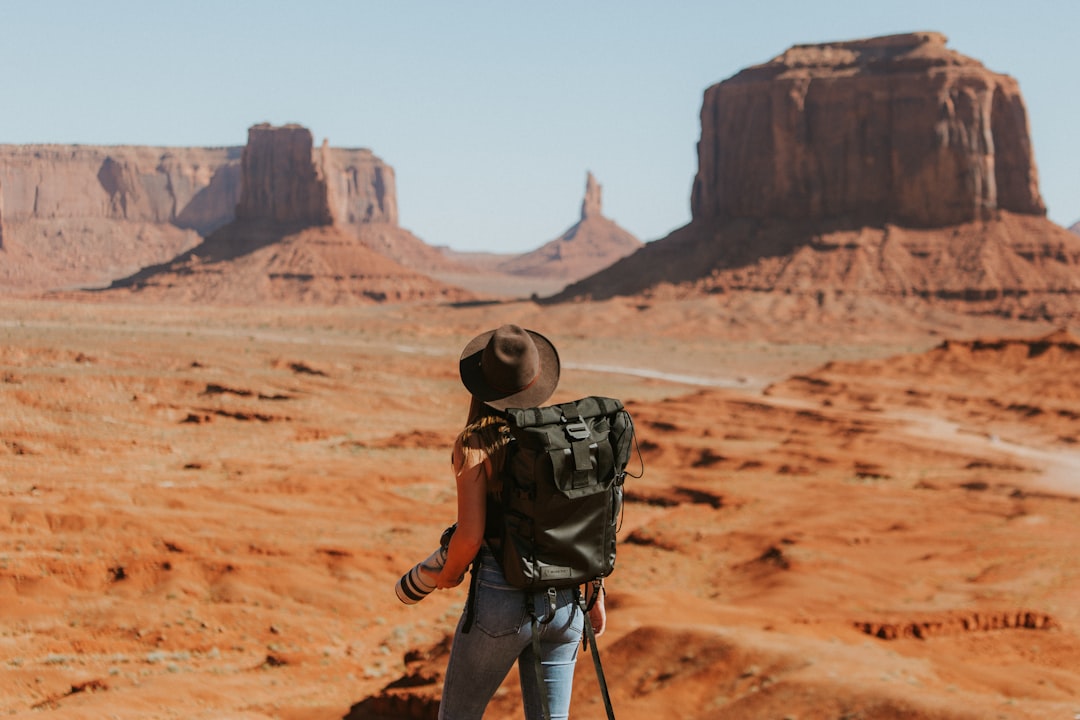
Photo by Ivana Cajina on Unsplash
Most travel problems do not begin as dramatic emergencies. They begin as friction. A phone battery slips below 10 percent. A taxi rank looks unofficial. A hostel door does not lock as firmly as the photos suggested. You get hungry, then tired, then a little too eager to trust the next person who seems helpful. That is how small issues stack into bad judgment.
A solo travel safety checklist works because it removes decision-making from the moments when you are least equipped to think clearly. After a red-eye flight, your brain is not at its best. After two drinks with new people, your risk meter gets softer around the edges. When rain hits and darkness falls early, you do not want to improvise your transport home from scratch.
This is also the most useful mindset for a first solo trip. You are not trying to prove you can handle anything. You are building routines that make hard moments smaller. Once those routines are in place, the trip opens up: the clink of cups in a morning cafe, the long golden walk up a hill at sunset, the calm pleasure of eating exactly where you want, exactly when you want.
Here is the core principle behind all the safe solo travel tips in this guide:
- Reduce the number of decisions you have to make when tired, hungry, or stressed.
- Keep your money, phone, transport, and sleep arranged so one mistake does not ruin the day.
- Make your arrivals boring and your adventures selective.
- Treat feeling uncomfortable as useful information, not rudeness.
- Build backup options before you need them.
Before you leave: safe solo travel tips that matter most
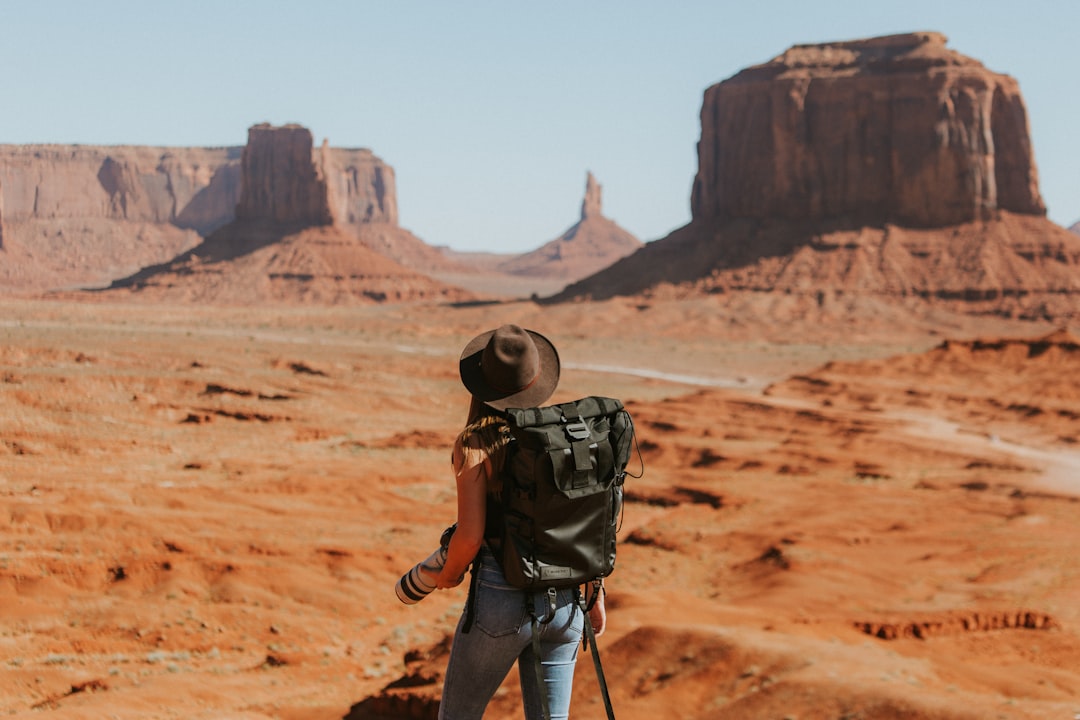
Photo by Ivana Cajina on Unsplash
The trip starts long before the airport. It starts when you choose where to stay, how much friction you will tolerate, and what kind of arrival you are setting up for yourself. A strong solo travel safety checklist begins at home, while your judgment is fresh and Wi-Fi is stable.
This stage is where solo travelers gain their biggest edge. You can absorb a lot of uncertainty once you are on the road, but not all uncertainty is worth keeping. The smell of adventure is wonderful; the smell of panic while you search for a missing booking email is not. The safest version of spontaneity is planned flexibility.
If you are asking how to travel alone safely, begin by building one page of information that you can reach offline. I like keeping my route, booking numbers, insurance details, and key notes in one place with TravelDeck. That one habit cuts down on frantic searching more than almost anything else.
Use this pre-departure solo travel safety checklist before any trip:
- Check current travel advisories through official portals such as UK foreign travel advice, US travel advisories, and CDC travel notices.
- Buy travel insurance that includes medical care, cancellation, theft support, and a 24-hour emergency line.
- Share your flight details, accommodation, and rough day-by-day plan with one trusted person.
- Save digital copies of your passport, visa, insurance, cards, and prescriptions in secure cloud storage.
- Carry two bank cards from different networks and keep them in separate places.
- Learn the local emergency number and three local phrases: help, police, and I am lost.
- Download offline maps for your arrival city and pin your hotel, nearest pharmacy, and nearest hospital.
- Arrange your first night before arrival. A first night without a plan is where many poor decisions begin.
- Pack a small doorstop alarm or compact personal alarm if it makes you feel more comfortable.
- Set up phone tracking and remote wipe before you leave.
Packing plays a quiet role here too. You move more safely when your bag is lighter, your essentials are easier to reach, and you are not unpacking half your life in a station corridor. For that reason, I like the logic in Carry On Packing Strategy for 2026: The Wear-Wash-Repeat Plan. A bag you can lift quickly and organize blind is a safety tool, not just a convenience.
Arrival day: how to travel alone safely in the first six hours
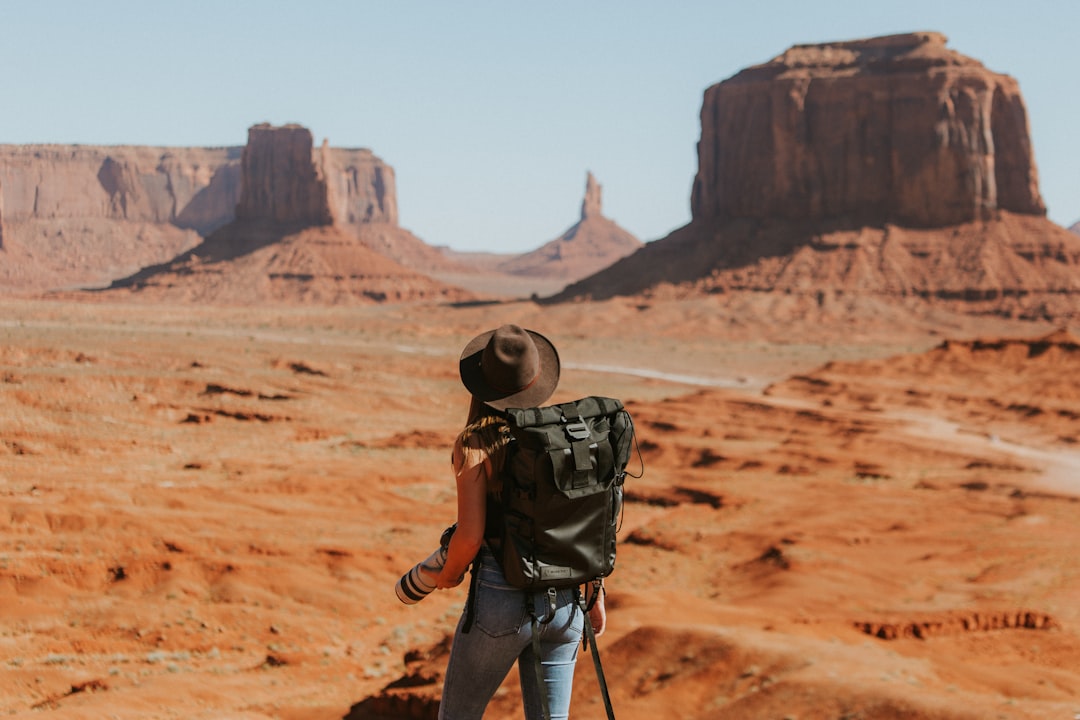
Photo by Ivana Cajina on Unsplash
Every experienced solo traveler knows this truth: the first six hours matter more than almost any other stretch of the trip. You are tired, maybe dehydrated, slightly disoriented, and more visibly new than you will be at any other point. Your suitcase wheels sound louder on the pavement. The airport air still clings to your clothes. Even your face looks like a traveler who has not quite landed yet.
That is why the arrival phase deserves its own solo travel safety checklist. The goal is simple: move from transit mode to settled mode with as little improvisation as possible. When you know your route into town, your phone is charged, and your room is confirmed, your body loosens. Streets stop feeling hostile and start feeling interesting.
If you want to know how to travel alone safely, focus less on the fantasy of effortless wandering and more on friction-proof arrivals. Book less for your third day and more for your first hour.
On arrival day, do this in order:
- Use an official airport ATM inside the terminal or a bank branch, not a random machine on the sidewalk.
- Buy a local SIM or activate an eSIM before leaving the airport if possible.
- Follow official airport transport signage and ignore anyone who approaches you with transport offers.
- If you take a rideshare, confirm the plate, car model, and driver name before getting in.
- Send a short check-in message once you are en route to your accommodation.
- Do not schedule a complicated dinner, late museum entry, or ambitious city crossing on day one.
- Once checked in, take a short daylight walk around your block to locate a grocery store, pharmacy, cafe, and transport stop.
- Keep your passport locked away unless local law requires you to carry it.
For smoother terminals and transfers, Airport Hacks That Save Money and Time in 2026 Like a Pro pairs well with this approach. Time saved is often stress saved.
Accommodation choices that lower risk without killing the fun
A room is never just a room when you are alone. It is your reset point, your charging station, your emotional shelter after a noisy day. The right accommodation can make a city feel easy. The wrong one can make a perfectly decent neighborhood feel tense.
You can often feel the difference within sixty seconds of arrival. Is the entrance visible and well-lit? Does reception seem present? Are other travelers moving through the building or does the place feel strangely sealed and silent? Can you imagine returning here at 11 pm without a low-grade knot in your stomach? Those instincts matter.
This part of your solo travel safety checklist is less about luxury than about layout, access, and recent reviews. The best safe solo travel tips are often architectural: doors that lock well, neighborhoods that stay lively after dinner, stairwells that do not feel abandoned, reception desks that are actually staffed.
When choosing where to stay, prioritize:
- Recent reviews that mention safety, staff responsiveness, and the surrounding streets at night.
- A central but not rowdy area, ideally near public transport and late-opening cafes or shops.
- A 24-hour front desk if you arrive late.
- Upper floors rather than ground-level rooms when possible.
- Female-only dorms or smaller dorms if that suits your comfort level.
- In-room safes or reliable lockers, plus your own lock for hostels.
- Clear transport options back from popular nightlife zones.
A useful test for a first solo trip is this: if your phone died at 10 pm, could you still get back to your hotel confidently from the city center? If the answer is no, the location is not as good as it looked on the map.
Street smarts and body language: safe solo travel tips you can use tonight
There is a particular look that draws attention in busy travel zones: a person stopped dead in the middle of the sidewalk, turning in a circle, bag half-open, phone held at chest height, uncertainty radiating in all directions. Most of us have been that traveler at some point. The trick is not to be perfect. The trick is to pause more privately.
Cities have their own rhythm, and safety often improves when you step into it. Walk with purpose. When you need to reorient, move inside a shop, hotel lobby, cafe doorway, or against a building rather than staying exposed in the center of the flow. That small shift changes how vulnerable you appear.
The strongest solo travel safety checklist always includes movement habits. They sound basic, but they prevent a remarkable number of problems.
Use these street-level routines:
- Keep your phone and wallet in front-facing, zipped compartments.
- Wear a crossbody bag with the zip facing inward.
- Avoid displaying maps or large camera gear when first entering a neighborhood.
- If someone approaches too insistently, keep walking toward light, staff, or other people.
- Do not tell strangers you are staying alone, even if they seem friendly.
- If you need to stop for directions, step into a business and ask there.
- Stay sober enough to stay decisive.
- Trust the first flicker of discomfort. Leaving early is a skill, not a failure.
These are the kinds of safe solo travel tips that matter most after sunset, when fatigue and politeness can override common sense. You do not owe extended conversation, explanation, or your time to anyone who makes you uneasy.
Digital safety: protect your phone, money, and location
Modern solo travel runs through a glass screen. Your phone holds the route to your hotel, the code for your apartment door, your boarding pass, your bank app, your translation tool, and the name of the person you promised to message at midnight. Lose control of the phone and everything around you becomes noisier.
That is why digital habits belong in any solo travel safety checklist. People often prepare for pickpockets but ignore public Wi-Fi risks, shoulder surfing at ATMs, or what happens when a phone is lost with every important app still wide open.
If you are figuring out how to travel alone safely in 2026, secure the device that runs your trip.
Build these digital habits into your routine:
- Use a strong passcode and biometric lock.
- Enable device tracking and remote erase.
- Turn on two-factor authentication for email and banking.
- Avoid using banking apps on open public Wi-Fi unless you are on a trusted network or VPN.
- Keep one offline note with emergency contacts, accommodation addresses, and insurance information.
- Back up photos and key documents regularly.
- Delay real-time social posting if it reveals that you are alone or away from your room.
- Carry a power bank that can fully charge your phone at least once.
A dead phone is not just inconvenient on a first solo trip. It changes how every decision feels. Power is confidence.
Money routines that keep you from getting stranded
A lot of solo travel stress is really money stress in disguise. You do not notice how reassuring a backup card is until an ATM eats the first one. You do not think about emergency cash until a station ticket machine refuses foreign cards and the last bus is boarding. The point of a solo travel safety checklist is not to predict every failure. It is to keep one failure from becoming five.
Cash handling is also emotional. Pulling out a thick roll of notes on a crowded street can make you feel exposed instantly. By contrast, a calm, rehearsed money routine makes you look like you belong wherever you are standing.
For anyone asking how to travel alone safely, money management is one of the least glamorous and most effective answers.
Use this solo traveler money setup:
- Carry two cards in separate places.
- Keep a small emergency stash, the equivalent of 50 to 100 USD, hidden away from your daily wallet.
- Withdraw cash in daylight from bank ATMs when possible.
- Use one wallet for everyday spending and keep your backup funds deeper in your bag.
- Set card alerts so you know immediately if anything unusual happens.
- Save your bank contact numbers offline.
- Avoid lending money or entering group payment confusion with people you just met.
For a first solo trip, I like a simple split: one day wallet, one backup card, one hidden note. That is enough redundancy without turning your clothing into a puzzle box.
How to travel alone safely at night without becoming paranoid
Night changes scale. Streets feel longer, station exits less obvious, and minor uncertainty larger than it did at 3 pm. But night does not have to mean danger. It means you need a different operating system.
Good night habits begin long before the evening starts. Know how you are getting back. Save the accommodation address in the local language if needed. Charge your phone before dinner, not after. Decide your cut-off point for alcohol before the first drink, not after the second. A solid solo travel safety checklist turns the end of the day into a sequence instead of a gamble.
This is where many safe solo travel tips sound almost boring. That is exactly why they work.
Use these night routines:
- Pick your route home before you go out.
- Use verified rideshare apps or official taxi ranks after dark.
- Share your ride details with one trusted contact if the app allows it.
- Keep one ear free and your attention wide on quiet streets.
- Avoid shortcuts through parks, empty lanes, beaches, or underpasses at night.
- If the vibe shifts, step into a lit business and reset.
- Leave early if the group energy changes in a way you do not like.
- Once back, send your quick check-in message and plug your phone in immediately.
The best nightlife move on a first solo trip is often the simplest one: be the person who leaves five minutes before things get messy, not fifteen minutes after.
Solo female travel safety without shrinking your world
Solo female travel safety is often discussed in tones so anxious that the joy drains out of the subject. That is a mistake. Women travel alone brilliantly every day, and the goal is not to travel timidly. The goal is to travel with sharper filters.
What changes is not your right to explore but the margin for oversharing and the value of reading context early. Some streets are lively in a good way; some are lively in a way that turns you into an audience. Some hostels are social; some are chaotic. Some invitations are generous; some are tests. Solo female travel safety is about reading those differences before they harden into problems.
The most useful adjustment is this: do not build your trip around being agreeable. Build it around feeling comfortable. That one shift improves solo female travel safety more than performative toughness ever will.
Practical habits that help:
- Research local dress norms, not because you owe anyone conformity, but because blending in can reduce attention.
- Consider female-only dorms or women-reviewed accommodations if that helps you sleep better.
- Avoid telling new people your exact hotel or room details.
- On dates or meetups, choose busy public places and arrange your own way back.
- Carry a small alarm or whistle if that adds peace of mind.
- Ignore pressure to keep drinking, keep talking, or keep going elsewhere.
- Sit near families, staff, or other women if a bus or train feels off.
Solo female travel safety also means protecting your energy. You do not need to smile through persistent attention to seem friendly. A short answer, a firm no, or no answer at all can be the safest response.
First solo trip nerves, loneliness, and decision fatigue
The hardest part of a first solo trip is rarely the border crossing or the metro map. It is the emotional weather. You can wake up thrilled, have a perfect coffee in a sunlit square, then feel unexpectedly lonely by 4 pm when everyone around you seems paired off. None of that means you chose the wrong kind of travel. It means you are human in a new place.
A strong solo travel safety checklist should account for mood, not just logistics. Lonely people take strange risks. Tired people overspend. Overstimulated people say yes because they do not want to go back to the room yet. Confidence on the road is often just good pacing.
If you are on your first solo trip, give yourself permission to travel smaller. You do not need to conquer the city daily. Sometimes the most stable move is a long breakfast, a museum, one neighborhood, and an early night. That rhythm is not boring. It is what keeps the trip pleasurable enough to continue.
Use these habits to stay steady:
- Book one social activity every two or three days, not every day.
- Choose accommodations with common areas if you want easy conversation without commitment.
- Eat one proper meal sitting down, even on busy sightseeing days.
- Take breaks before you are exhausted.
- Call home before loneliness turns dramatic in your head.
- Keep a tiny routine: morning walk, evening tea, journaling, stretching, anything that signals home to your nervous system.
One of the quiet skills behind how to travel alone safely is recognizing when you are making choices from curiosity and when you are making them from depletion.
A practical example: Lisbon as a smart base for a first solo trip
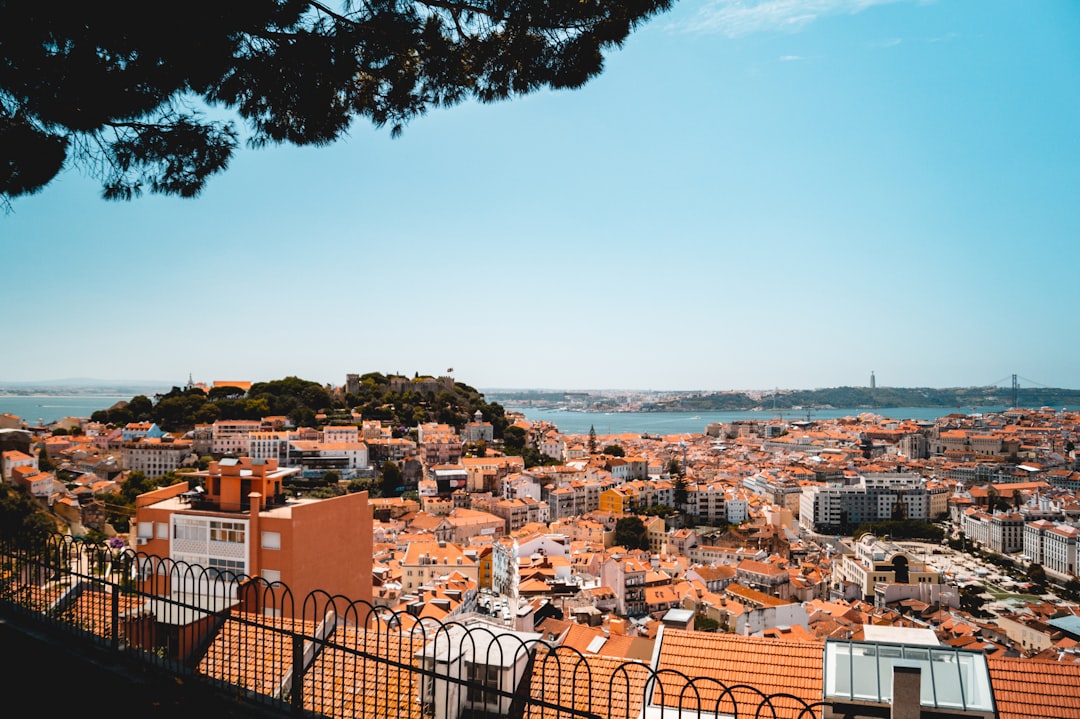
Advice becomes more useful when it has a place to stand. So let us make this real. If you want a city where your solo travel safety checklist can actually breathe, Lisbon is one of the easiest places to test it. The light is generous, the public transport is workable, the tourist infrastructure is mature, and the city gives you many chances to be alone without feeling isolated.
Lisbon also teaches good habits. Its steep streets make you think about shoes and bags. Its trams teach you where pickpockets like to work. Its miradouros, the city viewpoints, remind you to slow down before rushing into another plan. You can spend a morning in tiled lanes that smell faintly of coffee and detergent, hear the metal sigh of Tram 28 turning a corner, and feel both far from home and perfectly intact.
For a first solo trip, Lisbon offers the right balance: enough movement to be exciting, enough familiarity to stay manageable, and enough social spaces that solitude never has to turn into isolation.
How to get there
Lisbon is served by Humberto Delgado Airport, code LIS, just a short drive or metro ride from the center. For solo travelers, that proximity matters. It reduces the wobble between landing and sleeping. You are not facing a two-hour transfer into town with your backpack damp against your shoulders and your phone shrinking toward red.
The city also works well as part of a longer Iberian or Portugal trip. Trains from Porto are easy, buses from Spain are common, and onward rail travel within Portugal is straightforward. If you want a low-stress arrival, book your first night in Baixa, Chiado, Avenida, or Principe Real rather than somewhere too far uphill or too isolated.
Here are the most useful ways to reach Lisbon and get into the center:
| Route | Typical duration | Usual price | Why it works for solo travelers |
|---|---|---|---|
| London to Lisbon by flight to LIS | 2h 40m to 2h 55m | EUR 60 to EUR 180 return in shoulder season | Short flight, many daily options, easy same-day arrivals |
| Paris to Lisbon by flight to LIS | 2h 30m to 2h 45m | EUR 80 to EUR 220 return | Frequent flights, useful for long weekends |
| Porto Campanha to Lisboa Oriente by Alfa Pendular train | 2h 50m to 3h | EUR 25 to EUR 45 | Comfortable, central arrival, minimal hassle |
| Faro to Lisbon by Intercidades train | 3h to 3h 30m | EUR 12 to EUR 28 | Good for combining Algarve and city time |
| Madrid to Lisbon by flight to LIS | 1h 20m | EUR 35 to EUR 120 one way | Best if time matters |
| Madrid to Lisbon by coach | 8h to 9h | EUR 20 to EUR 50 | Cheapest direct option, better as a day ride than a late-night arrival |
| LIS airport to Baixa by Metro plus one change | 30m to 40m | About EUR 2.30 including card | Cheapest official option in daylight |
| LIS airport to central Lisbon by taxi | 20m to 30m | EUR 12 to EUR 20 | Easy with luggage, use official rank |
| LIS airport to central Lisbon by rideshare | 20m to 30m | EUR 8 to EUR 15 | Often cheapest late evening door-to-door option |
Useful planning links: ANA Lisbon Airport, Comboios de Portugal, and Visit Lisboa.
Things to do
Lisbon is ideal for solo sightseeing because so much of its pleasure is in motion rather than queues. The city reveals itself in pieces: laundry lines fluttering above a lane in Alfama, jacaranda bloom in late spring, the river flashing silver at the end of a street, tiled facades catching afternoon light. You can spend a day alone here without ever feeling like you are waiting for the real experience to begin.
It is also a city where safe solo travel tips pay off beautifully. Go early to popular spots, keep your bag closed on the tram, and let your day unfold by neighborhood rather than trying to crisscross the hills. Lisbon rewards a slower stride.
Try these solo-friendly activities:
- Walk Alfama in the morning, starting near Se de Lisboa and drifting toward Miradouro de Santa Luzia before the lanes get busy.
- Visit Castelo de Sao Jorge, Rua de Santa Cruz do Castelo, for broad city views and enough space to explore at your own pace.
- Ride Tram 28 at an off-peak hour for the classic route, but keep valuables secure in crowded sections.
- Browse Feira da Ladra at Campo de Santa Clara on Tuesday or Saturday mornings for antiques, odd postcards, and the city at its most delightfully rummaged.
- Spend sunset at Miradouro da Senhora do Monte, where the city turns peach and copper across the rooftops.
- Eat and people-watch at Time Out Market, Avenida 24 de Julho 49, which is ideal when you want food options without a formal solo dinner.
- Take a half-day train to Sintra from Rossio Station, around 40 minutes, then focus on one major site rather than trying to do everything in a rush.
- Walk the riverside in Belem, then visit MAAT, Avenida Brasilia, and stop for pastries near the monastery district.
Where to stay
Where you sleep in Lisbon changes the whole texture of the trip. Some areas feel cinematic by day but too quiet for a first-time solo arrival after dark. Others stay active in a reassuring way, with grocery shops, late cafes, and enough foot traffic that you never feel sealed off. For most solo travelers, the sweet spot is central Lisbon with easy transport and a clear route home.
If this is your first solo trip, choose ease over romance. That tiny guesthouse on a steep lane in a beautiful old quarter may look irresistible, but if the nearest rideshare drop-off is three cobbled blocks away and the street is silent after 10 pm, it may not feel magical when you are arriving with luggage. A good solo travel safety checklist respects beauty, but it respects practicality more.
Below are reliable areas and properties that tend to work well for solo travelers. Prices vary sharply by season, festivals, and how far ahead you book.
| Budget tier | Typical nightly price | Good picks | Why it works |
|---|---|---|---|
| Budget | EUR 30 to EUR 90 | Home Lisbon Hostel, Goodmorning Solo Traveller Hostel, We Love F Tourists | Social without being chaotic, central, easy to meet people |
| Mid-range | EUR 140 to EUR 280 | My Story Hotel Figueira, Lisboa Pessoa Hotel, LX Boutique Hotel | Strong locations, better privacy, easy late returns |
| Luxury | EUR 260 to EUR 1200 | Memmo Alfama, Bairro Alto Hotel, Four Seasons Hotel Ritz Lisbon | Excellent service, safer-feeling logistics, high comfort |
A few notes on each tier:
- Budget: Home Lisbon Hostel near Baixa is popular for warm staff and an easy-to-navigate location. Goodmorning Solo Traveller Hostel at Restauradores is convenient for airport transfers and day trips. We Love F Tourists is central and often attracts independent travelers looking for a social but not feral atmosphere.
- Mid-range: My Story Hotel Figueira puts you in a practical, central zone with plenty of movement around you. Lisboa Pessoa Hotel offers a calmer feel near Chiado and Bairro Alto without dropping you too far from transport. LX Boutique Hotel works well if you want a Cais do Sodre base with easy dining.
- Luxury: Memmo Alfama is stylish and atmospheric, ideal if you want quiet charm with service. Bairro Alto Hotel gives you an excellent central position with polished logistics. Four Seasons Hotel Ritz Lisbon is a splurge, but the staffing and structure remove almost all friction.
If solo female travel safety is top of mind, read the most recent reviews specifically for comments about street lighting, noise, late-night access, and whether the walk from the nearest station feels comfortable.
Where to eat
Eating alone can feel intimidating on a first night and deeply luxurious by your third. Lisbon is good for that transition because it offers many forms of dinner: lively seafood halls, pastry counters, market stools, neighborhood tascas, and restaurants where a table for one feels perfectly normal. The city smells of espresso, grilled fish, warm custard, and sea air, and you can lean into that without forcing yourself into high-pressure dining situations.
The safest solo dining move is often the happiest one too: eat where there is turnover, visible staff, and a rhythm you can read from the door. Busy places reduce awkwardness and lower the odds of being stranded somewhere dead after your meal. This is one reason market halls and counter-service spots are so useful, especially early in a first solo trip.
If food safety is part of your decision-making, How to Eat Safely Abroad in 2026 Without Missing Local Food is worth reading alongside this guide.
Good Lisbon food stops for solo travelers include:
- Manteigaria, Rua do Loreto 2: one of the best quick pastel de nata stops in the city, ideal for a low-stakes snack break.
- Cervejaria Ramiro, Avenida Almirante Reis 1: famous seafood and usually lively enough that dining alone feels easy; expect a wait at peak times.
- Zé da Mouraria, Rua João do Outeiro 24: traditional dishes and a local feel in Mouraria, good for a more rooted meal.
- O Velho Eurico, Largo de Sao Cristovao 3: modern Lisbon favorite for petiscos, best if you reserve or arrive strategically.
- Time Out Market, Avenida 24 de Julho 49: best when you want variety, movement, and minimal social pressure.
- Mercado de Campo de Ourique, Rua Coelho da Rocha 104: calmer than Time Out, excellent for a solo lunch or early dinner.
- Ponto Final, Cacilhas side of the river: beautiful waterside setting for lunch if you do not mind a short ferry connection and a little planning.
What to try:
- Pastel de nata with espresso in the morning.
- Bacalhau dishes for a classic cod experience.
- Grilled sardines in season.
- Prego sandwiches for something quick and satisfying.
- Petiscos when you want a slower, grazing-style meal.
Practical tips
By the time you land in Lisbon, your solo travel safety checklist should already be mostly automatic. This section is about smoothing the edges: weather, packing, local customs, payment habits, and the little details that decide whether a day feels elegant or exhausting.
Lisbon is forgiving, but it has a few catches. The hills are real. The pavements can be polished and slippery. Summer heat bounces off stone. Tram 28 gets crowded. Pickpocketing happens where visitors bunch up and relax too much. None of this should scare you away. It simply tells you where to apply the system.
These are the practical details I would want in my pocket:
| Month | Typical high | Crowd level | Solo traveler note |
|---|---|---|---|
| January | 15 C | Low | Mild winter, good for slower trips and lower hotel prices |
| February | 16 C | Low | Often calm, bring layers and rain protection |
| March | 18 C | Medium | Pleasant walking weather, great for a first solo trip |
| April | 20 C | Medium | Spring light is beautiful, occasional showers |
| May | 23 C | Medium to high | One of the best months for long walking days |
| June | 26 C | High | Festive atmosphere, book early and expect more noise |
| July | 28 C | High | Hotter and busier, plan early starts and afternoon breaks |
| August | 29 C | High | Hottest month, choose accommodation with strong cooling |
| September | 27 C | High | Warm river evenings and excellent shoulder-season feel |
| October | 23 C | Medium | Strong balance of weather and manageable crowds |
| November | 18 C | Low to medium | Good value and softer pace |
| December | 16 C | Low to medium | Mild for Europe, festive lights in central areas |
More useful Lisbon notes:
- Best months: March to May and September to October are the sweet spot for weather, walkability, and less punishing crowd levels.
- What to pack: grippy shoes, a slim crossbody bag, light layers, sunglasses, a refillable bottle, compact umbrella, and a power bank.
- Currency: euro. Cards are widely accepted, but keep EUR 20 to EUR 40 in small notes for small purchases or emergencies.
- Connectivity: MEO, NOS, and Vodafone all have solid coverage. eSIMs are convenient if your phone supports them.
- Transport: Viva Viagem cards make metro, bus, and tram use easier. Validate every ride.
- Customs: a simple hello and thank you go far. Meals may begin later than in northern Europe. Service is usually calm rather than overly chatty.
- Safety: watch belongings on Tram 28, in Baixa, around Rossio, and at busy viewpoints. None of these areas are off-limits; they just reward attention.
- Healthcare and emergencies: in Portugal, the general emergency number is 112.
These are not glamorous details, but they are the ones that let you look up from logistics and notice the city itself: the yellow trams rattling past blue tilework, the salt edge in the evening air, the clink of glasses under plane trees in a square that suddenly feels familiar.
FAQ
Is Lisbon safe for a first solo trip?
Yes. Lisbon is one of the easiest European capitals for a first solo trip because it combines manageable size, good public transport, strong tourism infrastructure, and plenty of public life. The main issues are ordinary city ones: pickpocketing in crowded areas, steep streets, and late-night judgment calls.
What is the safest way from Lisbon Airport to the city center at night?
For most solo travelers arriving late, a verified rideshare or official airport taxi is the simplest option. It is usually worth paying a little more for a direct door-to-door transfer on the first night.
Should solo travelers choose hostels or hotels?
It depends on energy more than budget. Hostels are great if you want built-in conversation and activity options. Hotels are often better if sleep, privacy, and decompression matter more. The best answer for solo female travel safety is the one that leaves you rested and comfortable returning at night.
How much should I budget per day in Lisbon when traveling alone?
A budget traveler can manage on roughly EUR 60 to EUR 110 per day with a dorm bed, public transport, and simple meals. Mid-range is often EUR 140 to EUR 250 per day. Luxury climbs quickly from there.
How do I meet people without ignoring my solo travel safety checklist?
Choose structured social settings: walking tours, cooking classes, hostel common rooms, group day trips, and market tastings. Meet in public, keep your own transport options, and avoid oversharing personal details too quickly.
The real goal of solo safety
The point of a solo travel safety checklist is not to turn travel into a drill. It is to remove the avoidable noise so the good parts can come forward. When your basics are handled, you notice more: the woman watering geraniums above a narrow lane, the smell of grilled fish drifting down a hill, the relief of finding your way back by instinct instead of panic.
That is what traveling alone safely really gives you. Not smaller travel, but bigger attention. Not fear, but range. You become free enough to be curious, and careful enough to keep going. Once that balance clicks, solo travel stops feeling like a test and starts feeling like a way of moving through the world that is entirely your own.