Carry On Packing Strategy for 2026: The Wear-Wash-Repeat Plan
The biggest myth in travel is that packing light means going without. In reality, the right carry on packing strategy gives you more freedom, not less: you move faster through stations, skip baggage claim, climb apartment stairs without cursing your suitcase, and stop dragging six versions of the same outfit across a continent. If you have ever stood on a sidewalk in the rain, one wheel rattling over cobblestones while your hotel is somehow still uphill, you already know why one well-packed bag feels luxurious.
What changes everything is not folding better or buying a magical backpack. It is deciding that every item in your bag has a job, that laundry is part of the trip, and that your wardrobe needs to behave more like a cast than a crowd. That is the heart of this carry on packing strategy: wear the bulkiest pieces, wash the essentials, repeat the winners, and leave the fantasy packing at home.
I use this approach for three-day city breaks, weeklong beach holidays, business trips with dinner reservations, shoulder-season train journeys, and even cool-weather itineraries where the forecast changes by the hour. Once you stop packing by days and start packing by function, a cabin bag suddenly feels much bigger. For a complementary way to organize the items you need closest at hand, see Carry-On Bag Packing Tips for 2026: The Access-First Plan.
Why this carry on packing strategy works
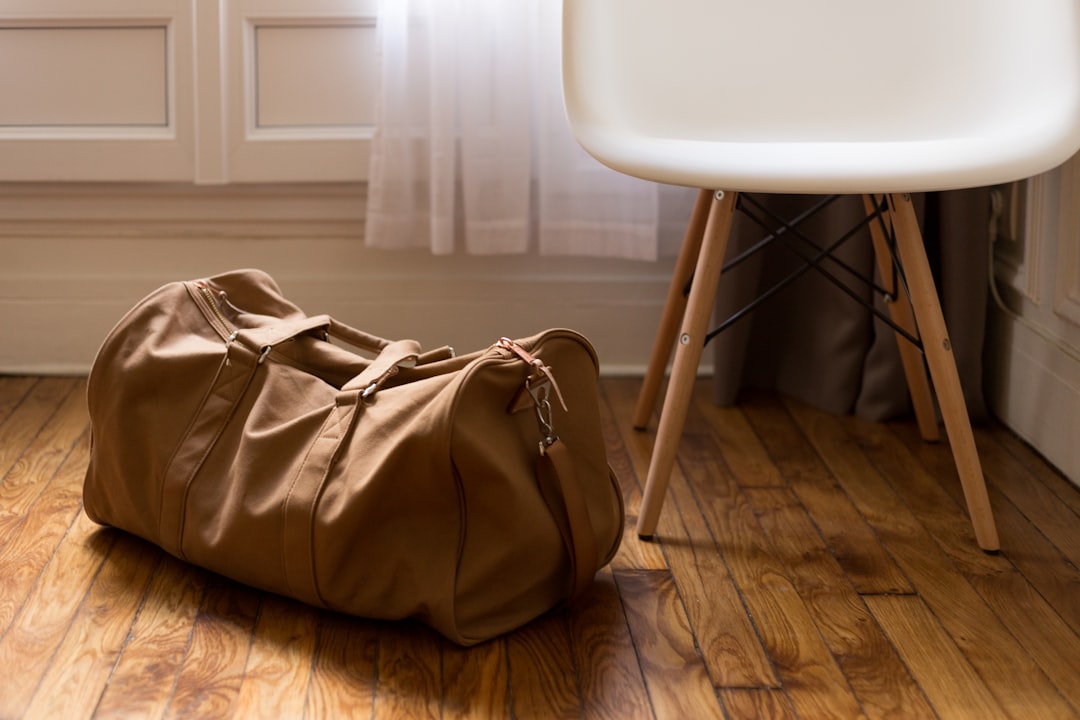
Photo by Erol Ahmed on Unsplash
A great one-bag trip does not begin with a checklist. It begins with a picture of your real days. Not your most photogenic self. Not the version of you who attends a surprise cocktail party after a sunrise hike. The real one. The one who wears the same comfortable overshirt on the plane, in museums, at coffee counters, and on windy ferry decks because it works and it feels right. The better you understand your actual rhythm, the easier it becomes to pack everything in a carry-on bag.
Airports reward discipline. Old city centers reward mobility. Budget airlines reward restraint. Even luxury travel rewards lighter packing, because the less time you spend managing your stuff, the more attention you have for the warm bread basket on the table, the wet shine of a market street after rain, the sound of a tram grinding around a corner, or the gold light on a hotel curtain just before dinner. Carry-on only travel is not about proving a point. It is about buying back mental space.
This carry on packing strategy rests on four ideas that work almost everywhere:
- Pack for one week, even if the trip is longer.
- Build a travel capsule wardrobe where every top works with every bottom.
- Use laundry as a travel tool, not an emergency.
- Let the strictest transport rule shape your bag, not the roomiest one.
When people fail at carry-on only travel, it is usually for one of three reasons: too many shoes, too many maybe items, or too much fabric that dries slowly and weighs more than it earns. Cotton sweatshirts, thick denim, backup handbags, full-size toiletries, and special-occasion outfits love to sneak into a bag. They are space thieves dressed as common sense.
A smarter carry on packing strategy asks harder questions:
- Would I wear this three times?
- Can I wash it in a sink and dry it overnight?
- Does it work with at least two other pieces?
- Would I buy it at the destination if I did not already own it?
- Is there a lighter version that does the same job?
If the answer is no, it probably stays home.
Start with airline carry-on limits, not your suitcase
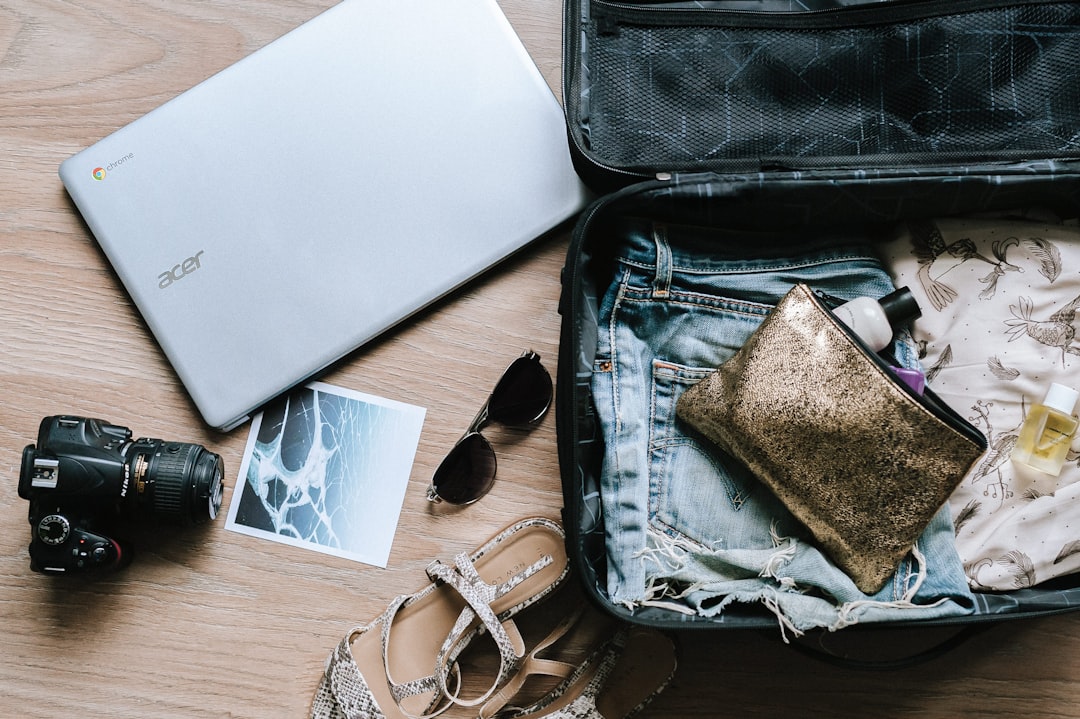
Photo by Anete Lūsiņa on Unsplash
Before you touch a single shirt, look at the trip itself. The metal sizer at the gate does not care that your bag fit on a previous airline. A regional flight in Europe, a low-cost hop in Asia, and a full-service long-haul ticket can all have different rules. The most practical carry on packing strategy starts by finding the smallest, strictest limit on your itinerary and treating that as the real target.
This matters more than people think. A bag that glides into an overhead bin on a transatlantic carrier may trigger fees on a budget airline connection. A bag that fits dimension rules may still fail a 7 kg weight cap once you add shoes, chargers, and a water bottle. If you are moving between several cities, you want the feeling of certainty at every gate, not the suspense of hoping a tired agent waves you through.
A soft-sided bag between 35 and 42 liters usually hits the sweet spot for most travelers. It is large enough for a real travel capsule wardrobe and small enough to force decisions. A clamshell opening helps you see everything. Compression straps help tame soft clothes. Too many outside pockets, however, often create bulk without useful volume.
Here is a practical way to think about common limits. Always verify your exact fare and route before departure:
| Carrier or mode | Typical cabin bag limit | Why it matters |
|---|---|---|
| Ryanair Priority | 55 x 40 x 20 cm, 10 kg | Very common benchmark for strict European travel |
| AirAsia | 56 x 36 x 23 cm, 7 kg total cabin allowance | Weight becomes the real challenge |
| Emirates Economy | 55 x 38 x 20 cm, 7 kg | Slim depth and low weight cap reward discipline |
| Most US full-service airlines | Around 56 x 35 x 23 cm, often no domestic weight limit | Size matters more than weight on many routes |
| Eurostar Standard | More generous luggage rules than many airlines | Great for travelers who want one easy bag |
| Amtrak carry-on | More generous than air travel | Useful when a city-to-city rail trip replaces a flight |
Useful links to check before you fly or ride:
- TSA liquids rules: https://www.tsa.gov/travel/security-screening/liquids-rule
- Amtrak baggage policy: https://www.amtrak.com/onboard/baggage-policy/carry-on-baggage.html
- Eurostar luggage info: https://www.eurostar.com
- Ryanair bag rules: https://help.ryanair.com
A few bag rules that save trips:
- Weigh your packed bag at home. Bathroom scale plus subtraction works fine.
- If one leg of your itinerary is on a stricter airline, pack for that carrier, not the others.
- Wear your heaviest shoes and outer layer in transit.
- Leave one liter of physical space in the bag for food, a scarf, or last-minute purchases.
- Choose dark or neutral colors that hide minor stains and mix easily.
This carry on packing strategy becomes much easier the moment you stop seeing your bag as empty real estate and start seeing it as a fixed budget.
Build a travel capsule wardrobe that can be worn, washed, and repeated
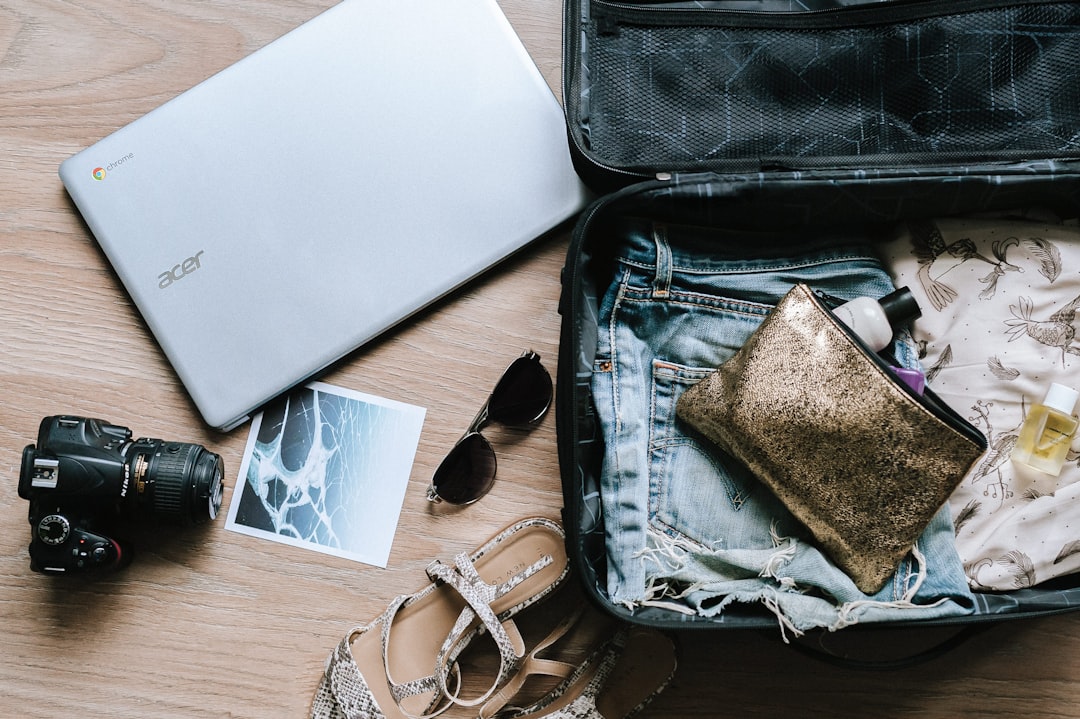
Photo by Anete Lūsiņa on Unsplash
Open a well-packed carry-on and the clothes inside should look calm. Not exciting. Not chaotic. Calm. Think of deep navy, black, olive, stone, white, faded blue, maybe one accent color that lifts your mood in photos. Fabrics should feel light in the hand and dry quickly after a sink wash. The wardrobe should be able to survive sweat, sunscreen, drizzle, a late dinner, and a morning train without demanding too much attention.
A travel capsule wardrobe is where most people finally win at carry-on only travel. Not because it is minimalist for its own sake, but because it removes friction. If every top works with every bottom, you do not need to pre-plan outfits for each day. If your overshirt layers over tees and under a rain shell, you do not need separate pieces for every temperature. If your trousers can go from coworking space to wine bar, you do not need a second dressier pair.
The best travel clothes are not necessarily technical-looking. In fact, the ideal carry on packing strategy often involves ordinary-looking pieces made from smarter fabrics: merino T-shirts, light knit tops, wrinkle-resistant trousers, quick-dry underwear, thin socks, and a packable outer layer. The clothes should disappear into your trip, not announce themselves as gear.
The 5-4-3-2-1 clothing formula
For most trips of 5 to 14 days, this formula works beautifully:
- 5 tops: a mix of tees, one long-sleeve, and one nicer option
- 4 underwear pairs
- 4 sock pairs
- 3 bottoms: for example trousers, shorts or skirt, and one flexible second trouser or dark jean
- 2 layers: one mid-layer and one shell or compact jacket
- 1 sleep set or dual-purpose lounge set
- 1 main walking shoe worn in transit
- 1 secondary shoe packed flat or light
That does not mean you must pack these exact counts every time. It means you are aiming for a system. A hot beach trip may shift toward lighter tops and sandals. A business itinerary may swap one tee for a crisp shirt or dress. A cool-weather city break may replace shorts with thermal leggings. But the structure stays recognizably the same.
Fabrics that help you pack everything in a carry-on bag
The feel of the fabric matters as much as the item itself. Thick cotton absorbs sweat, dries slowly, and becomes surprisingly heavy. Quick-dry synthetics, blends, and merino wool do the opposite. Merino is especially useful on multi-day itineraries because it resists odor, regulates temperature well, and looks normal in restaurants and airports alike. Lightweight nylon or performance-blend trousers also earn their place because they dry much faster than jeans.
A practical fabric hierarchy for a carry on packing strategy looks like this:
- Best for tops: merino, polyester blends, technical jersey, lightweight linen blends
- Best for bottoms: stretch nylon, lightweight cotton-elastane blends, travel denim only if worn in transit
- Best for layers: merino sweater, light fleece, compact insulated vest, packable shell
- Best for underwear and socks: quick-dry synthetics or merino blends
What to leave home
A strong travel capsule wardrobe is defined as much by exclusions as by choices. Skip the heavy hoodie if a thin sweater plus shell does the same job. Skip extra handbags. Skip full formalwear unless the event is confirmed. Skip pajamas if your sleep set can double as loungewear. Skip the third pair of shoes unless the trip truly demands it.
Most travelers can safely leave behind:
- More than two pairs of shoes
- Bulky denim jackets
- Thick sweaters that only work with one outfit
- Multiple beauty tools
- Hardcover books
- Full-size toiletries
- Backup versions of everyday items
This carry on packing strategy gets easier when you pack a small wardrobe that works hard rather than a large wardrobe that waits around.
Use packing cubes to create zones, not clutter
There is a particular pleasure in opening a carry-on and finding everything exactly where you left it. The cube with tops still neat. The slim pouch with chargers still zipped. The toiletry kit still standing upright instead of oozing into your socks. Packing cubes are not mandatory, but they are one of the few travel accessories that genuinely make life easier. Good packing cubes turn one soft cavity into small rooms.
The trick is not just using packing cubes. It is using them intentionally. One for tops. One for bottoms. One for underwear and socks. One flat pouch for cables and adapters. One small laundry bag. Once you define the zones, the bag stays tidy throughout the trip. You stop exploding your belongings across the room every morning just to find a charger. You stop repacking from scratch after every hotel change.
A good carry on packing strategy also cares about weight placement. In a backpack, heavier items should sit close to your spine and around the middle of the bag rather than at the very bottom. In a rolling bag, dense items should sit low toward the wheel side. This improves balance, makes the bag feel lighter, and reduces the awkward sway that tires your shoulder or wrist.
A simple packing map
- Bottom layer: rarely used items such as spare shoes, sleepwear, or backup layer
- Middle core: packing cubes with your main clothing
- Dense center: toiletry kit and tech pouch near the middle for balance
- Top layer: one outfit change or weather layer
- Easy-access pocket: passport, wallet, pen, lip balm, earbuds, charging cable, medication
If you want a companion piece focused on quick-access organization during the airport part of the trip, Airport Hacks That Save Money and Time in 2026 Like a Pro pairs well with this method.
Rolling, folding, and flattening
People argue about rolling versus folding as if one answer solves everything. In practice, a hybrid system works best. Roll soft items like tees, leggings, and underwear. Fold structured pieces like button-down shirts or trousers that crease easily. Flatten puffer jackets into the top layer or wear them. Do not waste space with elaborate vacuum systems unless you know the return trip will be equally manageable.
Packing cubes help most when you follow a few rules:
- Do not overfill them to the point where they become rigid bricks.
- Group items by type, not by outfit.
- Keep one cube half-empty if you expect to buy anything.
- Use a laundry pouch from day one so clean and worn items never mingle.
- Store the cubes in drawers at your accommodation instead of unpacking everything loose.
This carry on packing strategy is about reducing daily decision-making. Order inside the bag creates calm outside it.
The liquids bottleneck: beat the 100 ml problem before it beats you
The fastest way to ruin a beautifully packed bag is to treat toiletries like a cosmetic migration. Liquids expand in both number and volume when left unchecked. Suddenly you have three creams doing one job, a half-used shampoo bottle, an oversized sunscreen, and a perfume that is too fragile to risk but too expensive to leave behind. This is where many travelers lose the space they need for actual clothes.
The better move is to treat your toiletry setup like a travel kitchen: only the essentials, only the sizes you will use, and as many solids as possible. A carry on packing strategy works best when liquids are tiny, controlled, and boring. Glamour can happen at the destination.
Solid deodorant, shampoo bars, conditioner bars, bar soap, and powder cleansers dramatically reduce pressure on your liquids bag. A small refillable bottle of face wash or moisturizer is usually enough for a week. Sunscreen is the item most people overpack or underpack; if you are heading somewhere sunny for longer than a few days, bring a starter size and buy a larger bottle after arrival.
A realistic toiletry kit for one-bag travel
- Toothbrush and travel toothpaste
- Solid deodorant
- Small face wash
- Small moisturizer
- Sunscreen under 100 ml for the flight day
- Minimal makeup or grooming items you truly use
- Razor only if needed
- Prescription medication in original packaging if required
- Blister plasters or a tiny first-aid pouch
- Compact hairbrush or comb
Space-saving swaps that actually work
- Bar shampoo instead of liquid shampoo
- Multipurpose balm instead of separate hand, lip, and cuticle products
- Solid cleanser instead of gel cleanser when possible
- Contact lens case as a micro-container for small amounts of cream
- Laundry soap sheets or a tiny concentrated soap bottle
The question is not whether you can fit a giant toiletry kit into a carry-on. It is whether that kit deserves the room more than a second shirt or lighter bag weight. In a smart carry on packing strategy, most toiletries are either tiny, solid, or bought locally.
Shoes are the first place to cut, not the last
You can recover astonishing amounts of bag space by limiting shoes. They are heavy, oddly shaped, and difficult to compress. They are also emotionally persuasive. You imagine the pair for dinners, the pair for long walks, the pair for rain, the pair for the beach, the pair just in case. Suddenly your bag is half footwear.
The good news is that most trips do not need more than two pairs, and many only need one plus a packable option. A well-cushioned walking shoe worn in transit is the workhorse. For the second pair, think flat sandals, thin loafers, minimal sneakers, or foldable flats depending on your style and itinerary.
A few rules keep shoes from taking over your carry on packing strategy:
- Wear the bulkiest pair on travel day.
- Pack only a second pair that is meaningfully different in function.
- Stuff socks or small items inside packed shoes.
- Use a dust bag or shower cap to keep soles off clothing.
- If a shoe only works with one outfit, it probably stays home.
For cold-weather trips, boots create the biggest dilemma. Usually the answer is to wear them in transit and keep the rest of the wardrobe ultra-light. If the boots are too heavy or too specialized to wear most days, reconsider whether the trip really demands them.
Tech: bring fewer devices, smarter charging
The modern traveler can lose an entire liter of bag space to cables alone. Laptop charger, phone cable, watch charger, camera battery, earbuds case, e-reader, power bank, adapter, hard drive, HDMI dongle you swear you might need. Tech clutter is sneaky because each piece seems small on its own. Together they become a dense, heavy knot.
The best carry on packing strategy simplifies your digital life before departure. Ask whether your phone can replace the tablet. Ask whether your laptop is essential or just comforting. Use one multi-port charger if possible. Standardize cable types. Download maps, boarding passes, museum tickets, and train confirmations in advance so you are not carrying paper backups unless necessary.
A lean tech setup for most trips looks like this:
- Phone
- One charging cable, plus a backup if your phone is mission critical
- Compact multi-port wall charger
- Universal adapter if crossing plug types
- Small power bank within airline rules
- Earbuds or lightweight headphones
- Laptop only if you truly need to work
- E-reader only if you read enough to justify it
Keep tech together in one pouch. This makes security easier and saves you from hunting for a cable at midnight in a dark hotel room.
Carry on packing strategy for different types of trips
A flexible system matters more than a rigid list. The same carry on packing strategy can stretch across very different itineraries if you know what to swap. Think of these as loadouts rather than separate identities. The bag stays fundamentally the same; you only change the emphasis.
1. Three-day city break
A short city break is where people often overpack the worst. Because the trip is brief, every outfit feels visible. You imagine brunch clothes, museum clothes, dinner clothes, weather backup, sneaker backup, and somehow a change for the flight home. In reality, cities are forgiving. A dark trouser, a good overshirt, and comfortable shoes can carry you from coffee to galleries to late dinner with almost no effort.
For a long weekend in a place like Rome, Lisbon, or Copenhagen, your packing cubes should mostly hold adaptable daytime pieces that can be sharpened with accessories or a nicer top. You will likely spend more time walking than sitting, and street surfaces may be rough, slick, or uneven.
Pack like this:
- 3 tops
- 2 bottoms
- 1 nicer evening option
- 1 sweater or mid-layer
- 1 shell or compact jacket
- 1 main shoe plus 1 light secondary pair
2. Beach week
Beach trips look simple until towels, cover-ups, sunscreen, sandals, and damp clothes start competing for space. The secret is remembering that resort and coastal destinations often support repetition beautifully. Linen shirt over swimwear at lunch. Same sandals at breakfast and sunset. Same shorts from boardwalk to beach bar.
A beach-focused carry on packing strategy works best with quick-dry fabrics, one swimsuit drying while the other is worn, and a strict rule against bulky cotton. If your accommodation provides towels, do not pack one. If it does not, bring a thin microfiber towel.
Swap in:
- 2 swimsuits
- 1 light long-sleeve for sun protection
- 1 very light shirt for evenings
- Flat sandals
- Compact tote or packable beach bag
- Minimal toiletries, but do not skimp on sunscreen plan
3. Work trip with one or two social events
Business travel is where many people abandon carry-on only travel because they fear wrinkles and dress codes. But a well-chosen capsule still works. The difference is that fit and fabric matter even more. One blazer or polished layer, one pair of trousers that dresses up and down, and shirts or tops that can move between day meetings and dinner are the backbone.
A strong carry on packing strategy for work travel relies on color discipline. Keep the palette tight. Dark trousers, one crisp shirt, one knit or blouse, one simple shoe worn on the plane, one lighter backup or evening shoe if needed.
Bring:
- 2 meeting-ready tops
- 1 off-duty top
- 1 polished bottom plus 1 casual bottom
- 1 blazer or tailored layer worn in transit
- Compact steamer spray or wrinkle-release sheet if you like
- Laptop only if work demands it
4. Cool-weather week
Cold weather scares travelers into overpacking because bulk looks like safety. But warmth comes from layering, not stuffing a bag with sweaters. A thin thermal base, light knit, and windproof shell often outperform one chunky jumper. The same is true on drizzly trips where temperature shifts throughout the day.
For destinations like Edinburgh, Amsterdam, or Seoul in spring and autumn, keep the carry on packing strategy focused on narrow layers you can stack. The bag should contain options, not boulders.
Swap in:
- Thermal top and leggings if needed
- Merino sweater instead of heavy hoodie
- Compact rain shell
- Scarf that doubles as plane blanket
- Water-resistant walking shoes worn in transit
5. Active trip with easy hikes
Not every hiking trip requires heavy boots and technical gear. Many travelers mix city days with one or two moderate trails, coastal walks, or scenic viewpoints. In those cases, carry-on only travel is still realistic if your main walking shoe has grip and your clothes can handle sweat.
For Madeira levadas, Sedona day hikes, or short alpine walks near train towns in Switzerland, think flexible rather than specialized. A performance tee, light shorts or leggings, sun layer, and packable shell will handle a lot.
Bring:
- 1 active top that dries fast
- 1 active bottom
- Reusable water bottle
- Cap or sun hat that packs flat
- Tiny laundry soap for overnight washing
6. Multi-city rail trip
Train itineraries are often the perfect setting for this carry on packing strategy. Stations have stairs, platforms can be busy, and old hotels may have no elevator. A smaller bag feels elegant here. It slips into overhead racks, under seats, and across station plazas without drama.
The key on rail trips is reducing hard-to-manage extras. Keep outerwear compact. Avoid rigid bags if you expect older trains with narrow aisles. Use packing cubes so quick one-night stops do not turn into floor explosions.
How to get there
Packing everything into one cabin bag becomes easier when you match your bag to the way you are moving, not just the number of days you are away. A short flight with a strict weight cap asks different things of you than a train journey with generous baggage, a ferry with steep boarding ramps, or a road trip where the bag goes in and out of the trunk every night. The smarter your transport plan, the less pressure you put on the bag.
This is where a carry on packing strategy stops being abstract and becomes practical. The right bag for a city-hopping rail itinerary is not always the right bag for a budget-airline island trip. Soft sides matter on ferries. Weight matters on low-cost flights. Quick access matters on trains. Here are a few real-world comparisons:
| Route example | Typical duration | Typical cost | Best bag approach |
|---|---|---|---|
| New York Penn Station to Washington Union Station on Amtrak Northeast Regional | 3 to 3.5 hours | From about $20 to $120 | Slightly roomier carry-on works well; rail is forgiving |
| London St Pancras to Paris Gare du Nord on Eurostar | 2 hours 18 minutes | From about £39 to £189 | Cabin roller or backpack both work; easy platform handling matters |
| Athens Piraeus to Santorini by ferry | 5 to 8 hours depending on vessel | About €46 to €90+ | Soft backpack or light roller; stairs and wind favor lighter bags |
| Tokyo Haneda HND to Sapporo New Chitose CTS | About 1 hour 35 minutes | Often ¥8,000 to ¥20,000+ depending on season and carrier | Pack for airline weight limits first |
| Los Angeles to Las Vegas by car | Around 4.5 to 5 hours without long stops | Fuel plus rental or parking costs | Bag can be slightly heavier, but frequent hotel moves still reward lighter packing |
Useful planning links:
- Amtrak: https://www.amtrak.com
- Eurostar: https://www.eurostar.com
- Greek ferries: https://www.ferryhopper.com
- Japan rail oversized baggage information: https://global.jr-central.co.jp/en/info/oversized-baggage/
If your trip combines flights, trains, and ferries, pack to the strictest and most awkward leg. That single decision makes the rest of the itinerary feel easier.
Things to do
One of the easiest ways to test a carry on packing strategy is to imagine the exact activities on your trip. Not just destination names. Activities. Wet markets. Rooftop bars. Museum afternoons. Seaside walks. Temple stairs. Business dinners. When you picture the trip at ground level, the packing decisions become obvious.
These examples show why versatile clothing beats more clothing. Each activity asks for comfort, adaptability, and a bag that does not own your day:
- Walk Alfama and Miradouro de Santa Luzia in Lisbon. The hills are steep, the stone can be slick, and mornings may start cool before warming quickly. Wear grippy shoes and layers that peel off easily.
- Spend an evening in Trastevere, Rome, then cross toward Campo de' Fiori. You do not need a separate dinner wardrobe; you need one clean shirt or top that still looks good after a day of walking.
- Ride the PR1 trail section near Pico do Areeiro in Madeira. Wind and sun can arrive together. A light shell, technical tee, and compact day setup beat bulky hiking gear.
- Browse Torvehallerne in Copenhagen and cycle along the lakes. Weather may shift within hours, so a modular travel capsule wardrobe matters more than heavy outerwear.
- Do a beach-to-dinner day in Nice between Promenade des Anglais and Old Town. Swimwear under light clothes, one pair of sandals, and a shirt that can dry fast make the day easier.
- Work from a Midtown Manhattan hotel lobby, then head to dinner in the West Village. This is where one polished layer and one well-chosen trouser earn their place.
- Explore Tsukiji Outer Market and a depachika food hall in Tokyo. You want hands free, easy layers, and a bag light enough that shopping for snacks still feels fun.
If food is a big part of your trips, two guides worth reading next are Cities for Food Tours in 2026: From Market Mornings to Midnight Bites and Best Food Cities Worldwide in 2026 for Every Craving.
Where to stay
Accommodation choices can quietly make or break carry-on only travel. A hotel with same-day laundry, a hostel with big lockers, or an apartment with a washing machine can eliminate half the anxiety that leads to overpacking. When you know you can wash clothes mid-trip, you stop treating your bag like a bunker.
The most carry-on-friendly places to stay share a few traits: easy access from airports or stations, elevators or manageable stairs, enough surface area to repack, and laundry options either on-site or nearby. That matters far more than decorative extras. Here are reliable types of stays, with typical price ranges that vary by city and season.
Budget
- Ibis Budget or similar airport and city-budget chains: around €55 to €110 or $65 to $130 per night. Best for short overnights before early flights.
- Generator or Meininger properties in major European cities: around €25 to €80 for dorm beds, €90 to €160 for private rooms. Good for central locations and casual laundry access nearby.
- YHA, HI, and well-reviewed independent hostels: around $30 to $90 for dorms, $90 to $170 for privates. Best when you need lockers and flexible check-in.
Mid-range
- citizenM properties: often $140 to $260 per night. Compact rooms, efficient layouts, and strong transit locations suit one-bag travelers.
- Staycity or Adagio aparthotels: often €130 to €250. Kitchenettes and laundry options are ideal for a travel capsule wardrobe.
- Hampton by Hilton, Novotel, or similar business-friendly hotels: often $140 to $240. Reliable desks, ironing facilities, and breakfast help on work trips.
Luxury
- Andaz, Thompson, or Kimpton properties: often $280 to $550+. Strong laundry service and city locations help keep the bag lean.
- Park Hyatt, Hyatt Regency, or Marriott premium brands: often $300 to $600+. Useful when you need pressing service or have mixed work-leisure plans.
- Boutique luxury aparthotels in city centers: often €300 to €700+. Excellent for longer stays where a washing machine is worth more than a bigger room.
If you are deciding between a beautiful room and a functional one, function usually helps a carry on packing strategy more.
Where to eat
Packing lighter also gets easier when you stop planning every meal as a costume change. The best travel food days often happen in places where practical clothes are already the norm: market halls, seafood counters, late lunch terraces, train-station bakeries, tucked-away noodle shops, old-town wine bars. When your wardrobe is built around that reality, you can eat brilliantly without packing for imaginary dress codes.
Good travel eating also supports good packing. Laundry-friendly outfits cope better with sauce splashes and market benches. Dark bottoms and washable layers forgive a lot. If your trip includes food-heavy days, choose fabrics that recover well and shoes you can stand in for hours.
Here are excellent, low-fuss places and dishes that suit a carry-on lifestyle:
- Lisbon: Time Out Market and neighborhood tascas in Cais do Sodré. Try grilled sardines, bifana, and pastel de nata. Casual clothing is normal.
- Rome: Mercato Centrale Roma near Termini and street-food stops for supplì or trapizzino. Great when you arrive by train and want a real meal without dressing up.
- Tokyo: depachika food halls such as Isetan Shinjuku and casual sushi or ramen counters. Clean, simple layers work almost anywhere.
- Copenhagen: Torvehallerne for smørrebrød, pastries, and coffee. You will likely be walking and cycling, so comfort matters.
- Nice: Cours Saleya and Old Town spots for socca, pissaladière, and seafood. Beach-to-dinner dressing is easy with one light shirt or dressy top.
- Singapore: Maxwell Food Centre for chicken rice and hawker classics. Warm humidity rewards breathable fabrics and minimal layers.
If local food is central to your planning, How to Eat Safely Abroad in 2026 Without Missing Local Food is a useful companion read.
Practical tips
The final edge in a successful carry on packing strategy is not folding skill. It is practical judgment: when to wash, what weather really feels like, how local dress norms work, and which small habits prevent big annoyances. This is the layer that makes a one-bag trip feel natural instead of disciplined.
Weather is the biggest variable. A 20 C forecast in Copenhagen does not feel like 20 C in humid Singapore or windy Lisbon. Coastal destinations bring salt, spray, and sudden breezes. Mountain towns can swing from warm midday sun to cold evenings. Pack for the texture of the weather, not just the number.
Month-by-month packing tweaks
| Season or month pattern | What it often feels like | Smart one-bag adjustment |
|---|---|---|
| January to February | Bulkier layers, shorter drying times indoors, possible rain or snow | Add thermals, merino socks, compact gloves, and a thin scarf |
| March to April | Unstable shoulder season in many cities | Keep shell handy and avoid heavy sweaters |
| May to June | Warm days, cool evenings in many regions | Best time for the classic travel capsule wardrobe |
| July to August | Heat, sweat, stronger sun, crowded transit | Prioritize quick-dry tops, sandals, and a ruthless toiletries kit |
| September to October | Often ideal for city trips and beach-plus-city combinations | Great for carry-on only travel with light layers |
| November to December | Wet streets, holiday events, more indoor-outdoor switching | Pack one polished layer and one reliable shell |
Smart habits that keep the bag small
- Do a sink wash on night three, not night seven.
- Clip or hang items where airflow is strongest, not where they look neatest.
- Refill water after security, not before.
- Keep one snack slot in the bag for transit days.
- Photograph your packed layout before departure so repacking becomes quick.
- Save copies of documents offline.
- Carry a pen for forms and arrival cards.
Safety, money, and connectivity
Carry-on only travel reduces some risks because your essentials stay with you, but you still need good habits. Keep medication, ID, cards, and one charging method on your person, not deep in the main compartment. Split cash between wallet and bag. Use eSIMs where supported so you land connected. If you are planning a multi-stop route, I sometimes sketch it once inside TravelDeck just to see where hotel changes and transport switches might tempt me to overpack.
For currency and customs, assume flexibility matters more than volume. One clean outfit that respects more conservative settings can save you from carrying unnecessary extras. A light scarf is especially useful because it doubles as warmth, modesty cover, and makeshift pillow.
If you want the one-bag approach to stay lower-impact as well as lighter, Sustainable Travel Tips 2026 Without Giving Up the Fun offers practical ways to reduce waste without turning the trip into homework.
FAQ
Can I really travel for two weeks with one carry-on?
Yes, if you pack for one week and plan one or two washes. The limiting factors are usually shoes and toiletries, not clothing days. A travel capsule wardrobe and disciplined laundry routine make two weeks very realistic.
What is the best bag size for carry-on only travel?
For most travelers, 35 to 42 liters works well. If you regularly use strict budget airlines, stay closer to the smaller end and watch the weight as carefully as the dimensions.
How many shoes should I pack in a carry-on?
Usually two pairs at most: one worn in transit and one lighter packed pair. Many trips work with one main walking shoe plus sandals or flats.
Are packing cubes actually worth it?
Yes. Packing cubes make a carry on packing strategy easier because they create structure, speed up repacking, separate clean from worn clothing, and prevent the whole bag from becoming a jumble after day two.
What if I need dressier clothes for dinner or meetings?
Choose one polished layer, one smarter top, and one bottom that dresses up and down. You rarely need a fully separate wardrobe. The trick is selecting pieces that already sit close to the middle of your style range.
The point is not to pack less. It is to travel better.
A good carry on packing strategy does not make you feel deprived. It makes you feel light. You notice the city more because you are not wrestling your belongings through it. You leave the airport faster. You climb the guesthouse stairs without bargaining with yourself. You can switch from train to metro to ferry without dreading the transfer. And because your bag is full of things you actually wear, the trip starts feeling simpler almost immediately.
That is the real secret to packing everything in a carry-on bag. You are not trying to outsmart physics. You are editing your trip down to the pieces that matter, then trusting yourself to wash, repeat, and keep moving.