A city can tell you its history faster through a bowl, a skewer, or a market stall than through any museum label. That is why the hunt for the best food cities worldwide is never really about checking off famous restaurants. It is about hearing woks crackle under neon signs, smelling grilled lamb before you see the smoke, and learning that one breakfast soup can hold a whole neighborhood together.
This guide takes a different route through the best food cities worldwide in 2026. Instead of ranking places from one to eight, it matches cities to cravings and travel styles: late-night street feasts, seafood mornings, old-market snacking, noodle breakfasts, and spice-heavy evenings. If you are planning a trip around what you want to taste rather than what you want to photograph, these cities reward curiosity with astonishing depth.
When I map a food-first itinerary in TravelDeck, I look for the same clues every time: a walkable eating district, a handful of unforgettable local dishes, a market with real daily life, and enough variety that one meal spills naturally into the next. If you love short tastings and fast bites, you may also enjoy Street Food City Breaks for 2026: 8 Places to Eat Deeply. For a longer journey, the cities below are where culinary travel becomes the whole point of the trip.
Why these are the best food cities worldwide in 2026
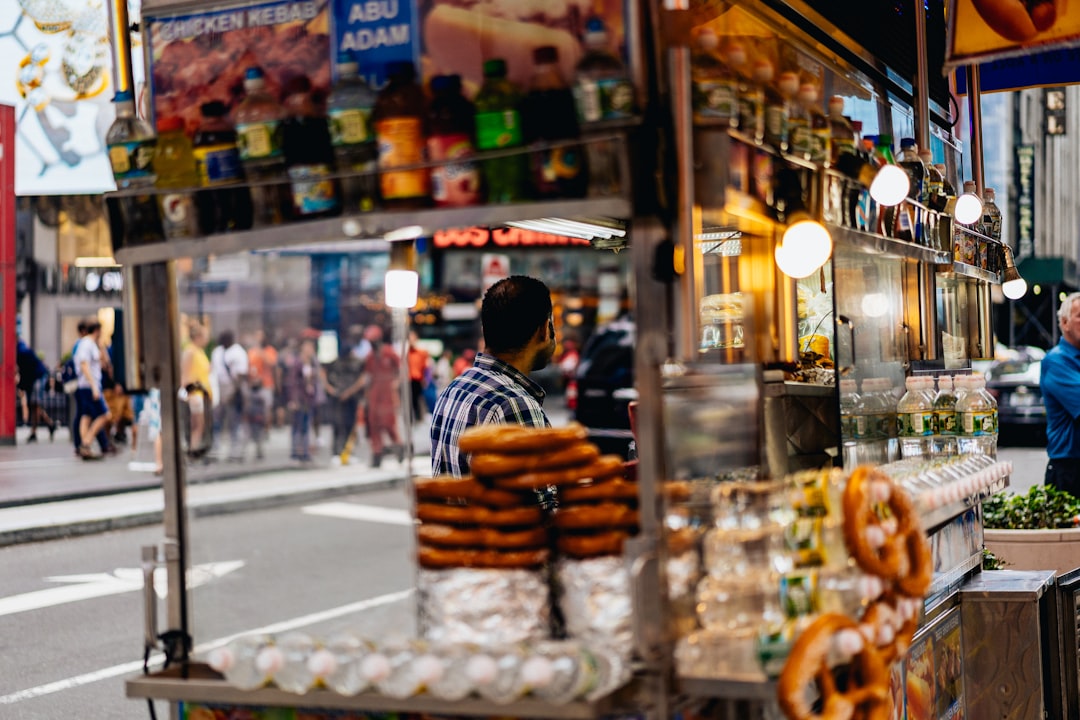
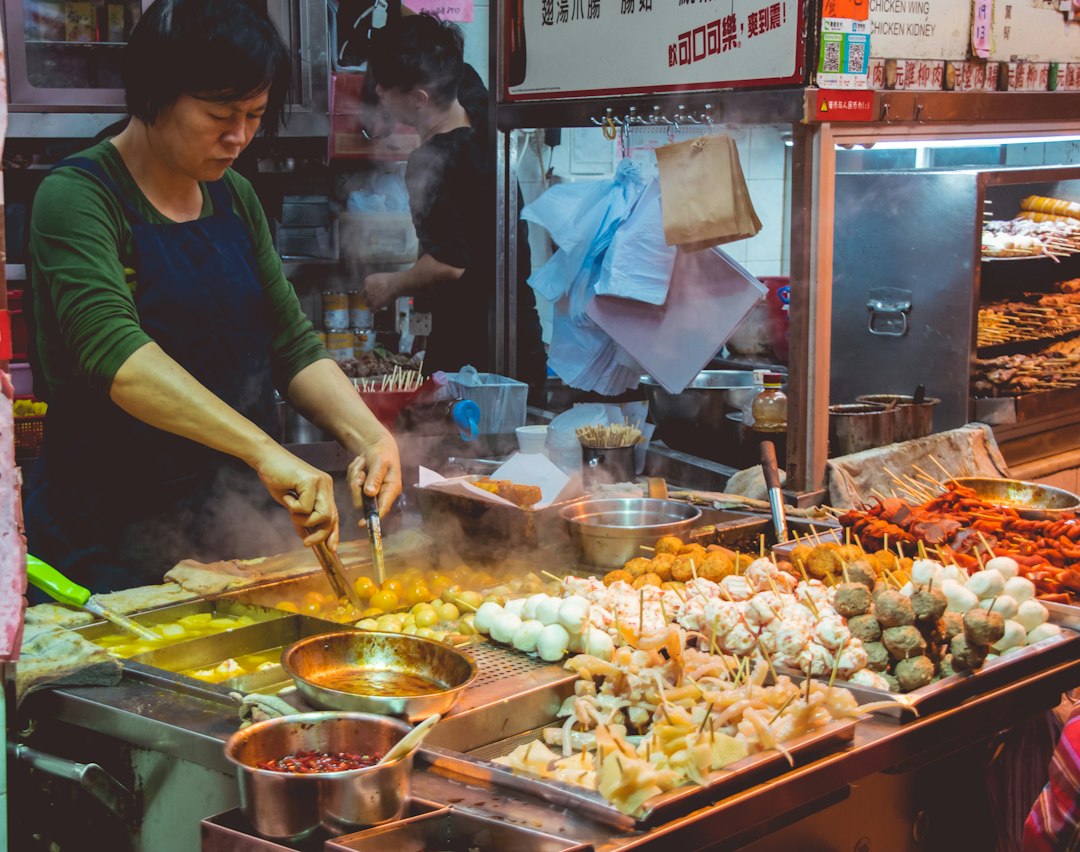
Photo by Dan Gold on Unsplash
The strongest food destinations are not always the ones with the highest number of famous chefs. The cities that stay with you tend to have edible rhythm: breakfast culture, lunch counters full of workers, markets that still serve residents, and late-night bites that feel as local at midnight as they do at noon. The best food cities worldwide share that everyday intensity. You can land tired, grab one dish, and immediately understand something real about the place.
They also offer range. A proper street food guide should not stop at cheap snacks; it should lead you from humble bowls to grand dining rooms, from old recipes to younger cooks reworking them. These places deliver both. Some are best explored by foot, some by metro, some by appetite-led wandering. All of them reward repeat meals, repeat neighborhoods, and repeat mistakes like saying yes to just one more skewer.
| City | Best for | Standout local dishes | Typical food budget per day | Best months |
|---|---|---|---|---|
| Bangkok | Late-night street eating | boat noodles, pad kra pao, mango sticky rice | USD 20-60 | Nov-Feb |
| Mexico City | Tacos and market culture | al pastor, esquites, torta de chilaquiles | USD 25-70 | Feb-May, Oct-Nov |
| Osaka | Casual comfort food | takoyaki, okonomiyaki, kushikatsu | USD 30-80 | Mar-May, Oct-Nov |
| Istanbul | Breakfast and meze | simit, menemen, balik ekmek, baklava | USD 25-75 | Apr-Jun, Sep-Nov |
| Palermo | Historic market snacking | arancine, panelle, sfincione | USD 25-65 | Apr-Jun, Sep-Oct |
| Hanoi | Broth, herbs, and coffee | pho, bun cha, cha ca, egg coffee | USD 15-45 | Oct-Apr |
| Lima | Seafood and modern Peruvian cooking | ceviche, causa, anticuchos | USD 30-90 | Dec-Apr |
| Marrakech | Spice-led medina feasting | tanjia, msemen, harira, mechoui | USD 20-70 | Mar-May, Sep-Nov |
Bangkok street food guide for late-night eating
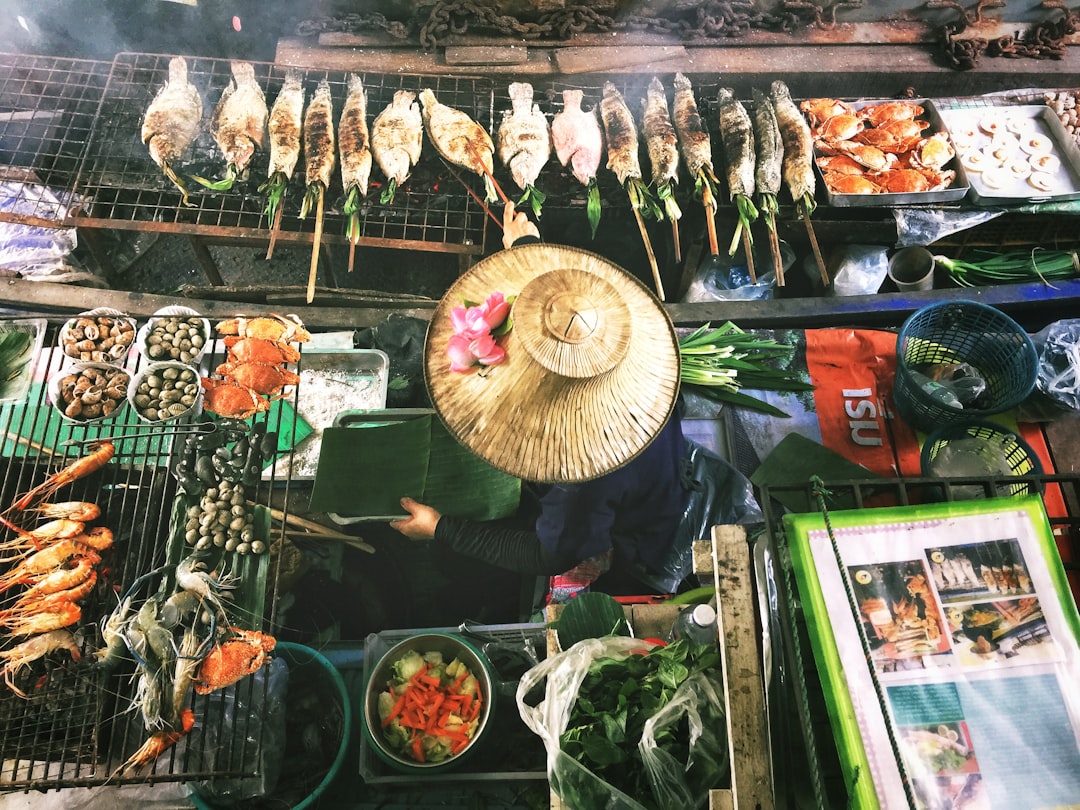
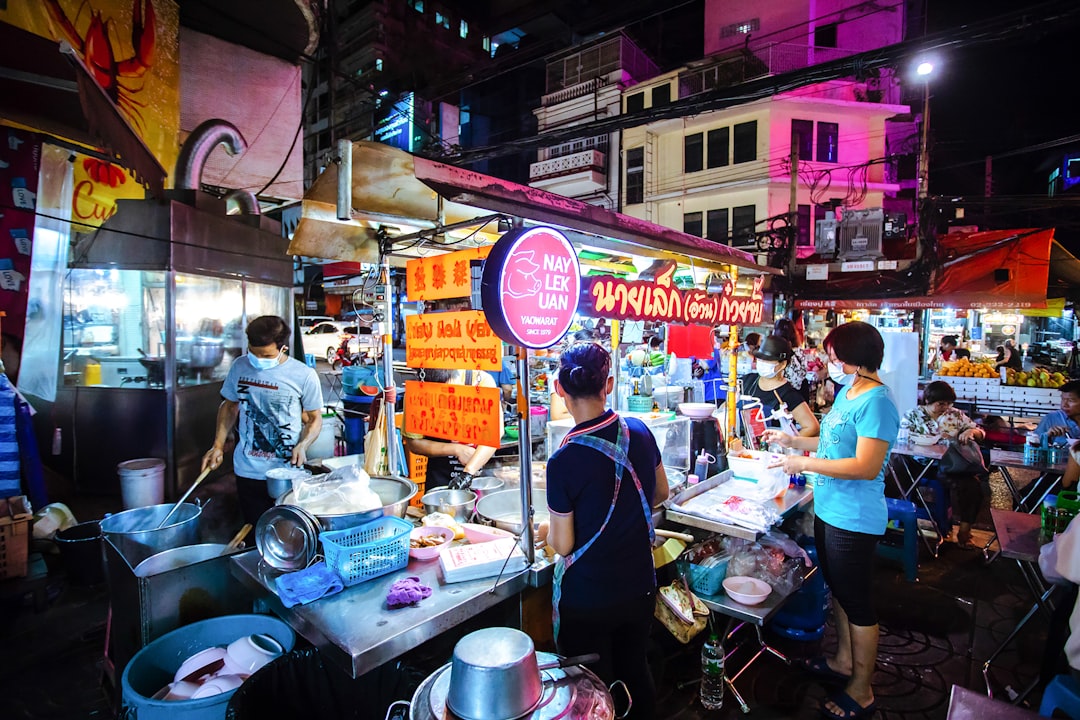
Photo by Lisheng Chang on Unsplash
Bangkok does not simply feed you; it overtakes your senses. A few minutes in Yaowarat and the air turns sweet with roasted chestnuts, salty with soy, smoky with charcoal, and sharp with crushed garlic. Scooters edge past plastic stools, temple roofs glow behind tangled wires, and every third cart seems to be frying something that smells better than the last. Among the best food cities worldwide, Bangkok may be the purest example of how a meal becomes urban theater.
What makes the city special is not only quantity but momentum. You can begin with one bowl of boat noodles near Victory Monument, slide into Chinatown for seafood and toast, then finish with mango sticky rice from a curbside vendor while the traffic still hums at 1 a.m. This is culinary travel at full volume: fast decisions, intense aromas, small bills, and the realization that a so-called snack district can deliver more flavor than many formal tasting menus.
For a first evening, start in Yaowarat Road and let the crowd pull you toward your appetite. For a more local rhythm, spend lunch around Nang Loeng Market or Wang Lang Market, where office workers and students keep the turnover high and the flavors honest. Bangkok is one of the best food cities worldwide because it gives equal dignity to a thirty-baht bowl and a reservation-only splurge.
What to order in Bangkok
- Boat noodles around Victory Monument, where dark, aromatic broth comes rich with spice and herbs.
- Pad kra pao with a crisp-edged fried egg at a no-frills shophouse in Silom or Ari.
- Guay jub, oyster omelet, grilled squid, and sesame buns along Yaowarat Road.
- Mango sticky rice from Kor Panich near the old city if you want a classic done right.
- A seafood splurge at Jay Fai if you are willing to book early and pay for the famous crab omelet.
Mexico City local dishes and market mornings
Eddie Patino
Mexico City wakes up hungry. Before the museums fill, griddles are already hissing, stockpots are steaming, and commuters are folding tacos one-handed on the sidewalk. The city is immense, but its flavor map feels intimate because food is anchored to neighborhoods: Roma for contemporary dining, Centro for old-school institutions, Coyoacan for market snacking, Narvarte and Escandon for everyday taquerias. In the conversation about the best food cities worldwide, few places match the capital for sheer edible range.
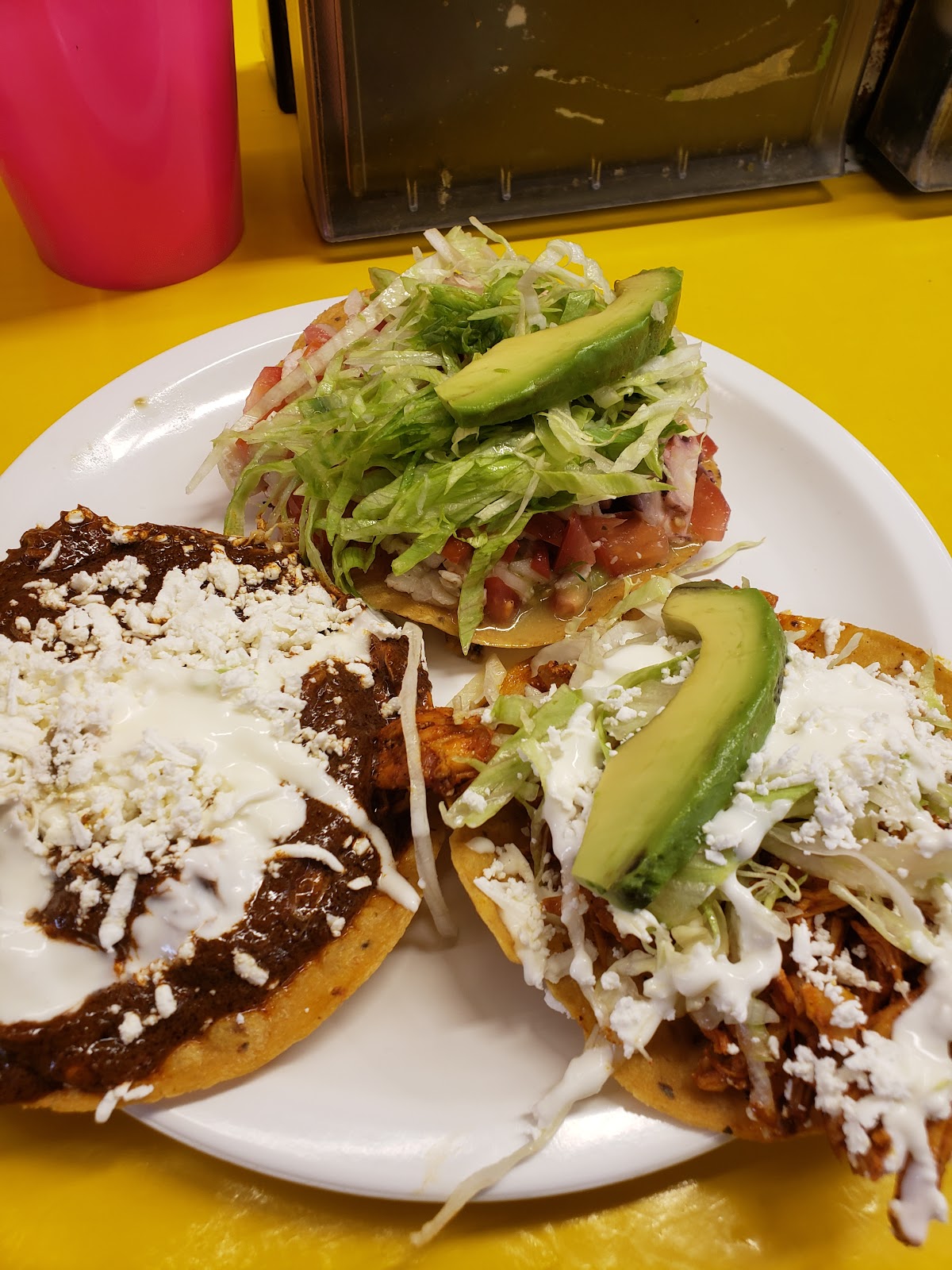
The secret is to stop thinking only in terms of dinner. One of the finest experiences here is a market morning: fresh tortillas landing warm in your palm, piles of green herbs, butcher counters shining red, tostadas dressed to order, cups of atole thick enough to count as breakfast. Then come the tacos al pastor, trompo shaved into pineapple-bright bites, followed by churros or a torta de chilaquiles if your judgment has already surrendered.
Mexico City also excels at contrast. You can eat brilliantly for a handful of pesos and then sit down to a meal where chefs reinterpret regional traditions without flattening them. That balance is why it belongs among the best food cities worldwide. A proper street food guide here means accepting that the city never truly runs out of specialties.
What to order in Mexico City
- Tacos al pastor at El Vilsito in Narvarte, especially late in the evening.
- Tostadas piled with seafood or pata at Mercado de Coyoacan.
- Esquites or elotes from a street cart in Condesa or Roma Norte.
- Torta de chilaquiles from a morning-only stand when you want the city at its most gloriously excessive.
- Seafood lunch at Contramar or a market crawl through Mercado de San Juan for cheeses, charcuterie, and unusual ingredients.
Osaka food markets and casual comfort classics
Osaka feels built for appetite. The city is brighter, looser, and more immediately snackable than many first-time visitors expect. Neon signs lean over canals, station basements hide superb counters, and smoke from kushikatsu fryers drifts into arcades where everyone seems to be en route to something tasty. Of all the best food cities worldwide, Osaka is one of the easiest to enjoy without overplanning.
Its genius lies in comfort. Takoyaki are best when still molten in the center, okonomiyaki when the sauce is glossy and generous, and kushikatsu when eaten standing up, one crisp skewer after another. There is formality in Japan, of course, but Osaka often feels delightfully unpretentious. You eat because it is delicious, because it is nearby, because the queue is short, because the smell wins. That democratic spirit makes it a dream city for culinary travel.
Come hungry for repetition. The same district can carry you through breakfast sushi, afternoon market browsing, izakaya snacks, and a midnight bowl of ramen. Osaka earns its spot among the best food cities worldwide because every neighborhood seems to have a house specialty and a strong opinion about where to find it.
What to order in Osaka
- Takoyaki in Dotonbori, ideally from a stand with a fast-moving line.
- Okonomiyaki at Fukutaro or another long-running griddle-led specialist in Namba.
- Kushikatsu in Shinsekai, where the old-school atmosphere is half the pleasure.
- Fresh sushi breakfast at Endo Sushi near Osaka Central Fish Market.
- Market snacks from Kuromon Ichiba, including grilled scallops, tuna skewers, and fruit cups.
Istanbul local dishes across two continents
Istanbul is a city of ferries, tea glasses, gulls, and impossible appetites. You cross the Bosphorus for the view and accidentally build a whole day around breakfast, simit, coffee, meze, and fish sandwiches. The pleasure here is layered: Byzantine echoes, Ottoman depth, modern energy, and neighborhoods that shift mood from one hill to the next. Among the best food cities worldwide, Istanbul stands out for how seamlessly food connects geography, history, and daily ritual.
Begin in Besiktas or Kadikoy and the city shows its generous side immediately: tomatoes glossy with olive oil, white cheese, honey, olives, cucumbers, menemen, flaky borek, and endless tea. Continue toward the market streets and your appetite moves from morning softness to sharper, bolder flavors: grilled offal, stuffed mussels, pickle juice, doner carved in ribbons, syrup-soaked baklava, and coffee so dense it seems to pause time.
Istanbul belongs on any list of the best food cities worldwide because it offers both breadth and mood. It is a place for long breakfasts, spontaneous ferry snacks, and dinners that drift into many small plates. If you love food markets that double as a lesson in urban life, the markets around Kadikoy and Eminonu are among the most revealing anywhere.
What to order in Istanbul
- Menemen, kaymak with honey, and simit in Besiktas for breakfast.
- Balik ekmek near Eminonu if you want a fast, iconic waterfront bite.
- Meze and regional dishes at Ciya Sofrasi in Kadikoy.
- Baklava from Karakoy Gulluoglu, where the butter and pistachio balance is the point.
- A classic Turkish lokanta lunch at Kanaat or another tray-lined institution.
Palermo street food guide through historic markets
Palermo feels rough-edged in the best possible way. Baroque facades flake in the heat, scooters skim past church fronts, and market vendors shout over pyramids of produce and trays of frying snacks. This is not polished food tourism. It is messy, loud, sun-struck, and deeply pleasurable. In the spectrum of the best food cities worldwide, Palermo is the city for travelers who want flavor with texture and history still visible on the walls.
Its local dishes are shaped by conquest, trade, and survival. Arab, Norman, Spanish, and broader Mediterranean influences all turn up in the city’s fried, stuffed, sweet, and street-ready cooking. Eat an arancina on a corner, then follow with panelle in bread, sfincione thick with onion and anchovy, or spleen sandwich if you want the old-school classic locals still argue about. The food is bold and direct, not delicate.
What makes Palermo special is that the old food markets are still social spaces, not just attractions. Ballaro in the morning, Capo at lunch, Vucciria as the day slides into night: each market reveals a different tone of the city. Palermo deserves its place among the best food cities worldwide because its cooking feels inseparable from its streets.
What to order in Palermo
- Arancine from a bakery or rosticceria near Teatro Massimo or the old center.
- Panelle and crocce in bread while wandering Ballaro Market.
- Sfincione from a historic bakery stall in Capo Market.
- Pane con la milza from Nni Franco U Vastiddaru if you want the classic spleen sandwich.
- Cannoli filled to order, preferably not long after lunch when your resolve is weakest.
Hanoi culinary travel from dawn broth to late coffee
Hanoi rewards early risers. The city is at its most seductive when chairs are still low on the pavement, broth is being ladled in the morning cool, and streets around Hoan Kiem and the Old Quarter smell of star anise, char, and fresh herbs. Among the best food cities worldwide, Hanoi may be the clearest argument for breakfast as a defining travel experience.
Pho here is not just a dish; it is a temperature, a fragrance, a tempo. You slurp, add herbs, maybe a squeeze of lime, and suddenly the day is underway. Then come bun cha at lunch, turmeric fish with dill in the evening, egg coffee in a narrow cafe upstairs, and late snacks from grills or sticky rice vendors as scooters stream by. The city has extraordinary depth without requiring a large budget, which makes it one of the most generous entries among the best food cities worldwide.
Hanoi is also a masterclass in balance. Sweet, sour, herbaceous, charred, brothy, crunchy: dishes land with precision while remaining casual and immediate. For travelers building a street food guide around repeated short stops rather than one big meal, few cities are more rewarding.
What to order in Hanoi
- Pho at Pho Gia Truyen Bat Dan or another busy morning specialist.
- Bun cha at lunchtime, preferably somewhere with smoke curling out to the street.
- Cha ca with dill and turmeric for a pan-sizzled Hanoi classic.
- Egg coffee at Cafe Giang when you want dessert and caffeine in the same cup.
- Banh cuon or xoi for a softer, lighter breakfast alternative.
Lima local dishes shaped by the Pacific
Lima tastes like a city that has learned to take its ingredients seriously. The Pacific lands on the plate with confidence, citrus sharpens everything, and even a casual lunch can feel startlingly precise. If Bangkok is about sensory overload and Palermo about market grit, Lima is about freshness and control. It earns its place among the best food cities worldwide because the city turns seafood, chilies, potatoes, and regional traditions into meals that feel both rooted and modern.
The best day here begins with a market or a neighborhood cafe, moves into a ceviche lunch while the fish is still at its brightest, and then stretches into pisco, grilled anticuchos, or a long criollo dinner. Miraflores and Barranco get much of the attention, but Surquillo matters too, especially if you want to understand how chefs and home cooks shop. A good market visit reveals the logic of Peruvian cooking better than any menu description.
Lima also offers one of the richest ladders of dining in the world. A humble sandwich shop, a picanteria-inspired table, and a globally celebrated tasting room can all fit in the same trip without feeling disconnected. That layered experience is exactly why Lima belongs among the best food cities worldwide and why culinary travel fans often return.
What to order in Lima
- Ceviche for lunch, never too late in the day, at La Mar or a trusted local cebicheria.
- Causa filled with chicken, tuna, or seafood for a bright potato-based classic.
- Anticuchos in the evening from a grill stand or a criollo restaurant.
- Lomo saltado when you want Peru’s Chinese-influenced comfort on one plate.
- Market fruit juices and produce browsing in Surquillo to understand the pantry behind the menus.
Marrakech food markets, spices, and slow-cooked classics
Marrakech enters through the nose first. Orange blossom, charcoal, cumin, grilled lamb fat, mint, warm bread, and the sweet dust of the medina all arrive before the dish itself. At dusk, Jemaa el-Fnaa shifts from open square to edible stage set, with smoke rising in threads and stall lights brightening as the call to prayer fades. In any conversation about the best food cities worldwide, Marrakech belongs there for atmosphere alone.
But the city is more than spectacle. The real pleasure is in moving beyond the busiest square and into slower meals: msemen with honey in the morning, tanjia cooked until spoon-soft, harira after sunset, olives and preserved lemon in market lanes, pastries perfumed with almond and sesame. Marrakech rewards those who divide their hunger between the obvious and the overlooked. Its food markets teach you how central bread, spice, and hospitality are to everyday eating.
Few places make you feel the emotional side of culinary travel as strongly. Meals are communal, tactile, fragrant, and often slow. Marrakech is one of the best food cities worldwide because the city asks you to linger, pour another glass of mint tea, and let flavor unfold rather than chase the next stop too quickly.
What to order in Marrakech
- Msemen or baghrir with coffee at a local breakfast cafe in Gueliz or near the medina.
- Tanjia, the city’s signature slow-cooked meat dish, in a traditional restaurant.
- Harira and dates, especially in the cooler months or around sunset.
- Mechoui for deeply roasted lamb when you want something celebratory.
- Fresh orange juice, olives, pastries, and spice browsing in the souks.
How to get there
Food trips feel better when arrivals are easy. The most satisfying cities on this list are also relatively straightforward to enter, whether by major international airport, fast rail, or regional bus. Still, the difference between landing near the right neighborhood and landing far from it can shape your first day, especially if all you really want is to drop your bag and start eating.
The table below focuses on the practical side of reaching the best food cities worldwide in this guide: airport codes, transfer times, and a useful overland option if you are extending a wider trip. For long-haul hops across several regions, it is worth reading How to Beat Jet Lag in 2026: Science-Backed Remedies before you plan a tasting-heavy first day.
| City | Main airport and official site | Typical transfer to food districts | Useful overland route |
|---|---|---|---|
| Bangkok | BKK Suvarnabhumi - airport site | Airport Rail Link to Phaya Thai 30 min, 35-45 THB; taxi to Yaowarat 40-70 min, 350-500 THB plus tolls | Ayutthaya to Bangkok by train, 1.5-2 hours, from about 20-300 THB depending on class |
| Mexico City | MEX Benito Juarez - airport site | Metrobus Line 4 to Centro 30-40 min, around 30 MXN; authorized taxi to Roma or Condesa 25-45 min, 250-350 MXN | Puebla to Mexico City by ADO bus, about 2.5 hours, roughly 240-400 MXN |
| Osaka | KIX Kansai - airport site | Nankai Rapi:t to Namba about 45 min, around 1,490 JPY; Haruka to Shin-Osaka about 50 min, around 2,400 JPY | Tokyo to Shin-Osaka by Shinkansen, about 2 hours 30 minutes, from roughly 14,500 JPY |
| Istanbul | IST Istanbul Airport - airport site | Havaist bus to Sultanahmet or Taksim 60-90 min, about 180-220 TRY; metro and tram combo 60-75 min, lower cost | Ankara to Istanbul by YHT fast train, about 4.5-5 hours, fares vary by class |
| Palermo | PMO Falcone Borsellino - airport site | Trinacria Express to Palermo Centrale about 50 min, EUR 6.80; taxi 35-45 min, EUR 40-55 | Naples to Palermo by overnight ferry, roughly 9.5-10.5 hours, fares from about EUR 45 |
| Hanoi | HAN Noi Bai - airport site | Bus 86 to Old Quarter 45-60 min, 45,000 VND; taxi 35-50 min, 300,000-400,000 VND | Ninh Binh to Hanoi by limousine van or train, about 2-2.5 hours, from roughly 120,000-250,000 VND |
| Lima | LIM Jorge Chavez - airport site | Taxi or app ride to Miraflores 45-60 min, usually 60-90 PEN depending on traffic | Paracas to Lima by bus, around 4 hours, often 50-90 PEN |
| Marrakech | RAK Menara - airport site | Alsa Airport Shuttle L19 to medina area 25-30 min, around 30 MAD; taxi 15-25 min, 100-150 MAD daytime | Casablanca to Marrakech by train, about 2 hours 40 minutes, from roughly 150 MAD |
Things to do beyond the plate
A great food trip is not a sequence of restaurant reservations. Appetite grows with context. The most memorable meals usually land after a market walk, a ferry ride, a museum, a canal stroll, or a sunrise in a neighborhood that is just beginning to wake. In the best food cities worldwide, those non-eating moments sharpen your sense of place and, conveniently, make room for the next dish.
Think of these activities as appetite setters rather than sightseeing chores. Each one pairs naturally with nearby food markets, snack streets, or classic lunch stops, so you can structure a day that feels rich rather than rushed.
- Bangkok: Take a morning walk through Talat Noi and the riverside lanes before breakfast in Chinatown. Add Wat Traimit and the Chao Phraya river boats for a wider sense of the old trading city.
- Mexico City: Visit Mercado de San Juan, then continue to the Alameda Central and the Palacio de Bellas Artes area before a taco crawl in Centro or Roma.
- Osaka: Ride up to the Umeda Sky Building for a city view, then drop back into Namba for an afternoon of takoyaki and canal-side wandering in Dotonbori.
- Istanbul: Cross the Bosphorus by ferry from Eminonu to Kadikoy, browse the market streets, then settle into meze and tea as the city changes light.
- Palermo: Walk from Quattro Canti through Ballaro Market to the Palermo Cathedral and the Norman Palace, snacking as you go.
- Hanoi: Circle Hoan Kiem Lake at dawn, watch tai chi and street sweeping, then head into the Old Quarter for pho and coffee.
- Lima: Explore the stalls of Mercado No. 1 de Surquillo, then walk the Miraflores Malecon or the Barranco bridge district before ceviche lunch.
- Marrakech: Wander the Bahia Palace and the quieter lanes south of Jemaa el-Fnaa in the late afternoon, then return to the square when the grills fire up.
Where to stay
On a food-focused trip, location matters more than thread count. The right base lets you walk to breakfast, return for a short rest after lunch, and head back out without turning every dinner into a transport problem. In most of the best food cities worldwide, staying one neighborhood over from the obvious tourist core often gets you better value and better meals.
Look for districts with easy transit and strong local eating culture: Chinatown or the riverside in Bangkok, Roma or Condesa in Mexico City, Namba in Osaka, Karakoy or Kadikoy in Istanbul, the historic center in Palermo, the Old Quarter fringe in Hanoi, Miraflores or Barranco in Lima, and the medina edge or Gueliz in Marrakech. Prices below are typical 2026 nightly ranges, though festivals and holidays can push them higher.
Budget
- Lub d Bangkok Chinatown, Bangkok: roughly USD 35-55 for private rooms, less for dorms; excellent base for a serious street food guide around Yaowarat.
- Casa Pepe, Mexico City: around USD 20-40 for dorms and about USD 60-90 for private rooms; walkable to Centro eats and easy for market mornings.
- Sultan Hostel and Guesthouse, Istanbul: around USD 45-75 for doubles in Sultanahmet; simple but well placed for ferries, trams, and old-city snacking.
Mid-range
- The Quarter Hualamphong by UHG, Bangkok: around USD 55-95; useful for Chinatown, rail links, and quick hops across the city.
- Nena Hotel, Istanbul: about USD 110-170; comfortable base with easy tram access and good breakfast before long tasting days.
- Arawi Miraflores Prime, Lima: roughly USD 85-140; practical for Miraflores dining and a short ride to Surquillo market.
Luxury
- Mandarin Oriental Bangkok, Bangkok: usually USD 450 and up; old-world riverside glamour with serious dining and easy boat access.
- Raffles Istanbul, Istanbul: roughly USD 450-700; polished comfort if you want high-end recovery after aggressive market wandering.
- Villa Igiea, Palermo: often EUR 500 and up; not in the thick of the market lanes, but a memorable splurge with Sicilian elegance and sea views.
Where to eat
The trick in the best food cities worldwide is not finding good food. It is editing. Most travelers overbook dinner and underplan snacks, markets, breakfast, and mid-afternoon hunger. A smarter approach is to set one anchor meal per day and let the rest happen in motion: one bakery, one market, one sweet stop, one late bite. That rhythm gives your trip shape without killing spontaneity.
Below are reliable starting points rather than exhaustive lists. Use them as anchors, then follow your nose. If you travel with dietary restrictions, read Traveling With Allergies Tips for Safer Trips in 2026 before you build a tasting route through busy markets and street stalls.
- Bangkok: Yaowarat Road for seafood, noodles, buns, and desserts; Wang Lang Market for daytime local snacks; Soei for deeply satisfying Thai comfort dishes; Jay Fai if you want one famous reservation.
- Mexico City: El Vilsito for al pastor; Mercado de Coyoacan for tostadas; Mercado de San Juan for ingredients and bites; Contramar for a polished seafood lunch; Churreria El Moro for a sugar-fueled pause.
- Osaka: Kuromon Ichiba for grazing; Takoyaki Wanaka in Namba; Fukutaro for okonomiyaki; Endo Sushi for breakfast; Kushikatsu Daruma for a classic Shinsekai stop.
- Istanbul: Ciya Sofrasi in Kadikoy for regional depth; Karakoy Gulluoglu for baklava; Besiktas breakfast halls; Kanaat Lokantasi for Turkish home-style trays; Kadikoy Carsi for market eating and tea.
- Palermo: Ballaro and Capo markets for a true street food guide; Antica Focacceria San Francesco for Sicilian classics; Nni Franco U Vastiddaru for pane con la milza; Osteria Ballaro for a slower sit-down dinner.
- Hanoi: Pho Gia Truyen Bat Dan for morning pho; Bun Cha Ta if you want a dependable central option; Cha Ca Thang Long for the dill-heavy fish specialty; Cafe Giang for egg coffee; Dong Xuan Market for browsing and snack detours.
- Lima: La Mar for ceviche; Isolina in Barranco for hearty criollo plates; Mercado No. 1 de Surquillo for produce and lunch counters; El Chinito for sandwiches; La Picanteria for seafood depth and a more local energy.
- Marrakech: Jemaa el-Fnaa stalls for atmosphere; Le Trou au Mur for a refined traditional meal; Nomad for a rooftop pause; Cafe des Epices for tea and people-watching; the souk bakeries and breakfast spots for daily local dishes done simply.
Practical tips for food tours and local dishes
The most successful food trips are built around appetite cycles rather than attraction lists. Start early in cities with strong breakfast culture, leave room for market detours, and never stack two heavy tasting menus in the same day. The best food cities worldwide are rewarding precisely because they invite unplanned eating: a skewer you did not expect, a pastry you notice in a bakery window, a second lunch because the first one was too good to count as enough.
Pack for movement. Shoes matter more than formal clothes. A foldable tote is useful for market purchases, tissues are handy at casual stalls, and a small bottle of sanitizer will get used often. If you are traveling carry-on only, the logic in Carry-On Packing Tips 2026: The Trip-by-Trip Capsule System works especially well for food-led trips with lots of neighborhood walking. Also remember that queue culture, payment habits, and meal times vary sharply by city. Respect the local rhythm and meals become much easier.
Quick planning notes
- Cash still helps: Bangkok, Hanoi, Palermo markets, and Marrakech street stalls often work best with small notes. Mexico City and Lima are increasingly card-friendly but cash remains useful.
- Best months: Shoulder seasons usually win. Heat and humidity can dull appetite, while cooler months make market wandering easier.
- Safety: Busy eating districts are generally fine, but pickpocketing is real in crowded transport hubs and markets. Keep phones secure and avoid flashing cash.
- Connectivity: eSIMs are widely available in most of these destinations; airport kiosks usually cost more than buying in town.
- Customs: In Osaka and Hanoi, lines move quickly and space is tight; decide fast. In Istanbul and Marrakech, lingering over tea is part of the experience. In Mexico City, condiment confidence matters, but taste salsas before drenching.
- Health: Eat widely, but pace raw seafood and rich foods if you are changing climates or time zones. Hydration matters more than travelers admit.
| City | Best months | Weather feel | Currency |
|---|---|---|---|
| Bangkok | Nov-Feb | Warm, less rainy, still humid | Thai baht |
| Mexico City | Feb-May, Oct-Nov | Mild days, cool evenings, lower rain | Mexican peso |
| Osaka | Mar-May, Oct-Nov | Pleasant, sometimes crisp, ideal for walking | Japanese yen |
| Istanbul | Apr-Jun, Sep-Nov | Mild to warm, breezy by the water | Turkish lira |
| Palermo | Apr-Jun, Sep-Oct | Sunny and warm without peak summer intensity | Euro |
| Hanoi | Oct-Apr | Drier, cooler, better for street eating | Vietnamese dong |
| Lima | Dec-Apr | Warmest coastal season, gray skies less dominant | Peruvian sol |
| Marrakech | Mar-May, Sep-Nov | Warm days, cooler nights, manageable heat | Moroccan dirham |
FAQ
Food questions tend to sound simple but hide real planning concerns: How much should you budget, when should you book, and which city works best for your own eating style? The answers depend on whether you want market grazing, serious restaurant reservations, or a trip structured around local dishes you can eat without much planning.
These are the questions travelers ask most often when comparing the best food cities worldwide for a first or next food-focused journey.
Which city is best for first-time food travelers?
Bangkok and Mexico City are fantastic first picks. Both offer obvious eating districts, strong public transport or ride-hailing, huge variety, and enough iconic dishes that even a short visit feels rewarding.
What is the cheapest city on this list for a food tour?
Hanoi is often the best value, with excellent breakfasts, coffee, and noodle meals at very low prices. Bangkok can also be extremely affordable if you focus on markets and casual local places rather than destination restaurants.
Which city is best for street food?
Bangkok, Hanoi, and Palermo are the strongest pure street food guide cities in this lineup, though Mexico City is right behind them thanks to tacos, market stalls, and neighborhood carts.
Which city is best for seafood lovers?
Lima leads for seafood depth and quality, especially if ceviche, tiradito, and broader coastal Peruvian cooking are your priorities. Bangkok and Palermo are excellent if you want seafood in more informal market and street settings.
How far ahead should I book restaurants?
For casual eating, very little. For famous names such as Jay Fai in Bangkok or top-tier Lima tasting rooms, book weeks or even months ahead. In cities like Palermo, Hanoi, and Marrakech, the most memorable bites often need no booking at all.
A truly memorable food city does more than feed you well. It changes how you walk, how you schedule a day, how closely you pay attention to smoke on the air or a line of locals outside a tiny shop. The best food cities worldwide are not only destinations for eating; they are places that teach you how a city tastes when its daily life is still visible on the plate.
If you choose by craving rather than by trend, you are unlikely to go wrong. Follow noodles to Bangkok, tacos to Mexico City, comfort to Osaka, breakfast to Istanbul, market grit to Palermo, broth to Hanoi, seafood to Lima, and spice to Marrakech. The world gets much easier to understand once you start with lunch.