You do not need a bigger suitcase. You need better decisions. The best carry on packing tips are less about squeezing fabric into corners and more about understanding what a trip actually asks of you. Once you stop packing for fantasy dinners, surprise weather, and hypothetical emergencies, a single cabin bag starts to feel almost luxurious.
The trick is that every trip has a different rhythm. A beach holiday smells like sunscreen and salt, a city break means stone steps and café tables, a work trip lives between laptop chargers and crisp shirts, and a winter weekend is all about warmth without bulk. This guide is built around those rhythms, so you can use carry on packing tips in a way that feels realistic, not restrictive.
If you have ever stood on a hotel room rug surrounded by piles of clothes, trying to decide whether the second pair of shoes is worth the space, this is for you. Instead of one generic formula, you will get a flexible carry on packing list, a repeatable packing system, and specific examples for city, beach, work, and cold-weather trips. The result is the same every time: you walk past baggage claim, step onto the train or bus faster, and start the trip feeling light.
Why most travelers run out of room before the trip even begins
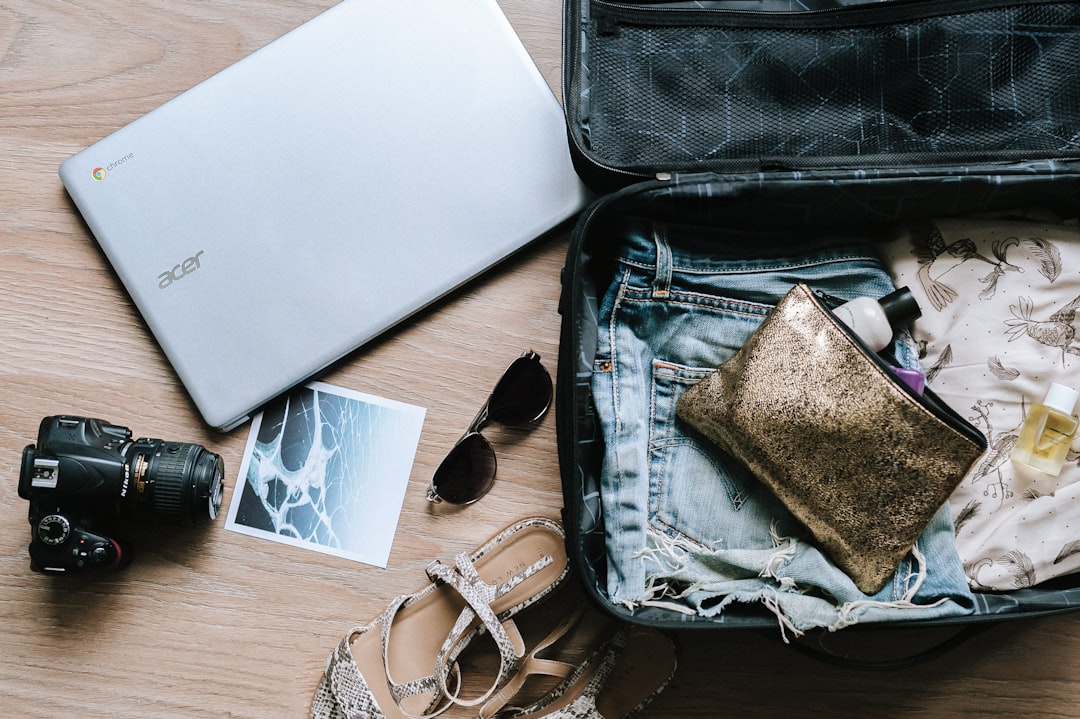
Photo by Anete Lūsiņa on Unsplash
Most overpacking happens long before you touch the zipper. It starts in your imagination. You picture one rainy morning, one fancy dinner, one workout you may never do, one extra pair of shoes for an outfit that does not match the weather, and suddenly your bag is full of backup plans. The problem is not that you lack discipline. The problem is that most people build a suitcase around fear.
The most useful carry on packing tips feel almost boring at first because they ask you to be honest. How many outfits do you actually wear on a four-day city break? How often do you really switch jackets? Will you truly need three full-size beauty products when there is a pharmacy at your destination? The freedom of one bag travel comes from accepting that almost every destination has soap, snacks, laundry, and a shop selling anything you forgot.
Before you pack a single item, follow these rules:
- Pack for your real itinerary, not your imaginary one.
- Build outfits around one color palette, ideally neutrals plus one accent color.
- Limit shoes to two pairs total, including the pair on your feet.
- Assume you will repeat outfits and do a light wash if needed.
- Give every item at least two jobs. A button-down can work as a dinner layer, beach cover-up, or light overshirt.
- If an item is cheap and easy to buy on arrival, leave it home.
- Weigh your bag the night before, not at the airport.
That last point matters more than travelers think. Many airlines still allow generous cabin dimensions, but budget carriers can be strict on both size and weight. A bag that looks small can still get flagged if it bulges or tips over the limit.
| Airline type | Typical cabin size limit | Typical weight limit | What it means in practice |
|---|---|---|---|
| Full-service long-haul carriers | 55 x 35 x 23 cm to 56 x 45 x 25 cm | 7 to 10 kg | Easier for a structured carry on suitcase or travel backpack |
| European budget airlines | Around 55 x 40 x 20 cm for paid cabin bag | Often 10 kg | Great for a 35L to 40L bag if packed tightly |
| Asian low-cost carriers | Around 55 x 36 x 23 cm | Often 7 kg | Weight matters more than space |
| US domestic major airlines | Around 56 x 36 x 23 cm | Often no official limit, but gate checks happen | Bulk can matter more than the scale |
For long flights, the easiest way to keep bulk out of the bag is to wear your heaviest layers on the plane and lean on comfort basics from Long-Haul Flight Comfort 2026: The Hour-by-Hour Plan, especially if your jacket, socks, and scarf are doing double duty in cold cabins.
Carry on packing tips that create space before you zip
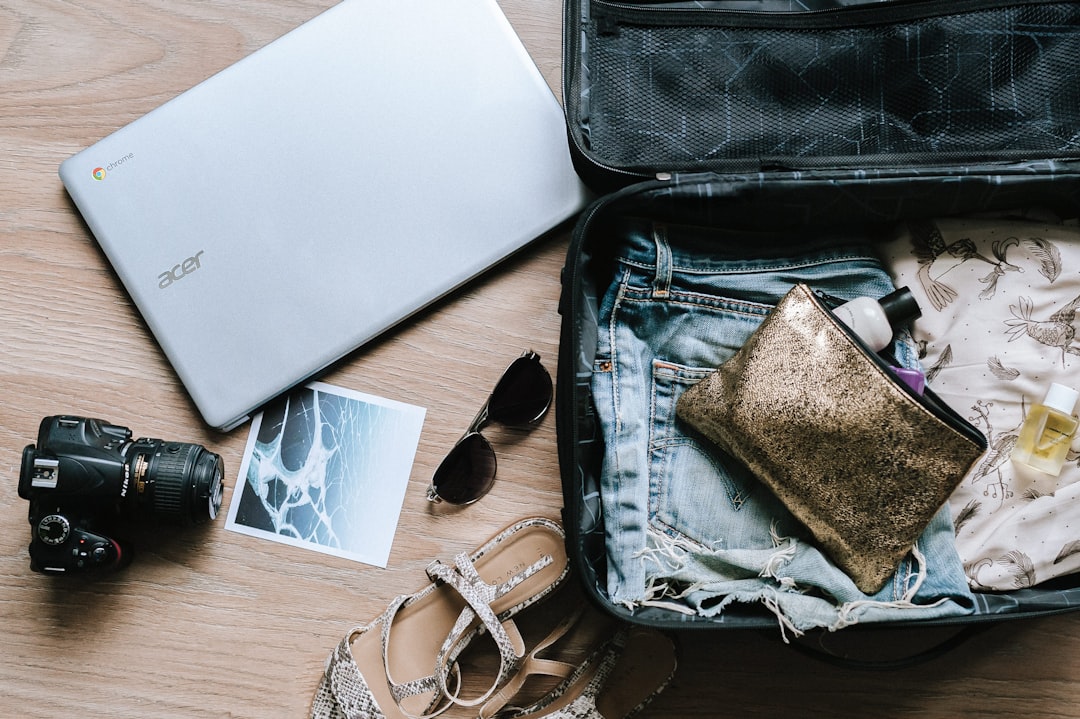
Photo by Anete Lūsiņa on Unsplash
The smartest carry on packing tips happen in three stages: choose the right bag, reduce the clothing volume, then organize by access. Travelers often reverse that order. They buy a suitcase first, pile in too many clothes second, and only think about airport flow when they cannot find a passport or charger at security.
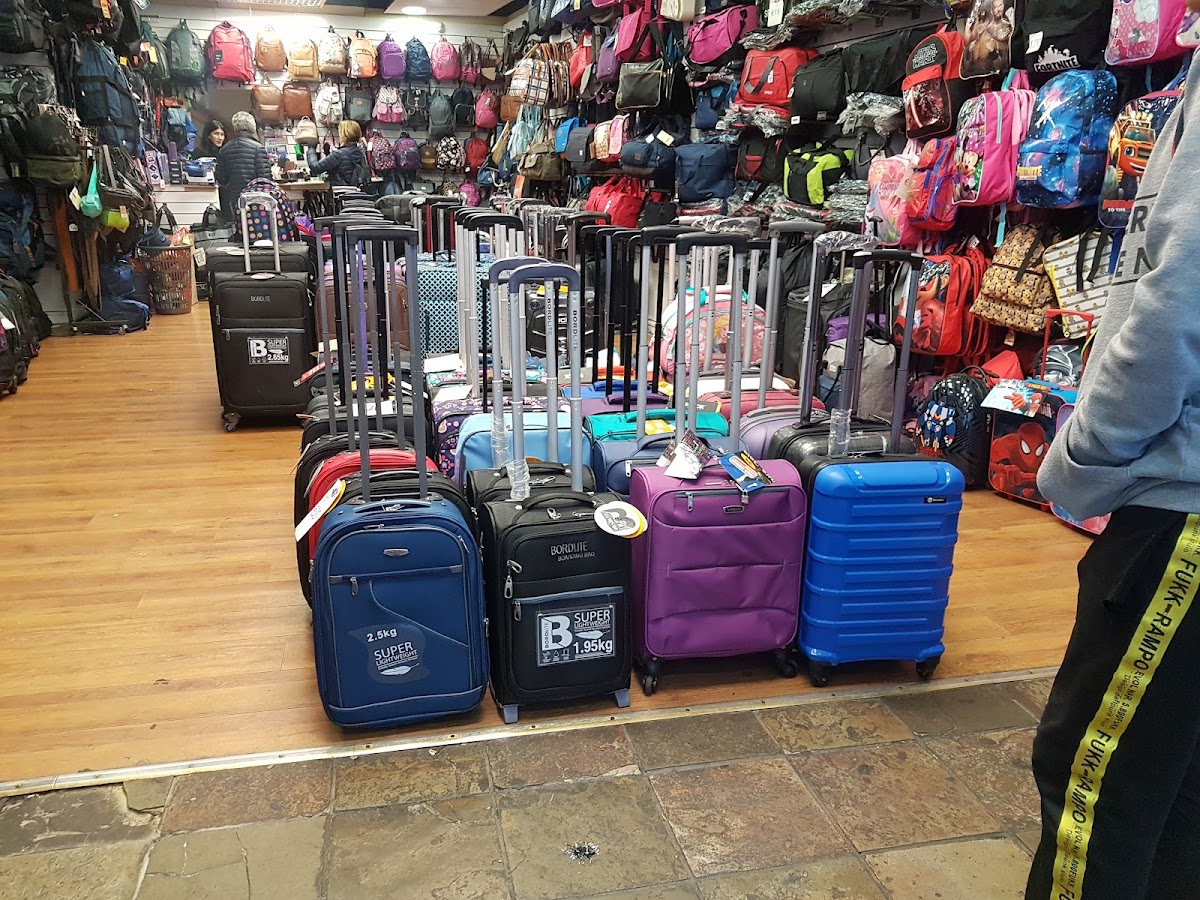
Start smaller than your ego wants. A 35L to 40L travel backpack or a compact four-wheel carry on suitcase usually forces better choices than a max-size roller. The point is not to punish yourself. The point is to make your limits visible. A smaller bag improves your packing instincts because each item has to earn its space.
Here is the carry-on formula I return to again and again:
- Wear the bulkiest layer and heaviest shoes in transit.
- Pack no more than five days of core clothing, even for longer trips.
- Choose quick-dry or odor-resistant fabrics where possible.
- Use packing cubes to separate categories, not outfits.
- Keep liquids tiny and favor solids whenever possible.
- Reserve one cube or pouch for dirty laundry and receipts.
- Put airport items on top: documents, clear liquids bag, charging cable, medication, pen.
This is where travelers discover that packing cubes are less about compression and more about logic. A good cube system turns your bag into a drawer set. One cube for tops, one for bottoms, one for socks and underwear, one pouch for cables, one small bag for toiletries. You stop tearing through the entire bag to find one T-shirt. You also see very quickly when you have packed too much of one category.
A few gear rules make a huge difference:
- Choose a clamshell bag if you prefer suitcase-style access.
- Choose a backpack if your trip includes stairs, trains, ferries, old town streets, or frequent hotel changes.
- Skip bags with thick padding and too many outer pockets; they steal usable volume.
- Bring one universal plug adapter and one short multi-port charger instead of several bricks.
- Take a collapsible tote or packable day bag instead of a second structured bag.
When travelers ask for carry on packing tips, what they often really need is permission to repeat clothes. That is the hinge between chaos and control. Pack for rotation, not freshness theater.
A universal carry on packing list for almost any trip
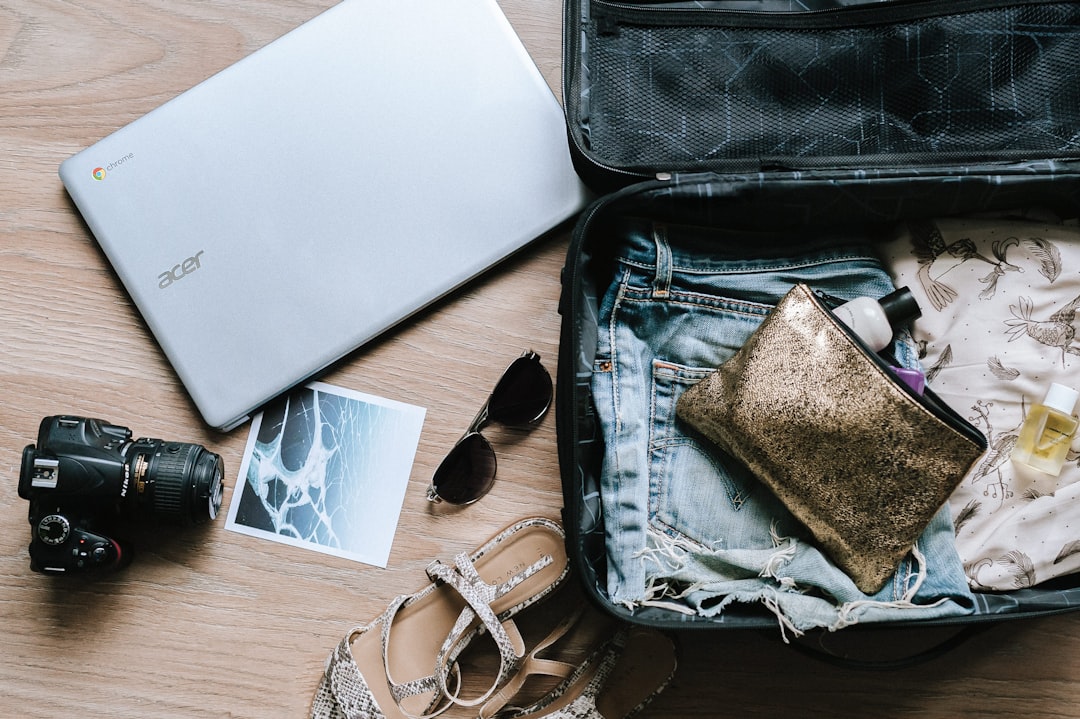
Photo by Anete Lūsiņa on Unsplash
A good carry on packing list should feel like a skeleton, not a script. You are not trying to build the exact same bag for Rome in April, Mallorca in July, and New York in November. You are building a reliable base, then swapping in a few pieces for climate and purpose. Once you get this base right, one bag travel stops feeling like a stunt and starts feeling normal.
Think of this as your permanent travel core. It fits a weekend or stretches into ten days with laundry. It is also the easiest place to reduce volume because most travelers carry too many duplicates, too many fabrics that dry slowly, and too many products in large containers.
Clothing core
- 4 tops that can all pair with every bottom
- 2 bottoms
- 1 versatile outer layer
- 1 sleep set or clothes that double as sleepwear
- 4 underwear
- 3 pairs of socks
- 1 packed shoe, maximum
- 1 compact accessory such as a scarf, cap, or swimsuit depending on destination
Toiletries core
- Toothbrush and small toothpaste
- Solid deodorant
- Small cleanser or soap bar
- Tiny moisturizer
- Travel sunscreen if arriving late, then buy more locally if needed
- Razor if you use one
- Essential medication in original packaging where possible
- Clear liquids pouch for airport screening
If you travel with prescriptions, antihistamines, or backup medical items, streamline that kit carefully rather than skipping it. The advice in Traveling With Allergies Tips for Safer Trips in 2026 is especially useful for keeping a medical pouch small, clear, and easy to access.
Tech core
- Phone
- Charging cable
- Power bank under airline limits
- Universal adapter
- Earbuds or headphones
- Laptop or tablet only if the trip truly requires it
- E-reader if you normally pack books
Photographers should be ruthless here. A dedicated camera can be worth the space, but only if it matches the trip. If you are deciding what deserves room in a cabin bag, Essential Travel Photography Gear for Every Trip in 2026 helps separate real needs from gear guilt.
Documents core
- Passport or ID
- Payment cards
- Backup payment card stored separately
- Boarding pass or app access
- Hotel addresses saved offline
- Travel insurance details
- A few local currency notes when useful
The most efficient carry on packing list is not the longest one. It is the one you can memorize.
How to pack light for travel on a city break
A city break is where people usually overpack because urban travel feels deceptively stylish. You imagine dinners, museums, rooftops, photos, transit days, and maybe one unexpectedly elegant bar. The city itself pushes you toward options. Stone plazas glow at sunset, café tables spill into the street, and every outfit suddenly feels public. But the truth is that city breaks reward uniform dressing more than variety.
Think of Lisbon, Copenhagen, Barcelona, or Amsterdam: you are walking more than you expect, climbing stairs more than you planned, and often moving between weather conditions in one day. Morning can feel cool near the river, midday hot in direct sun, and evening breezy enough for a layer. The winning formula is not more clothing. It is a sharper mix of lighter layers.
For a three- to five-day city break, use this packing system:
- 3 tops in coordinated colors
- 1 nicer top or shirt for dinner
- 2 bottoms, ideally one darker and one lighter
- 1 lightweight knit or overshirt
- 1 packable rain shell or trench-style layer
- 1 pair of comfortable walking shoes worn on the plane
- 1 compact sandal, loafer, or flat if needed
- 1 sleep set
- 4 underwear
- 3 socks
- Minimal jewelry or accessories
City-break notes that save space:
- A black or navy trouser can work for flights, museums, and dinner.
- White sneakers take too much maintenance unless you are committed to cleaning them.
- Denim is durable but heavy; one pair is enough if you bring it at all.
- A thin merino or technical tee can be worn multiple times without smelling tired.
- Crossbody bags are more practical than bulky totes on crowded transit.
These carry on packing tips matter most in old neighborhoods where elevators are rare and pavements are uneven. A lighter bag changes the feel of arrival. You notice the bakery smell from a side street, the ring of tram bells, the music drifting from a square. You are not thinking about your luggage because it is not fighting you.
Carry on packing tips for a beach trip without wasted space
Beach trips trick people in the opposite direction. Because the clothes are physically smaller, travelers assume they can pack endlessly. Another swimsuit. Another cover-up. Another sandal. Another giant bottle of sunscreen. By the time the bag is closed, half the weight is beauty products and half the space is being stolen by things that could have been bought ten minutes after landing.
A beach week should feel airy before it starts. Picture arriving in Palma or Faro with one small bag, stepping into warm air that smells faintly of sunscreen and sea salt, then heading straight to the hotel without the drag of checked luggage. That is the point of one bag travel on coastal trips: less waiting, less hauling, less friction between airport and first swim.
For a five- to seven-day beach trip, pack this instead:
- 3 lightweight tops or tanks
- 2 shorts or skirts
- 1 loose trouser or shirt dress for evenings and transit
- 1 light layer for boats, ferries, or air-conditioned spaces
- 2 swimsuits, not 4
- 1 pair of walking sandals or trainers worn in transit
- 1 pair of flip-flops or slim sandals packed flat
- 1 hat that can be worn, not crushed
- 1 microfiber towel only if your accommodation does not provide one
- 4 underwear
- 2 socks if traveling in sandals most days
Beach-trip volume savers:
- Bring only a small arrival-size sunscreen and buy the full-size bottle locally.
- Use one shirt as both beach cover-up and casual dinner layer.
- Avoid large toiletry bottles that can leak under heat and pressure.
- Choose a swimsuit color that works under your main shorts so pieces can double.
- Skip bulky hair tools unless the trip centers on events.
The best carry on packing tips for seaside travel are all about resisting duplication. The coast does not care how many outfits you packed. Salt air, sun, and a late waterfront dinner make simple clothes look exactly right.
One bag travel for a work trip that still looks polished
Work travel is the hardest category for many people because professionalism feels heavy. Blazers, shoes, laptops, grooming products, and the fear of looking underprepared all tempt you toward checked baggage. Yet a short work trip may benefit from a cabin bag more than any other style of travel. You move faster through the airport, keep your presentation clothes with you, and avoid the misery of a delayed checked suitcase before a meeting.
The soundscape of a work trip is different from leisure travel. Wheels on hotel tile. Espresso machines in lobbies at 6:30 a.m. Laptop zips. Elevator dings. That rhythm favors streamlined systems. If your day starts with a conference badge and ends with dinner, you do not need more items. You need fewer items that look sharper.
For a two- to four-day work trip, try this carry on packing list:
- 2 work tops or shirts
- 1 backup top for spills or day two fatigue
- 1 blazer or polished outer layer, worn in transit
- 1 trouser or skirt that resists wrinkles
- 1 dark jean or second trouser for off-hours
- 1 pair of smart shoes worn on the plane
- 1 slim casual shoe only if you truly need one
- 1 compact gym set if you always work out on trips, not if you only mean to
- 1 sleep set
- 4 underwear
- 3 socks
Work-trip packing rules:
- Pick fabrics with structure but some stretch.
- Fold shirts and trousers; do not roll crisp items if wrinkling is an issue.
- Use a garment folder or place the blazer flat against the back panel of the bag.
- Pack cables in one pouch so you can set up your room instantly.
- Keep presentation essentials in your personal item if possible.
This is where pack light for travel becomes a professional advantage, not a backpacker philosophy. You land, go straight to the hotel, steam one shirt in the bathroom if needed, and you are ready.
Carry on packing tips for a cold-weather weekend
Cold-weather trips look impossible in a carry on suitcase until you realize that winter travel is mostly a layering puzzle. Heavy knits and thick coats eat space because people pack several of them. But you only wear one at a time. Once you build around a single warm outer shell and thinner inner layers, the math changes fast.
Imagine a winter weekend in Prague, Edinburgh, or Montreal. Your breath catches a little in the morning air. Pavements are damp, café windows glow, and every doorway feels warmer than the street. You want to feel protected from the cold, but you do not want a bag so stuffed that it becomes miserable on trains, snow-dusted sidewalks, or hostel stairs.
For a three- to four-day cold-weather trip, use this system:
- 2 thermal or merino base tops
- 1 casual top for indoors
- 1 mid-layer sweater or fleece
- 1 trouser worn in transit
- 1 backup bottom if the trip is longer than two nights
- 1 insulated or weatherproof coat worn on the plane
- 1 scarf, beanie, and gloves worn or clipped outside the bag
- 1 sturdy waterproof shoe or boot worn on the plane
- 1 light indoor shoe only if accommodation or itinerary demands it
- 4 underwear
- 3 warm socks
Winter-specific space savers:
- Wear the coat, boots, and scarf in transit to free most of your bag.
- Avoid bulky cotton hoodies; they are large and slow to dry.
- Choose one warm neutral sweater instead of several fashion options.
- Use hotel heating and sink laundry to rotate base layers.
- Pack a small laundry soap sheet or travel detergent strip.
Many travelers think cold weather makes one bag travel impossible. In practice, it mostly requires discipline around outerwear. One excellent coat beats three maybe-warm ones every time.
How to get there
Packing light changes the journey before you even reach your hotel. When you travel with one cabin bag, the metro stairs feel shorter, the airport bus feels easier, and a train connection becomes realistic instead of annoying. The difference is physical: one hand free for a coffee, one shoulder not aching, no need to wait at baggage claim while the city hums just beyond the terminal doors.
To make these carry on packing tips practical, here are three real trip styles and the transport details that matter once you land.
Lisbon city break
Lisbon is a classic carry-on city because its center is compact, hilly, and full of stairs.
- Fly into Humberto Delgado Airport, LIS.
- Metro from the airport to Baixa-Chiado takes about 30 to 35 minutes with one change and costs roughly €1.80 plus a reusable Viva Viagem card.
- Aerobus services change over time, so the metro is often the most reliable budget option.
- Taxi or rideshare to Baixa usually takes 20 to 30 minutes and costs around €12 to €20 depending on traffic and luggage.
- Train from Porto Campanhã to Lisboa Santa Apolónia or Oriente takes about 2 hours 50 minutes to 3 hours 15 minutes, often from about €15 to €40 booked in advance.
- Bus from Faro to Lisbon usually takes around 3 hours 30 minutes to 4 hours, commonly from €8 to €25.
Official links:
- Lisbon airport: https://www.ana.pt/en/lis/home
- Comboios de Portugal trains: https://www.cp.pt
- Carris Metro fares: https://www.metrolisboa.pt
Palma de Mallorca beach week
Palma is ideal for one bag travel because a beach trip often starts the moment you arrive.
- Fly into Palma de Mallorca Airport, PMI.
- EMT bus A1 from the airport to central Palma takes around 20 minutes and costs about €5.
- Taxi to the old town or seafront usually takes 15 to 20 minutes and costs around €20 to €25.
- Ferry from Barcelona to Palma can take about 7 to 8 hours depending on operator and schedule, with foot-passenger fares commonly from €35 to €80.
- Drive from Palma airport to Port de Sóller takes about 40 minutes; to Alcúdia around 45 to 55 minutes.
Official links:
- Palma airport: https://www.aena.es/en/palma-de-mallorca.html
- Palma EMT buses: https://www.emtpalma.cat
- Balearia ferries: https://www.balearia.com
New York work trip
New York rewards travelers who move quickly and keep their luggage small.
- Major airports are JFK, EWR, and LGA.
- JFK AirTrain plus LIRR to Penn Station can take around 35 to 45 minutes and typically costs about $13.50 to $17.50 depending on route and timing.
- JFK AirTrain plus subway to Midtown usually takes 60 to 75 minutes for about $11 or less.
- Newark Liberty, EWR, via AirTrain and NJ Transit to Penn Station often takes 30 to 40 minutes for around $16 to $18.
- LaGuardia, LGA, to Manhattan by Q70 bus plus subway usually takes 45 to 60 minutes for the standard MTA fare.
- Amtrak from Washington, DC to New York Penn Station takes roughly 2 hours 50 minutes to 3 hours 30 minutes, with fares varying widely from around $30 to over $150.
Official links:
- JFK: https://www.jfkairport.com
- Newark: https://www.newarkairport.com
- MTA: https://new.mta.info
- NJ Transit: https://www.njtransit.com
- Amtrak: https://www.amtrak.com
Things to do
The easiest way to pack better is to know what you are packing for. An itinerary built around cathedral steps, food markets, beach coves, or office towers demands different shoes, layers, and day-bag setups. This is why the best carry on packing tips always begin with activities, not clothing. Trips have texture. Plan that texture first.
When you know whether your days will smell like grilled sardines, sunscreen, subway brakes, or pine forests, your bag gets smaller because uncertainty disappears.
Here are activity examples that naturally shape what you bring:
- Ride Tram 28 and walk Alfama in Lisbon
- Watch sunset from Miradouro da Senhora do Monte, Lisbon
- Swim at Cala Mondragó, Mallorca
- Take the historic wooden tram to Port de Sóller, Mallorca
- Walk the High Line and Hudson Yards, New York
- Cross the Brooklyn Bridge at sunrise, New York
- Browse Mercat da l'Olivar in Palma or Time Out Market in Lisbon
- Fit in a conference day plus dinner in Midtown Manhattan
Where to stay
Accommodation affects packing more than people realize. A hotel with laundry, elevators, and strong public transport access lets you bring less. A fourth-floor walk-up in a historic district or a beach apartment without towels can change what belongs in your bag. The best carry on packing tips are not just about clothes; they are also about choosing stays that support light travel.
Below are examples of carry-on-friendly stays across three common trip styles, with realistic starting ranges that shift by season and booking window.
| Budget tier | Property | Area | Typical price range | Why it works for one-bag travelers |
|---|---|---|---|---|
| Budget | Selina Secret Garden Lisbon | Cais do Sodré, Lisbon | €35 to €110 | Central location, easy transit, social but practical layout |
| Budget | We Hostel Palma | Palma old town area | €35 to €90 | Good for beach-city hybrids, walkable center |
| Budget | HI New York City Hostel | Upper West Side, NYC | $60 to $140 | Large lockers, subway access, reliable base for short work or leisure trips |
| Mid-range | Lisboa Pessoa Hotel | Chiado, Lisbon | €140 to €240 | Walkable center, strong value, easy to return midday if needed |
| Mid-range | Hotel Basilica | Palma | €160 to €280 | Compact, central, ideal for short city-plus-beach stays |
| Mid-range | Pod Times Square | Manhattan, NYC | $180 to $320 | Small rooms but highly efficient, great for short stays with one bag |
| Luxury | Bairro Alto Hotel | Lisbon | €350 to €700 | Excellent location, refined but practical for foot-based exploring |
| Luxury | Can Bordoy Grand House and Garden | Palma | €450 to €850 | Spacious, calm, high-comfort base for stylish low-volume travel |
| Luxury | The Beekman, a Thompson Hotel | Lower Manhattan, NYC | $450 to $900 | Strong business-travel fit, easy downtown access, polished service |
What to look for when booking:
- Walking distance to transit so you do not need a taxi for every move.
- Laundry service or nearby laundromat for trips over four nights.
- Storage before check-in or after check-out.
- Enough room to open your carry on suitcase fully.
- Reliable Wi-Fi if your trip involves work.
Where to eat
Food can quietly influence what you pack too. A seafood lunch near the water, a market crawl, or a late urban dinner each has its own dress code, or lack of one. The beauty of a one-bag trip is that you begin to notice how few clothing categories you really need. The meal becomes the memory, not the outfit change.
Some of the best travel days start with coffee and pastry in clothes you already wore the day before, then end with a fantastic dinner in the same base layer plus one better shirt. That is the rhythm to aim for.
Lisbon
- Manteigaria for still-warm pastéis de nata in Chiado or Time Out Market.
- O Trevo in Chiado for a bifana and a fast local lunch.
- Cervejaria Ramiro for seafood, especially if you want one memorable splurge dinner.
- Time Out Market Lisboa for grazing if your group cannot agree on one cuisine.
Palma de Mallorca
- Mercat de l'Olivar for market grazing and local produce.
- Fornet de la Soca for traditional Mallorcan baking and excellent ensaimadas.
- Ca'n Joan de S'Aigo for hot chocolate, pastries, and old-school atmosphere.
- Order pa amb oli, tumbet, or grilled fish near the seafront for classic island flavors.
New York
- Katz's Delicatessen on the Lower East Side for a classic pastrami experience.
- Los Tacos No. 1 in Chelsea Market or Times Square for a fast, excellent casual meal.
- Koreatown, especially West 32nd Street, for late dinners that fit a packed work schedule.
- Russ and Daughters for bagels and smoked fish if you want a strong breakfast before meetings or museum hours.
Carry-on-friendly food tip: if you are landing late, buy breakfast basics at a supermarket instead of packing snacks from home that crush, leak, or create clutter.
Practical tips
The most reliable carry on packing tips are seasonal. A bag that feels perfect in May can fail badly in August heat or December rain. Weather, local customs, and the shape of your days all matter. A beach trip in Mallorca in July wants sandals and sun protection. A Lisbon city break in March wants layers and a light rain shell. A New York work trip in late November can swing from heated offices to sharp wind tunnels between avenues.
I like to build a rough day-by-day plan in TravelDeck before I pack, not to lock the trip down, but to see whether I am actually planning museums, meetings, ferries, beaches, or long train rides. Once the activities are visible, the bag usually edits itself.
Best months and what to pack
| Trip type | Best months | Typical conditions | What changes in your bag |
|---|---|---|---|
| Lisbon city break | March to June, September to November | Mild to warm, occasional wind or rain | Add a thin layer and packable shell |
| Mallorca beach week | May to early July, September | Warm sea, sunny days, fewer peak crowds | Focus on swimwear, airy layers, sun gear |
| New York work trip | April to June, September to November | Variable, often humid or breezy | Bring wrinkle-resistant layers and strong shoes |
| Cold-weather city weekend | November to February | Cold, wet, sometimes snowy | Wear outerwear in transit, pack thin base layers |
Security, liquids, and batteries
Airport rules still trip people up more than bag size. Keep your liquids in small containers, place them in one clear pouch, and avoid carrying oversized power banks. Rules vary by country and airport, so check before flying.
Helpful official resources:
- TSA security rules: https://www.tsa.gov/travel/security-screening/whatcanibring/all
- UK hand luggage and liquids rules: https://www.gov.uk/hand-luggage-restrictions
- Ryanair cabin baggage: https://help.ryanair.com/hc/en-gb/categories/12489112419089-Bag-Rules
- easyJet cabin bags: https://www.easyjet.com/en/help/baggage/cabin-bag-and-hold-luggage
- Delta carry-on rules: https://www.delta.com/us/en/baggage/carry-on-baggage
Currency, connectivity, and customs
- Lisbon and Palma use the euro.
- New York uses the US dollar.
- Card payment is widely accepted in all three, but small cash is still useful for tips, markets, or local transit hiccups.
- eSIMs are often the easiest way to get connected quickly if your phone is compatible.
- In beach destinations, avoid bringing wet sandy items back into your main bag without a separate pouch.
- In cities with strong pickpocket risk, keep valuables in zipped internal compartments.
My favorite final-night packing reset
The night before you leave, do this simple reset:
- Wear your bulkiest outfit home or onto the plane.
- Put dirty laundry in one cube or plastic laundry pouch.
- Refill water only after security.
- Keep passport, wallet, medication, cable, and earbuds in the same pocket every trip.
- Leave any cheap beach gear behind if it is bulky and easy to replace.
If you want to pack light for travel consistently, rituals matter more than hacks. Repetition is what turns these carry on packing tips into muscle memory.
FAQ
Can I really pack for a week in a carry-on bag?
Yes. Most travelers can cover five to seven days with a strong carry on packing list built around repeating outfits, quick-dry fabrics, and one mid-trip wash. The key is packing for rotation rather than one fresh outfit per day.
What is the best size for a carry on suitcase?
A cabin bag around 35L to 40L or roughly 55 x 35 x 23 cm works for many airlines. If you fly budget carriers often, stay slightly under maximum dimensions and keep weight low.
Is rolling or folding better for one bag travel?
Both work. Roll soft casual items like tees, leggings, and sleepwear. Fold structured items such as blazers, trousers, and wrinkle-prone shirts. Packing cubes help either method work better.
How many shoes should I bring in a carry-on?
Usually two pairs total, including the pair you wear in transit. Shoes are the fastest way to destroy space in a carry on suitcase, so choose versatile pairs and avoid packing for rare occasions.
What should I do if my trip mixes beach days and city days?
Use the universal base from this guide, then add only the beach-specific extras that matter: a second swimsuit, sandals, and sun protection. Keep one shirt or dress that can move from a beach lunch to a city dinner.
Packing everything into a cabin bag is not about becoming minimalist for the sake of it. It is about making your trip feel smoother from the first taxi, train, or metro ride. The lighter you travel, the faster you arrive in the part of the journey you actually care about.
And once you experience that first easy arrival — no carousel, no wrestling a giant case up a staircase, no digging through layers of just-in-case clutter — it becomes hard to go back. A carry-on bag stops feeling small. It starts feeling precise.