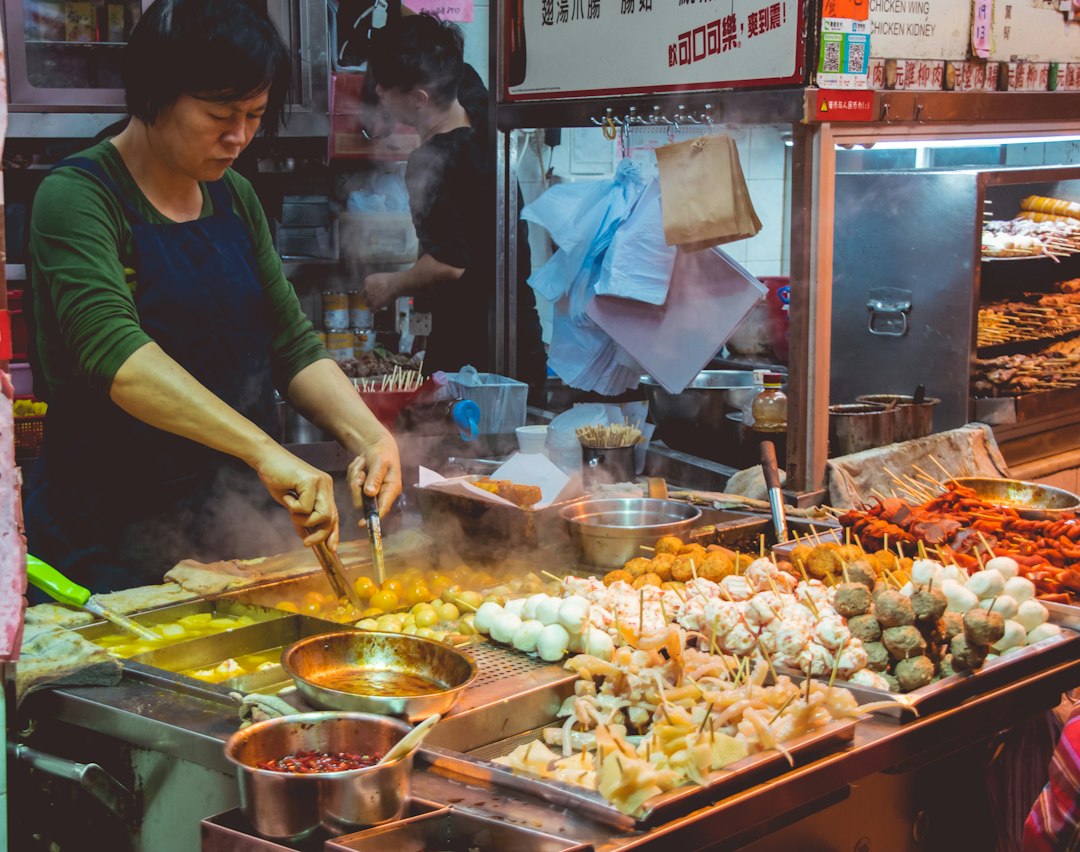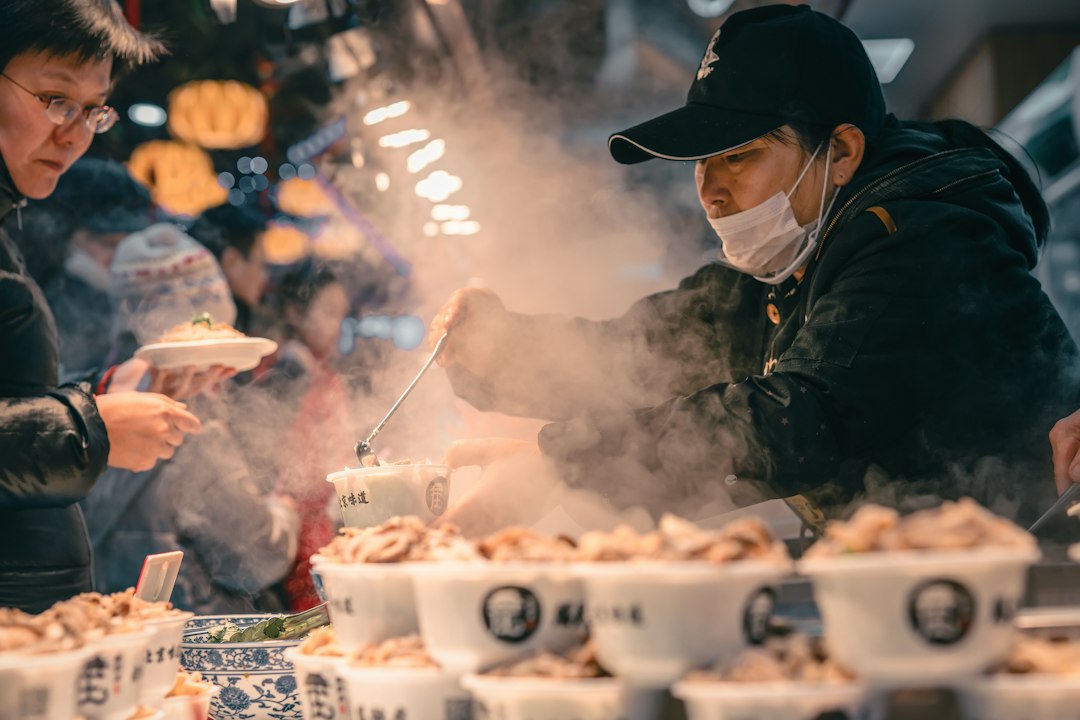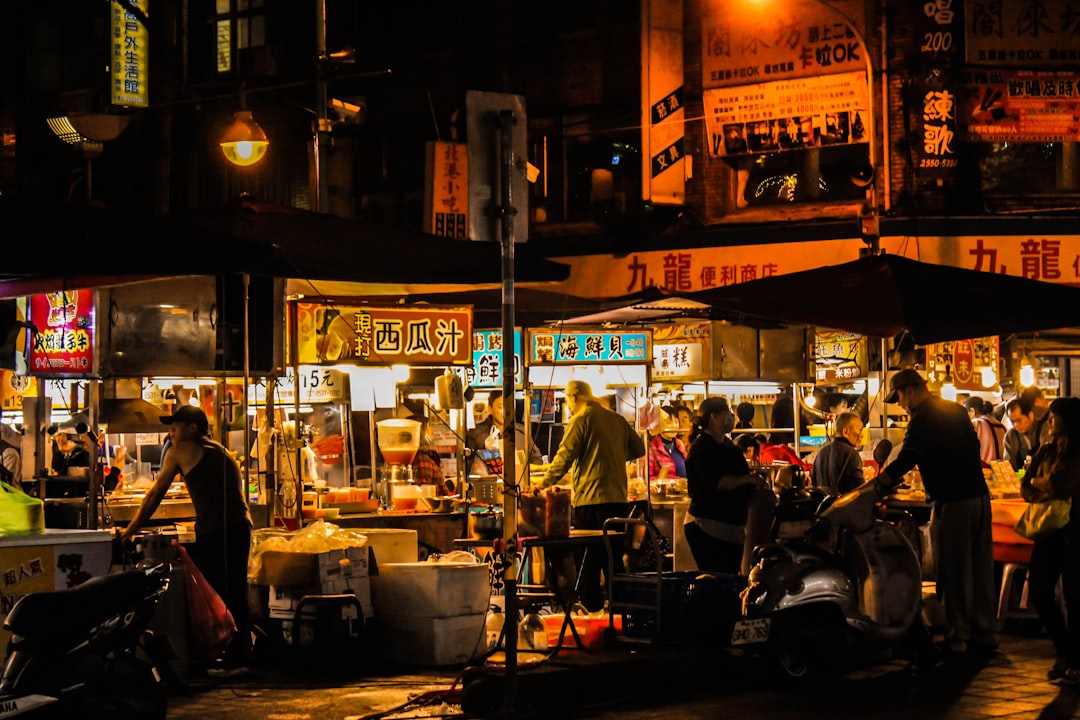
A great food trip is not really about collecting famous restaurants. It is about realizing that one market lane, one grill smoking under a tarp, or one bowl balanced on a tiny metal table can tell you more about a city than an afternoon in a museum. That is why the best street food city breaks are not always the glossiest capitals. They are the places where breakfast starts before sunrise, lunch happens standing up, and dinner spills onto pavements long after midnight.
If you are choosing between destinations, this guide focuses on the cities where food tours feel alive at street level: where local dishes are still tied to neighborhoods, where food markets shape the daily rhythm, and where a self-guided tasting route can be as memorable as a reservation months in advance. Some cities shine for spice and smoke, some for seafood and citrus, some for the way migration has layered one cuisine on top of another. All of them reward curiosity, good walking shoes, and an appetite that lasts all day.
What makes a city worth traveling for food
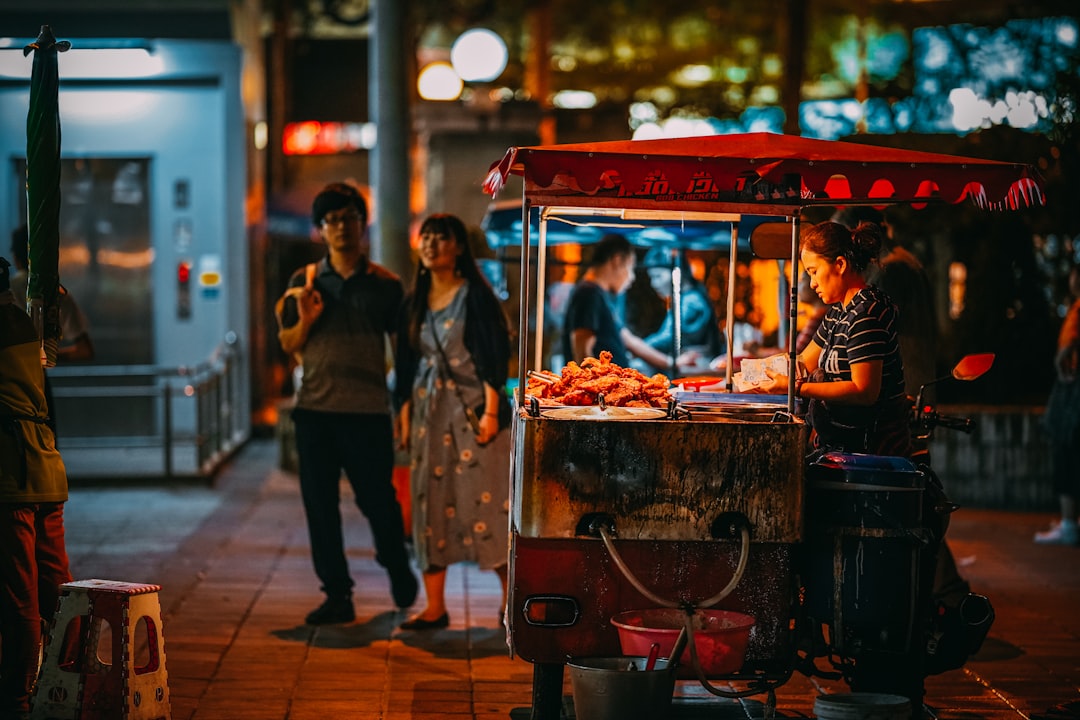
Photo by Yoshitsugu Saito on Unsplash
The best street food city breaks share a few traits. First, they have density. You want a place where you can eat five small things in two hours without spending half your day in taxis. Second, they have range. Great food tours move from market snacks to specialty dishes to something sweet, and the city should make that easy. Third, they have continuity. The most satisfying culinary neighborhoods are not built only for visitors; they feed residents first, which usually means better turnover, sharper flavors, and prices that still make sense.
The other thing that matters is rhythm. In Bangkok, one alley wakes up at midnight while another peaks at dawn. In Palermo, the old market culture gives you one style of eating in the morning and another after dark. In Lima, the city moves from cevicherias at lunch to anticuchos in the evening. Good food tours follow those rhythms instead of fighting them.
When I map these trips, I like to build one anchor meal a day and then leave room for spontaneous stalls, bakeries, and corners full of smoke. If you are stitching together neighborhoods, offline maps, saved openings, and transit ideas, TravelDeck is useful for keeping the route coherent without over-scheduling every bite. For long intercontinental hops between these destinations, Long-Haul Flight Comfort 2026: The Hour-by-Hour Plan is genuinely handy, especially if your first food stop lands the same evening you arrive.
A strong tasting day usually includes:
- one breakfast dish locals actually eat
- one market or hawker area before noon
- one signature lunch dish tied to the city
- one snack neighborhood for the late afternoon lull
- one evening street with grills, carts, or night-market energy
- one sweet or tea stop that slows everything down
Bangkok, Thailand: noodles, smoke, and late-night momentum
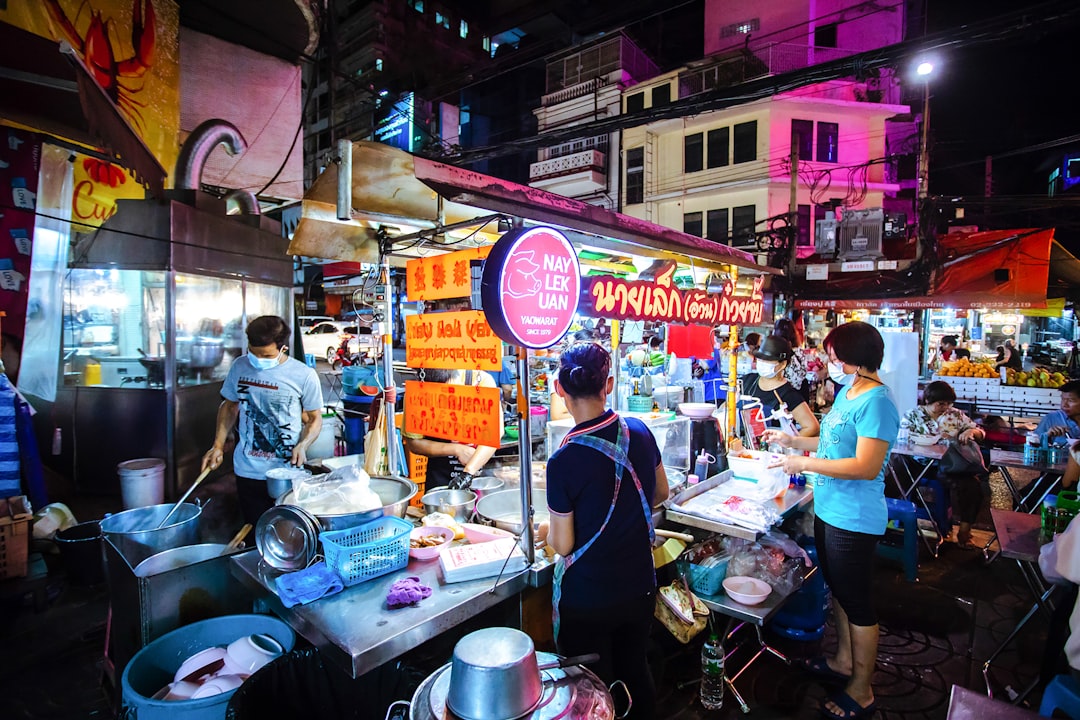
Photo by Streets of Food on Unsplash
Bangkok is one of those rare places where hunger feels like an itinerary. By 7 am, stockpots are already rolling, iced coffee is clattering into plastic cups, and curry puffs disappear from trays before the heat fully sets in. By night, Yaowarat glows in gold and red, woks roar at street level, and queues form for crab, grilled squid, peppery noodle soup, and mango sticky rice. Few street food city breaks give you this much flavor within such short walking distances.
What makes Bangkok special for food tours is not only volume but specialization. One shop may do just boat noodles, one just khao man gai, one just oyster omelets. The city rewards people who eat narrowly and often. Rather than chasing a single famous list, choose one neighborhood at a time and let the street reveal the next stop. Bang Rak, Talat Noi, Nang Loeng, Ari, and Yaowarat all feel different on the plate.
For a self-guided tasting route, start with a breakfast of jok or patongo, drift toward a market lunch, then save Chinatown for after sunset. Local dishes to prioritize include pad kra pao with a fried egg, boat noodles, som tam, tom yum, kuay jab, and kanom krok. Bangkok also remains one of the easiest places to eat well on a modest budget: many superb bites still sit in the THB 50 to 150 range, with seafood splurges pushing higher.
Highlights for your Bangkok food day:
- Yaowarat Road, Chinatown: grilled seafood, peppery noodle soup, chestnuts, desserts
- Or Tor Kor Market: pristine fruit, curries, nam prik, coconut desserts
- Wang Lang Market: student-energy snack scene near Siriraj Hospital
- Nang Loeng Market: old-school sweets, curries, and cooked dishes
- Must-try local dishes: boat noodles, mango sticky rice, hoy tod, pad kra pao
- Typical spend: THB 300 to 800 for a full day of grazing; more if you order seafood
Mexico City, Mexico: tacos that change block by block
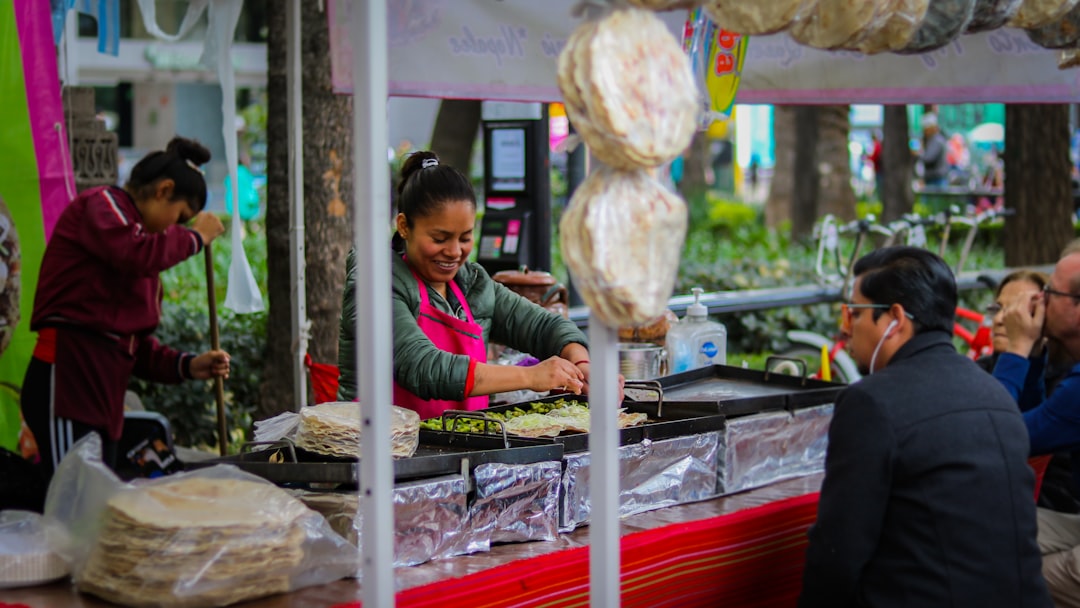
Photo by Daniel Lerman on Unsplash
Mexico City does not offer one cuisine. It offers layers: pre-Hispanic ingredients, regional migration, street-corner taquerias, market cooking, old cantinas, pan dulce culture, and a wave of chefs who still understand that flavor begins with masa, chili, herbs, and smoke. For travelers, that means one of the most exciting street food city breaks on the planet. You can start with tamales and atole at dawn, work through tacos al pastor and tlacoyos by noon, and end with late-night suadero under neon.
The city is enormous, so food tours work best when they stay local. Centro Historico gives you old institutions and market energy. Roma and Condesa mix excellent bakeries, natural wine bars, and updated classics. Coyoacan slows the pace. Narvarte is superb for tacos. San Rafael and Juarez still feel a touch less polished and often more satisfying. The trick is not to cross too much ground in one day.
Mexico City excels at food markets that still feel practical rather than theatrical. Mercado de San Juan is known for specialty ingredients, Mercado de Coyoacan for accessible local dishes, and Mercado Medellin for a broader Latin American pantry. Build a self-guided tasting route around two markets and one taco corridor, and keep cash handy for smaller stalls. On a normal day, MXN 400 to 900 eats very well.
What to focus on in Mexico City:
- Mercado de San Juan: cheeses, cured meats, sandwiches, produce, exotic ingredients
- Mercado de Coyoacan: tostadas, pozole, fresh juices, sweets
- Tacos al pastor in Roma, Narvarte, or Centro: look for spinning trompos and busy counters
- Street snacks: esquites, elotes, pambazos, tamales, tlacoyos
- Local dishes to seek out: chilaquiles, mole, suadero tacos, birria, pan dulce
- Typical spend: MXN 20 to 60 per taco stop; MXN 150 to 300 in markets; MXN 700 plus for a big restaurant meal
Istanbul, Türkiye: ferry rides, tea glasses, and a city split by continents
Istanbul feels made for food tours because movement is built into the city. You do not simply walk and eat; you cross water, climb lanes, sip tea, and follow the scent of grilled fish toward the next neighborhood. One hour you are eating simit on the European side, the next you are ferrying to Kadikoy for pickles, meze, baklava, and kokorec. Among street food city breaks, few are this cinematic.
There is also an emotional warmth to eating in Istanbul. The city gives you sesame, smoke, butter, herbs, char, and that constant rhythm of tea arriving in tulip-shaped glasses. Eminonu is still iconic for balik ekmek and spice-bazaar atmosphere, Karakoy is rich in cafes and pastry, Besiktas works well for breakfast, and Kadikoy remains one of the smartest areas for a self-guided tasting route that mixes traditional and modern stops.
Local dishes go well beyond kebab. Try lahmacun crisp from the oven, mercimek corbasi on cool days, stuffed mussels bought one by one, doner cut to order, menemen at breakfast, and kunefe or baklava for dessert. Istanbul prices vary sharply by neighborhood, but small eats still make the city very friendly to roaming grazers.
Build your Istanbul food day around:
- Kadikoy Market area: meze, baklava, cheese shops, pickles, offal grills, cafes
- Eminonu waterfront: balik ekmek and ferry views
- Besiktas breakfast streets: menemen, borek, tea, spreads, simit
- Karakoy: pastry, third-wave coffee, modern meyhane culture
- Local dishes: lahmacun, kokorec, midye dolma, doner, menemen, kunefe
- Typical spend: TRY 60 to 150 for street snacks, TRY 250 to 600 for a hearty casual meal
Osaka, Japan: a city that treats snacking like a serious craft
Osaka has long been associated with the phrase kuidaore, often translated loosely as eating until you drop. That sounds dramatic, but after a day in Dotonbori and the lanes around Namba, it feels pretty accurate. What sets Osaka apart on the list of street food city breaks is the city's talent for making quick bites feel exacting. Batter, dashi, sauce, cabbage, bonito flakes, pickled ginger, and perfectly judged heat all come together with the precision you might expect from a more formal meal.
The tourist magnets are real, but they are not empty hype. Dotonbori is loud, bright, and busy, yet it still delivers. Kuromon Market, if timed early, gives you seafood, skewers, fruit, and tamago. Shinsekai has old-school grit and a kushikatsu culture that still feels fun. The smartest move is to avoid trying to do everything at peak hour. Go early for markets, late afternoon for takoyaki, and choose one evening district instead of three.
Osaka rewards repeat bites rather than large meals. Take two takoyaki here, one skewer there, split okonomiyaki, then sit down for kitsune udon or yakiniku later. The city is especially good for solo travelers because counters are normal, fast, and unintimidating. Many small dishes range from JPY 300 to 900, which keeps a full tasting day flexible.
Prioritize these Osaka stops:
- Dotonbori and Namba: takoyaki, okonomiyaki, ramen, neon energy
- Kuromon Ichiba Market: seafood bowls, grilled scallops, fruit, tamagoyaki
- Shinsekai: kushikatsu and retro snack streets
- Fukushima district: izakaya-hopping with strong value
- Local dishes: takoyaki, okonomiyaki, kushikatsu, kitsune udon, negiyaki
- Typical spend: JPY 500 to 1,200 for snacks, JPY 2,000 to 4,000 for an izakaya dinner
Palermo, Italy: market shouting, fried snacks, and glorious disorder
Palermo is not polished in the way some Italian food destinations are. That is exactly why it works. The old markets are loud, motorbikes squeeze past fruit crates, and a lunch plan can shift because you catch the smell of something frying two corners away. On street food city breaks, Palermo offers one of the most visceral market experiences in Europe: salty, citrusy, meaty, sweet, chaotic, and deeply local.
Ballaro, Vucciria, and Il Capo still shape the mood of the city, though each market now mixes daily life with nightlife and tourism in different ways. Morning is the time for produce, fish, and practical cooking. Evening brings more drinking and street-side snacking. What matters is staying alert to specialties: sfincione on a tray, panelle tucked into bread, stigghiola sizzling on a grill, arancine with ragù or butter, cannoli piped fresh, and, for adventurous eaters, pane ca meusa.
Palermo is ideal for travelers who love local dishes that reveal the city's Arab, Norman, Spanish, and Sicilian layers. Food tours here are less about perfection and more about character. Budget-wise, it remains kind: many classic bites cost EUR 2 to 6, and a very satisfying market lunch can stay under EUR 15.
Best Palermo food experiences:
- Mercato di Ballaro: fried snacks, produce, street cries, classic market spirit
- Mercato del Capo: fish, meat, arancine, sweets, browsing lane by lane
- Vucciria area at night: aperitivo, grilled meats, bar energy
- Via Maqueda and side streets: bakeries and rotisserie shops
- Local dishes: arancine, panelle, sfincione, cannoli, stigghiola, pane ca meusa
- Typical spend: EUR 2 to 5 per snack, EUR 10 to 20 for a generous casual meal
Lima, Peru: acidity, seafood, and one of the sharpest lunch cultures anywhere
Lima is often discussed through fine dining, but that misses half the pleasure. The city is thrilling at everyday level too, especially if you follow seafood counters, market menus, sangucherias, Chinese-Peruvian kitchens, and evening anticucho smoke. For travelers interested in street food city breaks with serious culinary depth, Lima works because the top-end reputation is anchored in ingredients and techniques you can still taste across casual restaurants.
The first rule in Lima is timing. Ceviche is a lunch food, not a midnight craving. Markets and neighborhood huariques show their best side earlier in the day, while Barranco and Miraflores pick up again at dusk. Surquillo is especially valuable because its market and surrounding eateries expose you to fruit, herbs, potatoes, corn varieties, and dishes that make Peru's biodiversity tangible instead of abstract.
Local dishes to anchor your route include ceviche, causa, lomo saltado, anticuchos, pollo a la brasa, and a chifa meal that reflects the city's Chinese influence. Even if you book one famous restaurant, leave room for the informal side of Lima; the city is best understood through contrast.
Good Lima eating zones include:
- Surquillo Market area: produce, juices, market meals, ingredient-led browsing
- Barranco: creative cafes, pisco bars, late-evening atmosphere
- Miraflores: polished cevicherias and easy access for first-time visitors
- Street-style evening bites: anticuchos and sandwiches near busy local streets
- Local dishes: ceviche, anticuchos, causa, lomo saltado, arroz con pollo, chifa classics
- Typical spend: PEN 12 to 30 for market meals, PEN 40 to 90 at strong casual restaurants, much more at destination dining rooms
Marrakech, Morocco: spice, charcoal, steam, and the theater of the medina
Marrakech is one of the most sensory street food city breaks you can take. The medina compresses scent and sound so tightly that every few minutes something new pulls you off course: orange juice, grilled liver, msemen on a hot plate, steam lifting from snail broth, saffron and cumin sold by the scoop, dates gleaming in stacks, mint tea poured high to cool. Even if you arrive with a list, the city invites detours.
Jemaa el-Fnaa is the obvious center of gravity, and it deserves at least one evening because the square's transformation at dusk is part of the experience. But Marrakech becomes more rewarding when you move beyond the main spectacle into smaller streets, neighborhood bakeries, and the food markets used by residents. Morning is calmer and better for bread, olives, and pastry. Evening is for grills, tangia, harira, and slow wandering.
Some visitors over-focus on one giant dinner in the square. A better strategy is to spread your appetite across the day. Snack often, drink plenty of water, and sit down for only one larger meal. Local dishes worth seeking include tangia marrakchia, harira, zaalouk, mechoui, msemen, briouats, and snail soup if you are curious.
Use this Marrakech structure:
- Jemaa el-Fnaa at dusk: grills, soups, sweets, juices, spectacle
- Mellah and nearby lanes: pastries, olives, preserved lemons, spice stalls
- Local bakeries and tea rooms in the medina: breakfast and afternoon pauses
- Casual restaurants in Riad Zitoun and surrounding lanes for tangia and tagines
- Local dishes: tangia, harira, msemen, mechoui, briouats, snail broth
- Typical spend: MAD 10 to 30 for snacks, MAD 60 to 150 for an easy sit-down meal
Ho Chi Minh City, Vietnam: coffee at dawn, shellfish at night
Ho Chi Minh City is kinetic even by Southeast Asian standards. Scooters hum like weather, alleys fold into bigger roads, and a single day can take you from a tiny coffee stand with condensed milk to a seafood street piled with grilled scallops, clams, snails, and beer towers. On street food city breaks, this city is unbeatable for pace and variety.
The best food tours here live in the balance between famous dishes and everyday habits. Yes, you should eat pho, banh mi, and banh xeo. But you should also notice how much people snack, how often they sit outside, how coffee punctuates the day, and how each district tilts toward a different eating rhythm. District 1 is convenient, District 3 is more local in feel, Cholon reveals Chinese-Vietnamese layers, and Vinh Khanh Street is one of the city's most fun evening zones for shellfish.
A self-guided tasting route might start with iced coffee and banh mi, move into a market for lunch ingredients, pause for che or sugarcane juice, and then finish with grilled seafood or com tam after dark. This is one of the easier food cities for value: many excellent small plates still cost surprisingly little.
Plan around these Ho Chi Minh City staples:
- District 3 alleys: bun dishes, broken rice, local cafes
- Cholon in District 5: dumplings, noodles, herbal drinks, Chinese-Vietnamese specialties
- Vinh Khanh Street: grilled shellfish and bustling evening energy
- Ben Thanh area: useful for orientation, but wander beyond for better value
- Local dishes: com tam, banh xeo, pho, hu tieu, banh mi, che, oc seafood snacks
- Typical spend: VND 30,000 to 80,000 per dish, VND 200,000 to 500,000 for a full grazing day
How to get there
One reason these street food city breaks work so well is that they are major gateways with straightforward arrivals. Most have airports close enough to the center that you can land, drop a bag, and be eating within a couple of hours. The key is choosing the right arrival strategy: airport rail where possible, official taxis at night, and neighborhood selection that keeps you close to the food districts you care about most.
If you are flying multiple legs, avoid building the first evening around your most ambitious reservation. Market cities reward loose planning. Arrive, eat something simple, sleep, then start your serious tasting route the next day. If you are juggling translation tools, transit apps, and eSIMs across several countries, Best Travel Apps 2026: 17 Essentials for Easier Trips can save time.
| City | Main airport | Typical transfer to center | Approx cost | Good food-first base |
|---|---|---|---|---|
| Bangkok | Suvarnabhumi BKK, Don Mueang DMK | Airport Rail Link to Phaya Thai 30 mins from BKK; taxi 35 to 60 mins | THB 45 rail, THB 300 to 450 taxi | Yaowarat, Bang Rak, Ari |
| Mexico City | Benito Juarez MEX | Authorized taxi or ride app 20 to 40 mins depending on traffic | MXN 180 to 350 | Roma Norte, Condesa, Centro |
| Istanbul | Istanbul IST, Sabiha Gokcen SAW | Havaist bus 60 to 90 mins from IST; metro now available on many routes; taxi longer in traffic | TRY 170 to 250 Havaist | Karakoy, Kadikoy, Besiktas |
| Osaka | Kansai KIX, Itami ITM | Nankai or JR train 40 to 60 mins from KIX | JPY 970 to 1,500 | Namba, Umeda, Fukushima |
| Palermo | Palermo PMO | Prestia e Comande bus around 50 mins; taxi 35 to 45 mins | EUR 6.50 bus, EUR 35 to 50 taxi | Centro Storico, Kalsa |
| Lima | Jorge Chavez LIM | Taxi or official airport shuttle 35 to 70 mins depending on traffic | PEN 50 to 90 taxi | Miraflores, Barranco, Surquillo edge |
| Marrakech | Marrakech Menara RAK | Taxi 15 to 25 mins; airport bus available | MAD 100 to 150 taxi, lower by bus | Medina, Gueliz |
| Ho Chi Minh City | Tan Son Nhat SGN | Taxi or app car 20 to 40 mins | VND 120,000 to 220,000 | District 1, District 3 |
Useful transport notes:
- Bangkok and Osaka are easiest by rail from the airport.
- Mexico City and Lima demand patience with traffic; pad your arrival time.
- Istanbul has two airports; always check which one you booked.
- Marrakech is close to town, which is wonderful after a late arrival.
- Ho Chi Minh City is simple to reach, but evening congestion can double the trip.
Things to do beyond eating
The strongest street food city breaks do not require museums and monuments to justify themselves, but a little movement makes the appetite sharper. The trick is to pick attractions that sit naturally between meals rather than far away from them. Walkable districts, waterfronts, historic markets, and short ferry rides work better than full-day excursions when food is the priority.
It also helps to choose experiences that explain why the food tastes the way it does. A river, a port, a spice market, a wholesale produce hall, a temple district, or an old immigrant neighborhood can turn a dish from something delicious into something legible.
Here are food-friendly activities to pair with your tasting days:
- Bangkok: ride the Chao Phraya Express Boat between Rattanakosin and Chinatown, then browse Talat Noi street art
- Mexico City: visit the Frida Kahlo Museum area in Coyoacan, then return to the market square for tostadas and sweets
- Istanbul: take a ferry between Eminonu and Kadikoy, one of the best value scenic rides in the world
- Osaka: walk Dotonbori by daylight, then explore Hozenji Yokocho before dinner
- Palermo: tour the Palatine Chapel and Cathedral, then drift back into Ballaro for snacks
- Lima: stroll the Malecon in Miraflores or the Barranco cliffside before a seafood lunch
- Marrakech: get lost, intentionally, through the souks and artisan lanes off Jemaa el-Fnaa
- Ho Chi Minh City: explore Cholon temples and markets before settling into a late noodle stop
Where to stay
On street food city breaks, your hotel matters less than your neighborhood. You want to wake up near breakfast, not a 35-minute commute away from it. The best bases are usually central but slightly off the loudest nightlife streets, so you can reach food markets quickly while still sleeping well.
The sweet spot for many travelers is a modest mid-range hotel or guesthouse in a walkable district. Spend on location, not lobby drama. If you have allergies or dietary restrictions, message your accommodation ahead of time about refrigerator access, breakfast ingredients, or help translating needs; Traveling With Allergies Tips for Safer Trips in 2026 covers the practical side well.
| Budget tier | Suggested stays | Typical nightly price |
|---|---|---|
| Budget | The Printing House Poshtel Bangkok in Bang Rak; Casa Pepe Hostel Boutique Mexico City in Centro; Ostello Bello Palermo in Centro Storico | About USD 20 to 70 |
| Budget | Hotel Toyo Osaka near Shin-Imamiya; Equity Point Marrakech in the Medina; The Common Room Project Ho Chi Minh City in District 1 | About USD 18 to 65 |
| Mid-range | ASAI Bangkok Chinatown; Casa Decu Mexico City in Condesa; Hammamhane Istanbul in Beyoglu | About USD 90 to 180 |
| Mid-range | Cross Hotel Osaka; Second Home Peru in Barranco; Riad Dar Anika Marrakech | About USD 100 to 220 |
| Luxury | Mandarin Oriental Bangkok; Four Seasons Hotel Mexico City; The Peninsula Istanbul | About USD 350 and up |
| Luxury | W Osaka; Villa Igiea Palermo; Hotel B Lima | About USD 300 and up |
Neighborhood quick picks:
- Bangkok: Yaowarat for night food, Bang Rak for balance, Ari for a calmer cafe scene
- Mexico City: Roma Norte and Condesa for walking ease, Centro for history and markets
- Istanbul: Karakoy for connectivity, Kadikoy for eating depth, Besiktas for breakfast culture
- Osaka: Namba for action, Umeda for transport links, Fukushima for dining without the crush
- Palermo: Centro Storico and Kalsa keep you close to markets and evening wandering
- Lima: Miraflores is easy, Barranco is stylish, Surquillo gives faster access to everyday food
- Marrakech: Medina for atmosphere, Gueliz for comfort and wider modern dining options
- Ho Chi Minh City: District 1 for convenience, District 3 for better local feel
Where to eat
The smartest way to approach where to eat on street food city breaks is to combine one or two known names with a lot of situational judgment. Busy stalls, high turnover, visible preparation, and a menu that looks focused are all better signs than social media hype. If a place is making just one or two things and everyone around you is ordering them, pay attention.
This is also where humility helps. Not every iconic dish will be your favorite, and not every rough-looking stall will be right for you. Eat with curiosity, but also with context: some dishes shine at breakfast, some after dark, some in heat, some in rain. The best local dishes are often seasonal, situational, and tied to a district.
A short shortlist by city:
- Bangkok: Chinatown seafood stalls, Nai Mong Hoi Thod for oyster omelet, boat noodle alleys around Victory Monument, mango sticky rice in old markets
- Mexico City: classic taquerias in Narvarte and Centro, chilaquiles counters at breakfast, Mercado de Coyoacan tostadas, pastry stops in Roma
- Istanbul: Karakoy Gulluoglu for baklava, fish sandwiches near Eminonu, meze and grills in Kadikoy, breakfast in Besiktas
- Osaka: takoyaki counters in Dotonbori, okonomiyaki specialists in Namba, kushikatsu in Shinsekai, izakaya lanes in Fukushima
- Palermo: panelle and crocche in market stalls, sfincione bakeries, arancine at rosticcerie, cannoli in old pastry shops
- Lima: lunchtime cevicherias in Miraflores and Surquillo, anticuchos in the evening, sanguches for late lunch, chifa when you want contrast
- Marrakech: evening grills in Jemaa el-Fnaa, msemen at breakfast, tangia at casual medina restaurants, pastries and mint tea in quieter courtyards
- Ho Chi Minh City: banh mi and coffee at dawn, com tam in District 3, shellfish on Vinh Khanh, noodle soups in Cholon
A rough full-day food budget by city:
| City | Frugal grazer | Comfortable grazer | Splash-out day |
|---|---|---|---|
| Bangkok | THB 300 to 500 | THB 700 to 1,200 | THB 2,000 plus |
| Mexico City | MXN 350 to 600 | MXN 800 to 1,500 | MXN 2,500 plus |
| Istanbul | TRY 300 to 600 | TRY 800 to 1,500 | TRY 2,500 plus |
| Osaka | JPY 2,500 to 4,000 | JPY 6,000 to 10,000 | JPY 15,000 plus |
| Palermo | EUR 15 to 25 | EUR 35 to 70 | EUR 120 plus |
| Lima | PEN 40 to 80 | PEN 120 to 250 | PEN 500 plus |
| Marrakech | MAD 60 to 120 | MAD 180 to 350 | MAD 700 plus |
| Ho Chi Minh City | VND 200,000 to 350,000 | VND 500,000 to 1,000,000 | VND 2,000,000 plus |
Practical tips for planning food-first city breaks
The best street food city breaks are generous, but they do ask a little of you. You need stamina, flexibility, and the discipline not to over-plan. Build around neighborhoods rather than individual pins. Eat smaller portions more often. Carry water and tissues. Learn ten food words in the local language. A tiny bit of effort tends to unlock much better meals.
Timing matters almost as much as appetite. Seafood cities often peak at lunch. Bakery cultures shine in the early morning. Night markets rarely hit full atmosphere before 7 pm. Also remember that Mondays can be quiet for market-heavy destinations, while religious holidays may change opening patterns entirely. If you are uncertain, ask your hotel which market day or meal period is strongest nearby.
Best months table
| City | Best months | Why |
|---|---|---|
| Bangkok | Nov to Feb | Drier and slightly cooler for walking between food markets |
| Mexico City | Feb to May, Oct to Nov | Mild temperatures and easier daytime exploring |
| Istanbul | Apr to Jun, Sep to Oct | Pleasant ferry weather and comfortable eating outdoors |
| Osaka | Mar to May, Oct to Nov | Comfortable temperatures and lively evening streets |
| Palermo | Apr to Jun, Sep to Oct | Warm but not punishing, good market strolling weather |
| Lima | May to Oct | Cooler and drier, with solid city-walking conditions |
| Marrakech | Mar to May, Oct to Nov | Avoids the fiercest summer heat |
| Ho Chi Minh City | Dec to Mar | Drier season and easier street wandering |
Practical advice that pays off:
- Pack light, breathable clothes and shoes you can stand in for hours.
- Carry small cash in local currency for food markets and quick snacks.
- Use hand sanitizer, but do not skip busy stalls just because they look basic.
- Watch turnover: a line of locals is usually a better signal than a glossy sign.
- Photograph business cards or storefronts if you want to find a place again.
- If you are sensitive to shellfish, peanuts, dairy, or sesame, learn those words before you land.
- Order one thing first. You can always add more if the stall is excellent.
- Leave open slots in your day for accidental discoveries.
Useful official resources:
- Bangkok airports: https://suvarnabhumi.airportthai.co.th and https://www.airportthai.co.th/en/
- Mexico City tourism: https://mexicocity.cdmx.gob.mx/
- Istanbul tourism portal: https://goturkiye.com/
- Osaka tourism: https://osaka-info.jp/en/
- Palermo and Sicily tourism: https://www.visitsicily.info/en/
- Peru tourism: https://www.peru.travel/en
- Morocco tourism: https://www.visitmorocco.com/en
- Ho Chi Minh City tourism: https://visithcmc.vn/en/
FAQ
Street food city breaks raise very practical questions, especially if you are balancing budget, comfort, and the desire to eat widely without getting exhausted. These are the ones travelers ask most often.
Which city is best for a first food-focused trip?
Bangkok and Osaka are excellent starters if you want lots of variety with relatively easy neighborhood structure. Mexico City is also superb, but its size can feel overwhelming if you do not stay disciplined about geography. If you want a gentler European entry point, Palermo is approachable, affordable, and full of strong local dishes.
Are food tours better than going solo?
Both work. Guided food tours are useful on your first day because they decode ingredients, etiquette, and neighborhood history quickly. After that, a self-guided tasting route is often more satisfying because you can follow your appetite. In cities with strong market culture, doing one guided experience and one solo market day is a smart balance.
How much should I budget per day for food?
For most of these street food city breaks, a solid grazing day costs less than travelers expect. Bangkok, Palermo, Marrakech, and Ho Chi Minh City are especially good value. Osaka and Istanbul sit in the middle, while Mexico City and Lima can be either budget-friendly or expensive depending on how many sit-down meals and cocktails you add. Use the budget table above as a realistic planning baseline.
Is street food safe?
Usually, yes, if you eat intelligently. Choose stalls with fast turnover, food cooked to order, clean prep surfaces, and plenty of local customers. Be more careful with food that has been sitting in the sun, especially seafood. In hot climates, morning and evening often feel safer than a sleepy mid-afternoon lull. If you have serious concerns, start with busy market stalls and simple cooked dishes.
How many days do I need in each city?
Three full days is the minimum for most of these destinations. Four to five days is ideal if food is the main purpose of the trip. That gives you time for one classic neighborhood, one market-heavy day, one sit-down restaurant meal, and one flexible day for repeats. The best street food city breaks reveal themselves through repetition; the second bowl is often where understanding starts.
What should I do if I have dietary restrictions?
Research before arrival, carry a translated allergy card, and stay near neighborhoods with more restaurant depth so you have options. Market cities can still work beautifully, but the margin for misunderstanding is smaller. Shellfish, peanuts, sesame, soy, and dairy can appear in unexpected places, so clarity matters. When in doubt, watch what is being cooked and ask simple, direct questions.
In the end, the best food cities are not the ones with the most famous tables. They are the ones that make you want to walk one more block because something smells too good to ignore. That is why these eight places stand out. They feed you with markets, memory, and momentum, and they remind you that travel can still be wonderfully, gloriously immediate when you follow your nose.