Airports are designed to separate travelers from two things fast: time and cash. The blinking departure boards, the scent of roasted coffee drifting from a terminal café, the last-minute taxi queue outside arrivals, the tiny bottle of water that somehow costs more than lunch downtown — it all adds up. That is why airport hacks that save money matter far more than most people think. A smooth airport day is not about luxury or luck. It is about removing friction before it charges you for the privilege.
If you have ever missed a cheaper train because baggage claim took forever, bought an overpriced sandwich because your gate moved, or paid a surprise bag fee at the check-in desk, you already know the pattern. Airport costs rarely arrive as one dramatic expense. They leak out in small, preventable moments: a rushed coffee, a bad seat choice, a phone battery at 3 percent, a taxi taken because you did not look up the train. The good news is that nearly all of those moments can be planned around.
This guide focuses on practical, repeatable moves you can use at almost any airport, from quick domestic hops to long-haul layovers. You will find smart timing strategies, realistic food advice, transfer options, lounge math, and the small habits frequent flyers quietly rely on. None of it is glamorous. All of it works.
Why airport strategy matters more than you think
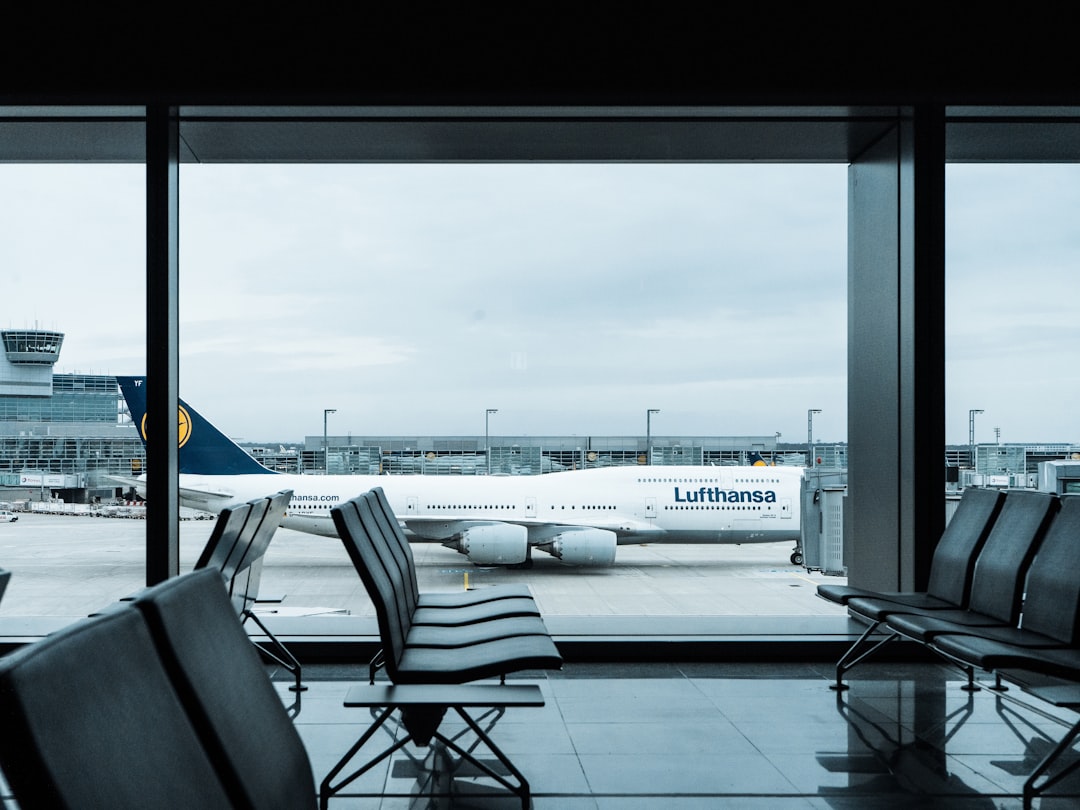
Photo by Dennis Gecaj on Unsplash
The best airport hacks that save money do not begin at security. They begin when you decide whether the airport will control your mood, your wallet, and your clock — or whether you will arrive with a plan. Airports are sensory overload by design. Hard floors amplify rolling suitcase wheels. Screens flash gate changes in sharp white light. Coffee bars, duty-free perfume counters, and neon snack fridges all compete for attention when you are tired and slightly rushed. In that environment, convenience becomes expensive fast.
Most travelers think of airport savings only in terms of finding cheap flights. But a cheaper ticket can be erased by one checked bag, one ride-share surge, one mediocre terminal meal for a family, and one hotel night triggered by a missed connection. If you fly even a few times a year, the real savings live in the margins. Ten dollars here, twenty there, an hour saved at security, forty saved on a train instead of a cab — these are the decisions that change the total cost of a trip.
What makes airports tricky is that they punish improvisation. A city gives you options. An airport gives you markups. Once you are airside, your alternatives shrink. That is why experienced travelers obsess over simple systems:
- checking in early and saving the pass offline
- wearing shoes that move quickly through screening
- knowing exactly where liquids and electronics sit in the bag
- bringing an empty bottle and a real snack
- pre-booking the cheapest reliable transfer from the airport
- understanding when a lounge is value and when it is a vanity purchase
- deciding in advance whether checking a bag is worth the fee
When you see the airport as part of the trip budget instead of a neutral waiting room, smarter choices become obvious.
Before you leave home: the habits that pay off at the terminal
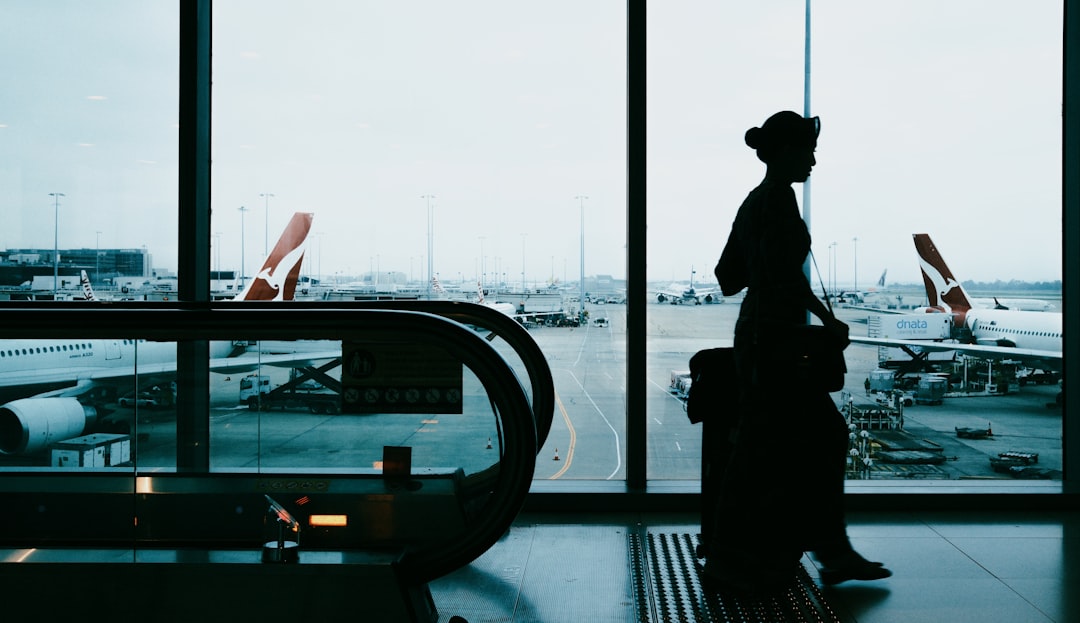
Photo by Nguyen Minh on Unsplash
The simplest airport hacks that save money happen before you hear the first boarding announcement. I always think of the night before a flight as the moment the trip either becomes calm or expensive. A charger left on the kitchen counter becomes an airport electronics purchase. A bottle buried in the wrong pocket becomes a bag search. A vague plan for getting into town becomes a taxi after midnight. Airports reward preparation with speed.
There is also a psychological advantage here. When your boarding pass is screenshotted, your passport is easy to reach, your liquids are grouped, and your train plan from arrivals is saved, you stop moving like a person who might forget something. That calmer pace has real value. You are less likely to buy out of panic, less likely to join the wrong line, and far less likely to accept the first expensive option placed in front of you.
When I am coordinating flight timing, terminal changes, and the cheapest onward route, I keep the whole chain in one place with TravelDeck. Not because the airport itself becomes charming, but because the decision-making gets quieter.
A smart pre-airport routine looks like this:
- Check in as soon as the airline opens it. This often happens 24 hours before departure, sometimes earlier on international routes. Better seat options and fewer counter visits usually follow.
- Screenshot your boarding pass and save it to your wallet app if possible. Airport Wi-Fi can be patchy exactly when you need it most.
- Weigh your bag at home. A small luggage scale costs less than one overweight surprise.
- Put power banks in your cabin bag, not your checked luggage. Most airlines require this.
- Pack a slim airport pouch with passport, pen, medication, charger, lip balm, and earbuds. If you want a deeper system for this, Carry-On Bag Packing Tips for 2026: The Access-First Plan is a good companion read.
- Fill a reusable bottle only after security. Empty bottles sail through screening and save you from paying terminal drink prices.
- Download the airline app, airport map, and the public transport route from arrivals to your hotel.
- Check whether your arrival card or customs declaration can be completed online before departure.
- If you are traveling hand-luggage only, confirm both weight and size limits. Low-cost carriers often charge for bags that fit in the overhead bin but break the fare rules.
A final home habit that helps more than people expect: lay out your airport outfit. Layers, accessible pockets, and shoes you can remove quickly matter. So does avoiding metal-heavy belts, jewelry, and complicated boots. The fewer decisions you make under fluorescent terminal lighting, the better.
Security line tips that actually shorten the wait
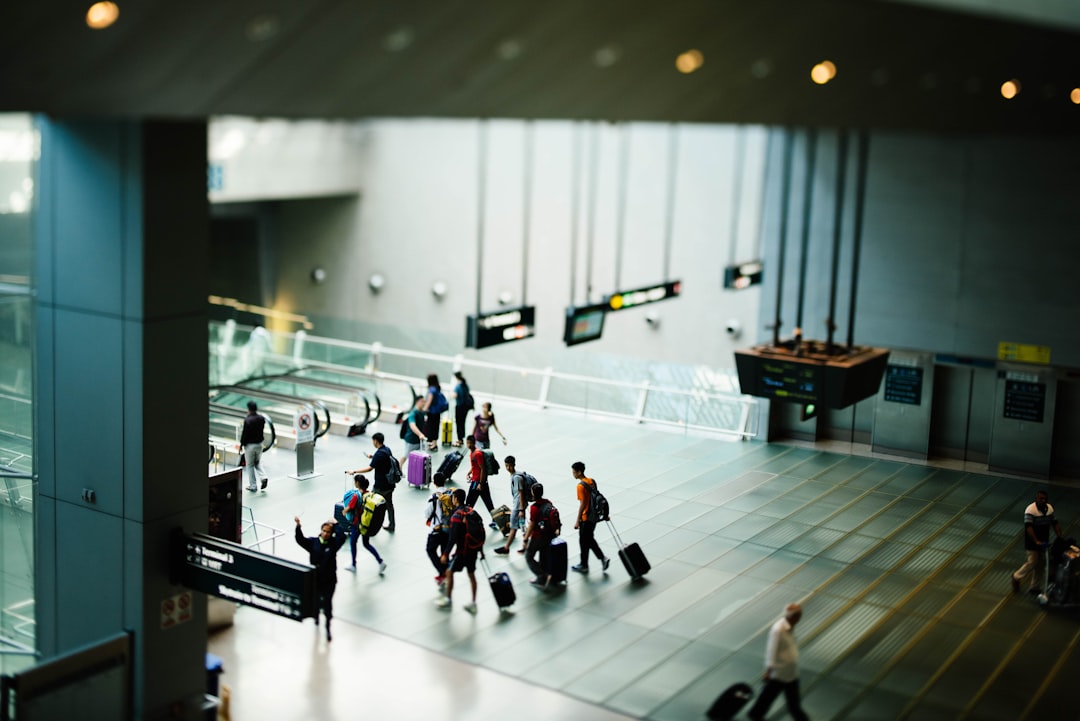
Photo by CHUTTERSNAP on Unsplash
The difference between a ten-minute screening and a forty-minute one is often invisible from a distance. The most useful airport hacks that save money frequently begin with security line tips, because long lines trigger all the spending that follows: rushed coffee, expensive gate snacks, lounge desperation, and occasionally a missed flight. Security is where disorganized packing becomes a bill.
Watch the line before you commit to it. A queue full of families with strollers and bins piled high with coats will move differently from a lane filled with business travelers carrying slim backpacks. At many airports, travelers instinctively drift right, so a left-side lane can be marginally quicker. At others, the premium line is fast until a bank of delayed passengers floods it. The best move is not superstition. It is observation.
Good security line tips are less about beating the system than about becoming easy to process. Agents move faster when you present a bag that makes sense: liquids together, laptop accessible if required, pockets empty before you reach the trays, watch already off, passport not buried beneath a hoodie and a paperback.
Use these security line tips every time:
- Join TSA PreCheck if you fly within the United States even a few times a year. The fee is often offset by time saved, and some credit cards reimburse it.
- If you travel internationally to the United States, consider Global Entry. It includes PreCheck benefits and can save serious time on re-entry.
- Put metal items into your bag before you enter the line. Coins, keys, belts, and earbuds in a tray slow you down.
- Wear slip-on shoes on days when screening rules require removal.
- Keep your liquids bag in the same pocket on every trip. Familiarity is faster than memory.
- Use a jacket or tote as a temporary dump pocket for your phone, wallet, and passport before the trays, then put them back in place immediately after screening.
- Do not repack at the scanner. Move to a nearby bench and let the next person through.
- If one lane has a line of travelers unpacking oversized hand luggage, switch even if the queue looks shorter.
For frequent flyers, the real breakthrough is building muscle memory. The best security line tips eventually stop feeling like tips. They become choreography.
How to avoid baggage fees without packing like a minimalist monk
Some of the most effective airport hacks that save money come down to a single question: can you avoid baggage fees on this trip without making the rest of the journey miserable? Checked bags are not always wrong. Ski gear, family travel, and long multi-climate itineraries are real exceptions. But on short city breaks, work trips, and week-long vacations with laundry access, checked baggage often adds cost, queue time, and risk without adding much comfort.
Airlines increasingly separate the base fare from everything else. That means a cheap ticket can become an expensive one at the airport counter if your personal item is too large, your carry-on exceeds the limit, or your checked suitcase crosses the weight threshold by a kilogram. To avoid baggage fees, you need to know the airline rules before you leave home, not while a gate agent is standing beside the metal sizer.
This is where bag discipline matters more than bag size. Travelers who consistently avoid baggage fees are rarely carrying less than everyone else by magic. They are using a system: heaviest items worn in transit, toiletries minimized, chargers grouped, and dead space filled. If you want to refine that system, Fit Everything in a Carry-On in 2026: The Space Budget is a helpful next step.
To avoid baggage fees on a typical trip, focus on these moves:
- Measure your bag, not just your confidence. Budget airlines are strict because bag fees are part of the business model.
- Know the difference between a personal item and a carry-on. On many low-cost fares, only the personal item is free.
- Wear your bulkiest layer and heaviest shoes on the flight.
- Pack solids over liquids when possible. Fewer bottles mean less weight and less screening friction.
- Use compression only for soft items. Over-compressed bags can bulge and fail the sizer even when they close.
- Keep a slim foldable tote inside your bag for the destination, not for boarding. Staff notice when travelers try to carry a surprise second item.
- Check whether paying for a cabin bag during booking is cheaper than paying at the airport. It almost always is.
- If traveling as a pair on a full-service airline, one shared checked bag can sometimes be cheaper and simpler than two separate paid cabin bags.
A useful rule: compare baggage fees to the value of your time. If a round-trip checked bag is cheaper than the stress of hauling everything through three trains and two staircases, pay it. The hack is not to travel with less at all costs. The hack is to pay intentionally.
Airport food prices: how to eat well without terminal markup
Nothing exposes airport economics faster than hunger. You land late, the terminal smells like toasted bread and espresso, your gate has changed, and suddenly a sad sandwich and a fizzy drink cost the same as dinner in town. That is why airport hacks that save money should always include a plan for airport food prices. If you do not decide how you will eat before you reach the terminal, the terminal will decide for you.
Airport food prices sting because they combine bad timing with limited choice. Morning flights create coffee-and-pastry autopilot. Delays create snack drift. Early boarding creates panic purchases. The answer is not to eat badly. It is to eat deliberately. A homemade sandwich, a supermarket salad picked up on the way, a refillable water bottle, a packet of nuts, or a simple bento bought landside often beats both the cost and quality of what is near the gate.
There is also a timing strategy. At some airports, the best value sits before security or just outside the terminal in linked transit hubs, hotel arcades, or airport shopping complexes. Think of Singapore, where Jewel Changi has proper meals; Tokyo, where airport mall spaces can be better than gate kiosks; or Amsterdam, where a supermarket stop can undercut a terminal meal by half.
To beat airport food prices without arriving hungry:
- Eat a real meal before you leave for the airport if timing allows.
- Bring one filling snack with protein and one light snack for boredom. Nuts plus fruit, or a sandwich plus crackers, is far smarter than four tiny purchases.
- Carry an empty bottle and refill after security. Most big terminals now have hydration stations.
- Look for landside supermarkets, train-station food halls, or airport-linked malls before going airside.
- On long-haul routes, confirm whether your fare includes meals. Paying once during booking can be cheaper than buying add-ons later.
- If you must buy food at the airport, prioritize filling basics over branded impulse items. A soup and bread combo often beats a pastry, chips, and a drink in both price and satiety.
- For families, pack a separate snack pouch for children. Meltdowns make airport food prices even more expensive.
One more quiet advantage of bringing food: it frees your timing. You can wait out a queue, change gates, or delay boarding area purchases without feeling cornered by hunger.
Airport lounge access without paying full price
There are times when airport hacks that save money and airport lounge access belong in the same sentence. Not always. A lounge is not automatically good value. If you arrive just before boarding, it is irrelevant. If the food is weak and the day pass is expensive, it is a pretty room with sockets. But on a long layover, during a delay, or at an airport where even a coffee, sandwich, water, and Wi-Fi session add up quickly, airport lounge access can save both money and sanity.
A good lounge changes the texture of the airport. The noise softens. Suitcase wheels fade into the background. There is a chair that does not feel borrowed. Maybe a shower. Maybe a quiet corner to answer messages. Maybe food substantial enough to replace an overpriced terminal meal. The trick is knowing when airport lounge access is a practical tool rather than a lifestyle flex.
Here is when airport lounge access can make financial sense:
| Situation | Typical terminal spend | Lounge cost | Worth it? |
|---|---|---|---|
| 45-minute wait before boarding | Coffee plus snack, around $12 to $20 | $35 to $70 day pass | Usually no |
| 3-hour layover with meal and drinks | $25 to $45 | $35 to $70 day pass | Sometimes |
| 5-hour delay with Wi-Fi, charging, meal, and quiet seating | $35 to $65 | $35 to $70 day pass | Often yes |
| Overnight or red-eye connection where a shower matters | $40 to $80 plus stress | $45 to $80 | Often yes |
The cheapest ways to secure airport lounge access are usually:
- credit cards that include a lounge network benefit
- premium bank accounts with a fixed number of passes each year
- airline status earned through frequent flying
- discounted pre-booked day passes, which are often cheaper than walk-up rates
- compensation or travel insurance benefits during major delays
Before paying, check what is actually included. Some lounges offer only light snacks and basic drinks. Others include hot food, showers, family rooms, and better workspaces. Also note location. A brilliant lounge in another terminal is not brilliant if you need a 20-minute train ride to reach it.
If your trip includes a time-zone jump, pairing a calm layover with good hydration and light movement matters more than people expect. For the body-clock side of the problem, How to Beat Jet Lag in 2026: Science-Backed Remedies is worth reading before the flight.
Cheap airport transportation after landing
The final stretch of the journey is where many travelers give back all their careful savings. You step into arrivals under bright white lights, tired and slightly disoriented, and the signs are suddenly full of easy expensive options. That is why airport hacks that save money should always include cheap airport transportation. The train may take ten minutes longer than the taxi, but if it costs one fifth as much and drops you closer to your hotel, that is not a compromise. It is a win.
Cheap airport transportation starts with knowing the difference between speed, convenience, and value. Airport express trains are often the sweet spot when they run directly into the city center. Standard commuter lines can be even cheaper if you have more time. Buses work well when they are frequent and you are traveling light. Taxis and ride-shares make sense when you arrive after public transport has thinned out, when weather is rough, or when splitting the fare among several people.
The biggest mistake is deciding on the curb. Drivers know that arrivals halls are full of sleepy people who just want the journey to end. If you look up the route before takeoff, save the pickup zone instructions, and know the usual fare range, you step outside with options instead of confusion.
Use this cheap airport transportation checklist after landing:
- Check whether the airport has an express rail link, regular metro, coach, or hotel shuttle.
- Compare the real end-to-end time, not just the in-vehicle time. A taxi plus queue plus traffic can lose badly to a train every 10 minutes.
- Save the route from the airport to your hotel before departure, including the final walk.
- For ride-shares, verify the pickup level and terminal door. Large airports often ban curbside pickup in the most obvious place.
- If traveling in a group of three or four with luggage, compare one taxi to multiple train fares. The taxi may suddenly be reasonable.
- Avoid airport currency exchange counters if you can. Paying transport in local currency with a no-foreign-fee card is usually better value.
- If you need a taxi, use the official rank, not anyone approaching you in arrivals.
Good arrival planning feels almost cinematic. You walk past the taxi touts, turn toward the rail signs, hear the softer hum of escalators instead of engines, and know exactly where you are going.
How to get there
For many trips, the most practical airport hacks that save money are simply about using the right rail or bus link instead of defaulting to the most visible car. The examples below are useful not because everyone flies through these airports, but because they show how big the savings can be when you choose cheap airport transportation on both the departure and arrival side.
Prices change, but these are realistic 2026 ballpark figures for city-center connections. Always confirm with the official operator before travel.
| Airport | Best value route from city center | Approx cost | Typical duration | Official link |
|---|---|---|---|---|
| London Heathrow, LHR | Piccadilly Line from central London | £5.60 | 50 to 60 min | Heathrow transport |
| London Heathrow, LHR | Elizabeth Line from Paddington or central stops | around £13 to £15 | 35 to 40 min | Heathrow transport |
| New York JFK, JFK | AirTrain plus subway from Midtown | $11.40 total | 60 to 75 min | JFK AirTrain |
| Paris Charles de Gaulle, CDG | RER B to central Paris | around €11.80 | 35 to 45 min | Paris Aéroport transport |
| Tokyo Haneda, HND | Keikyu Line to Shinagawa or Asakusa connections | around ¥330 to ¥600 | 20 to 35 min | Haneda access |
| Singapore Changi, SIN | MRT from Changi Airport station | around SG$1.50 to SG$2.50 | 30 to 40 min | Changi transport |
A few patterns stand out. Airports with strong rail links usually beat taxis on value by a huge margin. Heathrow to central London by Tube costs less than a fraction of a black cab. JFK by AirTrain and subway is far slower than a car in perfect traffic, but far cheaper than a taxi to Manhattan. Haneda is a textbook case where rail is both cheap and genuinely fast.
When should you ignore the cheapest option?
- after midnight, when service frequency drops sharply
- during major strikes or weather disruption
- when carrying oversized gear or traveling with small children after a long-haul flight
- when four adults can split a single fixed-fare taxi at near train parity
Even then, pre-booking matters. If you know your backup plan before wheels-down, the airport never gets to sell urgency back to you.
Things to do
Long layovers are where airport hacks that save money can make the biggest emotional difference. A four-hour wait in a hard plastic chair feels endless. The same four hours with a shower, a decent meal, a short walk, and one genuinely interesting activity can feel strangely restorative. Airports are no longer just corridors and boarding gates; many large hubs have become mini-cities with observation decks, art, gardens, nap zones, and quick transit links that reward a little planning.
The key is to choose one or two useful, low-stress things rather than trying to conquer the whole airport. You do not need a perfect layover. You need a better one. Think of the period between flights as a chance to reset your body and your budget: refill water, move, eat well, recharge devices, maybe even see something memorable.
Here are smart things to do during a long layover:
- Visit Jewel at Singapore Changi, SIN. The Rain Vortex, indoor gardens, and food options make it one of the rare airport complexes where passing time does not feel like a punishment. A simple meal in the food halls can cost far less than a rushed gate purchase.
- Head to the observation decks at Tokyo Haneda, HND. Terminal 3 has open-air viewing areas where you can watch aircraft taxi against a skyline of water, runways, and distant city haze. It is calming, free, and far better than circling duty-free.
- Walk the art trail at Hamad International, DOH. Even if you do not enter a lounge, the terminal itself has museum-like installations and wide, polished spaces that make movement pleasant. Stretching here beats sitting for hours.
- Stop at Airbräu at Munich Airport, MUC. If your layover aligns with a meal, the airport brewery offers a more grounded experience than generic fast food, with Bavarian dishes and a sense of place.
- Use luggage storage and take a micro-trip into town only if you have at least 6 to 8 hours, no visa issues, and a direct rail link. Schiphol, Changi, Haneda, and Zurich are among the airports where this can work well.
- Book a shower or rest pod. After a red-eye, water on your face and ten minutes in a quiet room can be worth more than shopping. Many major hubs offer pay-per-use facilities.
- Build a refill ritual: water, light meal, short walk, device charge, gate check. Boring? Yes. Effective? Also yes.
A well-used layover is rarely glamorous. It just leaves you arriving less wrung out and less likely to overspend out of exhaustion.
Where to stay
Sometimes the smartest airport hacks that save money involve sleeping near the terminal instead of gambling on a predawn transfer or a risky same-day connection. The lights of an airport hotel corridor, the hush of blackout curtains at 10 pm, the relief of a shuttle that runs every 20 minutes — these things can be surprisingly valuable when a flight departs at 6 am or lands after midnight. If booking a room saves you from a surge-priced taxi, lost sleep, or a missed departure, it can pay for itself.
Below are reliable airport-adjacent stays across different budgets, with realistic 2026 nightly ranges.
Budget
- ibis budget London Heathrow Central — around £70 to £110. Simple rooms, practical for early departures, with bus connections to terminals.
- ibis budget Roissy CDG Paris Nord 2 — around €65 to €95. Good for one-night stopovers near CDG without paying full airport-hotel premiums.
- nine hours Narita Airport — around ¥6,000 to ¥10,000. Capsule-style efficiency for travelers who want sleep, a shower, and little else.
Mid-range
- Hyatt Place London Heathrow Airport — around £110 to £170. Spacious enough for recovery, popular before morning long-haul flights.
- Moxy Paris Charles de Gaulle Airport — around €120 to €180. Walkable from the CDGVAL line, stylish without becoming expensive.
- Hotel Nikko Narita — around ¥11,000 to ¥18,000. Strong shuttle service and dependable comfort for Narita stopovers.
Luxury
- TWA Hotel at JFK — around $240 to $350. The architecture alone is part of the stay, and the on-site pool and runway views make a delay feel less bleak.
- Crowne Plaza Changi Airport — around SG$260 to SG$380. Quiet rooms, direct airport access, and one of the best airport-hotel reputations anywhere.
- Sofitel London Heathrow — around £180 to £280. Connected to Terminal 5 and especially useful for early departures or weather-risk nights.
Book the airport hotel only after checking transfer logistics. A cheap room that requires two buses and a dark roadside walk is not a bargain.
Where to eat
Good airport hacks that save money should include specific places, not just abstract advice about bringing snacks. Airport food prices become much easier to manage when you know which airports have strong landside options, local specialties worth trying, or simple chains that deliver honest value instead of captive-market pricing.
If I have time, I look for food that gives me a sense of place without wrecking the budget. The best airport meal does not have to be fancy. It just has to feel intentional. A bowl of noodles in Tokyo, a plate of chicken rice in Singapore, a warm pretzel and coffee in Germany — these things make the airport feel less generic.
A few reliable options:
- Jewel Changi, Singapore — Food Republic and other casual spots serve laksa, Hainanese chicken rice, satay, and noodles for roughly SG$8 to SG$15.
- Airbräu, Munich Airport — Bavarian classics and house-brewed beer, with mains often around €12 to €20.
- Haneda Airport Garden, Tokyo — good for udon, rice bowls, and set meals, often around ¥1,000 to ¥2,000.
- Schiphol Plaza, Amsterdam — a smarter stop for supermarket items, sandwiches, and basic groceries before going airside.
- Istanbul Airport — Simit Sarayı is a decent option for simit, tea, and simple snacks at a lower price point than many sit-down venues.
- Heathrow terminals — if you must buy airside, compare chain cafés before committing. A filling bowl or sandwich deal often beats piecemeal snack buying.
For families or anyone with a tight connection, set a spending rule before entering the terminal. One meal, one refill, no boredom shopping. It sounds strict, but it works.
Practical tips
The final layer of airport hacks that save money is not one grand trick. It is a cluster of sensible habits shaped by season, weather, sleep, and local conditions. Airports feel different in July thunderstorm season than they do on a crisp October morning. Winter snow in northern hubs creates delay risk. Holiday peaks turn ordinary terminals into bottlenecks of strollers, ski bags, and long check-in lines. Small adjustments make those days much easier.
For smoother airport days in 2026, keep these practical points in mind:
- Best periods for lighter airport stress are often late January, early March, late April, September, and early November, excluding school breaks and major public holidays.
- Weather matters. Summer storms disrupt afternoon departures in many regions, while winter mornings bring de-icing delays across northern Europe and North America. Early flights are often safer for on-time performance.
- Pack one warm layer even when departing somewhere hot. Cabin temperatures and heavily air-conditioned terminals can feel surprisingly cold.
- Keep medication, one change of underwear, charging cable, and essential toiletries in hand luggage even if you check a bag.
- For cheap airport transportation, save offline maps before you fly and note your exact hotel entrance. The walk from the station is where tired travelers often get lost.
- Decline dynamic currency conversion when paying abroad. Choose local currency on the terminal for a better exchange rate in most cases.
- Use official taxi ranks, not solicitors in arrivals halls.
- Set up connectivity before departure. An eSIM or roaming plan activated in advance prevents expensive arrival-hall scrambling.
- If you have a night flight followed by a morning arrival, manage caffeine and daylight intentionally. The airport part of jet lag starts before takeoff.
One overlooked tip: leave a small timing buffer before boarding. Not because you want to sit at the gate longer, but because the final restroom stop, bottle refill, or terminal train can take longer than expected. Calm saves money.
FAQ
What are the best airport hacks that save money for most travelers?
The best airport hacks that save money are the boring ones that work every time: check in early, save your boarding pass offline, bring water and snacks, know your baggage rules, and plan your transfer before landing. Most airport overspending comes from fatigue and uncertainty, not from one giant mistake.
What are the best security line tips if I do not have fast-track access?
The best security line tips are to choose your lane by watching who is in it, empty your pockets before reaching the trays, keep liquids and electronics accessible, and avoid repacking beside the scanner. If you become easy to screen, the line usually moves with you rather than against you.
How can I avoid baggage fees on low-cost airlines?
To avoid baggage fees, measure your bag at home, know whether your fare includes only a personal item, wear bulky layers on the plane, and buy any cabin-bag upgrade in advance rather than at the airport. The counter is where cheap fares go to become expensive.
Is airport lounge access worth paying for?
Airport lounge access is worth it when your layover is long, your delay is substantial, or terminal food and drinks would cost nearly as much as the pass. It is rarely worth it for a short pre-boarding wait.
How do I beat airport food prices without carrying a full picnic?
Airport food prices are easiest to control if you eat before departure, bring one solid snack, refill your water bottle after security, and use landside supermarkets or airport-linked malls when available. One planned purchase is cheaper than five impulsive ones.
A calmer airport is a cheaper airport
In the end, airport hacks that save money are really about protecting your energy. When you are fed, charged, organized, and clear on the next step, the airport loses much of its power to upsell you. You stop paying for panic. You stop paying for confusion. And you move through the terminal with the steady confidence of someone who knows that the cheapest part of travel is often not the flight — it is the decision made five minutes before the spend.
That is the version of airport travel worth aiming for: not glamorous, not performative, just quietly efficient. A reusable bottle, the right train, a bag that fits, a snack from home, a saved boarding pass, and a seat in a place that lets you exhale. Sometimes the best travel upgrade is simply leaving the terminal with more time and more money than you expected.