Cabin air on a long flight can be drier than many deserts, which helps explain why people land feeling more wrung out than their T-shirt after a hostel sink wash. A good long haul flight sleep setup is not really about forcing eight perfect hours of sleep. It is about shaping the cabin around your body before the cabin starts shaping your mood, your posture, and your energy. When you get that right, even economy starts to feel manageable.
Most travelers blame the seat. The seat matters, of course, but it is only one piece of the puzzle. Noise builds slowly, overhead bins slam, meal carts glow under blue cabin lights, and your lower back starts bargaining with you somewhere over the Atlantic. The difference between arriving merely tired and arriving flattened often comes down to tiny choices made in the first hour: where your water is, when you recline, what you eat, how often you move, and whether your neck has actual support or just hope.
This guide is not another packing list and it is not an hour-by-hour script. Think of it as a systems approach to comfort: a long haul flight sleep setup you can repeat on overnight flights, daylight crossings, awkward layovers, and those brutal departures that begin with a 4:30 a.m. alarm. If you still need the gear side of the puzzle, pair this with Long Haul Flight Essentials 2026: A Comfort Kit That Works. Here, the focus is behavior, timing, seat strategy, and the small rituals that make a huge metal tube feel less punishing.
Why long-haul flights feel worse than they should
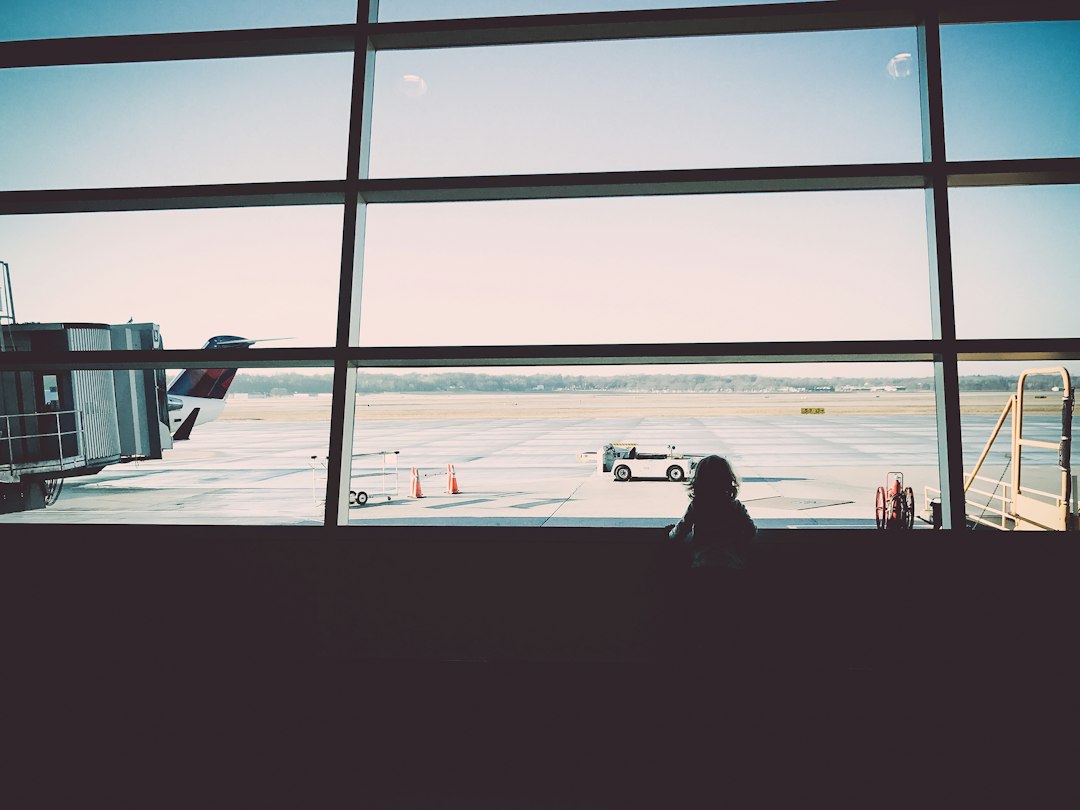
Photo by Ross Parmly on Unsplash
A long-haul flight is a strange sensory environment. The air is dry. The light is unnatural. The sound never stops. Even when the cabin seems calm, there is a constant low hum under everything, like a refrigerator the size of a city block. Your body reads all of it. Muscles tighten without asking permission. Your eyes blink less while staring at a screen. Your feet swell in shoes that fit perfectly on the ground. Then a tray of salty food appears at a time your stomach does not recognize, and somehow that becomes normal for the next 10 to 15 hours.
That is why so many travelers misunderstand economy flight comfort. It is rarely one dramatic problem. It is five mild problems stacked together: thirst, stiffness, awkward posture, too much screen time, and broken sleep. None sounds catastrophic on its own. Together, they make you feel like you have been folded into a drawer. The best long haul flight sleep setup works because it reduces those small frictions before they become one big one.
There is also a psychological side. On the ground, discomfort feels temporary because you can fix it immediately. On a plane, every inconvenience feels amplified by the fact that you cannot really leave. That is why a strong in-flight routine matters so much. Routine creates a sense of control, and control is incredibly calming at 35,000 feet.
Here are the main stressors that quietly wear people down on long flights:
- Dry cabin air that leaves lips, eyes, skin, and nasal passages feeling parched
- A seat position that rounds the shoulders and compresses the lower back
- Noise pollution from engines, announcements, and neighboring rows
- Light exposure from screens, galley activity, and half-open window shades
- Salty meals and alcohol that worsen dehydration
- Long periods of sitting that slow circulation and increase swelling
- Sleep expectations that are too ambitious for the environment
- A bag layout that forces you to keep standing up for essentials
Build your long haul flight sleep setup before you leave home
Photo by Frugal Flyer on Unsplash
The smartest comfort move often happens before you see the gate number. If you board already wired, bloated, dehydrated, and under-rested, the cabin magnifies all of it. If you board slightly fed, lightly stretched, calmly organized, and wearing layers that breathe, the flight has less power over you. That is the real beginning of a long haul flight sleep setup: not in row 41, but at home, when you decide whether the day will be chaotic or controlled.
The 24 hours before departure matter more than most people think. Heavy restaurant food the night before can leave you sluggish and thirsty before boarding. A full day spent sitting in taxis and gate areas can make your hips tight before the wheels even leave the ground. Even the way you pack changes the experience. If your lip balm, pen, eye mask, charger, and socks are buried under a hoodie and a paperback, you begin the flight with friction. That friction becomes tension. Tension becomes shallow breathing. Shallow breathing makes it harder to settle.
I like to think of the pre-flight window as a quiet runway for the body. The goal is not to be perfect. The goal is to board without already feeling behind. One of the simplest travel-day habits I use is keeping my boarding pass, seat details, hotel check-in notes, and airport transfer plans organized in one place with TravelDeck, because fewer loose ends on the ground usually means better economy flight comfort in the air.
A strong pre-flight setup looks like this:
- Eat a normal, moderate meal 2 to 3 hours before leaving for the airport instead of relying on random gate snacks
- Do 20 to 40 minutes of walking, mobility work, or a light workout earlier in the day to loosen hips and back
- Put on compression socks before you leave home if you are prone to swelling or taking a flight over 6 hours
- Wear breathable layers: T-shirt, light sweater or zip layer, and a scarf or overshirt if you run cold
- Choose shoes you can loosen easily when your feet swell, but that still feel secure for airport walking
- Pack a seat kit pouch with only what you need in the air: eye mask, lip balm, moisturizer, tissues, charger, pen, gum, earplugs, and any medication
- Fill an empty bottle after security so you are not dependent on the first drink service
- Decide in advance whether your first goal is sleep, work, or simply resting your eyes; a plan makes the cabin less mentally noisy
How to get there: reach the airport without burning your comfort buffer
Comfort does not begin at cruising altitude. It begins with how you reach the airport. Nothing ruins a carefully planned long haul flight sleep setup faster than a sweaty, traffic-stuck taxi ride, a missed train, or a 20-minute drag through three terminals because you arrived on the wrong side of the airport. For long-haul departures, shaving uncertainty matters more than shaving ten dollars.
If you are leaving from a major hub, public transport is often the most predictable option. It gives you a fixed travel time, fewer last-minute surprises, and less adrenaline than watching a highway clock tick toward check-in cutoff. If you are carrying serious luggage, book the cab early. If you are traveling solo with a carry-on, the train often wins. The golden rule is simple: protect your comfort buffer. Arrive early enough that your shoulders are still down when you scan your passport.
Here are reliable airport access options from major long-haul hubs:
| Airport | Best city connection | Typical time | Typical cost | Why it helps comfort |
|---|---|---|---|---|
| London Heathrow, LHR | Heathrow Express from Paddington | 15 min | from about GBP 25.00 | Fastest option when roads are clogged |
| New York JFK, JFK | AirTrain + LIRR from Penn Station | 35 to 50 min | about USD 13.25 to 18.25 | More predictable than taxi traffic |
| Singapore Changi, SIN | MRT from City Hall or Tanah Merah | 35 to 45 min | about SGD 2.20 | Cheap, easy, and low stress |
| Dubai International, DXB | Metro Red Line to Terminals 1 and 3 | 25 to 35 min from central Dubai | about AED 8 to 11 | Avoids heavy road traffic |
| Tokyo Haneda, HND | Tokyo Monorail from Hamamatsucho | 18 min | about JPY 520 | Smooth transfer for early or late flights |
To arrive in better shape, follow this travel-day sequence:
- Aim to reach the airport 3 hours before a long-haul international flight
- Check terminal and airline twice before leaving, especially at airports with scattered long-haul operations
- If your journey to the airport exceeds 90 minutes, build in a snack and bathroom stop before security
- Once inside, walk for 10 minutes before sitting down at the gate; starting the flight with circulation already moving helps later
- Refill water after security, then use the restroom right before boarding so you are not trapped in the aisle during the first climb
Pick the best seat for long haul comfort
Ask ten frequent flyers about the best seat for long haul comfort and you will get ten emotional answers. Window loyalists want a wall to lean on and no interruptions. Aisle believers want freedom to stretch, stand, and protect their knees. Both are right, depending on your body and your sleep style. The mistake is choosing by habit instead of by mission.
If your priority is uninterrupted rest, the best seat for long haul comfort is usually a window seat a few rows away from the toilets and galley, ideally near the wing where motion feels less dramatic. You get control over the shade, something to lean against, and zero need to climb over anyone. If your priority is circulation, frequent bathroom breaks, or lower-back relief, the aisle is better. People who fight stiffness more than insomnia often do better with an aisle and an intentional in-flight routine.
The cabin itself has geography. The rear often feels bumpier and busier. Bulkhead seats give space but can limit under-seat storage. Exit rows can be excellent, but sometimes come with rigid armrests or colder air. For economy flight comfort, the sweet spot is often simpler than people expect: not too close to the toilets, not trapped in the back, and not in a seat that prevents you from reaching what you need.
Here is a practical comparison:
| Seat type | Best for | Main drawback | Comfort verdict |
|---|---|---|---|
| Window near wing | Sleep, leaning, fewer interruptions | Harder bathroom access | Best if your goal is rest |
| Aisle near wing | Stretching, bathroom freedom, movement | More interruptions from seatmates and carts | Best if your goal is mobility |
| Bulkhead | Extra knee space | Fixed armrests, baby bassinets nearby, no under-seat bag | Great only on the right aircraft |
| Exit row | Legroom | Limited seat storage, possible colder air, fixed armrests | Excellent if seat design works for you |
| Last row of section | No one reclines into you | Noise, traffic, limited recline on some aircraft | Only worth it if you hate recliners |
| Seats near toilets or galley | Easy access to facilities | Constant noise, smells, foot traffic, bright light | Usually avoid |
When choosing the best seat for long haul comfort, use these filters:
- Pick near the wing if turbulence makes you tense
- Avoid bassinets if you are desperate for sleep, since families with infants are often seated there
- Skip the first row by the galley unless you genuinely value legroom over quiet
- If you are tall, compare paid seat selection cost with the misery cost of 12 cramped hours; sometimes the fee is the cheapest upgrade you will buy all trip
- If you want the best seat for long haul rest and cannot get a window, choose an aisle in the middle section of a wide-body jet so only one neighbor needs to pass you
Set up your space in the first 30 minutes
The first half hour after boarding is where a good long haul flight sleep setup becomes real. Most passengers spend it scrolling messages, shoving a jacket overhead, and promising themselves they will organize later. Later is when the seatbelt sign comes on, the cart blocks the aisle, and you realize your lip balm is under your laptop under your sweater under someone else\'s elbow.
A calm seat feels different immediately. The air vent is angled, not forgotten. The water bottle is reachable with one hand. Shoes are loosened but still on. Your entertainment, book, or downloaded playlist is ready before the Wi-Fi collapses under cabin demand. You are not making the seat luxurious. You are making it usable. That shift is at the heart of economy flight comfort.
Think like a tiny-space designer. Every object should have a reason and a place. The tray table is not storage. The seat pocket is not a landfill. Your body should not twist or dig every time you need something. A thoughtful long haul flight sleep setup reduces the amount of movement that feels irritating and preserves the movement that actually helps.
Use this setup sequence once you sit down:
- Stow the big bag overhead and keep only a slim seat kit under the seat in front of you.
- Wipe the tray, armrests, buckle, and screen if that helps you settle mentally.
- Put water, lip balm, tissues, and headphones where you can reach them blind.
- Adjust the air vent toward your forehead or upper chest; steady airflow makes a warm cabin more bearable.
- Place your neck pillow or lumbar support before takeoff, not after pain begins.
- Set screen brightness lower than normal and preload the first film, playlist, or white-noise track.
- Fasten your seatbelt over your blanket once the cabin settles so crew do not need to wake you during turbulence checks.
How to sleep on a plane without chasing perfect sleep
Most advice about how to sleep on a plane secretly asks too much of reality. You are upright, surrounded by strangers, moving through time zones inside a dry, humming metal shell. If you frame success as eight uninterrupted hours, you will feel like you failed. A better target is strategic rest: one or two decent sleep blocks, a few periods of eyes-closed quiet, and no panic when sleep does not arrive on command.
The best long haul flight sleep setup supports that realistic goal. Start by deciding what kind of sleeper you are. Side sleepers usually need a window or a firm neck pillow that prevents the head-drop jerk. Light-sensitive travelers need an eye mask that seals properly around the nose. People who are easily annoyed by movement need to sleep as soon as the first service ends, before the aisle gets busy again. Once you know your pattern, the cabin stops feeling random.
There is also a mental trick that matters: stop trying to force unconsciousness. If you know how to sleep on a plane, you know that resting counts too. Slow breathing, closed eyes, no screen, shoulders down, jaw unclenched, and feet uncrossed still gives your nervous system a break. If you deal with flight tension, the breathing techniques in Survive Long Haul Flights in 2026 With a Calmer Body pair beautifully with this approach.
Here is the sleep method I return to again and again:
- After takeoff, stay awake through the first climb and the first round of cabin activity; trying to sleep while everyone is still standing and bins are opening usually backfires
- Recline once it is allowed, even a little; a few degrees can change how your neck and lower back feel
- Support the body in three places: neck, lower back, and feet. If your feet dangle awkwardly, use your bag or a foot sling if allowed
- Use an eye mask before you feel tired. Darkness is more effective as a cue than as a rescue
- Choose one audio lane only: brown noise, instrumental music, or a boring podcast. Keep it consistent so your brain recognizes the pattern
- Avoid doom-scrolling between sleep attempts. Blue light and emotional stimulation undo progress quickly
- If you wake after 90 minutes, do not assume the sleep window is over. Sip water, reposition, breathe slowly, and try again
If you want a simple answer to how to sleep on a plane, think in blocks rather than totals. One solid 90-minute stretch plus two lighter dozing periods is often enough to transform the day after landing. That is why a repeatable long haul flight sleep setup beats improvising every time.
Small details make a surprising difference:
- Keep your chin slightly down, not tilted back, to reduce that jolt-awake head drop
- If the cabin is too warm, take off one layer before trying to sleep; overheating is one of the most common reasons people keep waking
- Brush your teeth or use a mint after the meal service; that tiny reset tells your body the active part of the flight is over
- Use sleep aids carefully and only if you know how you react to them on the ground first
- If you miss your first sleep window, do not chase it angrily; shift to a short quiet period and try again later
Long flight hydration and food timing that actually help
No one boards a plane planning to feel stale and puffy, yet it happens with amazing consistency. That is because long flight hydration is not just about drinking water when a cart appears. It is about staying ahead of dryness before thirst becomes obvious. By the time your lips feel tight and your eyes start burning, you are already playing catch-up.
Cabin air quietly steals comfort from every part of the body. Skin feels papery. Contact lenses get scratchy. Salty meals taste flatter, which can push you toward more snacks, more alcohol, or more coffee than you really wanted. Good economy flight comfort depends on keeping the body less inflamed, less thirsty, and less bloated than the cabin would prefer. That makes long flight hydration one of the simplest and most powerful tools you have.
Food timing matters too. You do not need a rigid fasting protocol to feel better, but you do benefit from not eating out of boredom. A good long haul flight sleep setup is easier when your stomach is not fighting heavy food at midnight body time. Think lighter, more frequent, and more intentional.
For long flight hydration, aim for this rhythm:
- Start drinking water before boarding, not after the first meal tray arrives
- Take small sips regularly instead of chugging a huge bottle once every few hours
- Add one electrolyte drink on flights over 8 hours, especially if you tend to get headaches or arrive with swollen fingers
- Use lip balm, hand cream, and if needed saline spray or eye drops; hydration is not only internal at altitude
- Limit alcohol if sleep is your goal. It may make you drowsy fast, but it often worsens sleep quality and dehydration later
- Keep caffeine tactical. If you are trying to sleep soon, skip it. If you are landing into morning local time, save it for the second half of the flight
The smartest food choices on a long flight are often the least glamorous:
- Choose rice, grilled protein, yogurt, fruit, soup, or a simple sandwich over very salty, creamy, or fried food
- Pack backup snacks like nuts, oat bars, crackers, bananas, or a peanut-butter sandwich so hunger does not force a bad decision at an odd hour
- If airline timing clashes badly with your destination sleep plan, eat lightly and save your bigger meal for after landing
- Watch the sneaky sodium: packaged snacks, instant noodles, and heavily sauced meals can make your face and ankles feel twice their normal size
If you are wondering how to sleep on a plane when the meal service keeps interrupting you, remember that you do not have to treat every tray as mandatory. Sometimes the best move for your long haul flight sleep setup is taking water, skipping dessert, and closing your eyes again while the cabin is still dim.
Build an in-flight routine for circulation, back pain, and swelling
The body loves rhythm, and a flight is long enough to punish you for ignoring that. A smart in-flight routine is not dramatic. It is not lunges in the galley or athletic heroics in the aisle. It is gentle, repeatable movement that tells your joints and circulation they have not been abandoned for twelve hours.
This is where many travelers confuse stillness with rest. Total stillness is rarely restful on a plane. It makes your hips ache, your calves tighten, and your lower back compress into that familiar stiff curve that feels ten years older by landing. Better economy flight comfort comes from alternating rest and movement, not choosing one and neglecting the other. The most effective long haul flight sleep setup includes motion on purpose.
The other benefit of an in-flight routine is that it gives your mind checkpoints. Instead of staring at the map every 17 minutes, you anchor time to actions: drink water, rotate ankles, stand, stretch, reset posture, rest again. The hours feel less shapeless. That alone can make the cabin feel shorter.
Try this simple movement circuit every 60 to 90 minutes when awake:
- 20 ankle circles each direction
- 10 heel lifts and 10 toe lifts while seated
- 10 slow glute squeezes for circulation and pelvic support
- 5 shoulder rolls backward, then 5 forward
- Chin tuck for 10 seconds, repeated 3 times, to reduce neck strain
- Seated figure-four stretch if space allows, 20 seconds per side
- One walk to the galley or lavatory area and back when the aisle is clear
For better posture, keep these cues in mind throughout the flight:
- Sit back fully so the seat supports you rather than perching on the edge
- Use a sweater or small pillow at the lower back if the seat feels too flat
- Keep knees at a comfortable angle rather than tucked sharply under the seat
- Avoid crossing your legs for long periods if you swell easily
- When sleeping, try not to collapse sideways without neck support; that is how you wake with the crunchy, twisted neck everyone hates
A good in-flight routine also helps with mood. Movement warms you up, resets breathing, and breaks the psychological fog that builds in stale cabin air. If you are searching for the most underrated piece of a long haul flight sleep setup, this may be it.
Things to do on a long-haul flight when you cannot sleep
Not every long flight will give you the sleep window you wanted. Sometimes the seat neighbor is restless, the cabin is too bright, or your brain simply refuses to drift. When that happens, the goal is not to entertain yourself into exhaustion. The goal is to keep the hours pleasant enough that wakefulness does not turn into resentment. A good long haul flight sleep setup should always include a backup plan for being awake.
The best activities are low-drama and low-friction. Think quiet, absorbing, and easy to stop midstream when drowsiness finally appears. This is not the time for a thriller that spikes your heart rate or a work task that makes you clench your jaw. The most effective in-flight routine mixes a little stimulation with a lot of calm.
Here are strong options that travel well:
- Watch one familiar film rather than chasing the most intense new release. Familiarity is soothing.
- Read essays, travel writing, or short stories instead of a dense novel that demands perfect focus.
- Journal the first three days of your trip in advance: where you are staying, what you want to eat, and what you are excited about.
- Build a landing list: ATM plan, transfer plan, hotel address, SIM or eSIM setup, and first meal idea.
- Listen to one full album in the dark with the screen off. It feels surprisingly restorative.
- Do a five-minute body scan meditation, then another 20 minutes later. Calm can arrive in layers.
- Organize photos, delete duplicate screenshots, and clear phone storage without going deep into social media.
If you want the flight to feel shorter, alternate inputs. Thirty minutes of reading followed by a walk, then a film, then ten minutes with eyes closed is a better in-flight routine than six straight hours of flickering screen light. It also makes how to sleep on a plane easier later because your brain has not been overstimulated all night.
Where to stay: airport hotels that save a long-haul departure
Sometimes the most comfortable long-haul flight starts with not sleeping at home. That sounds backward until you have faced a 6:00 a.m. international departure from an airport 90 minutes away. In those cases, an airport hotel is not indulgence. It is strategy. One solid night near the terminal can preserve your energy, protect your long haul flight sleep setup, and remove the anxiety of traffic, missed trains, and predawn alarms.
This is especially true at major hubs where terminals sprawl, security lines grow fast, and long-haul check-in windows are strict. If you are traveling with children, older relatives, or a lot of luggage, the value goes up again. Start rested, walk a short distance, and board calmer. That is real economy flight comfort before the aircraft even appears.
Here are reliable airport hotel options worth considering:
| Budget tier | Hotel | Typical price | Why it works |
|---|---|---|---|
| Budget | Holiday Inn Express London Heathrow T4 | from about GBP 95 | Covered access to Terminal 4 and easy links to other Heathrow terminals |
| Budget | Premier Inn Dubai International Airport | from about AED 220 | Frequent shuttle, dependable rooms, strong value near DXB |
| Mid-range | Village Hotel Changi Airport, Singapore | from about SGD 170 | Good for Changi departures, quieter area, rooftop pool for a reset |
| Mid-range | ibis Styles Paris Charles de Gaulle Airport | from about EUR 120 | Walkable or CDGVAL connection, practical for early departures |
| Luxury | Crowne Plaza Changi Airport | from about SGD 320 | Directly connected feel, polished rooms, one of the easiest pre-flight stays anywhere |
| Luxury | Sofitel London Heathrow | from about GBP 220 | Linked to Terminal 5, excellent soundproofing, ideal before long-haul departures |
Book an airport hotel when:
- Your flight leaves before 9:00 a.m. and the airport commute is long or traffic-prone
- You have a same-day long-haul connection after a late arrival
- You are traveling with kids and want a calmer morning
- You have an important meeting or event after landing and want to start from the best possible baseline
Where to eat: smarter pre-flight meals and better airport dining
The meal before a long flight matters more than the meal on the plane. Eat too little and you board already hunting sugar and caffeine. Eat too much and you begin the flight feeling tight across the stomach before the seatbelt sign is even off. The sweet spot is a real meal with protein, carbs, and something fresh, eaten early enough that you are not sprinting to the gate with a paper bowl in one hand.
Airports are better at this than they used to be. The trick is choosing food that helps your body fly well, not food that only feels exciting because you are traveling. Greasy burgers and giant beers can be fun on a two-hour hop. On a long-haul departure, they often sabotage sleep, swelling, and long flight hydration. If your goal is a good long haul flight sleep setup, eat like you want your stomach to agree with you halfway over the ocean.
Good airport meal stops to look for at major hubs include:
- Gordon Ramsay Plane Food, Heathrow Terminal 5: reliable sit-down option with lighter mains and breakfast plates that work well before overnight departures; mains often from GBP 18 to 28
- Violet Oon Singapore, Jewel Changi: polished local dishes like nasi lemak and dry laksa if you want one memorable meal before a long flight; many mains around SGD 18 to 30
- Harrods Tea Room, Hamad International Airport: calmer atmosphere than typical food courts, with soups, salads, breakfast items, and tea service; expect roughly QAR 45 to 95
- Edo Koji dining area, Haneda Terminal 3: a dependable place for rice bowls, noodles, and lighter Japanese meals before late-night departures; simple sets often from JPY 1,000 to 2,000
- Shake Shack at Jewel Changi: useful if you need quick service and familiar food, though a lighter sandwich or salad choice will usually sit better than a double burger before boarding
What works best before a long flight:
- Rice bowls, grilled chicken or fish, miso soup, yogurt, fruit, oatmeal, simple sandwiches, and noodle soups
- A meal finished 60 to 120 minutes before boarding if possible
- Minimal alcohol, especially before an overnight sector
- One extra snack packed for later so you are not trapped by the airline schedule
For food planning after arrival, keep Jet Lag Recovery Plan 2026: The 72-Hour Reset That Works bookmarked for the days after landing.
Practical tips for long-haul flights in 2026
The glamour of long-haul flying lives in window sunsets and route maps. The reality lives in layers, battery rules, offline maps, and knowing when not to drink the third coffee. The travelers who cope best are rarely the toughest; they are the ones who reduce unnecessary friction. A dependable long haul flight sleep setup is really a collection of practical habits that keep the body steady and the mind unbothered.
In 2026, the basics still matter because the environment has not changed: cabins are dry, power ports still fail, and delays still turn neat plans into messy ones. Good economy flight comfort comes from planning for inconvenience without becoming paranoid about it. Think simple, durable, repeatable.
Use this quick reference:
| Topic | Practical advice |
|---|---|
| Best months to fly if you want fewer disruptions | Late January to early March and late September to mid-November often bring lighter leisure crowds than peak summer and major holiday periods |
| Weather and cabin temperature | Dress for roughly 20 to 24 C in the cabin, but assume you may swing between chilly and stuffy within a few hours |
| What to pack in your seat kit | Eye mask, lip balm, moisturizer, charger, power bank, pen, tissues, gum, any medication, and a fresh pair of socks |
| Customs and etiquette | Recline gently after meal service, use headphones, keep the aisle clear, and do not treat the shared armrest as private property |
| Currency and arrival | Keep a small amount of destination cash or a fee-friendly card for transport; not every arrival hall exchange desk is a good deal |
| Safety and health | Move regularly, stay hydrated, keep seatbelt visible over your blanket, and consult a doctor if you have circulation concerns before very long flights |
| Connectivity | Download maps, boarding passes, hotel details, and entertainment offline before leaving home |
Useful official resources worth saving before a trip:
- TSA liquids rule: https://www.tsa.gov/travel/security-screening/liquids-rule
- FAA battery and power bank rules: https://www.faa.gov/hazmat/packsafe
- EU passenger rights for delays and cancellations: https://europa.eu/youreurope/citizens/travel/passenger-rights/air/index_en.htm
- US air consumer protections: https://www.transportation.gov/airconsumer
- Heathrow Express schedules: https://www.heathrowexpress.com
- Changi Airport transport guide: https://www.changiairport.com
A few final habits that consistently improve how to sleep on a plane and overall comfort:
- Change your watch or phone to destination time once you board
- Keep one offline entertainment option that does not depend on seatback screens
- Do not wait for pain to stretch or for thirst to drink
- If sleep is impossible, switch to quiet rest instead of fighting the cabin
- Protect your first hour after landing with a clear plan for transport, hydration, and food
FAQ
What is the best seat for long haul overnight flights?
For most people, the best seat for long haul overnight rest is a window seat near the wing and away from toilets and galleys. It gives you something to lean against, fewer interruptions, and usually less foot traffic. If you need to stand often for circulation or bathroom breaks, an aisle may be better even if sleep quality is slightly worse.
How do I sleep better in economy on a long-haul flight?
The biggest upgrade is a repeatable long haul flight sleep setup: choose the right seat, support your neck and lower back, reduce light, keep water close, eat lightly, and aim for sleep blocks rather than perfect sleep. Good economy flight comfort depends on reducing small annoyances before they pile up.
How often should I drink water on a long flight?
For most travelers, long flight hydration works best with steady small sips rather than occasional large drinks. Start before boarding, keep a bottle at your seat, and add electrolytes on very long sectors or if you are prone to headaches and swelling.
Is it better to stay awake or sleep on a plane?
That depends on arrival time and how well you usually handle overnight travel, but in general, rest is valuable even if full sleep does not happen. If you are crossing multiple time zones, align your in-flight routine with the destination as much as possible. If you land in the morning, sleeping for at least part of the flight usually helps.
What should I avoid before a long-haul flight?
Avoid starting the trip dehydrated, under-rested, or overfed. Very salty meals, heavy alcohol, nonstop caffeine, and tight clothing all make the cabin feel harsher. If you want better how to sleep on a plane results, skip the frantic last-minute packing and board with a calm, organized setup.
A comfortable long-haul flight is rarely about luck. It is about reducing friction before it finds you. When your water is where your hand expects it, when your body has a rhythm, when your seat supports the way you actually rest, the cabin changes character. It stops feeling like something to survive and starts feeling like a long, manageable pause between two places. That is what a good long haul flight sleep setup really gives you: not luxury, but a softer landing before you have even landed.