Chicago punishes overplanning and underplanning at the same time. Try to cram six major sights, two neighborhoods, and deep-dish pizza into one day, and the city starts feeling like a series of queues. Plan the best things to do in Chicago by zone instead, and suddenly the river, the lake, the museums, and the food all click into place.
The simplest rule for a first trip is this: book two anchors a day, leave one flexible block, and stay somewhere central enough that you can walk or jump on the CTA instead of fighting traffic. If you like keeping reservations, notes, and saved places in one tidy trip board, TravelDeck is a useful way to keep the plan readable.
Best things to do in Chicago without wasting half your trip in transit
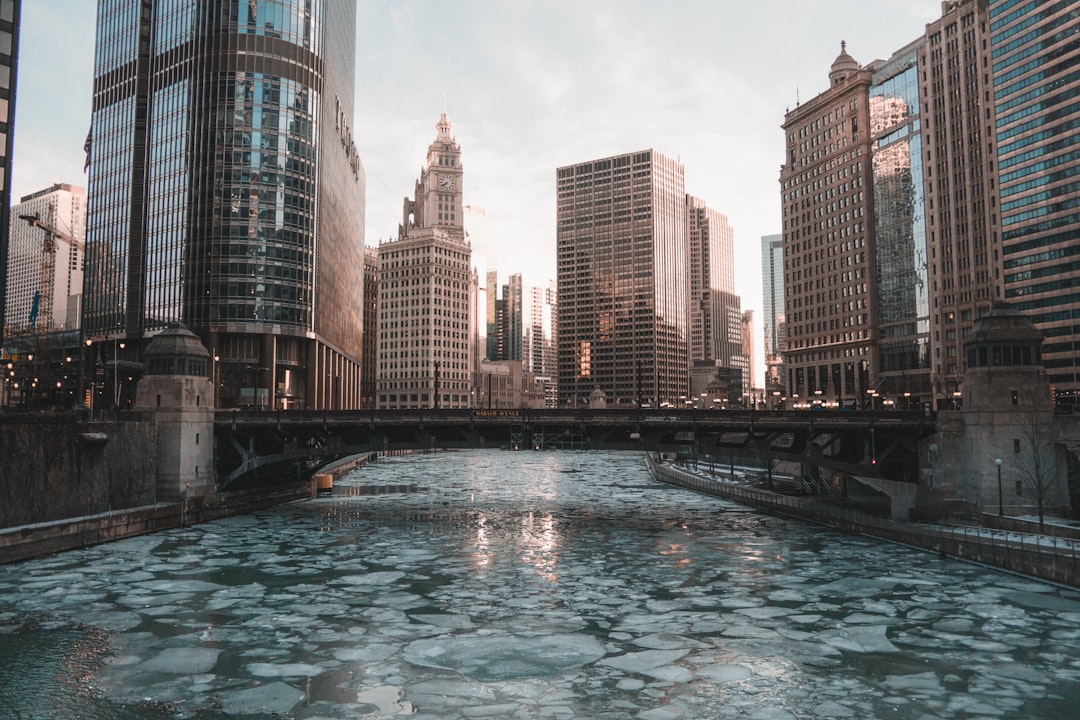
Photo by Alex Azabache on Unsplash
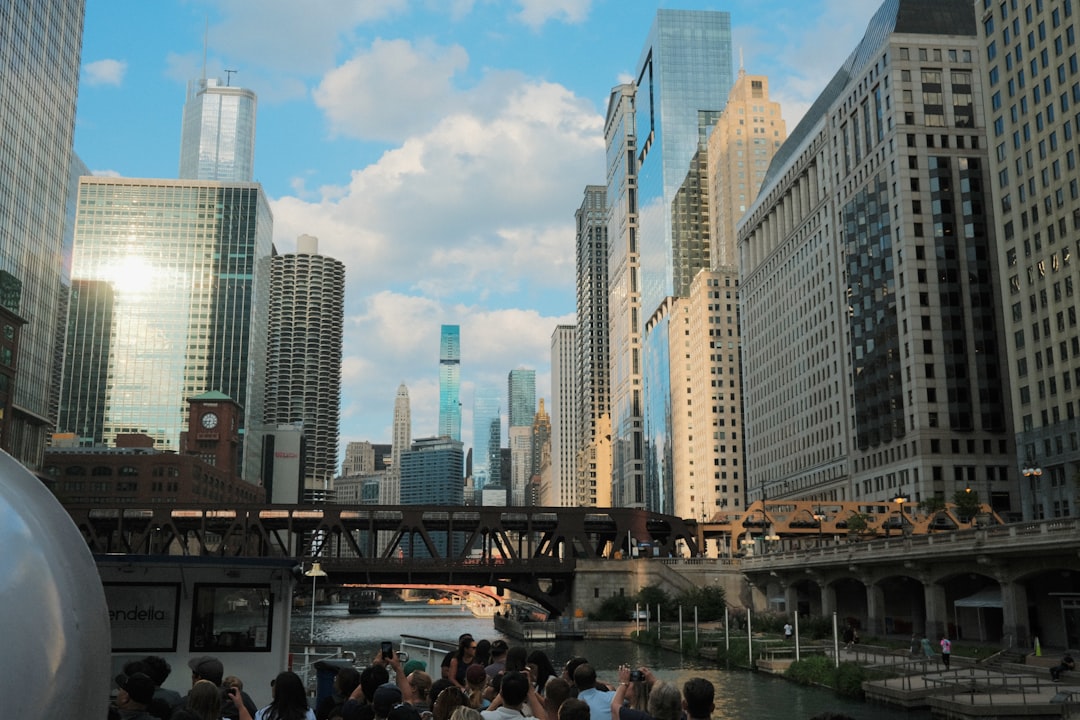
Chicago looks enormous on a map, but the city feels manageable when you stack your day around one downtown icon, one food stop, and one neighborhood wander. The skyline is the headline, yet the magic is the rhythm: stainless steel towers reflected in the river, the smell of hot dogs and grilled onions near lunchtime, and a cold lake breeze even on a bright summer day.
For a first visit, these are the Chicago attractions that deserve priority because they deliver the most city for the least effort.
- Architecture river cruise from the Chicago River: about 90 minutes, typically from $57, best booked in advance. If you pay for one experience, make it this one.
- Millennium Park and Cloud Gate: free, best before 9:00 am for lighter crowds and better photos.
- Chicago Riverwalk: free, ideal late afternoon into sunset, especially if you want skyline views without another ticket.
- Art Institute of Chicago: adults from about $25, and you need at least 2 to 3 hours.
- Skydeck Chicago: from about $49, strongest for height and drama.
- Navy Pier: worth it for an evening stroll, lake views, or fireworks nights, not as an all-day base.
A good filter is to choose by trip length.
- If you have 1 day: architecture cruise, Millennium Park, Riverwalk, one classic food stop.
- If you have 2 days: add the Art Institute and one neighborhood such as Wicker Park or Pilsen.
- If you have 3 days: add Hyde Park, Lincoln Park, or a museum-heavy day.
The mistake most travelers make with things to do in Chicago is booking too many indoor attractions back to back. Break them up. One museum in the afternoon feels great; three in a row feels like homework.
Where to stay in Chicago for easy access to top attractions
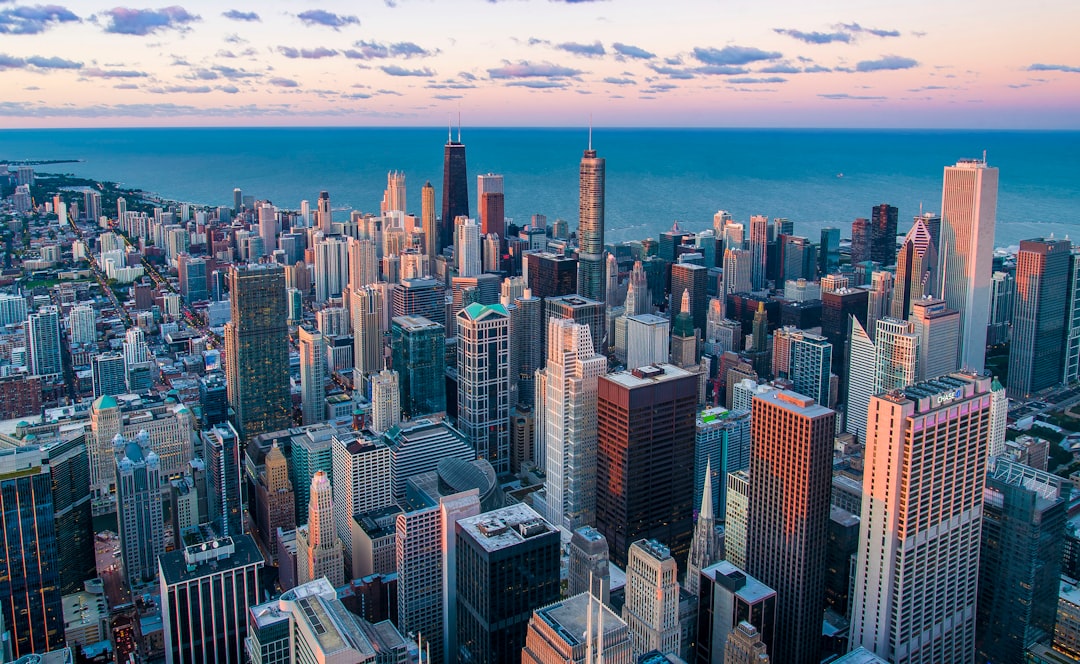
Photo by Pedro Lastra on Unsplash
Where you stay shapes the whole trip more than almost any individual ticket. For most first-timers, the best base is somewhere you can walk to the river, Millennium Park, and at least one train line. That cuts down on dead time and lets you slip back out for a sunset walk or a late dinner without turning it into logistics.
The best areas for a short city break are simple.
- The Loop: best for Millennium Park, the Art Institute, and easy transit. Quieter at night, strongest for museums and architecture.
- River North: best all-round choice for restaurants, hotels, and quick access to the river cruise docks.
- West Loop: best if food matters as much as sightseeing. Slightly less central for classic postcard views, but excellent for dinner.
- Magnificent Mile and Streeterville: best if you want shopping, lake access, and easy reach to Navy Pier.
A few Chicago travel tips save real money here.
- Skip the rental car unless you are adding suburbs or a road trip. Downtown parking often runs $35 to $60 a day.
- Use the CTA for airport and city rides. Current fares and passes are on the official site: CTA fares.
- A 1-day CTA pass is about $5, a 3-day pass about $15, and both are usually better value than paying single rides.
- For airport access, allow around 45 minutes on the Blue Line from O Hare to downtown, and roughly 35 minutes on the Orange Line from Midway to the Loop.
When readers ask me for where to stay in Chicago, I usually say this: if it is your first trip, stay central and spend your time exploring neighborhoods on purpose, not commuting from them.
Chicago neighborhoods worth your time beyond downtown
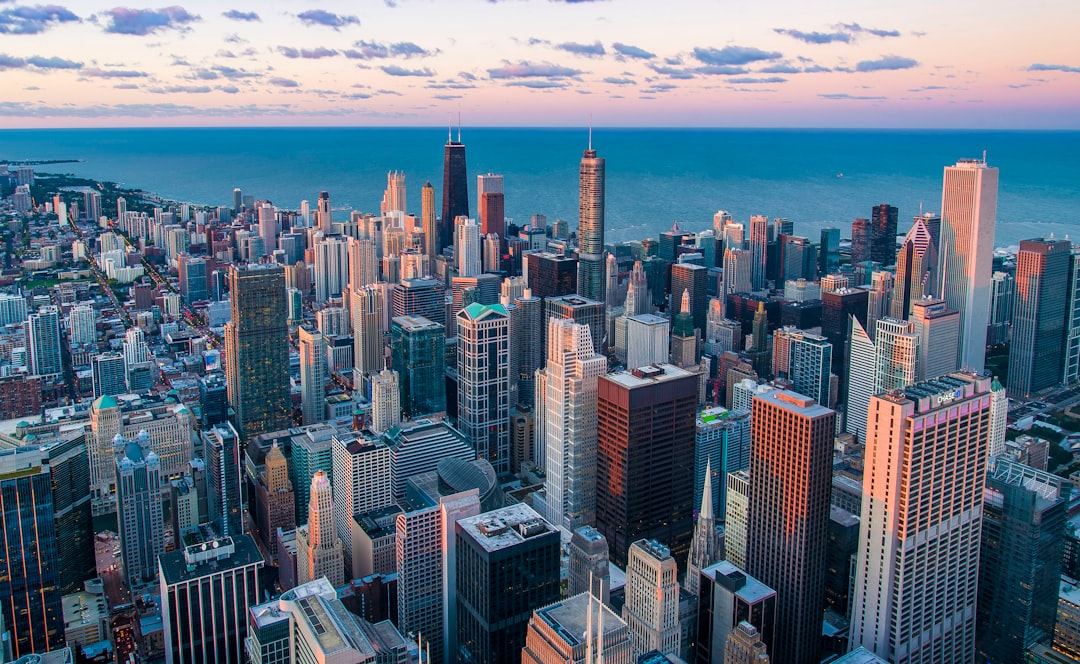
Photo by Pedro Lastra on Unsplash
Downtown gives you the skyline. Chicago neighborhoods give you personality. The city changes block by block: murals and taquerias in one direction, brownstones and leafy side streets in another, warehouse dining rooms and polished cocktail bars somewhere else entirely. This is where a Chicago itinerary stops feeling generic.
Pick one neighborhood per half-day. Two if you are efficient. Three is usually too much.
Wicker Park
Come here for boutiques, coffee, vintage shops, and a looser, more local mood than downtown. The Damen stop puts you right into the action, and the streets feel lively without being rushed. It is one of the easiest Chicago neighborhoods for a first-time visitor to enjoy without overthinking the plan.
Best for: brunch, shopping, casual dinner, and an afternoon that does not revolve around tickets.
Pilsen
Pilsen is color, street art, and some of the most satisfying food in the city. Murals spill across walls, bakeries smell sweet and warm, and the pace is slower than downtown. Pair it with the National Museum of Mexican Art, which is free and genuinely worth your time.
Best for: tacos, art, and seeing a version of Chicago that feels very different from the Loop.
Lincoln Park
If you want lakefront paths, tree-lined streets, and a softer city day, go north. Lincoln Park combines neighborhood charm with major draws like the free Lincoln Park Zoo and easy access to the lake. On a clear day, the skyline rising behind North Avenue Beach is one of the best urban views in America.
Best for: families, scenic walks, and mixing free attractions with classic city views.
Hyde Park
Hyde Park feels more spacious, intellectual, and residential. In 2026, the big reason to go is the Obama Presidential Center, opening to the public on June 19, 2026. You can combine it with the Museum of Science and Industry and a walk through Jackson Park for a full, coherent day.
Best for: a museum-led day with real substance and less downtown intensity.
How to plan a 2- or 3-day Chicago trip without backtracking
The best things to do in Chicago work best when grouped by geography, not by ranking. Think in loops: river and Loop together, lakefront with Streeterville, Hyde Park as its own day, and Wicker Park or Pilsen as their own excursions. That keeps your energy for the city instead of spending it changing trains every two hours.
Here is a structure that works for most travelers.
- Day 1: Do downtown essentials. Start at Millennium Park early, walk to the Art Institute if it is on your list, then do the architecture cruise in late afternoon when the light hits the buildings beautifully. End on the Riverwalk or in River North for dinner.
- Day 2: Choose one major branch. Either go north for Lincoln Park and the lakefront, or go west for Wicker Park and a food-focused evening in the West Loop.
- Day 3: Use for Hyde Park, a second museum, or a slow neighborhood day if you hate rushing.
A few timing hacks help a lot.
- Schedule deep-dish pizza for lunch or an early dinner. It often takes around 45 minutes to bake.
- Book one timed attraction before noon and one after 3:00 pm. Keep the middle open for walking, food, or weather changes.
- Put your highest-priority paid sight on the clearest-weather day. In Chicago, views matter.
If you enjoy this kind of first-timer structure, the same logic shows up in other city breaks such as 3 Days in Vienna in 2026: The Smart First-Timer Itinerary and 4 Days in London in 2026: How Many Days You Really Need.
Chicago travel budget: what the big sights actually cost
Chicago can be done well on a moderate budget if you mix one paid anchor with strong free sights. The expensive version of the trip usually comes from stacking observation decks, museums, rideshares, and downtown cocktails all in the same day. A smarter Chicago itinerary balances paid highlights with excellent free walks.
This planning table is the one to copy into your notes.
| Item | Typical 2026 adult cost | Time needed | Money-saving rule |
|---|---|---|---|
| Architecture cruise | $46 to $57+ | 90 min | Book early departure or shoulder-season dates |
| Art Institute | About $25 | 2 to 3 hrs | Pair with Millennium Park on the same day |
| Skydeck | From about $49 | 60 to 90 min | Choose one observation deck, not two |
| Deep-dish pizza meal | $30 to $45 per pie | 60 to 90 min | Share one pie between 2 to 3 people |
| Chicago hot dog | $5 to $9 | 20 min | Use for a cheap lunch between sights |
| Italian beef | $10 to $15 | 20 min | Great budget dinner if you skip a sit-down meal |
| CTA 1-day pass | About $5 | Full day | Better than multiple single rides |
| Downtown parking | $35 to $60 | Per day | Avoid by not renting a car |
As a rule of thumb, expect these daily totals before hotel.
- Budget-leaning day: $60 to $100 per person if you focus on free sights, transit, and casual food.
- Mid-range sightseeing day: $120 to $190 per person with one paid attraction and one nicer meal.
- Big-ticket day: $180 to $260 per person if you do a cruise, major museum, observation deck, and dinner out.
For Chicago travel tips that matter more than coupon-hunting, this is the big one: spend on the experience that explains the city, not just the one with the longest line. In Chicago, that is usually the river cruise.
Best time to visit Chicago and seasonal planning hacks
Chicago is glorious in good weather and honest about bad weather. Summer gives you patios, lakefront bikes, and fireworks; winter gives you dramatic architecture and lower hotel rates, but also serious wind. The city is not hard year-round, but the kind of trip you build should change with the season.
Late May through early October is the easiest window for most travelers. The Riverwalk is lively, architecture cruises run frequently, and neighborhood strolling feels effortless. June and September are especially strong if you want warm weather without the peak-summer crush. If you are comparing early-summer city ideas more broadly, June 2026 Trip Planner: 6 Places Before Peak Summer is a useful companion read.
Use these seasonal rules.
- March to May: good for museum-heavy trips, lower crowds, and cooler walks. Pack layers and a windproof jacket.
- June to August: best for first-time visitors who want the full outdoor version of the city. Book boat tours and popular dinners early.
- September to October: my favorite balance of weather, light, and walking comfort.
- November to February: go if you love winter city energy, indoor culture, and lower rates, but do not build a plan around long outdoor stretches.
One specific 2026 note matters: Hyde Park gets a major boost with the Obama Presidential Center opening on June 19, 2026. If that is on your list, give Hyde Park a dedicated day instead of squeezing it into an already packed downtown schedule.
FAQ
How many days do you need for Chicago?
Two full days is the minimum for first-timers, but three days is the sweet spot. That gives you room for downtown icons, one museum or major attraction, and at least one neighborhood beyond the Loop.
Do you need a car in Chicago?
No, not for a standard city trip. Between walking and the CTA, most visitors can reach the main Chicago attractions easily, and skipping a car saves a lot once parking is added.
What is the number one paid activity in Chicago?
For most travelers, it is the architecture cruise. It is the fastest way to understand the skyline, the river, and why the city looks the way it does.
Which observation deck is better?
Choose Skydeck if you want the highest view and the glass ledge experience. Choose 360 Chicago if you care more about lakefront and north-facing views. Most travelers should pick one, not both.
What should I book before arriving?
Book the architecture cruise, any observation deck you truly want, and one popular dinner if it matters to you. Many of the best things to do in Chicago are free or flexible, so leave room for weather and spontaneous neighborhood time.
Chicago is at its best when your plan has shape but still breathes. Start with the river, add one neighborhood that feels like your kind of city, leave time to eat properly, and let the lake and skyline do the rest.