Jet Lag Recovery Plan 2026: The 72-Hour Reset That Works
A body crossing eight time zones does not arrive when your suitcase does. That is the uncomfortable truth behind every bleary airport coffee, every hotel room nap that ruins the night, and every first vacation day spent feeling as if your brain is wrapped in wool. A smart jet lag recovery plan matters because your internal clock changes far more slowly than your boarding pass suggests.
Most travelers blame jet lag on poor sleep alone, but the real story is bigger and stranger. Your sleep-wake cycle, hunger, digestion, alertness, body temperature, and even bathroom timing all run on a delicate biological schedule. A sudden time zone change scrambles that schedule. That is why you can feel exhausted at noon, wide awake at 2 a.m., hungry at the wrong hours, and weirdly emotional in a perfectly beautiful city.
The good news is that jet lag is not random bad luck. It responds to timing. Light exposure, meal timing, movement, caffeine, and melatonin for jet lag all work better when used with precision instead of desperation. If you have ever tried to fix everything by sleeping longer, drinking more coffee, and hoping for the best, this guide will feel like a relief.
This jet lag recovery plan is built for real travelers, not lab conditions. It is designed for business flyers landing before a meeting, couples starting a city break, parents arriving with tired kids, and anyone stepping off a long haul flight wanting to feel normal faster. I will walk you through what to do before departure, on the plane, and during the first 72 hours after landing, with different advice for eastbound and westbound trips.
If you want the shortest version before we dive deep, here it is: match your body to destination time as early as possible, use light exposure like medicine, protect your first local night of sleep, eat lightly at the right hours, and never let a chaotic arrival day make decisions for you.
Why jet lag feels worse than simple sleep loss
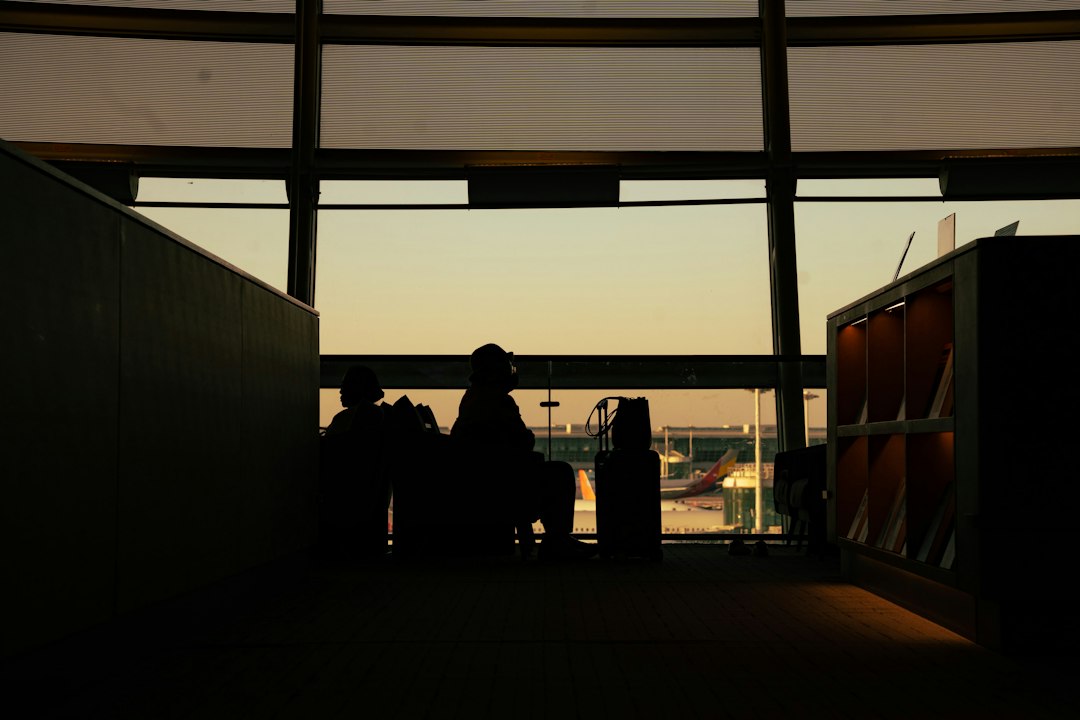
Photo by Brett Jordan on Unsplash
Jet lag is often described like ordinary fatigue, but it behaves differently in the body. After a rough night at home, you are tired yet still living in the same daylight pattern, meal rhythm, and social schedule. After crossing multiple time zones, your circadian rhythm is suddenly out of sync with the world around you. The hotel curtains open onto bright morning, but your brain still thinks it is deep night. That mismatch is why even strong coffee can feel strangely useless.
Your main body clock sits in the brain and responds most strongly to light. That is why light exposure is the single most powerful lever in any jet lag recovery plan. But your body is not run by one clock alone. Digestion, hormones, metabolism, and temperature also follow daily timing signals. When you land in a new place, those systems do not all reset together. That is why travelers often complain of gut lag, weird appetite swings, constipation, restless sleep, and a foggy, slightly unreal feeling.
Direction matters too. Eastbound trips, such as New York to Paris or Los Angeles to London, usually feel harder because they ask you to fall asleep earlier than your body wants. Westbound trips, such as London to New York or Tokyo to Singapore, are often easier because staying up later is more natural for the human circadian rhythm. The number of zones crossed matters, but the direction of the time zone change can matter even more.
A few travelers are hit harder than others. Morning people often struggle more with westbound trips. Night owls can suffer more on aggressive eastbound itineraries. Older travelers may notice stronger symptoms, and frequent flyers sometimes get fooled into thinking they are immune when they are simply functioning below their usual level.
Common signs that your body clock is misaligned include:
- Sleepiness at the wrong local time
- Waking up painfully early after an eastbound trip
- Inability to sleep until very late after a westbound trip
- Stomach discomfort, bloating, or poor appetite
- Brain fog and slower reaction time
- Low mood or irritability
- Cravings for sugar, salt, or caffeine
- Feeling physically tired but mentally wired
When you understand that jet lag is a full-body timing problem, the logic of a better jet lag recovery plan becomes clear. You are not just trying to sleep more. You are trying to reset a biological schedule.
The pre-flight jet lag recovery plan: start before takeoff
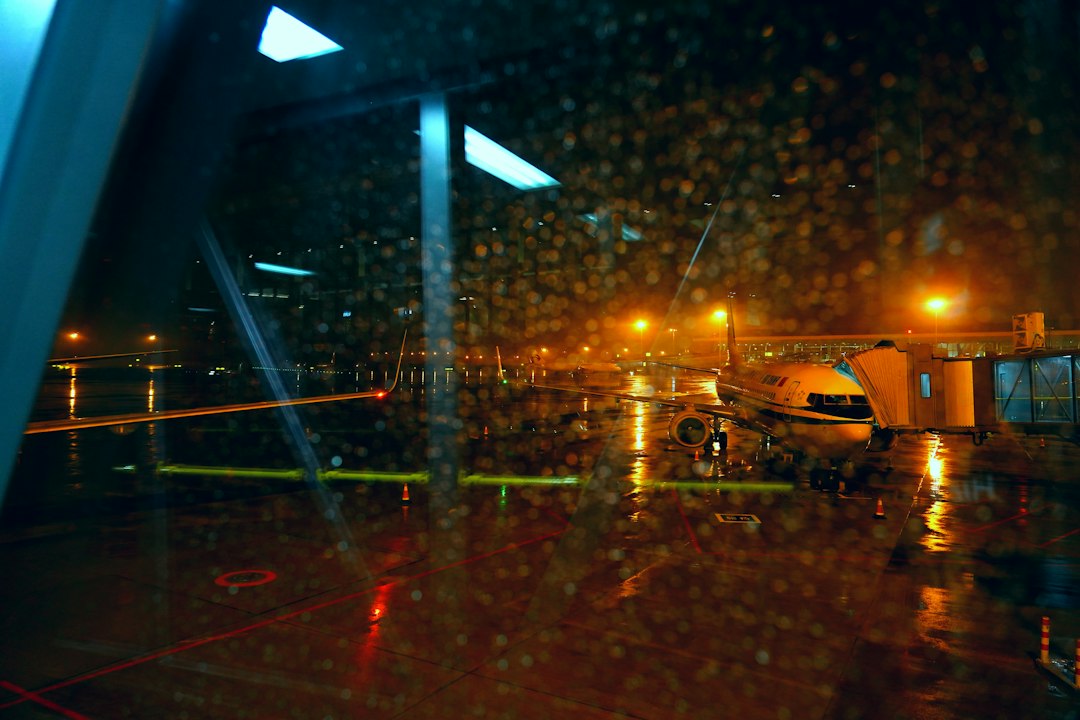
Photo by Jacob Hamm on Unsplash
The most effective travelers do not wait until the cabin doors open to think about recovery. They start bending the trip in their favor before the airport taxi even arrives. This is where a well-built jet lag recovery plan becomes much easier than a heroic, last-minute fix after landing.
Think of the three days before departure as a runway. You do not need to transform into a monk or schedule your life to the minute, but even modest changes help. If you are flying east, begin moving bedtime and wake time earlier by 30 to 60 minutes each day. If you are flying west, push them later. This small shift reduces the shock of a big time zone change and gives your circadian rhythm a head start.
Light matters more than willpower here. For eastbound travel, get outside in early morning light for the few days before departure. Open the curtains immediately, take your coffee outside, or walk around the block before work. For westbound travel, hold onto brighter evening light a bit longer and avoid crashing into bed too early. A short walk after dinner can be surprisingly helpful.
Food can also start the reset. Begin nudging breakfast, lunch, and dinner closer to the destination schedule when practical. No, you do not need to eat lunch at 10 a.m. three days before a Tokyo flight, but you can start avoiding heavy late dinners if you know you will need an earlier sleep window soon.
A useful pre-flight checklist looks like this:
- Shift bedtime by 30 to 60 minutes per day toward destination time
- Shift wake time in the same direction
- Use morning light exposure for eastbound trips
- Use evening light exposure for westbound trips
- Reduce alcohol the day before travel
- Hydrate well in the 24 hours before departure
- Avoid intentionally staying awake all night before a flight
- Pack tools that make in-flight sleep possible, not just hopeful
That last point gets ignored too often. Travelers obsess over seat maps and forget that sleep equipment changes outcomes. A neck pillow that actually supports your head, a blackout mask that does not press on the eyes, layered clothing, compression socks, and noise control can make the difference between fragmented dozing and real rest. If you are rebuilding your cabin setup, the gear ideas in Long Haul Flight Essentials 2026: A Comfort Kit That Works are worth a look.
One note on supplements: melatonin for jet lag can help, but timing matters more than brand names or giant doses. Taking it randomly before departure is not usually the smartest move. For most travelers, it works better after arrival, timed to local bedtime rather than thrown into the mix whenever fatigue hits.
On the plane: use your long haul flight to protect tomorrow
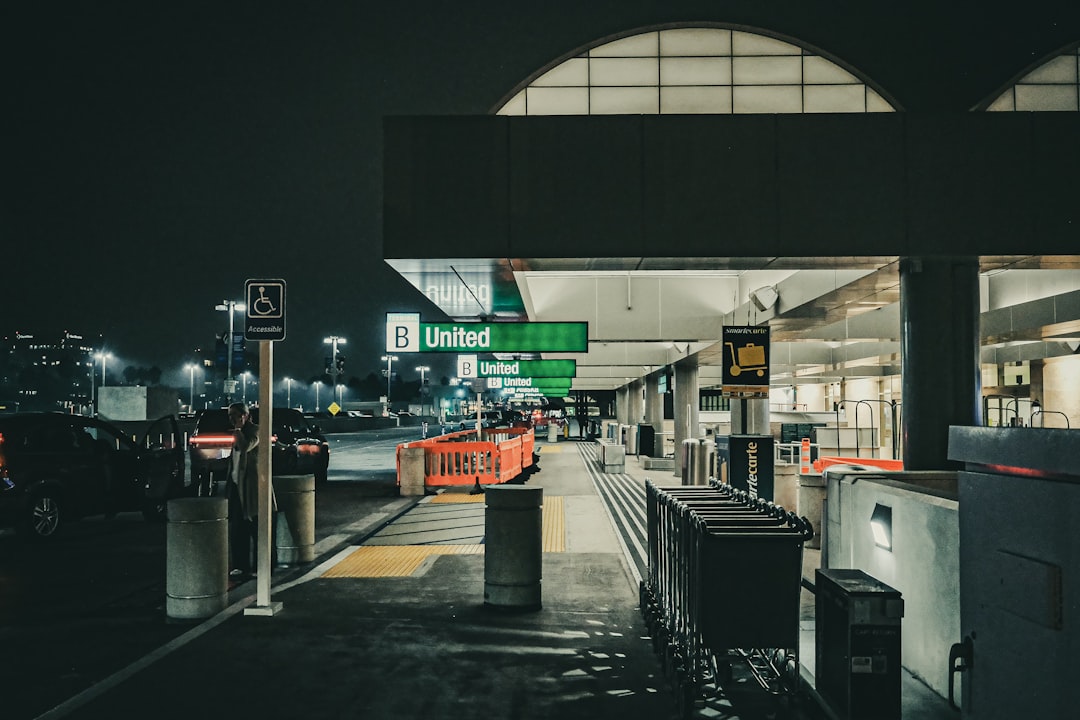
Photo by Marissa Lewis on Unsplash
A long haul flight is not dead time. It is part of the treatment. The moment you sit down, your choices either support the new schedule or anchor you harder to the old one. This is why the in-air phase of a jet lag recovery plan matters so much.
The first move is simple: switch your phone, watch, and mental schedule to destination time as soon as you board. Not when you land. Not after passport control. Right away. When you do this early, your sleep, meals, caffeine, and expectations all start lining up with the new reality.
Then make one decision that guides the whole flight: are you supposed to sleep or stay awake based on destination time? Too many travelers sleep because they are tired, not because sleep fits the clock where they are going. That is understandable, but it is usually where the damage begins. If it is midnight at your destination, create darkness and sleep. If it is lunchtime there, stay up, move, drink water, and keep your eyes exposed to cabin or window light.
Cabin conditions are rougher than they feel. Dry air, noise, cramped posture, and the stress hormones of travel all make your body less resilient. A long haul flight can leave you feeling chemically stale before jet lag even enters the picture. This is why movement and hydration are not soft wellness extras. They are practical tools.
On the plane, try this routine:
- Drink water steadily instead of chugging once every few hours
- Limit alcohol, which fragments sleep and worsens dehydration
- Use caffeine only during destination daytime hours
- Eat lighter than you think you need, especially overnight
- Stand, stretch, and walk every few hours when safe
- Use a sleep mask and earplugs or headphones when destination time says night
- Open the window shade when destination time says day and you can get natural light
If flights leave you swollen, tense, and weirdly overcaffeinated, the body-focused advice in Survive Long Haul Flights in 2026 With a Calmer Body pairs well with this jet lag recovery plan.
Food deserves a special mention. Your digestive system does not love being handed a heavy tray meal at what it believes is 3 a.m. If the airline dinner lands in front of you during your biological night, it is okay to eat lightly or skip parts of it. A small protein-rich meal, fruit, yogurt, soup, or crackers can be easier on the body than rich pasta, too much sugar, or multiple drinks.
And if you are tempted to knock yourself out with several glasses of wine, remember what that sleep usually feels like on landing: dry mouth, racing heart, shallow rest, and a worse first day. Sedation is not synchronization.
The 72-hour jet lag recovery plan after landing
This is the heart of the article: the 72-hour jet lag recovery plan that turns theory into action. It is not glamorous, but it works because it respects how bodies adapt. You do not need perfect discipline. You need a clean first day, a protected first night, and enough consistency for your circadian rhythm to stop fighting the new place.
Hour 0 to 6: arrival day is where the trip is won or lost
The first hours after landing often feel cinematic. Airport glass glows with morning light, the city outside looks thrilling, and your body feels both numb and oddly electrified. This is when travelers make the biggest mistake: they respond to exhaustion instead of to local time.
If it is daytime where you land, get outside as soon as you reasonably can. Real daylight does more for a body clock than hotel lamps or airport terminal brightness. Even a 20 to 30 minute walk with luggage wheels rattling over pavement is better than hiding in a dim room. If you can, walk to a nearby cafe, sit by a window, and let your eyes and skin register the day.
If you arrive in the morning after an overnight eastbound trip, resist the temptation to crawl into bed immediately. Shower, change clothes, go outside, eat a normal breakfast or lunch depending on the hour, and stay upright. Your first job is to tell the brain that this is the active part of the day.
On arrival day, do this in order:
- Set all devices to local time if you have not already
- Hydrate before coffee if you feel dry or headachy
- Get daylight exposure as soon as possible
- Eat a light local-time meal
- Keep moving with easy walking or gentle stretching
- Delay a nap if you can
- If you truly must nap, keep it under 20 minutes and before 3 p.m.
That nap limit matters. Long naps are one of the fastest ways to sabotage a jet lag recovery plan. A two-hour crash can feel amazing in the moment and disastrous at midnight.
First local evening: protect the sleep window
The first evening is fragile. This is when fatigue and adrenaline cross paths. You may suddenly feel normal at dinner and then become wide awake in bed. Or you may feel as if you could fall asleep in a bowl of soup at 6 p.m. Either way, the goal is not perfection. The goal is to reach a reasonable local bedtime without overshooting into a late-night second wind.
Keep dinner lighter than usual. Soup, rice, grilled fish, roast chicken, eggs, toast, noodles, yogurt, fruit, or simple vegetables are friendlier than a huge tasting menu on a body that still thinks it is another continent away. This is not the night for endless cocktails, a giant dessert, and espresso at 9:30 p.m.
Dim light helps now. If morning light pushes the body clock earlier, late bright light can do the opposite. Reduce overhead brightness, lower screen glare, and treat the hotel room like a sleep environment instead of an extension of the airport.
If you are using melatonin for jet lag, this is often the first useful window. A low dose, typically 0.5 to 3 mg, taken 30 to 60 minutes before target bedtime can support sleep timing, especially after eastbound travel. More is not always better. High doses can leave you groggy and do not necessarily reset the clock more effectively.
A strong first-night routine looks like this:
- Eat dinner on local time
- Avoid caffeine late in the day
- Take a warm shower to cue wind-down
- Keep lights low for the last hour before bed
- Use melatonin for jet lag only if the timing fits your schedule
- Keep the room cool, dark, and quiet
- Aim for a normal local bedtime, not an absurdly early crash
Day 2: reinforce the new pattern
The second day is where the body often tries to bargain. You may wake at 4 a.m. hungry and fully alert after an eastbound flight. Or you may feel heavy and slow until late morning after a westbound journey. Day 2 is not about comfort. It is about consistency.
Get daylight again at the right time. Eat breakfast on local time even if you are not hungry. Move your body, but keep exercise moderate if sleep debt is high. A brisk walk, light run, yoga session, or hotel gym workout is perfect. An all-out session can be too stimulating when the body is already stressed.
This is also the day when people accidentally destroy recovery with caffeine. Morning coffee is fine for most travelers. Coffee all day is not. Use it like a tool, not a personality. If your first local night mattered, your second local night matters even more.
Day 3: most travelers start to feel the shift
By the third day, many people notice the edges softening. Hunger shows up at more sensible hours. The strange floating sensation begins to fade. Sleep may still be imperfect, but the body is less confused. Keep following the structure. Do not assume you are fully adapted because one good morning fooled you.
Your Day 3 goals are simple:
- Wake at a normal local time
- Get outside early or at the correct time for your direction of travel
- Eat three clean local-time meals
- Limit naps unless absolutely necessary
- Cut caffeine by early afternoon
- Keep bedtime consistent
A good jet lag recovery plan does not end when you feel slightly better. It ends when your schedule stops feeling like a costume and starts feeling natural.
Light exposure timing: the fastest way to shift your body clock
If you only remember one principle from this guide, make it this one: light exposure is the strongest signal controlling the timing of your circadian rhythm. That means badly timed light can keep jet lag hanging around, while correctly timed light can speed adaptation in a way that feels almost unfairly powerful.
For eastbound trips, the broad goal is to move the body clock earlier. Morning light usually helps, but there is a nuance that frequent international travelers learn the hard way. When the eastbound jump is very large, extremely early morning light on the first day can sometimes confuse the system rather than help it. In those cases, late morning light may be the cleaner move. This is one reason generic advice can fail.
For westbound trips, the goal is usually to push the body clock later. Afternoon and early evening light often help with that. A late walk through the neighborhood, a museum visit in bright daylight, or outdoor time after lunch can work better than hiding indoors.
Here is a simple directional guide for light exposure:
| Trip direction | What your body needs | Best light exposure window |
|---|---|---|
| Eastbound, 3 to 5 time zones | Earlier sleep and wake time | Morning light |
| Eastbound, 6 plus time zones | Careful phase advance | Late morning to early afternoon light on first days |
| Westbound, 3 to 8 time zones | Later sleep and wake time | Afternoon to early evening light |
| Overnight arrival in darkness | Stay dim until daylight strategy begins | Use indoor light sparingly |
Darkness is part of the prescription too. If bright light tells the brain it is day, darkness tells it the opposite. Sunglasses in the wrong window, blackout curtains at the wrong hour, or late-night screen glare can all interfere with a jet lag recovery plan.
Use these rules of thumb:
- Seek outdoor light when you want to be awake sooner
- Avoid bright light when you need your body to stop delaying sleep
- Dim hotel lights for the last hour before bedtime
- Do not scroll in bed with full brightness inches from your face
- If you wake in the night, keep the room dark and your phone face-down
I often map sunrise, check-in time, and meal windows before a trip inside TravelDeck so the first day feels deliberate rather than improvised.
Melatonin for jet lag, meals, caffeine, and movement
Travelers tend to ask about pills first and sunlight second, when the more reliable order is usually the reverse. Still, melatonin for jet lag has a real place in a travel toolkit when it is used properly. It is not a knockout drug. It is a timing signal.
That distinction matters. If you take melatonin for jet lag at the wrong hour, you may push your body in the wrong direction. If you take too much, you may wake groggy and assume the supplement failed, when the problem was dose or timing rather than the idea itself.
For many adults, a low dose works well. Typical helpful ranges are 0.5 to 3 mg, taken 30 to 60 minutes before the intended local bedtime, especially after eastbound travel. It is often most useful for the first three to five nights. Westbound travelers may not need it at all unless bedtime feels stubbornly delayed.
A practical timing table
| Situation | Melatonin for jet lag | Caffeine | Meals | Movement |
|---|---|---|---|---|
| Eastbound arrival, morning landing | Take at local bedtime if needed | Morning only | Light breakfast, normal lunch, early dinner | Walk outdoors after landing |
| Eastbound arrival, evening landing | Take at local bedtime if needed | None after early afternoon | Light dinner | Gentle stretching only |
| Westbound arrival, afternoon landing | Usually optional | Early afternoon can help | Lunch or early dinner on local time | Late afternoon walk |
| Waking at 3 to 4 a.m. local time | Do not redose randomly | Avoid until normal wake time | Small breakfast at local morning | Get daylight after sunrise |
Meals are quieter time cues, but they matter. Your digestive system listens to the clock too. Eating breakfast at local breakfast time, even with a weak appetite, helps align the body after a time zone change. Heavy late-night meals usually do the opposite. That is why a sensible jet lag recovery plan includes food timing, not just sleep strategy.
Caffeine is best used early and intentionally. Drink it to support alertness during destination daytime, not to bludgeon your body through hours when it should be winding down. A rough cut-off of early afternoon works for many travelers, but if you are sensitive, end earlier.
Movement helps because it increases alertness, improves mood, and gives the body a physical marker of daytime. The key is dosage. Gentle movement on arrival is gold. Punishing exercise can be too stimulating and raise stress when your system is already overloaded.
An easy pattern for the first two days is:
- 20 to 45 minutes of walking outdoors
- A few rounds of mobility or stretching after the flight
- Light gym work or easy cardio the next morning or afternoon
- No very hard late-evening workouts
How to get there: routes that cause the worst jet lag
This is not a destination guide, but route planning still matters because some journeys are far more disruptive than others. A traveler flying Madrid to Rome will not need the same jet lag recovery plan as someone flying San Francisco to Istanbul or Sydney to Los Angeles. Knowing the likely impact before you book helps you manage expectations, choose arrival times wisely, and avoid stacking crucial plans onto the first day.
The most punishing trips are usually long overnight flights that cross multiple zones and land in the morning, especially eastbound. They compress sleep, demand earlier bedtimes, and throw your circadian rhythm into the hardest kind of adjustment.
Common jet lag-heavy routes in 2026
| Route | Airports | Direction | Time zones crossed | Typical flight time | Typical return fare |
|---|---|---|---|---|---|
| New York to London | JFK/EWR to LHR/LGW | Eastbound | 5 | 6.5 to 7.5 hours | USD 450 to 950 |
| Los Angeles to Paris | LAX to CDG | Eastbound | 9 | 10.5 to 11.5 hours | USD 650 to 1,200 |
| San Francisco to Tokyo | SFO to HND/NRT | Westbound | 8 or 9 depending on season | 10.5 to 11.5 hours | USD 700 to 1,300 |
| London to Singapore | LHR to SIN | Eastbound | 8 | 13 to 14 hours | GBP 550 to 1,000 |
| Dubai to New York | DXB to JFK/EWR | Westbound | 8 or 9 depending on season | 13.5 to 14.5 hours | USD 750 to 1,400 |
| Sydney to Los Angeles | SYD to LAX | Eastbound by clock confusion across date line | 17 plus hours | 13 to 14 hours | USD 800 to 1,500 |
A few booking tips can make recovery easier:
- Prefer arrival times that give you access to daylight
- If possible, avoid landing at dawn after a sleepless eastbound night and scheduling a full sightseeing day
- On ultra-long routes, consider a stopover if your body handles broken travel better than marathon travel
- Build the first day light, especially after a major time zone change
If you are still comparing flight timing, terminals, and transfer friction, Airport Hacks That Save Money and Time in 2026 Like a Pro can help remove some of the extra stress that makes jet lag feel even worse.
For airport code checks and route planning, the IATA code search is useful.
Things to do on arrival day to reset faster
After a long haul flight, the world can look both too bright and strangely flat. The taxi line hums, the air smells different, and you are suddenly in the place you have dreamed about, yet your body is still somewhere over the ocean. The best arrival-day activities are not the most ambitious ones. They are the ones that teach your system what time it is.
The secret is to pick low-pressure, daylight-heavy experiences that keep you gently awake without draining you. This is where a thoughtful jet lag recovery plan feels almost luxurious. Instead of forcing a museum marathon or losing two hours in a dark hotel room, you build momentum through easy, sensory, local experiences.
Here are the best first-day reset activities in almost any city:
- Take a daylight neighborhood walk
- Eat one proper local-time meal at a cafe with windows
- Do a gentle mobility session in your room
- Visit one outdoor viewpoint or waterfront
- Use a hotel pool or short sauna cautiously
- Browse a food market in daylight
- Take a short cultural stroll, not a full-day itinerary
A good first-day rule: if the activity places you in fresh air, natural light, and easy motion, it probably supports the reset. If it traps you sitting in the dark, overeating, or drifting toward a nap, it probably does not.
Where to stay: jet lag-friendly hotels and room features
The wrong room can wreck even the best jet lag recovery plan. A noisy hallway, early cleaning carts, impossible thermostat, thin curtains, or delayed check-in can turn ordinary sleep disruption into a full-body mutiny. On the first night after a serious time zone change, hotel features matter more than hotel glamour.
For jet lag recovery, prioritize blackout curtains, quiet rooms, controllable temperature, 24-hour reception, and easy access to simple food. Airport hotels and well-run business hotels are often better recovery spaces than trendy boutique properties with paper-thin walls and a lobby bar under your window.
Jet lag-friendly hotel picks by budget
| Budget tier | Hotel | Area | Typical nightly rate | Why it helps |
|---|---|---|---|---|
| Budget | ibis Styles London Heathrow Airport | Heathrow, London | GBP 85 to 140 | Reliable blackout curtains, quick airport access, practical for eastbound arrivals |
| Budget | nine hours Narita Airport | Narita, Tokyo | JPY 6,000 to 10,000 | Clean, dark sleep pods for short recovery stays near NRT |
| Budget | YOTELAIR Singapore Changi | Jewel Changi, Singapore | SGD 170 to 250 | Flexible short stays and airside convenience for stopovers |
| Mid-range | Crowne Plaza Changi Airport | Singapore Changi | SGD 280 to 420 | Quiet rooms, excellent bedding, easy daylight access via Jewel |
| Mid-range | Hilton Garden Inn New York JFK Airport | Queens, New York | USD 190 to 320 | Predictable comfort and straightforward airport transfer |
| Mid-range | Hotel Villa Fontaine Grand Haneda Airport | Haneda, Tokyo | JPY 18,000 to 32,000 | Onsen access, sound insulation, practical for odd-hour arrivals |
| Luxury | Sofitel London Heathrow | Terminal 5, London | GBP 180 to 320 | Direct terminal access, strong soundproofing, polished sleep setup |
| Luxury | Fairmont Doha | Lusail, Doha | QAR 750 to 1,400 | Excellent blackout and recovery-friendly rooms for long stopovers |
| Luxury | The Westin Los Angeles Airport | LAX area, Los Angeles | USD 260 to 420 | Strong bedding, easy transport, useful for westbound adjustment |
When booking, email the hotel and ask for:
- A quiet room away from elevators
- A room that does not face a nightclub or busy road
- Early check-in if you land in the morning
- A kettle or easy breakfast option if you wake early
- Blackout curtains and a room with adjustable climate control
Where to eat: simple meals that help after a time zone change
Food after a major time zone change should be comforting, local, and easy to digest. Arrival day is not the time to prove your bravery with the richest, greasiest menu in town. That does not mean boring food. It means strategic food.
Look for meals with protein, moderate carbohydrates, fluid, and a little salt. Soups, broths, rice dishes, grilled fish, eggs, noodles, roast chicken, yogurt, fruit, and toasted bread all sit better than heavy alcohol-led dinners or huge tasting menus when your circadian rhythm is still confused.
Good places to eat after landing in major hubs
| City | Place | Good first-day order | Typical cost |
|---|---|---|---|
| London | Pret A Manger, multiple locations including Heathrow | Soup, sandwich, fruit, tea | GBP 8 to 15 |
| Singapore | Song Fa Bak Kut Teh at Jewel Changi | Clear peppery broth, rice, tea | SGD 15 to 25 |
| Tokyo | T's Tantan at Tokyo Station | Warm noodle bowl, onigiri, water | JPY 1,200 to 2,000 |
| New York | Daily Provisions, Manhattan | Egg sandwich, yogurt, coffee early only | USD 10 to 20 |
| Doha | Jones the Grocer, Hamad International | Eggs, toast, salad, sparkling water | QAR 45 to 85 |
| Paris | Cojean, several locations | Soup, quinoa bowl, yogurt | EUR 12 to 20 |
A few food rules make any jet lag recovery plan stronger:
- Eat breakfast at breakfast time locally, even if it is small
- Favor warm, simple meals after overnight flights
- Save celebratory drinks for when sleep is stable
- Avoid huge late dinners during the first two nights
- Carry easy snacks so hunger does not push you into bad timing
If food safety is also on your mind while traveling, How to Eat Safely Abroad in 2026 Without Missing Local Food is a useful companion read.
Practical tips for managing jet lag in 2026
The best jet lag recovery plan is not just about sleep. It is about reducing friction in every part of arrival. When your body is off, tiny problems feel enormous: a hotel that cannot find your booking, a dead phone battery, the wrong train ticket, no cash, a SIM problem, a room that is not ready. Good planning protects your energy.
Season matters more than many travelers expect. In summer, long evenings can be helpful on westbound trips but tricky on eastbound ones if you need darkness earlier. In winter, shorter daylight windows make light exposure harder, especially on cloudy northern trips. That does not mean travel is worse; it means your timing has to be more deliberate.
Seasonal light and recovery
| Season | What changes | Best adjustment |
|---|---|---|
| Winter | Less natural daylight, darker mornings in some cities | Prioritize outdoor light whenever available |
| Spring | Moderate daylight, easier adaptation in many regions | Ideal season for consistent morning or afternoon walks |
| Summer | Long evenings can delay sleep | Use blackout curtains and dim indoor light earlier |
| Autumn | Earlier darkness helps some eastbound travelers | Keep daytime light exposure strong |
Pack these for easier recovery
- Sleep mask that blocks light completely
- Earplugs or noise-canceling headphones
- Refillable water bottle
- Electrolyte sachets for dehydrating flights
- Compression socks for long haul flight comfort
- One clean outfit for arrival day
- Light snack such as nuts, crackers, or a protein bar
- Power bank and charging cable
Safety, money, and connectivity
- Keep a small amount of local currency for the first taxi, train, or snack
- Download offline maps before departure
- Save your hotel address offline in the local language when possible
- Buy an eSIM or local SIM before you are sleep-deprived and wandering arrivals
- Avoid making big decisions when exhausted; if unsure, pause and hydrate first
Useful official resources:
FAQ
How long does a jet lag recovery plan usually take to work?
Most travelers feel noticeably better within one to three days after a moderate time zone change, but bigger eastbound trips can take longer. A good jet lag recovery plan reduces the severity and shortens the misery, but it does not make biology disappear overnight.
Is eastbound travel really worse than westbound travel?
Usually, yes. Eastbound trips often feel harder because they require earlier sleep and wake times, which tends to fight the natural tendency of the circadian rhythm to drift later rather than earlier.
Should I nap when I arrive?
Only if you absolutely need to, and then keep it short. In most cases, a 10 to 20 minute nap before mid-afternoon is the safest limit. Long naps are one of the most common ways travelers derail a jet lag recovery plan.
What is the best dose of melatonin for jet lag?
For many adults, 0.5 to 3 mg taken 30 to 60 minutes before local bedtime is enough. More is not automatically better. Melatonin for jet lag works best when the timing fits the desired sleep schedule.
Does meal timing really help with a time zone change?
Yes. Food is a weaker signal than light exposure, but it still matters. Eating breakfast, lunch, and dinner on local time helps your digestive system and metabolism adjust to the new schedule.
Can I work out hard after a long flight to force myself awake?
You can, but it is usually not the smartest first move. Gentle movement is better on arrival day. Save intense exercise for when sleep is more stable and your body is not still reacting to a long haul flight.
A final word before your next red-eye
The best trips rarely begin with perfect energy. They begin with a little planning, a little humility, and a willingness to work with the body instead of against it. A thoughtful jet lag recovery plan will not make a midnight arrival feel glamorous or turn a sleepless cabin into a spa, but it can give you back the first days of a trip that jet lag so often steals.
The real win is not just sleeping better. It is stepping into a new city and actually being there for it: tasting breakfast when it arrives hot, noticing the smell of rain on unfamiliar streets, catching the rhythm of local life before your body asks to go back to yesterday. That is when travel starts to feel like travel again, not recovery.