The hardest part of planning a holiday in Britain is not finding somewhere beautiful. It is narrowing hundreds of UK short break destinations down to one trip that suits your budget, weather tolerance and appetite for trains, traffic or walking boots. In 2026, the simplest rule is this: pick one base, three anchor experiences and one rain-proof backup.
If you start with trip style rather than county lines, planning gets much easier. Ask yourself one question first: do you want sea air, city energy, long walks or a scenic drive? Once that is clear, where to go in the UK stops feeling vague and starts feeling bookable.
Start with the trip shape, not the map
Photo by Paul Marlow on Unsplash
The best UK short break destinations are not always the most famous ones. They are the ones that match the kind of days you actually want to have. A windy castle beach break feels very different from a compact capital city or a hill-heavy walking holiday, even if they cost roughly the same.
Use this table as your first filter before you start checking rooms and train times.
| Trip style | Best base | Ideal length | Typical daily budget per person | Need a car? |
|---|---|---|---|---|
| Quiet coast and huge beaches | Bamburgh or Seahouses | 3 to 4 nights | £85 to £150 | Helpful |
| Easy city break with culture and food | Cardiff | 2 to 3 nights | £90 to £160 | No |
| Walks, pubs and lake views | Ambleside or Grasmere | 3 to 5 nights | £95 to £170 | Helpful but not essential |
| Dramatic road trip scenery | Belfast plus the Causeway Coast | 3 to 4 nights | £100 to £180 | Yes, ideally |
| Historic weekend without a car | York | 2 to 3 nights | £110 to £190 | No |
| Seaside with galleries and good food | St Ives | 3 to 4 nights | £120 to £220 | No if staying central |
A useful rule of thumb is one base for every three nights. If you only have a long weekend, do not split your stay. If you have four nights, you can justify two bases only if the transfer is under 90 minutes. That single decision saves more time and money than almost any booking hack.
Northumberland: the best UK coastal break for big skies
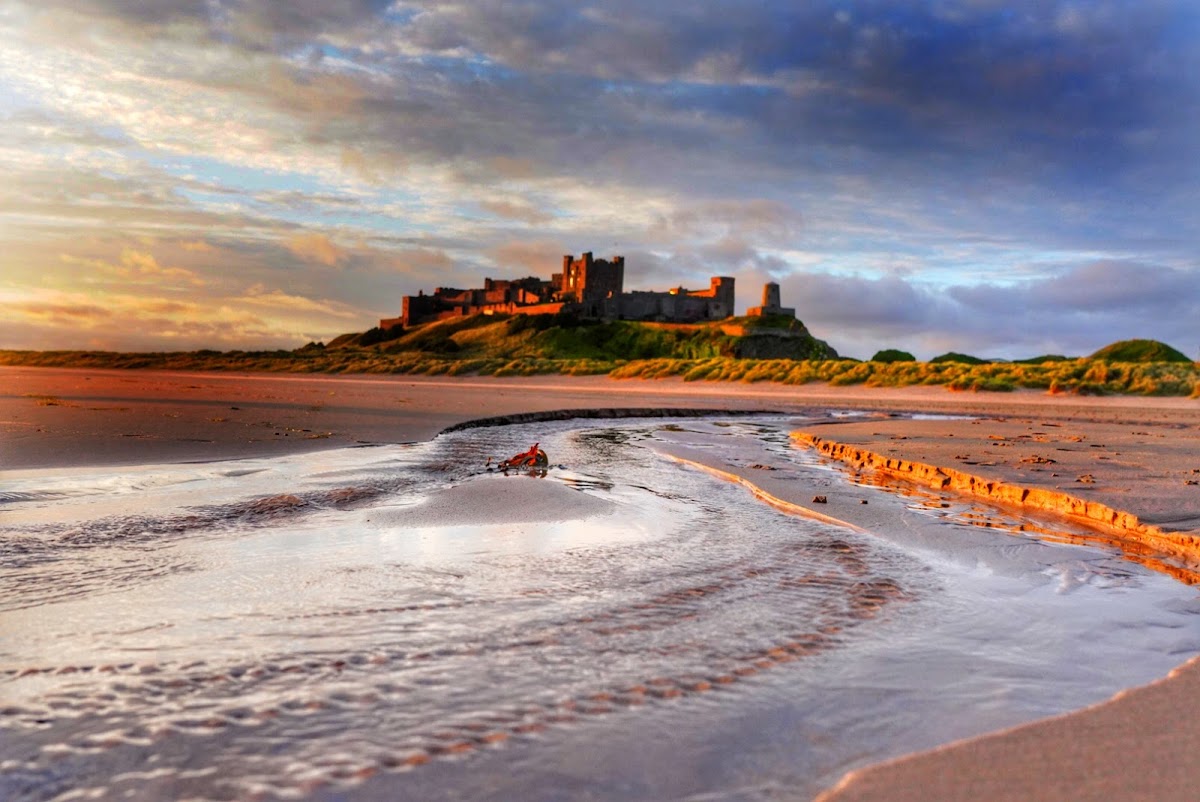
Peter Ashworth
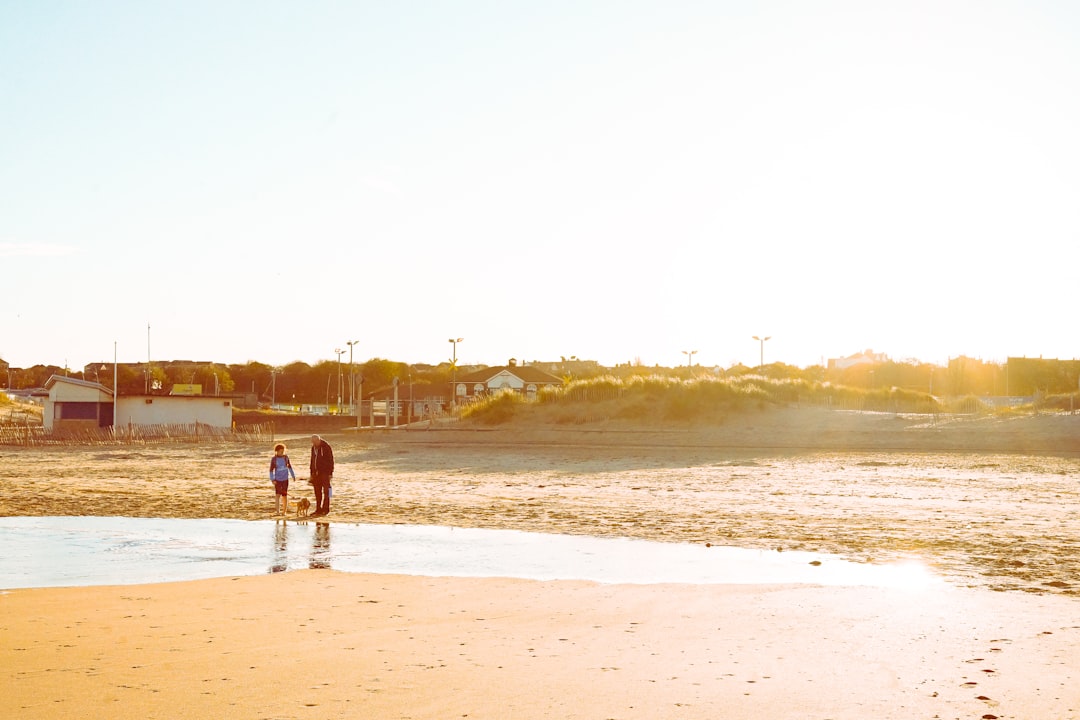
If your ideal holiday means dunes, castle silhouettes and beaches that feel almost empty even in summer, Northumberland is one of the strongest UK short break destinations you can choose. Bamburgh gives you the postcard view: a fortress on black rock, a broad sweep of sand and a village small enough to walk in ten minutes. Seahouses, ten minutes away by car, is the more practical base if you want boat trips and more places to eat.
This is a trip for travellers who want simple pleasures done well. Walk Bamburgh Beach early, visit Bamburgh Castle when it opens, then drive or cycle south toward Beadnell and Low Newton. On clear days, the air tastes salty and cold, and the coastline feels wider than the map suggests.
A few numbers make this trip easier to price. Expect summer rooms in Bamburgh from roughly £140 to £220 per night for a mid-range double. Fish and chips usually land around £12 to £16 per person. Boat trips from Seahouses to the Farne Islands are commonly around £18 to £25, depending on landing rights and season. Castle entry is usually around the high-teens for adults.
Before you book, do these four things.
- Stay 3 nights minimum, otherwise the journey-to-relaxation ratio is poor.
- If you want Holy Island, check the official safe crossing times before locking in your day.
- Use National Rail to test rail times to Berwick-upon-Tweed, then compare the total transfer time with driving.
- In school holidays, reserve dinner for at least one night and pre-book Bamburgh Castle if you want a morning slot.
This is one of the best places to visit in the UK if you want the feeling of a real escape without a packed schedule. Leave margin in the plan for weather and tide, because the coast is the whole point.
Cardiff: the easiest UK city holiday to plan by train
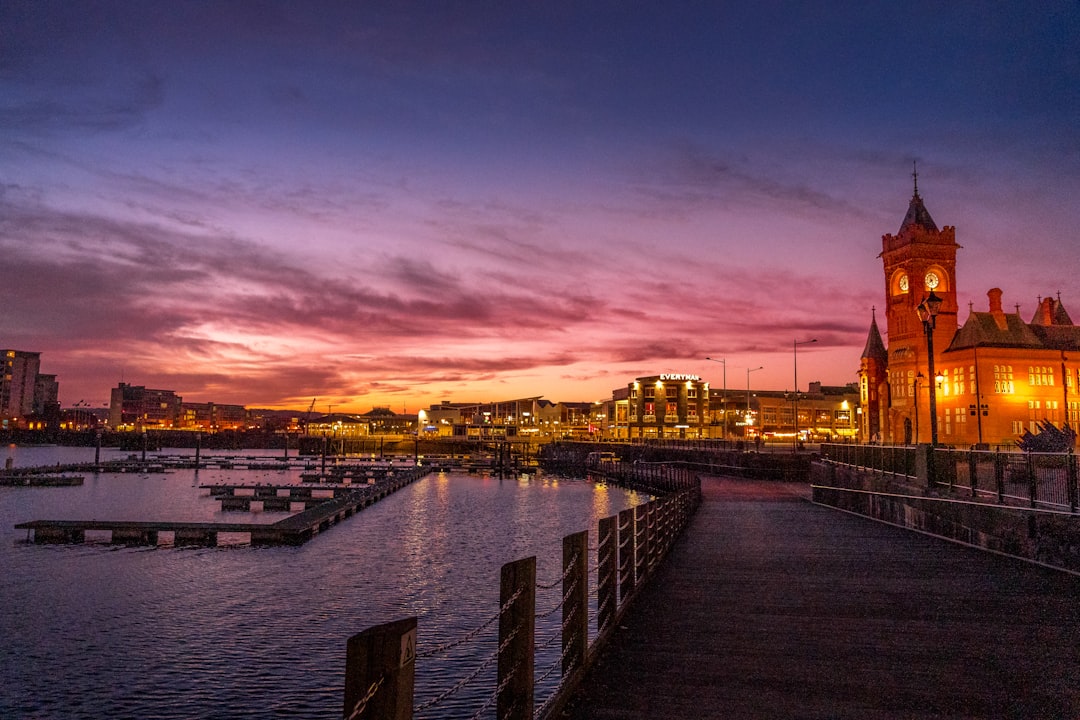
Photo by Nick Fewings on Unsplash
Cardiff works brilliantly for travellers who want a proper change of scene without the planning friction of a bigger capital. You can step out from Cardiff Central, walk to the castle, cut through the arcades, spend an hour in Bute Park and still make a late lunch in Pontcanna without touching a car. For UK weekend breaks, that ease matters.
The city is compact but not dull. Cardiff Castle anchors the centre, the Victorian and Edwardian arcades give you independent shops and cafés, and Cardiff Bay adds open water, modern architecture and a slower evening mood. If you want one easy day trip, Caerphilly Castle is only about 20 minutes away by train.
Budget-wise, Cardiff is still friendlier than many UK capitals and big heritage cities. Central mid-range hotels often sit around £110 to £180 a night on typical weekends, though major rugby dates can push prices much higher. Cardiff Castle entry is usually around £15 to £16 for adults. A casual dinner can be £18 to £30 a head depending on whether you go for small plates, brunch or a full evening meal.
To keep the city break smooth, follow this plan.
- Book a hotel between Cardiff Central and the castle if you are staying only 2 nights.
- Check event dates before you book; stadium weekends can reshape prices across the whole centre.
- Use Transport for Wales for trains to and around the city.
- If you want a castle-heavy day, add Caerphilly Castle rather than squeezing in too many neighbourhoods.
If you are working with a bank holiday rather than a full week, the same logic pairs well with Bank Holiday Ideas 2026: Where to Go and Plan Fast. Cardiff is one of those UK staycation ideas that rewards a loose plan and comfortable shoes more than a packed itinerary.
The Lake District: the best UK countryside break for walkers
For many travellers, the question of where to go in the UK really means one thing: where can I get mountain views, a good pub and a footpath from the front door? If that sounds like you, base yourself in Ambleside or Grasmere. Both make excellent UK short break destinations because they reduce driving, keep you close to walks and still give you cafés, buses and rainy-day cover.
Ambleside is the practical choice. It has more restaurants, more accommodation and better transport connections. Grasmere feels prettier and quieter, with stone cottages, easy lake walks and a stronger village atmosphere. Neither is cheap in peak summer, but both become much better value in late April, early June, September and October.
A realistic budget for a comfortable trip is about £160 to £240 per night for a mid-range double in high season, lower outside school holidays. Pub mains are often £16 to £24. Bus fares are manageable, and lake cruises can be a worthwhile spend if you want a no-driving day. For trail conditions, weather and route planning, check the official Lake District National Park site before you go.
To plan the trip well, remember these rules.
- Stay at least 4 nights if walking is the main reason you are coming.
- If you are not bringing a car, choose Ambleside or Grasmere near the bus route and keep hikes bus-linked.
- Pack waterproofs even in June; dry forecasts can turn quickly on the fells.
- Book one non-walking backup such as a museum, cruise or long lunch for the wettest day.
The mistake people make here is trying to conquer too much. One ridge walk, one lakeside day and one slow village afternoon is often a better UK holiday planning formula than chasing five famous viewpoints.
Belfast and the Causeway Coast: dramatic scenery without a long-haul feel
If you want a trip that feels bigger than a standard domestic break, Belfast plus the Causeway Coast is one of the smartest UK short break destinations for 2026. Belfast gives you pubs, murals, Victorian architecture and a lively evening scene. Two nights later, you can be on a cliff path with the sea exploding beneath basalt walls.
This route works best as one city night and two coast nights, or two and two if you have longer. Drive north via Carrickfergus or Glenarm, stop at The Gobbins if you have booked a slot, and continue toward Bushmills or Portrush for a coastal base. The rhythm of the trip is what makes it memorable: urban energy first, then a slower landscape of headlands, surf and wind.
Expect central Belfast hotels to start around £120 to £190 for a good mid-range room on many dates. On the coast, prices vary more sharply by season, but £130 to £210 is a reasonable planning range for comfortable stays. Entry and tour costs add up quickly here, so pre-book the experiences that matter most.
Use these planning steps.
- Fly or take the ferry into Belfast, then pick up a car if you want to see the coast properly.
- Pre-book The Gobbins if that is a priority; access is controlled and weather can affect operations.
- Reserve a timed slot for the Giant's Causeway in busy periods.
- Go in March to May or September to October if you want lower prices and a quieter coast.
If you are stretching the trip into the Republic after Belfast, 4 Days in Dublin: A Smart First-Timer Plan for 2026 is the easiest next leg.
The planning rules that stop UK trips becoming expensive
Once you have picked the destination, the real savings come from decisions made in the next 30 minutes. This is where UK holiday planning usually goes wrong: too many stops, late train checks, wishful weather planning and restaurants left until the day.
My preferred method is simple. I sketch the trip in one place, note the transfer time from station or airport to hotel, then pin only the experiences that would genuinely disappoint me if I missed them. If you like keeping reservations, route notes and rough day plans together, a simple board on TravelDeck can help keep the logistics tidy without overbuilding the itinerary.
Copy this checklist into your notes before booking anything.
- Pick the base first.
- Check the real door-to-door travel time, not just the headline train or flight time.
- Choose three anchors only: one sight, one meal, one landscape or walk.
- Set a daily spend cap before browsing hotels.
- Book any timed-entry attraction and one dinner reservation.
- Add one bad-weather backup and one low-energy option.
- Leave at least half a day unscheduled.
Here is a reliable budget framework for a 3-night UK break for two.
| Category | Budget trip | Comfortable trip |
|---|---|---|
| Accommodation | £270 to £420 | £420 to £720 |
| Transport | £80 to £220 | £120 to £320 |
| Food | £150 to £240 | £240 to £380 |
| Activities | £40 to £120 | £100 to £220 |
| Local transport and parking | £20 to £60 | £40 to £100 |
| Total | £560 to £1,060 | £920 to £1,740 |
Two final hacks matter more than people think. First, compare Sunday-to-Wednesday stays against Friday-to-Monday; the savings on rooms can be dramatic. Second, shoulder season is often the best version of the UK anyway. A sunny September coast walk or a crisp May city break often beats August crowds.
FAQ
What is the best place for a 3-day holiday in the UK?
For a straight 3-day break, Cardiff and Northumberland are both excellent. Cardiff wins on ease if you want to arrive by train and do very little planning. Northumberland wins if your priority is space, beaches and a sense of getting away from everything.
Where should I go in the UK without a car?
Cardiff, York and central St Ives are strong no-car options. In the Lake District, it is still possible, but only if you stay in a well-connected base like Ambleside or Grasmere and plan your walks around bus routes rather than remote trailheads.
When is the cheapest time to take a UK break?
Late April, early June, September and early October are usually the sweet spots. You often get better room rates, easier restaurant bookings and fewer queues, while still having enough daylight to make the trip feel generous.
How far ahead should I book UK short break destinations?
For school holidays and classic seaside spots, book 8 to 12 weeks ahead if you want decent choice. For shoulder-season city breaks, 4 to 6 weeks is often fine unless there is a major event, festival or sports fixture in town.
What if I am visiting the UK from abroad rather than taking a domestic break?
The same destination logic still works, but give yourself extra buffer time on arrival day and check rail strikes, bank holidays and local opening hours before you commit. If you also want a quick pre-departure refresher, Local Customs Checklist 2026: 12 Things Before You Fly is a useful extra read.
A good UK trip rarely comes from trying to see too much. It comes from choosing the right mood, the right base and the right pace. Do that well, and even a short break can feel surprisingly spacious.