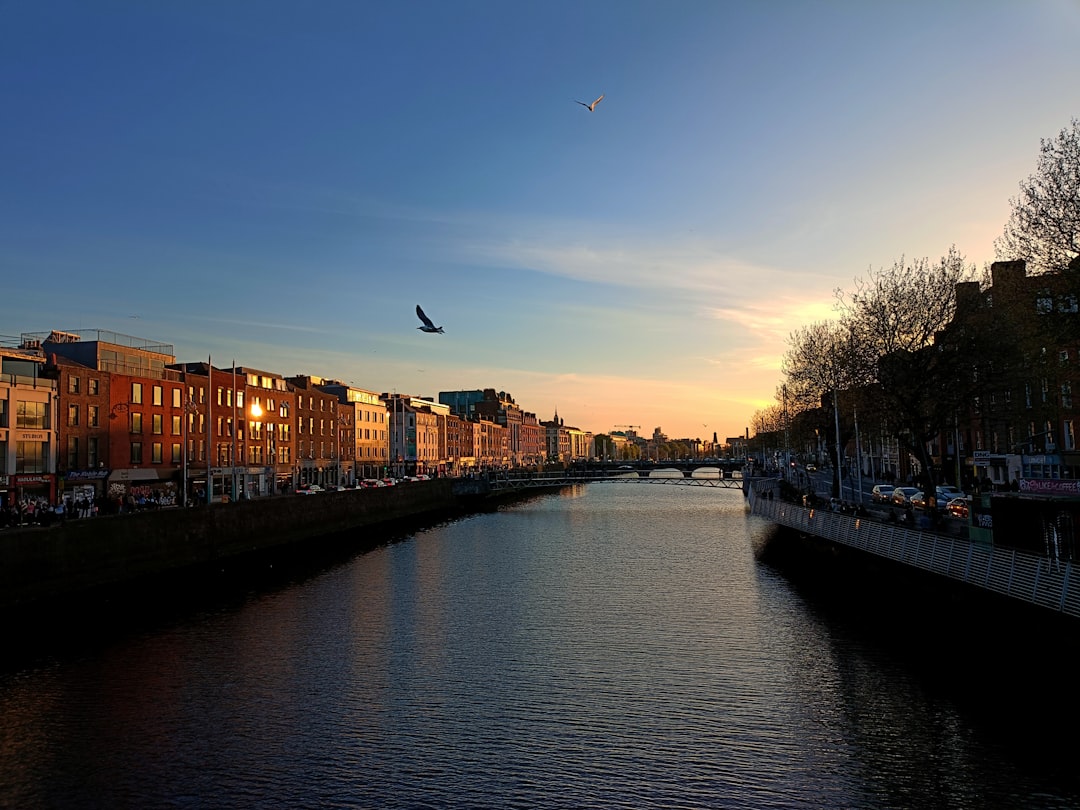
Dublin is one of those rare capitals where a single extra day changes the whole trip. With 4 days in Dublin, you do not just tick off Trinity College and the Guinness Storehouse; you also get the pub night that runs long, the sea air in Howth, and the slower neighborhood moments that make the city feel lived-in rather than rushed.
This Dublin itinerary 2026 is built for first-time visitors who want the essentials without turning the city into a checklist. The route is organized by neighborhood so you spend more time walking Georgian squares, cathedral lanes, and coastal paths than crossing the city back and forth. Before you arrive, it helps to lay each stop and transit leg out in TravelDeck so the days flow naturally.
How many days in Dublin do you need?
Photo by atelierbyvineeth ... on Unsplash
If you only want the headline sights, you can do Dublin in two days. You will see Trinity College, Dublin Castle, a cathedral, and a brewery experience, but the city will still feel like a fast scan. Three days is better, especially if you want one slower museum morning or a proper evening in a music pub.
For most first-timers, though, 4 days in Dublin is the sweet spot. It gives you two full city-centre days, one deeper history day, and one coastal escape without needing a car. That balance matters in Dublin, because the city is compact but the atmosphere is part of the experience: buskers on Grafton Street, old wood pubs, the wind off the bay, and those unexpectedly quiet corners around Merrion Square.
If you are coordinating the route with friends, lock the evening plans early because pub choices can cause more debate than museums. This is exactly the kind of trip where Plan a Group Trip in 2026 With Less Stress and Fewer Fights becomes useful.
- 2 days in Dublin: enough for the big sights, but rushed
- 3 days in Dublin: strong city break, still tight on day trips
- 4 days in Dublin: best first-timer balance
- 5 days in Dublin: ideal if you want to add Wicklow or another full excursion
Day 1: Trinity, Georgian squares, and your first proper pint
Marcin Szyniszewski
Your first day should feel like Dublin introducing itself gracefully rather than shouting all at once. Start around College Green, where students, buses, and stone facades give the city immediate energy. From there, the route moves south through the most walkable, polished part of the centre: Trinity College, Grafton Street, St Stephen's Green, and the Georgian streets that make Dublin look elegant even when the sky turns silver.
This is also the day to ease into the rhythm of the city. Dublin rewards pauses: coffee between museum stops, a bench in the park, a detour to admire colored doors. Leave Temple Bar for atmosphere rather than for your entire evening budget, and you will end the day feeling like you saw the postcard version of Dublin without getting trapped inside it.
Morning
Start early at Trinity College Dublin in the College Green area, when the courtyards still feel calm. The Old Library and Book of Kells experience is still one of the city's most memorable first stops, not only for the manuscript itself but for the theatrical sense of entering one of Europe's great academic spaces.
- 09:00 - Trinity College Dublin and the Book of Kells Experience, College Green, Dublin 2; allow 75-90 minutes; about €25-29
- 10:45 - Walk via Nassau Street to Grafton Street; coffee stop if you want one, about €4-6
- 11:15 - St Stephen's Green, Dublin 2; 30-45 minutes; free
Afternoon
After the busy morning, this section of central Dublin feels lighter and more spacious. Kildare Street and Merrion Square show the city at its most refined, with museums that are excellent and, importantly in an expensive city, often free.
- 12:30 - Lunch around Dawson Street or South William Street; expect €15-25 for a casual sit-down meal
- 14:00 - National Museum of Ireland - Archaeology, Kildare Street, Dublin 2; 60-75 minutes; free
- 15:30 - Merrion Square and the Oscar Wilde statue, Dublin 2; 30 minutes; free
- 16:00 - Optional stop at the National Gallery of Ireland, Merrion Square West; 60 minutes; free
Evening
The trick tonight is to split the difference between classic Dublin and tourist overload. Walk through Temple Bar because the cobbles, music, and neon-red pub fronts are part of a first visit, but have dinner or your second drink somewhere slightly calmer.
- 18:30 - Dinner at Davy Byrne's on Duke Street or The Woollen Mills near Ormond Quay; about €18-35
- 20:00 - One drink in Temple Bar for the atmosphere; pints often cost €8-10 here
- 21:00 - Move to The Palace Bar on Fleet Street or O'Donoghue's on Merrion Row for a better-value, more local-feeling music stop; drinks about €7-9
- Insider tip: Temple Bar works best before 20:00, when you get the mood without the worst of the crowding or the highest drink prices
Day 2: Castles, cathedrals, and the stout trail
Day two shifts from graceful Dublin to layered Dublin. This is where the city starts showing its older bones: castle courtyards, medieval lanes, cathedral stone, and the Liberties, the neighborhood where brewing and industry helped shape the capital. The walking distances are still manageable, but the tone changes from Georgian elegance to something older, rougher, and more textured.
It is also the most iconic sightseeing day of this 4 days in Dublin plan. If day one gave you the city's face, day two gives you its institutions: power at Dublin Castle, faith at Christ Church and St Patrick's, and the global symbol of Guinness rising over St James's Gate.
Morning
Begin around Dame Street and Dublin Castle, where centuries of administration and ceremony still shape the area. The castle complex is more interesting than dramatic from the outside, so give yourself time to go in rather than just taking a photo and moving on.
- 09:00 - Dublin Castle, Dame Street, Dublin 2; 45-60 minutes; about €8-12 depending on ticket type
- 10:15 - Chester Beatty, inside the castle grounds; 45 minutes; free
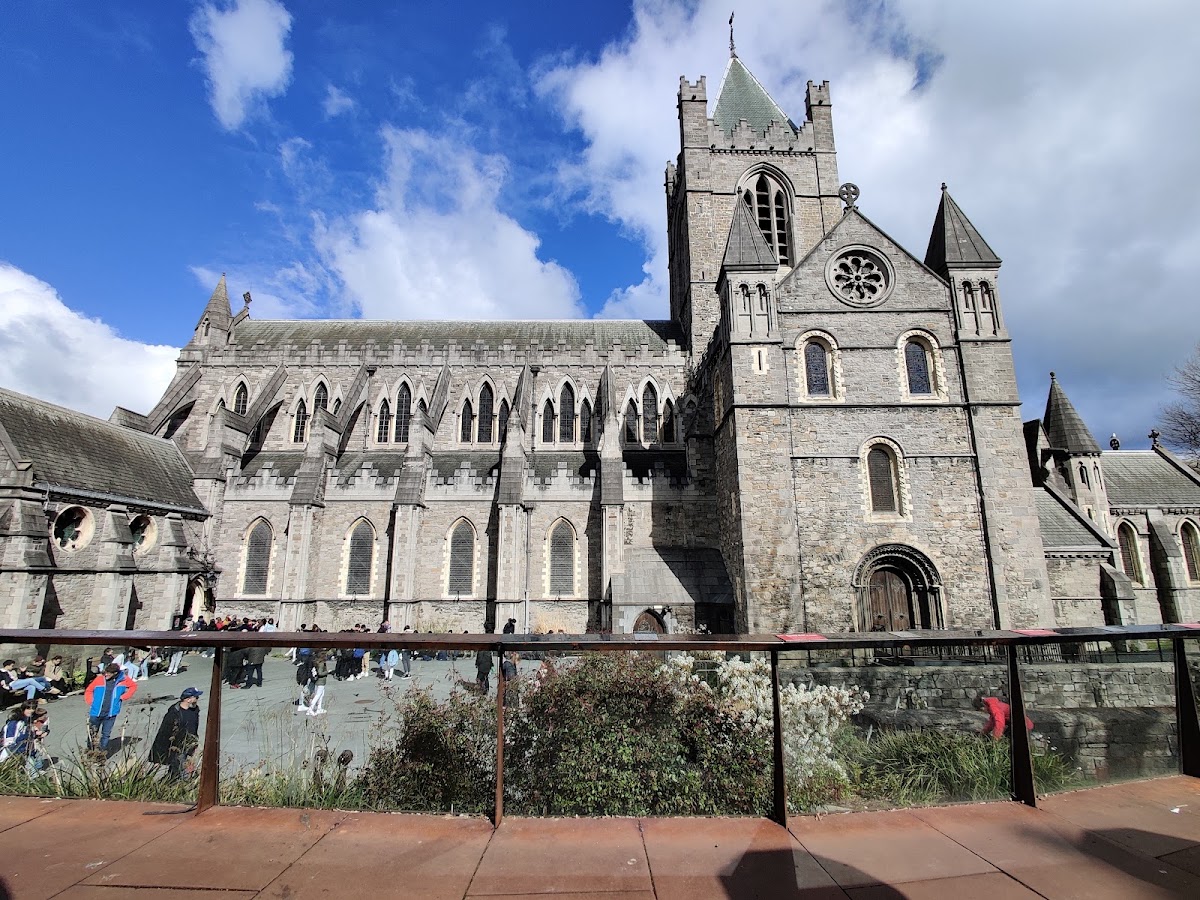
- 11:15 - Christ Church Cathedral, Christchurch Place, The Liberties, Dublin 8; 45 minutes; about €12
Afternoon
By early afternoon, the route naturally pulls you west into the Liberties. It is one of the most characterful parts of Dublin, with a mix of historic churches, working streets, and the city's most famous brewery experience.
- 12:30 - Lunch near Christchurch or Francis Street; casual options run about €10-20
- 14:00 - Guinness Storehouse, St James's Gate, Dublin 8; allow 90-120 minutes; usually about €30-38 if booked ahead
- 16:30 - Walk or taxi to St Patrick's Cathedral, St Patrick's Close, Dublin 8; 30-45 minutes; about €11 inside or free to enjoy the exterior and gardens
Evening
After a stout-heavy afternoon, switch neighborhoods and energy. Camden Street and Wexford Street are better evening territory for many first-time visitors: still lively, but less stage-set than Temple Bar, with strong food options and live music that feels less curated.
- 19:00 - Dinner on Camden Street; expect €20-40 for pasta, modern Irish, or bistro-style plates
- 21:00 - Live music at Whelan's on Wexford Street or a quieter late drink around Dawson Street; drinks about €8-14
- Insider tip: book the latest practical Guinness timeslot you can manage, because the Gravity Bar views are best in late afternoon light and the pace inside feels less frantic than midday
Day 3: Kilmainham, Phoenix Park, and a more local Dublin
The third day is the emotional core of the trip. Kilmainham Gaol gives modern Irish history real weight, and it is one of the few attractions in Dublin that regularly leaves visitors quiet on the way out. Pairing it with the open space of Phoenix Park works beautifully: one half of the day is about memory and struggle, the other about room to breathe.
This is also where Dublin starts feeling less like a city-centre break and more like a place with real neighborhoods. Smithfield and Stoneybatter have some of the city's most enjoyable evening spots, and they reward travelers who want a final pub night with trad music rather than a Temple Bar crowd.
Morning
Book this part of the itinerary as far ahead as you reasonably can. Kilmainham Gaol is one of the toughest Dublin tickets to get, and the guided visit is worth planning around rather than treating as optional.
- 09:00 - Kilmainham Gaol Museum, Inchicore Road, Dublin 8; allow 75-90 minutes; about €8
- 10:45 - Irish Museum of Modern Art, Royal Hospital Kilmainham, Dublin 8; 60 minutes; free
- 11:45 - Short walk around the formal grounds of the Royal Hospital; 15-20 minutes; free
Afternoon
After the gaol and museum, keep the afternoon deliberately looser. Phoenix Park is huge, greener than many first-timers expect, and ideal for balancing heavy historical sightseeing with space, air, and some slower walking.
- 12:30 - Lunch near Kilmainham or on Parkgate Street; about €15-25
- 14:00 - Phoenix Park, Dublin 8; 2-3 hours; free
- 14:15 - Optional bike rental near the park if you want to cover more ground; about €10-15 per hour
- 15:00 - See the Wellington Monument and People's Flower Gardens; free
- 16:30 - Optional Dublin Zoo stop if you are traveling with children; about €24-28
Evening
Tonight is your best chance to catch a trad session in a setting that still feels tied to the neighborhood around it. Smithfield and Stoneybatter are compact enough that you can move from dinner to music on foot without much planning stress.
- 18:30 - Dinner in Stoneybatter at Fish Shop, Grano, or L. Mulligan Grocer; around €18-35
- 20:00 - Traditional music at The Cobblestone, Smithfield; often no cover charge, with drinks around €7-9
- Insider tip: if Kilmainham is sold out in the morning, take any slot you can get and move Phoenix Park earlier rather than skipping the gaol entirely
Day 4: Howth cliffs, seafood, and one last night out
A good Dublin trip should end with sea air. The city centre is compact enough that by day four, getting out to the coast feels like exactly the right move. Howth is the easiest and most satisfying answer: a working harbor, a cliff walk with big views, and seafood that tastes even better after a windy stretch above the water.
This is the day that makes 4 days in Dublin feel noticeably richer than a weekend. You still come back to the city for a final evening, but you do it with a sense of contrast: bay water, gulls, and headland paths in the morning, then urban lights and music again after dark.
Morning
Take the DART north as early as you can manage, especially if the forecast is dry. The line to Howth is part of the experience, and once you leave the central stations behind, the city starts loosening into shoreline and harbor views.
- 09:00 - DART from Connolly, Tara Street, or Pearse to Howth; about 30-35 minutes; roughly €6-8 return depending on your ticket
- 10:00 - Howth Cliff Walk from Howth Harbour toward the Baily Lighthouse viewpoints; choose a 6 km route if you want something scenic but manageable; allow 2-2.5 hours; free
Afternoon
After the walk, reward yourself with seafood before heading back. Howth is at its best when you let the pace slow down a little: harbor stroll, gull noise, boats rocking in the marina, and a late lunch that does not need to be rushed.
- 12:45 - Lunch at Octopussy's Seafood Tapas or Beshoff Bros in Howth Harbour; about €18-30
- 14:15 - East Pier and harbor wander; 30-45 minutes; free
- 15:15 - DART back to central Dublin
- 16:00 - EPIC The Irish Emigration Museum, Custom House Quay, Docklands; allow 90 minutes; about €21
Evening
For the final evening, stay flexible. If you loved trad music most, return to a pub you liked. If you want something sharper and more contemporary, Drury Street and South William Street give you a final look at modern Dublin after four days of history and coastline.
- 18:30 - Dinner in the Docklands, Drury Street, or South William Street; around €25-45
- 20:30 - Final drink at O'Donoghue's or a cocktail bar around South William Street; about €8-15
- Insider tip: bring a windproof layer even in summer, because Howth often feels much colder than central Dublin once you are out on the exposed path
Best time to visit Dublin
The best time to visit Dublin for this itinerary is May, June, September, or early October. You get longer daylight, workable temperatures, and a better chance of fitting both city walking and the Howth day without battling peak summer crowds. July and August are lively, but accommodation prices rise and key attractions feel busier.
March is fun if you specifically want St Patrick's Festival energy, but it is not the calmest version of the city. Winter can still work for museum lovers and pub-focused travelers, especially because Dublin is active year-round, but you will have shorter days and a higher chance of wind and rain shaping the schedule.
For 4 days in Dublin, pack for changing weather rather than for a season label.
- Light waterproof jacket
- Comfortable walking shoes with grip
- Thin knit or fleece layer
- Compact umbrella
- Small day bag for museum tickets, water, and an extra layer
Estimated budget per person for 4 days in Dublin
Dublin is not a bargain city, but it becomes more manageable when you lean on the free museums, walk between central sights, and treat Temple Bar as a short stop rather than your nightly base. The biggest cost swings are accommodation and drinks.
These numbers assume one person traveling for four full days and four nights, with one coastal day, a mix of paid sights and free museums, and public transport instead of constant taxis.
| Budget tier | Sleep | Food and drink | Sights and transport | Estimated total |
|---|---|---|---|---|
| Budget | €45-80 per night | €25-40 per day | €20-35 per day | €430-650 |
| Mid-range | €140-230 per night | €45-75 per day | €25-50 per day | €850-1,300 |
| Luxury | €280-500+ per night | €90-160 per day | €40-90 per day | €1,650-2,600+ |
A simple rule: if you want to save money, sleep outside Temple Bar, use the DART and LUAS, and keep lunch casual. If you want to splurge, do it on a better location and one excellent dinner rather than on extra taxis.
Where to stay in Dublin for 4 days
Where you stay matters more in Dublin than many visitors expect, because the city is small enough that a smart base saves both time and energy. For a first trip, the best areas are the ones that let you walk home after dinner, even if you use transport for one or two longer hops.
Temple Bar sounds convenient on paper, but for most people it is better as an evening stop than a hotel district. It can be noisy, pricey, and oddly disconnected from the quieter side of the city.
- St Stephen's Green and Grafton Street: best overall for first-timers; central, walkable, and close to Day 1 sights; expect roughly €180-320 per night for solid mid-range stays
- Smithfield and Stoneybatter: better for a more local feel, easy LUAS access, and strong pub and food options; roughly €140-240 per night mid-range
- Ballsbridge: quieter and more polished, good for couples or anyone wanting a calmer base; expect around €190-380 per night depending on season
If you only remember one thing, make it this: for 4 days in Dublin, staying slightly quieter but still central beats sleeping inside the nightlife every single time.
How to get there
Most international visitors arrive through Dublin Airport, and the transfer into the city is straightforward. The airport is north of the centre, so you do not need a car for this itinerary. In fact, driving into central Dublin usually adds cost and hassle rather than convenience.
If you are arriving from elsewhere in Ireland, rail connections are strong enough that Dublin works very well as a city break without any car rental at all.
- By air: Dublin Airport is the main gateway; most central hotels are 25-40 minutes away depending on traffic
- Airport to city by coach: Dublin Express usually costs about €8-10 one way
- Airport to city by taxi: usually about €30-40 depending on traffic and exact destination
- From Belfast: train to Connolly Station in about 2 hours 10 minutes; check Irish Rail
- From Cork: train to Heuston Station in about 2 hours 30 minutes; fares often start around €25-45 booked ahead
- From Galway: train to Heuston in about 2 hours 20 minutes; fares often around €20-35 booked ahead
How to get around Dublin
One reason this Dublin itinerary 2026 works so well is that central Dublin is highly walkable. Day 1 and most of Day 2 can be done on foot, and even the longer-city days only need short transport hops. For most visitors, public transport plus walking is the right formula.
Use the DART for coastal trips like Howth, the LUAS for quicker cross-city moves, and buses when you need a direct link from your hotel to a less central sight. The official journey planner at Transport for Ireland is the most useful planning reference.
- Walking: best for Trinity, Grafton Street, Merrion Square, Dublin Castle, and Temple Bar
- DART: essential for Howth; fast and scenic compared with road traffic
- LUAS: useful for Smithfield, Heuston, and some west-of-centre transfers
- Bus: handy for Phoenix Park edges, Ballsbridge, and airport approaches
- Visitor Leap Card: often the easiest option for a 3- or 4-day stay; check current fares before arrival
- Taxi: fine late at night, but use them selectively because city-centre distances are often shorter than they look
Dublin is generally easy to navigate, but normal city awareness still matters around stations, nightlife areas, and cash points. Before you go, it is worth skimming How to Avoid Tourist Scams in 2026: ATM, Taxi and Cafe Rules.
FAQ
Is 4 days in Dublin enough for a first trip?
Yes. Four days is enough to cover the big sights, add Kilmainham and Phoenix Park, and still fit in a proper coastal day to Howth. It is the best balance if Dublin is your main destination rather than just a one-night stop on a wider Ireland trip.
Is 3 days in Dublin enough?
Three days in Dublin works well if you want a quicker city break. If you only have three days, keep Days 1, 2, and 4 of this plan, then save Kilmainham and Phoenix Park for a future trip or swap them in based on your interests.
Should I stay in Temple Bar?
Usually no, unless nightlife is your top priority and you are happy to pay more for noise and convenience. Most first-time visitors are happier staying around St Stephen's Green, Grafton Street, or Smithfield and visiting Temple Bar for one drink instead.
Do I need to book Dublin attractions in advance?
Yes for the biggest ones. Book Trinity's Book of Kells experience, Guinness Storehouse, and Kilmainham Gaol ahead, especially from late spring through early autumn. Those are the three places most likely to disrupt your 4 days in Dublin if you leave them until the last minute.
Can I swap Howth for Wicklow on Day 4?
Absolutely, but it changes the feel of the trip. Howth is easier, cheaper, and simpler by train, while Wicklow is better if you want mountains, Glendalough, and a fuller countryside day. For a first visit without a car, Howth is the smoother fit.
With four well-planned days, Dublin stops feeling like a checklist and starts feeling like a city you can actually settle into for a while, which is exactly when the trip becomes worth planning properly.
---