Most travel stomach bugs do not come from the boldest meal on the trip. They usually come from the forgettable one: the lukewarm rice, the salad rinsed in unsafe water, the sauce sitting in the sun. A smart travel food safety checklist matters more than playing it timidly.
The good news is that eating safely abroad does not mean hiding in hotel buffets. It means learning a few field-tested rules so you can say yes to night markets in Taipei, taco stands in Mexico City, noodle shops in Seoul, and grilled seafood on a Mediterranean quay without rolling the dice on your next 48 hours.
The 30-second scan before you order
Photo by Ali Mkumbwa on Unsplash
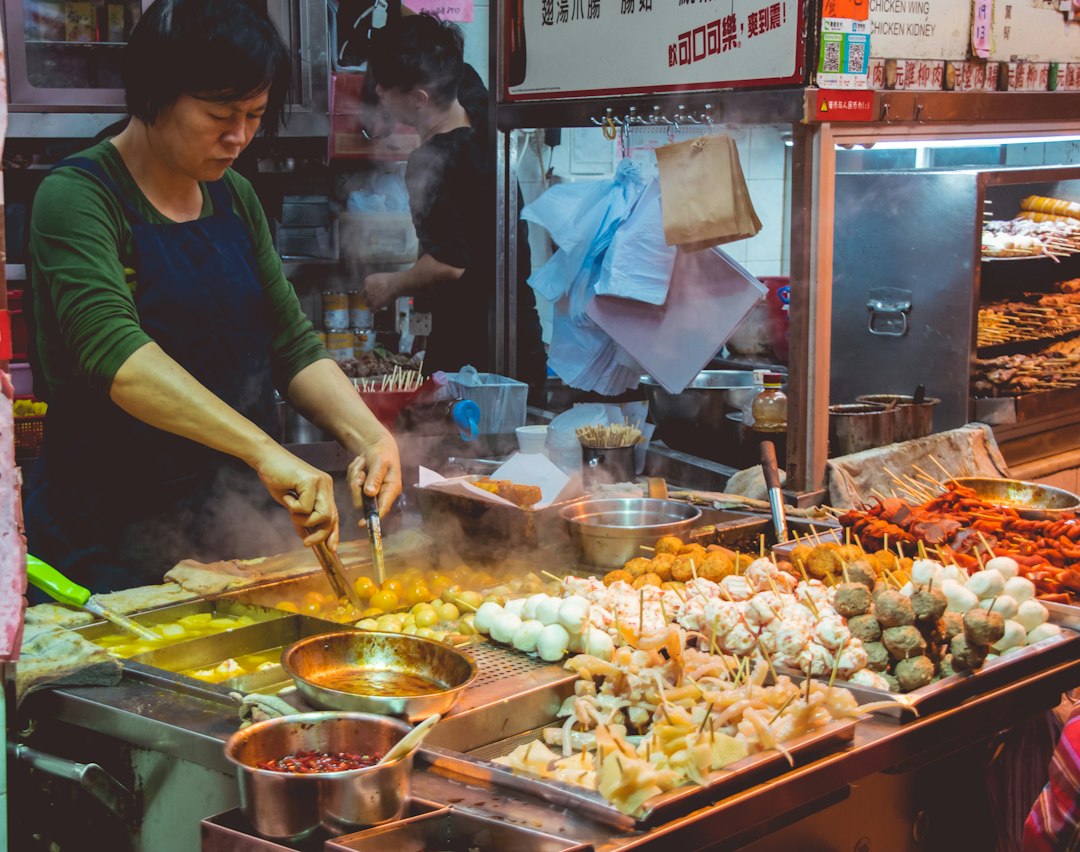
The safest food stalls often look busy, loud, and slightly chaotic in the best possible way. You hear metal tongs on hot grills, smell garlic hitting oil, and see a line of office workers, families, or students waiting for the same dish. That is what you want: turnover.
Your first decision should happen before you even read the menu. A good travel food safety checklist starts with what your eyes can confirm in half a minute. You are not searching for perfection. You are looking for evidence that the food is moving fast, cooked fresh, and handled with basic care.
- Choose places with a queue, especially a local queue.
- Prefer vendors cooking to order over trays of pre-cooked food.
- Trust stalls with a tight menu of 1 to 5 specialties more than a stall selling everything.
- Check that hot food is actually hot and cold food is actually cold.
- Watch for separate tools for raw and cooked ingredients.
- Notice whether the vendor handles cash and food with some kind of system, even a simple hand wipe or utensil switch.
- Walk away if meat, seafood, eggs, or rice are sitting in direct heat for long stretches.
A useful rule of thumb: if you would hesitate to leave that dish on your own kitchen counter for two hours, do not eat it from a stall that has already done exactly that.
Which local dishes are safest on day one?
Photo by Inna Safa on Unsplash
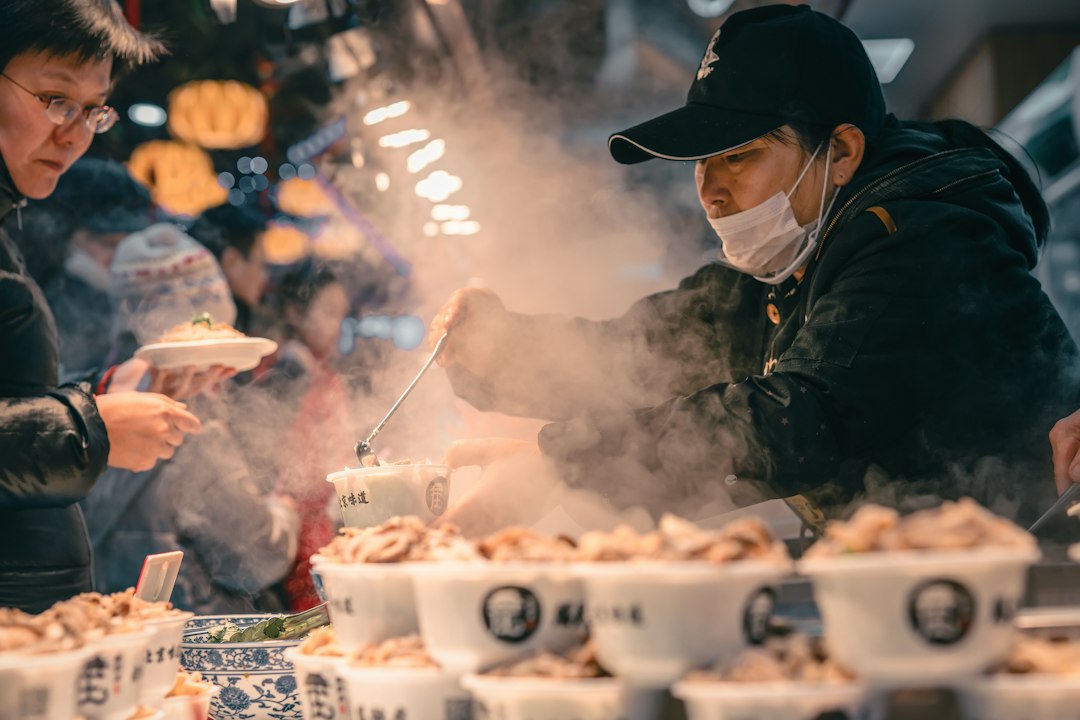
On your first 24 hours in a new country, the goal is not bland food. The goal is high-heat, high-turnover, cooked-to-order food. That still leaves you plenty of local flavor. Think broth, grills, pans, steam, and fresh assembly right in front of you.
Some of the best first-day meals abroad are also some of the most memorable. A bowl of pho in Hanoi often costs around $1.50 to $3. Two tacos al pastor in Mexico City might run $2 to $4. In Seoul, a hot bowl of kalguksu or seolleongtang is usually around ₩8,000 to ₩12,000. In Osaka, okonomiyaki from a busy counter commonly lands between ¥900 and ¥1,500. These dishes are fast, hot, and built for turnover.
Safer first picks:
- Noodle soups served boiling hot
- Grilled skewers cooked in front of you
- Stir-fried rice or noodles made to order
- Freshly filled tacos from a busy taqueria
- Steamed dumplings coming straight from the basket
- Flatbreads, dosas, rotis, or crepes cooked on a hot surface
- Fruit you peel yourself, such as bananas, oranges, or mangoes
Higher-risk first-day picks:
- Raw oysters, ceviche, or undercooked shellfish unless you are in a highly trusted setting
- Buffet food sitting out for hours
- Creamy desserts in hot weather
- Pre-cut fruit exposed to air and flies
- Leafy salads in places where tap water is not reliably safe
- Rice dishes that look warm rather than hot
If your trip includes major food cities, pace yourself instead of trying everything at once. Our 9 Days in Taiwan in 2026: A First-Timer Rail Itinerary and 7 Days in Seoul in 2026: The First-Timer Route That Works both reward travelers who build in repeat visits to trusted food areas rather than chasing ten random snacks in one evening.
Street food safety rules that actually work
Photo by Marc Taylor on Unsplash
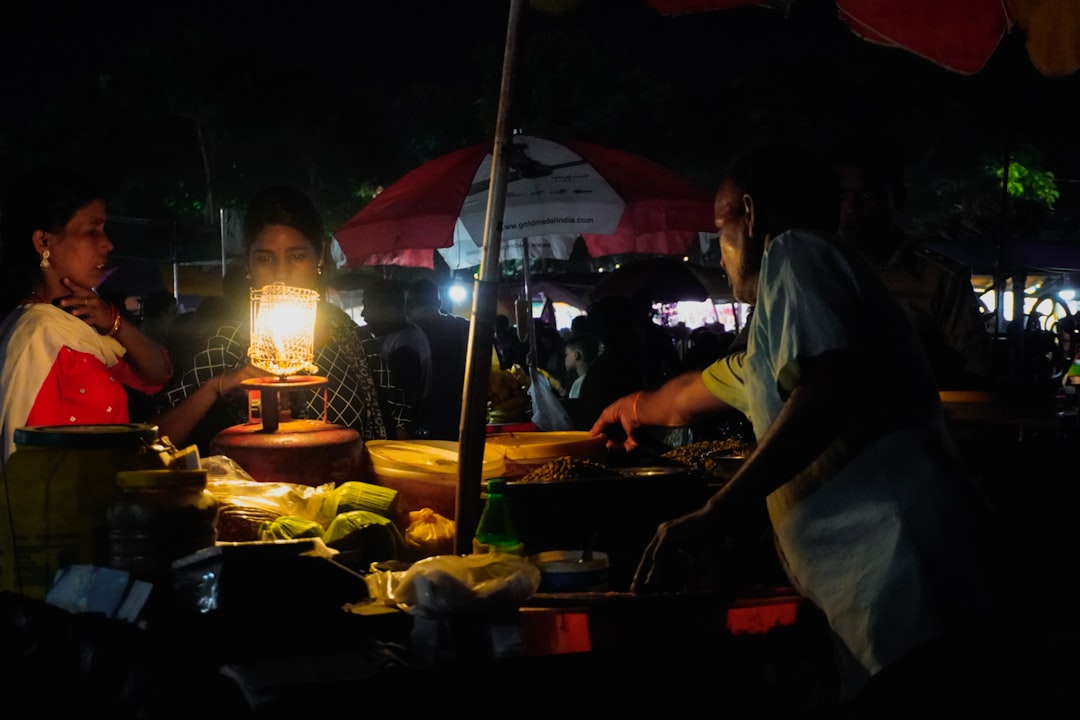
Street food safety is less mysterious than people make it sound. Most safe stalls advertise their quality in plain sight: a small menu, a hot cooking surface, fresh ingredients being replenished, and regular customers who clearly come back often.
What catches travelers out is not the dramatic-looking food. It is the small unnoticed detail: the unrefrigerated sauce, the seafood in midday heat, the juice blended with questionable ice. Use this table when you are deciding fast in a market or on a sidewalk.
| Situation | Safest move | Walk away when |
|---|---|---|
| Grill stall with meat skewers | Order from skewers going straight onto the grill | Cooked skewers are sitting for long periods in the sun |
| Big soup pot | Choose soup that is simmering hard and served immediately | The pot is only warm or ingredients are added from uncovered trays |
| Fried snacks | Pick items fried in front of you or coming fresh from hot oil | The batch was cooked long ago and is now limp or room temperature |
| Taco, wrap, or sandwich stand | Watch assembly and ask for freshly heated fillings | Sauces, dairy, or meats have been sitting unrefrigerated |
| Seafood stall | Eat only at busy, specialist stalls with fast turnover | Raw seafood, shellfish, or fish smells strong or looks dull |
| Rice dishes | Order from places where rice is cooked in constant batches and served hot | Rice is holding in shallow trays and barely steaming |
This is where a travel food safety checklist earns its keep. You do not need to avoid street markets; you need to read them. The safest vendors are often the most obvious once you know the signs.
Tap water, ice, salads, and sauces: the hidden risks
Food gets the blame, but water is often the real culprit. A perfect plate can still cause trouble if the lettuce was washed in unsafe water, the mint was soaked in it, or the ice was made from it. This is the part of eating abroad that rewards consistency, not bravery.
In countries where locals generally avoid drinking the tap water, follow their lead. In much of Japan, South Korea, Singapore, and most of Western Europe, tap water is usually fine. In many other destinations, sealed bottled water or properly filtered water is the smarter move. When temperatures are above 30 C, small lapses get more expensive fast.
Use these simple rules:
- Drink sealed bottled water or water from a trusted filtration system.
- Be cautious with ice unless you are in a reputable restaurant, hotel, or regulated food hall.
- Brush your teeth with safe water in higher-risk destinations.
- Peel fruit yourself whenever possible.
- Treat leafy salads as optional, not automatic.
- Skip chutneys, salsas, or creamy sauces that have been sitting out in heat.
- Be careful with fresh juices if you did not see the water and ice source.
If you want a health baseline before your trip, the official CDC food and water safety guide is practical and easy to skim. For a broader overview of safe handling, the WHO food safety guidance is also useful.
A first-24-hours eating plan abroad
The easiest way to avoid food poisoning abroad is to make fewer random decisions on arrival day. Jet lag, heat, dehydration, and hunger make people impulsive. A simple first-day food routine gives your stomach time to adjust while still letting you eat something local and satisfying.
If you map your first meals before departure, add one conservative option and one adventurous option near your hotel. Even a light planning pass in TravelDeck can help you avoid the classic mistake of wandering hungry until you settle for the first sketchy snack in sight.
After landing
Start with hydration before novelty.
- Drink 500 to 750 ml of sealed water in the first hour.
- Choose one hot, cooked meal over three little risky snacks.
- Add a plain carb if you are wiped out: rice, noodles, bread, or potatoes.
First meal
Pick a dish cooked in front of you and served piping hot.
Good examples:
- Chicken rice from a busy hawker stall
- Fresh dosa with chutney from a high-turnover breakfast counter
- Beef noodle soup from a crowded lunch shop
- Grilled fish or chicken with rice from a restaurant that is clearly in full service
Afternoon snack
Keep it boring enough to be safe, but local enough to be satisfying.
- A banana, orange, or peeled mango
- A sealed yogurt from a supermarket with proper refrigeration
- Fresh bread from a bakery with high same-day turnover
First dinner
Go local again, but skip the highest-risk items for one night.
- Say yes to soups, grills, stir-fries, and dumplings.
- Wait one day before raw seafood, heavy cream desserts, or the stall with mystery ice.
- If you want street food, choose two or three bites from one trusted vendor rather than grazing from eight random ones.
A good arrival-day target is simple: one excellent local dish, one safe snack, lots of water, and no heroic experiments.
What to pack for stomach bugs, allergies, and self-catering days
A smart bag makes you a calmer eater. You do not need a pharmacy, but you do need enough backup to handle a minor stomach issue without losing a full day of your trip. If you are packing light, our Cabin Bag Packing Plan 2026: The 5-Zone Method That Fits is useful for fitting a small health kit without wasting space.
Here is the minimum food-safety kit worth carrying:
- Hand sanitizer
- 4 to 6 oral rehydration salt sachets
- Anti-diarrheal medication that your doctor or pharmacist says is appropriate for you
- Any personal allergy medication, including antihistamines or an epinephrine auto-injector if prescribed
- A translated allergy card if you have serious food restrictions
- A few bland backup snacks such as crackers or plain biscuits
- A small thermometer if you are traveling for weeks or heading somewhere remote
If you are self-catering from supermarkets and markets, add a few rules:
- Buy chilled food only if you can refrigerate it quickly.
- Check seals, expiry dates, and the temperature of display fridges.
- Do not leave cooked leftovers at room temperature for hours in your room.
- Wash reusable cutlery and bottles properly, not with a quick rinse.
- Look up official food recall or safety alerts for your destination if you are staying a while.
Know when to stop guessing and get medical help. A fever above 38.5 C, blood in stool, signs of dehydration, severe vomiting, or symptoms lasting more than 48 hours are not just part of the adventure. The official NHS traveller's diarrhoea page gives clear red flags worth saving before you fly.
FAQ
Is street food safer than restaurants?
Sometimes, yes. Street food can be safer than a quiet restaurant because you can see the cooking, the turnover is fast, and the vendor usually specializes in one or two dishes. The key is not whether it is street food; the key is whether it is busy, fresh, and cooked hot.
Is ice ever safe abroad?
Yes, often. In places with strong food regulation or commercial ice systems, ice is usually fine in reputable venues. If you are unsure, skip it in small stalls and order hot drinks, sealed bottled drinks, or drinks without ice.
What is the safest first meal after I land?
Choose a freshly cooked local dish served hot: noodle soup, grilled chicken with rice, stir-fried noodles, dumplings, or a hot breakfast pancake or flatbread. Avoid buffet food, raw seafood, and pre-cut fruit on day one.
How do I eat safely if I have allergies?
Bring a translated allergy card, learn the local words for your trigger ingredients, and avoid guessing from menu descriptions alone. Sauces, broths, marinades, and garnishes are where hidden ingredients usually show up.
Should I avoid all local food to stay well?
No. The point of a travel food safety checklist is to help you eat more local food with less risk, not to retreat into generic meals. Most memorable food abroad is perfectly manageable when you choose fresh, hot, high-turnover dishes and stay alert around water, ice, and raw items.
Eating safely abroad is really a skill of pattern recognition. Once you learn to spot turnover, heat, freshness, and a few hidden risks, the world opens back up: the steam from a noodle cart, the char on market skewers, the bakery queue at 8 am, the tiny shop serving one dish brilliantly. That is the sweet spot of culinary travel: curiosity with judgment, not fear.