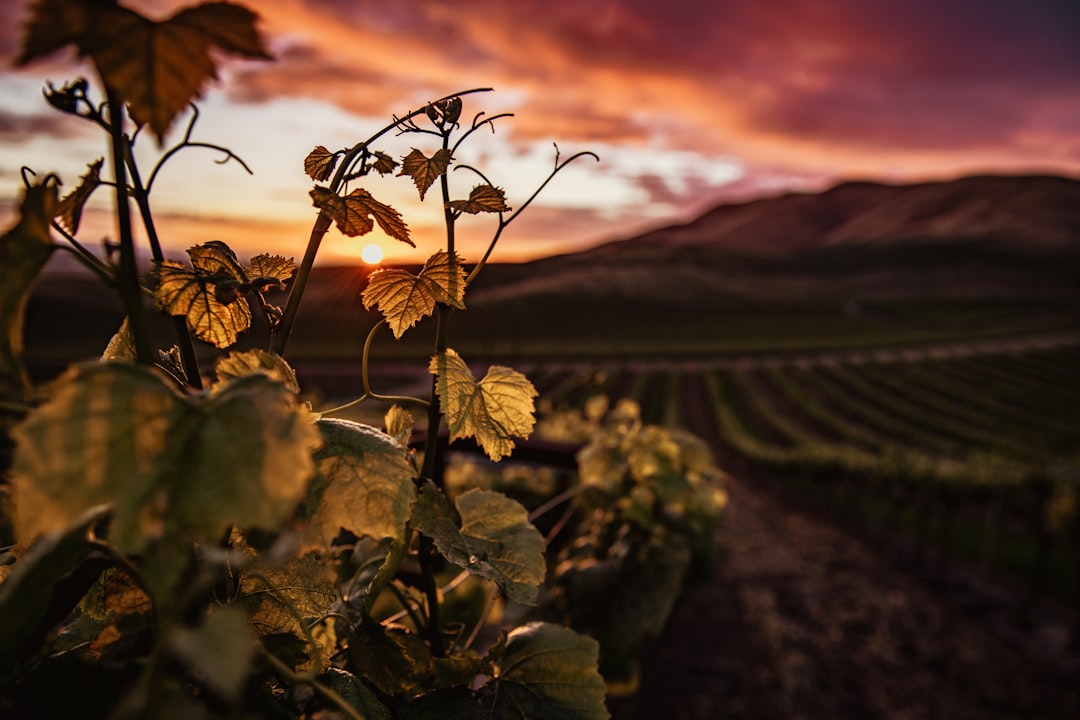
In wine country, a single week can change the whole trip. Arrive too early and you get postcard views; arrive at harvest and the roads fill with grape trailers, cellar doors smell of fermenting must, and lunch turns into a small celebration. That is why the best wine regions in autumn are less about prestige than timing.
If you want one practical answer for 2026, focus on places where harvest energy, local food, and manageable logistics all line up: the Douro, Rioja, Tuscany, Burgundy, and the Mosel. Below, you will find when to go, what to eat, what to book first, and how much to budget so you can actually build the trip.
How to choose the right autumn wine trip
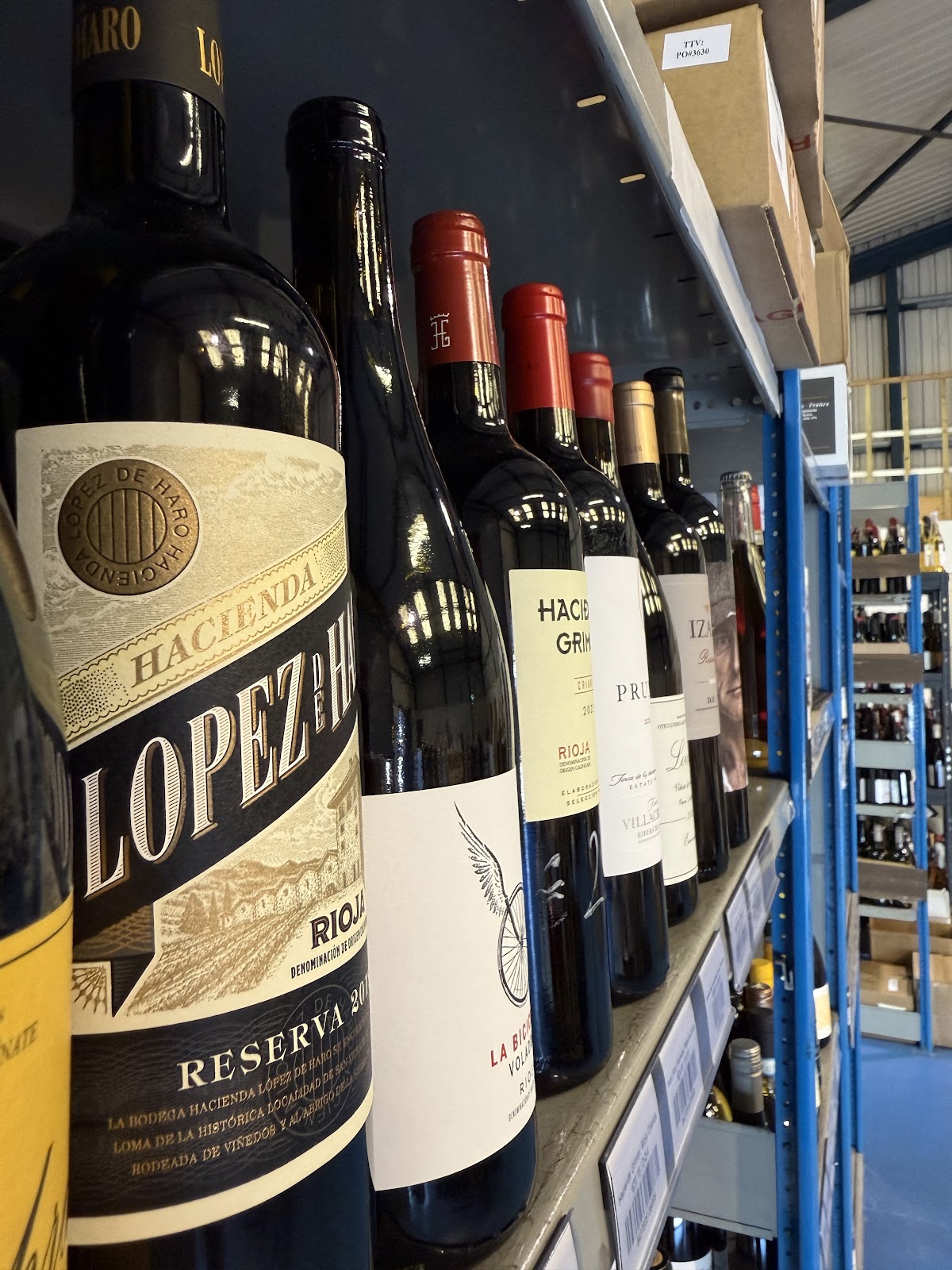
The Nude Wine Co
The smartest way to pick among the best wine regions in autumn is to start with your travel style, not your dream label. Some regions are best if you want dramatic harvest rituals, some are better for casual bar-hopping and small plates, and some reward slow countryside stays where lunch matters as much as the tasting.
Autumn wine travel also gets easier when you accept one rule: do less, but do it at the right moment. Two winery visits in a day is usually perfect. Three is often too much, especially once a long lunch, village wandering, and transport are added. Choose one main base, one food street or market, and one signature experience you would be disappointed to miss.
- Choose the Douro if you want the most theatrical wine harvest season, steep scenery, and traditional foot-treading.
- Choose Rioja if you want the liveliest tapas culture and easy, sociable tasting rooms.
- Choose Tuscany if you want long harvest lunches, agriturismo stays, and classic red wines.
- Choose Burgundy if you care most about terroir, intimate cellar visits, and serious food.
- Choose the Mosel if you want cooler weather, great-value Riesling, and an easy train-based route.
Best wine regions in autumn 2026 at a glance
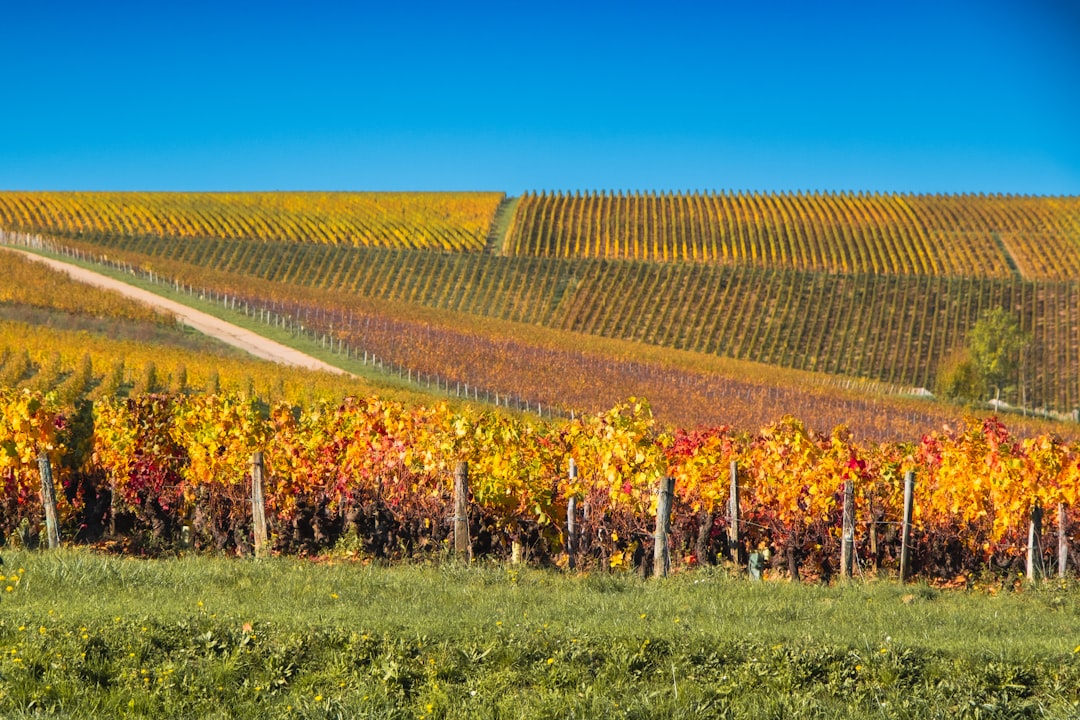
Photo by Sue Winston on Unsplash
For most travelers, the real planning question is simple: which region gives me the best mix of harvest activity, memorable meals, and realistic prices? This table is the fastest way to narrow it down.
| Region | Best weeks in 2026 | Best for | Must-eat local bite | Typical daily budget |
|---|---|---|---|---|
| Douro Valley, Portugal | Sep 5-25 | Harvest immersion and scenery | Bola de Lamego, roast goat, petiscos | 160-280 euros |
| Rioja, Spain | Sep 15-Oct 5, with festival Sep 9-15 | Tapas and festival atmosphere | Pinchos on Calle Laurel | 130-220 euros |
| Tuscany, Italy | Sep 18-Oct 8 | Agriturismo lunches and iconic reds | Schiacciata, pappardelle al cinghiale | 170-320 euros |
| Burgundy, France | Sep 25-Oct 12 | Classic cellar culture and refined dining | Gougeres, jambon persille | 180-330 euros |
| Mosel, Germany | Oct 8-30 | Riesling, foliage, and value | Federweisser with onion tart | 120-210 euros |
Those budgets assume a mid-range double room, one paid tasting, lunch, dinner, and local transport, but not flights. If you travel midweek and stay just outside the headline towns, the Mosel and Rioja are usually the easiest regions to keep affordable.
The five wine regions worth planning around
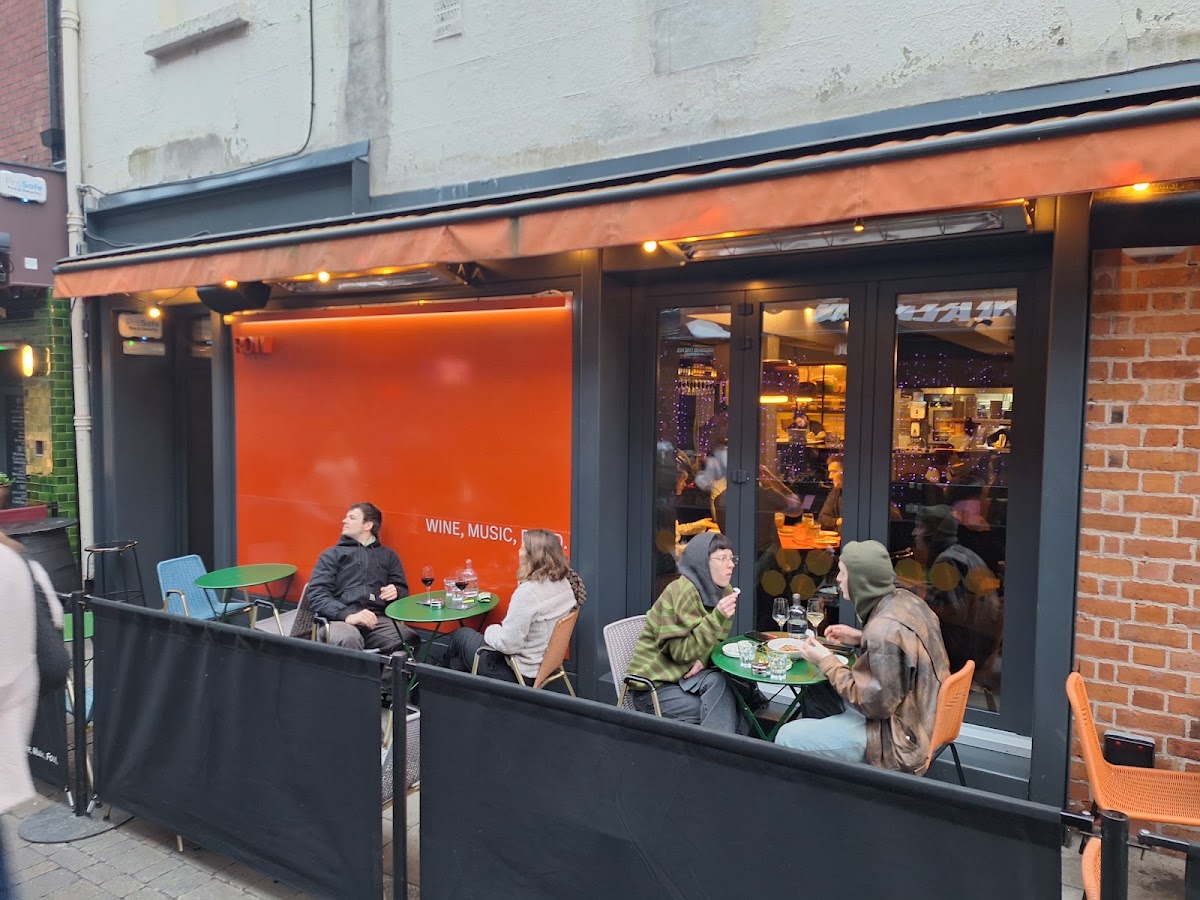
Paddy O'Connell
Douro Valley, Portugal
If you want the most immersive answer to best wine regions in autumn, start with the Douro. The valley feels built for harvest drama: terraces cut into schist slopes, grapes coming down by hand, and old stone lagares where some estates still tread fruit by foot in the evening. It is one of the rare places where a first-time visitor can feel close to the actual making of the vintage.
Base yourself in Peso da Regua for transport or Pinhao for scenery. The best window is roughly Sep 5-25, with harvest energy strongest in the first three weeks of September. Expect estate stays from about 140 to 220 euros a night, scenic train fares from Porto from around 10 to 17 euros each way, and foot-treading or harvest dinners from about 90 to 180 euros.
- Best for: couples, first harvest trips, scenic rail travelers
- Eat: bola de Lamego, grilled octopus, roasted chestnuts later in the season
- Drink: dry Douro reds by day, tawny Port with dessert
- Smart base: 2 nights Pinhao, 1 night Porto on the way in or out
Rioja, Spain
Rioja is the friendliest autumn wine trip for travelers who want wine without losing the pleasure of spontaneous eating. The region turns outward during vendimia: bars are louder, bodegas feel more open, and Logrono becomes one of Spain's great short-hop food cities. The grape harvest festival in Logrono runs Sep 9-15 in 2026, and the best overall travel window is about Sep 15-Oct 5.
Stay in Logrono if food matters most, or Haro if you want quicker access to traditional wineries. A good central hotel usually lands around 100 to 160 euros a night in harvest season. Bodega visits tend to cost 20 to 45 euros, while pinchos on Calle Laurel or Calle San Juan often run 2.50 to 4 euros each, with wine by the glass from around 2.50 to 5 euros.
- Best for: groups of friends, solo travelers, short trips
- Eat: champinones al ajillo, chorizo al vino, chuletillas al sarmiento
- Drink: young Tempranillo, Crianza, Garnacha
- Smart base: 3 nights Logrono with one half-day in Haro
Tuscany, Italy
Tuscany is the classic choice if your ideal autumn wine travel plan involves morning vineyard walks and long lunches that somehow drift into late afternoon. Harvest usually runs from mid-September into early October, with many Chianti estates most active between Sep 18 and Oct 8. The region is especially good for travelers who want wineries and food culture to feel inseparable.
Greve in Chianti makes an easy base, and the Chianti Classico Expo in September adds extra energy. Agriturismo stays typically start around 160 euros and easily climb past 260 euros in peak harvest weeks. Harvest experiences with a picking session, cellar visit, and lunch usually cost about 70 to 140 euros. Tuscany is not the cheapest option, but it may be the most satisfying if meals are central to your trip.
- Best for: food-first travelers, couples, slow travel
- Eat: schiacciata with pecorino and finocchiona, ribollita, pappardelle al cinghiale
- Drink: Chianti Classico, Rosso di Montalcino, Brunello if you splurge
- Smart base: 2 nights in Chianti, 1 night in Florence or Siena
Burgundy, France
Burgundy is less showy than the Douro and less casual than Rioja, but for serious wine lovers it can be the most rewarding of the best wine regions in autumn. Harvest here feels intimate rather than performative. Small domaine teams work narrow parcels by hand, and the villages around Beaune and the Cote de Nuits glow in late-September light.
The best time is usually Sep 25-Oct 12. Beaune is the easiest base, with strong restaurant choices and walkable evenings. Expect rooms from about 130 to 220 euros, tastings from 20 to 50 euros, and restaurant prices that rise quickly if you chase famous labels. The trick in Burgundy is balance: one booked tasting, one market stop, one serious dinner.
- Best for: experienced wine drinkers, anniversary trips, classic French food
- Eat: gougeres, jambon persille, oeufs en meurette
- Drink: Pinot Noir from the Cote de Nuits, Chardonnay from the Cote de Beaune
- Smart base: 3 nights Beaune, with train access from Dijon
Mosel, Germany
For value, beauty, and drinkability, the Mosel is hard to beat. This is late-season wine country, with harvest stretching into October and sometimes early November as Riesling reaches the right sugar-acid balance. That means you get gold hillsides, cooler air, and the seasonal pleasure of young wine poured alongside savory snacks.
Base yourself in Bernkastel-Kues if you want a postcard town, or Cochem for easier connections. The strongest 2026 window is around Oct 8-30. Guesthouses often sit between 90 and 150 euros, tastings can be as low as 12 to 25 euros, and a glass of Federweisser with Zwiebelkuchen might cost only 10 to 15 euros together. For travelers who like rail, river views, and lighter wines, the Mosel is the easiest yes.
- Best for: budget-conscious travelers, train trips, white wine lovers
- Eat: Zwiebelkuchen, bratwurst, apple cake at riverside cafes
- Drink: Kabinett, Spatlese, dry Riesling
- Smart base: 2 nights Bernkastel-Kues, 1 night Trier or Cochem
What to eat between tastings: the autumn street food guide
Wine trips fail when every meal turns formal. The better rhythm is to alternate: one serious lunch or dinner, then one casual snack crawl, market stop, or festival plate. That keeps your palate fresher, your budget lower, and your days more flexible.
The best local dishes in these regions are often the simplest. They are salty, warm, and built to match acidity, tannin, and changing weather. Think mushrooms cooked in garlic, onion tart with new wine, crusty sandwiches filled with cured pork, and little fried or grilled bites that let you keep walking.
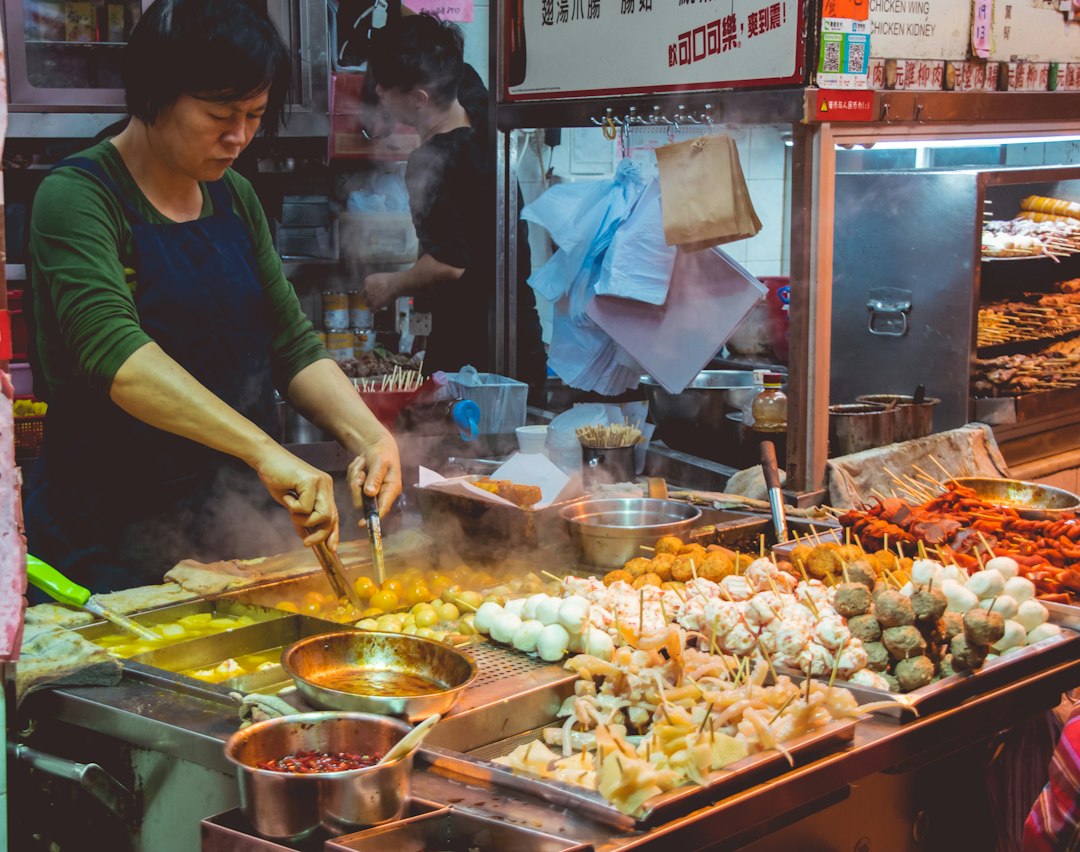
- In Logrono, do a standing pinchos crawl on Calle Laurel and Calle San Juan. Order one bite and one small pour at each stop rather than sitting down too early.
- In Chianti or Florence, use lunch for schiacciata, lampredotto, or a porchetta panino, then save dinner for a fuller farmhouse meal.
- In Beaune, the Saturday market around Place de la Halle is ideal for cheese, charcuterie, and gougeres before an afternoon tasting.
- In the Mosel, seek out Federweisser and Zwiebelkuchen at harvest stalls or weinstuben; it is one of Europe's great autumn pairings.
- In the Douro, leave space for petiscos before dinner and say yes to chestnuts if you see them roasting in October.
A good rule of thumb is 15 to 25 euros for a casual snack-based lunch in Rioja or the Mosel, 20 to 35 euros in the Douro, and 25 to 40 euros in Tuscany or Burgundy.
Budget, booking timeline, and logistics that actually matter
The best wine regions in autumn book up faster than many summer beach trips because the prime dates are short. In Douro, Tuscany, and Burgundy especially, the nicest small stays can disappear three to four months ahead. If you are traveling in late September or early October, book your room first, then winery appointments, then trains or car hire.
Use official event and transport pages to confirm dates and logistics: La Rioja Turismo, Visit Tuscany, Burgundy Tourism, Visit Mosel, and rail schedules on CP - Comboios de Portugal. To trim travel-day costs, it is worth skimming Airport Money Saving Tips for 2026: A Faster Terminal Plan. For the practical side before you pay deposits, Where to Get Travel Insurance in 2026: Smart Buying Plan is a useful check. If you like keeping winery hours, train times, and reservation notes in one place, TravelDeck helps keep the plan tidy.
| Trip item for 3 nights | Budget range per person |
|---|---|
| Accommodation | 150-420 euros |
| Tastings and one signature experience | 60-180 euros |
| Food | 120-240 euros |
| Local transport | 20-90 euros |
| Total before flights | 350-930 euros |
- Book accommodation 3-4 months ahead for late Sep to mid-Oct travel.
- Reserve harvest lunches, foot-treading, or small domaine tastings 4-8 weeks ahead.
- Cap winery visits at 2 per day.
- Build in one market morning or food street session with no formal tasting.
- If you are driving, make lunch your main drinking window and stop there.
Mistakes that make autumn wine trips feel rushed
The most common mistake is treating wine country like a city break. Distances look short on a map, but harvest traffic, long lunches, and cellar schedules slow everything down. A 25-kilometer transfer can easily eat an hour when tractors and village events are in full swing.
The second mistake is booking only prestige wineries. Big names can be memorable, but smaller estates often give you the vivid moments you traveled for: bubbling must in the cellar, workers coming in from the vineyard, and a family lunch table that feels alive rather than polished.
- Do not plan more than one major transfer on tasting days.
- Do not skip lunch; palate fatigue arrives fast.
- Do not assume harvest dates are fixed to the exact day every year.
- Do not leave dinner reservations to chance in tiny towns during festival weeks.
- Do not build a driving-heavy itinerary if everyone wants to taste seriously.
FAQ
Which region is best for a first autumn wine trip?
Rioja is the easiest first pick if you want low stress, good value, and strong food culture. Logrono gives you a walkable base, pinchos bars, and straightforward access to wineries, while the harvest festival atmosphere makes the trip feel festive even if you only book one formal tasting.
What is the best month for wine harvest season in Europe?
September is best for southern regions such as the Douro, Rioja, and much of Tuscany. Late September into October suits Burgundy, and October is ideal for the Mosel. If you can only choose one broad window, the last two weeks of September are the best compromise.
Can I do an autumn wine trip without a car?
Yes, especially in the Douro, Rioja, and the Mosel, though the approach differs. The Douro works well by scenic train plus pre-booked estate transfers, Rioja works from a Logrono base with selected taxi or driver days, and the Mosel is the easiest fully rail-friendly option.
How much should I budget per day?
A realistic mid-range budget is about 120 to 210 euros per day in the Mosel, 130 to 220 euros in Rioja, 160 to 280 euros in the Douro, 170 to 320 euros in Tuscany, and 180 to 330 euros in Burgundy. The fastest way to save is to keep lunch casual, stay three nights in one base, and limit paid tastings.
What should I pack for autumn wine travel?
Bring layers, a light waterproof jacket, comfortable shoes with grip, and one smarter evening outfit for dinners. Vineyards can be muddy in the morning, cellars cool in the afternoon, and town squares warm again by early evening, so autumn wine travel is all about flexible clothing rather than bulky packing.
Autumn wine country is not really about collecting labels. It is about catching a place while it is working, eating what the season gives you, and leaving enough room in the day for one unplanned glass in a village square. Pick the region that matches your appetite as much as your palate, and the trip usually gets better from there.