Most travel stomach bugs do not come from the wildest meal of the trip. They come from the forgettable one: the warm rice, the tired salad, the sauce that has been sitting in the sun. If you want safe local dishes abroad in 2026, the goal is not to hide in hotel buffets. It is to learn how to read a food scene quickly, choose the right first meals, and save the riskier treats for later.
The good news is that eating carefully does not mean eating blandly. It means saying yes to the steaming noodle bowl, the just-grilled skewer, the dosa lifted straight from the hot plate, and the bakery queue that smells of butter at 8 am.
The 30-second scan that tells you if a stall is worth it
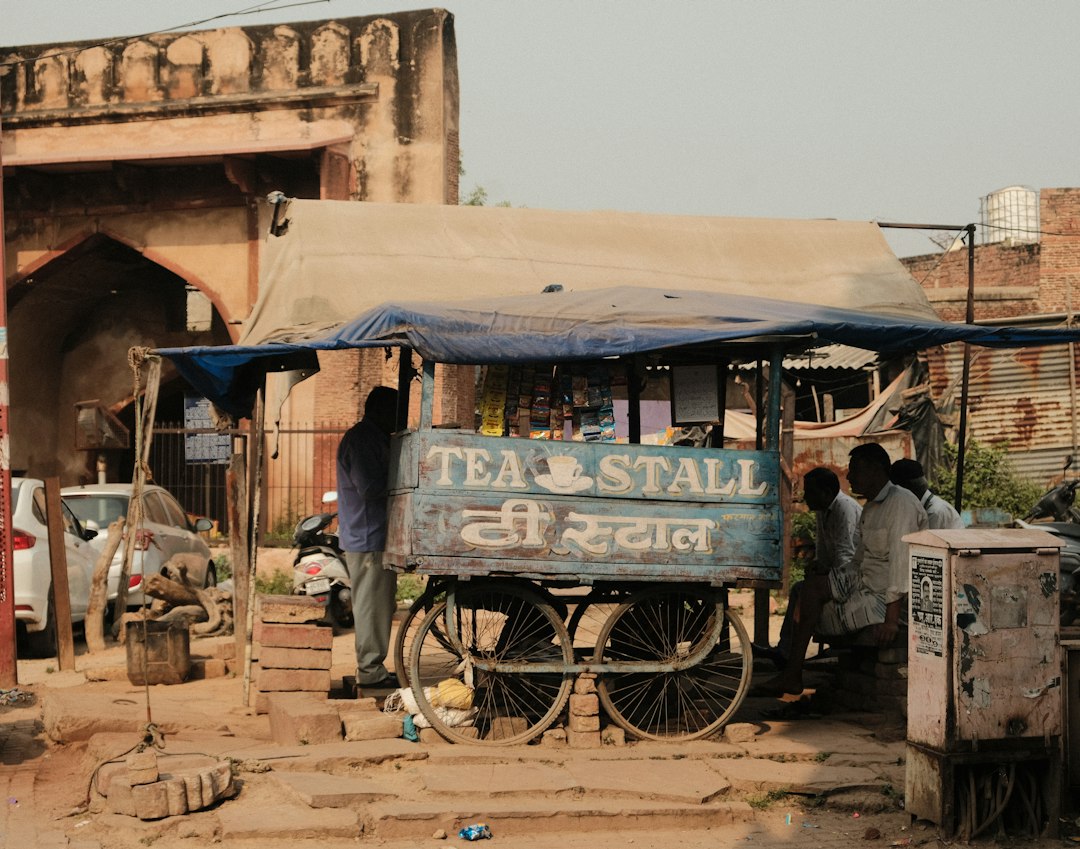
Photo by Austin Curtis on Unsplash
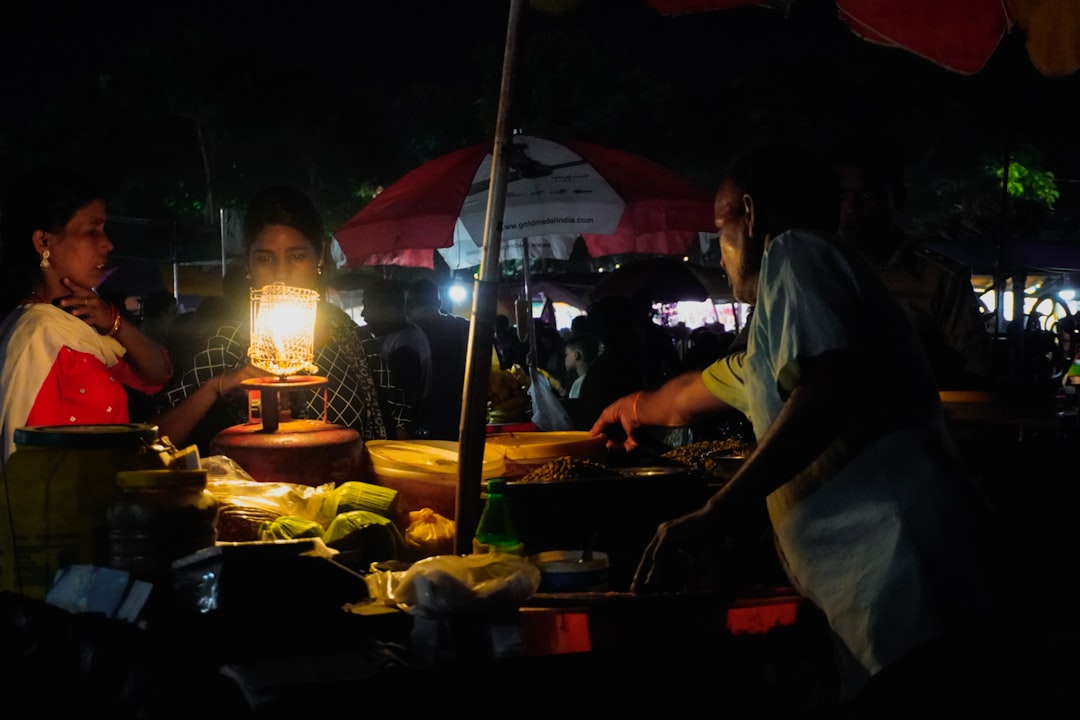
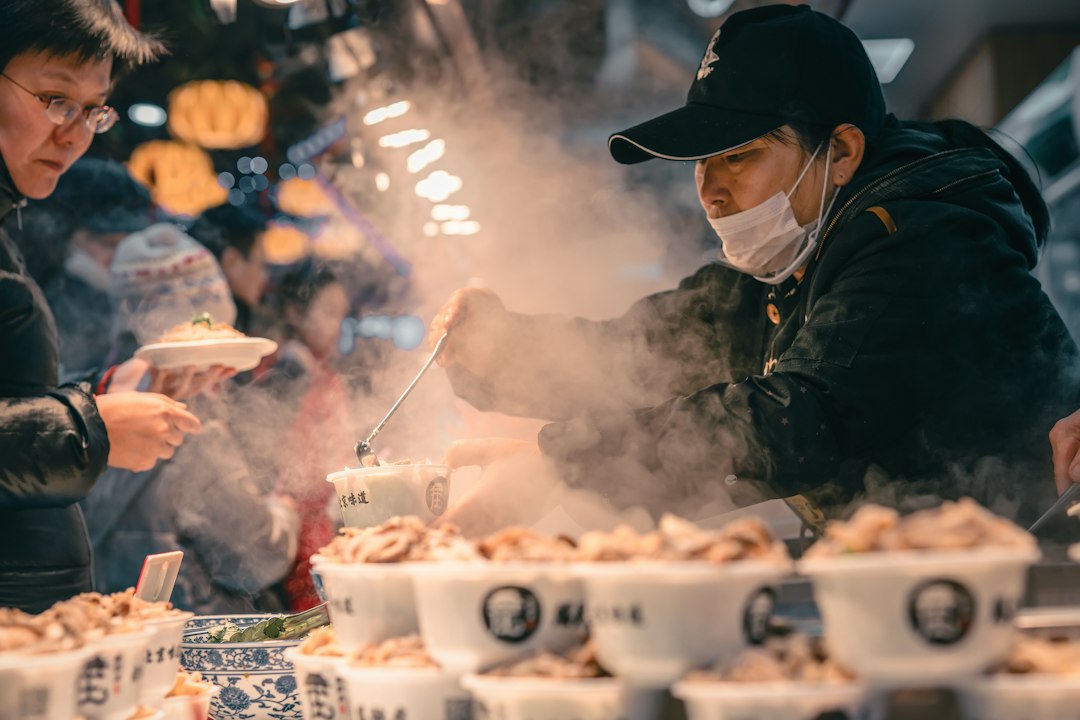
The best street food often looks lively, noisy, and slightly chaotic in a good way. You hear metal tongs hitting a grill, see steam lifting off broth, and notice office workers, students, or families ordering the same two or three dishes on repeat. That is what you want: turnover.
Street food safety is not about chasing perfection. It is about spotting signs that food is moving fast, cooked fresh, and handled with a basic system. A tiny stall with one brilliant dish can be safer than a huge menu with twenty lukewarm options.
Before you order, pause for half a minute and check these things.
- Look for a local queue, especially at lunch and dinner peaks.
- Prefer stalls with a short menu and a clear specialty.
- Choose places cooking to order over places serving trays of pre-cooked food.
- Make sure hot food is actually hot and cold food is actually cold.
- Watch whether raw meat and cooked food use separate tongs, boards, or trays.
- Notice whether the vendor handles cash and food with some kind of routine.
- Walk away if seafood, rice, eggs, or meat are sitting in direct heat for long periods.
- Trust your nose. Clean smoke, broth, herbs, and spice are good signs. Sour, stale, or fishy smells are not.
A simple rule works almost everywhere: if you would not leave that food on your own kitchen counter for two hours, do not accept it from a stall that already has. That one habit will improve your street food safety more than memorizing a hundred destination-specific tips.
Safe local dishes abroad: the smartest first orders
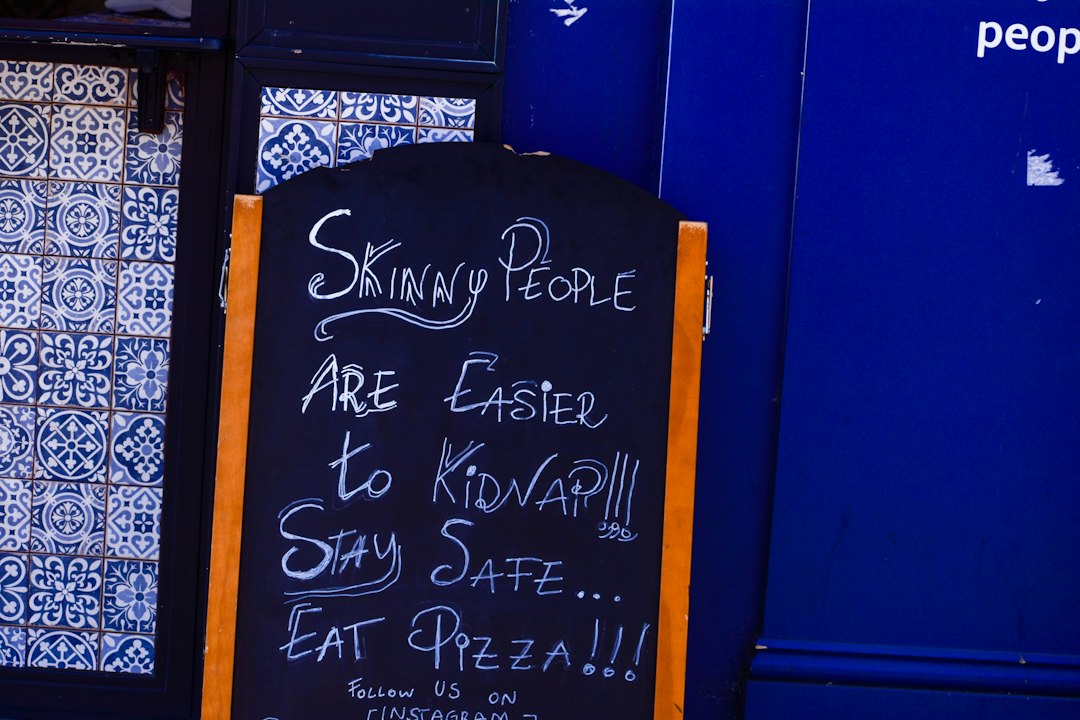
Photo by Simona Marinkova on Unsplash
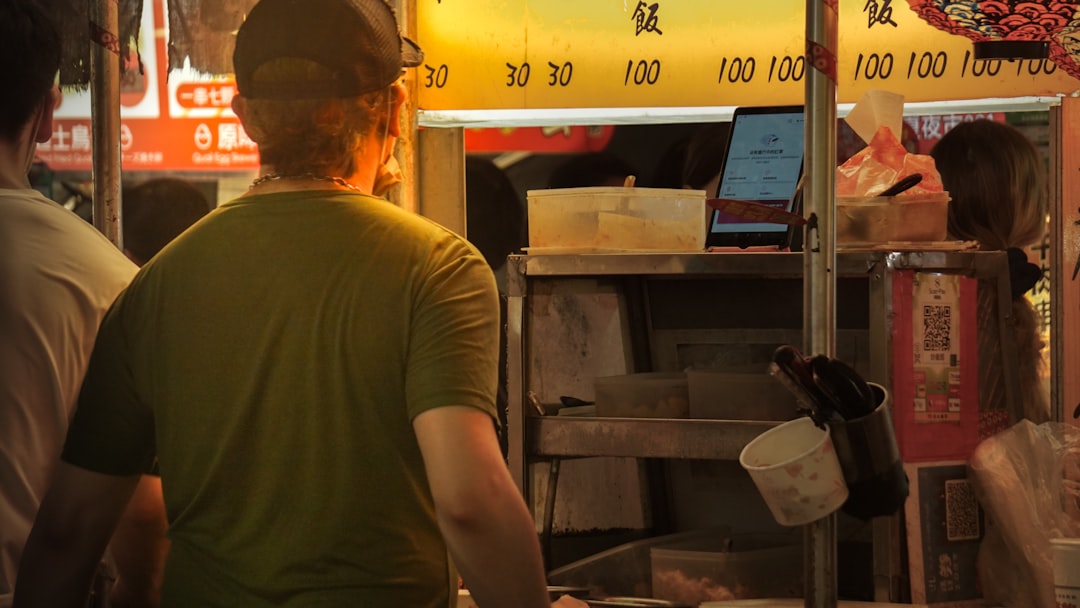
The safest local dishes abroad are usually high-heat, high-turnover foods made in front of you. That still leaves you plenty of character: bubbling pho in Hanoi, al pastor shaved straight from the spit in Mexico City, or a crisp-edged dosa in Chennai folded while you watch.
On arrival day, hunger makes people reckless. Jet lag, heat, and dehydration make a random snack look tempting. If you map one reliable restaurant, one busy market, and one backup supermarket in TravelDeck before you land, you are far less likely to make your worst food decision at 3 pm while dragging a suitcase.
These are safe local dishes abroad to prioritize first, with rough 2026 prices in busy, non-luxury areas.
| Destination | Smart first order | Why it is a good choice | Typical 2026 price |
|---|---|---|---|
| Hanoi | Pho bo or pho ga | Boiling broth, cooked-to-order assembly, fast turnover | $1.50 to $3 |
| Mexico City | 2 tacos al pastor | Meat cut straight from the trompo, high turnover, hot tortillas | $2 to $4 |
| Seoul | Kalguksu or seolleongtang | Served piping hot, usually from specialist shops | KRW 8,000 to 12,000 |
| Osaka | Okonomiyaki | Cooked fresh on a hot plate in front of you | JPY 900 to 1,500 |
| Chennai | Masala dosa | High heat, rapid service, little time sitting out | INR 60 to 150 |
| Istanbul | Mercimek corbasi with bread | Simmered hot, widely available, gentle on tired stomachs | TRY 90 to 180 |
Build your first day around food that is grilled, boiled, fried, steamed, or baked and served immediately. Soups, dumplings, rotis, flatbreads, grilled chicken, stir-fried noodles, and rice dishes cooked to order are usually stronger opening moves than buffet curries or raw seafood platters.
If your trip includes food-heavy routes with lots of market stops, such as Sri Lanka Trip Planning Guide 2026: Where to Go Smartly, it helps to think in sequence: conservative first meal, bolder second day, and only then the more fragile items like shellfish, dairy desserts, or mixed salads.
What to skip on day one if you want to avoid food poisoning abroad
Photo by Bernd 📷 Dittrich on Unsplash
Choosing safe local dishes abroad is less about the country and more about temperature, moisture, and time. The highest-risk foods are usually the ones that spend too long in the danger zone between chilled and steaming.
That is why the glossy seafood display by the beach can be a worse arrival-day choice than the humble soup shop with ten stools and a line out the door. Food poisoning abroad often starts with something that looked harmless: a mayonnaise-based sauce, a cut fruit cup, a rice tray that was hot an hour ago, or a creamy dessert in tropical heat.
On your first 24 hours, skip these unless you are in a highly trusted setting.
- Raw oysters, ceviche, and undercooked shellfish
- Buffet food that has been sitting for a long stretch
- Pre-cut fruit exposed to air, flies, or warm counters
- Leafy salads in places where water safety is uncertain
- Rice dishes that look warm rather than steaming hot
- Dairy-heavy desserts sold from unrefrigerated displays
- Chutneys, salsas, or creamy sauces sitting in the sun
- Smoothies and juices if you cannot tell where the water and ice came from
A better arrival-day formula is simple: one great hot local meal, one peeled fruit or sealed snack later, and lots of safe fluids. If you still want adventure, get it from flavor, not from poor handling.
Tap water and ice are often the real trap
Travelers blame the noodles, the curry, or the skewers. Very often, the actual problem is tap water and ice. Lettuce may have been washed in it. Mint may have been soaked in it. Ice may have been made from it. A perfect plate can still go wrong if the cold parts of the meal were prepared with unsafe water.
In places with strong municipal systems, tap water may be perfectly fine. In others, locals themselves buy bottled water or use filtered dispensers. Follow the local norm instead of assuming one global rule. Tap water and ice deserve their own decision every time you sit down.
Use this quick routine.
- Drink sealed bottled water or water from a trusted filtration system when in doubt.
- Brush your teeth with safe water in higher-risk destinations.
- Be cautious with ice at small stalls if you cannot verify the source.
- Choose fruit you can peel yourself, such as bananas, oranges, or mangoes.
- Treat salads as optional, not automatic, when water safety is unclear.
- Order hot tea or coffee instead of iced drinks when you are unsure.
- Refill reusable bottles only from a source you trust.
Before you travel, save a few official health pages so you are not guessing when symptoms hit. The CDC food and water safety guide, the WHO food safety guidance, and the NHS traveller's diarrhoea advice are all worth bookmarking.
Food allergies, supermarkets, and the tiny kit that saves trips
If you have allergies, safe local dishes abroad start with clarity, not bravery. Sauces, broths, marinades, garnishes, and frying oils are where surprises hide. A menu description is rarely enough, especially across languages.
Carry a translated food allergy card with your exact trigger ingredients written clearly. Learn the local words for peanuts, shellfish, dairy, egg, sesame, soy, wheat, and any other relevant allergens. Good manners matter here too; asking directly and respectfully gets better answers, especially in destinations where kitchen hierarchies or service customs differ. Respectful Travel Customs 2026: Avoid First-Day Mistakes is useful background if you want to read the room better while ordering.
Supermarkets are another underrated tool. They give you a controlled fallback when your stomach feels fragile, when you arrive late, or when every restaurant nearby looks wrong. A banana, plain crackers, yogurt from a properly chilled case, or fresh bread from a high-turnover bakery can rescue a day without pushing you into bland-tourist-mode for the whole trip.
Pack this small food kit in your day bag or main luggage.
- Hand sanitizer
- 4 to 6 oral rehydration salt sachets
- Anti-diarrheal medication that suits you and your doctor or pharmacist approves
- Your regular allergy medication
- Epinephrine auto-injector if prescribed
- A translated food allergy card
- A few plain backup snacks like crackers or biscuits
- A thermometer if you are traveling remotely or for several weeks
If you are self-catering, add a few quiet rules: buy chilled food only if you can refrigerate it quickly, check expiry dates, avoid damaged seals, and never leave leftovers at room temperature in your room for hours.
A copy-and-use food routine for markets and long travel days
The easiest way to stay well is to reduce the number of random decisions you make when you are tired. A repeatable routine works better than constant vigilance. Once you have a simple pattern, safe local dishes abroad become far easier to enjoy.
Use this routine on arrival days, market crawls, ferry transfers, and full sightseeing days.
- Start with 500 to 750 ml of safe water after landing or before a market visit.
- Make your first proper meal a hot dish cooked in front of you.
- Pick one busy vendor and eat two or three things there instead of grazing from eight stalls.
- Save raw seafood, salads, and dairy desserts for later in the trip.
- Mid-afternoon, choose a safe snack: peeled fruit, sealed yogurt, or bread from a busy bakery.
- At dinner, go local again, but keep the same rule: heat plus turnover.
- Stop guessing and get help if symptoms become severe.
This is also the routine that works best for group trips, because people get sick when the group splinters into random snack decisions. If you are traveling with friends, a little meal structure prevents both stomach drama and social drama, much like the advice in How to Organize a Group Vacation in 2026 Without Fallout.
FAQ
Is street food safer than restaurants?
Sometimes, yes. Street food safety can actually be easier to judge because you can see the grill, the broth pot, the ingredient turnover, and the queue. A quiet restaurant with a giant menu and trays of food sitting out can be riskier than a tiny stall selling one dish nonstop.
What is the safest first meal after I land?
Choose a hot local dish made to order: noodle soup, grilled chicken with rice, okonomiyaki, tacos carved fresh from the spit, dumplings from a steamer, or a dosa from a hot griddle. The best first meal is not bland; it is fresh, hot, and fast-moving.
Is ice ever safe abroad?
Yes, often. In reputable hotels, restaurants, and regulated food halls, ice is usually fine. In small stalls where you cannot tell the source, tap water and ice are not worth the gamble, so order drinks without ice or switch to hot drinks.
How do I avoid food poisoning abroad without missing local food?
Prioritize heat, turnover, and specialization. Eat where locals queue, choose stalls known for one or two dishes, and make your first 24 hours about cooked food rather than mixed raw items, buffets, or sauces sitting out.
When should I get medical help?
Do not try to tough it out if you have blood in your stool, repeated vomiting, signs of dehydration, severe weakness, or a fever above 38.5 C. If symptoms last more than 48 hours, seek medical help rather than trying more home remedies.
Eating well abroad is not about being fearless or fussy. It is about pattern recognition: steam, turnover, specialist menus, safe water, and a little patience on day one. Once you learn that rhythm, safe local dishes abroad stop feeling restrictive and start feeling like the best version of travel food: vivid, local, and memorable for the right reasons.