Sri Lanka looks small on a map, but first-time visitors often lose entire days by trying to squeeze in ancient cities, tea country, safaris, and two coasts on one short trip. This Sri Lanka trip planning guide starts with the rule that matters most: match your route to the season, then choose only two or three anchor areas.
Do that, and the island feels wonderfully varied rather than rushed. You can climb Sigiriya at sunrise, sip tea in the cool hills, and finish on a warm beach without turning every day into a transfer day.
Best time to visit Sri Lanka by coast
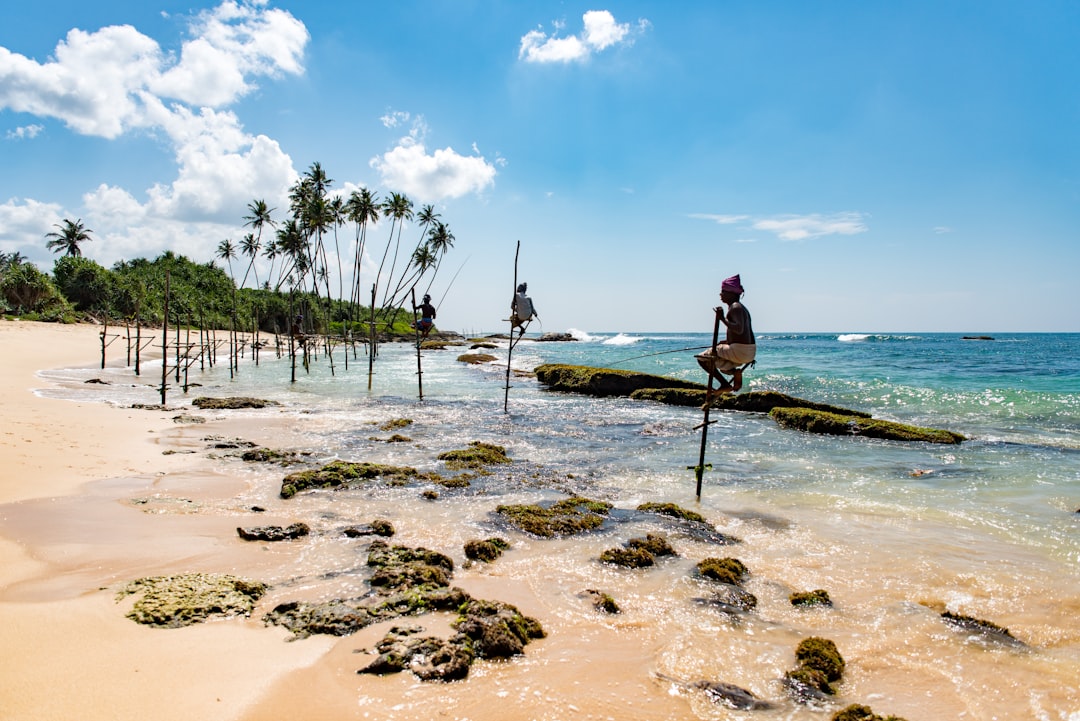
Photo by Daniel Klein on Unsplash
The most important move in any Sri Lanka trip planning guide is choosing the right side of the island for the month you are traveling. Sri Lanka has two monsoon patterns, so there is usually a good region to visit, but not every region at the same time.
For first-timers, the simplest way to avoid weather mistakes is this: south and west from December to April, east from May to September, and hill country almost year-round. If your trip is only 7 to 10 days, do not split between south and east beaches. Pick one coast and commit.
| Travel window | Best areas | What works well |
|---|---|---|
| December to April | Colombo, Galle, Mirissa, Hiriketiya, Bentota | Beach days, whale watching, fort towns, easy south coast loops |
| May to September | Trincomalee, Nilaveli, Pasikuda, Arugam Bay | Drier east coast beaches, snorkeling, surfing |
| Year-round with cooler air | Kandy, Nuwara Eliya, Ella, Haputale | Tea country, hikes, scenic train routes |
| Shoulder months of April and October | Mixed routes with flexibility | Expect short showers and build in buffer time |
A practical rule: if beach time is your priority, book your coast first and build the rest around it. If culture is your priority, center the trip on Sigiriya, Dambulla, Polonnaruwa, and Kandy, then add hills or sea after.
Temple visits also shape what you pack. Covered shoulders, longer hems, and easy slip-off shoes save time and awkward moments, especially in Kandy and Dambulla. If you want a wider etiquette refresher before arrival, Respectful Travel Customs 2026: Avoid First-Day Mistakes is worth reading before you land.
Where to go in Sri Lanka for culture, trains, wildlife, and beaches
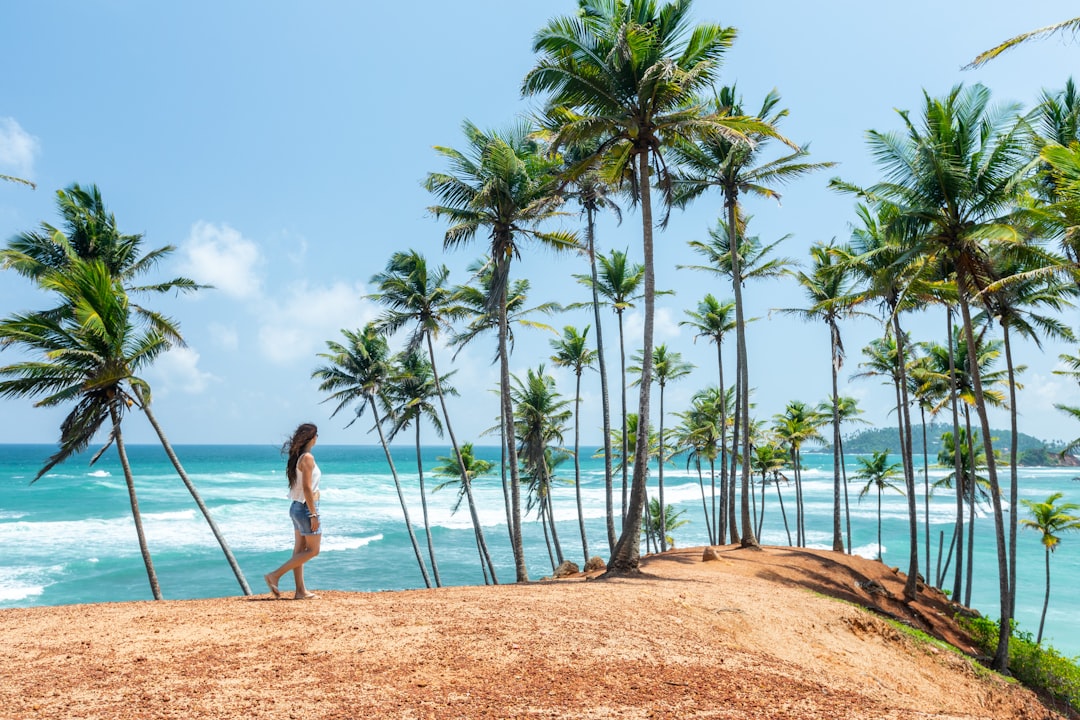
Photo by Sebastian Latorre on Unsplash
If you are still deciding what kind of trip you want, stop thinking in cities and start thinking in zones. Sri Lanka works best when you group places that share a mood and geography. If you are comparing trip styles first, Holiday Destination Ideas 2026: Match Budget to Mood can help you decide whether you want a culture-heavy route, a softer beach week, or a mixed trip.
For most travelers, these are the zones that actually earn their place on the map.
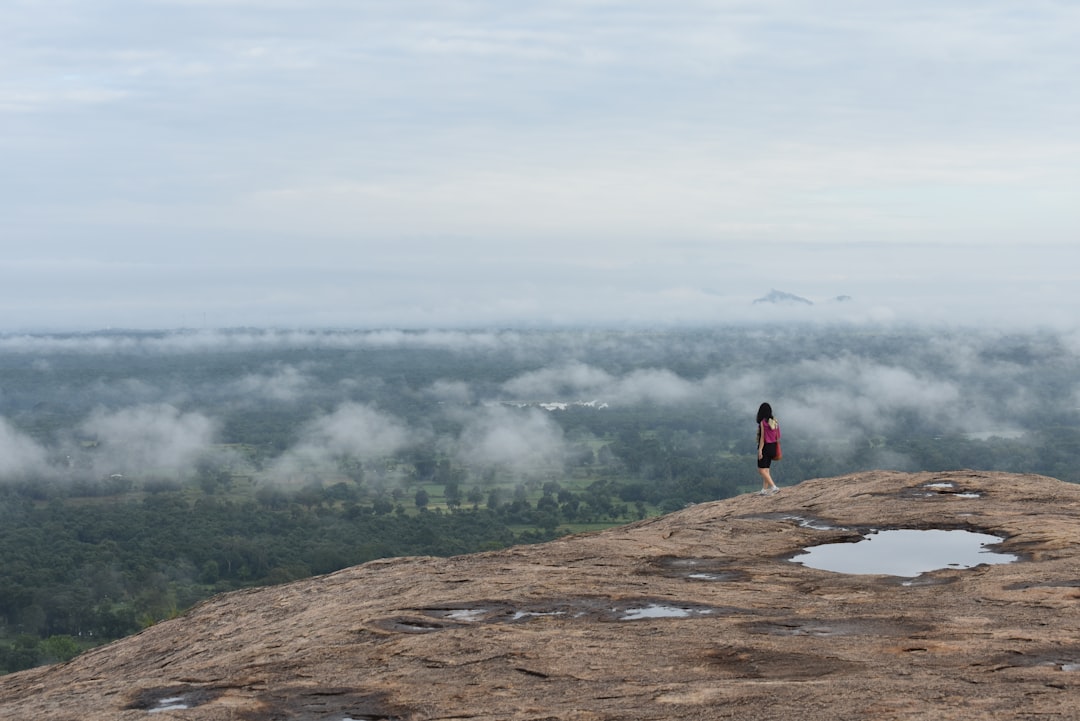
- Cultural Triangle, 2 to 3 nights: Base near Sigiriya or Dambulla for Sigiriya Rock Fortress, Dambulla Cave Temple, Polonnaruwa, and Minneriya or Kaudulla elephant areas. This is the best choice if you want ancient history and early-morning sightseeing before the heat builds.
- Kandy, 1 to 2 nights: Come for the Temple of the Tooth, lake walks, and a gentler urban stop before the hills. Kandy is more about atmosphere than ticking off attractions, so one well-paced night can be enough.
- Hill country, 2 to 3 nights: Ella is the easiest first stop, with Little Adam's Peak, Nine Arch Bridge, and cool mornings. Nuwara Eliya feels greener and quieter, with tea estates and colonial-era architecture.
- Wildlife, 1 to 2 nights: Pick Yala if leopard sightings are high on your list, Udawalawe for elephants and easier sightings, or Wilpattu if you want a wilder, slower feel. One safari is usually enough on a short trip.
- South coast, 2 to 4 nights: Galle for history and design-forward stays, Mirissa for beach energy and whale season, Unawatuna for easy swimming, Hiriketiya for surf-and-cafe rhythm. This is the easiest coast for first-time visitors between December and April.
- East coast, 3 to 4 nights: Trincomalee and Nilaveli are excellent for calm water and boat trips, while Arugam Bay suits surfers and slower travelers. This coast shines when the south is wet.
What should you skip on a first trip? Usually Colombo as a long stay, unless you love urban food scenes and want one decompression night. The capital works better as an arrival or departure stop than as the emotional center of the trip.
If you have only a week, choose three of these zones. If you have 10 days, choose four. Once you add a fifth zone, the island often stops feeling restful and starts feeling logistical.
Sri Lanka itinerary lengths that actually work
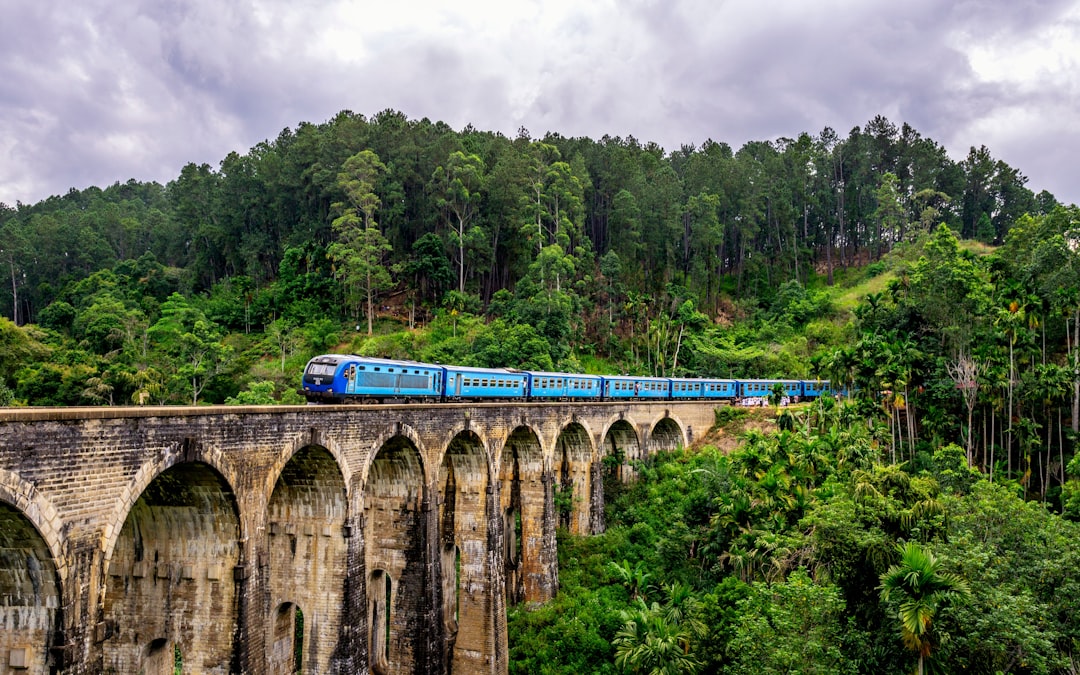
Photo by Hendrik Cornelissen on Unsplash
The core of this Sri Lanka trip planning guide is restraint. Sri Lanka rewards shorter jumps and earlier starts more than heroic island-crossing days. If you sketch the route in a notebook or a planner like TravelDeck, keep most road legs under four hours and let only one day be transfer-heavy.
Here are the route lengths that work best for real travelers.
- 7 days: Negombo or Colombo, Sigiriya, Kandy, Ella, south coast
- Skip safari unless wildlife is your main reason for coming.
- 10 days: Sigiriya, Kandy, Ella or Haputale, Yala or Udawalawe, south coast, Colombo departure
- You get ruins, hill country, one national park, and enough beach time to actually rest.
- 14 days: Cultural Triangle, Kandy, hill country, safari, south or east coast, plus one slow stop such as Galle or Trincomalee
- Use the extra days to add depth, not more pins.
A simple planning order helps:
- Pick the coast by season.
- Decide whether safari matters more than extra beach time.
- Add one hill-country stop.
- Add one culture stop.
- Leave your last night within easy reach of the airport.
For airport strategy, Negombo is often the smartest first or last night. It is much closer to Bandaranaike International Airport than central Colombo, so you save stress after a late arrival or before an early departure.
How to get around Sri Lanka without losing days
Transport is where a Sri Lanka trip planning guide becomes real. Distances can look short, but average speeds are slower than many visitors expect. Curves in the hills, town traffic, and frequent stops mean 150 kilometers can still take four hours.
For multi-stop trips, most first-time visitors are happiest with a car and driver. It is not the cheapest line item, but it often reduces wasted time, surprise taxi fares, and difficult station transfers. Trains are beautiful in the hill country but should be treated as one scenic experience, not your entire transport plan.
| Transport | Best for | Typical cost | What to know |
|---|---|---|---|
| Car with driver | 7 to 14 day loops, families, first-timers | About USD 55 to 90 per day with fuel, depending on vehicle and route | Easiest for point-to-point travel and early starts |
| Reserved train | Kandy to Ella or Nanu Oya segments | Roughly LKR 2,000 to 4,000 for reserved seats on common tourist routes | Book early on Sri Lanka Railways |
| Local bus | Budget travelers on short hops | Often under USD 3 for many routes | Cheap but crowded and slower with luggage |
| Tuk-tuk | Town rides and beach hops | Roughly LKR 500 to 2,500 depending on distance | Agree the fare first if there is no meter |
A few planning numbers help:
- Airport to Negombo: about 20 to 30 minutes
- Airport to Colombo: around 45 to 90 minutes depending on traffic
- Sigiriya to Kandy: about 2.5 to 3.5 hours
- Kandy to Ella by train: around 6 to 7 hours
- Ella to Yala area: about 2 to 3 hours by road
- Yala to Mirissa: about 3 to 4 hours
If you self-drive, be honest about your tolerance for narrow roads, assertive buses, and left-side driving. For most visitors, the freedom sounds better on paper than it feels on day three.
Sri Lanka travel budget for 2026
Sri Lanka can still be good value, but costs rise fast when you stack park fees, long transfers, and foreigner entry tickets. A realistic Sri Lanka travel budget is less about food and more about transport and activities.
Street snacks, rice and curry lunches, and guesthouses can keep daily costs low. Safaris, private transfers, boutique stays, and beach cocktails are where the bill grows.
| Style | Daily budget | What it usually covers |
|---|---|---|
| Budget | USD 35 to 55 | Simple guesthouse, buses or shared rides, local meals |
| Mid-range | USD 70 to 130 | Comfortable room, some private transport, reserved train, a few paid sights |
| Higher-end | USD 180 and up | Driver, stronger hotels, safari, better rooms on the coast |
Useful one-off costs to remember:
- Sri Lanka ETA visa fee: check the official rate on Sri Lanka ETA
- Sigiriya foreign adult entry: usually around USD 35 to 36
- Yala safari with park fees: often around USD 50 to 100 per person depending on vehicle type and group size
- Kandy to Ella reserved train seat: often still modest, but premium tourist carriages cost more
- South coast boutique hotel in peak season: USD 80 to 180 per night is common
Book earlier than you think for Christmas to March on the south coast and July to August around major festival periods. If you want whale watching, safari, or a specific train date, line those up before you start browsing restaurants and beach clubs.
For official destination updates, events, and regional planning ideas, the national tourism portal at Sri Lanka Tourism is the most useful starting point.
What to pack and what travelers usually misjudge
Sri Lanka is not a hard country to pack for, but it does punish the wrong fabric choices. Heat, temple rules, cool hill-country mornings, and sudden rain can all happen in one week. Pack for layers, not bulk.
The most useful item is often a light sarong or scarf. It works for temple coverage, bus air-conditioning, beach shade, and a quick wrap after a swim.
Bring these:
- Light, breathable clothing that dries fast
- One modest temple outfit covering shoulders and knees
- Sandals that slip off easily plus one pair of proper walking shoes
- Rain shell or compact umbrella
- High-strength mosquito repellent
- Refillable water bottle
- Sunscreen and a hat with real brim coverage
- A small stash of cash in Sri Lankan rupees for rural stops
The most common planning mistakes are just as important:
- Trying to do both coasts on one short trip: choose south or east, not both
- Underestimating transfer time: a 3-hour map estimate can turn into 5 in the hills or after rain
- Booking every single night before checking the weather pattern: keep at least a little flexibility in shoulder season
- Treating Colombo as the main base: it usually adds commuting rather than reducing it
- Skipping buffer time before flights: stay near the airport on your final night if departure is early
If you tend to make cultural mistakes on arrival, recheck temple clothing, greetings, and shoe rules before day one in Respectful Travel Customs 2026: Avoid First-Day Mistakes.
FAQ
Is Sri Lanka safe for tourists in 2026?
In the main tourist regions, yes, Sri Lanka is generally a comfortable destination for travelers using normal precautions. Most day-to-day issues are practical rather than dramatic: traffic, weather, and overly ambitious routing. Keep valuables secure, use licensed guides for safaris, and avoid long road transfers after dark when possible.
Do I need a visa for Sri Lanka?
Most visitors need an ETA before arrival. Check eligibility, fees, and current rules on the official Sri Lanka ETA site rather than guessing from forums or old blog posts. Apply before you fly and keep a digital copy of the approval.
Is the Kandy to Ella train worth it?
Yes, if you treat it as a scenic day rather than a fast transfer. The best stretches are rolling tea fields, misty ridges, and slow curves through the hills. Reserve seats early through Sri Lanka Railways, and avoid making it the same day as a major sightseeing plan.
Which safari park should I choose?
Choose by animal priority, not name recognition. Yala is strongest for leopard excitement and busy jeep energy, while Udawalawe is simpler and better for elephant sightings. For opening times, park guidance, and updates, check the Department of Wildlife Conservation.
Should I spend time in Colombo or skip it?
If this Sri Lanka trip planning guide sounds conservative, Colombo is the place where you can bend the rule a little. One night can be excellent for seafood, galleries, and a final urban contrast. But for a first trip under 10 days, most travelers are happier using that time for Galle, Ella, or Sigiriya instead.
Sri Lanka rewards travelers who edit. Pick the right season, limit the number of bases, and let each place breathe a little. That is the whole Sri Lanka trip planning guide in one sentence: go to fewer places, but go at the right time.