Most holiday mistakes happen before the booking screen. People choose a place because it looks good on social media, then discover the rainy season has started, the transfers eat half the trip, or the pace feels all wrong. If you are stuck asking where to go on holiday, these holiday destination ideas start with a better question: what kind of trip actually fits your money, energy and available days?
A good holiday should feel right from the first coffee of the morning to the last walk back to your room at night. The smell of pine beside a lake, the thrum of scooters near a night market, the clean hush of a car-free island at sunset: those details matter more than a trendy name. Use the framework below and you can move from vague craving to a plan you can book today.
How to plan a holiday by trip shape first

Photo by Tron Le on Unsplash
Before you pick a destination, define the shape of the trip. This sounds simple, but it prevents the classic mismatch: a party island when you need sleep, a cold city when you wanted sea, or an ambitious multi-stop route when you only have five days.
Think about the version of you who will actually board the plane. Are you tired and craving stillness? Curious and ready to move? Traveling with kids who need short transfers and predictable meals? The right holiday is rarely the most famous one; it is the one that matches your current energy.
Start with this 10-minute filter.
- Total days door to door, not just nights away
- Your all-in budget per person, including transport
- Ideal daytime temperature range, such as 18-24°C or 28-32°C
- Maximum one-way travel time you will tolerate
- Energy level from 1 to 5, where 1 means nap-and-swim and 5 means museum-hopping until midnight
- One non-negotiable, such as beach access, walkability, wildlife, food, or train travel
- One hard no, such as driving, extreme heat, multiple hotel changes, or overnight flights
A useful rule of thumb: if your trip is only three or four nights, keep travel time under five hours each way and stay in one base. If you have seven to ten nights, you can afford one longer transfer or a two-base trip. Once you know your limits, the shortlist gets dramatically better.
Best holiday destinations by budget, weather and pace
Photo by David Vives on Unsplash
The easiest way to choose is to match mood with logistics. A peaceful island and a high-energy city can both be brilliant, but they require different budgets, seasons and stamina. Instead of asking which destination is best overall, ask which one is best for this exact trip.
Below is a practical comparison you can copy into your notes. Prices are ballpark daily costs per person, excluding flights, based on mid-range travel in 2026 and sharing a room.
| Trip style | Best months | Sample destinations | Daily spend | Best for |
|---|---|---|---|---|
| Quiet beach reset | June or September | Astypalaia, Procida, Akyaka | €85-150 | Couples, solo travelers, short reading-and-swim breaks |
| Easy city break without car | April, May, September, October | Utrecht, Copenhagen, Berlin | €120-220 | First-timers, long weekends, culture and food |
| Cool-summer outdoors | June to August | Finnish Lakeland, Salzkammergut | €100-190 | Hikers, cabin stays, families avoiding Mediterranean heat |
| Winter sun with simple logistics | January to March | Barbados, southern Tenerife | €140-260 | Beach weather, direct flights, low planning stress |
| Food-led long-haul trip | January to March | Kerala, Penang, Osaka region | €70-160 on the ground | Travelers who plan days around markets, cafés and cooking |
| Soft adventure in shoulder season | April or May | Jeju, Azores, Madeira | €90-180 | Walks, coastlines, scenic driving, active couples |
Notice how the best fit is often not the cheapest destination. A direct flight to a slightly pricier place can beat a cheaper destination that demands ferries, long drives and an extra hotel night. This is why a calm Greek island works best when you have a full week, while Utrecht works beautifully when you only have a Friday-to-Monday gap.
If you already know you want an urban trip, keep it compact. For a polished first European weekend, 3 Days in Copenhagen Itinerary 2026: Harbour, Food, Hygge is the kind of city break that wastes almost no time in transit.
Holiday planning tips: what your budget really buys
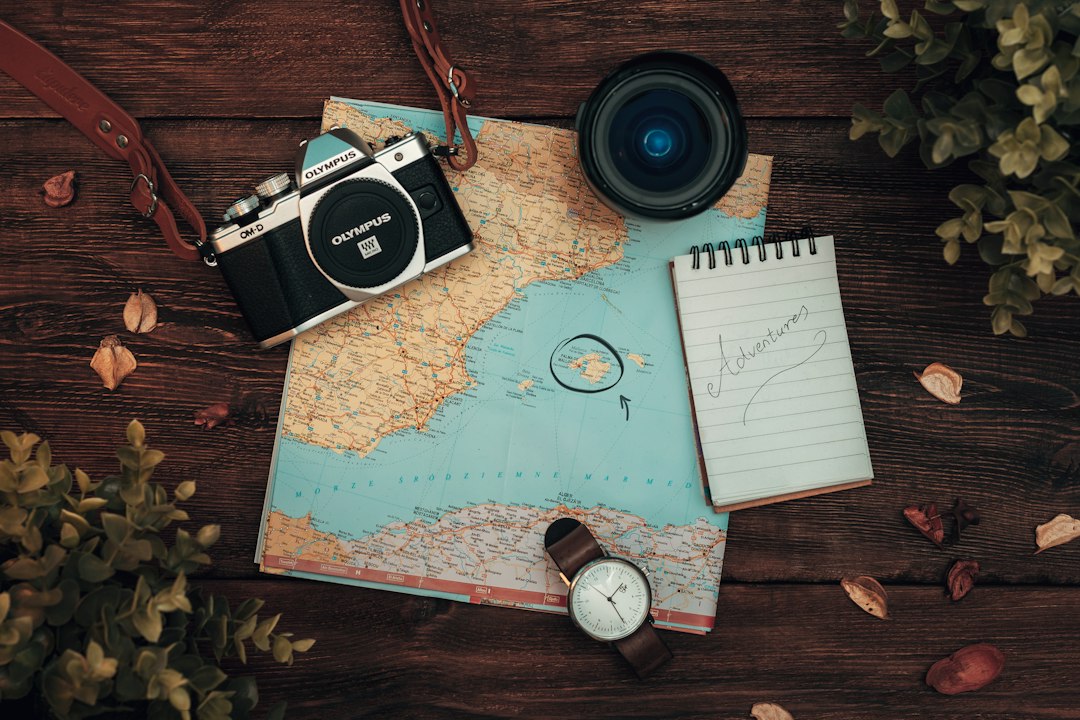
Photo by Radek Skrzypczak on Unsplash
Travel budgets go wrong because people price the headline cost and forget the shape of the days. A cheap flight can hide an expensive airport transfer, a late arrival can force you into airport hotel territory, and a low room rate can mean paying more for taxis and meals. Budgeting gets easier when you separate fixed costs from daily costs.
Fixed costs are the ones that do not care whether you stay four nights or nine: flights, visas, insurance, ferry tickets, airport transfers. Daily costs are hotel, food, local transport and activities. The shorter the trip, the more those fixed costs dominate, which is why a four-night long-haul break often feels bad value.
Use these realistic 2026 ranges as a planning shortcut.
- 3-night near-home city break: €500-950 per person sharing
- 7-night shoulder-season island trip in Greece or Italy: €900-1,450 per person sharing
- 7-night cool-summer lake or mountain trip in central or northern Europe: €850-1,400 per person sharing
- 8 to 10-night long-haul food-and-culture trip in Kerala: €1,100-1,900 per person depending on flight timing and hotel level
A simple decision rule helps. If your budget is under €700 per person and you only have four nights, choose one base, avoid checked baggage if you can, and skip rental-car-heavy destinations. If your budget stretches past €1,200 and you have a full week, you can start looking at quieter islands, scenic rail combinations or longer winter-sun routes.
Do not forget insurance. It is not the glamorous part of planning, but missed connections, illness and cancelled baggage can wreck a carefully balanced budget. Where to Get Travel Insurance in 2026: Smart Buying Plan is worth reading before you pay for anything non-refundable.
Where to go on holiday in 2026: the three deal-breaker checks
A destination can look perfect on paper and still fail one of three tests: entry rules, climate reality, or transfer friction. This is the stage where good plans become great ones, because you stop buying the fantasy version of a place and start planning the real one.
First, verify border and entry requirements before you even compare hotels. Rules shift, and some trips now require advance authorizations or passport-validity checks that travelers miss in the rush of booking.
Use official sources only for this step.
- Check destination entry rules on gov.uk foreign travel advice or your own government equivalent
- If your route involves Europe, monitor the official ETIAS portal
- For regional timing, closures and transport ideas, use official tourism boards such as Visit Finland or the local board for your shortlist
Next, test climate against your actual habits, not your optimism. Kerala in February is warm, lush and easy to enjoy; Kerala in peak monsoon is a different trip entirely. Finnish Lakeland in June gives you long light evenings that make a lakeside sauna and late swim feel endless, while a winter booking there is a snow trip, not a summer-nature one. Jeju in April is ideal for walking; Barbados shines in the dry-season months when beach time is the point.
Finally, check transfer friction. A beautiful island with one ferry a day is not a relaxed short break. A mountain region with a three-hour road transfer after landing is fine for a week, but not for a long weekend.
A 30-minute holiday planning checklist you can actually use
Once you have a shortlist, the goal is not endless research. It is a decision. I like keeping the options in one place, whether on paper or in TravelDeck, because scattered tabs lead to expensive mistakes and forgotten details.
Set a timer for 30 minutes and fill in the same fields for each destination. The winner is usually obvious before the half hour ends.
- Pick three contenders only.
- Give each one a score out of 5 for weather, cost, travel time, energy fit and on-the-ground ease.
- Estimate the all-in price, not just flights.
- Decide whether the trip needs one base or two. For seven nights, two bases is usually the maximum before it starts feeling rushed.
- Write a first-night plan. If you cannot picture what happens after arrival, logistics are still too fuzzy.
- Book the sleep anchor first: the place and neighborhood that shape the whole trip.
- Add only two must-do bookings before departure, such as a ferry, national-park entry or one special dinner.
- Leave at least 20% of the schedule empty for weather, mood and luck.
A strong holiday plan is not packed to the minute. It has structure without claustrophobia. You should know where you are sleeping, how you are getting from A to B, and which two or three experiences matter most. Everything else can breathe.
Six smart holiday matches for real travelers
The best holiday destination ideas become clearer when you match them to a real traveler, not an abstract category. Here are six combinations that work particularly well in 2026.
- Burnt-out couple who want silence more than sightseeing: Astypalaia in September. Stay near Chora, swim at Livadi or Kaminakia, rent a scooter for one or two days, and keep the plan loose. Expect room rates from about €80-130 a night in shoulder season.
- Friends who want a stylish city without constant queues: Utrecht in April or October. Canals, compact walking routes and easy train access make it ideal for a three-night break. You do not need a car, and the old center stays manageable on foot.
- Family wanting a clean, efficient first Asia trip: Singapore. It is expensive but very easy to operate, which matters with children. If that is your lane, Singapore with Kids Itinerary 2026: 5 Days That Flow helps you turn a shortlist into actual days.
- Traveler who wants summer outdoors without brutal heat: Finnish Lakeland in June. Rent a lakeside cabin, budget roughly €120-180 a night if sharing, and build the days around canoeing, forest walks and sauna sessions.
- Food-first traveler ready for a longer flight: Kerala in January or February. Split time between Kochi, the backwaters and one hill or beach stop. Homestays can start around ₹2,500-5,000 a night, and great meals often cost far less than in western Europe.
- Big-energy city lover with a full week: Tokyo. This is the trip for neon evenings, tiny bars, temple mornings and precise rail days. If you decide that urban intensity is the right answer, 5 Days in Tokyo Itinerary 2026: Rebuild It in Minutes shows how to keep that energy from turning chaotic.
The pattern is the point. Match the trip to your season of life, not the internet mood of the month, and planning gets much easier.
FAQ
How far should I travel for a 4-day holiday?
For most travelers, keep one-way travel time under five hours and choose a destination with a simple arrival. That usually means one city, one island with direct access, or one nature base with a short transfer. If the airport-to-hotel journey takes half a day, the trip is too far for four nights.
Is it better to book flights or hotel first?
Book whichever one is both essential and cancellable. In practice, many travelers should lock the accommodation area first, especially in small islands, national parks and school-holiday dates where the right base sells out early. Then book transport immediately after.
How many places should I visit on a 7-day holiday?
One or two bases is the sweet spot. One base works best for cities, beach breaks and fly-and-flop trips. Two bases makes sense when the journey between them is simple and each adds something clearly different, such as city plus coast or hills plus backwaters.
What is the cheapest month to travel?
There is no universal cheapest month, only cheaper windows for specific regions. In general, the best-value periods are shoulder seasons: April to early June and September to early November for much of Europe, and the weeks just outside school holidays for long-haul trips. The cheapest trip is usually the one that avoids peak demand and minimizes transfers.
How do I know if a destination is right for my energy level?
Picture a full day there from breakfast to bedtime. If the imagined day feels tiring before you even leave home, it is the wrong trip for now. A good holiday should stretch you a little, not require a personality transplant.
A holiday gets easier to choose when you stop hunting for the one perfect destination and start matching the trip to your real constraints. Budget, pace, weather and transfer time are not boring details; they are what create the feeling you are actually chasing. Get those right, and almost anywhere can become the right answer.