The mistake that gets remembered on a trip is rarely a missed train. It is the handshake that was not invited, the temple doorway crossed in shorts, or the photo taken one second too early. Respectful travel customs matter because small signals decide whether your first day abroad feels frictionless or awkward.
Most locals do not expect perfect manners from a visitor. They do notice effort. If you learn a few customs before you land, you move through stations, homes, markets, mosques, temples, and family-run cafes with more ease and a lot more respect.
The first-hour travel etiquette checklist

Photo by Priscilla Du Preez 🇨🇦 on Unsplash
The first hour in a new country sets your tone. You are tired, moving too fast, and likely to default to habits from home. That is exactly when local customs abroad matter most: at the airport counter, in the taxi queue, at hotel check-in, and in the first shop where you ask for help.
A good rule is to lower your volume, slow your gestures, and greet before you request. In Tokyo, that means softening your voice on trains and at hotel desks. In Marrakech, it means saying hello before asking a price. In Istanbul, Delhi, or Amman, it often means being more careful with your right hand when passing money, eating, or accepting tea.
Use this quick planning table before any trip:
| Situation | Safer default | Small cost to plan for |
|---|---|---|
| Japan train arrival | Speak quietly, queue neatly, avoid phone calls in the carriage | Load JPY 2,000-3,000 on a transit card |
| Thailand temple stop | Cover shoulders and knees, remove shoes where required | Keep THB 100-200 for a wrap or quick clothing fix |
| Turkey guesthouse check-in | Watch whether shoes come off at the entrance | Pack clean socks or light slippers |
| Morocco medina photos | Ask before taking portraits, especially in souks | Keep MAD 10-20 for a posed photo if invited |
| India temple visit | Remove shoes, dress modestly, use the right hand for offerings | Carry INR 10-50 notes for lockers or donations |
If Japan is already on your list, 5 Days in Tokyo Itinerary 2026: Rebuild It in Minutes pairs well with these social cues, because Tokyo rewards quiet observation as much as fast planning.
Greeting customs and personal space
GiftShopOnline.ie
Greetings are where respectful travel customs become visible in seconds. The right greeting makes you feel welcome; the wrong one can make an interaction stiff before you have even asked your question. What changes from country to country is not only the gesture, but the rhythm. Some cultures value warmth and closeness immediately. Others place respect, space, and formality first.
In France or Italy, a simple verbal greeting matters more than travelers expect. Walking into a bakery and opening with a question can sound abrupt; starting with bonjour or buongiorno changes the temperature instantly. In Japan, a light bow is often safer than reaching in with a firm handshake. In India and Nepal, Namaste works well in many settings. In the Gulf, it is wise to wait and see whether a handshake is offered, especially across genders.
When you do not know the local greeting, use this order:
- Make brief eye contact and smile.
- Give a verbal greeting first.
- Let the other person decide whether the exchange stays verbal or becomes physical.
- Keep one hand free rather than rushing in with a hug, clap, or strong handshake.
- If the setting feels formal, a small nod or hand over the heart is often more respectful than over-performing a custom you do not understand.
Personal space matters too. In Scandinavia, Germany, and Japan, a little more distance is normal. In much of Latin America and the Mediterranean, conversations may feel physically closer and more expressive. Do not mistake closeness for intrusion or quietness for coldness. Usually, you are just meeting a different social tempo.
Dress codes, shoes, and sacred-site etiquette
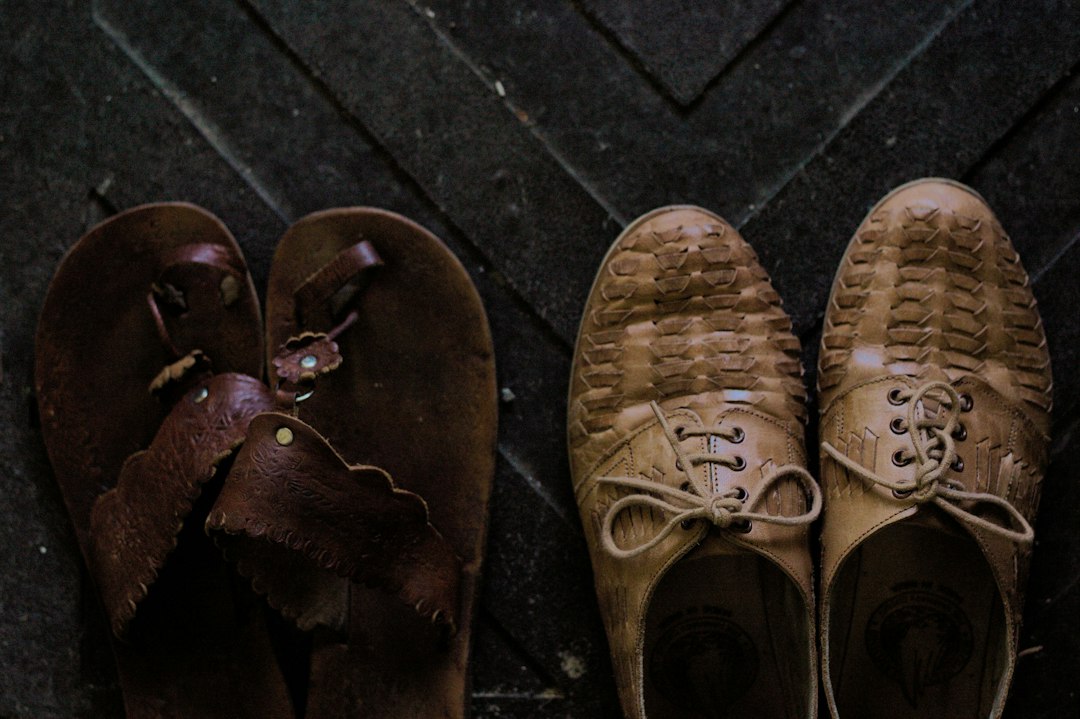
Photo by Dreamling Aura on Unsplash
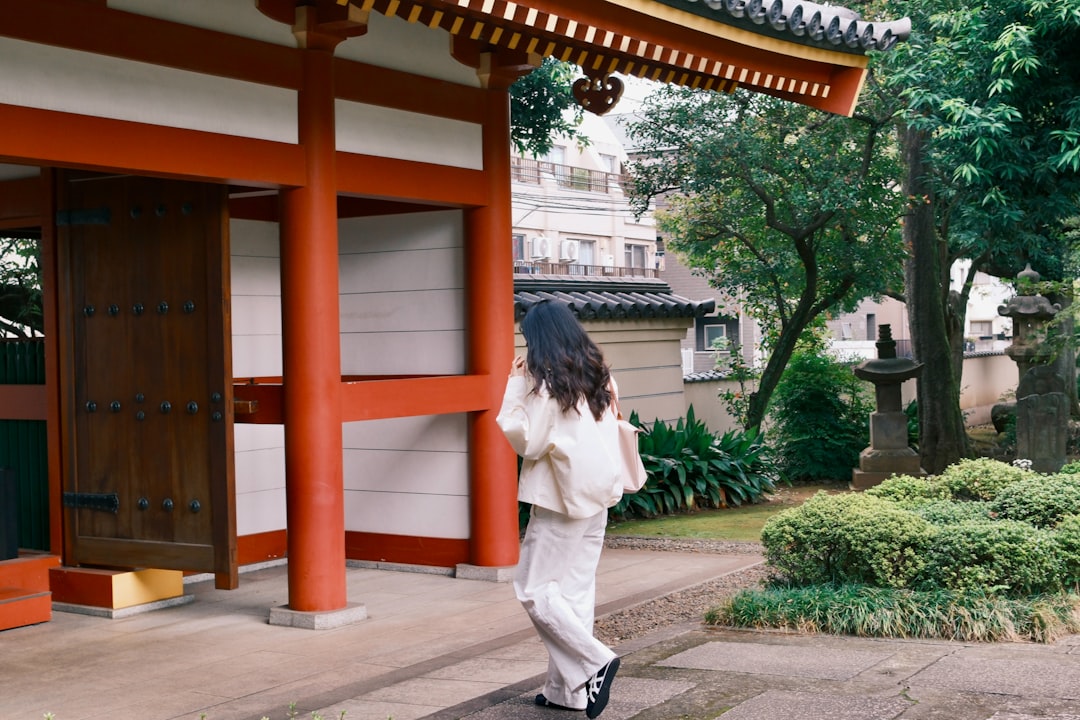
Nothing exposes weak planning faster than being turned away at a sacred site. The stone courtyards of Bangkok, the carpeted prayer halls of Istanbul, the cool basilicas of Rome, and the temple paths of Kyoto all carry dress expectations that are easy to respect if you prepare once and pack smartly.
The safest global formula is simple: cover shoulders, cover knees, and wear shoes that are easy to slip on and off. At the Grand Palace in Bangkok, that can save you a last-minute scramble. In many mosques, you will remove your shoes and may need clothing that covers arms and legs. In major churches in Italy or Spain, beachwear and very short hemlines can still draw attention or refusal, especially in summer. In homes from Turkey to Japan, the doorway itself often tells you the rule: lined-up shoes mean stop and look down first.
Build a sacred-site kit into your day bag:
- A lightweight scarf or shawl
- One pair of socks with no holes, for shoe-off spaces
- Loose trousers or a skirt below the knee
- A top that covers shoulders
- A small fabric bag for shoes if a site asks you to carry them
Three official pages worth checking before you fly are Japan National Tourism Organization, GoTürkiye, and Visit Singapore. They are useful for current visitor rules, major religious sites, and local expectations.
Families planning a Southeast Asia trip should also note that public behavior and dress rules can feel stricter than they do at home. Singapore with Kids Itinerary 2026: 5 Days That Flow is a helpful companion if your route includes temples, hawker centers, and fast-moving transit days with children.
Dining etiquette abroad and hospitality rules
Meals are where culture becomes intimate. Steam rising from ramen in Tokyo, mint tea poured high in Morocco, a long Sunday lunch in Spain, or a shared platter in India or the Middle East all come with silent rules. Travelers often focus on what to order. The more useful question is how the table works.
In Japan, chopsticks upright in rice are linked to funeral rituals, so do not do it. In Italy, cappuccino is still mostly a breakfast drink; ordering one after a heavy dinner is not illegal, just noticeably touristy. In India, many traditional meals are eaten with the right hand. In parts of China, shared dishes dominate, and leaving a little food may suggest you are satisfied. Across North Africa and the Middle East, tea is often part welcome, part conversation, part time signal: refusing too sharply can feel colder than you intend.
Tipping adds another layer. In the United States, Canada, and many tourist-heavy destinations, tipping is built into service expectations. In Japan and South Korea, it is often unnecessary or awkward. In Turkey or Morocco, 5 to 10 percent is common in restaurants if service is not already included.
Use these table rules as your baseline:
- Watch who starts eating first, especially if you are in a home.
- Follow the host's pace before you order extras or ask for the bill.
- Use the right hand for eating or passing food where that custom matters.
- Do not turn unfamiliar food into a joke or dare.
- Ask quietly if a dish is shared, individual, or eaten by hand.
- Learn one polite phrase of thanks before arrival.
A few small numbers can save you hassle:
- Rome or Florence cafe stop: EUR 1.20-1.80 for a quick espresso at the counter
- Casual meal in Istanbul: TRY 250-700 depending on area and dish
- Hawker meal in Singapore: SGD 5-10, but queue patiently and clear trays where expected
- Local lunch in Marrakech: MAD 60-150 for a simple sit-down meal
The point is not to memorize every table rule on earth. It is to arrive prepared to observe, pace yourself, and let hospitality unfold at local speed.
Photo etiquette, queues, and public behavior
Some of the sharpest travel mistakes happen in public, not private. A camera lifted in a prayer space, a loud call on a quiet train, cutting what looked like an informal line, or treating a market worker like part of the scenery can sour a moment fast.
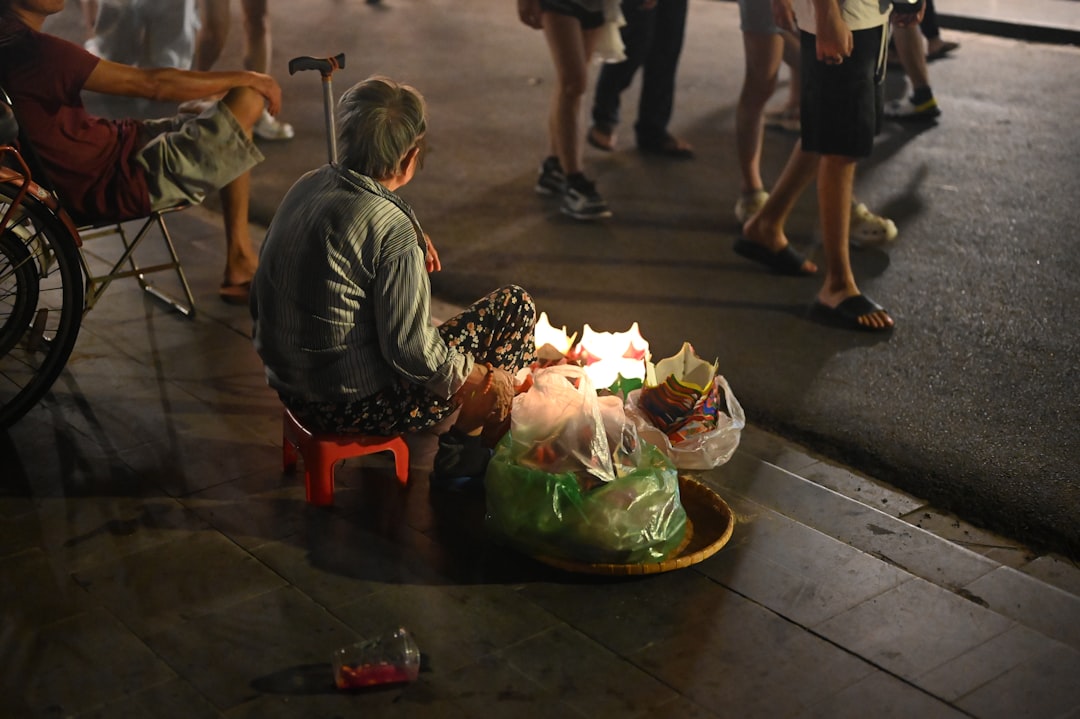
Photo etiquette is the easiest place to show respect. In medinas, temples, and neighborhood markets, ask before photographing people. A smile and a gesture are often enough. If someone declines, move on instantly. Children, elders, artisans at work, and worshippers deserve extra care. Not every beautiful moment is yours to capture.
Then there is civic etiquette. London, Singapore, Tokyo, and Copenhagen each have different atmospheres, but they share one trait: public order matters. On trains in Japan, quietness is part of the texture of daily life. In Singapore, cleanliness and rule-following are taken seriously. In the UK and Northern Europe, queueing is social glue.
Keep this public-behavior checklist handy:
- Ask before photographing people or private interiors.
- Lower your voice on public transport until you understand the local norm.
- Assume queues exist even when they look loose.
- Avoid public displays of affection in conservative destinations.
- Do not touch someone's head in Thailand or point your feet at people or sacred objects in many Buddhist settings.
- Never bargain aggressively over tiny sums in markets where haggling is customary.
These habits also make solo and family travel smoother because they reduce friction with drivers, servers, guards, and hosts.
Build your personal customs card before you fly
The most useful etiquette tool is not a long article printed out in your bag. It is one small customs card on your phone with six lines you can check while waiting at the gate. That is where respectful travel customs become practical instead of abstract.
Before each trip, make a note with these headings:
- Greeting style: handshake, bow, verbal greeting, or wait and see
- Shoes: homes only, temples, mosques, guesthouses, or rarely required
- Dress rule: shoulders, knees, head covering, or nothing special
- Dining rule: tipping, right hand, shared dishes, tea customs
- Photo rule: ask first, no photos in worship spaces, or payment sometimes expected
- Public rule: queueing, train quietness, littering fines, or PDA limits
I like keeping that note together with official links, opening hours, and reservation details in one place; a planner such as TravelDeck makes that kind of trip admin easier to keep tidy. And while etiquette smooths social moments, practical backup matters too, especially for sudden illness or disrupted plans. Where to Get Travel Insurance in 2026: Smart Buying Plan is worth reading before a longer multi-country trip.
The payoff is simple: you stop improvising in the doorway, at the table, or in the queue. You already know your safest default.
FAQ
What is the safest greeting when I do not know the local custom?
Start with a verbal greeting, a small smile, and a pause. Let the other person decide whether the moment stays verbal or becomes a handshake, bow, cheek kiss, or hand-over-heart gesture.
Do I always need to cover shoulders and knees at religious sites?
Not always, but it is the safest assumption for temples, many churches, monasteries, and mosques. A lightweight scarf and one modest outfit solve most dress-code problems for less than USD 20 if you need to buy them on the road.
Is it rude to refuse food or tea?
Usually, a hard no is rougher than a gentle decline. If you are full or in a hurry, thank the host first, then refuse softly, or accept a small amount if the situation allows.
How do I know whether tipping is expected?
Check one official tourism page and one recent local menu before you leave. As a broad rule, tipping is expected in North America, common at 5 to 10 percent in parts of the Middle East and North Africa, and often not expected in Japan.
Should I ask before taking photos of people?
Yes, especially in markets, villages, religious spaces, and family-run businesses. Even when local law allows photography, social permission still matters, and asking first usually leads to a better exchange anyway.
Travel gets better when you stop treating manners as a trap and start reading them as an invitation. Every custom is a clue to what a place values: privacy, ritual, cleanliness, hospitality, hierarchy, calm, or warmth. Learn a few before you go, and the world opens a little more gently.