The easiest way to offend someone abroad is rarely language. It is stepping into a home with your shoes on, talking over the hush of a train carriage, or dressing for the beach before walking into a church. These global travel etiquette rules are built for real trips, not textbooks, so you can plan what to wear, how to greet, what to budget, and how to avoid the small mistakes that make a day feel awkward.
Build a one-page etiquette brief before you fly
Photo by Ling App on Unsplash
The smartest travelers do not memorize fifty country facts. They build a tiny cheat sheet for the exact situations they will face: hotel check-in, market shopping, sacred sites, family-run restaurants, and public transport. That is what makes global travel etiquette rules useful. They stop being abstract culture talk and turn into decisions you can make at 8:15 a.m. outside a temple gate or in a bakery queue.
Before each trip, spend 15 minutes building a one-page note with the basics for your destination. A simple planner helps here; keeping your greeting customs, sacred site dress code, and tipping notes together in TravelDeck makes them easier to check on the move. If you are landing after a red-eye, pair this with Long Haul Flight Routine 2026: Before, During, After, because tired travelers miss social cues first.
Before you go, answer these six questions for every destination:
- How do people greet strangers in shops, taxis, and hotels?
- Do shoes come off in homes, guesthouses, or religious spaces?
- What counts as respectful clothing in temples, mosques, and churches?
- Is tipping expected, optional, or awkward?
- Should I ask before taking photos of people, food stalls, or ceremonies?
- Is bargaining normal in markets, or are prices fixed?
If you can answer those six, you already know more than most visitors on day one.
Greeting customs, shoes, and personal space
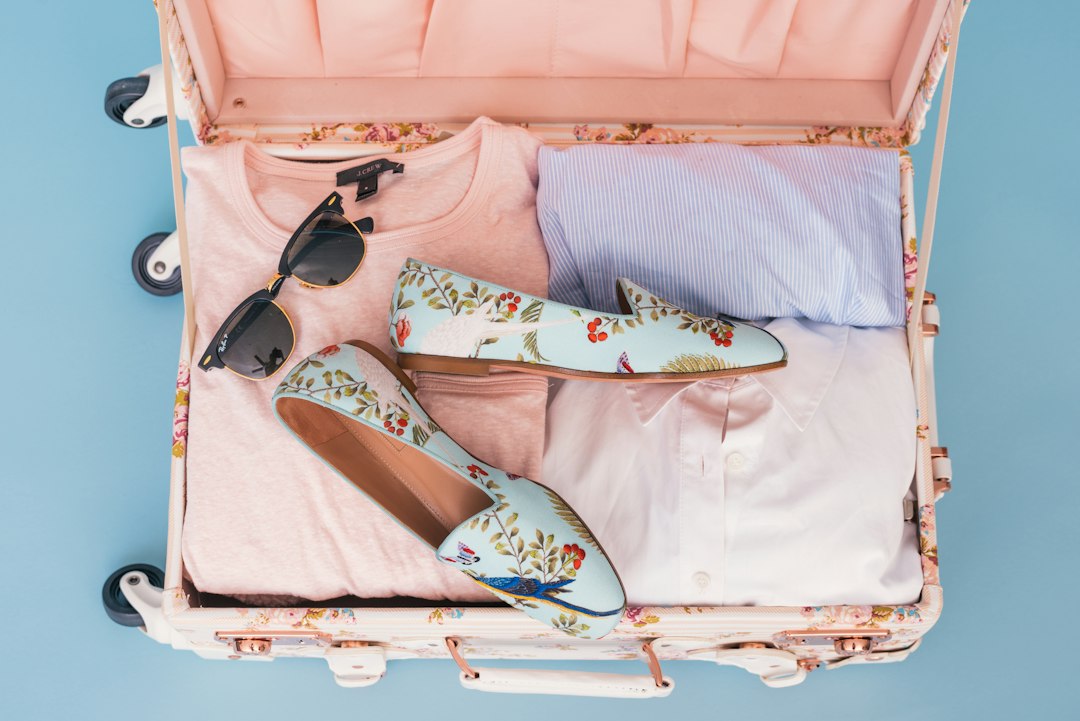
Photo by Arnel Hasanovic on Unsplash
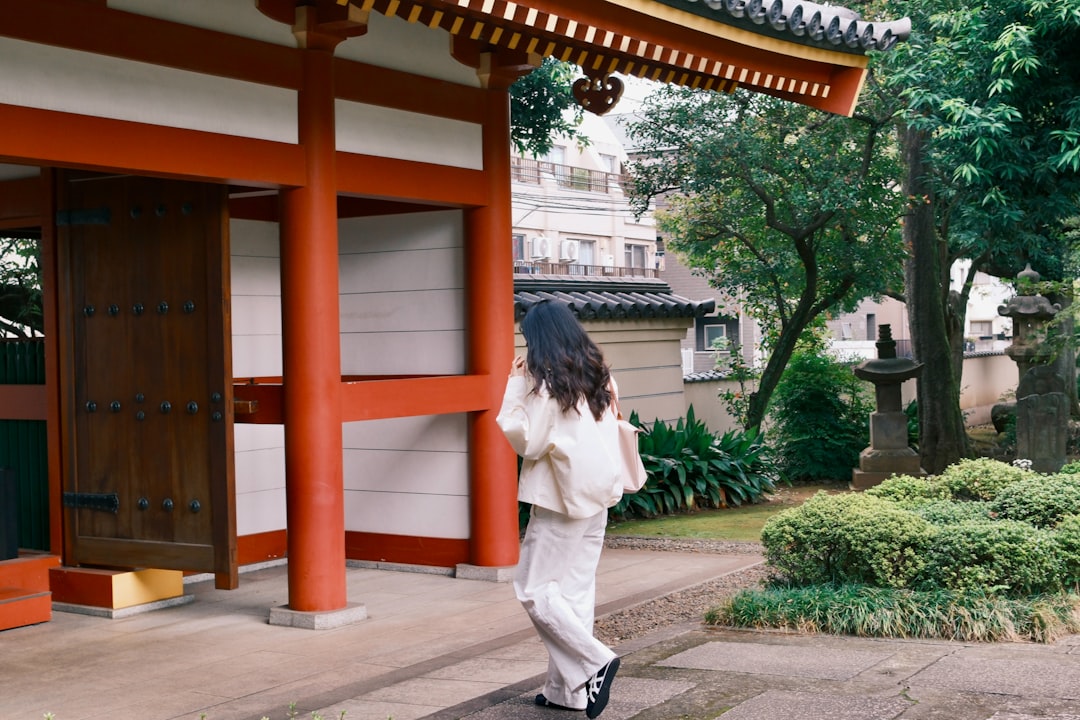
First impressions happen fast and quietly. In a Paris bakery, skipping bonjour can feel abrupt even if your tone is friendly. In a Tokyo ryokan, the doorway itself tells you the rule: shoes stay outside, the interior is part of the ritual. In an Istanbul apartment, you may be offered slippers before tea arrives. These moments are tiny, but they shape how welcome you feel next.
One of the most reliable global travel etiquette rules is this: greet first, pause second, request third. Many travelers reverse that order. They walk up to a counter and start with a question. A short local greeting softens nearly every interaction, whether that is hello, good morning, namaste, or a hand-over-heart gesture in a conservative setting.
Keep these greeting customs in mind:
- In France, Italy, Spain, and much of Latin Europe, greet before asking for help.
- In Japan, a small bow and calm tone are safer than a big handshake.
- In Gulf countries and more conservative parts of South Asia, do not initiate physical contact across genders unless the other person does first.
- In Thailand, avoid touching anyone's head, including children.
- In Japan, Korea, Turkey, and many homes across the Middle East, look at the entrance before stepping in; a shoe rack or lined-up slippers is your clue.
- In Scandinavia and parts of Northern Europe, quietness is normal politeness, not coldness.
Personal space matters too. In Mexico City or Buenos Aires, warmth can feel closer and more expressive. In Helsinki or Copenhagen, a bigger bubble is normal. Start slightly more formal and a little quieter than you think you need to be. It is much easier to warm up than to recover from coming in too strong.
Sacred site dress code: what to wear at temples, mosques, and churches
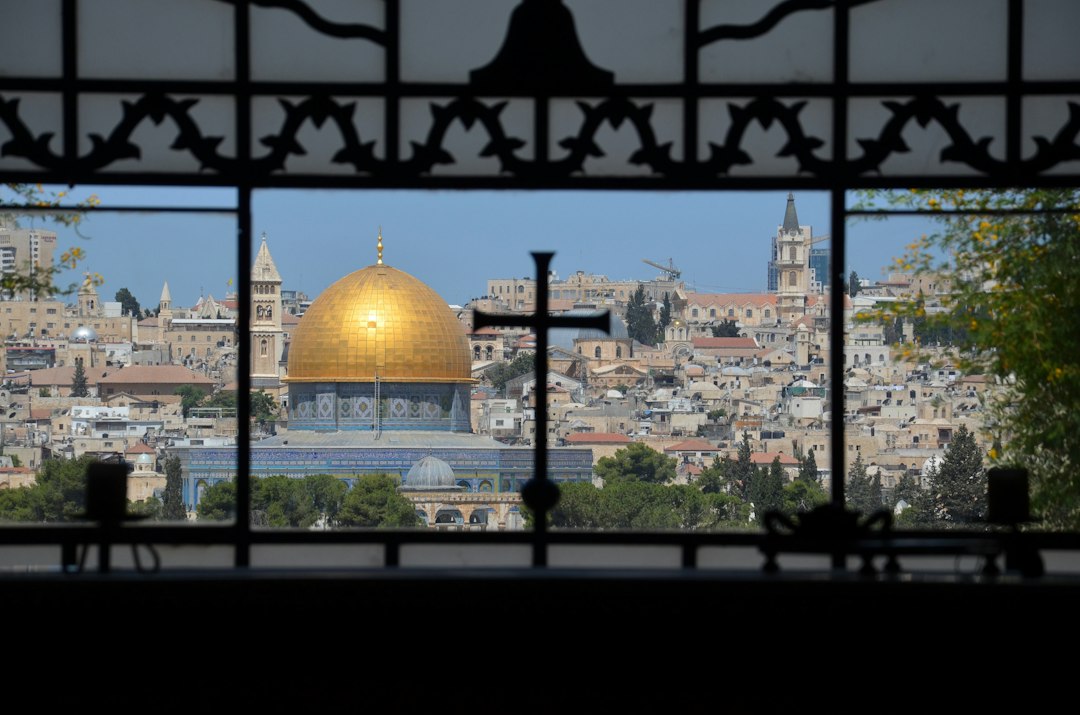
Photo by Jonny Gios on Unsplash
Nothing exposes weak trip planning faster than the wrong outfit at a sacred site. You feel it immediately: bright sun outside, cool stone inside, and the sudden realization that everyone else understood the assignment. A sacred site dress code is not just about entry rules. It changes how you are looked at in the surrounding streets, courtyards, and queues as well.
Across Bangkok, Kyoto, Rome, Marrakech, and Istanbul, the safest rule is simple: cover shoulders, cover knees, and carry one flexible extra layer. Near major temple entrances in Bangkok, a scarf or wrap can cost about THB 100 to 200 if you need to buy one fast. In Rome or Istanbul, a light shawl from a street stall is often EUR 5 to 10. Those are cheap fixes, but better packed in advance than bought in a panic.
Pack this sacred-site kit in your day bag:
- A light scarf or shawl for shoulders, hair cover, or improvised knee coverage
- Loose trousers or a midi skirt for hot-weather modesty
- A top with sleeves, even short sleeves
- Slip-on shoes for places where footwear comes off
- A small tote or pouch for socks and shoes
- Small cash for donations or cover-up rental, roughly JPY 100 to 500, THB 20 to 100, or EUR 1 to 2 where customary
Check official destination guidance before you go:
Local customs abroad also matter around behavior inside sacred spaces. Keep your phone silent. Do not block prayer areas. Ask before taking photos, and assume ceremonies are more sensitive than architecture. If you are unsure, wait 30 seconds and watch what local visitors do with shoes, voices, and cameras.
Dining etiquette abroad: timing, tipping, and table signals
Meals are where culture becomes physical: steam on the window, tea poured from a height, bread passed before anyone touches the main dish. Dining etiquette abroad is rarely about fancy manners. It is about reading pace, following the host, and knowing when a small habit carries a big meaning. Chopsticks planted upright in rice in Japan, for example, are not just untidy; they echo funeral ritual. In India and in parts of the Middle East, using the right hand for shared food is basic respect.
Dining etiquette abroad also affects your budget. The difference between a no-tip culture and a 10 percent service culture adds up over a week. So does the cost of lingering extras: tea, bread, coperto, or shared plates that arrive before the menu seems to begin. If you are eating boldly in markets and family-run spots, Travelers' Diarrhea Prevention Tips for 2026 Market Meals is a useful companion.
| Place | What locals often expect | Typical extra to budget |
|---|---|---|
| Tokyo | No tip, quiet tone, do not pass food chopstick to chopstick | Casual ramen meal JPY 1000 to 1500 |
| Marrakech | Tea may be part of hospitality, use the right hand when sharing | Mint tea MAD 10 to 20, restaurant tip around 10% |
| Rome | Greet staff, cappuccino is mostly a morning drink, bread and coffee have their own rhythm | Coperto often EUR 2 to 4 per person |
| Istanbul | Meals can unfold through bread, meze, then mains; do not rush the table | Restaurant tip usually 5% to 10% |
If you are invited to a home meal, follow these rules:
- Wait to be shown where to sit.
- Let the eldest person or host set the pace.
- Accept a first offer of tea, fruit, or bread if you can.
- Decline second helpings gently, not sharply.
- Compliment a specific dish rather than just saying everything was nice.
The best global travel etiquette rules at the table are often the quiet ones: watch who starts first, notice whether hands stay visible, and do not turn unfamiliar food into a joke.
Photos, bargaining, and market manners
Markets can feel like the most alive part of a trip: copper trays catching sun in Marrakech, mango pyramids in Bangkok, strings of dried chiles in Oaxaca, prayer beads and tea glasses in Istanbul. They are also where travelers most often confuse access with permission. A camera pointed too quickly or a negotiation pushed too hard can make the whole exchange go cold.
Local customs abroad vary, but one rule travels well: people are not scenery. Ask before photographing artisans, stallholders, children, worshippers, or anyone eating. In some places, especially performance-heavy squares or dressed-photo setups, payment may be expected. Decide fast and respectfully. If the interaction starts to feel staged or pressured, step back and use the pause recommended in Avoid Scams While Traveling in 2026: Use the 30-Second Rule.
Use this market etiquette checklist:
- Ask for photos with a gesture and a smile before raising your camera.
- Assume no photos during prayer, blessings, or active ceremonies.
- Bargain only where bargaining is clearly part of the setting.
- Do not haggle aggressively over the equivalent of EUR 1 if you already want the item.
- Carry small notes and coins so you can pay cleanly.
- If a price is printed or tagged, treat it as fixed unless invited otherwise.
- Walk away politely; never turn bargaining into a public argument.
Good market manners are not about winning. They are about leaving the other person with dignity and yourself with a memory that still feels good later.
Your first 24 hours: an etiquette plan you can actually follow
The first day is when most mistakes happen. You are tired, a little overstimulated, and moving on autopilot from home. That is why the most practical global travel etiquette rules are not philosophical at all. They are a repeatable arrival routine.
For your first 24 hours abroad, use this sequence:
- Observe for 30 seconds before acting in any new setting, especially hotel desks, cafes, transport platforms, and shrine entrances.
- Open every interaction with a local greeting, even if it is the only word you know.
- Dress one step more conservatively than your itinerary seems to require.
- Copy the doorway behavior of locals: shoes, hats, volume, queue shape.
- Keep small cash available for tips, tea, donations, and market purchases.
- Ask one low-pressure question at your hotel or guesthouse: What do visitors most often get wrong here?
- Update your notes that night while the day is still fresh.
This is where global travel etiquette rules become habit instead of homework. By day two, you stop performing and start noticing. That is when a destination feels less like a backdrop and more like a place you are lucky to be inside.
FAQ
How do I know if shoes should come off?
Look at the threshold before you look at the room. Slippers, a raised step, tatami, neatly lined shoes, or bare local feet are all strong signals. When in doubt, ask at once rather than stepping in and apologizing later.
Is it rude to refuse tea or food?
Usually, refusing everything immediately feels harsher than politely accepting a little. In Morocco, Turkey, and many family-run homes and guesthouses, tea is part of welcome as much as refreshment. If you truly cannot accept, thank the host warmly and give a brief reason.
What should I pack if I might visit religious sites?
Carry a scarf, a sleeved top, and bottoms that cover your knees. That one small kit works from Bangkok temples to Roman basilicas and Istanbul mosques. Budget-wise, it can save you from buying a last-minute wrap for THB 100 to 200 or EUR 5 to 10 near the entrance.
Do I need cash for etiquette-related costs?
Yes, often more than you think. Small notes cover temple donations, tea, modest tips, market purchases, and emergency cover-up rentals. A practical daily buffer is the local equivalent of EUR 10 to 20 in mixed small denominations.
What is the safest default when I do not know the custom?
Be quieter, slower, and more covered than usual. Greet first, wait a beat, and follow the lead of the oldest person, the host, or the room. Travelers are rarely judged for not knowing everything; they are judged for moving as if nothing needs to be learned.
The best trips are not the ones where you looked perfectly local. They are the ones where people could feel that you understood you were a guest. Learn a few signals, pack for respect, and the world tends to open a little softer.