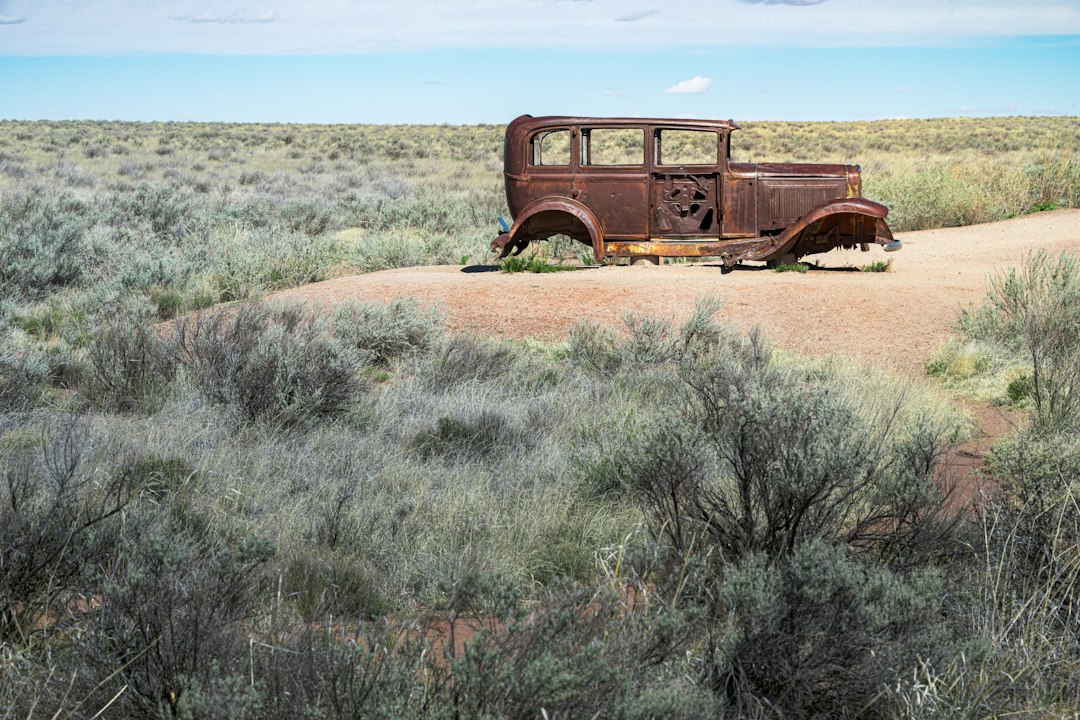
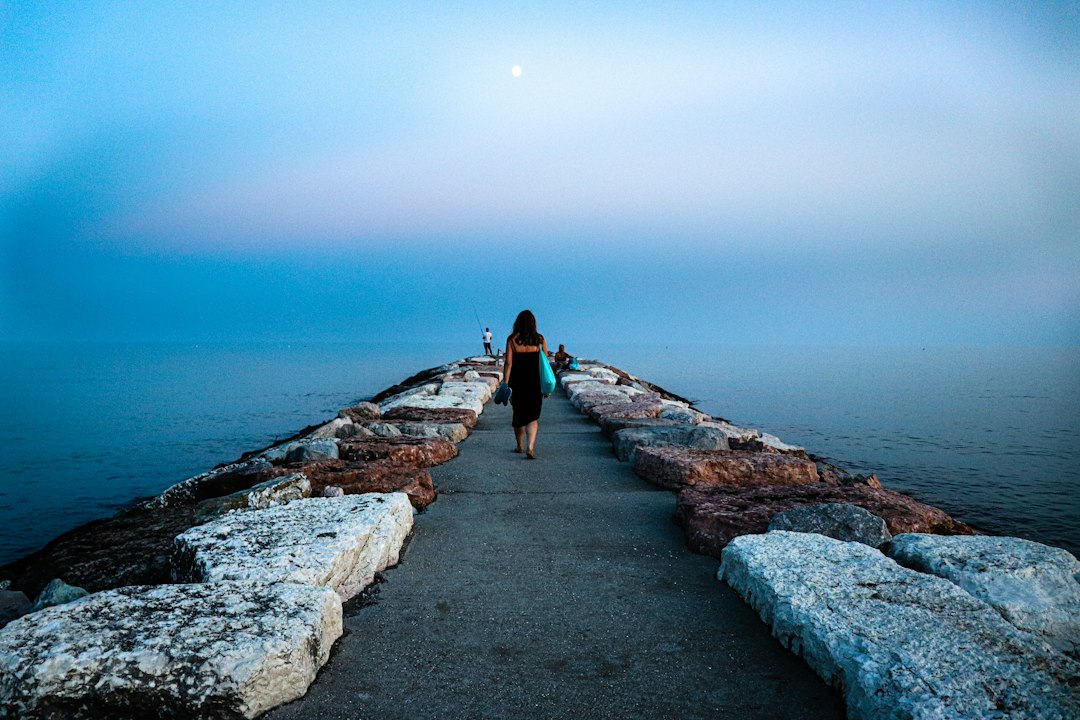
A UK break can feel oddly hard to plan: too many tempting places, too much weather risk, and far too many itineraries that waste half the trip in transit. The fix is simpler than it sounds. Build your holiday around UK bases for day trips, stay put for three to five nights, and let the scenery change while your suitcase does not.
That approach works brilliantly in Britain, where a medieval city, a windy beach, a lochside road or a hill walk can sit less than 90 minutes apart. Done well, you get better meals, calmer mornings and a trip that feels bigger than it looks on paper.
The one decision that saves a UK holiday
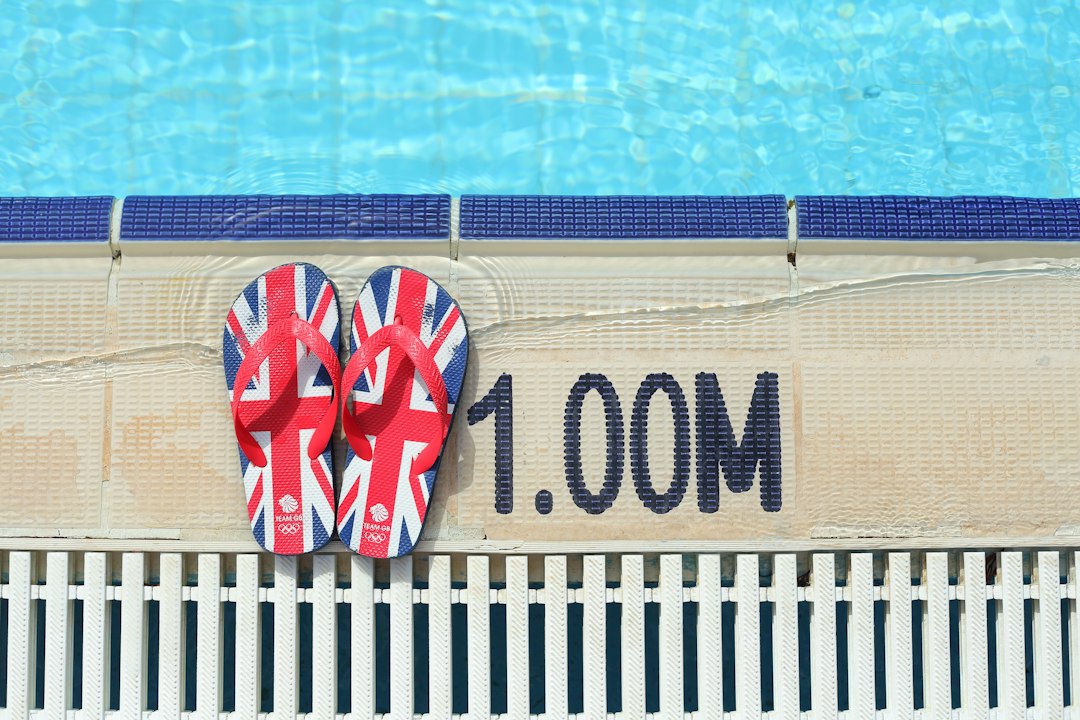
Photo by Ross Papas on Unsplash
Most people over-plan the route and under-plan the base. In the UK, the smartest move is usually to pick one town or small city with strong transport, a walkable centre and at least two solid day trips in different directions. That gives you flexibility when the weather turns, train works appear or you simply feel like a slower morning.
Think about how the trip should feel at 8 am, not just what it looks like on a map. Do you want a bakery and a station within ten minutes of your hotel? A harbour for an evening walk? A pub you can fall back on when rain wipes out the hiking plan? Those details matter more than adding a third destination.
Use these rules before you book anything:
- Follow the 90-minute rule: your main day trips should be reachable in 90 minutes each way.
- Book one base for every 3 to 5 nights, not one base per night.
- Choose two anchor outings and one wet-weather backup before you pay for the hotel.
- Stay within a 15-minute walk of the station, bus hub or central parking area.
- Check the last return train or bus the night before each outing.
- If several people are coming, settle budget and room rules first. The voting method in How to Organize a Group Vacation in 2026 Without Fallout works just as well for a UK break as it does for a longer trip.
UK bases for day trips: 8 best places to visit in the UK without zigzagging
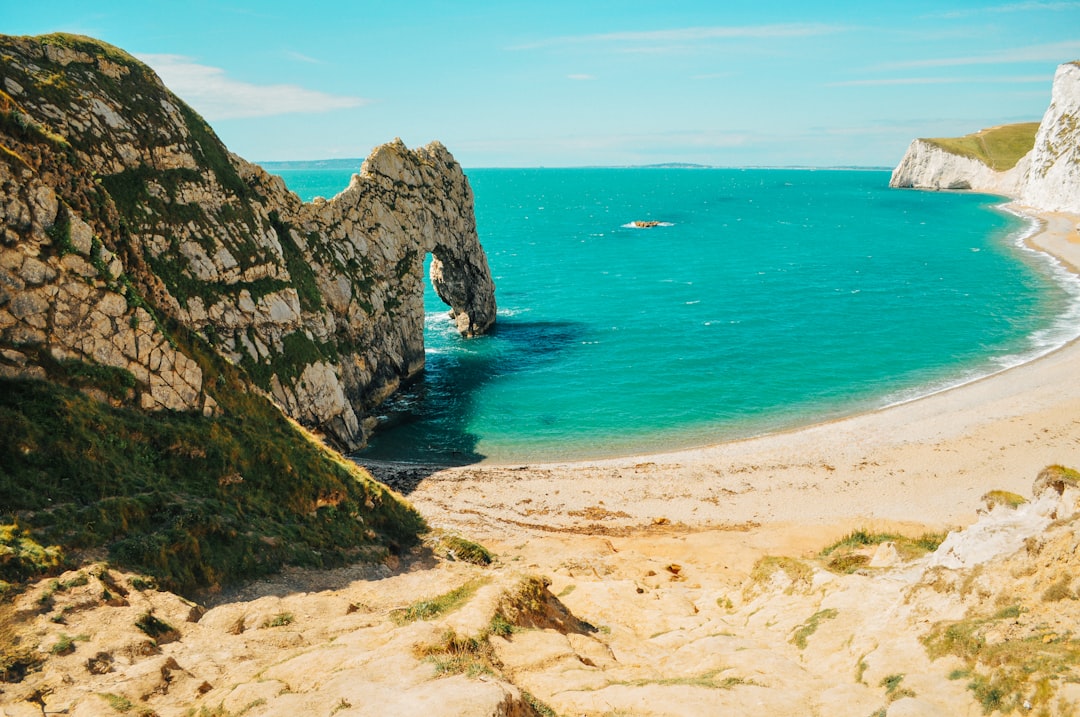
Photo by Viktor Forgacs on Unsplash
The best UK bases for day trips are not always the loudest names. You want places with enough character to enjoy in their own right, but enough connections that you are not trapped if one day washes out.
Here is the shortlist I would use first for a practical, low-friction holiday plan.
| Base | Best for | Easy day trips | Typical double room | Works without a car? |
|---|---|---|---|---|
| York | Medieval streets, museums, food | Harrogate, Knaresborough, Whitby | £110-£190 | Yes |
| Bath | Elegant city break, spas, short rail hops | Bristol, Bradford-on-Avon, Wells | £130-£220 | Yes |
| Chester | Historic centre with North Wales access | Conwy, Llandudno, Liverpool | £100-£180 | Mostly |
| Keswick | Lake District walks and lake views | Grasmere, Ullswater, Buttermere | £110-£200 | Yes, with buses |
| Stirling | Castle plus Highlands sampler | Edinburgh, Loch Lomond, Perthshire | £95-£170 | Yes |
| Inverness | Highland scenery without hotel-hopping | Loch Ness, Nairn, Black Isle | £105-£180 | Mostly |
| Belfast | City break with coast options | Bangor, Carrickfergus, Causeway Coast | £105-£180 | Yes for city, mixed for coast |
| St Leonards and Hastings | Creative seaside break | Rye, Battle, Bexhill | £90-£160 | Yes |
If you are choosing between them, start with the one thing you most want on the trip. If it is museums and compact streets, go York or Bath. If it is dramatic scenery, go Keswick or Inverness. If you want sea air with actual restaurants, galleries and off-season life, St Leonards and Hastings or Belfast will feel less sleepy than smaller resort towns.
Best UK holiday without a car: the rail-friendly bases
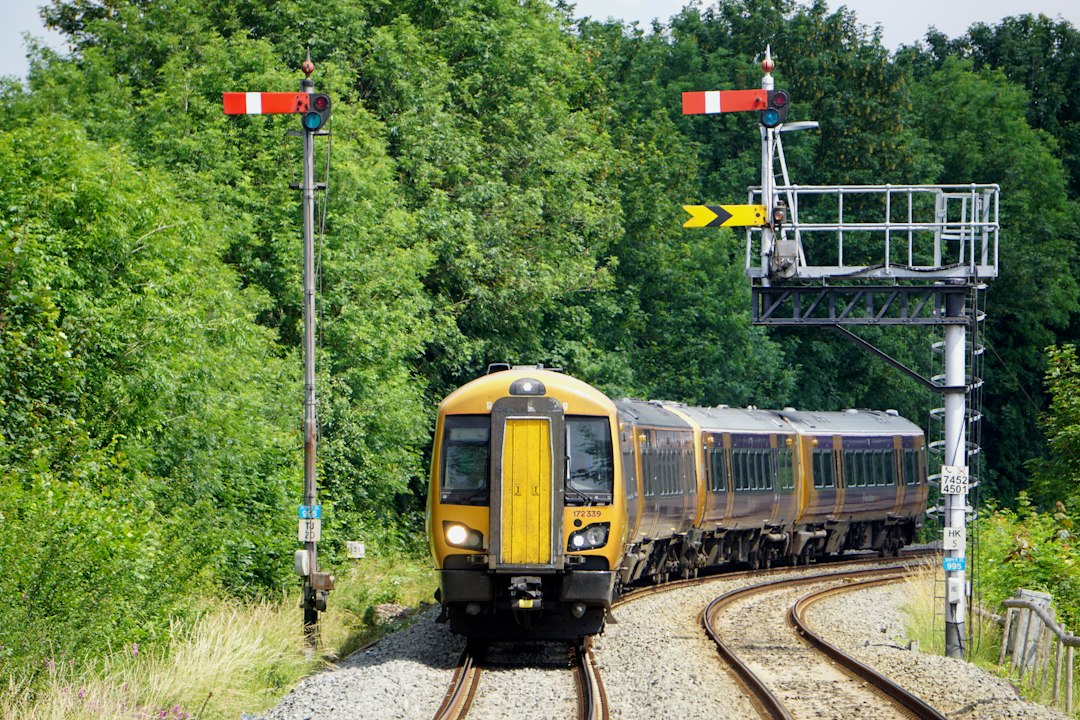
Photo by Sam on Unsplash
If you want a UK holiday without a car, do not begin with remote beauty. Begin with the station map. York, Bath, Stirling and Belfast are the easiest wins because the arrival is simple and the centre starts almost immediately. That matters after a long train journey, especially on a Friday evening when Britain seems to queue for everything at once.
York is hard to beat for first-timers. You step into a city of stone walls, crooked lanes and pubs lit gold in the evening, but it still functions like a practical base. Harrogate is an easy rail hop, Knaresborough gives you riverside views and castle ruins, and Whitby works for a longer seaside day if you start early. It is one of the strongest UK weekend breaks if you want history without logistics drama.
Bath is a gentler, pricier option. The honey-coloured terraces are beautiful at dusk, the centre is compact, and Bristol is close enough for a contrasting urban day. Book Bath if you want architecture, a spa afternoon and restaurants you can reach on foot.
Stirling is the sleeper hit. The old town rises steeply, the castle dominates the skyline, and the base works brilliantly for a mixed Scotland trip: one day in Edinburgh, one day in loch country, one day staying local. For rail times and engineering works, check National Rail before you commit. For broader Scotland inspiration, the official VisitScotland site is useful when comparing regions.
Choose these rail-first bases if you want the least planning friction:
- Pick York for a classic city break with easy café mornings and manageable day trips.
- Pick Bath for style, short travel times and a more polished, slower pace.
- Pick Stirling for the best blend of city history and outdoor Scotland.
- Pick Belfast if you want nightlife, museums and the option of adding coast later.
Coast and countryside breaks that work from one base
Britain is at its best when the weather shifts the mood instead of wrecking the trip. In the right base, low cloud over fells, gulls over a wet seafront or the silver light on a loch can feel like part of the appeal rather than a planning failure.
Keswick is the standout for countryside breaks. You wake to cool air and fell silhouettes, pick up coffee near the market square, and by mid-morning you can be circling Derwentwater, walking in Borrowdale or riding the bus toward Grasmere. You do not need a car if you are comfortable with local bus timetables, but you do need realistic footwear and a weather plan. If you are comparing routes through protected landscapes, the official National Parks UK site is handy.
Inverness works for travellers who want Highland atmosphere without sleeping somewhere different every night. The River Ness, compact centre and easy access to Loch Ness make it a forgiving base, especially in shoulder season. It is less cinematic than a tiny village on first glance, but much more useful once you factor in supermarkets, buses, laundries and rainy-day options.
For sea air, St Leonards and Hastings are smarter than many postcard-pretty resort towns because they still feel alive outside peak summer. St Leonards has good coffee, vintage shops and a creative edge; Hastings Old Town gives you narrow streets, fishing boats and a promenade that feels gloriously British in a blustery sort of way. Rye is an easy day out, Battle adds history, and Bexhill gives you an extra seafront walk without changing hotels.
If North Wales is calling, Chester is the efficient answer. Stay within the walls or near the station, then use it as your springboard to Conwy and Llandudno. The official Visit Wales site is helpful for checking seasonal openings and regional ideas.
For outdoor-heavy UK holiday planning, remember these rules:
- May, June, September and early October usually give you the best balance of daylight, prices and crowds.
- In the Lakes and Highlands, book dinner as well as lodging in busy periods.
- Always keep one indoor backup: a distillery, museum, gallery, spa or long lunch.
- Check the official Met Office forecast the day before each hike or coastal outing.
How to plan a UK holiday in 30 minutes
Good UK holiday planning is mostly about narrowing fast. Start with dates, then choose the base, then price the trip before emotion takes over. If you like seeing timings, costs, notes and packing reminders together, TravelDeck is useful when you are comparing options side by side.
Here is a fast planning method that works for almost any of these UK bases for day trips:
- Pick your weather window first. For walks and coasts, target May to June or September. For city breaks, March, April, October and early December can be excellent value.
- Set one non-negotiable. Castle city, sea air, hill walking, food weekend or train-light escape.
- Choose one base only. On a 4-night trip, resist the urge to split hotels unless the transfer itself is the point.
- Open transport times before hotels. A cheaper room 35 minutes from the station often costs you more in taxis and patience.
- Lock two anchor bookings. Example: Edinburgh day trip from Stirling on day two, Loch Lomond outing on day three.
- Add one wet-weather swap. In Bath that could be the Thermae Bath Spa area and museums; in Belfast it could be Titanic Belfast and a long lunch.
- Put real numbers on food. In 2026, a pub main in many tourist towns sits around £16-£24, coffee about £3.50-£4.20, and a casual dinner for two often lands at £45-£70 before drinks.
If you are not yet sure the UK is the right fit for your budget or travel mood, Holiday Destination Ideas 2026: Match Budget to Mood is a useful next comparison.
UK break budget planner: what 4 nights really costs
The UK can be expensive, but it is not equally expensive everywhere. Your biggest levers are timing, rail fares booked early, and whether you stay somewhere that lets you walk most evenings instead of paying for cabs.
As a rule, Sunday to Thursday is usually cheaper than Friday to Tuesday, especially in Bath, York and popular coastal towns. Shoulder season can cut room rates by 20 to 35 percent while still giving you good daylight.
Use this rough planner for two adults on a 4-night trip:
| Trip style | Good base | Stay | Transport | Food | Activities | Total |
|---|---|---|---|---|---|---|
| Rail city break | York or Stirling | £440-£680 | £120-£220 | £180-£260 | £60-£120 | £800-£1,280 |
| Coast escape | St Leonards and Hastings or Belfast | £360-£640 | £100-£220 | £180-£280 | £40-£120 | £680-£1,260 |
| Countryside break | Keswick or Inverness | £440-£800 | £140-£300 | £200-£300 | £40-£100 | £820-£1,500 |
A few money-saving hacks make a real difference:
- Book the train before the hotel if you are travelling on a fixed weekend.
- Stay close enough to walk to breakfast and dinner.
- Make lunch your splurge and keep one simple pub or takeaway night.
- In national park areas, pick accommodation with parking included if you are driving.
- For a 3-night break, cut one paid attraction and spend that time on a self-guided walk instead.
FAQ
Where should I go on holiday in the UK for a first trip?
York, Bath and Stirling are the easiest first picks. They are compact, photogenic, full of atmosphere and simple to use as UK bases for day trips. You get a clear sense of place without needing a car or a complicated route.
What is the best UK holiday without a car?
York is the most forgiving all-round option, with a walkable centre and easy onward trains. Stirling is the strongest choice if you want Scotland plus scenery, while Bath works well for a slower, more polished weekend.
Is 4 nights enough for a UK break?
Yes, if you stay in one base. Four nights is ideal for two full day trips, one slower local day and one travel day on each side. The mistake is trying to squeeze in two or three hotels.
When is the best time to book a UK coastal holiday?
For summer, start looking 3 to 5 months ahead, especially in small coastal towns where good rooms go first. For spring and autumn breaks, 6 to 10 weeks ahead is often enough unless there is a festival, bank holiday or school break.
Which official sites should I check before booking?
Use National Rail for train planning, the Met Office for weather, VisitBritain for broad trip ideas, and the country tourism boards for local detail. Those few checks catch most of the surprises that derail UK holiday planning.
The best UK holiday is rarely the one with the longest list of stops. It is the one where the station, the café, the evening walk and tomorrow's day trip all fit together easily. Choose the right base, and the UK starts to feel less like a puzzle and more like a place you can actually sink into.