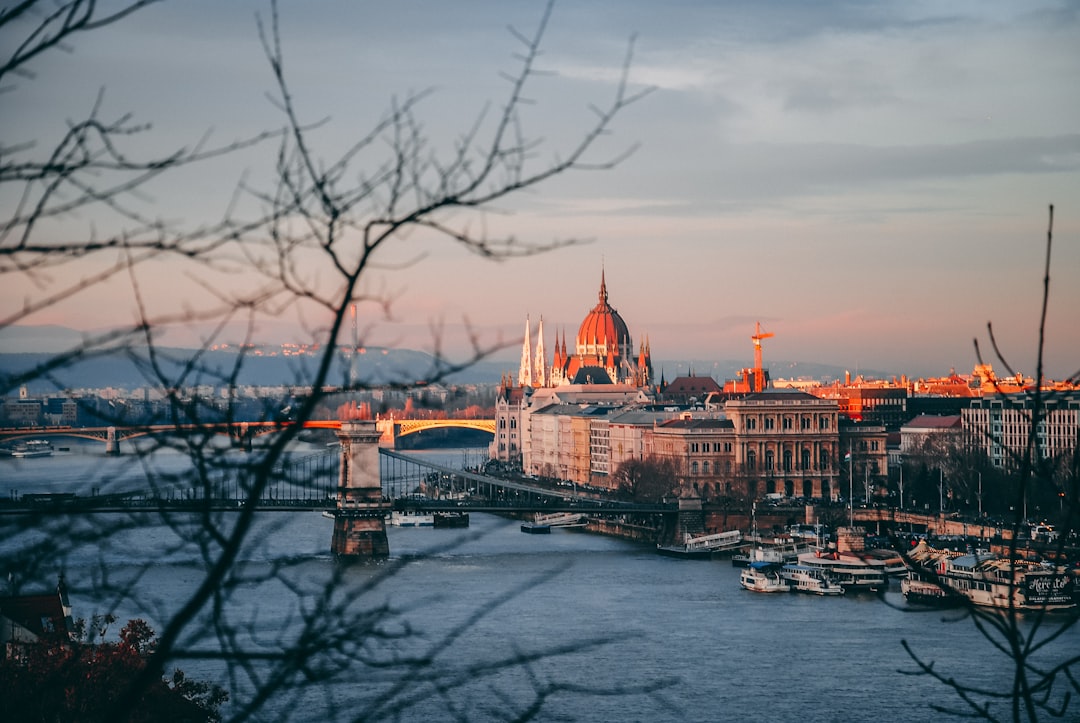
Budapest is one of the rare capitals where a royal hill, Ottoman-era bath culture, Art Nouveau cafés, and an all-night bar scene all fit into one compact trip. If you are wondering whether 4 days in Budapest is too much or too little, it is the sweet spot for a first visit: long enough to split Buda and Pest properly, short enough to keep every day exciting.
This guide is built as a rebuildable 4 days in Budapest itinerary, with precise stops, realistic timings, and approximate costs in Hungarian forint. You will cover the classic views from Castle Hill, the Parliament interior, two very different bath experiences, the Jewish Quarter after dark, and one final day that feels slower and more local. If you like structured city-break plans, the same practical mindset also works in guides like 3 Days in Naples Itinerary 2026: Pizza, Pompeii and Palaces.
Why 4 days in Budapest is the sweet spot
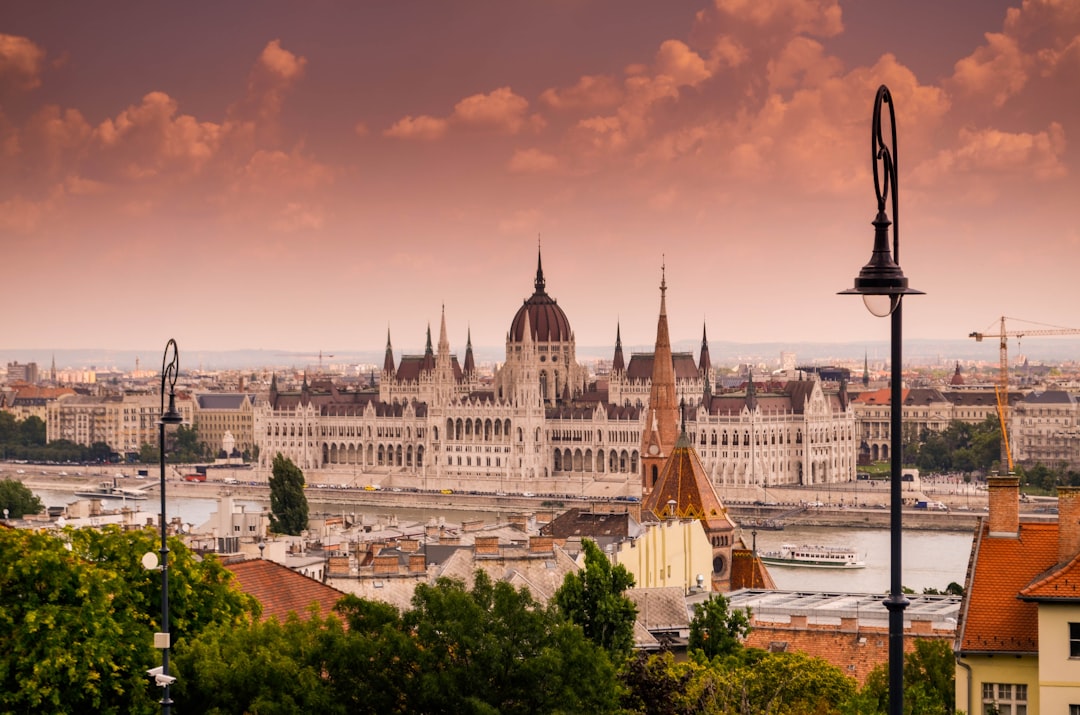
Photo by Kate Kasiutich on Unsplash
A lot of travelers ask how many days in Budapest they really need. Two days is a sprint. Three full days works well. But 4 days in Budapest gives you the version of the city most first-timers actually want: the big landmarks, enough river time, at least one proper thermal bath session, and evenings that do not feel rushed.
The other reason four days works so well is geography. Budapest is not huge, but it has distinct zones with different rhythms. Buda rewards slow walking, stairways, viewpoints, and museum time. Pest is flatter, denser, and better for grand architecture, food halls, café stops, and nightlife. Breaking the city into four logical days keeps travel time low and energy high. A route this dense is also much easier to keep straight in a planner such as TravelDeck, especially once you start saving opening hours and dinner ideas.
For this Budapest itinerary 2026, assume four full days in the city, not four hotel nights with half a day lost to flights. If your arrival or departure cuts into the schedule, trim museums first, not the evening walks or bath time. Those are the parts of Budapest people remember most.
Day 1: Castle Hill and the Danube postcard views
Photo by Filipe Nobre on Unsplash
Start on the Buda side while your legs are fresh and the morning light is still soft on the stone. Castle Hill, in District I, is Budapest at its most cinematic: pale facades, tiled roofs, church spires, and terraces looking straight across the Danube to Parliament. Going early matters here. By mid-morning, the lane between Matthias Church and Fisherman’s Bastion fills with group tours and photo queues.
This first day is about anchoring yourself in the city’s geography. You will see how Buda rises above the river, how Pest stretches out in a flat grid, and why the Danube is not just scenery but the organizing line of the whole trip. Keep lunch flexible, because the Castle District is best enjoyed by wandering a little between fixed sights.
Morning
- 08:00 - Breakfast in the Castle District at Ruszwurm Cukrászda, Szentháromság utca 7, District I. Expect pastries and coffee for 3,500 to 5,500 HUF.
- 09:00 - Enter Matthias Church, Szentháromság tér 2. Allow 45 minutes. Admission is about 2,900 HUF.
- 10:00 - Walk straight to Fisherman’s Bastion, Szentháromság tér, District I. Lower terraces are free; upper towers usually cost around 1,200 HUF in ticketed hours.
- 10:45 - Stroll Tóth Árpád sétány and the quieter streets behind the main viewpoint for less crowded panoramas.
Afternoon
- 12:00 - Lunch around Fortuna utca or Országház utca. Budget 5,000 to 9,000 HUF for goulash, chicken paprikash, or a lighter soup-and-strudel stop.
- 13:30 - Walk to Buda Castle courtyards, Szent György tér 2. The exterior grounds are free and worth an hour on their own.
- 14:30 - Choose one museum inside the complex: the Hungarian National Gallery or Budapest History Museum. Admission is usually 4,000 to 5,000 HUF.
- 16:30 - Optional detour to Hospital in the Rock, Lovas út 4/C, District I, for a guided underground visit. Tours are around 9,000 HUF and last about one hour.
Evening
- 18:00 - Walk downhill instead of waiting for the funicular. The descent via the castle gardens is scenic and free.
- 18:30 - Cross Széchenyi Chain Bridge on foot for classic Danube views.
- 19:00 - Continue north along the Danube promenade in District V to the Shoes on the Danube Bank memorial near Parliament. Free.
- 20:00 - Dinner around St. Stephen’s Basilica or on Zrínyi utca. Expect 8,000 to 15,000 HUF for a sit-down meal with a drink.
- Insider tip: if you want the Fisherman’s Bastion photos without the tour-bus atmosphere, be there before 09:00 and save the Buda Castle museum interiors for later in the day.
Day 2: Parliament, Basilica, and the Jewish Quarter after dark
If Day 1 is all sweeping views and royal stone, Day 2 is Budapest in full urban mode. Pest feels more immediate: tramlines, café terraces, stately facades, memorials, and streets that turn from polished to scruffy to lively in the space of a few blocks. This is also the day where booking ahead matters most, because Parliament tours can sell out.
The rhythm works best if you do the heavy landmark first, then let the afternoon loosen up into food, synagogue history, and the layered nightlife of District VII. The Jewish Quarter is not just where the bars are. It is one of the city’s most atmospheric areas for courtyard buildings, street art, bakeries, and memory sites tied to 20th-century history.
Morning
- 08:30 - Arrive at Kossuth Lajos tér, District V, for your timed Hungarian Parliament entry. Allow 60 to 75 minutes.
- 09:00 - Parliament interior tour. Non-EU tickets are often around 12,000 HUF; EU tickets are lower.
- 10:30 - Walk five minutes to the Shoes on the Danube Bank memorial if you did not see it on Day 1. Free.
- 11:00 - Tram or walk to St. Stephen’s Basilica, Szent István tér 1, District V. Basilica entry is usually around 2,300 HUF; tower or panoramic add-ons raise the total.
Afternoon
- 12:30 - Lunch near the Basilica or on Sas utca. Budget 5,000 to 10,000 HUF.
- 14:00 - Walk or take the M1 metro toward Andrássy út, then continue to Dohány Street Synagogue, Dohány utca 2, District VII.
- 14:30 - Visit the Great Synagogue and the attached memorial spaces. Entry is around 11,000 HUF and usually includes a guided component.
- 16:30 - Slow coffee stop in the Jewish Quarter, around Wesselényi utca or Kazinczy utca.
Evening
- 18:30 - Early dinner in District VII. A mezze-style meal or modern Hungarian dinner usually costs 7,000 to 14,000 HUF.
- 20:00 - Start ruin-bar hopping on Kazinczy utca. Go first to Szimpla Kert, Kazinczy utca 14, then drift toward nearby courtyard bars if you want a second stop.
- 20:00 to late - Budget 1,500 to 3,500 HUF per drink, depending on what you order.
- Insider tip: bring your passport or national ID to the Parliament tour and book it before you book your dinners. It is the attraction most likely to force your whole Budapest day-by-day schedule to move.
Day 3: Thermal baths, City Park, and a Danube evening
A strong Budapest first timer itinerary needs one day that slows the pace without wasting it. That is what today does. Budapest is famous for baths, but the real pleasure is not just ticking one off. It is giving yourself enough unstructured time to float, steam, sit outdoors, and let the city feel less like a checklist and more like a lived place.
Base this day around Városliget, or City Park, in District XIV. The area combines one of the city’s most famous baths with broad park paths, Heroes’ Square, and storybook architecture at Vajdahunyad Castle. Later, ride back into the center via Andrássy út, which feels elegant in a very different way from the hilltop grandeur of Buda.
Morning
- 08:30 - Arrive at Széchenyi Thermal Bath, Állatkerti körút 9-11, City Park, District XIV.
- 09:00 to 12:00 - Bath session with locker or cabin. Expect around 12,000 to 16,000 HUF depending on day and ticket type.
- 12:00 - Quick snack or pastry near the bath entrance, around 2,000 to 4,000 HUF.
Afternoon
- 12:30 - Walk through Heroes’ Square, Hősök tere, then into Városliget. Free.
- 13:00 - Visit Vajdahunyad Castle exterior and lake area. Free unless you add museum entry.
- 14:30 - Ride the historic M1 metro down Andrássy út toward Oktogon.
- 15:00 - Visit the House of Terror, Andrássy út 60, District VI, if you want deeper 20th-century history. Admission is roughly 4,000 HUF.
- 17:00 - Pause for coffee and cake near Oktogon or Liszt Ferenc tér.
Evening
- 19:00 - Head to the Danube around Vigadó tér, District V, for an evening river cruise with city lights. Prices vary, but sightseeing cruises usually start around 5,000 to 9,000 HUF.
- 20:30 - Dinner back in District V or VI. Allow 8,000 to 16,000 HUF depending on restaurant style.
- Insider tip: pack flip-flops, a swimsuit, and a towel. Bath rentals and on-site extras can quietly add several thousand forints to an otherwise affordable day.
Day 4: Market Hall, Gellért Hill, and one last soak
The final day in this 4 days in Budapest itinerary ties together local food, river crossings, hill views, and a second, more atmospheric spa option. It is also the day that proves why four days works better than three. You are no longer just collecting landmarks; you have room for one market lunch, one climb, and one final long pause in warm water.
Start at the southern end of the center, where the Great Market Hall and Liberty Bridge show a less formal but equally memorable side of Budapest. From there, Gellért Hill rises directly behind the riverfront. The climb is short but rewarding, especially in late afternoon when the light softens over the Danube and the bridges start to glow.
Morning
- 09:00 - Browse the Great Market Hall, Vámház körút 1-3, District IX. Entry is free.
- 09:15 to 10:30 - Shop the ground floor for paprika, salami, and sweets; then head upstairs for lángos or a simple market lunch later.
- 10:45 - Walk across Liberty Bridge to Gellért tér. Free.
- 11:00 - Stop at the Cave Church at the foot of Gellért Hill, Szent Gellért rakpart 1. Entry is usually a small fee, around 1,000 HUF.
Afternoon
- 12:00 - Climb Gellért Hill via the paths toward the Liberty Statue and Citadella viewpoints. Allow 60 to 90 minutes with photo stops. Free.
- 14:00 - Late lunch back near Gellért tér or inside the market hall if you prefer to swap the order. Budget 4,000 to 8,000 HUF.
- 15:30 - Choose your final bath: Gellért Baths for ornate Art Nouveau interiors, or Rudas Baths for a more atmospheric dome setting and river proximity. Budget around 11,000 to 16,000 HUF.
Evening
- 18:30 - Return to the center by tram 47 or 49 toward Deák Ferenc tér.
- 19:30 - Farewell dinner in District V, around Ferenciek tere or near the Danube. A nicer final dinner will usually run 10,000 to 18,000 HUF.
- 21:30 - If energy remains, finish with a last river walk from Elisabeth Bridge toward the illuminated Chain Bridge.
- Insider tip: the Great Market Hall is closed on Sundays and much calmer before noon on weekdays. If your Day 4 is a Sunday, swap this morning with your City Park afternoon from Day 3.
Best time to go for a Budapest itinerary
The best months for 4 days in Budapest are April to June and September to October. Spring brings mild temperatures, café weather, and long enough evenings for river walks without peak-summer heat. Early autumn is equally appealing, with warm afternoons and fewer crowds on Castle Hill.
July and August can still be fun, but the city feels hotter than many travelers expect. Stone courtyards and exposed viewpoints reflect heat, and the busiest attractions need more advance booking. December is magical if you care more about lights, markets, and baths than long daylight hours. If you are building a wider summer Europe trip, Where to Go in July 2026: Pick the Right Holiday Fast can help you judge whether Budapest should be your hot-city stop or your shoulder-season pick instead.
- Best overall: late April, May, September, early October
- Best for baths and festive atmosphere: December
- Best for longer daylight and outdoor evenings: June
- Hardest months for crowds and heat: July and August
Estimated budget per person for 4 days in Budapest
Budapest can be refreshingly flexible on budget. The biggest variables are your room rate, whether you do one or two baths, and how heavily you lean into paid landmarks such as Parliament and the Synagogue. Food and public transport are still relatively manageable compared with many Western European capitals.
The ranges below assume one person in a shared double room, four full sightseeing days, one or two paid bath visits, and a mix of casual meals and a few sit-down dinners.
| Style | Stay and transport | Food and drink | Sights and baths | Total for 4 days |
|---|---|---|---|---|
| Budget | 45,000 to 70,000 HUF | 35,000 to 50,000 HUF | 30,000 to 45,000 HUF | 110,000 to 165,000 HUF |
| Mid-range | 95,000 to 160,000 HUF | 55,000 to 85,000 HUF | 40,000 to 60,000 HUF | 190,000 to 305,000 HUF |
| Luxury | 240,000+ HUF | 95,000+ HUF | 55,000 to 90,000 HUF | 390,000+ HUF |
A realistic mid-range total for this Budapest itinerary 2026 is around 230,000 to 270,000 HUF per person before flights or rail tickets.
Where to stay in Budapest
For a first 4 days in Budapest itinerary, location matters more than hotel flash. You want a base that reduces river crossings, lets you walk home after dinner at least once, and keeps the airport transfer simple.
District V, Belváros-Lipótváros, is the safest all-round choice. You are close to Parliament, the Basilica, the riverfront, and major tram and metro links. District VII, the Jewish Quarter, is better if food, bars, and late nights matter most. District I, around Batthyány tér or the lower Castle Hill area, is quieter and romantic, but it feels less central after dark unless you specifically want the Buda atmosphere.
- District V, Belváros-Lipótváros: best for first-timers, classic views, and easy transport; expect roughly 45,000 to 75,000 HUF for mid-range doubles
- District VII, Jewish Quarter: best for nightlife, cafés, and younger energy; expect roughly 35,000 to 65,000 HUF for mid-range doubles
- District I, Batthyány tér or Castle foothills: best for quiet evenings and Danube views; expect roughly 40,000 to 80,000 HUF for mid-range doubles
How to get around Budapest
Budapest is easy to navigate once you understand one thing: you will walk a lot, then use trams and the metro to save your legs rather than to solve complicated geography. The city center is compact, the riverside tram routes are useful, and several of the best views happen on foot anyway.
For this Budapest day-by-day plan, public transport is the smart choice. The BKK 72-hour travelcard is usually the best-value pass for a city break and costs around 5,500 HUF. Add either a 24-hour pass for your fourth day or a few single tickets. Tram 2 is the scenic river route on the Pest side, trams 47 and 49 are useful for Gellért tér and the market hall, and the M1 metro is ideal for Andrássy út and Heroes’ Square.
- 72-hour BKK pass: around 5,500 HUF
- Single ticket: around 450 HUF
- Airport bus 100E is separate from some standard ticket types, so check current rules before travel
- Walking time matters: Castle Hill, the Jewish Quarter, and Gellért Hill are all best experienced partly on foot
How to get to Budapest
Most international travelers arrive through Budapest Ferenc Liszt International Airport, code BUD. The simplest city-center transfer is the 100E airport bus to Deák Ferenc tér, which usually takes about 35 to 45 minutes and costs around 2,200 HUF. A cheaper option is the 200E bus plus metro connection, but it is less convenient with luggage.
Budapest also works brilliantly as a rail stop on a Central Europe trip. Trains from Vienna to Budapest usually take about 2 hours 40 minutes. From Prague, expect roughly 6 hours 30 minutes to 7 hours. Domestic and international rail schedules are easiest to check on the official MÁV site.
- From Vienna: about 2 hours 40 minutes by train, often from 13,000 HUF upward depending on timing
- From Prague: about 6 hours 30 minutes to 7 hours by train
- From Bratislava: roughly 2 hours 30 minutes by train or bus, depending on route
- From the airport to center: 35 to 45 minutes on 100E to Deák Ferenc tér
FAQ
Is 4 days enough for Budapest?
Yes. For most first-time visitors, 4 days in Budapest is ideal. You can do Castle Hill, Parliament, the Jewish Quarter, at least one major thermal bath, City Park, and a slower final day without making the city feel like a race.
Is Budapest expensive for a 4-day city break?
By European capital standards, Budapest is moderate rather than cheap-cheap. You can still eat well for reasonable prices, and transport is affordable, but baths, Parliament tours, and centrally located hotels lift the total. A comfortable mid-range trip usually lands around 230,000 to 270,000 HUF per person before flights.
Should I stay in Buda or Pest?
Pest is easier for most travelers. It puts you closer to restaurants, nightlife, Parliament, the Basilica, and better tram and metro connections. Stay in Buda only if quiet evenings, hilltop atmosphere, and river views matter more than being able to walk to dinner options.
Do I need cash in Budapest?
Not much. Cards are widely accepted in restaurants, museums, transport machines, and many market stalls. Still, carrying 10,000 to 20,000 HUF in cash is sensible for small purchases, public toilets, or older kiosks.
Which thermal bath should I choose if I only have time for one?
Choose Széchenyi if you want the classic outdoor-pool Budapest experience and easy pairing with City Park. Choose Gellért for beautiful interiors, or Rudas if you want a more atmospheric and slightly less obvious final-day option.
Four days gives Budapest enough time to shift from postcard to place. You start with the big views, then the city opens up through baths, bridges, side streets, and long evenings by the river. That is when planning stops feeling rigid and starts feeling like the trip is already taking shape.
---