Best Cherry Blossom Spots 2026: Where to See Sakura in Bloom
Best Cherry Blossom Spots 2026: Where to See Sakura in Bloom
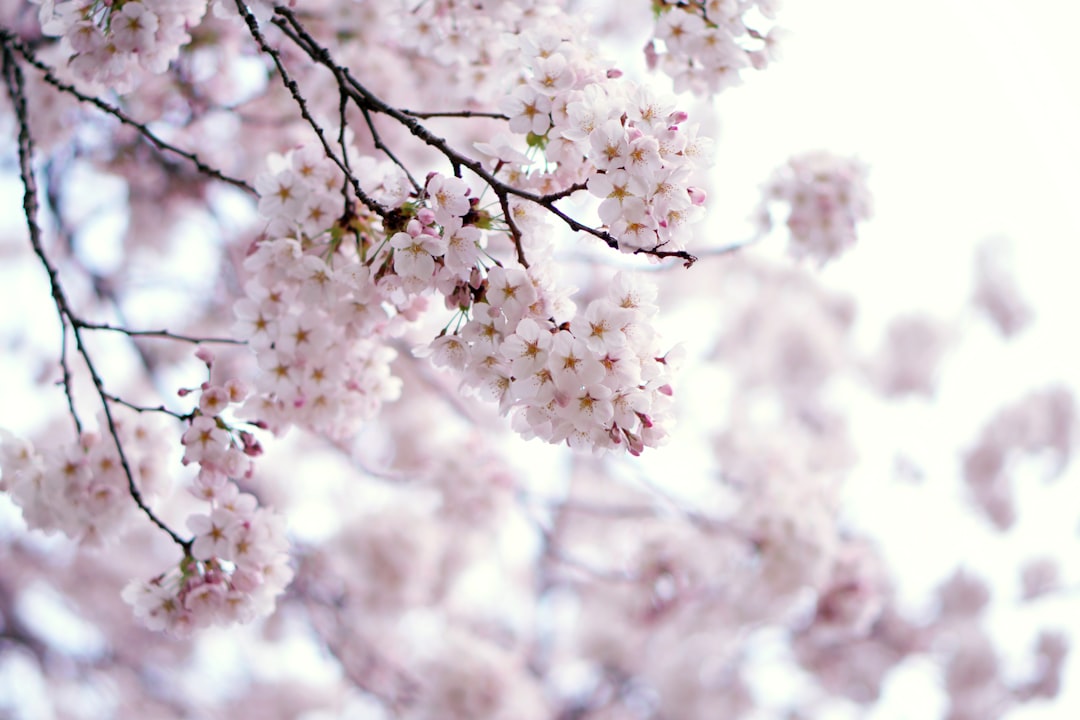
Photo by Meina Yin on Unsplash
A single week of petals can change the rhythm of a city — and the truth is startling: peak cherry blossom windows shift every year, sometimes by days, sometimes by weeks. If you’re chasing seasonal color, this guide to the "best cherry blossom spots" for 2026 will help you time a trip, feel the season, and turn fleeting pink afternoons into memories that last a lifetime.
Whether you’re drawn to the ritual of hanami in Japan, the civic pageantry of Washington, D.C., or quieter, offbeat avenues in Europe and Asia, this article covers sensory travel writing, nuts-and-bolts logistics, suggested itineraries, and practical tips. Along the way I’ll link to useful background reading like How to Pack Carry-On Efficiently 2026: Carry-On Only Tips and the photographer-focused Travel Photography Gear 2026: Essential Kit to Pack, and I’ll mention TravelDeck once when useful.
---
Why the best cherry blossom spots matter (and why timing is everything)
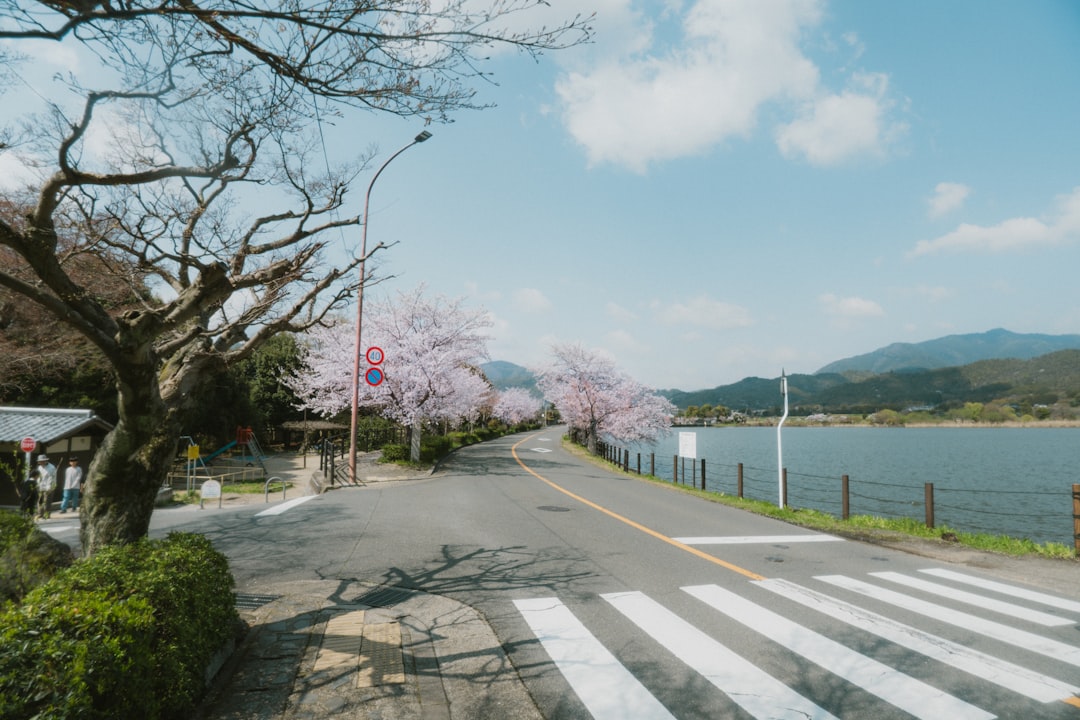
Photo by Ryuta on Unsplash
Cherry blossoms are the kind of natural event that turns travel planning into an art: timing, microclimate, species, and local festivals all reshape your experience. In some places — Tokyo, Kyoto, Jinhae — hanami means shared blankets, street-food stalls, and illuminated night-viewings. In quieter corners — a university quad, a suburban canal, or a riverside cemetery — the same flowers create intimate, almost secretive moments.
Senses: imagine sugar-tinted air after a light rain, the soft hush when petals fall into a canal, the clink of glass as friends toast under lantern light. Those details are what separate a postcard snapshot from travel memory.
Primary highlights in this guide include Japan (multiple regions), South Korea, Taiwan, the U.S. (Washington, D.C. & regional alternatives), Canada (Vancouver, Toronto), several European pockets, and two under-the-radar options that travelers often miss. Each destination section below includes practical "How to get there" and local subsections like Things to do, Where to stay, and Where to eat.
---
Top destinations overview — quick pick (at a glance)
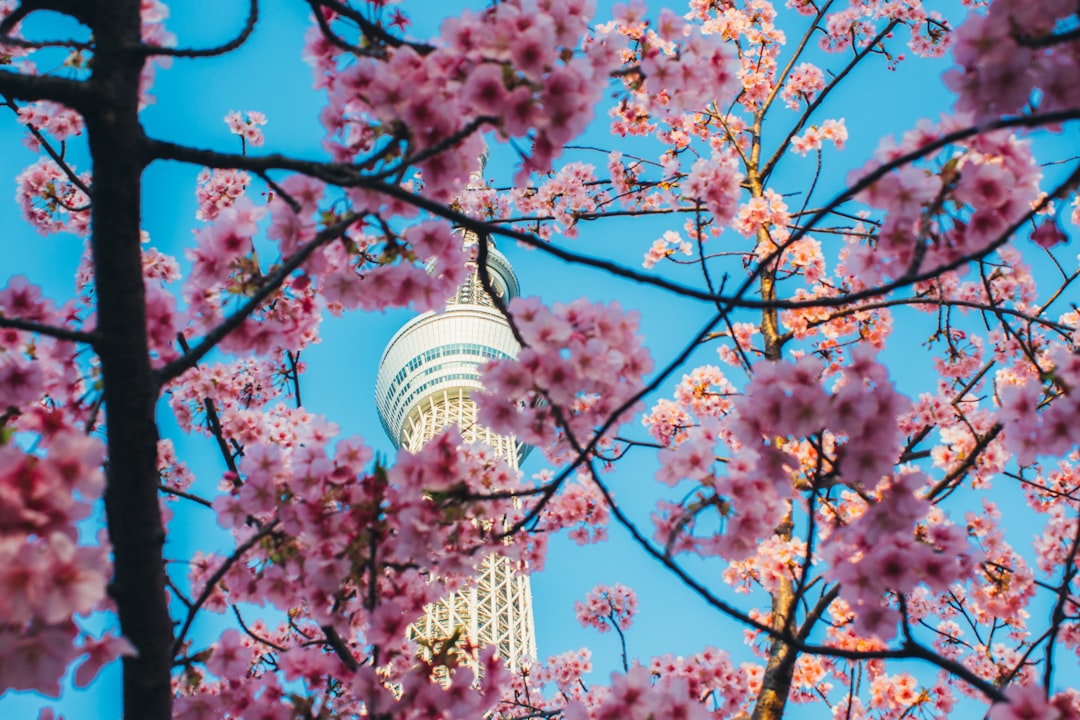
Photo by Atul Vinayak on Unsplash
- Japan: Tokyo, Kyoto, Mount Yoshino, Hokkaido (Sapporo)
- South Korea: Jinhae, Seoul, Jeju Island
- Taiwan: Yangmingshan National Park (Taipei)
- USA: Washington, D.C.; Macon, Georgia; New York City
- Canada: Vancouver, Toronto
- Europe: Bonn (Germany), Stockholm (Kungsträdgården), Paris (Parc de Sceaux)
- Offbeat: Shillong (India, Nov bloom), Valle del Jerte (Spain)
---
Japan — the canonical hanami experience
Japan remains the touchstone for cherry blossom season. In Kyoto you’ll find temple gardens and canal-side strolls where petals fall like slow snow; in Tokyo, rivers and parks turn urban nights into illuminated gardens; Mount Yoshino in Nara is a sweeping mountainside of layered bloom.
Sights & atmosphere: early-morning mist over temple roofs, the scent of grilled yakitori from stall vendors, quiet tea houses that suddenly fill with laughter when groups arrive for an evening hanami.
How to get there
- Main airports: Tokyo Narita (NRT), Tokyo Haneda (HND), Kansai Osaka (KIX), Itami (ITM), Nanki–Shirahama (SHM) for some southern spots.
- Trains: Japan Rail (JR) Shinkansen connects Tokyo–Kyoto in ~2 hrs 15 min (Nozomi). From Kyoto to Mount Yoshino take Kintetsu trains from Kyoto (approx 2–3 hours, depends on route). Budget fares: Tokyo–Kyoto shinkansen tickets ~¥13,000–¥18,000 one-way (around $90–$125 depending on train).
Things to do
Before bullet points, a couple of paragraphs: stroll the riverbanks at dawn and you’ll find the light catching petals like coins; by midday markets sell sakura-themed sweets and souvenirs. At night, yozakura illuminations make gardens theatrical—bring a light jacket for chillier temple gardens.
- Visit Maruyama Park, Kyoto (Maruyama-chō, Higashiyama-ku) for the giant weeping cherry and nighttime illuminations.
- Walk the Philosopher’s Path (Tetsugaku-no-michi) in northern Higashiyama for a contemplative canal-side hanami.
- Chidorigafuchi Moat (Tokyo) boat rides for reflection-lined petals; boats available near Kudanshita station.
- Mt. Yoshino (Nara) ropeway and hiking trails across tens of thousands of trees.
- Nighttime yozakura at Rikugien or Nakameguro (Tokyo) where lanterns and cafes create romance.
Where to stay
Narrative: accommodations range from tiny ryokans that smell of tatami and soy to modern hotels with skyline views. Choose proximity to parks if you want dawn strolls.
- Budget: Guesthouses and capsule hotels near Kyoto/Osaka — ¥3,000–¥7,000 ($20–$50) per night.
- Mid-range: Business hotels and boutique ryokan — ¥10,000–¥25,000 ($65–$165).
- Luxury: Kyoto luxury ryokans and Tokyo skyline hotels — ¥50,000+ ($330+) per night.
Where to eat
Sakura mochi (sweet rice cake wrapped in pickled cherry leaf), anko desserts, and seasonal bento boxes sold at park kiosks are essentials. Try izakayas near hanami parks for grilled skewers, or a formal kaiseki experience in Kyoto for a full seasonal tasting.
Practical tips
Best months: late March–early April for central Japan; February in Okinawa; April–May north to Hokkaido.
Pack: picnic mat, light rain layer, cash (many stalls are cash-only), portable phone charger.
---
South Korea — Jinhae, Seoul, and Jeju’s king cherries
South Korea balances festival energy with scenic tunnels of trees. Jinhae’s Gyeonghwa Station and Yeojwacheon stream are iconic; Jeju offers a unique local king cherry with snow-white, plump petals.
How to get there
- Airports: Incheon Intl. (ICN) for Seoul; Gimhae (PUS) for Busan/Jinhae; Jeju Intl. (CJU) for Jeju.
- From Seoul to Jinhae: KTX to Changwon about 2.5–3.5 hours; buses also available. Subway and buses in Seoul are efficient (single-trip fares ~KRW 1,350–1,500).
Things to do
Narrative: festival days bring parades and night illuminations; off-peak you can find quiet alleys under canopies of blossom.
- Yeouido Spring Flower Festival (Seoul) along the Han River.
- Gyeonghwa Station and Yeojwacheon Stream, Jinhae — classic pink tunnels and night lights.
- Jeju Cherry Blossom Festival at Jeonnong-ro for king cherry varieties.
Where to stay
- Budget guesthouses: KRW 20,000–40,000 ($15–30).
- Mid-range hotels: KRW 70,000–150,000 ($50–110).
- Upscale: Jeju resorts and Seoul luxury hotels KRW 250,000+ ($180+).
Where to eat
Korean street food around festival sites: tteokbokki, hotteok, jeon (pancakes), and seasonal sakura-themed drinks or desserts at cafe stalls.
Practical tips
Best months: late March–early April (Jinhae often early April). Public transit is best; book KTX and local accommodations early for festival weekends.
---
Washington, D.C. and regional U.S. alternatives
The capital’s Tidal Basin is an image of friendship and spectacle; Macon, Georgia, and certain parks in New York offer different rhythms: civic festival vs intimate botanical collections.
How to get there
- Airports: Washington Reagan (DCA), Dulles (IAD), Baltimore (BWI). Train: Amtrak to Union Station (WAS). From major hubs: Reagan is 20–30 min to downtown by taxi/Uber; Dulles ~40–50 min.
- Macon: Middle Georgia Regional Airport (MCN) is local; Atlanta (ATL) is 1.5–2 hours drive to Macon.
Things to do
Narrative: dawn at the Tidal Basin has a hush often absent from midday crowds. Nighttime festivals bring crowds and fireworks while arboretums provide peaceful alternatives.
- Walk the Tidal Basin early morning for Jefferson Memorial views.
- National Arboretum for quieter, spread-out collections (entrance free).
- Brooklyn Botanic Garden’s Cherry Esplanade and BBG Hanami events in NYC.
- Macon’s Cherry Blossom Trail and festival events.
Where to stay
- Budget: Hostels and budget hotels $60–120/night.
- Mid-range: $150–300/night near downtown or near parks.
- Luxury: $350+ for premium downtown hotels with blossom-view packages.
Where to eat
Food trucks and seasonal kiosks abound around festival sites. Try picnic items, local bakeries, and small Japanese restaurants near cultural hubs for on-theme meals.
Practical tips
Best months: late March–early April. Use bike rentals or public transit to avoid festival traffic; check the National Park Service Bloom Watch before planning dates.
---
Vancouver & Toronto — North American city parks with long windows
Vancouver’s varied microclimates extend petal windows; Toronto’s High Park is a concentrated seasonal burst with restricted vehicle access at peak.
How to get there
- Vancouver: Vancouver Intl (YVR). From downtown, SkyTrain or taxi ~30 min.
- Toronto: Toronto Pearson (YYZ) to downtown ~30–45 min by UP Express or taxi.
Things to do
Narrative: Vancouver mixes ocean views and mountain backdrops — petals here are often paired with salty air; Toronto’s High Park becomes festival-central and closes roads to cars for peak days.
- David Lam Park, Stanley Park, Queen Elizabeth Park (Vancouver).
- High Park, Centre Island, Trinity Bellwoods (Toronto).
Where to stay
Options from guesthouses ($60–120) to boutique downtown hotels ($150–300) and luxury (>$350).
Where to eat
Look for Sakura Days events, food trucks, and local bakeries making seasonal items. Vancouver’s Japanese restaurants and Toronto’s multicultural scene provide diverse sakura-season menus.
---
Europe: quiet crescents of bloom
Certain European cities plant cherry trees in strategic promenades: Bonn’s Heerstraße tunnel, Stockholm’s Kungsträdgården, and Parc de Sceaux outside Paris offer classical backdrops.
How to get there: major airports (CDG, ARN, FRA) connect to regional trains; many of these parks are reachable by metro or local train in 20–60 minutes.
Things to do: early risers avoid crowds; combine blossoms with museums and cafés. For example, Paris’s Parc de Sceaux is 20–30 minutes RER from central Paris; Bonn’s Heerstraße is best seen at dawn for empty streets and golden light during April.
Where to stay: city center hotels or charming B&Bs in nearby neighborhoods for quieter evenings.
Where to eat: cafés offering spring pastries, outdoor terrace dining when weather allows.
Practical tips: European blooms often peak late March to late April depending on latitude. Bring layered clothing; spring in Europe can surprise with chill or sudden sun.
---
Offbeat & unexpected: Shillong and Valle del Jerte
Shillong, India: a November bloom that flips the usual seasonality. Valle del Jerte, Spain: a white cascade of blossoms that transforms hillsides in late March–April.
How to get there: Shillong via Shillong/Shillong-Shillong Airport connections from Guwahati; Valle del Jerte reachable by car from Madrid (approx 3.5–4 hours). Both destinations reward slower travel and open-air walks.
Things to do: local festivals in each area, farmer markets, tasting local cherries when harvest arrives.
Where to stay: small guesthouses and rural casas with local hosts.
Where to eat: regional specialities—try local jams, desserts, and small-plate tastings with seasonal fruit.
Practical tips: check local festival dates; November in Shillong is cool and crisp; Jerte’s blossom window can be brief.
---
How to get there (Practical transport summary)
Narrative: below are specific hubs, codes, and travel times so you can plan. Prices are estimates and change seasonally; book early in 2026 for best rates.
- Tokyo (HND, NRT): Narita Express to Tokyo Station ~60–80 min, ¥3,000–¥4,000 ($20–$28).
- Kyoto: arrive via Kansai (KIX) + 75–90 min train; shinkansen from Tokyo 2:15–2:45 hrs, ¥13,000–¥18,000.
- Seoul (ICN): AREX to Seoul Station ~50 min, KRW ~9,000.
- Jeju (CJU): domestic flights from Seoul 50 min–1 hour, fares vary KRW 20,000+.
- Washington, D.C. (DCA/IAD/BWI): DCA closest to downtown; Amtrak to Union Station widely available.
- Vancouver (YVR): 25–30 min SkyTrain to downtown.
- Toronto (YYZ): UP Express 25 min to downtown.
- Bonn, Germany: Cologne Bonn Airport (CGN) + 30–40 min regional train.
- Valle del Jerte: drive ~3.5–4 hrs from Madrid (MAD).
---
Cosa fare / Things to do (Top 8 activities across destinations)
Before the list: these activities work across almost every cherry-blossom destination and help you feel the season rather than just photograph it.
- Dawn strolls under empty branches for soft light and quiet.
- Night illuminations (yozakura) where available — bring a jacket and a torch for steps.
- Park picnics with regional sakura foods: sakura mochi, bento, local pastries.
- Scenic boat rides (Tidal Basin, Chidorigafuchi, Yeojwacheon) for reflective water photos.
- Neighborhood walks to find less-crowded streets and back alleys.
- Cycling routes (Vancouver, Amsterdam/Amstelveen) under linear plantings.
- Guided cultural events and tea ceremonies (Kyoto temples, Japanese cultural centers).
- Local festivals — arrive early and book tickets for ticketed events.
---
Dove dormire / Where to stay (budget, mid-range, luxury examples)
Narrative: pick accommodation based on whether you want to be in the thick of festival energy or in a quiet neighborhood with dawn access to parks.
- Budget: hostels, guesthouses, capsule hotels — $20–$70/night.
- Mid-range: boutique hotels, business-class hotels — $90–$250/night.
- Luxury: heritage ryokans, full-service luxury hotels — $300+/night.
Examples by city: Kyoto guesthouse ¥3,000–¥8,000; Tokyo mid-range hotel ¥12,000–¥30,000; Washington mid-range $150–$300; Vancouver boutique $120–$260.
---
Dove mangiare / Where to eat (signature dishes & spots)
Narrative: flavor anchors memory. Seasonal menus, street snacks, and formal dining each offer different ways to taste the season.
- Japan: sakura mochi, seasonal bento, grilled yakitori from festival stalls, kaiseki in Kyoto.
- Korea: tteok (rice cakes), hotteok, festival vendors with savoury pancakes.
- Taiwan: street vendors near Yangmingshan, steamed buns and tea houses.
- USA/Canada: picnic provisions, Japanese restaurants for themed dishes.
Local market tips: bring cash for stalls; try small dessert shops for sakura teas and ice creams.
---
Consigli pratici / Practical tips
- Best months: vary by latitude. Southern Japan & Taiwan: Feb–Mar; Central Japan & U.S. mid-latitudes: late March–April; Northern Japan & Canada: April–May. Shillong: November.
- Weather: spring layers, light rain jacket, comfortable walking shoes.
- Money & connectivity: carry local currency for stalls; pick up a local SIM or an eSIM for live bloom updates.
- Crowds: weekdays and early mornings are best. Consider alternative sites (arboretums, smaller parks) if main festivals are too busy.
- Safety: standard urban caution; watch slippery petals on paths after rain; be mindful of local hanami etiquette around alcohol and litter.
External resources (official):
- Japan National Tourism: https://www.japan.travel
- Korea Tourism Organization: https://english.visitkorea.or.kr
- National Park Service Bloom Watch (USA): https://www.nps.gov/subjects/cherryblossom
- Vancouver Cherry Blossom Festival: https://vancherryfest.ca
---
Comparison tables
Narrative: use the table below to match your priorities: close-city access, crowd level, and best season.
| Destination | Best Window 2026 | Crowd Level | Accessibility |
|---|---|---|---|
| Kyoto | Late Mar–Early Apr | High | Excellent (Shinkansen + local lines) |
| Tokyo | Late Mar | Very High | Excellent (NRT/HND + transit) |
| Jinhae (KR) | Early Apr | Very High | Moderate (KTX + local) |
| Washington, D.C. | Late Mar–Early Apr | Very High | Excellent (DCA/IAD + rail) |
| Vancouver | Late Mar–Mid Apr | Medium | Excellent (YVR + transit) |
| Valle del Jerte | Late Mar–Apr | Low–Medium | Good (car recommended) |
---
FAQ / Domande frequenti
Q: When is peak cherry blossom season in 2026?
A: Peak varies by location. Central Japan and many temperate northern hemisphere cities typically hit late March–early April. Always check local bloom forecasts (city tourism pages and official park trackers) before booking.
Q: Can I predict exact bloom dates?
A: Not exactly. Forecasts improve each year but are influenced by temperature swings. Plan a flexible window of several days to a week and include nearby latitude changes (e.g., travel north if early bloom occurs).
Q: Are festival events ticketed?
A: Some events (concerts, evening parties, special garden entries) can be ticketed. Many park viewings are free but crowded; reserve special events in advance.
Q: How crowded are the main sites?
A: Iconic sites like Tokyo’s Ueno or D.C.’s Tidal Basin can be extremely crowded at peak. For quieter experiences, seek local neighborhoods, arboretums, or early-morning visits.
---
Tags
- cherry blossom travel 2026
- best cherry blossom spots
- hanami travel guide
- cherry blossom festivals 2026
- sakura travel tips
---
A final note: chasing the "best cherry blossom spots" is part meteorology, part cultural curiosity, and all magic. If you time it right you’ll find petals on your shoes, laughter in park alleys, and a moment that feels suspended between seasons. For planning tools and live bloom trackers, check festival pages and tourism boards; and if you want a convenient hub for travel planning, visit https://traveldeck.ai for a quick snapshot and itinerary organization.
In the end, travel for blossoms is a lesson in urgency and patience — arrive early, linger late, and let the falling petals be the punctuation to whatever chapter of life you’re walking through.