Travel Photography Gear 2026: Essential Kit to Pack
Travel Photography Gear 2026: Essential Kit to Pack
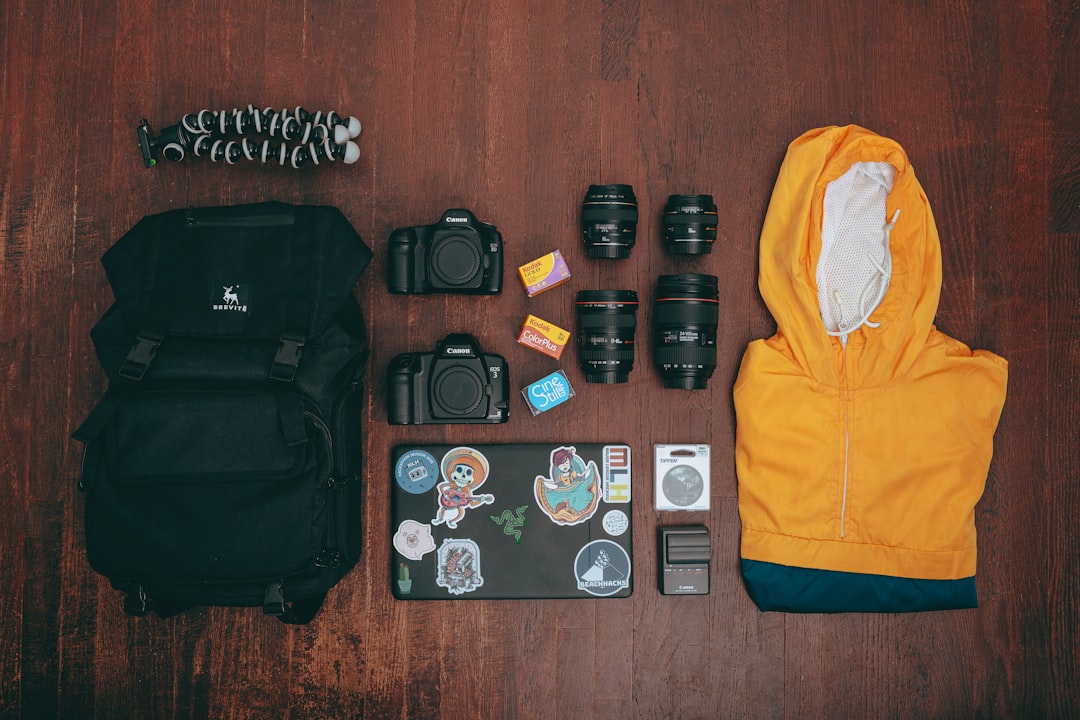
Photo by Jose Hernandez-Uribe on Unsplash
Have you ever arrived at the perfect light only to find a dead battery or the wrong lens? Travel photography gear 2026 demands smart choices: lighter bodies, multipurpose lenses, and a digital workflow that protects your files. This guide walks you through the essentials, packing strategies, and on-the-road routines so you can travel lighter and shoot better.
Why this kit matters
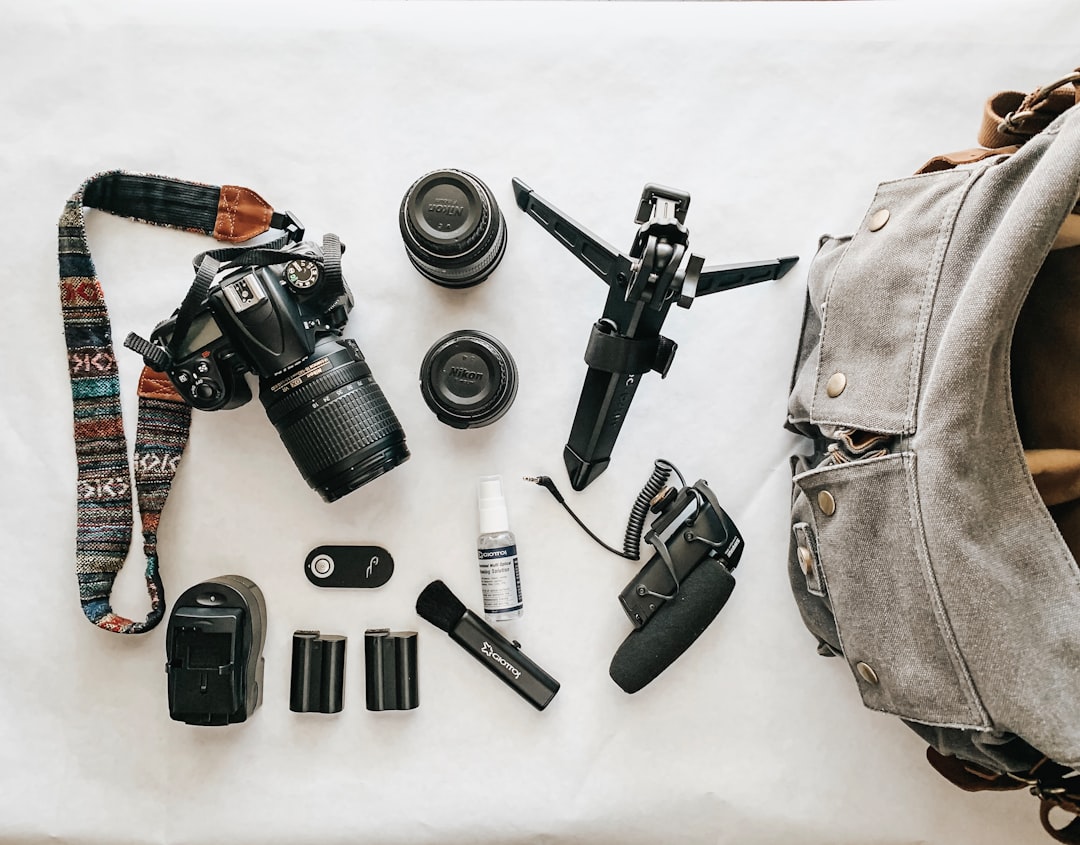
Photo by Derick McKinney on Unsplash
The best travel kit is invisible until you need it. When dawn fog lifts over a harbor or a market erupts in color, the gear you brought — and the way you carry it — determines whether you capture the moment. Travel photography gear 2026 combines improved mirrorless bodies, smaller high-quality lenses, and practical accessories that resist weather, theft, and fatigue.
Core camera bodies and backups (related keywords: mirrorless travel cameras, backup camera bodies)
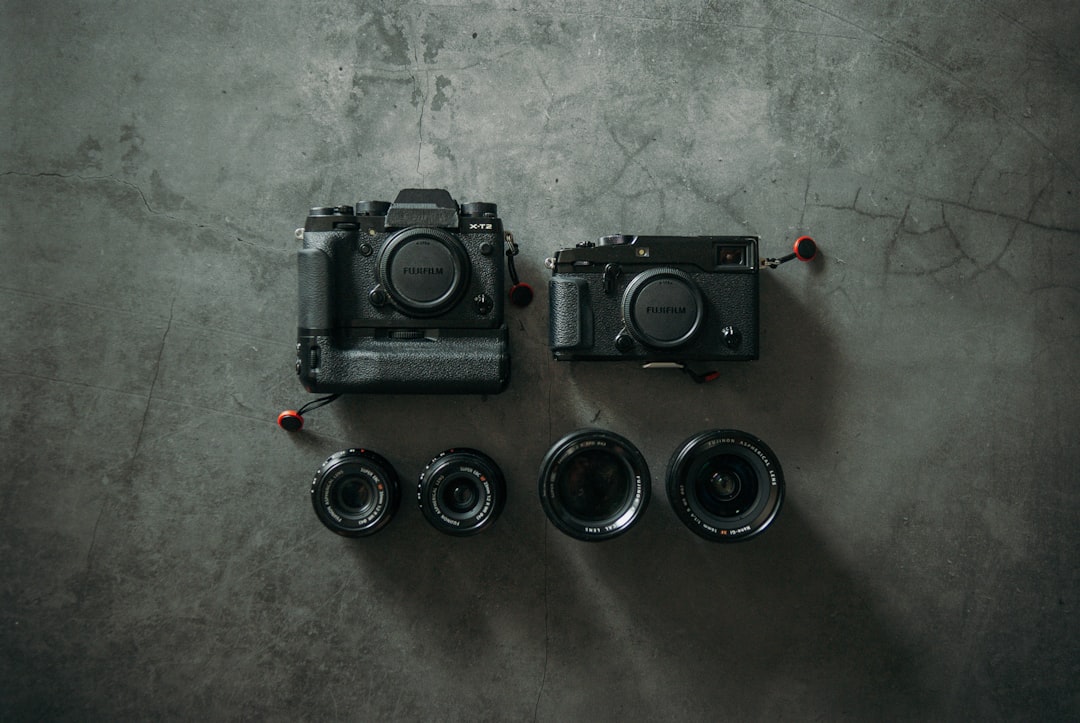
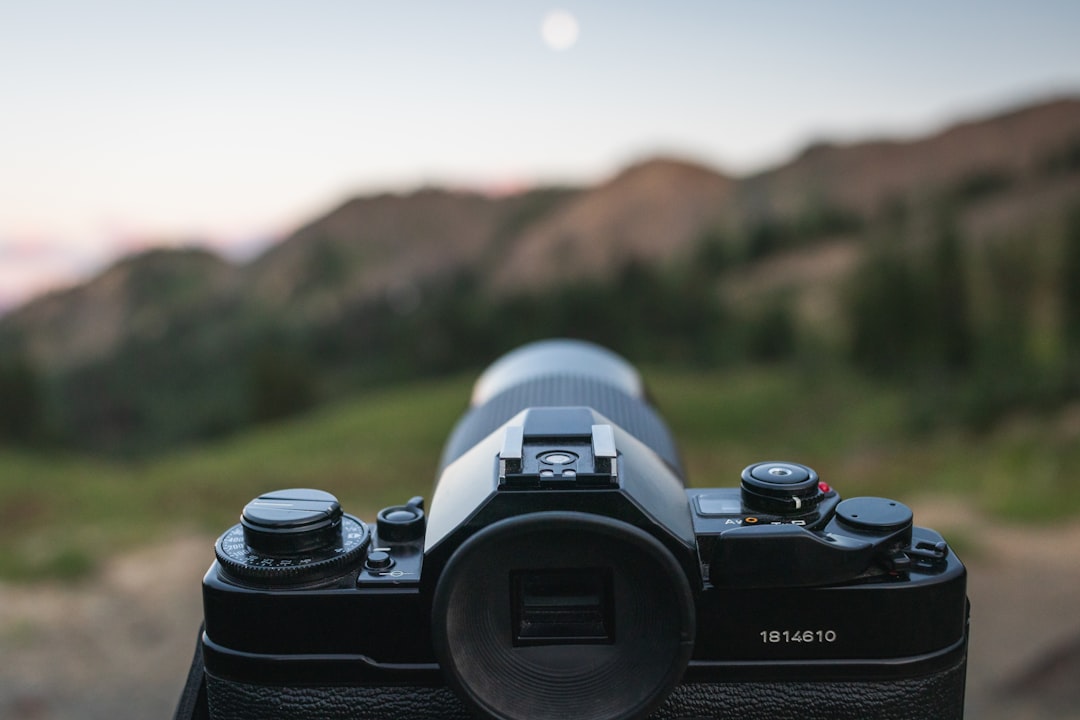
Photo by insung yoon on Unsplash
Lightweight mirrorless cameras lead in 2026 for their low weight and strong autofocus. Choose one reliable main body and consider a small backup: a compact full-frame mirrorless or a high-end APS-C. The backup can be a primary for street moments while the other holds a tele zoom for wildlife or landscape.
- Main body: full-frame or high-end APS-C mirrorless with good low-light performance.
- Backup: compact mirrorless or premium fixed-lens camera (pocketable for street scenes).
- Keep both bodies in carry-on and wear one on a strap for quick access.
Lenses that cover most trips (related keywords: best travel lenses, versatile zooms)
You don’t need every lens you own. Opt for multipurpose glass that covers 90% of shooting scenarios.
- All-purpose zoom (24-70mm or 24-105mm): walkaround and portraits.
- Wide zoom (16-35mm or 14-30mm): landscapes, architecture, interiors.
- Tele zoom (70-200mm or 100-400mm): wildlife, compressed landscapes, distant details.
- Optional prime (35mm or 50mm): low-light, portraits, discreet street work.
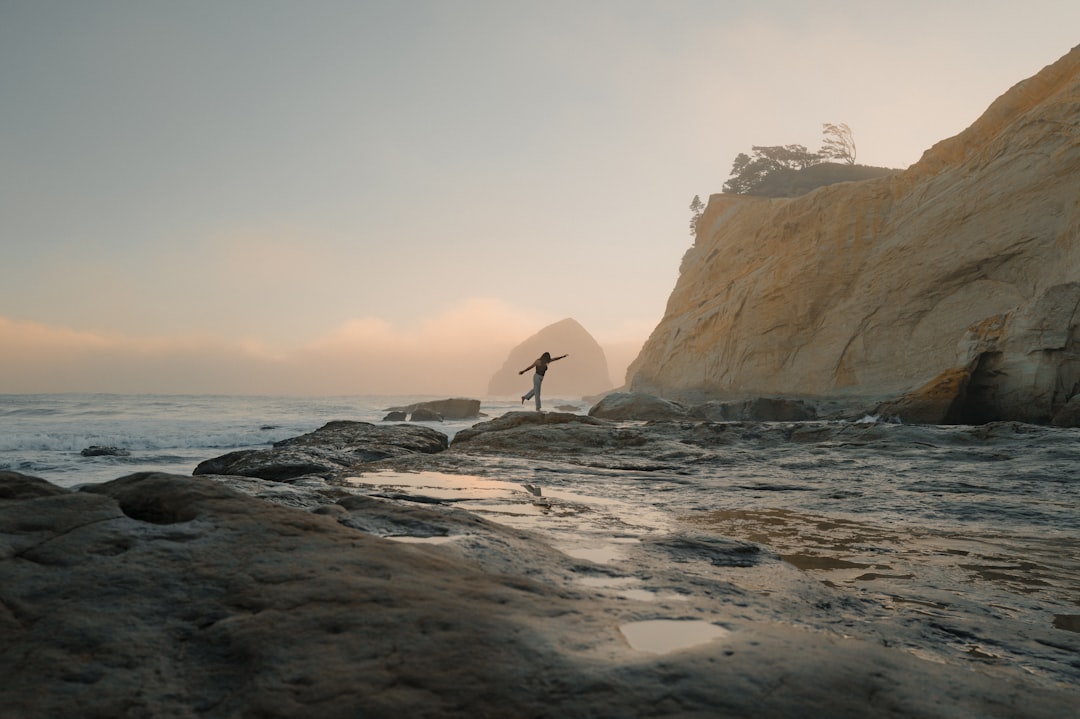
Narrative: On a misty cliff the wide zoom gives sweeping drama; later, a 70-200mm isolates a surfer against a pale sea. The 24-70mm becomes your creative companion on bustling afternoons.
Essential accessories (related keywords: camera accessories travel, photography packing list)
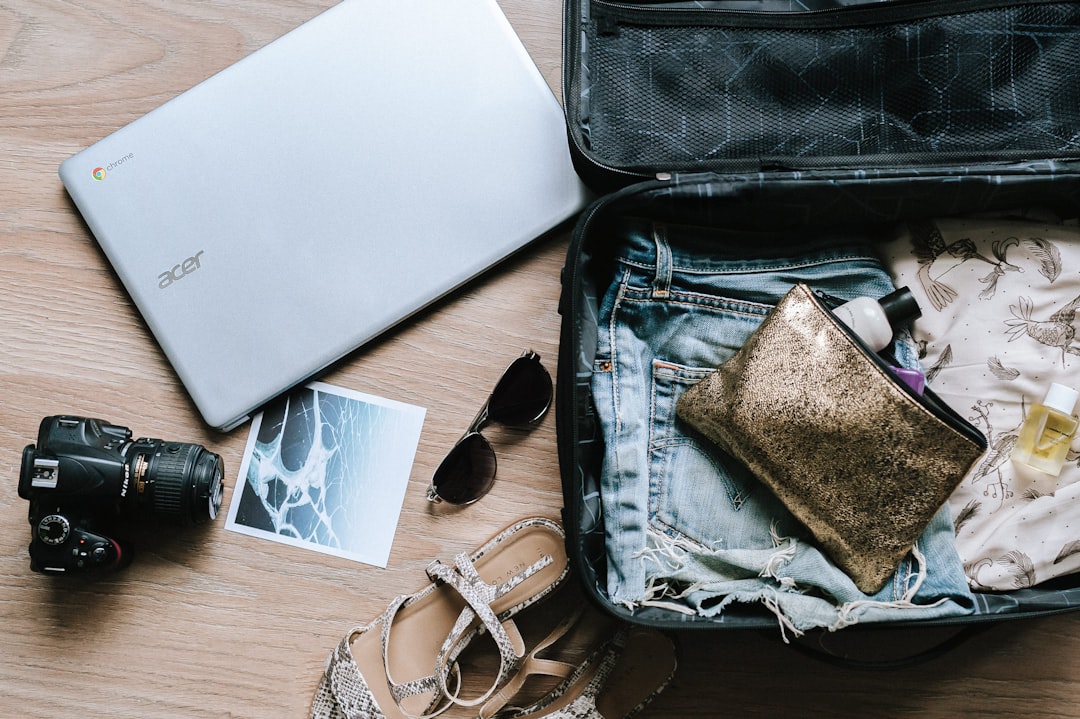
Before you leave, sort these into a small tech pouch. They’re cheap to bring but costly to replace in the field.
- Batteries: three-battery rule — one in camera, one spare, one charging.
- Memory cards: multiple mid-size cards (e.g., 64–256GB) distributed across slots.
- Rugged portable SSD or backup drive for daily offloads.
- Multi-USB charger and international adapter.
- Lens filters: circular polarizer and ND filters for long exposures.
- Microfiber cloths, blower, sensor pen for quick cleaning.
- L-bracket for fast portrait orientation on tripods.
Tripods and support systems
A lightweight travel tripod with a compact folded length and carbon-fiber legs saves weight while giving stability for long exposures. If you shoot landscapes or night skies, invest in a robust travel tripod and a ball head that supports your kit. For urban or crowded markets, a compact tabletop tripod or a gorillapod-style support can make the difference.
Packing strategies and bag choices (related keywords: how to pack camera gear, photo backpack travel)
Choose a dedicated camera backpack sized for your trip. Organize by frequency:
- Quick-access zone: body with go-to lens and spare battery.
- Secondary zone: two additional lenses and filters.
- Tech pouch: cables, cards, chargers, drive.
Narrative: In an ancient medina, keeping your primary body in the quick pocket lets you capture fleeting street portraits without drawing attention. The padded dividers protect glass on bumpy bus rides.
Power and digital workflow (related keywords: photo backup workflow, travel data backup)
Power planning often beats lens debates. Keep devices charged and files duplicated every night.
- Power bank: high-capacity PD power bank to recharge cameras and phones.
- Charging hub: charge multiple batteries and devices in one outlet.
- Backup rule: three copies — memory card, portable SSD, and cloud when possible.
- Offload routine: at day’s end copy cards to SSD, verify, then format cards.
Narrative: After a long day photographing terraces, you plug the SSD into the hotel hub, sip tea, and watch thumbnails populate — a quiet, satisfying ritual.
Weatherproofing and protective steps
Coastal spray, sudden storms, and desert dust are kit killers. Use rain covers, silica packets, and zippered dry bags to shield equipment. Carry a small microfiber towel and lens pen for quick cleaning. Always keep batteries and cards near your body in cold conditions to preserve charge.
Security and theft prevention (related keywords: protect camera gear travel, gear insurance)
Preventing loss is easier than recovering gear. Use discreet straps, keep your bag in sight on trains, and avoid brand-heavy stickers that advertise expensive equipment.
- Carry-on only: never check camera gear.
- Anti-theft backpack: lockable zippers, cut-resistant straps.
- Insurance: photograph serial numbers and store receipts in a secure cloud folder.
Field maintenance and quick fixes
Learn basic sensor and lens cleaning before you travel. Carry replacement lens caps, small screwdrivers for tripod plates, and spare O-rings for weather-sealed lenses. For fogging issues, silica gel packets inside your bag help manage moisture.
Shooting scenarios and tailored kit lists
Narrative before bullets: Every trip has a personality. Below are compact suggested kits tuned to common travel types.
- City break kit:
- Lenses: 24-70mm and 35mm prime
- Accessories: extra battery, 2x cards, small tripod optional
- Landscape/road trip kit:
- Lenses: 16-35mm and 24-70mm + 10-stop ND if you plan long exposures
- Accessories: sturdy travel tripod, SSD, polarizer, extra batteries
- Wildlife/expedition kit:
- Lenses: 100-400mm or 150-600mm, 24-70mm for habitat shots
- Accessories: extra tele battery, padded tele lens carrier, rain protection
- Cultural & street kit:
- Lens: 28–50mm equivalent
- Accessories: discrete strap, spare card, lightweight pouch
How to get there / Come arrivare
This section gives practical transport context for traveling with photo gear. When flying, check major hub rules for your destination and plan transport times accordingly.
- Airports: always pack cameras in carry-on; know your connecting airports’ security procedures.
- Trains & buses: use padded carry-on or a sling; account for luggage limits on regional services.
- Ferries & boats: keep gear dry in waterproof cases; expect salt spray and pack microfiber towels.
Costs: expect typical domestic flight carry-on allowances to be free but check budget airline bag size limits; international checked-bag fees vary by carrier. For specifics on packing carry-on strategies, see How to Pack Carry-On Efficiently 2026: Carry-On Only Tips.
Things to do / Cosa fare (photography-focused suggestions)
Narrative: Each destination rewards curious photographers who roam early and linger late. Here are activities that pair well with your kit.
- Golden hour landscape hikes: identify ridge-lines or viewpoints that align with sunrise/sunset.
- Local markets at dawn: vibrant colors and candid portraits; practice quick exposure adjustments.
- Architectural walks: use a wide-angle for interiors and a 24–70mm for details.
- Wildlife blinds or boat tours: bring telephoto reach and respect local regulations.
- Night photography sessions: cityscapes or Milky Way work need tripod and interval timer.
Where to stay / Dove dormire
Narrative: Accommodation choice affects how you manage gear — secure lockers, drying space, and charging outlets matter.
- Budget: guesthouses with locked storage (US$25–70/night). Look for hostels with private lockers.
- Mid-range: boutique hotels with secure luggage rooms (US$80–180/night) and reliable Wi‑Fi for offloads.
- Luxury: hotels with in-room safes and business centers for large uploads (US$200+/night).
Where to eat / Dove mangiare
Narrative: Food slows the day and gives you chances for environmental portraits. Markets often provide the richest palettes and textures.
- Seek street vendors at market perimeters for candid food prep scenes.
- Night markets offer neon-lit portraits but watch low-light settings and move quietly.
For local safety while eating and shooting, see Eat Safely While Traveling 2026: A Savvy Food-Safety Guide.
Practical tips / Consigli pratici
- Best months: pick shoulder seasons for softer light and fewer crowds.
- Weather: check seasonal norms and pack weatherproofing.
- Currency & customs: carry receipts and be prepared to declare expensive gear when entering some countries.
- Connectivity: carry a pocket Wi‑Fi or local SIM for cloud backups when hotel internet is unreliable.
- One mention of TravelDeck: use TravelDeck (https://traveldeck.ai) to keep gear lists and itineraries synced.
FAQ / Domande frequenti
Q: Can I check camera gear in my luggage?
A: Avoid checking it. Carry-on protects fragile electronics from rough handling.
Q: How many memory cards should I bring?
A: Bring multiple cards sized so that losing one won’t lose all your images — four to six mid-size cards is a safe bet.
Q: Is a tripod necessary for travel photography?
A: Not always. For landscapes, night, and long exposures it’s essential; for street work a small tabletop tripod or none is fine.
Comparison tables (high-level)
Budget tier comparison:
- Budget: minimal kit, compact camera, 1 lens, no tripod — best for short city breaks.
- Mid-range: one mirrorless body, two zooms, travel tripod — best for mixed itineraries.
- Luxury/pro: two bodies, full lens set, robust tripod, SSD backups — best for dedicated assignments.
Airline carry-on comparison (typical):
- Full-service international carriers: carry-on 7–10kg free, larger allowance for international.
- Low-cost carriers: strict size and sometimes weight limits; check before travel.
Month-by-month weather note:
- Plan around shoulder seasons to avoid extreme heat or cold that affect battery life and access.
Final gear checklist (quick reference)
- Camera body + backup
- 24–70mm (go-to), 16–35mm (wide), 70–200mm or 100–400mm (tele)
- 3x batteries, PD power bank, multi-charger
- 4–6 memory cards, portable SSD
- Travel tripod, L-bracket
- Filters: CPL, ND
- Cleaning kit, rain cover, silica gel
- Anti-theft bag, insurance docs
Conclusion
Packing the right travel photography gear in 2026 is less about volume and more about intention. Choose versatile lenses, protect your data with a nightly routine, and tailor your kit to the trip’s rhythm — urban, wilderness, or wildlife. Travel light enough to move fast, but organized enough to capture the moments that matter. Travel well and let your gear be the quiet partner that helps you tell the story.