Eat Safely While Traveling 2026: A Savvy Food-Safety Guide
Eat Safely While Traveling: A Savvy Food-Safety Guide 2026
Photo by Thorium on Unsplash
Travelers often say food is the fastest way to a place’s heart — but did you know foodborne illness affects millions of international travelers each year? If you want to eat safely while traveling without surrendering the thrill of markets, street stalls, and family-run trattorias, this long-form guide walks you through practical checks, sensory cues, and routines that keep you well-fed and well.
Within the first 100 words: eat safely while traveling is a skill you can learn and refine on every trip. This article teaches tested methods — from choosing the busiest street vendor to managing water, dairy, and reheated leftovers — so you can taste local dishes fearlessly.
Why safe eating matters
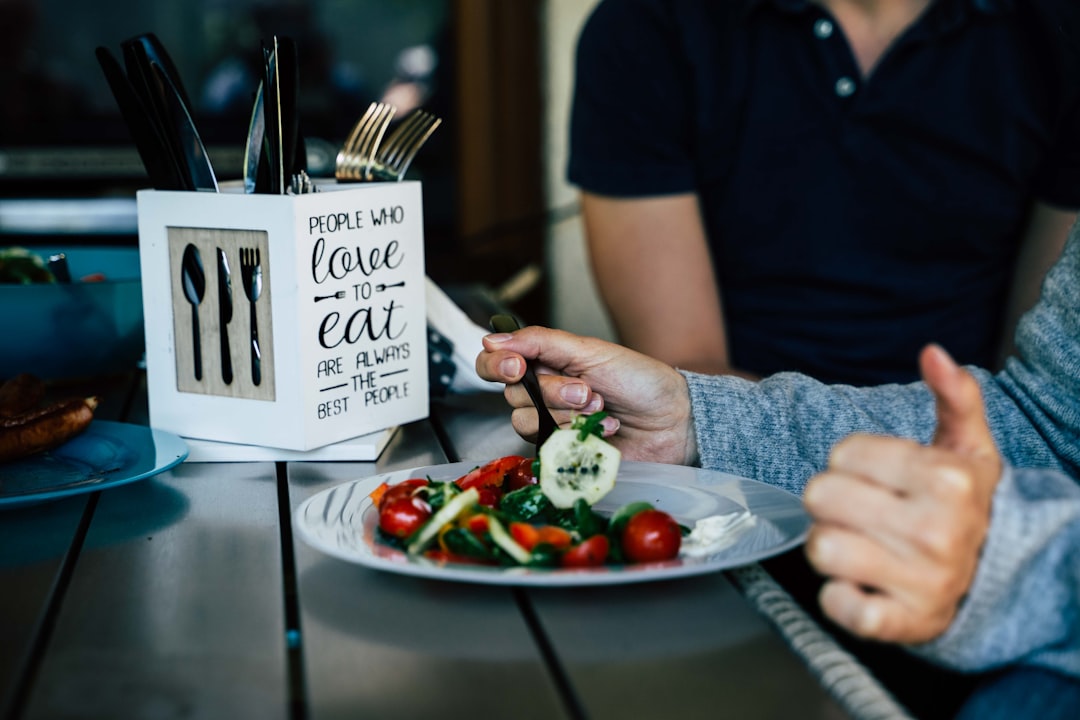
Photo by Michal Balog on Unsplash
The first bite abroad can be electrifying: char from a grill, steam rising from a clay pot, bright herbs and chilies. But unfamiliar preparation practices, untreated water, and cross-contamination can turn a delicious memory into 24–72 hours of discomfort. Learning how to eat safely while traveling preserves not only your appetite but your itinerary — whether you’re chasing a sunrise market in Marrakech or a noodle stall in Hanoi.
Senses are your allies: the sight of sizzling steam, the sound of a busy queue, and the smell of a well-seasoned broth often hint at safer choices. In contrast, empty-looking stalls, questionable refrigeration, or watery ice should raise caution.
Section roadmap
Photo by Patrick Hendry on Unsplash
This guide covers: real-world checks for vendors and restaurants; what to pack for safe eating; safe hotel-room meals; strategies for special diets and infants; a practical mini-checklist for street food; and the required travel planning sections (How to get there / Things to do / Where to stay / Where to eat / Practical tips / FAQ). You’ll also find internal TravelDeck references where they fit naturally and a link to https://traveldeck.ai.
Sensory rules for choosing food vendors and restaurants
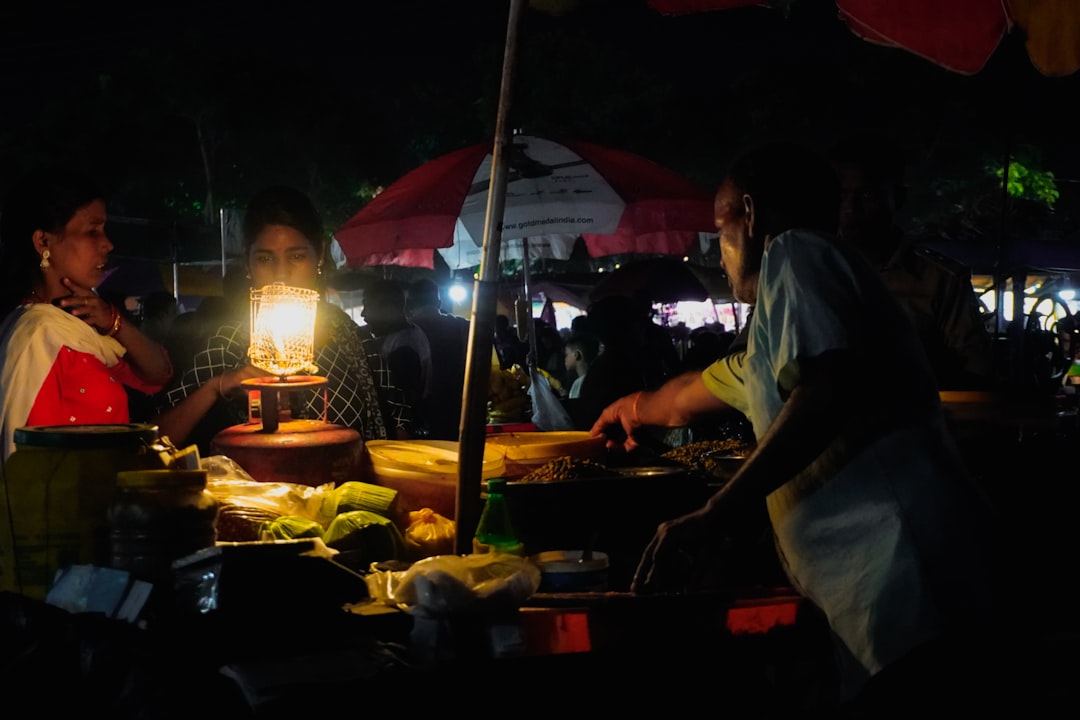
Before you order, pause and sense the scene. Busy stalls often indicate turnover and fresher ingredients. Listen for the chop of vegetables, the hiss of oil, the friendly banter between cook and customer — the soundtrack of safe, practiced kitchens.
Look for:
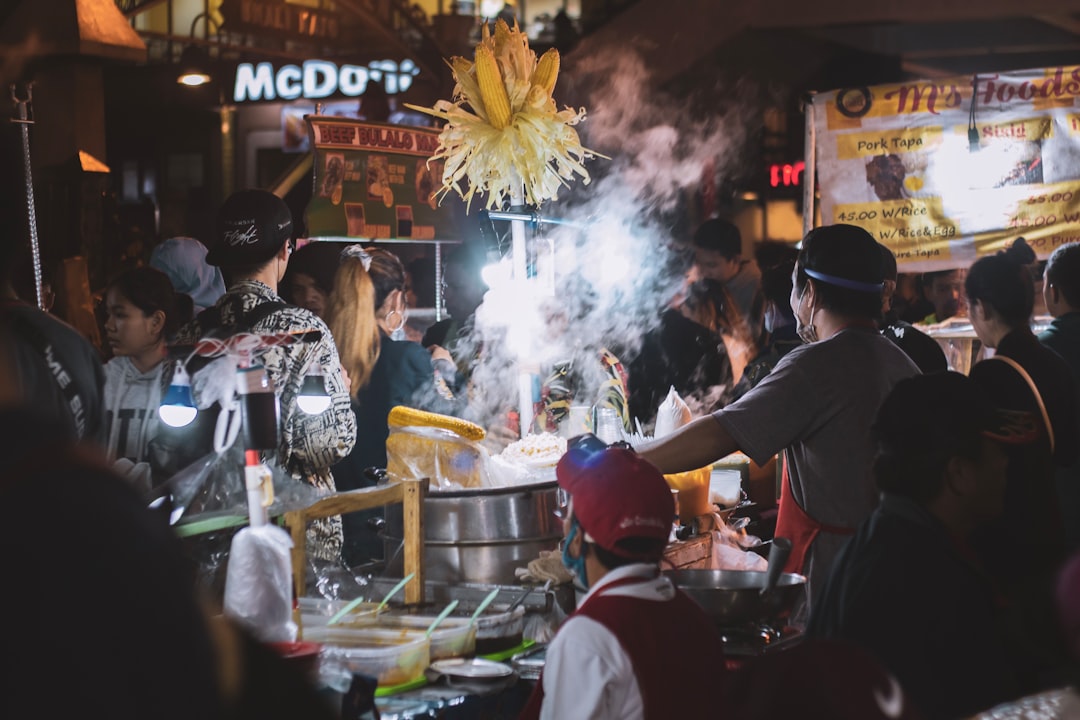
- Steam or high heat: dishes served piping hot have been heated enough to kill many pathogens.
- Crowds and turnover: more customers mean shorter holding times for food.
- Clean work surfaces and visible handwashing or gloves.
Smell and touch impressions matter too. Fresh citrus, bright herbs, and aromatic broths point to regular preparation. Avoid food left uncovered in warm air, prolonged buffet-style warmers with uncertain heat, or anything that smells unusually sour or chemical.
Water, ice and beverages: invisible risks
Water is the most common hidden hazard. Ask whether bottled water is sold sealed; decline ice unless you’re sure it was made from safe water. When in doubt, favor boiling, steaming or carbonated drinks. Coffee and tea made with boiling water are safer options in many destinations.
Carry a small water filter or purification tablets for longer trips or remote areas. Even if city tap water seems fine, use bottled or treated water for brushing teeth if your destination’s sanitation is uncertain.
Street food checklist: the quick test
Narrative: The ideal street-food moment is sensory — the smell of cumin over charcoal, the rhythmic flip of a griddle, a line of locals who return each day. Use this quick checklist when you’re tempted to join the queue.
Checklist (use before ordering):
- Is the stall busy with locals? Yes = good sign.
- Is food cooked to order and served hot? Yes = lower risk.
- Are raw ingredients stored separately from cooked ones? Yes = safer.
- Is there a visible handwashing station or the cook using utensils? Yes = better.
- Avoid: salads, raw fruit you can’t peel, undercooked eggs or seafood, and drinks with cloudy ice.
If you answer “no” to several of the above, enjoy the view and move on to the next stall.
Hotel and self-catering strategies: reclaim control
Staying somewhere with a kitchenette transforms what you can eat safely. Boil water for pasta, steam vegetables until hot, and microwave leftovers thoroughly. When you rely on hotel breakfasts, choose hot, freshly prepared items over buffet options that have been sitting a long time.
If you must keep perishables, request an in-room mini-fridge and use gel packs for transit. Perishable food should be kept at or below 4°C (40°F) and not left at room temperature for more than 2 hours.
Packing list for safe eating while traveling
Essentials to carry with you:
- Collapsible water bottle and a pocket filter or purification tablets.
- Hand sanitizer (≥60% alcohol) and a small soap bar for handwashing.
- Reusable cutlery and a small bowl or tiffin to receive food you want to inspect.
- A few sealed bottled-water sachets for emergencies.
- A medicine kit with ORS (oral rehydration salts), anti-diarrheal meds, and probiotics (consult your doctor first).
- Translation cards for allergies or dietary restrictions.
These items aren’t just for paranoia; they give you flexibility to accept the best local dishes with confidence.
Special diets and vulnerable travelers
Travelers with food allergies, celiac disease, pregnant travelers, infants, older adults, and those with weakened immune systems need extra caution. Translate allergy and intolerance notes into the local language and carry them on a wallet card. For infants, use ready-to-feed formula when safe water is uncertain and sterilize bottles with boiled water when possible.
If you have celiac disease or severe allergies, communicate clearly with chefs and consider the guidance in specialized communities. When traveling in unfamiliar culinary cultures, prepare backups and identify trusted grocery stores before you arrive.
Handling leftovers, reheating and takeaways
Leftovers are a frequent hazard: rice and sauces can harbor bacteria if cooled slowly. Only take away food you can refrigerate or that arrives piping hot. When reheating, ensure food is steaming thoroughly; don’t reheat multiple times. Avoid buffet leftovers and foods that have been sitting at warm room temperature for hours.
If you must travel with food, use insulated bags and frozen gel packs. Perishable meals should remain chilled until you can refrigerate them at your destination.
Medicine and when to seek help
A travel medical kit should include oral rehydration salts, anti-diarrheal medication, and a fever reducer. Know the location and contact of a reliable clinic or hospital in your destination city. Seek care promptly for high fever, bloody diarrhea, severe vomiting, or signs of dehydration.
How to eat safely while traveling and still enjoy local flavor
Safety doesn’t mean bland. Choose grilled meats, soups boiled for hours, steamed vegetables, and fruit you can peel. Join busy local eateries and ask to watch the preparation. Engage with vendors — polite curiosity often leads to safer choices and memorable food stories.
Internal links and practical planning note
For travelers coordinating group trips where meal preferences matter, consider group planning tips in Drama-Free Group Trip Planning 2026: How to Plan Smoothly. If you need a restful recovery plan after a heavy food day, practical jet-lag strategies are in How to Beat Jet Lag: Science-Backed Remedies 2026. For itinerary-building that factors in food stops, a planning engine like https://traveldeck.ai can help you map meals into transit routes without overloading travel days.
## How to get there
Narrative: Getting to food destinations often involves the same practical choices as any trip — fly, train, drive, or ferry. Below are examples for three archetypal food destinations to ground the practical travel sections of this guide.
Example 1 — Marrakech, Morocco:
- Airport: Marrakech Menara (RAK). Taxi to the Medina: ~15 minutes, MAD 80–120 (~$8–12).
- Train: From Casablanca Casa Voyageurs to Marrakech ~2h 45m, fares from MAD 100 ($10).
- Cost tips: Shared grand taxis and petit taxis are common. Allow 30–60 minutes to reach popular food souks from the airport depending on traffic.
Example 2 — Bangkok, Thailand:
- Airport: Suvarnabhumi (BKK). Airport Rail Link to Phaya Thai: ~30 minutes, 45–90 THB.
- BTS Skytrain and river boats connect to popular markets and street-food clusters.
- Costs: River taxis 15–50 THB. Grab ride-share fares vary but are affordable for short hops.
Example 3 — Lisbon, Portugal:
- Airport: Lisbon Humberto Delgado (LIS). Metro to city center ~20–30 minutes, €1.50–€2.
- Trams and trains reach neighborhood markets like Mercado da Ribeira in 10–20 minutes from Rossio.
(These are travel archetypes; adapt with exact local options for your destination.)
## Things to do
Narrative: Food trips are about more than meals. Explore markets, culinary workshops, and food-focused neighborhoods to understand the ingredients and stories behind dishes.
Five recommended activities:
- Market walking tour: join a morning market with a local guide to learn ingredient names and sampling etiquette.
- Street-food crawl at dusk: follow local crowds and try small tastings from multiple vendors.
- Cooking class with a family or small chef studio: learn hygiene practices and how dishes are prepared.
- Visit a producers’ workshop: olive oil mill, cheese maker, or spice merchant to see provenance.
- Seasonal festival or food fair: these events showcase regional specialties and safe production standards.
## Where to stay
Narrative: Where you sleep influences what you eat safely. A small apartment with a kitchenette provides food control; a well-located mid-range hotel gives easy access to trusted eateries.
Budget options:
- Guesthouse / hostel with shared kitchen: $15–40 per night. Look for secure refrigeration and a lockable pantry.
Mid-range:
- Boutique hotels or apartments with kitchenette: $60–150 per night. Often in central neighborhoods with easy market access.
Luxury:
- Full-service hotels with in-house restaurants and 24-hour room service: $200+. Choose hotels that advertise food-safety standards and allergen-aware menus.
## Where to eat
Narrative: A balanced food itinerary mixes markets, a well-reviewed restaurant, and a memorable street-food experience. Below are practical dish-focused ideas rather than exact single establishments.
- Markets: Seek the freshest produce, prepared foods, and packed snacks. Look for vendors slicing or grilling to order.
- Local signature dishes: Find the regional specialties that are cooked at high heat or boiled for a long time (safe picks).
- Seafood: Prefer busy shacks where stock and turnover are high; avoid raw oysters in warm climates unless the vendor is known and reputable.
## Practical tips
Best months: travel in shoulder months when markets are lively but crowds are thinner — prices are lower and vendors often maintain quality.
What to pack: See the packing list above. Add a compact thermometer if you travel often and want to check food holding temps.
Currency & safety: Keep small bills for street vendors. Always check supplier permits or posted hygiene ratings where available.
Connectivity: Download offline maps and a translation app. Pre-save phrases for allergies and water safety.
## FAQ
Q: Can I eat street food safely?
A: Yes — pick vendors who cook to order, are busy with locals, and serve food piping hot.
Q: Is bottled water always safe?
A: Only if the seal is intact. Use boiled or treated water when seals are suspicious.
Q: How can I avoid foodborne illness on day trips?
A: Carry snacks, avoid raw salads, and prefer hot-cooked dishes. Keep hand sanitizer handy.
Comparison table (quick reference)
Narrative: Choose based on risk and convenience. The table below summarizes typical choices.
- Budget-friendly: busy market stalls, freshly grilled foods, peeled fruit — low cost, moderate risk if chosen well.
- Mid-range: small restaurants with open kitchens, home-style eateries, cooking classes — moderate cost, lower risk.
- Low-risk/high-cost: hotels and certified restaurants with labelling and allergen training — higher cost, lowest risk.
External resources
Narrative: For official travel-health and entry rules, check government travel advisories and local tourism boards for updated guidelines. Also verify vaccination and travel-health recommendations before departure.
Useful links:
- World and national tourism boards (search the official tourism site for your destination)
- Local public health websites for up-to-date food-safety advisories
Tags
Narrative: Below are suggested tags to help this article reach travelers searching for pragmatic food-safety advice.
Conclusion
Eating safely while traveling is a mix of preparation, observation, and a little intuition. When you learn to read a market’s rhythm, smell the difference between fresh and stale, and carry the right kit, you open the door to fearless tasting — from bustling night markets to family kitchens. Travel keeps us curious; let safe eating keep you on the road and full of stories.