How to Pack Carry-On Efficiently 2026: Carry-On Only Tips
How to Pack Carry-On Efficiently 2026
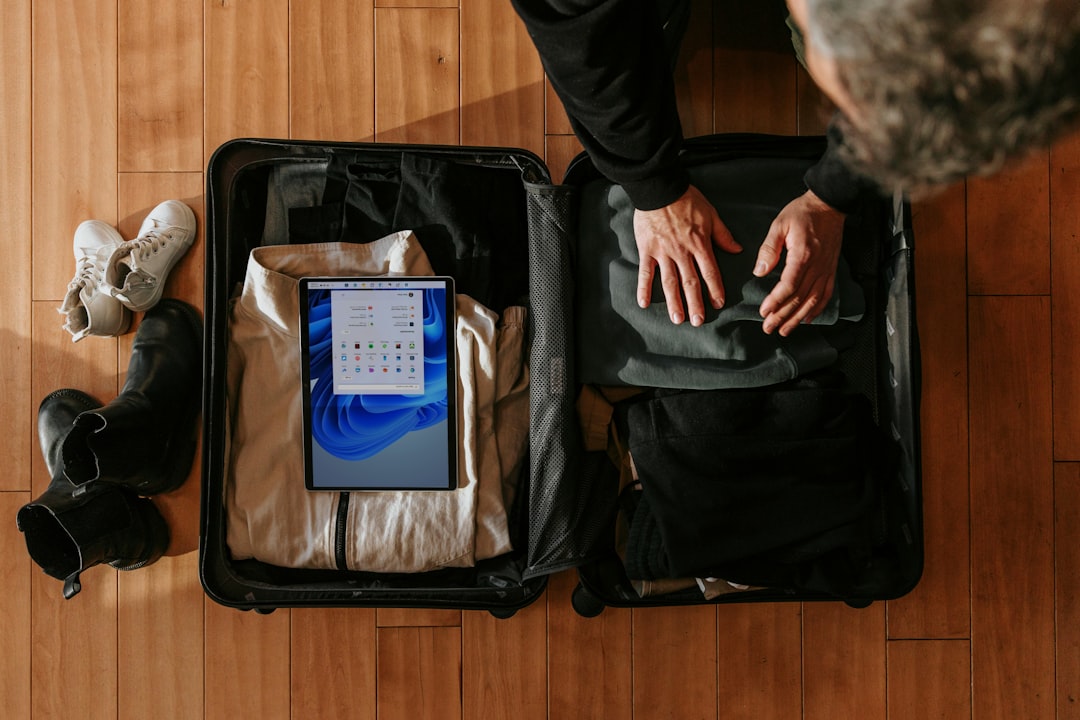
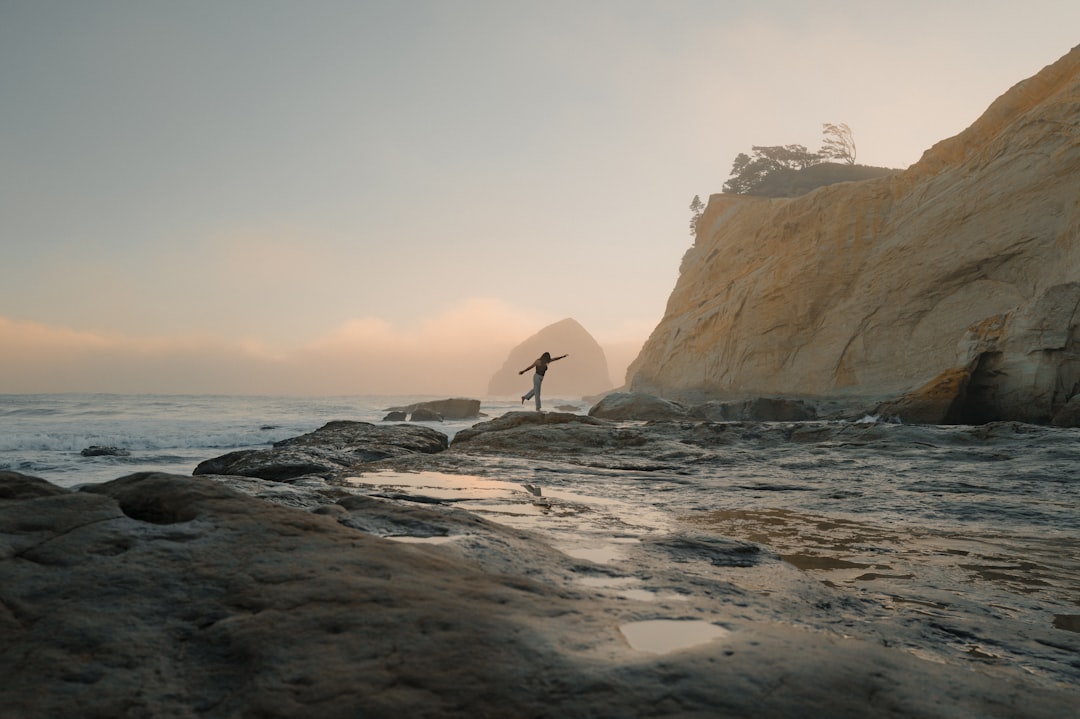
Photo by Surface on Unsplash
Surprising fact: many frequent travelers now spend less than five minutes packing because they've mastered how to pack carry-on efficiently. If you've ever missed a flight while waiting at baggage claim or paid to check a bag you barely used, this guide is for you. "How to pack carry-on" is not a one-size-fits-all trick — it's a system you can adapt to weekend city breaks, business trips, beach weeks, and longer explorations.
This article blends practical checklists with sensory travel writing so you can imagine yourself arriving at a rain-slicked European street or a sun-warmed coastal town with everything you need — all in one carry-on. I'll include specific packing lists, space-saving techniques, baggage recommendations, and real-world travel details so you can pull off carry-on only travel with confidence.
TravelDeck users often tell me the right packing routine feels like a personal ritual; here's a routine you can rely on.
Why carry-on only matters (and feels so good)
Photo by Laura Chouette on Unsplash
There is a quiet pleasure in stepping off a plane without waiting for a luggage carousel. Carry-on only travel saves time, reduces stress, and shrinks your chance of lost luggage. Beyond logistics, traveling light changes how you travel: you walk faster, you choose more intentionally, and you keep your plans flexible. The scent of a city is different when you move quickly between trains and trams, unburdened by heavy suitcases. Your choices in clothing and gear become stories you tell later: the scarf that doubled as a blanket, the sneakers that lasted a hundred miles of cobblestone.
Primary principles before you pack
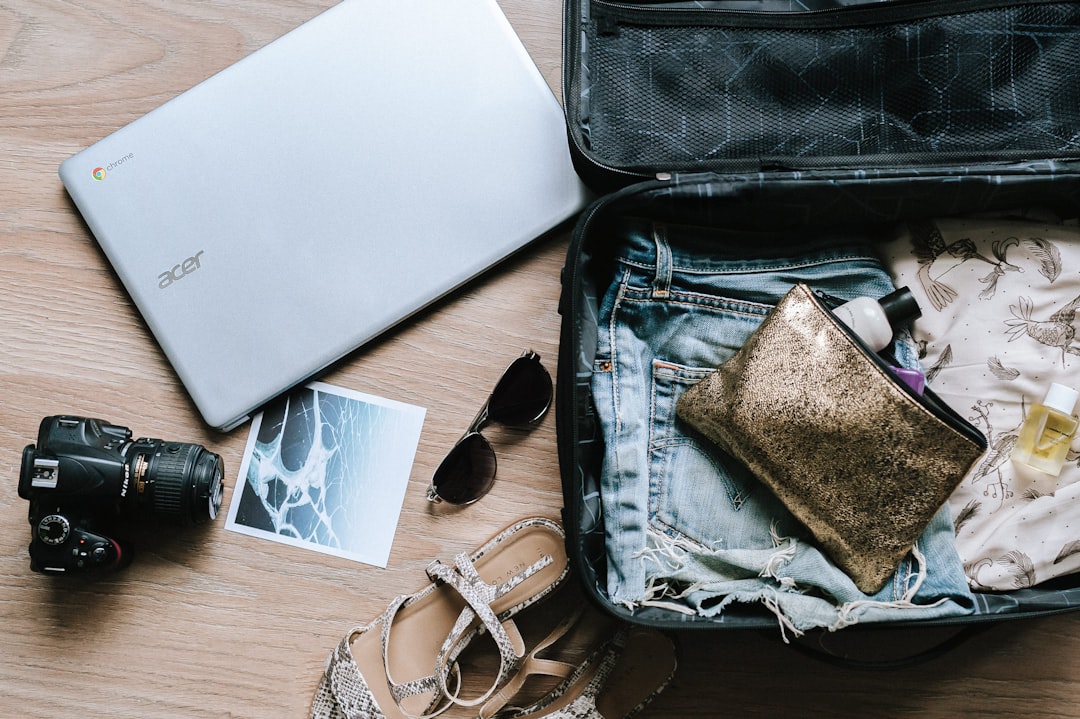
Photo by Muhammad Masood on Unsplash
Start with decisions, not items. Answer three questions first:
- How long is the trip? (weekend, 7–10 days, two weeks?)
- What's the climate/activity mix? (city museums, beach, hiking, formal events?)
- Will laundry be available?
Once you answer those, the following principles will guide every choice:
- Versatility: every item should do at least two jobs.
- Layering: choose thin, insulating layers rather than bulky single items.
- Neutral palette: mix-and-match colors reduces the number of pieces you need.
- Fabric choice: merino and quick-dry synthetics save space and odor.
- Minimize duplicates: one good pair of shoes beats two mediocre ones.
The bag: foundation of carry-on success
Choose a bag first, then build the wardrobe to fit it. Popular, effective formats in 2026 include:
- 40–45L soft travel backpack (Peak Design Travel Backpack 45L, Osprey Farpoint 40): flexible, fits many regional jets, comfortable for long airport walks.
- 21–22 inch rolling carry-on (Away, Monos): structured, maximizes packing density, ideal for polished business travel.
- Hybrid duffel/backpack (Patagonia Black Hole 40L): adaptable for urban and outdoor trips.
Pick one that genuinely fits airline published dimensions with a little margin — airlines and gate agents vary in enforcement. If you're flying regional jets frequently, prefer a backpack that can fit under the seat.
The clothing system: a carry-on capsule
Imagine your wardrobe as a compact capsule that smells fresh and dries overnight. For a 7–10 day trip this baseline works beautifully:
Narrative: Picture morning light through a hostel window. You're slipping on the same merino tee for the third day; it still feels clean and light, like the memory of salt from yesterday's sea. You washed it in a sink last night; it dried on a radiator by noon.
- 5 pairs underwear (quick-dry/merino)
- 4 pairs socks (including one smart pair)
- 3 tops (two casual, one dressier)
- 2 bottoms (one pants, one shorts or skirt)
- 1 lightweight packable jacket (rain or down shell)
- 1 pair versatile shoes (clean sneaker or trail runner that can dress up)
- Sleepwear that doubles as loungewear
- One swimwear if needed
Narrative: Shoes create the mood. A clean leather-look sneaker gives you permission to slip into a small trattoria; trail runners let you follow a seaside footpath. Carry only one primary pair unless you have a specific need.
Toiletries & the TSA reality
TSA-style liquids rules still shape toiletries. The easiest route: go solid and minimize liquids. Solid bars take up less space and reduce stress at security.
- Solid shampoo and conditioner bars
- 30–50ml decants for essential liquids (prescription skincare, contact solution)
- Toothbrush + travel paste or buy locally
- Basic meds (painkiller, antihistamine, anti-diarrheal)
- Small first-aid kit
Narrative: p: The rinse of warm water and soap in a tiny sink at an auberge, the smell of rosemary shampoo from a solid bar — these small rituals anchor you on the road and keep your bag light.
Electronics: essentials only
Choose one primary computing device. For most leisure trips: smartphone plus either a tablet or a small laptop — not both. Keep cables to one multiport USB-C cable and a compact universal adapter.
- Smartphone + charger
- Compact power bank (10,000–20,000 mAh)
- Noise-cancelling earbuds or headset
- Optional: small camera
Packing technique: a step-by-step ritual
Narrative: Packing is an act of composition. You fold, roll, compress, and tuck until the bag hums with possibility.
- Lay everything out and remove 25% immediately.
- Use packing cubes: one for tops, one for bottoms, one for underwear/socks.
- Roll shirts tightly; roll merino first to preserve fibers.
- Place shoes in shoe bags at the base/perimeter.
- Pack heavier items close to the spine for backpacks; near wheels for suitcases.
- Stuff soft items (jacket, scarf) into gaps and as pillow for fragile items.
- Keep documents and a change of clothes in an accessible compartment.
Trip-specific lists (quick references)
Weekend city break (3 days):
- 2 tops, 1 bottom, underwear/socks, lightweight jacket, 1 shoe, toiletries mini, laptop or tablet.
Beach week (7 days):
- 3 swimsuits, 3 tops, 2 bottoms, sarong, sandals, reef-safe sunscreen decant, quick-dry towel.
Business trip (3-5 days):
- 2 dress shirts, 1 blazer (pack in garment sleeve), 2 trousers (one can be worn on flight), dress shoe that doubles as casual.
Adventure hike (4-7 days):
- Technical shirts, convertible pants, trail shoes, rain shell, small repair kit, headlamp.
Come arrivare / How to get there
Narrative: Arriving is part of the travel ritual — the rumble of tires, the airport lights, the smell of rain on tarmac. The right carry-on streamlines those first steps.
Major airports & tips:
- New York: JFK (JFK), LaGuardia (LGA) — expect longer security times; arrive 2.5 hours early for international.
- London: Heathrow (LHR), Gatwick (LGW) — check terminal for your carrier; Gatwick often cheaper for budget carriers.
- Paris: Charles de Gaulle (CDG), Orly (ORY) — regional trains connect to city center (RER B to CDG ~35–45 mins, €10–12).
Local connections: trains, buses, ferries and drive times vary; for mid-size European cities a train from the main station costs €15–40 and takes 1–3 hours typically. Taxis and rideshares are practical for late arrivals; always allow extra time for traffic.
Cosa fare / Things to do
Narrative: With a carry-on you can move freely between neighborhoods, lingering where the light falls right and leaving when it doesn't. Here are 6 activity ideas adaptable to most cities:
- Morning market visit: taste local pastries, listen to vendors, buy a small jar of jam as a souvenir.
- Walking food tour: neighborhoods reveal themselves in bites — gelato, street tacos, or fresh oysters.
- Sunset viewpoint: climb a hill or take an elevator to a rooftop bar for light that gilds the skyline.
- Museum afternoon: choose one main museum and wander slowly, taking notes.
- Short day trip: a train ride to a nearby town for a half-day adventure.
- Night neighborhood stroll: discover late-night cafés and a live-music spot.
Dove dormire / Where to stay
Budget (hostel & budget hotels): €20–€60 per night — private rooms from €45.
Mid-range: €80–€180 per night — boutique hotels or well-rated chain hotels.
Luxury: €250+ per night — centrally located hotels with concierge services.
Narrative: Staying centrally often costs more, but a short walk to main sights saves time and energy — both precious when you're only carrying a single bag.
Dove mangiare / Where to eat
Narrative: Food anchors memories. Eat where locals queue; the sound of knives, the aroma of garlic, the clatter of plates — these are the textures of travel.
- Street food stalls in main markets
- Small family-run trattorias or bistros in side streets
- Seafood fish markets for daytime seafood tasting
- A modern bistro for a splurge dinner
Consigli pratici / Practical tips
- Best months: shoulder seasons (spring and fall) reduce crowding and let you pack lighter.
- Weather: check 10-day forecasts and plan layers.
- What to pack: a light rain shell, merino baselayers, one pair comfortable shoes.
- Currency: carry local cash for small markets; use cards for most purchases.
- Safety: keep copies of important documents and use a slim RFID-blocking wallet.
- Connectivity: local eSIMs or short-term data plans avoid heavy roaming fees.
FAQ / Domande frequenti
Q: Can I really travel two weeks with only carry-on?
A: Yes — with planned laundry and a capsule wardrobe (merino + quick-dry fabrics) you can.
Q: How many liquids can I bring in carry-on?
A: Follow the 100ml/3.4oz per container rule in a single clear quart bag; solid bars avoid this limit.
Q: What if my bag gets gate-checked?
A: Pack valuables and a change of clothes in your personal item. Choose a durable bag to survive gate-check handling.
Comparison: budget tiers for common travel costs
| Category | Budget | Mid-range | Luxury |
|---|---|---|---|
| Accommodation (per night) | €25–€60 | €80–€180 | €250+ |
| Meal (midday) | €6–€12 | €15–€30 | €50+ |
| Local transport (day) | €3–€10 | €10–€25 | €30+ |
Practical external links
- Airline baggage policies: https://www.iata.org
- TSA carry-on rules: https://www.tsa.gov
- European train bookings: https://www.raileurope.com
Final reflection
Traveling with just a carry-on is a practice in restraint and delight. You learn to notice the small things — the texture of a market bread, the rhythm of a port at dawn — because you're not distracted by what you left behind in a checked bag. Start small: a weekend trip, then a week. Your confidence will grow with each roll of your shirts and each night you wash a merino tee in a sink and watch it dry by morning.
Safe travels, and may every trip feel like a neat pack and a new story.