Best Cities for Food Tours 2026: Global Culinary Capitals
Introduction

Photo by Vitaly Gariev on Unsplash
Have you ever planned a trip around a single dish? Food can be the reason you travel, the map you follow, and the memory that lingers longest. In this guide I spotlight the best cities for food tours 2026 — cities where every alley, market stall, and family-run kitchen tells a story. Expect sensory-rich descriptions, real logistics, and practical advice to turn a weekend escape into a culinary pilgrimage. Whether you crave fragrant street food, temple-to-table traditions, or chef-led market deep dives, this guide helps you choose the city that matches your appetite.
Why choose a food tour?
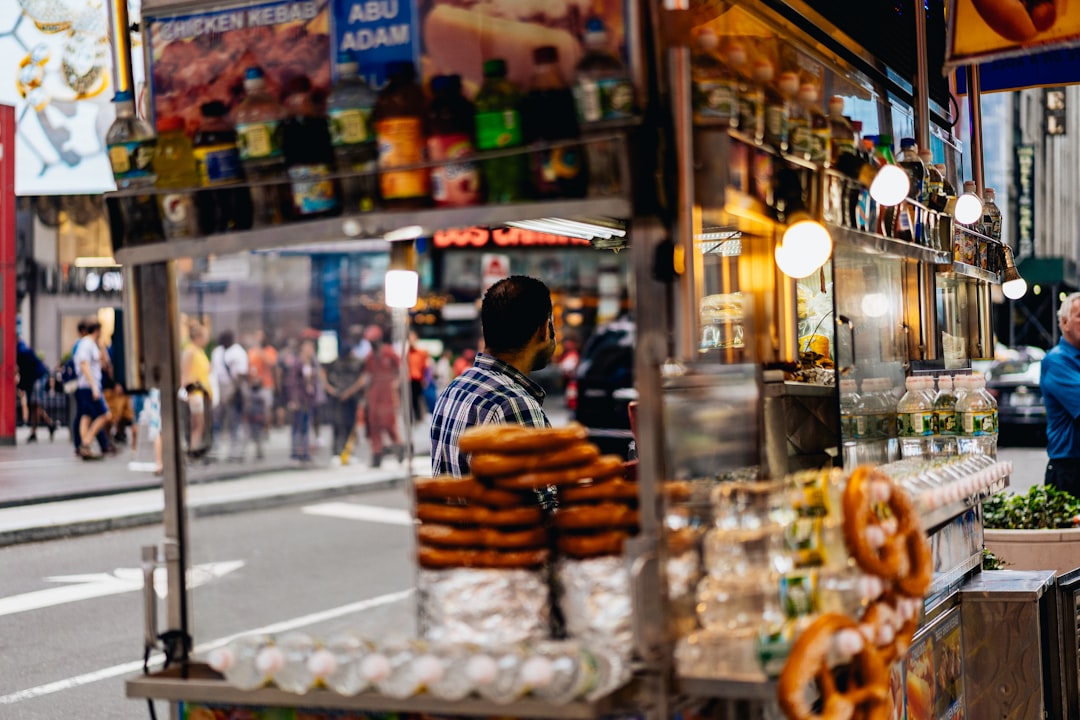
Photo by Dan Gold on Unsplash
Food tours are not just tastings; they are cultural crash-courses. A skilled guide translates language, history, and ritual into plates and gestures. On a good tour you’ll learn why a spice mix tastes different in one neighbourhood, how seasonal harvests shape menus, and where families pass recipes down through generations.
The best cities for food tours 2026 combine authenticity, density of great producers, and a diversity of price points. In this article I focus on cities known for exceptional guided experiences, chef-led walks, and neighbourhood market immersion.
Primary picks: The best cities for food tours 2026

Photo by Yuhan Du on Unsplash
Below are city profiles with atmosphere, must-eat dishes, and what makes the guided tours exceptional. Each city section ends with the required practical sub-sections for travel planning.
Bangkok, Thailand — Night markets & street theatre
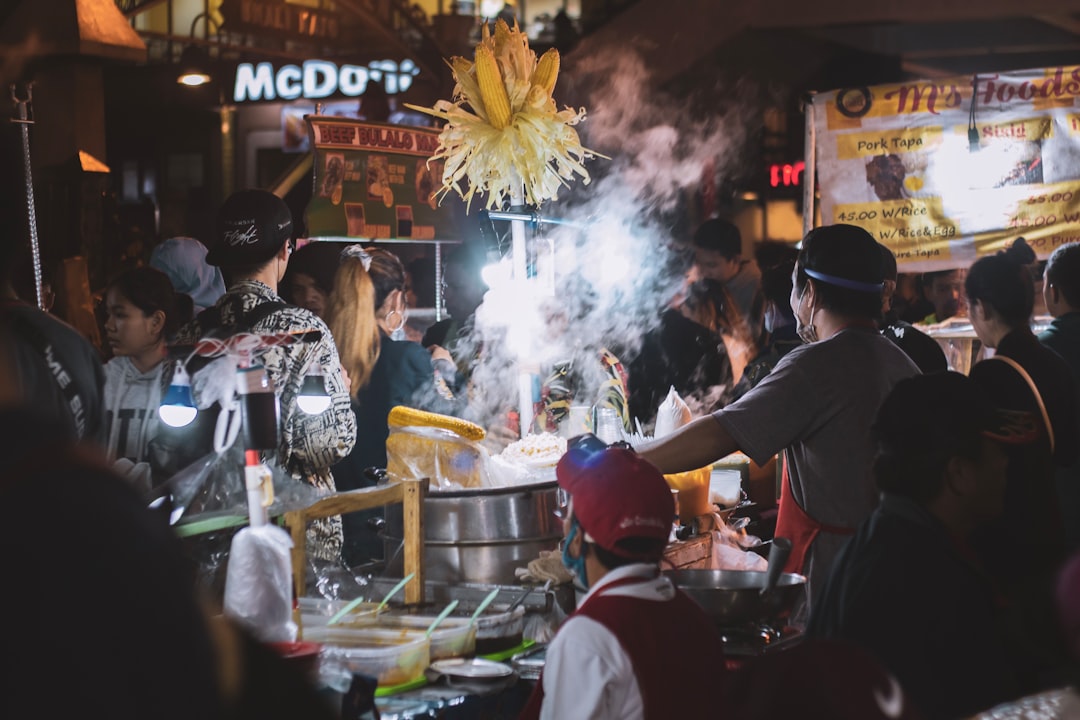
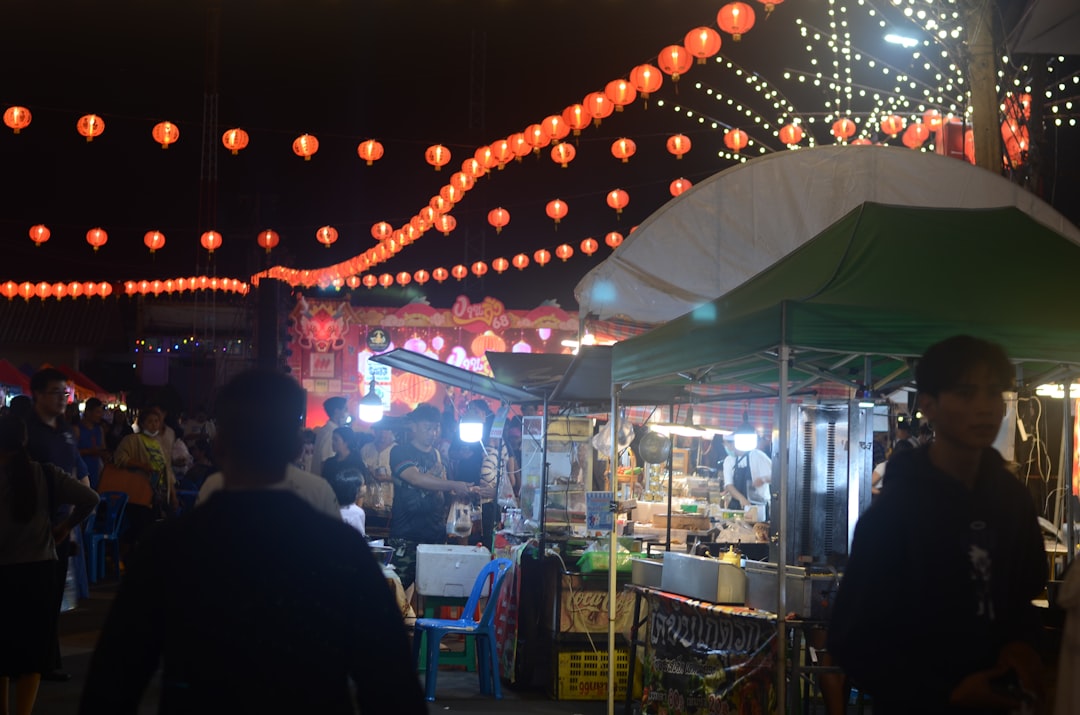
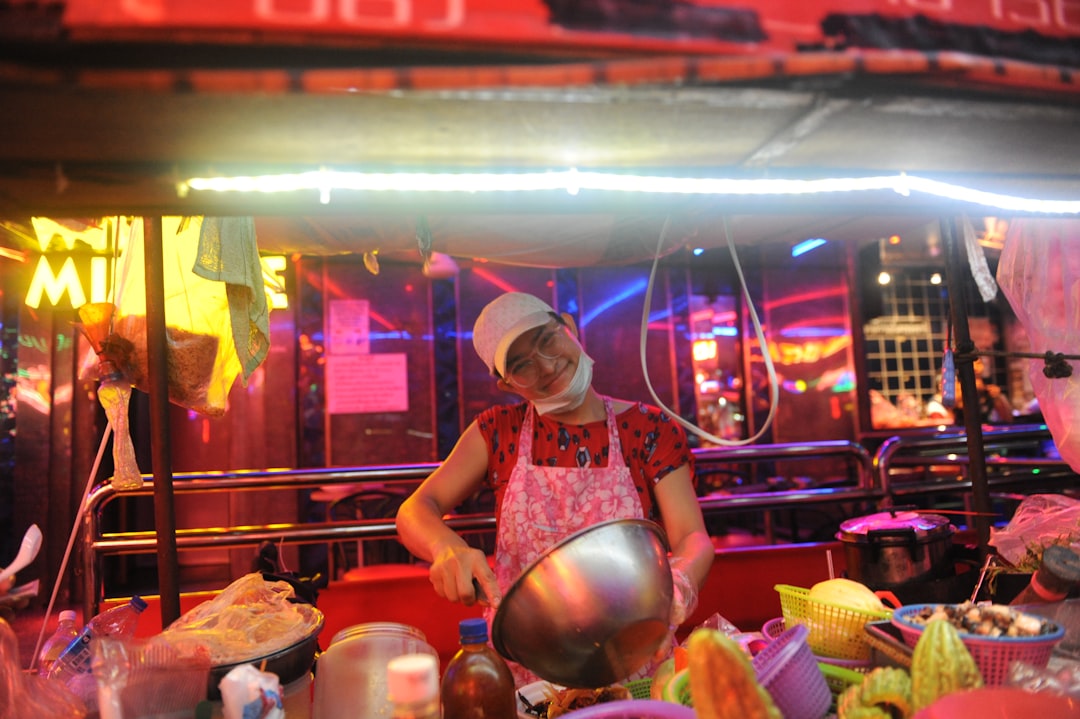
Bangkok’s alleyways are a theatre of sizzling woks, neon, and perfume of herbs. A guided night market tour here moves at a joyous, urgent tempo: vendors flip noodles, smoke curls from charcoal grills, and vendors call out in tones that feel part-song, part-invitation. Flavours are layered — sweet tamarind, roasted peanuts, fish sauce tang — with textures that alternate between crisp, chewy, and gelatinous in the space of one plate.
Street food guides curate stops for classics: pad thai from a master at a single wok, fishcakes with a spunky chile dip, mango sticky rice at a stall where mangoes arrive each morning, and rare vendors who still make boat noodles by the bowl. Tours also introduce you to lesser-known items: fermented fish salads, tropical fruit vendors with rare cultivars, and tiny khao gaeng counters where curries are ladled onto rice.
Come arrivare / How to get there
- Airports: Suvarnabhumi (BKK), Don Mueang (DMK). Suvarnabhumi handles most international flights.
- From BKK to city centre: Airport Rail Link (20–30 minutes, 45–120 THB), taxi (30–60 minutes, 300–500 THB with tolls).
- Costs: Tuk-tuk short rides 60–200 THB; MRT/BTS per trip 16–52 THB.
Cosa fare / Things to do
Bangkok tours typically include: Chatuchak morning market, Yaowarat (Chinatown) night walk, a hidden sois dessert crawl, and a temple-side breakfast of jok (rice porridge).
Dove dormire / Where to stay
- Budget: Khao San area guesthouses (US$15–35/night).
- Mid-range: Sukhumvit boutique hotels (US$60–140/night).
- Luxury: Riverside hotels like Mandarin Oriental or The Peninsula (US$300+).
Dove mangiare / Where to eat
Must-eats: pad thai, som tam, khao soi (in Northern-style kitchens), boat noodles (floating market style), mango sticky rice, durian stalls in season. Visit Yaowarat for late-night seafood and Chinatown sweets.
Consigli pratici / Practical tips
Best months: November–February (cooler, drier). Bring small bills for street vendors. Inform guides of allergies; fish sauce, shrimp paste, and peanuts are common.
FAQ / Domande frequenti
Q: Are food tours safe? A: Yes — pick small-group, well-reviewed operators and follow local advice. See "Eat Safely While Traveling 2026: A Savvy Food-Safety Guide" for more on food safety abroad.
---
Rome, Italy — Artisan lanes and ancient recipes
Rome’s food tours are an immersion in slow craft: bakeries producing morning breads, tiny fromageries, and salumerie where prosciutto hangs like amber curtains. The city’s food culture is territorial: Testaccio offers working-class classic dishes, Trastevere offers atmospheric trattorie, and Mercato Centrale and Campo de' Fiori hum with fresh produce and cured fish.
Tastes lean toward olive oil, fresh herbs, and perfected simplicity — a cacio e pepe that feels like a revelation from a single technique, supplì crisp on the outside, molten inside. A local guide explains Roman social cuisine: how aperitivo became ritual, why carbonara has no cream, and which neighbourhoods preserve older recipes.
Come arrivare / How to get there
- Airports: Fiumicino (FCO), Ciampino (CIA).
- From FCO: Leonardo Express to Roma Termini 32 minutes, €14; regional trains 30–45 minutes cheaper options.
- Taxis: fixed fares from FCO to city centre ~€48.
Cosa fare / Things to do
- Market tours: Testaccio Market (Piazza Testaccio), Campo de' Fiori.
- Cooking class: hand-rolled pasta session in Trastevere.
- Evening passeggiata with aperitivo in Monti.
Dove dormire / Where to stay
- Budget: Guesthouses near Termini €40–70/night.
- Mid-range: Monti boutique hotels €120–220/night.
- Luxury: Historic palazzo hotels near the Pantheon €350+.
Dove mangiare / Where to eat
Must-eats: supplì, carbonara (traditional), coda alla vaccinara (Testaccio), Roman-style pizza al taglio, gelato near the Pantheon.
Consigli pratici / Practical tips
Best months: April–June, September–October. Book popular food tours early in high season. Many artisanal shops close Sunday afternoon.
---
Mexico City, Mexico — Mesoamerican roots & modern tables
Mexico City’s tasting tours braid indigenously rooted practices with contemporary innovation. Market tours in La Merced or Mercado de San Juan reveal heirloom chilies, chapulines, and the dizzying variety of masa. Street vendors hand-press tortillas, and near-dusk the taco scene becomes electric: anchos, suadero, canasta tacos steaming from woven baskets.
Guides here are storytellers who link pre-Hispanic techniques to modern chef labs — you’ll taste moles with 20+ ingredients, tamales with regional fillings, and tacos prepared with near-religious attention to tortilla heat and salsa acidity.
Come arrivare / How to get there
- Airport: Benito Juárez International (MEX).
- From airport to Centro Histórico: taxi/Uber 30–50 minutes MXN$250–MXN$450; Metro Line 5 cheaper but less direct.
Cosa fare / Things to do
- Morning market walk: Mercado de Medellín or La Merced.
- Tlaxcala-style mole tasting in Coyoacán.
- Street taco crawl in Condesa/Roma.
Dove dormire / Where to stay
- Budget: Hostels in Centro and Roma MXN$300–MXN$800/night.
- Mid-range: Boutique hotels in Condesa MXN$1,200–MXN$3,200/night.
- Luxury: Polanco five-star hotels MXN$4,500+.
Dove mangiare / Where to eat
Must-eats: tacos al pastor, barbacoa, tlacoyos, huitlacoche quesadillas, regional moles, and artisanal chocolate.
Consigli pratici / Practical tips
Best months: October–April for dry weather. Street-food safety: choose busy stalls with local queues. Carry cash for markets.
---
Barcelona, Spain — Markets, tapas & coastal freshness
Barcelona blends the theatricality of tapas culture with fishermen's freshness. La Boqueria is sensory overload — piles of citrus, cuts of tuna that shimmer, skewers, and montaditos. Guided tapas walks teach the rhythm of Spanish dining: small shared plates, late dinners, and the politics of ordering rounds of vermouth.
A tour guide’s role is crucial: in Catalonia there are local variations (escalivada, botifarra, anchovies from L’Escala) and an explanation makes the flavours sing against their cultural backdrop.
Come arrivare / How to get there
- Airport: Barcelona-El Prat (BCN).
- From airport: Aerobus to Plaça Catalunya 35 minutes €5.90; train R2 Nord to Passeig de Gràcia.
Cosa fare / Things to do
- La Boqueria market tour (La Rambla 91).
- Tapas crawl in Born and Gothic Quarter.
- Seafood tasting at Barceloneta.
Dove dormire / Where to stay
- Budget: Hostels in Gothic Quarter €20–€60/night.
- Mid-range: Eixample hotels €100–€200/night.
- Luxury: Seafront hotels in Barceloneta €250+.
Dove mangiare / Where to eat
Must-eats: patatas bravas, bombas, bombas de la Barceloneta, fideuà, and pintxos in Catalan bars.
Consigli pratici / Practical tips
Best months: May–June and September. Beware pickpockets in crowded markets. Start a market tour mid-morning for peak freshness.
---
Lima, Peru — Coastal ceviche & Andean heritage
Lima is a culinary capital where Pacific seafood meets Andean tubers and Amazonian ingredients. Ceviche is central: soulful, bright, and varied by the fish and leche de tigre recipe. Guided tours include visits to surquillo or atarjea markets and interactions with cebicherías where citrus is clinical and textures precise.
Peruvian food tours emphasize hybrid identity — Spanish, Indigenous, African, and Asian influences. In one afternoon you might taste causa, anticuchos, tiradito, and chifa (Peruvian-Chinese) dishes.
Come arrivare / How to get there
- Airport: Jorge Chávez International (LIM).
- From LIM to Miraflores: taxi 20–40 minutes, S/.25–S/.60 (approx S/.25–S/.60 depending on traffic), Aeropuerto Express costly but fast.
Cosa fare / Things to do
- Mercado de Surquillo visits.
- Barranco food walks and cevichería hopping.
- Cooking class learning to make causa and ceviche.
Dove dormire / Where to stay
- Budget: Hostels in Miraflores S/.40–S/.100/night.
- Mid-range: Miraflores boutique hotels S/.200–S/.450/night.
- Luxury: San Isidro or Miraflores five-stars S/.800+.
Dove mangiare / Where to eat
Must-eats: ceviche, lomo saltado, anticuchos, causa, and Amazonian fruit tastings. Visit Larcomar for coastal views and mid-range dining.
Consigli pratici / Practical tips
Best months: December–April (warm, though liver wet season along coast), but Lima’s mild climate makes year-round visits fine. Bring motion-sickness remedies for water-based fishing tours.
---
How to compare these cities (quick reference)
| City | Signature focus | Best season | Typical tour length |
|---|---|---|---|
| Bangkok | Night markets, street food | Nov–Feb | 3–4 hours |
| Rome | Artisan producers, markets | Apr–Jun, Sep–Oct | 3–5 hours |
| Mexico City | Markets, pre-Hispanic to modern | Oct–Apr | 3–6 hours |
| Barcelona | Tapas, market tours | May–Jun, Sep | 2–4 hours |
| Lima | Seafood, market immersion | Dec–Apr | 3–5 hours |
How to pick the right food tour (short checklist)
Narrative: The right food tour matches your curiosity level. Do you want hands-on learning or a tasting-heavy evening? A chef-led small group offers deep context; a market-based walking tour offers variety and pace. Consider seasonality: truffle or harvest seasons create unique opportunities.
Checklist:
- Group size: aim for 8–12 max for conversation.
- Guide credentials: chef-led, market specialist, or long-term local vendor?
- Producer access: can the tour take you behind the scenes to a kitchen, bakery, or fromagerie?
- Dietary needs: confirm in advance.
Practical planning details
- Budget tiers for tours: basic street-food crawl US$25–$50; premium chef-led market-to-table experiences US$120–$300.
- Insurance: confirm food-related exclusions in travel insurance.
- Currency: carry local cash for market purchases; cards often not accepted at small stalls.
Useful external links:
- Thailand tourism: https://www.tourismthailand.org
- Italy tourism: https://www.italia.it/en
- Mexico tourism: https://www.visitmexico.com
- Spain tourism: https://www.spain.info/en
- Peru tourism: https://www.peru.travel/en-us
Comparison table: Budget tiers for a 4-hour food tour
| Tier | What to expect | Price range |
|---|---|---|
| Budget | Group walk, 6–8 tastings, public market stops | US$20–US$50 |
| Mid | Smaller group, 8–10 tastings, one seated stop | US$60–US$140 |
| Premium | Chef-led, producer visits, wine pairings | US$150–US$350 |
Practical tips / Consigli pratici
- Best months: consult city sections, but aim for shoulder seasons to avoid crowds.
- What to pack: comfortable shoes, small backpack, lightweight rain jacket, hand sanitizer, reusable cutlery if you prefer.
- Customs: tipping varies by country — Thailand 0–10% optional, Italy 5–10% modest rounding, Mexico 10–15% in sit-down spots.
- Safety: choose tours with local reviews, avoid empty stalls at the end of the night, and store valuables in front pockets.
- Connectivity: buy a local SIM or international plan; many guides message arrival details via WhatsApp.
FAQ / Domande frequenti
Q: How long should a food tour last? A: Typically 3–4 hours for neighbourhood immersion; full-day options exist for market + cooking class combos.
Q: Are food tours suitable for vegetarians? A: Many operators offer vegetarian/vegan options but confirm in advance.
Q: How much should I tip the guide? A: 10–20% is common for excellent service, adjusted to local norms.
Q: Can I book last-minute? A: Popular chef-led tours sell out in high season — book 1–4 weeks ahead.
Final thoughts
Some trips change what you eat; the best trips change how you look at food. Choosing among the best cities for food tours 2026 comes down to what you want to learn: the technical mastery of Rome’s pasta, Bangkok’s streetwise immediacy, Mexico City’s living culinary history, Barcelona’s communal tapas rhythm, or Lima’s coastal-andean hybridity. Each city rewards curiosity: ask questions, follow the queues, and be brave with unfamiliar flavours.
If you want a practical next step, cross-reference guides and book small-group chef-led tours for the most authentic access. For trip planning tools and to assemble your itinerary in one place, visit https://traveldeck.ai — it can help organise flights, tours, and neighbourhood notes in a single view.
Bon voyage and buon appetito — may your next trip be measured in memories, not miles.