Budget Travel Strategies 2026: Smart Ways to Stretch Every Euro
Budget Travel Strategies 2026: Stretch Every Euro and Travel More
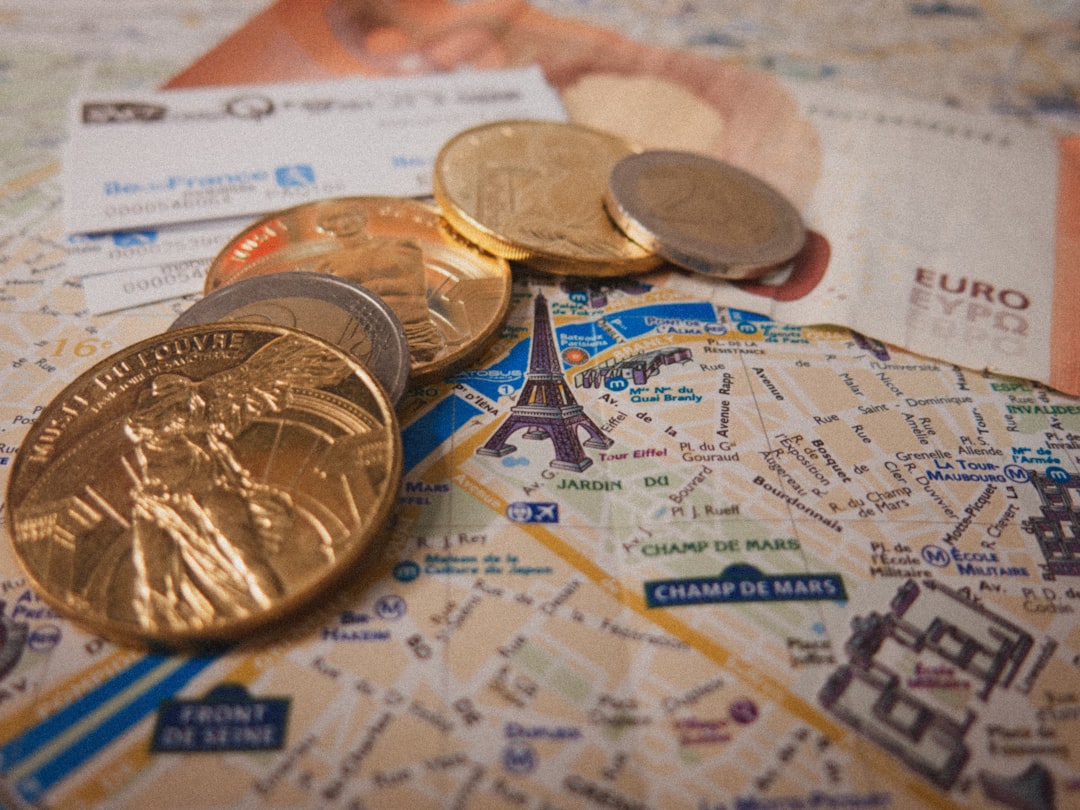
Photo by Odinei Ramone on Unsplash
Have you ever realized a single tweak in planning could save hundreds on a trip? Budget travel strategies 2026 are not about deprivation — theyre about precision: choosing the right days, the right neighborhoods, and the right local experiences so your money buys memories instead of markups. In this long-form guide youll find practical money-saving tactics, exact cost breakdowns, and sensory travel notes to help you travel farther for less.
Why smart budgeting feels luxurious
Photo by Omar Al-Ghosson on Unsplash
Travelers who master budget travel strategies 2026 report something surprising: they enjoy trips more. When you plan with intent you trade wasted money for meaningful experiences. Picture this: waking early to watch salmon-pink sunrise light a quiet piazza because you saved on accommodation and chose an authentic neighborhood. The smell of fresh bread from the corner bakery tastes better when you paid less but chose well.
Primary keyword: budget travel strategies 2026
Photo by Ling App on Unsplash
This guide uses "budget travel strategies 2026" as its focus and repeats the phrase naturally throughout to keep recommendations tight and searchable.
What youll learn (quick roadmap)
- How to build a flexible, value-based budget
- Exact cost breakdowns for low-, mid-, and high-value trips
- Transport and accommodation hacks that save real money
- A full practical section: How to get there, Things to do, Where to stay, Where to eat, Practical tips, and FAQ
- Tools and links to book smarter (including TravelDeck: https://traveldeck.ai)
The mindset: value over cheapest
Budget travel strategies 2026 start with one mindset shift: prefer value over mere cheapness. Value means the best experience per euro. That could be a comfortable, centrally-located guesthouse that saves you taxi fares and time, or a curated local food tour that costs more upfront but opens doors to meals youd never find alone.
Narrative: I once spent the same on two nights in a cramped hotel and a week in a sunny seaside guesthouse after choosing value. The guesthouses kitchen became a social hub; the savings on food and transport multiplied. It was a small decision that shaped an entire trip.
Secondary keywords (used throughout)
- cheap travel tips 2026
- how to save money traveling
- budget trip cost breakdown
How to build your budget (step-by-step)
Start with an honest baseline: look up typical daily costs for your destination and decide how many days you want to travel. Break the total into categories: accommodation, food, transport, activities, and buffer. Use a 15-20% buffer for surprises or one-off splurges.
Narrative: Treat your budget like a travel itinerary it should be flexible enough to let a spontaneous train detour happen without wrecking your trip.
Practical steps:
- Research typical daily rates for your target destination.
- Allocate percentages: Accommodation 30-35%, Food 20-25%, Transport 15-20%, Activities 15-20%, Misc 10-15%.
- Add emergency buffer (15-20%).
Example cost breakdown (7-day short trip, mid-range Europe):
- Flights (return): 120-250
- Accommodation (6 nights, mid-range): 420-600
- Food: 210-280
- Local transport: 70-120
- Attractions and tours: 80-150
- Buffer: 120
- Estimated total: 1,020-1,540
Cheap vs. smart spending: where to cut, where to splurge
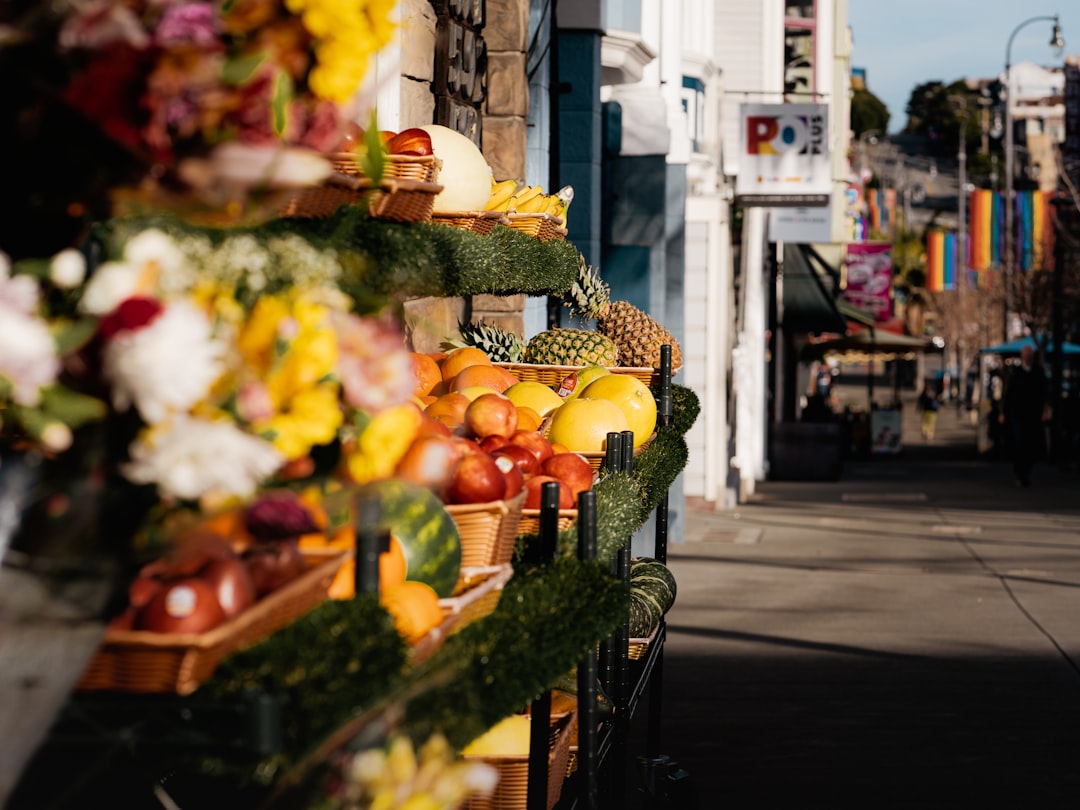
Narrative: On a rainy morning wandering an old market, I learned to save on breakfasts and splurge on a single unforgettable cooking class. The breakfast savings funded a day of tactile learning: kneading dough, chopping herbs, tasting everything.
Save on:
- Breakfasts (markets, bakeries)
- Inner-city taxis (use trams, buses, bikes)
- Tours you can replicate with a good guidebook or free walking tours
Spend more on:
- One or two high-impact experiences (specialty food, guided hikes, private museum tours)
- Comfortable bed in a safe neighborhood
- Durable gear that keeps working across trips
Come arrivare / How to get there
Narrative: Airports can feel like gateways or money pits. Choose arrival times that reduce late-night transfers and seek routes that land you near public transport.
Airports and routes (example city template you can adapt):
- Major airport code (e.g., Amsterdam AMS): direct flights from main hubs; express train to city center ~30 minutes, 5-16, 20-25 minutes.
- Secondary airports (e.g., Eindhoven EIN, Beauvais BVA): cheaper flights but factor in shuttle cost 10-30 and 60-120 minutes.
Transport options and approximate costs/durations:
- Airport express train: 20-45 minutes, 3-20.
- Shuttle bus: 45-90 minutes, 6-25.
- Regional train: 30-120 minutes, 5-30.
- Overnight buses (economical): 3-8+ hours, 10-40.
Booking tips:
- Compare fares on Skyscanner and Google Flights.
- For low-cost airlines (Ryanair, EasyJet), check final price after baggage and seat fees.
- For intercity travel, book early for cheapest train prices.
External booking resources:
- Skyscanner: https://www.skyscanner.net
- Ryanair: https://www.ryanair.com
Cosa fare / Things to do (5-8 activities)
Narrative: Each city has a rhythm. Move with it. Choose a mix of free and paid activities so your days unfold naturally: wandering markets at dawn, museum afternoons, sunset viewpoints.
1) Sunrise market visit + local breakfast (neighborhood address): taste seasonal pastries and fresh fruit. Expect price range 2-8 per person.
2) Free walking tour (meeting point: central square, tip-based): great orientation and local stories.
3) Signature museum with a timed-entry ticket (address & booking link): prebook to save time; cost 10-25.
4) Guided food experience or cooking class (host family or small-group): 30-60, unforgettable learning.
5) Scenic viewpoint or rooftop terrace (address): sunset is crowded but worth it; small drink cost.
6) Day trip by regional train to nearby town (station names and times): 8-25 return, 30-90 minutes.
7) Evening live music in a small venue (neighborhood): cheap cover or donation; the best local atmosphere.
Each activity blends low-cost options with one or two splurges to keep your trip rich.
Dove dormire / Where to stay
Narrative: Accommodation sets the tone for your trip. A bright, tidy guesthouse in a residential lane can feel like a home base; a central hostel can be a social cocoon.
Budget tier suggestions (price ranges are approximate per night):
Budget (hostels, private rooms):
- Central hostel dorm: 12-30/night. Look for 4-8 bed dorms with lockers.
- Guesthouse room in residential neighborhood: 35-60/night.
Mid-range (B&Bs, 2-3* hotels, apartments):
- Family-run B&B near transport links: 70-120/night.
- One-bedroom apartment (weekly or nightly): 80-150/night.
Luxury (4-5* hotels, boutique):
- Boutique hotel in city center: 180-350/night.
- City-centre design hotel with concierge: 250+.
Booking tips:
- Check refundable rates when plans could shift.
- For stays 7+ nights, message hosts for weekly/monthly discounts.
- Consider small hotels with kitchenettes to lower food costs.
Dove mangiare / Where to eat
Narrative: Food is the most sensual currency of travel. The sizzling of a street grill, citrus and herb smells at a market, the warm crust of bread these are what linger.
Local dishes to try (examples adaptable by region):
- Hearty breakfast special (full local breakfast) for a slow start.
- Market snacks: savory pastries, grilled skewers, fresh-pressed juices 1-6 each.
- Neighborhood trattoria or tavern for dinner: set menus often give the best value, 10-25.
- Street food staples (tacos, kebabs, crepes): 1-8.
Recommended approach:
- Eat like a local for lunch (cheaper, tastier portions).
- Save one night for a memorable restaurant experience and book ahead.
Apps and market tools:
- TheFork for mid-range restaurant deals.
- Local market websites for opening hours and vendor lists.
Consigli pratici / Practical tips
Narrative: Small practical choices add up. A local transit card and a reusable bottle can save both money and stress.
Best months & weather: Choose shoulder months for better prices and decent weather. Peak season brings crowds and higher prices.
What to pack:
- Lightweight daypack, reusable water bottle, plug adapter, a compact rain layer.
- One nicer outfit for a special meal or concert.
- Comfortable walking shoes (your best money-per-use item).
Currency & payments:
- Use a fee-free travel card for ATM withdrawals and card purchases.
- Carry a small amount of local cash for markets and tips.
Safety & connectivity:
- Use official taxi apps or registered cabs at night.
- Keep scanned copies of travel documents.
- Buy a local SIM or an eSIM for extended trips when data matters.
Health:
- Pack a small first-aid kit and any prescriptions in original packaging.
- Check travel insurance that covers medical evacuation and trip interruption.
FAQ / Domande frequenti
Q: How much should I budget per day for an affordable European city in 2026?
A: For a budget traveler expect 45-70/day (hostel or budget B&B, public transit, street food). Mid-range travelers should plan 90-160/day.
Q: Are last-minute deals real or risky?
A: They exist for hotels and certain flights, but only if youre flexible. For peak dates, book ahead. Use apps like HotelTonight for last-minute rooms.
Q: Is travel insurance worth it on short cheap trips?
A: Yes. Lost baggage, sudden illness, or cancellations can cost far more than a basic policy.
Q: How can I avoid tourist traps that overcharge?
A: Walk a few blocks from main sights, ask locals for neighborhood restaurant tips, and compare menu prices before sitting down.
Comparison tables (examples)
Accommodation comparison (per night):
- Budget dorm: 12-30
- Budget private room: 35-60
- Mid-range hotel/B&B: 70-120
- Boutique hotel: 180-350
Transport options (short city-to-city):
- Bus (economy): 10-40, duration varies
- Train (advance fare): 20-60, faster and central
- Budget flight: 25-80, factor in airport transfers
Month-by-month cost tip:
- Jan-Feb: lowest prices and quiet streets but colder weather
- Apr-May & Sep-Oct: shoulder season balance of weather and prices
- Jun-Aug: peak prices and crowds
Useful external links
- National tourism sites and official transport: look for the citys official tourism board or national rail operator.
- Flight search: https://www.skyscanner.net
- Low-cost carrier info: https://www.ryanair.com
- Hotel last-minute app: https://www.hoteltonight.com
Internal links
For budgeting fundamentals, see How to Create a Realistic Travel Budget 2026: Practical Roadmap.
For timing your trips to avoid crowds, see Shoulder Season Travel Tips 2026: Save Money, Skip Crowds.
Final thoughts
Budget travel strategies 2026 are less about cutting every corner and more about making smarter choices: timing your trip, choosing neighborhoods that save time and money, and investing in one or two memorable experiences. The best trips are not the most expensive ones, but the ones where each euro was spent with intention. Travel lighter, taste deeper, and plan smarter your next adventure is waiting.