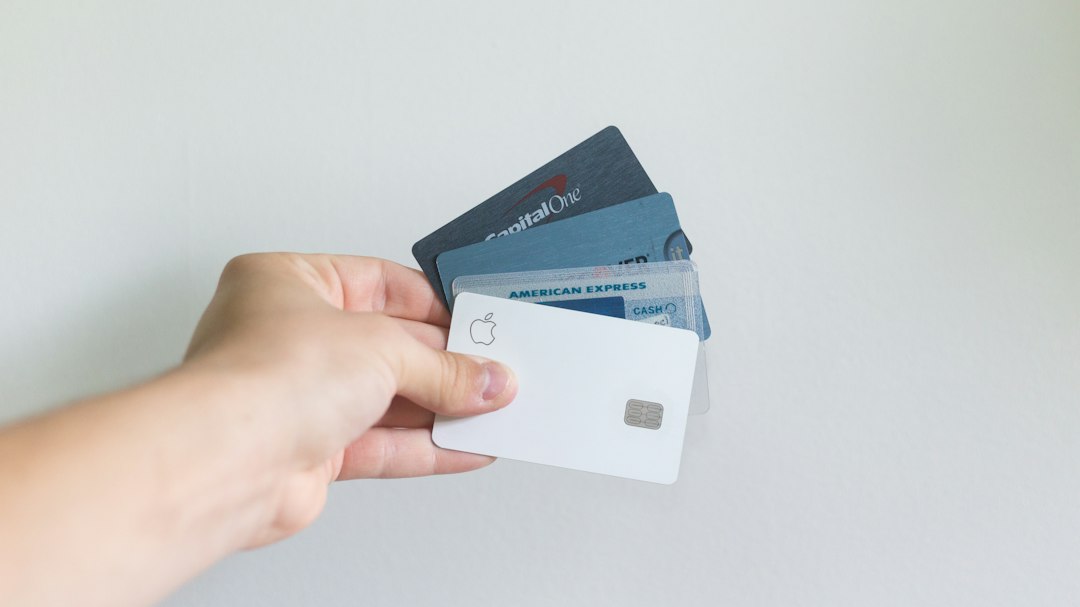
One welcome bonus can be worth more than a shoulder-season ticket from New York to Lisbon, yet many travelers redeem it like loose change at the bottom of a drawer. If you are learning how to use travel points, the real skill is not collecting the biggest number. It is knowing when a redemption is excellent, when cash is smarter, and which card turns ordinary spending into a trip you would have paid real money for anyway.
The good news is that how to use travel points is far less mysterious than the glossy ads make it seem. You do not need five premium cards, a color-coded spreadsheet, or an obsession with airport lounges. You need a small system: one or two well-chosen travel rewards cards, a clear rule for when to redeem, and a real-world budget test. In this guide, I will show you the best travel credit cards by traveler type, the mistakes that quietly destroy value, and a sample Lisbon trip that shows what points can actually save.
How to use travel points without turning them into expensive coupons
Photo by Duskfall Crew on Unsplash
Points feel glamorous because they hide the price. A roundtrip flight might say 48,000 points, but unless you compare that redemption against the cash fare, taxes, and annual fee you paid to earn those points, you have no idea whether you won or simply changed currencies. That is why so many first-timers end up cashing out flexible points for gift cards, low-value statement credits, or bad portal bookings when a cash ticket was cheaper all along.
The hardest part of how to use travel points is emotional, not mathematical. Travelers often hoard points because they are waiting for a perfect redemption, or they burn them too fast because the word free feels irresistible. Both habits miss the point. Travel points are best used as a tool to lower the cost of trips you genuinely want to take, especially expensive flights and hotel nights where cash prices sting.
A useful mindset is simple: points are not trophies. They are a travel budget. Once you start treating them that way, the noise falls away and the strategy gets clearer.
Here are the three rules that keep points useful:
- Start with flexible points, not niche currencies. Flexible bank points usually give beginners more ways to book flights and hotels, especially if your travel style changes.
- Compare every redemption against the cash price. If a flight is cheap in cash, save your points for a date or route where fares spike.
- Never pay interest to earn rewards. Travel rewards cards only make sense if you pay in full every month. A single month of interest can wipe out a year of value.
The best travel credit cards for people learning how to use travel points
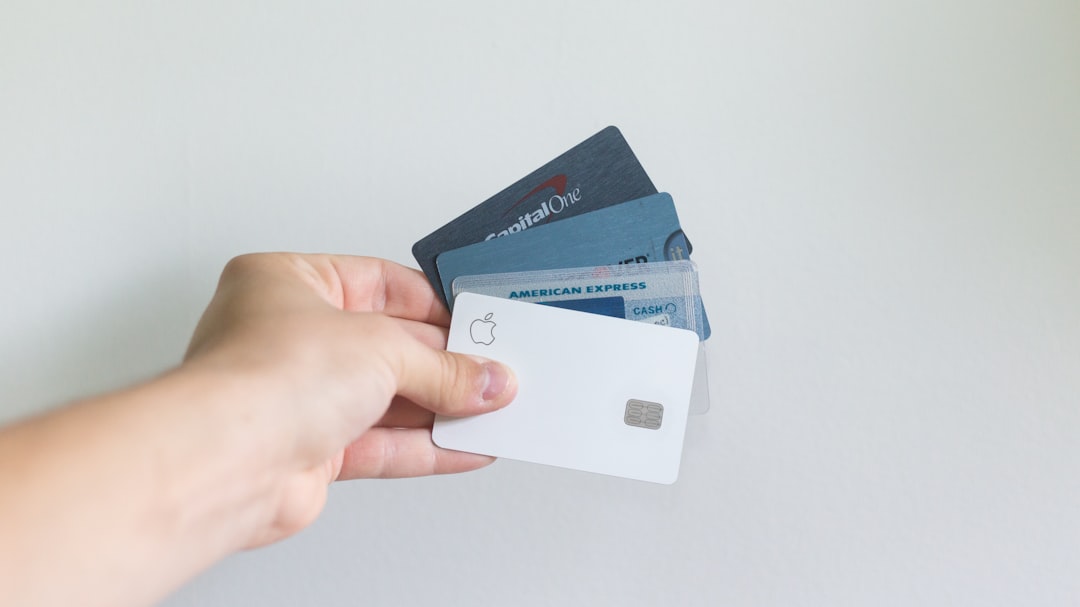
Photo by Avery Evans on Unsplash
The best travel credit cards are not the cards with the flashiest photos or the highest annual fees. They are the ones that match the way you already move through the world. Maybe you travel twice a year and eat out often. Maybe you live near a United hub and check a bag every trip. Maybe you want lounge access but hate tracking bonus categories. The right answer depends less on status fantasies and more on your habits on a Tuesday in February.
For budget-minded travelers, I like cards that do one of three things especially well: earn flexible points, make everyday spending easy, or offset travel costs with benefits you will genuinely use. A card that looks premium on paper can still be a bad fit if you never use the credits, while a lower-fee card can be excellent if it turns dining, flights, and routine travel purchases into a practical stash of points.
Below is a simple starting shortlist of travel rewards cards that work for different styles of traveler in 2026.
| Card | Best for | Annual fee | Typical welcome offer structure | Why it can save money | Watch-out |
|---|---|---|---|---|---|
| Chase Sapphire Preferred | First flexible points card | $95 | 75,000 points after qualifying spend in 3 months | Strong dining and travel earning, good protections, easy entry point | Best value comes when you actively redeem or transfer |
| Capital One Venture X | Simple earning plus premium perks | $395 | 75,000 miles after qualifying spend in 3 months | 2x on most purchases, annual travel credit, anniversary miles, lounge access | You need to use the travel credit well to justify the fee |
| Chase Sapphire Reserve | Frequent flyers who will use premium perks | $795 | 150,000 points after qualifying spend in 3 months | Broad annual travel credit, strong lounge access, rich travel protections | High fee if you only travel occasionally |
| United Quest | Travelers loyal to United | $350 | Up to 70,000 miles plus qualifying point bonuses | Free checked bags, priority boarding, United-specific value | Airline miles are less flexible than bank points |
If you are new to this world, the safest first move is usually a flexible-points card rather than an airline-specific one. That gives you room to learn how to use travel points across different airlines, different trip lengths, and different booking styles. Flexible points are forgiving. Airline miles can be brilliant, but only when your routes, dates, and carrier loyalty line up.
Here is the practical read on these options:
- Chase Sapphire Preferred is still one of the most approachable travel rewards cards for beginners. The annual fee is modest by travel-card standards, the points are flexible, and the earning structure fits real life.
- Capital One Venture X suits travelers who want simplicity. If you hate category games, 2x on everyday spending is wonderfully clean, and the annual credit plus anniversary miles can soften the fee fast.
- Chase Sapphire Reserve makes sense only if you travel enough to use the lounges, credits, and premium protections. It can absolutely pay off, but only for a frequent traveler.
- United Quest is strongest if United is already part of your routine. A cobranded airline card works best when your airport, routes, and baggage habits naturally fit the airline.
The best travel credit cards are not permanent identities. They are tools for a season of travel. A card that fits your life during a year of weddings, long weekends, and Europe flights may not be the same card you keep during a quieter year at home.
A simple wallet setup for how to use travel points on a budget

Photo by Emil Kalibradov on Unsplash
When travelers first get interested in points, they often assume they need a thick wallet and the memory of a blackjack dealer. In reality, the cheapest and calmest way to begin is to build a tiny setup you can actually manage. That means one card that earns well in categories you use often, plus one backup option if it meaningfully improves your everyday return.
The cleanest version of how to use travel points is not glamorous. It is consistent. Put recurring bills on the right card, use the correct card for dining and travel, avoid annual fees you cannot justify, and let the balances generate rewards quietly while you live your life. That is how ordinary spending turns into award flights instead of mental clutter.
Here are three setups that work well:
- The one-card beginner setup: Chase Sapphire Preferred only. Best if you want flexible points, low complexity, and a modest annual fee.
- The simple premium setup: Capital One Venture X only. Best if you value lounge access, want 2x on everyday purchases, and will use the annual travel credit.
- The two-card real-world setup: A flexible points card for travel and dining plus a simple catch-all card for everything else. This works especially well if a big share of your spending falls outside bonus categories.
A few habits matter more than the exact card mix:
- Put groceries, streaming, transit, and dining on autopilot where the earning rate makes sense.
- Time big planned purchases during a welcome-offer window, but never invent spending just to chase a bonus.
- Add an airline card only after you know you fly that airline enough to use the perks.
- Re-check your annual fees every renewal month. If a benefit feels theoretical, it probably is.
If you want a rule of thumb, start with flexible points first, then add a niche card only when a specific pain point appears. Free checked bags, elite-qualifying boosts, and better award availability are useful only if they solve a recurring problem you actually have.
How to use travel points for flights, hotels, and transfers
This is where points stop being abstract and start becoming either very valuable or strangely disappointing. The key decision is usually not whether to redeem, but where. Bank portals are easy. Transfers can be more powerful. Cash fares can still win. To understand how to use travel points well, you need to decide which route gives you the best real-world value after taxes, fees, convenience, and cancellation rules are considered.
Think of points redemptions in layers. The easiest layer is booking through a bank travel portal, where your points behave a little like a travel currency. The more advanced layer is transferring those points to airline or hotel partners, where the value can jump sharply on certain routes, premium cabins, or expensive hotel nights. The most overlooked layer is simply paying cash when fares are low and saving your points for a tougher booking later.
This is also why flexible points matter so much. Flexible points let you choose between a portal booking, a transfer to chase award flights, or holding your balance for a better trip. That optionality is the entire game.
| Redemption type | When it shines | Typical value pattern | Best use case | When to skip |
|---|---|---|---|---|
| Bank travel portal | Easy, fast, predictable | Usually stable and straightforward | Economy fares with easy comparison and simple cancellation rules | When transfer partners offer far better value |
| Airline transfer | Highest upside on award flights | Can be excellent, especially on expensive dates | Transatlantic peaks, harder routes, premium cabins, last-minute fares | When taxes are high or award space is weak |
| Hotel transfer | Best at pricey hotels and busy dates | Ranges widely by chain and property | City hotels during festivals, upscale stays, longer trips | When cash rates are already cheap |
| Cash booking | Often underrated | No points spent, full flexibility if fare is low | Short-haul flights, sales, cheap hotels | When cash prices are painfully high |
To compare a redemption, use this quick calculation:
Cash price minus taxes you would still pay on the award, divided by points used.
Example:
- Cash fare: $640
- Award fare: 45,000 points plus $96 in taxes
- Real value: $640 minus $96 = $544
- $544 divided by 45,000 = about 1.21 cents per point
That is not terrible. But if another date costs $880 cash or 50,000 points plus $82, then your value becomes about 1.60 cents per point, which is materially better. This is the heart of how to use travel points: compare before you click.
A few patterns usually hold true:
- Award flights tend to shine most when cash fares are high, especially on long-haul routes.
- Hotel points shine when cities are expensive, events push prices up, or you want a chain property that would be painful to pay for in cash.
- Flexible points are best saved for big-ticket travel rather than low-value redemptions like gift cards.
- Travel rewards cards with no foreign transaction fees are best used for everything else on the trip: food, trains, museum tickets, and on-the-ground spending.
When transferring points, slow down and check five things:
- Award availability on the exact dates you want.
- Taxes and fees on the award booking.
- Whether the booking is refundable or changeable.
- Cash price for the same trip.
- Transfer time, because some programs move instantly and others do not.
One more warning: transferring points is often one-way. Once flexible points become airline miles or hotel points, they usually cannot come back. That single fact explains why so many beginners get stranded with a currency they cannot use well.
A real Lisbon example: how to use travel points for a week away
Lisbon is a nearly perfect classroom for points beginners. It is a real European capital with enough demand to make flights expensive on some dates, enough hotel variety to make points useful, and enough low-cost food and transit on the ground that you can feel the savings immediately. The city itself helps the lesson along: yellow trams groan uphill past tiled facades, grilled sardines perfume alleyways in summer, and the late light over the Tagus turns even a budget sunset into something cinematic.
For this example, assume a six-night shoulder-season trip from New York in late April or early October. Those months often give you warm afternoons, cooler evenings, and a sweet spot between peak summer prices and winter quiet. The numbers below are realistic ranges rather than fantasy best cases, because good planning starts with honest math.
This is also where how to use travel points becomes concrete. A trip either costs less out of pocket, or it does not. There is no glory in a redemption that looks clever on social media but leaves you paying more overall.
| Trip cost for 6 nights in Lisbon | Mostly cash trip | Points-assisted trip | Notes |
|---|---|---|---|
| Roundtrip economy flight from JFK or EWR to LIS | $520 to $750 | 42,000 to 60,000 points plus $80 to $220 taxes | Best value usually appears on shoulder-season dates |
| Hotel for 6 nights | $720 to $1,500 | 54,000 to 120,000 points, depending on property and program | Boutique cash stays can beat chain hotel points on some weeks |
| Airport transfer and city transit | €10 to €35 | Usually pay cash | Metro is cheap; points rarely make sense here |
| Food | €150 to €330 | Usually pay cash with a dining-earning card | Great city for using dining categories on travel rewards cards |
| Sights and day trips | €60 to €140 | Usually pay cash | Save points for flights and higher hotel costs |
| Total out of pocket | Roughly $1,450 to $2,500 equivalent | Roughly $380 to $1,050 equivalent plus points | The biggest savings come from flights and lodging |
Here is what that means in practice:
- If you use points for the flight and pay cash for a modest hotel, Lisbon becomes surprisingly attainable.
- If you find a strong hotel redemption as well, your biggest costs collapse and daily spending becomes the main budget variable.
- If flights are cheap in cash, you may get better value by paying cash for the airfare and saving your points for hotel nights.
This is the version of how to use travel points I trust most: compare both paths, then choose the one that lowers your total trip cost rather than the one that merely spends points. When I map that decision, I like keeping the cash budget and the points budget side by side in one place, which is exactly where a planning tool such as TravelDeck can be handy.
How to get there
If you are flying in, Lisbon usually arrives in a soft wash of river light. On a clear day, the plane banks over the broad silver ribbon of the Tagus and the city appears in layers of terracotta roofs, church domes, apartment blocks, and steep hills. Humberto Delgado Airport, better known as Lisbon Airport or LIS, sits remarkably close to the center, which is one reason the city works so well for a shorter points trip.
For travelers testing how to use travel points for Europe, Lisbon is friendly because it has a solid mix of nonstop and one-stop options from North America, strong low-cost links around Europe, and inexpensive rail and bus connections from elsewhere in Portugal and Spain. That means you can practice with award flights on the long-haul leg while keeping the rest of the itinerary flexible and affordable.
| Route | Typical duration | Typical cash cost | When points make sense |
|---|---|---|---|
| New York to Lisbon nonstop | 6h 55m to 7h 15m | $520 to $750 roundtrip in shoulder season | Very good on peak dates or when cash fares jump |
| Boston to Lisbon nonstop | About 6h 20m | $480 to $720 roundtrip | Similar pattern to New York |
| London to Lisbon | About 2h 40m | $55 to $180 one way | Often better to pay cash unless fares surge |
| Porto to Lisbon by train | 2h 50m to 3h 15m | €10 to €35 | Points rarely useful; just buy the ticket |
| Madrid to Lisbon by bus | 8 to 9 hours | €20 to €50 | Cash is usually best |
Once you land at LIS, the center is easy:
- Metro: The red line connects the airport to the city network. Budget around €1.80 for the ride plus €0.50 for the reusable card if you do not already have one.
- Uber or Bolt: Usually around €10 to €18 to central neighborhoods such as Baixa, Alfama, or Avenida da Liberdade, depending on traffic and luggage.
- Aerobus alternatives: Often unnecessary now that the metro and rideshares are so practical.
- From Porto by train: Alfa Pendular and Intercidades services from Campanhã to Santa Apolónia or Oriente are comfortable and scenic enough that many travelers skip flying.
Useful planning links:
- Lisbon Airport: https://www.ana.pt/en/lis/home
- Lisbon Metro: https://www.metrolisboa.pt/en/
- Carris trams and buses: https://www.carris.pt/en/
- Portugal rail tickets: https://www.cp.pt/passageiros/en
- Long-distance buses: https://rede-expressos.pt/en
Things to do
Lisbon is a city that rewards wandering, but it is not a city where wandering should be your only plan. The hills are real, the distances add up, and the best moments often happen when you reach a lookout just before sunset or slip into a neighborhood market before lunch. The air shifts from coffee to sea salt to hot pastry in a matter of streets, and every turn seems to reveal either a church facade or a tiled wall glowing in the afternoon sun.
Because this is a points-focused trip, I like balancing one or two paid attractions with a lot of low-cost urban pleasures. Lisbon is especially good at that. The viewpoints are free. The riverfront is free. The best neighborhoods are experienced with your feet, ears, and appetite rather than with a premium ticket. That keeps the ground budget low while your points do the heavy lifting on flights or accommodation.
If you are building a first award trip, these are the Lisbon experiences I would prioritize:
- Miradouro da Senhora do Monte: One of the best city panoramas, especially at sunrise or blue hour. Free. Bring a light layer; the breeze can bite even after warm days.
- Alfama on foot: Start near Sé de Lisboa and drift uphill through narrow lanes, laundry lines, and tiny squares. Free unless you stop every ten minutes for ginjinha and snacks, which is honestly a fine plan.
- Historic tram ride, ideally early: Tram 28 is classic but crowded. Ride early in the morning or consider Tram 12 for a similar feel with less chaos. On-board single fares are higher than loaded transit fares, so using a reusable card helps. Keep your bag close and brush up on Tourist Scam Warning Signs in 2026: Outsmart the Setup before hopping on the busiest routes.
- Belém district: Walk from the Jerónimos Monastery area to the river, stop at the Monument to the Discoveries, and sample a pastel de nata in the neighborhood that made it famous. Expect around €15 to €20 for major monument entry, depending on the site.
- MAAT and the waterfront: The architecture alone is worth the detour. The museum area around Belém and Alcântara feels breezier and more contemporary than the old center. Check current tickets at https://www.maat.pt/en.
- Feira da Ladra: Lisbon's beloved flea market, typically held on Tuesdays and Saturdays near Campo de Santa Clara. Free to browse, dangerous only to luggage space.
- Sintra day trip: Trains from Rossio reach Sintra in about 40 minutes. The town and surrounding palaces can fill a whole day, so start early. Roundtrip rail is usually inexpensive; palace entries are the splurge.
- LX Factory: A former industrial space turned creative hub with bookshops, cafes, design stores, and weekend energy that feels younger and looser than central Baixa.
Where to stay
Accommodation choices in Lisbon shape the whole rhythm of the trip. Stay in Baixa or Chiado and the city feels easy, polished, and walkable. Stay in Alfama and the atmosphere is more romantic, with stone alleys and church bells but more stairs and more taxi dependence. Stay out toward Belém or Alcântara and you get space, river views, and often better value, though less immediate old-town drama.
For travelers practicing how to use travel points, this is where flexible thinking matters. A charming boutique hotel may be a better cash deal than a chain hotel requiring a heavy points outlay. On another week, hotel points can save hundreds. Check both. Lisbon is exactly the kind of city where the correct answer changes by date.
Budget
- Goodmorning Solo Traveller Hostel, Restauradores: Dorms often around €32 to €60, privates roughly €95 to €135. Friendly common spaces and a very central location.
- Lost Inn Lisbon Hostel, Cais do Sodré: Dorms around €28 to €55, privates roughly €90 to €120. Great if nightlife and river access matter more than silence.
- easyHotel Lisbon, near Marquês de Pombal: Often €70 to €120 for a simple private room. Not atmospheric, but usually clean, functional, and well placed for value.
Mid-range
- My Story Hotel Figueira, Baixa: Usually €140 to €220. Excellent for travelers who want central convenience without luxury pricing.
- LX Boutique Hotel, Cais do Sodré: Often €150 to €240. Stylish, lively, and well located for trains, food, and evening walks.
- Holiday Inn Express Lisbon - Av. Liberdade: Roughly €130 to €210 or redeemable with hotel points on some dates. A useful benchmark if you are comparing cash against hotel points.
Luxury
- Hyatt Regency Lisbon, Belém/Alcântara: Often €250 to €450 or bookable with hotel points, making it one of the more interesting redemptions for travelers who value space and river proximity.
- Memmo Alfama: Usually €260 to €420. Intimate, design-forward, and perfect for travelers who want old Lisbon atmosphere with a polished finish.
- Bairro Alto Hotel: Often €420 to €700. A splurge address with one of the best neighborhoods at your feet.
My rule here is simple: use hotel points when they replace a genuinely expensive stay, not when they rescue you from paying a fair cash rate at a cheaper property. Boutique Europe often rewards cash. Big-city chains often reward points. Lisbon can do either.
Where to eat
Lisbon is one of those cities where budget eating never feels like punishment. Espresso lands on the table fast and dark. Pastry cases glow gold under the bakery lights. Grilled fish smoke drifts from tiny kitchens onto steep streets where locals still shop with tote bags instead of camera straps. Even when you spend a little more, the pleasure-to-cost ratio stays unusually kind.
That is why Lisbon works so well with travel rewards cards. Use your points for the expensive parts of the trip, then use your dining categories for the delicious daily spend. A city of market lunches, tascas, fried cod, and warm custard tarts gives you a lot of joy without requiring luxury budgets. If food is a big part of why you travel, you may also enjoy Cities for Food Tours in 2026: From Market Mornings to Midnight Bites.
Places worth your appetite and your euros:
- Manteigaria: Probably the easiest pastel de nata recommendation in the city. Expect roughly €1.50 to €1.80 each. Go warm, eat immediately.
- Cervejaria Ramiro, Intendente area: Lisbon seafood institution. Budget roughly €25 to €60 per person depending on appetite and shellfish ambition.
- Zé da Mouraria: A classic low-key spot for grilled fish and traditional plates. Many dishes land in the €10 to €18 range.
- O Velho Eurico: Modern energy, old flavors, and strong value. Good for sharing plates in the €12 to €25 zone.
- As Bifanas do Afonso, Alfama side: Quick bifana sandwiches around €3 to €5. Tiny cost, outsized satisfaction.
- Time Out Market Lisboa: Useful for groups, varied cravings, and first-night orientation. Meals generally land around €10 to €20 depending on stall and portion. Official details at https://www.timeoutmarket.com/lisboa/en/.
- Ponto Final, Almada: Cross the river for a meal with cinematic water views. Main dishes often around €20 to €40. Book ahead if sunset is the goal.
- Mercado de Campo de Ourique: More local and less frantic than the better-known market options, with a comfortable mix of small plates and everyday Lisbon life.
What to eat while you are there:
- Pastel de nata for breakfast or second breakfast.
- Bacalhau à Brás if you want a classic cod dish.
- Bifana for the cheapest satisfying lunch.
- Grilled sardines in season.
- Ginjinha for a small sweet cherry kick between climbs.
Practical tips
Lisbon can look endlessly sunny online, but the city has moods. Winter mornings can be steel-gray and damp, spring can bounce between crisp and balmy in a single day, and summer heat reflects off stone and tram tracks until the hills feel steeper than the map suggested. The city remains workable across the year, but budget travelers usually get the best balance of weather and price in late spring and early autumn.
This section matters because how to use travel points does not end when you book the flight. A smart card setup also saves money on the ground through no foreign transaction fees, trip protections, transit spending, and dining bonuses. The cheapest trip is often the one where your points cover the big items and your card quietly protects the rest.
Best time to go
| Period | Typical feel | Rough temperatures | Budget note |
|---|---|---|---|
| March to May | Fresh, green, lively, not too hot | 14C to 23C | Excellent balance of fares and weather |
| June to August | Bright, crowded, festive, hottest | 20C to 30C+ | Highest hotel prices, best booked early |
| September to October | Golden light, warm sea air, easier pace | 18C to 27C | One of the best value windows |
| November to February | Cooler, quieter, occasional rain | 8C to 16C | Cheapest cash rates, but shorter days |
Practical basics
- Currency: Euro.
- Cards: Use travel rewards cards with no foreign transaction fees whenever possible.
- Cash: Carry a little for markets and very small purchases, but Lisbon is card-friendly.
- ATMs: Prefer bank ATMs and decline dynamic currency conversion. Always choose to be charged in euros.
- Tipping: Not as automatic as in the US. Round up casually or leave a small tip for good service.
- Safety: Lisbon is generally manageable, but pickpocketing happens on busy trams, at viewpoints, and in crowded squares.
- Connectivity: eSIMs are easy, and free Wi-Fi is common in hotels and many cafes. For useful digital prep, see Travel Apps for Every Trip in 2026: Your Smartest Phone Setup.
- Shoes: Bring footwear with grip. Lisbon's pavements can be beautiful and slippery, especially on polished stone after rain.
- Packing: A light jacket, layers, and a compact umbrella make shoulder season far easier.
- Transit card: Buy a reusable Navegante card if you will take metro, trams, and buses often.
Helpful official links:
- Visit Lisboa: https://www.visitlisboa.com/en
- Lisbon transport overview: https://www.carris.pt/en/
- Rail day trips and intercity travel: https://www.cp.pt/passageiros/en
FAQ
What is the best first card if I only take one or two trips a year?
A lower-fee flexible-points card is usually the strongest first step. Among the best travel credit cards for occasional travelers, a card like Chase Sapphire Preferred makes sense because the annual fee is moderate, the earning categories are practical, and you are not forced to rely on one airline.
Is it better to book through a portal or transfer points to an airline?
It depends on the route and fare. Portal bookings are easier and predictable. Transfers often create better value on expensive dates and long-haul award flights. The only reliable method is to compare both against the cash price before booking.
How many points do I usually need for an economy trip to Europe?
A realistic range for economy award flights can often fall around 42,000 to 60,000 points or miles roundtrip on good dates, plus taxes and fees. Peak summer, holiday periods, and nonstop demand can push that much higher.
Are hotel points worth using in Lisbon?
Sometimes. Hotel points are strongest when cash rates spike, when you want a more upscale stay, or when a chain property offers a particularly good redemption. If a stylish independent hotel in Baixa costs less in cash than a mediocre chain stay costs in points, pay cash and keep your points.
What is the fastest way to learn how to use travel points well?
The fastest way to learn how to use travel points is to practice on one real trip with one flexible currency. Search the cash fare, search the points fare, compare taxes, and decide based on total cost. Repeat that process a few times and the whole system starts to feel intuitive.
Do travel rewards cards still make sense if I carry a balance?
No. If you pay interest, the savings disappear fast. Travel rewards cards are a powerful budget tool only when you pay the statement in full every month.
Lisbon is a lovely place to prove that points are not just an internet hobby. They can be a practical lever that turns a maybe trip into a booked one. The smartest version of how to use travel points is quiet: one good card, one measured redemption, one city reached for less than you expected. Then you step out into the warm evening, hear a tram rattle uphill, smell grilled fish and pastry in the same block, and remember that the whole point of the points was never the points at all.