Spring Festival Etiquette: Top Spring Festivals Worth Traveling For
Spring Festival Etiquette: Top Spring Festivals Worth Traveling For
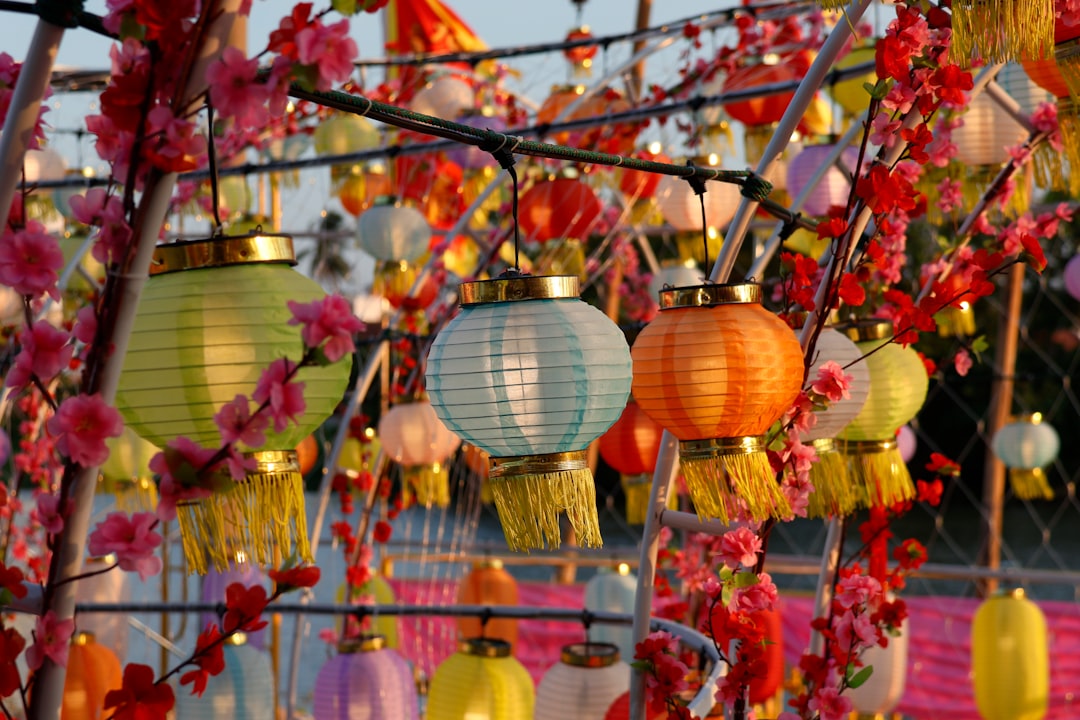
Photo by You Le on Unsplash
Spring festivals offer a rare mix of spectacle, ritual, and communal joy. If you travel to celebrate, learning spring festival etiquette is essential to show respect, stay safe, and get the most from each event. This guide focuses on cultural insights, local customs, and on-the-ground manners across the world’s most compelling spring celebrations. It explains what to expect, what to avoid, and how to blend curiosity with cultural sensitivity while traveling for spring festivals.
The phrase "spring festival etiquette" is central to this article because understanding local festival manners will transform your trip. Whether you’re joining Holi in India, Songkran in Thailand, Keukenhof and tulip trails in the Netherlands, Sechseläuten in Switzerland, or Las Fallas in Spain, this guide helps you prepare respectfully.
Why spring festival etiquette matters (and how it enhances travel)
Photo by You Le on Unsplash
Spring festivals celebrate renewal, harvest, religion, or communal history. They’re often linked to seasons, religion, and identity.
- Knowing spring festival etiquette reduces the chance of accidental disrespect.
- Following local customs deepens connections with hosts and fellow travelers.
- Cultural literacy improves photography practices and consent around participants.
If you use an itinerary tool like TravelDeck, add festival dates and local etiquette notes to your plan. TravelDeck’s shared gallery and AI guides can store etiquette reminders and map respectful viewpoints so your group knows what to expect.
Primary keyword and practical promise
Photo by Arthur Tseng on Unsplash
This article emphasizes "spring festival etiquette" from the first paragraph and throughout. Expect actionable tips, packing lists, photography rules, and specific do/don'ts for the top spring festivals worth traveling for.
Quick glossary: terms tied to spring festival etiquette
- Festival customs — behaviors tied to rituals and community expectations.
- Travel etiquette — general manners to use while traveling, adapted for festivals.
- Cultural festivals — events where local identity and traditions are on display.
How to use this guide (short checklist)
- Read the festival-specific sections for customs and etiquette.
- Note recommended clothes, modesty rules, and ritual participation tips.
- Save visa and official links before booking: embassy pages, tourism boards, and event websites.
- Add the festival to your TravelDeck itinerary and use shared notes to brief travel companions on festival customs.
Holi, India: Color, ritual, and respectful participation
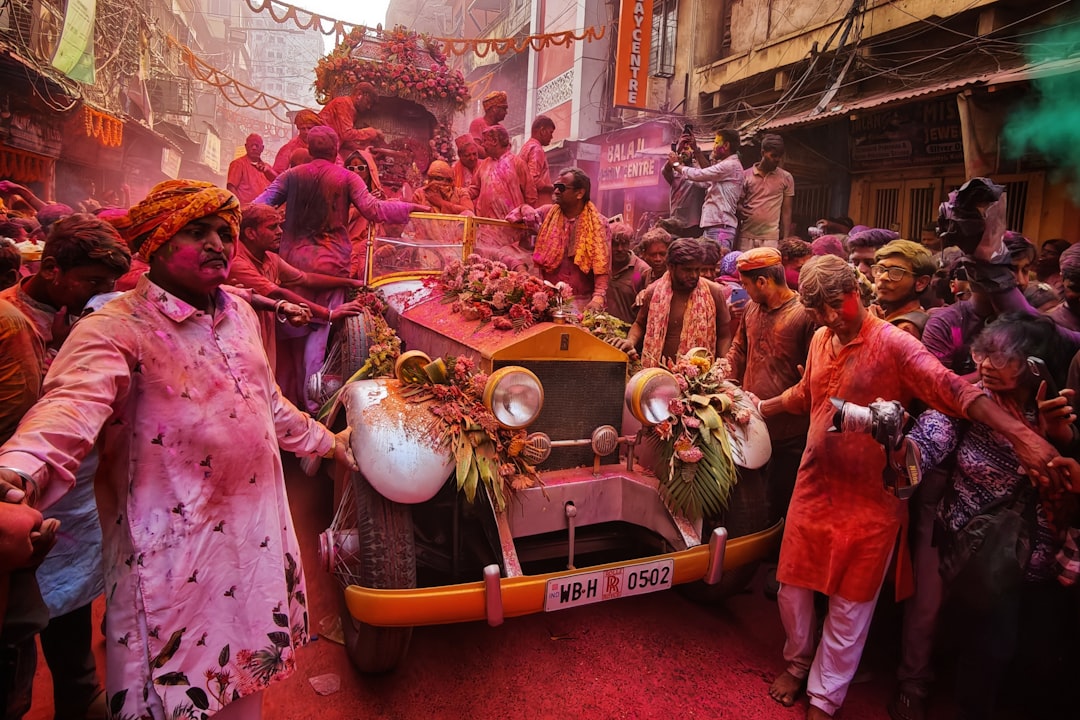
Why go: Holi is one of the most vivid examples of spring celebration and a top spring festival worth traveling for. The festival marks the arrival of spring, the triumph of good over evil, and communal harmony.
Spring festival etiquette for Holi:
- Dress to get messy: wear old white clothes you won’t mind staining.
- Respect boundaries: ask before applying color to strangers, and accept refusal gracefully.
- Avoid harmful powders: use natural colors or buy from trusted vendors; some powders can irritate skin or eyes.
- Temple etiquette: remove footwear and behave quietly inside sacred spaces.
- Photography: ask consent before taking close-up photos, especially of women, elders, and children.
Practical tips:
- Carry a small towel and water to rinse your face.
- Protect electronics in waterproof bags.
- Check local dates: Holi usually falls in March; Indian tourism pages list city events and travel advisories.
External resources: official state tourism sites often publish Holi schedules and safety tips.
Songkran, Thailand: Water, merit, and mindful fun
Why go: Songkran, the Thai New Year, blends joyful water fights with merit-making rituals and family reunions. It is one of the most interactive top spring festivals worth traveling for.
Spring festival etiquette for Songkran:
- Respect the religious dimension: attend temple rituals quietly and dress modestly when visiting pagodas.
- Use water play thoughtfully: splash water on friends and families, but avoid dousing monks, elders, or people in formal attire.
- Keep electronics safe: water-proof cases are essential.
- Photography: ask before photographing monks or private religious ceremonies.
Practical tips:
- Carry a dry change of clothes and be mindful of wallets and passports.
- Use a small amount of perfume or water for ceremonial cleansing rather than aggressive water jets in sacred zones.
Useful links: Thailand Tourism (tourismthailand.org) and local city guides provide Songkran schedules and etiquette notes.
Keukenhof & Dutch tulip festivals: Floral etiquette and photography
Why go: The Netherlands’ spring flower season—Keukenhof and surrounding tulip fields—creates iconic scenes and is a top spring festival worth traveling for for garden lovers.
Spring festival etiquette for Keukenhof and flower fields:
- Stay on paths: trampling bulbs damages crops and angers farmers.
- Ask before entering private fields or gardens.
- Respect pick‑your‑own rules: many farms prohibit picking flowers for conservation.
- Quiet appreciation: gardens are public attractions but treat them like cultural sites.
Practical tips:
- Visit early morning for soft light and fewer crowds.
- Bring a tripod where allowed, and buy photography permits if required at special displays.
Official resources: Keukenhof (keukenhof.nl) publishes visiting rules and peak bloom forecasts.
Sechseläuten, Zurich: Rituals, guilds, and the Böögg
Why go: Sechseläuten blends history, costumes, and the burning of the Böögg to predict summer weather. It’s an immersive civic ritual and one of the top spring festivals worth traveling for if you like pageantry.
Spring festival etiquette for Sechseläuten:
- Respect the parade route and guild members: many participants represent centuries-old traditions.
- Avoid aggressive crowding near the Böögg; emergency access must be kept clear.
- Photography: public parades are fine to photograph, but be courteous and avoid obstructing views.
Practical tips:
- Check tram and road closures and arrive early for good viewing spots.
- Dress for variable Swiss spring weather.
Official Zurich tourism pages (zuerich.com) and festival sites list schedules.
Las Fallas, Valencia: Art, satire, and flame etiquette
Why go: Las Fallas is a theatrical, satirical display of gigantic effigies burned in the name of renewal. It’s dramatic, loud, and ranks among the top spring festivals worth traveling for.
Spring festival etiquette for Las Fallas:
- Respect safety zones: pyrotechnics are hazardous; stay behind barriers.
- Understand the satire: effigies can be political—don’t assume an insult is personal.
- Noise tolerance: fireworks and loud parades continue late into the night.
Practical tips:
- Wear ear protection for close pyrotechnic displays.
- Book accommodation early: Valencia experiences high demand.
Official: Valencia tourism (visitvalencia.com) and municipal Fallas pages give schedules and safety guidance.
Lesser-known spring festivals with strong etiquette needs
Beyond the famous five, several spring festivals are culturally specific and require sensitivity.
- Japan’s regional shrine festivals (matsuri): observe shrine rules, avoid entering off-limits areas, and bow respectfully when appropriate.
- Korea’s Lotus Lantern Festival (Buddhist): dress modestly and keep noise low during temple processions.
- Ireland’s seasonal festivals: community traditions and parades often reward friendly, quiet participation; check local guides like Festivals Ireland for schedules.
Each regional festival is a microcosm of local spring festival etiquette; do pre-trip reading and respect community boundaries.
Universal rules for spring festival etiquette
- Ask before photographing people closely; get verbal consent where possible.
- Learn basic greetings and polite phrases in the local language.
- Observe dress codes: many festivals include sacred spaces.
- Follow crowd-flow and emergency signage.
- Be modest with alcohol and avoid disorderly behavior in sacred contexts.
- Leave no trace: dispose of trash responsibly.
These universal rules will improve experiences across cultural festivals and help you blend in.
How to prepare: packing list tailored to festival etiquette
- Small first-aid kit and reusable water bottle.
- Quick-dry clothing and a modest layer for temple visits.
- Waterproof phone pouch and microfiber towel.
- Local currency and small notes for donations or purchases.
- Earplugs for fireworks-heavy festivals.
- Portable charger and extra battery for long outdoor events.
Add these items to your TravelDeck packing list so companions can view and edit shared items.
Photography and consent at festivals (detailed guidance)
- Public parades: wide-angle shots are usually fine, but avoid zooming into private moments.
- Rituals: maintain distance and follow signs; vendors or performers often sell posed portraits.
- Children: avoid photographing minors without guardian permission.
- Social media: tag locations thoughtfully and avoid posting images that could embarrass participants.
If in doubt, smile and ask with your camera lowered. A friendly, simple phrase in the local language often gets a quick yes or no.
Safety and health considerations tied to festival customs
- Crowd density: know exits and meet-up points for groups.
- Food safety: eat at busy stalls with high turnover to avoid stomach issues.
- Allergies: be mindful of powders (Holi) and smoke (pyrotechnic festivals).
- COVID-era precautions: check local health guidance and vaccine/entry requirements.
Official health and visa resources: government portals and tourism boards list up-to-date entry rules and medical advisories. For U.S. travelers, ESTA and the Department of State offer travel advisories.
Practical etiquette in crowds and lines
- Respect local queuing culture; some places form orderly lines while others are more freeform.
- Keep your space but accept tighter conditions near parades.
- Offer help to elders or families if they appear lost.
Politeness in crowded festivals is remembered longer than flashy costumes.
Participating vs. observing: how to choose
- Active participation: join rituals only when invited or when the activity is explicitly public.
- Observing: stand back at sacred moments; read festival literature to understand which parts are interactive.
If you travel with a group, pre-agree on boundaries and meeting times using TravelDeck’s itinerary planning and shared gallery to keep everyone coordinated.
Language and greetings: short cheat-sheet for festival manners
- India (Holi): "Namaste" or "Namaskar" to greet.
- Thailand (Songkran): "Sawadee" (with a wai) shows respect.
- Netherlands (Keukenhof): basic Dutch greetings like "Goedemorgen" are appreciated.
- Spain (Las Fallas): "Hola" and "Gracias" go a long way.
- Switzerland (Sechseläuten): use local language based on region — German in Zurich.
A few polite phrases go a long way in demonstrating respect and interest.
Sustainable festival etiquette
- Avoid single-use plastics and carry a water bottle.
- Don’t pick or damage flora at flower festivals.
- Support local vendors and craftspeople rather than imported goods.
Sustainability adds respect for the place you visit and aligns with many modern festival missions.
Handling tricky situations with dignity
If you offend someone unintentionally:
- Apologize sincerely and briefly in the local language if possible.
- Back away and give space.
- If asked to leave or remove a picture, comply politely.
Graceful exits help repair cultural missteps quickly.
Timing, booking, and crowd strategies
- Book early for accommodation and transport; spring festivals often coincide with shoulder-season travel.
- Arrive early to get good viewpoints and avoid late-night crowd crushes.
- Use official transport and check for parade route closures.
Helpful reads: For shoulder-season benefits see Why Shoulder Season Travel Saves Money and Improves Your Trip.
Integrating festival visits into longer travel plans
- Balance festival days with quieter cultural experiences like museums and local markets.
- Add rest days after intense festival participation to recover.
- Use festival dates to inform your route: city festivals often mean closures on certain streets.
TravelDeck’s itinerary planning can help layer festival days with rest and sightseeing so your group doesn’t burn out.
Legal and permit considerations
- Drone policies vary widely; check local aviation rules and festival prohibitions.
- Photography permits may be required for commercial shoots.
- Understand local laws about public intoxication and safety zones.
Official sources: municipal tourism sites and event pages provide rules and permit processes.
Sample respectful festival day timeline (example: Holi)
- 07:00 — Light breakfast and waterproofing of electronics.
- 09:00 — Arrive near a community Holi ground; observe initial rituals.
- 11:00 — If invited, join color play in a controlled area.
- 13:00 — Retreat for lunch and a rinse; check-in with group on TravelDeck.
- 16:00 — Visit a temple quietly to observe evening rituals.
- 19:00 — Evening cultural performance with mindful photography.
A day plan like this balances celebration with respectful observation.
Conclusion: festival travel with respect and curiosity
Spring festivals are among the most rewarding travel experiences when approached with humility, preparedness, and an eagerness to learn. Adopting spring festival etiquette elevates your visit from voyeurism to meaningful cultural exchange. Use the practical tips above, respect local rituals, and make space for both celebration and reflection.
When planning festival trips, build cultural notes into your itinerary, confirm dates on official festival sites, and keep group members informed with shared tools like TravelDeck’s itinerary planning and shared gallery. With the right preparation and respect, traveling for spring festivals becomes a profound lesson in global traditions and human connection.
Spring Festival Travel: Best Spring Festivals Worth Traveling For
Spring Festivals Travel: Top Spring Festivals Worth Traveling For
External resources and useful links:
- Keukenhof official site: https://keukenhof.nl
- Thailand tourism: https://www.tourismthailand.org
- Valencia Fallas info: https://www.visitvalencia.com
- Zurich tourism: https://www.zuerich.com
- Festivals Ireland guide: https://www.theirishroadtrip.com/festivals-in-ireland/