The strangest thing about Milan is that one of its greatest sights lasts only 15 minutes. That is how long you get in front of Leonardo da Vinci's Last Supper, and it is exactly why a smart 3 days in Milan itinerary matters: this city rewards timing, not speed.
For most first-time visitors, a 3 days in Milan itinerary is the sweet spot. One day feels rushed, two days covers the icons, but three gives you enough time to see the Duomo properly, book Leonardo without panic, linger over aperitivo in Navigli, and still discover the elegant, local Milan that lives beyond Piazza del Duomo.
Book the big sights early, especially the Duomo rooftop and The Last Supper. If you like laying out museum slots, metro hops and dinner neighborhoods on one clean timeline before you fly, TravelDeck is useful for stitching the days together.
Why 3 days in Milan is the sweet spot
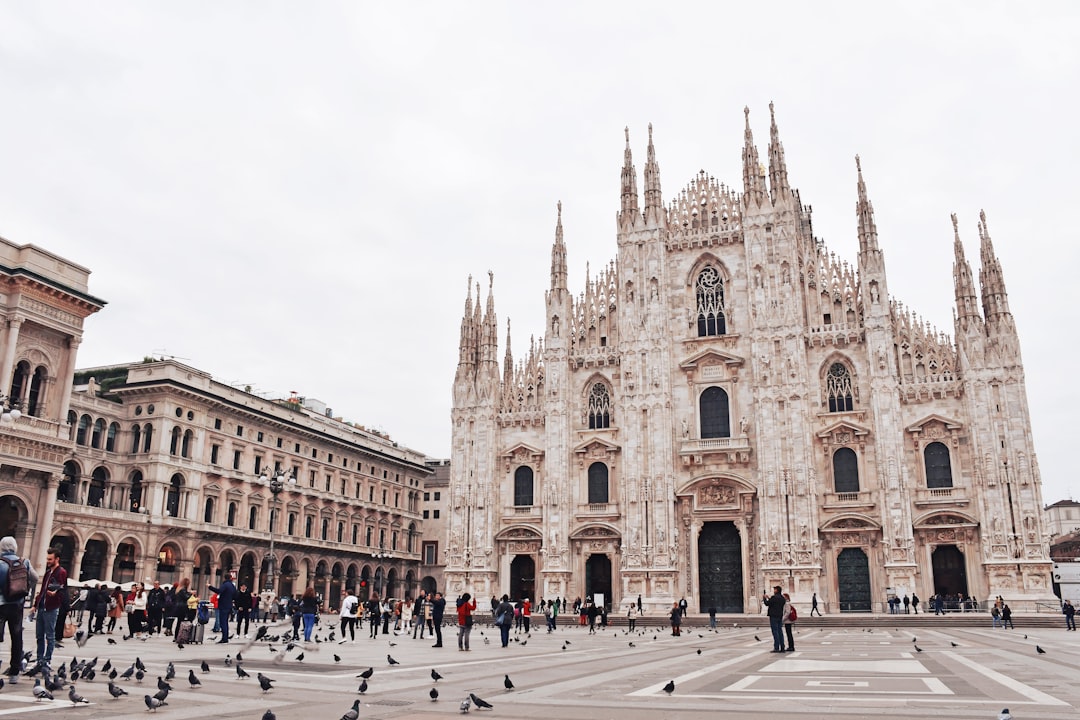
Photo by Daryan Shamkhali on Unsplash
Milan is compact in the center, but it is not a city you should attack like a checklist. Distances look short on paper, yet queues, timed entries and long lunches can easily distort the day. A well-built Milan day-by-day itinerary keeps the famous sights close together and saves the more atmospheric neighborhoods for the hours when they shine.
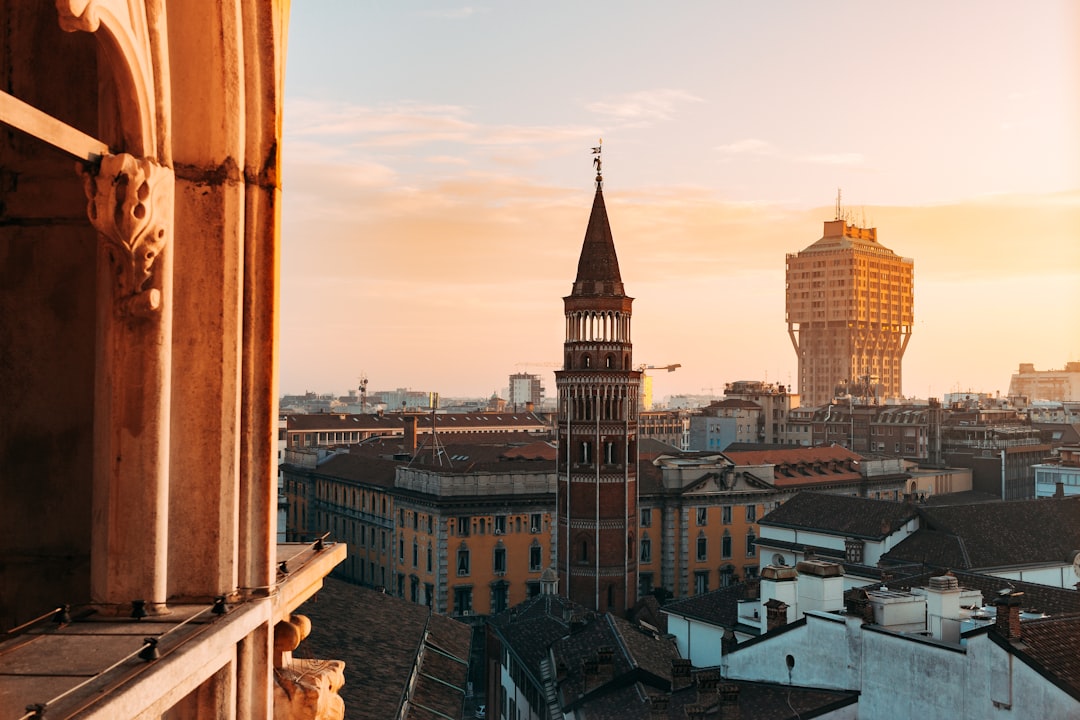
Three days also lets you feel the contrast that makes Milan interesting: Gothic stone in the historic core, Renaissance calm around Santa Maria delle Grazie, and glass-and-steel confidence in Porta Nuova. If you only have a weekend, a smaller capital can be easier to cover, like this Ljubljana weekend itinerary 2026: the right 2-day plan. Milan rewards the extra day far more.
| Day | Focus | Best for |
|---|---|---|
| Day 1 | Duomo, Galleria, La Scala, Sforza Castle, Brera | First classic look at Milan |
| Day 2 | Last Supper, Sant'Ambrogio, Brera art, Navigli | Art, history and aperitivo |
| Day 3 | Porta Venezia, Fondazione Prada, Porta Nuova, Isola | Modern Milan and local neighborhoods |
Day 1: Marble spires, grand arcades and Brera after dark
Day 1 of this 3 days in Milan itinerary is about the Milan most people imagine first: white marble glowing above Piazza del Duomo, polished shop windows under a glass dome, and the stately streets of the old center. Start early. The difference between arriving at the Duomo at 08:30 and arriving at 10:30 is the difference between a calm ascent and a slow queue in full sun.
What makes this route work is how walkable it is. From the Duomo to Galleria Vittorio Emanuele II, on to Piazza della Scala, then up to Castello Sforzesco and Parco Sempione, you can move almost entirely on foot. Finish in Brera, where Milan softens into narrow streets, amber lighting and aperitivo chatter.
Morning
The morning belongs to Piazza del Duomo in Centro Storico. Go straight into the cathedral while your energy is fresh, then head up to the terraces. The rooftop is the moment Milan stops feeling abstract and becomes dramatic: flying buttresses, sharp marble pinnacles and, on clear days, a pale Alpine line on the horizon.
After the Duomo, slip into Galleria Vittorio Emanuele II. Even if you are not shopping, this is one of the city's essential interiors. Walk slowly enough to notice the mosaics underfoot and the iron-and-glass ceiling overhead.
- 08:30 Arrive at Piazza del Duomo, Centro Storico
- 09:00-10:30 Visit Duomo di Milano interior and rooftop terraces
- 10:30-11:15 Walk through Galleria Vittorio Emanuele II and stop for coffee
- Cost: Duomo and rooftop usually around 20-30 euros depending on access type; coffee 2-6 euros depending on whether you stand at the bar or sit down
Afternoon
Leave the Galleria on the Piazza della Scala side, pause outside Teatro alla Scala, then continue north-west toward Castello Sforzesco. This part of central Milan has that polished, businesslike beauty the city does so well: stone facades, quiet courtyards, impeccably dressed locals moving fast.
The castle is less delicate than the Duomo and far more defensive, a red-brick counterpoint to the morning's marble. Even if you skip the museums, the courtyards are worth your time. From there, Parco Sempione gives your feet a breather before you continue toward Arco della Pace.
- 12:00 Quick lunch near Via Santa Radegonda or Via Mercanti; expect 6-12 euros for panzerotti, pizza by the slice or a sandwich
- 13:00-13:45 Piazza della Scala and La Scala Museum if interested
- 14:15-16:00 Castello Sforzesco, Centro Storico
- 16:00-17:15 Walk through Parco Sempione to Arco della Pace
- Cost: La Scala Museum about 15 euros; castle courtyards free, museums generally low-cost if added; park free
Evening
As daylight fades, walk or take a short tram ride to Brera. This is the best first-night neighborhood in Milan: cobbled lanes, art-school energy, wine bars tucked into old palazzi and enough people-watching to make dinner feel like part of the sightseeing.
Stay around Via Fiori Chiari, Via Brera and the side streets branching from them. You do not need a rigid dinner reservation strategy here unless it is peak season or Fashion Week. The pleasure is in wandering until one place feels right.
- 18:30-19:30 Wander Brera district on foot
- 19:30-21:30 Aperitivo or dinner in Brera
- Expect 12-18 euros for aperitivo with snacks, 22-40 euros for a relaxed trattoria dinner
- Good stops: N'Ombra de Vin, Casa Fiori Chiari, or a simple osteria around Via Madonnina
Insider tip
If you are physically able, book the Duomo terraces with stairs rather than lift access. It is usually a little cheaper, lines often move faster, and the climb is not especially hard for most travelers.
Day 2: Leonardo, layered history and a Navigli evening
The second day of this 3 days in Milan itinerary slows the rhythm and deepens the city. Yesterday was about scale and first impressions; today is about detail. Milan's emotional center is not always its grandest piazza but the quieter places where brick churches, cloisters and museum rooms absorb the noise of the street.
This is also the day with the tightest booking constraint. Build the whole morning around your Last Supper slot, not the other way around. Entries are timed, visits are brief, and arriving late is the easiest way to ruin a very good plan.
Morning
Start in the Magenta area, west of the center, at Santa Maria delle Grazie and the Cenacolo Vinciano. The church itself is beautiful, but the reason you are here is Leonardo's mural. Seeing it in person feels more fragile and more human than most travelers expect; the room is controlled, the visit is short, and the hush inside changes the pace of the day.
Afterward, walk south-east to Basilica di Sant'Ambrogio in the Sant'Ambrogio district. It is one of Milan's oldest and most atmospheric churches, a lovely contrast to the Duomo's theatrical Gothic scale.
- 08:45 Arrive for your timed Last Supper entry near Piazza di Santa Maria delle Grazie, Magenta
- 09:00-10:00 Visit the Cenacolo area and Santa Maria delle Grazie
- 10:20-11:00 Walk to Basilica di Sant'Ambrogio
- 11:00-11:30 Coffee break nearby
- Cost: Last Supper ticket usually around 15 euros plus booking fee; Santa Maria delle Grazie church access varies by area visited; Sant'Ambrogio church access is generally free or donation-based
Afternoon
From Sant'Ambrogio, make your way back toward Brera for the city's finest classic art stop. The Pinacoteca di Brera is not a museum to rush. The rooms are manageable in size, the collection is excellent, and the building itself has enough gravitas to make even a short visit feel substantial.
After the gallery, step into the Brera Botanical Garden if it is open, then drift through the quarter at a slower pace than last night. Mid-afternoon Brera feels different: quieter, more studious, less performative.
- 12:30 Lunch in Brera; plan 15-25 euros for pasta, risotto or a plate and coffee
- 14:00-16:00 Pinacoteca di Brera, Brera district
- 16:00-16:30 Orto Botanico di Brera if open
- Cost: Pinacoteca di Brera around 15 euros; botanical garden free
- Official museum site: Pinacoteca di Brera
Evening
For the evening, head south-west to Navigli and Darsena. This is the Milan many travelers end up loving most: canal water catching the late light, bicycles rattling over paving stones, cocktail glasses clinking, and the city relaxing into itself. Walk along Naviglio Grande first, then detour to Vicolo dei Lavandai for one of the prettiest small corners in the district.
This is the best place in the itinerary for a full aperitivo session. In Milan, aperitivo is not just a drink before dinner; it is a rhythm. Order a spritz, negroni or glass of wine, settle in, and let the neighborhood do the work.
- 18:00 Reach Darsena via Porta Genova area
- 18:00-19:15 Walk Darsena, Naviglio Grande and Vicolo dei Lavandai
- 19:15-21:30 Aperitivo or dinner along Alzaia Naviglio Grande
- Expect 12-20 euros for aperitivo, 20-35 euros for a casual dinner, more at trendier cocktail bars
- Best value if you eat early and choose places one street back from the canal edge
Insider tip
If you want the best canal atmosphere without the worst crowding, arrive in Navigli by 18:00. After 19:30, especially Thursday through Saturday, finding a table right on the water gets much harder.
Day 3: Liberty villas, bold museums and modern Milan
The final day in this 3 days in Milan itinerary shows why the city feels so different from Rome, Florence or Venice. Milan is not just historic; it is actively stylish, forward-looking and occasionally experimental. This is where the trip shifts from iconic landmarks to neighborhoods that show how locals actually use the city.
You can shape Day 3 around your interests, but the route below gives a strong first-timer balance: elegant residential Milan in Porta Venezia, contemporary culture at Fondazione Prada, and a sunset finish among the towers of Porta Nuova and Isola.
Morning
Begin in Porta Venezia with coffee and a walk along Corso Venezia and the streets around Via Malpighi. This area is Milan at its most refined: Liberty facades, leafy park edges and old wealth hidden behind discreet gates. Visit Villa Necchi Campiglio if you enjoy interiors and architecture; it gives you a rare look at upper-class Milan between the wars.
If you would rather keep the morning lighter, stroll through Giardini Indro Montanelli and save the museum energy for later. Either way, this part of the city feels spacious and polished, a welcome change after two denser sightseeing days.
- 09:00 Start in Porta Venezia for coffee and pastry
- 09:30-10:30 Walk Corso Venezia, Via Malpighi and Giardini Indro Montanelli
- 10:45-12:00 Visit Villa Necchi Campiglio
- Cost: breakfast 4-8 euros; Villa Necchi usually around 15 euros
- Official site: Villa Necchi Campiglio
Afternoon
Next, ride south to Largo Isarco for Fondazione Prada in the Porta Romana area. The complex itself is half the experience: gold-clad surfaces, industrial geometry and large contemporary galleries that feel unmistakably Milan. Even travelers who are only moderately interested in modern art often enjoy this stop because the setting is so strong.
If you want lunch on site, Bar Luce is the photogenic choice, but the surrounding Porta Romana streets can be better for a fuller meal. After the museum, continue north to Porta Nuova for a different kind of spectacle: Milan as a future-facing business capital.
- 12:30-13:30 Lunch around Porta Romana or at Bar Luce
- 13:45-15:45 Visit Fondazione Prada, Largo Isarco
- 16:15-17:30 Walk Piazza Gae Aulenti and Biblioteca degli Alberi in Porta Nuova
- Cost: lunch 15-28 euros; Fondazione Prada around 15 euros
- Official site: Fondazione Prada
Evening
For your last evening, continue into Isola. The route from Piazza Gae Aulenti to Bosco Verticale and the bars around Via Borsieri is short but revealing: steel towers give way to street art, low-rise corners and a neighborhood with more casual energy than the polished center. It is an excellent finale because it feels lived-in rather than monumental.
Dinner here can go several ways. Keep it local with wine and small plates in Isola, go east to Via Paolo Sarpi in Chinatown for dumplings and noodles, or end with a skyline drink if you want a more cinematic finish.
- 17:30-18:15 Walk to Bosco Verticale and through Isola
- 18:15-19:00 Sunset at Biblioteca degli Alberi or Piazza Gae Aulenti
- 19:30-21:30 Dinner in Isola or Chinatown
- Expect 18-35 euros for dinner, or 20-30 euros for cocktails with a view
- Good areas: Via Borsieri in Isola, Via Paolo Sarpi in Chinatown
Insider tip
Do not try to photograph Bosco Verticale from directly below the towers. The cleanest view is from the paths around Biblioteca degli Alberi and Via Gaetano de Castillia.
How to get to Milan
Milan is one of the easiest Italian cities to reach, and that is part of why this 3 days in Milan itinerary works so well for a short break. The city has three useful airports and strong train connections from the rest of Italy.
For flights, Milano Linate Airport, LIN, is the most convenient for a city trip. The M4 metro line connects it to the center in roughly 15-20 minutes for the standard urban fare. Milano Malpensa Airport, MXP, is farther out but very efficient; the Malpensa Express reaches central stations in about 50 minutes and costs around 13 euros one way. Milan Bergamo Airport, BGY, is popular with low-cost airlines and sits about 50-60 minutes away by coach, usually around 10-12 euros.
By train, Milano Centrale is the main long-distance hub. High-speed services from Rome take about 3 hours, Florence about 1 hour 55 minutes, and Venice roughly 2 hours 25 minutes. If you are arriving internationally or by rail, build your first day gently. You do not want your Duomo slot immediately after landing.
Best time to go for a Milan itinerary
The best months for a 3 days in Milan itinerary are April to early June and September to late October. The light is kind, the city is walkable, and evenings are perfect for lingering in Brera or Navigli without summer's sticky heat.
Summer, especially July, can be hot and humid. That does not make Milan a bad trip, but it changes the order of your day: church interiors and museums first, long lunches in the shade, and canals or rooftops toward sunset. Winter is quieter and often cheaper, with festive December lights and stylish January sales, though days can be grey.
Two calendar warnings matter. Design Week in April and Fashion Weeks in February and September transform the atmosphere, but they also drive hotel rates sharply upward. If your dates are flexible, avoid them unless you are traveling specifically for those events.
Estimated budget per person
A realistic Milan budget depends heavily on where you sleep. Sightseeing itself is manageable; accommodation is what moves the total. The table below assumes 3 days, one person, shoulder season, and no flights.
| Budget tier | Stay per night | Food per day | Local transport total | Sightseeing total | 3-day total |
|---|---|---|---|---|---|
| Budget | 45-90 euros | 25-40 euros | 15.50 euros for a 3-day pass | 55-75 euros | 230-425 euros |
| Mid-range | 140-240 euros | 45-75 euros | 15.50-25 euros | 55-90 euros | 535-910 euros |
| Upscale | 300+ euros | 90-160 euros | 25 euros+ with taxis added | 90-150 euros | 1,050 euros+ |
To keep the Milan budget sensible, spend on the two major paid sights that really matter to you, usually the Duomo rooftop and the Last Supper, then balance them with free walks, church visits and one strong museum choice.
Where to stay in Milan for 3 days
Where to stay in Milan matters more than people expect. A central base can easily save you an hour a day in extra transport and backtracking.
Centro Storico and the Duomo area are best for pure convenience. You can walk to the cathedral, Galleria, Brera and the castle, which makes this the easiest choice for a first-time Milan itinerary. Expect higher prices and a less residential feel, but it is hard to beat for efficiency.
Brera is the prettiest first-timer base. It is elegant, lively at night and still walkable to the historic center. It suits couples and travelers who want dinner and aperitivo on their doorstep.
Porta Venezia is the best balance of style, value and transport links. It feels more local, stays well connected by metro and tram, and gives you easier access to Day 3 neighborhoods. If you are planning an early train onward, Milano Centrale can work, but it is less charming as a base.
- Centro Storico or Duomo: most convenient, generally 180-320 euros per night for solid mid-range hotels
- Brera: atmospheric and stylish, often 190-350 euros per night in mid-range to boutique stays
- Porta Venezia: smarter value, roughly 130-240 euros per night for good mid-range options
How to get around Milan
Milan is easy without a car, and for this 3 days in Milan itinerary you absolutely do not need one. The center is highly walkable, and the metro and trams fill in the longer hops beautifully.
The simplest ticket strategy is to use the official ATM Milano network. A 90-minute ticket is about 2.20 euros, a 24-hour ticket about 7.60 euros, and a 3-day ticket about 15.50 euros. For this itinerary, the 3-day pass is usually the best buy. Contactless payment works on much of the system, and trams are especially useful for avoiding underground backtracking.
Wear proper walking shoes. Day 1 alone can hit 18,000 to 22,000 steps if you do the full route on foot. Also pack a light scarf or layer for church visits and read up on local habits before you go; this Local Customs Checklist 2026: 12 Things Before You Fly is a practical refresher.
FAQ
Is 3 days enough for Milan?
Yes. For most first-time visitors, 3 days is enough for Milan if you book the Last Supper ahead, stay in a central neighborhood and do not overload each day. This 3 days in Milan itinerary covers the icons plus one fuller neighborhood day.
How many days in Milan do you really need?
If you only want the Duomo, Galleria and a quick castle walk, two days can work. If you want Leonardo, aperitivo culture and a more rounded feel for the city, three full days is the better answer.
Should I book the Last Supper in advance?
Absolutely. It is the one sight that can dictate your whole route because timed entries are limited and sell out fast. Book it as soon as your dates are fixed, then place the rest of Day 2 around that slot.
Is Milan expensive compared with other Italian cities?
Accommodation can be pricey, especially near the Duomo and during major events. Food, transport and many of the best walks are much easier on the wallet, so Milan feels expensive mostly if you choose a premium hotel or last-minute dates.
Can you do Milan without a car?
Yes, easily. For a city break, a car would mostly slow you down because of traffic, parking costs and restricted areas. Walk, use the metro, and take trams for the longer cross-city jumps.
Three days gives Milan enough time to shift from postcard to place. Once the Duomo, Leonardo and the canals are on your timeline, the real planning question is simpler and more enjoyable: which neighborhood do you want for your last evening stroll?
---