Amsterdam is small on the map and deceptively big in real life. You can walk between postcard canals in minutes, yet still lose half a day to a museum wing, a market street, or a quiet bridge in Jordaan. That is exactly why a 4 days in Amsterdam itinerary works so well for first-time visitors: it gives you the famous sights, the museum time, and enough breathing room to enjoy the city instead of racing through it.
This guide is built so you can recreate the trip stop by stop, with real neighborhoods, approximate timings, and realistic costs. If you like planning visually before you land, keeping the route organized in TravelDeck helps because Amsterdam rewards precise museum slots and loose walking time in equal measure. And if you are building a wider Europe trip, the same rebuildable approach also works in 5 Days in Rome Itinerary 2026: A Rebuildable Day-by-Day Plan.
How many days in Amsterdam do you need?
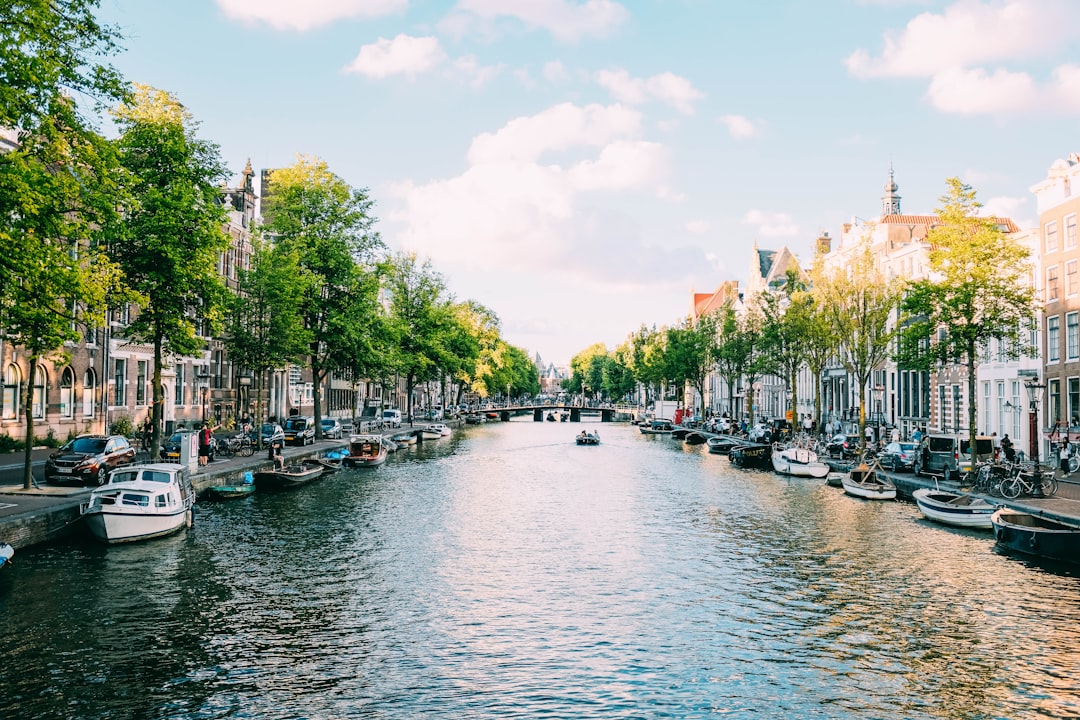
Photo by Adrien Olichon on Unsplash
For most first-time visitors, four days is the sweet spot. Two days is enough for canals, one major museum, and a rushed look at Jordaan. Three days feels good, but you will probably have to choose between the Anne Frank House, both big museums, and the city’s more local neighborhoods. Four days lets you do the essentials properly and still leave space for ferry rides, market time, and slower evenings by the water.
This 4 days in Amsterdam itinerary is designed for travelers who want a city break that feels complete rather than packed to the point of exhaustion. It assumes you book the big-ticket museums early, walk a lot, use trams when it saves time, and keep one evening each day fairly open for wandering. That rhythm suits Amsterdam especially well: the city looks best in motion, but not in a hurry.
Day 1: Canal Belt, Jordaan, and a first deep look
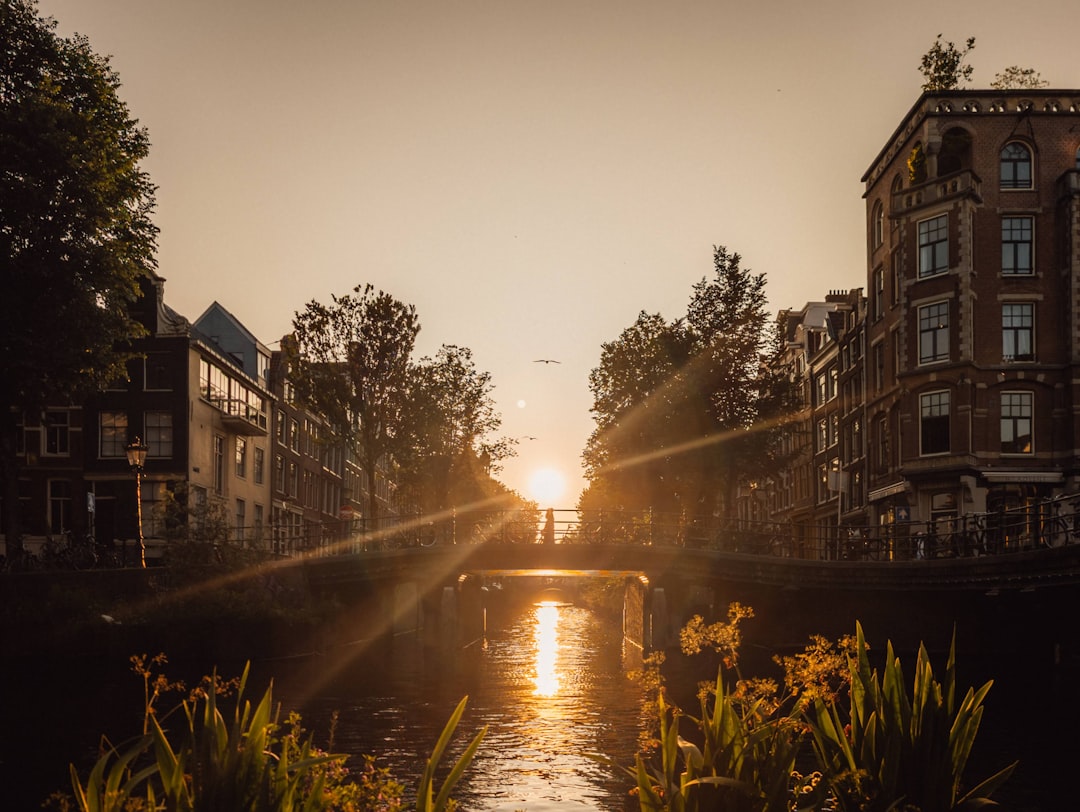
Amsterdam makes its strongest first impression in the west canal belt, where the houses lean slightly, the bridges stack up in perfect perspective, and every block seems made for a slow start. Begin in Jordaan, not around Centraal, because it instantly gives you the city’s human scale: narrow lanes, bakery windows, bikes parked against canal railings, and locals already moving faster than visitors.
This first day also front-loads the hardest booking in town. The Anne Frank House is one of the few places in Amsterdam that truly changes the emotional register of a trip, so it is worth seeing early, with enough time afterward to walk and process what you have seen rather than rush to the next stop.
Morning
Start near Westermarkt in Jordaan and keep the hour calm. Walk along Prinsengracht before your timed entry so the city arrives softly instead of all at once.
- 08:15 Walk Prinsengracht between Brouwersgracht and Westermarkt, Jordaan
- 08:45 Coffee and apple pie at Café Papeneiland, Prinsengracht 2, Jordaan, about €8-12
- 09:30 Timed entry to the Anne Frank House, Westermarkt, Jordaan, allow 90 minutes, about €16
- 11:15 Exterior look at Westerkerk, Westermarkt, Jordaan, church exterior free
Afternoon
After the museum, keep the next hours visually lighter. The lanes of De Negen Straatjes in the western canal belt are ideal for that shift, with shopfronts, bridges, and little corners that feel cinematic without trying too hard.
- 12:15 Walk from Westermarkt into De Negen Straatjes, Canal Belt
- 12:45 Lunch around Berenstraat or Reestraat, Canal Belt, about €15-25
- 14:00 Browse Herengracht, Keizersgracht, and the small lanes around Runstraat and Huidenstraat
- 15:30 Visit the Houseboat Museum, Prinsengracht 296K, Canal Belt, about €9.50, 45 minutes
Evening
For your first evening, do not overcomplicate the route. Amsterdam after 18:00 is all about water, reflections, and bridges lit one by one. A canal cruise works best now because you already know the streets above and can finally understand the city from the waterline.
- 17:30 Early dinner in Jordaan, about €20-35
- 19:00 Canal cruise departing from Prinsengracht or Damrak, about €18-25, 60-75 minutes
- 20:30 Slow walk through the Egelantiersgracht and Bloemgracht area, Jordaan, free
- Insider tip: book the Anne Frank House weeks ahead and choose the earliest slot you can manage; the surrounding streets feel far quieter before late morning crowds arrive
Day 2: Museumplein, Oud-Zuid, and De Pijp
If Day 1 is about atmosphere, Day 2 is about scale. Museumplein in Oud-Zuid shows Amsterdam at its grandest, with broad lawns, formal façades, and the kind of museum density that can wreck an itinerary if you try to do too much. The trick is simple: one major museum in the morning, one in the early afternoon, then a complete change of mood in De Pijp.
This is the day for Dutch masterworks and Van Gogh, but also for air, trees, and food. Vondelpark and Albert Cuypstraat keep the route from becoming too indoor-heavy, and by the evening you will feel like you have seen both the refined and the lived-in sides of the city.
Morning
Arrive at Museumplein before the square fills. The Rijksmuseum is large enough to swallow half a day, so go in with a highlights mindset unless you are a serious art traveler.
- 08:45 Arrive at Museumplein, Oud-Zuid
- 09:00 Timed entry to Rijksmuseum, Museumstraat 1, Oud-Zuid, 2.5-3 hours, about €25
- 11:45 Coffee break on Museumplein or nearby Paulus Potterstraat, about €6-10
Afternoon
The Van Gogh Museum is emotionally denser and easier to absorb in two hours than the Rijksmuseum. After that, step outside quickly instead of forcing another gallery.
- 12:30 Timed entry to Van Gogh Museum, Museumplein 6, Oud-Zuid, about 2 hours, around €22
- 14:45 Walk or tram to Albert Cuypstraat, De Pijp
- 15:15 Late lunch from Albert Cuyp Market, De Pijp, try herring, stroopwafel, or kibbeling, about €10-18
- 16:00 Walk through Sarphatipark and the side streets of De Pijp, free
Evening
By evening, De Pijp feels totally different from the museum quarter. The streets are louder, younger, and more casual, with terraces filling quickly and bikes cutting through every intersection. This is a good night to stay local rather than return to the center.
- 18:30 Dinner in De Pijp around Ferdinand Bolstraat or Gerard Douplein, about €22-40
- 20:00 Sunset walk in Vondelpark if the weather is good, free, 20 minutes by tram from De Pijp
- 21:00 Drinks in De Pijp or a quiet canal walk back toward the Singelgracht
- Insider tip: if you care more about Van Gogh than the Rijksmuseum, swap the order and book Van Gogh first; the shorter visit helps if your energy dips early
Day 3: Old Centre, Nieuwmarkt, and Plantage
This is the day to see older Amsterdam without treating the historic center like a checklist. The best version of it is not Dam Square at noon, but a morning that threads from Spui to Begijnhof to the old trading streets before tour groups peak. You will move through layers of the city: medieval lanes, merchant wealth, wartime memory, and greener, quieter Plantage.
The route is deliberately mixed. It starts with architecture and atmosphere, then shifts east toward museums and gardens where the pace becomes gentler. If the first two days are about the Amsterdam everyone imagines, this one explains how those different versions of the city fit together.
Morning
Start from Spui while the bookstores and cafés are just waking up. Begijnhof is one of the few places in the center that still feels enclosed from the city around it.
- 08:30 Walk around Spui and the Singel edge, Centrum
- 09:00 Visit Begijnhof, Gedempte Begijnensloot, Centrum, free, 30-40 minutes
- 09:45 Continue on foot to Dam Square, Royal Palace exterior, and Nieuwe Kerk exterior, Centrum, free unless entering
- 10:45 Walk via Oudezijds Voorburgwal to Oude Kerk and onward to Nieuwmarkt, Centrum
- 11:30 Coffee or snack near Zeedijk or Nieuwmarkt, about €6-12
Afternoon
From Nieuwmarkt, the city softens as you move toward the eastern side of the center. The Rembrandt House Museum and Waterlooplein make a good pair because one is intimate and focused while the other is loose and open-air.
- 12:15 Visit the Rembrandt House Museum, Jodenbreestraat 4, Lastage, about €20, allow 75 minutes
- 13:45 Lunch near Waterlooplein, Centrum-East, about €15-25
- 14:45 Browse Waterlooplein Market, Centrum-East, free
- 15:45 Walk to Hortus Botanicus, Plantage Middenlaan 2a, Plantage, about €13.50, allow 60-90 minutes
Evening
Plantage is one of Amsterdam’s most underrated evening districts. The streets are broader, greener, and quieter, and by late afternoon the city feels less like a capital and more like a neighborhood. Finish near the water at Oosterdok for one of the best relaxed sunsets in town.
- 17:30 Walk toward Oosterdok and the NEMO rooftop terrace, Oosterdok, free rooftop access during opening hours
- 18:30 Dinner around Kadijksplein or Plantage Kerklaan, about €20-35
- 20:00 Blue-hour walk back along the canals toward Centraal or your hotel
- Insider tip: if you want the old center without the heaviest crowds, do not start at Damrak; approach from Spui and cut east gradually instead
Day 4: Ferries, Amsterdam Noord, and the modern city
By the fourth day, you have earned a version of Amsterdam that many first-timers miss. Noord is not about canal-house beauty; it is about ferries, repurposed industrial space, wide skies, and the city’s creative edge. The free ride across the IJ already changes the mood. Suddenly the center is behind you, and the trip feels bigger than a museum circuit.
This day works as a clean contrast to the previous three. You will see contemporary architecture, riverfront views, and street art at NDSM Wharf, then decide whether to linger or head back for one final canal-side dinner. It is a reminder that four days in Amsterdam is not too much at all; it is just enough time to reach the city’s second layer.
Morning
Take the free Buiksloterweg ferry from behind Amsterdam Centraal. It runs constantly, and the crossing takes only a few minutes.
- 09:00 Ferry from Amsterdam Centraal to Buiksloterweg, Amsterdam Noord, free
- 09:15 Visit the Eye Filmmuseum, IJpromenade 1, Noord, exhibition ticket about €13.50
- 10:45 Go up to A'DAM Lookout, Overhoeksplein 5, Noord, about €16.50, allow 45-60 minutes
- 11:45 Coffee on the IJ waterfront, about €6-10
Afternoon
NDSM Wharf is where Amsterdam shows its industrial afterlife best. The warehouses, cranes, murals, and open river views feel almost anti-postcard, which is precisely why they belong in a complete itinerary.
- 12:15 Ferry or bus onward to NDSM Wharf, Amsterdam Noord
- 12:45 Lunch at NDSM Wharf, about €15-25
- 13:45 Explore NDSM street art, waterside paths, and former shipyard zone, free, allow 2 hours
- 16:15 Ferry back toward Centraal, free
Evening
Use the last evening lightly. If your hotel is in Jordaan or the canal belt, this is the right night for a final unstructured wander. If you are staying in De Pijp or Oud-Zuid, go out for one better dinner and leave the city on a calmer note than you started.
- 17:30 Optional final shopping around Haarlemmerstraat, Centrum-West, free to browse
- 19:00 Farewell dinner in Jordaan, Oud-Zuid, or De Pijp, about €25-45
- 20:30 Last canal walk on Herengracht or along Magere Brug over the Amstel, free
- Insider tip: if rain is forecast for Day 4, swap Noord with Day 2 or Day 3 and use museums as your wet-weather buffer
How to get to Amsterdam
Amsterdam is one of the easiest European capitals to reach without losing a whole day in transit. Schiphol Airport is close to the center, and trains arrive directly beneath the terminal, which means you can often be at Amsterdam Centraal in under 20 minutes after clearing arrivals.
If you are already traveling in Europe, rail can be the smoother choice. Amsterdam Centraal is well connected to Brussels, Paris, London, and major Dutch cities, which makes this itinerary easy to slot into a larger route such as 10 Day Portugal Itinerary 2026: Porto to Algarve Route or another multi-stop trip.
- Fly into Amsterdam Airport Schiphol, AMS, then take the NS train to Amsterdam Centraal, about 17-20 minutes, around €6 one way
- Bus 397 from Schiphol to Museumplein or Leidseplein takes about 30-35 minutes, roughly €6.50
- Taxi from Schiphol to central Amsterdam usually takes 25-35 minutes, around €35-55 depending on traffic
- International trains arrive at Amsterdam Centraal; from Brussels expect around 2 hours, from Paris about 3.5 hours, from London just over 4 hours
- Airport info: Schiphol
Best time to visit Amsterdam
The best months for this 4 days in Amsterdam itinerary are April to early June and September to early November. In spring, the light is clear, the parks wake up, and café terraces return. In early autumn, the city turns gold and feels slightly slower, which suits canal walks and museum-heavy days beautifully.
Summer has long evenings and excellent outdoor energy, but central Amsterdam gets busier and pricier. Winter can still work if you want museums, candles, and fewer crowds, but expect cold rain, short days, and the occasional wind that makes bridges feel much longer than they are. If you are choosing a shoulder-season city break, September Holiday Destinations: 6 Smart Trips for 2026 is useful for comparison.
- April to May: best for flowers, mild temperatures, and fresh park scenery
- June to August: warmest weather and longest days, but highest hotel prices
- September to October: arguably the prettiest balance of light, foliage, and manageable crowds
- November to February: quieter museums and lower room rates, but more rain and less daylight
Estimated Amsterdam budget per person
Amsterdam is rarely a bargain city, but it is easier to control than people expect because walking is free, ferries are free, and you can choose where to spend. The biggest swing factors are hotel location, museum count, and how often you sit down for full-service dinners in central neighborhoods.
The table below estimates a four-day trip per person without flights. It includes accommodation, local transport, food, and the major paid sights in this itinerary.
| Budget tier | Hotel style | Daily budget | 4-day total |
|---|---|---|---|
| Budget | Hostel or simple room outside prime canal belt | €95-130 | €380-520 |
| Mid-range | 3-star hotel or stylish guesthouse in De Pijp or Oost | €190-260 | €760-1,040 |
| Comfort | Boutique canal hotel or upscale Oud-Zuid stay | €320-480 | €1,280-1,920 |
- Museum-heavy version of this itinerary: add roughly €95-115 total for Anne Frank House, Rijksmuseum, Van Gogh Museum, Rembrandt House, Hortus, Eye, and A'DAM Lookout
- Canal cruise: about €18-25
- Public transport pass: around €9.50 for 24 hours or pay per ride through GVB
- Cheap lunch from markets or bakeries: €8-15
- Sit-down dinner with one drink: €22-45
Where to stay in Amsterdam for 4 days
Where you sleep changes the pace of this itinerary more than almost anything else. For four days, the goal is not simply centrality; it is choosing a base that fits the rhythm you want at night. Jordaan and the canal belt are best if you want the classic postcard version right outside your door. De Pijp is better if you care about food and less tourist-heavy evenings. Oud-Zuid is the neatest fit for museum lovers.
You do not need to stay near Centraal unless you are arriving very late or leaving very early. For this itinerary, the best balance usually comes from the west canal belt, De Pijp, or Oud-Zuid.
- Jordaan and Canal Belt: best for first-timers, romantic walks, and easy access to Day 1 and Day 3, expect roughly €220-450 per night for mid-range to boutique stays
- De Pijp: best for cafés, market life, and more local evenings, expect about €160-300 per night
- Oud-Zuid: best for museums, quieter streets, and polished hotels, expect about €180-380 per night
- Plantage or Oost: best for a calmer base with good tram links, expect about €150-280 per night
Where to eat in Amsterdam on this itinerary
Amsterdam food is better when you stop chasing only Dutch classics and treat the city like the layered capital it is. Yes, you should try stroopwafel, bitterballen, kibbeling, and apple pie, but some of the most satisfying meals will come from market counters, Indonesian rijsttafel restaurants, and neighborhood cafés in De Pijp or Oost.
A good eating strategy for this itinerary is simple: pastries or coffee in the morning, one market or casual lunch, then one proper dinner reservation on Day 2 or Day 4. That keeps you moving without turning every meal into logistics.
- Jordaan: café lunch, apple pie, and classic brown-café style dinners
- De Negen Straatjes: brunch and lighter lunch spots between canal walks
- Albert Cuyp Market, De Pijp: stroopwafel, herring, fries, and quick street-food lunches
- De Pijp and Oud-West: strong choice for modern Dutch, wine bars, and international food
- Try at least one Indonesian rijsttafel dinner during your stay; Amsterdam does it especially well
How to get around Amsterdam
Amsterdam is one of the easiest cities in Europe to navigate once you understand one rule: walk for texture, tram for efficiency. The center is compact, but not so compact that you should walk every connection blindly. Save your feet on museum days and use them fully in Jordaan, the canal belt, and Plantage.
Bikes are part of the city’s identity, but they are not mandatory for first-timers. If you are not confident cycling in heavy urban bike traffic, do not force it. Trams, ferries, and walking are more than enough for this 4 days in Amsterdam itinerary.
- Walk most of Day 1 and Day 3
- Use trams for Museumplein, De Pijp, and Oud-Zuid connections
- Take the free IJ ferries to Amsterdam Noord
- Single public transport ride: about €3.40 for 60 minutes
- 24-hour GVB pass: around €9.50, useful on Day 2 or if rain changes your plans
- Official transport info: GVB
FAQ
Is 4 days enough for Amsterdam?
Yes. Four days is enough for the major museums, the Anne Frank House, canal neighborhoods, one more local district like De Pijp, and a modern contrast day in Noord without rushing constantly.
Is 2 days enough for Amsterdam?
Two days is enough for a highlights trip, but not enough for a balanced first visit. You will likely have to choose between museum depth and neighborhood time.
What should I book in advance?
Book the Anne Frank House, Rijksmuseum, and Van Gogh Museum as early as possible. Anne Frank is the most important advance booking in this itinerary.
Is Amsterdam expensive?
It can be, especially for central hotels and museum-heavy days. Food and transport are easier to control than accommodation, so staying in De Pijp, Oost, or Plantage can cut costs without hurting the trip.
Should I stay in the city center?
Not necessarily. Jordaan, De Pijp, Oud-Zuid, and Plantage usually offer a better atmosphere than the busiest blocks around Centraal and Damrak.
Amsterdam rewards structure in the mornings and freedom in the evenings. Once your museum slots, neighborhood base, and ferry day are fixed, the rest of the trip becomes pleasantly simple to build.
---