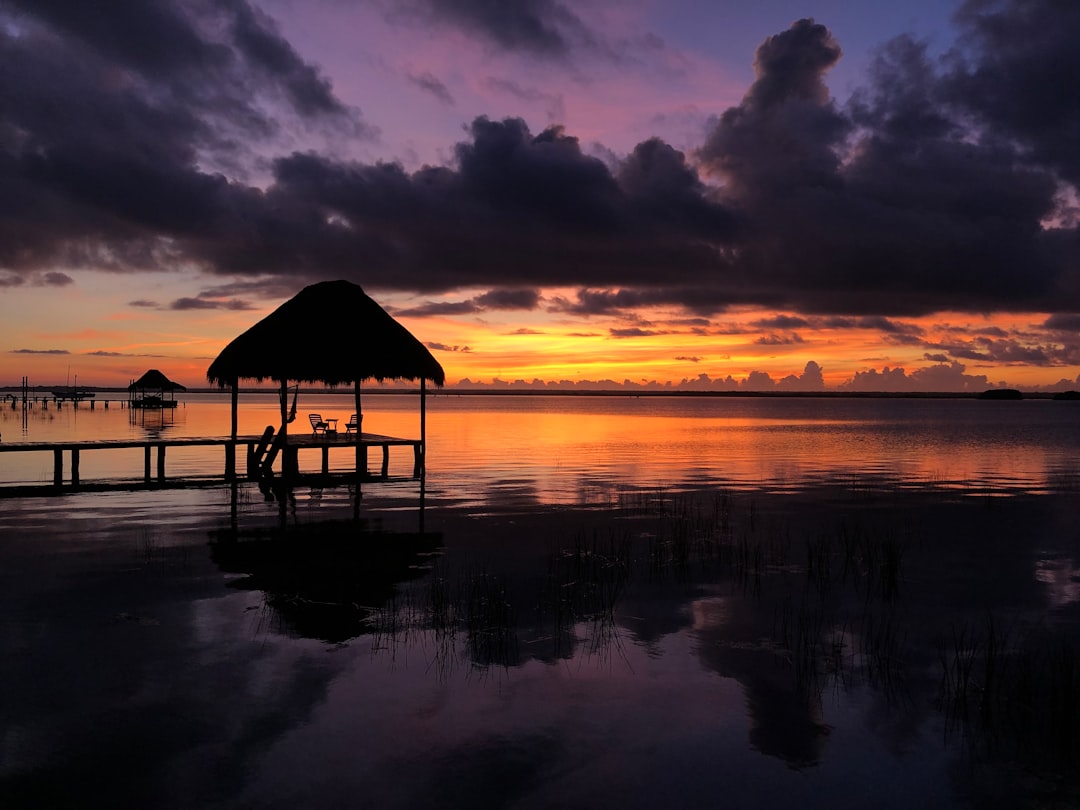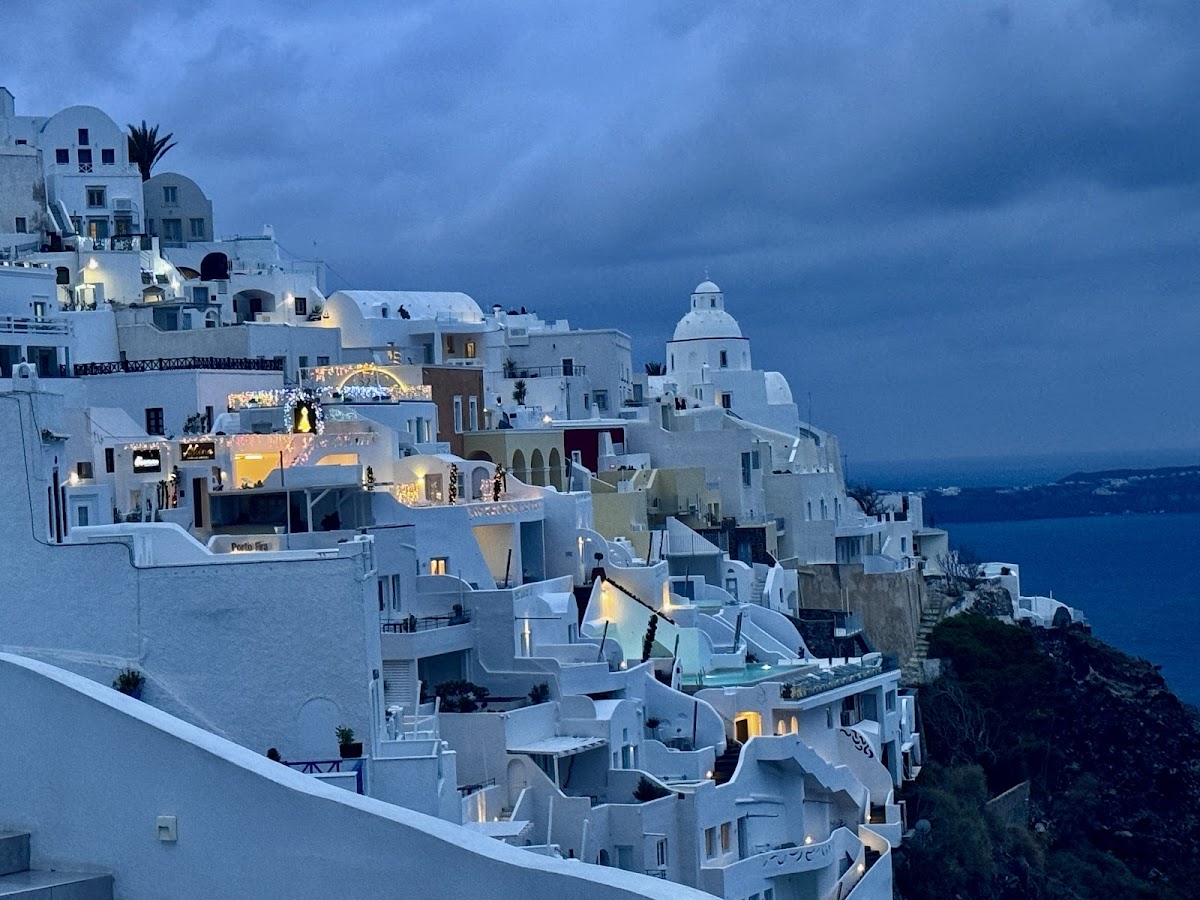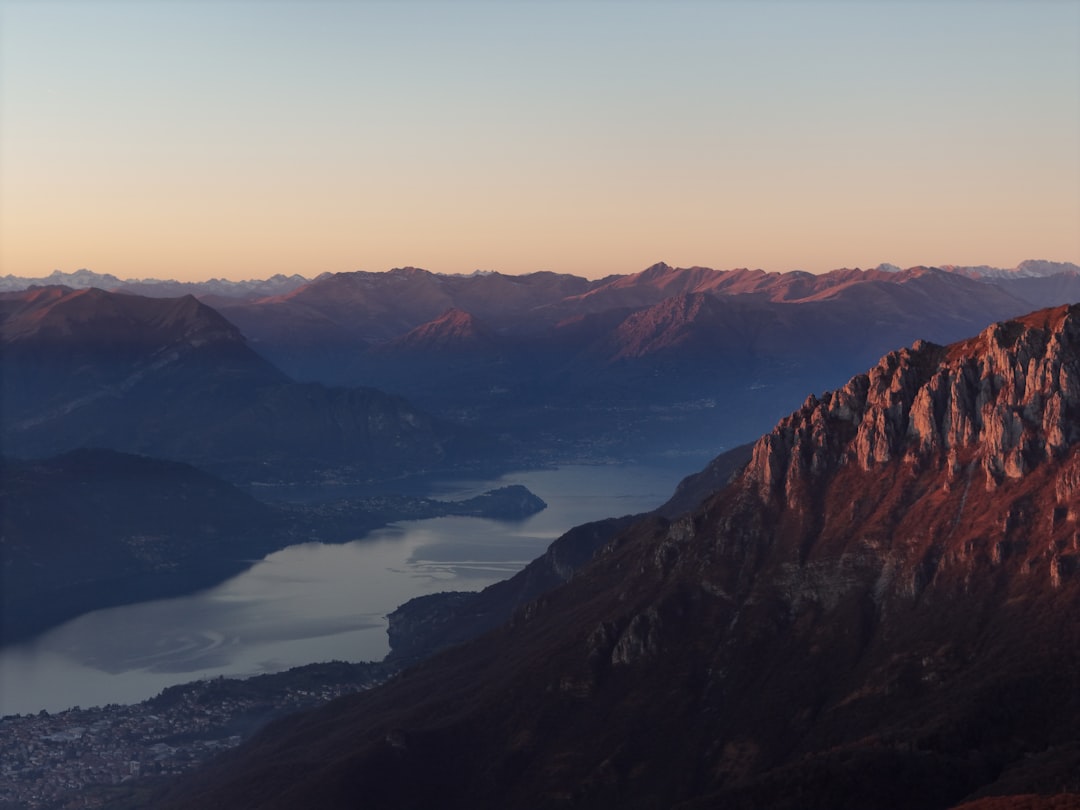
Best Adventure Travel Destinations in 2026 by Terrain
Adrenaline travel is no longer a niche obsession. It is one of the main reasons people cross oceans, book red-eye flights, and wake before dawn in strange towns with a helmet in one hand and a trail map in the other. The best adventure travel destinations are not simply the places with the highest peaks or the roughest rapids. They are the places where scenery, logistics, safety standards, weather windows, and local character all line up to create a trip that feels electric from the first hour.
That is why this guide takes a different route. Instead of ranking countries in a generic list, it matches the best adventure travel destinations to the terrain that shapes them: alpine basins, volcanic jungle, red-rock desert, Himalayan foothills, and ocean-meets-mountain coastlines. For thrill seeker destinations, terrain matters more than hype. It tells you whether your days will smell like pine and glacier melt, hot dust and sagebrush, wet earth and sulfur, or salt spray and kelos. When I sketch a route on TravelDeck, I start there.
If you are narrowing down adventure vacation ideas, think beyond bucket-list bragging rights. Ask what kind of effort you want to feel in your legs, what kind of risk you are comfortable with, and whether you want your extreme travel experiences wrapped in polished infrastructure or rawer, less predictable edges. Before long-haul departures, it also helps to sort out timing, airport routines, and recovery with Airport Budget Travel Tips for 2026: Faster, Cheaper Flights and Long Haul Flight Comfort Tips for 2026: Feel Better on Arrival.
Below, you will find six of the best adventure travel destinations for 2026, each with real transport details, named hotels, practical budgets, and specific experiences you can actually book.
Quick comparison: which terrain fits your travel style?
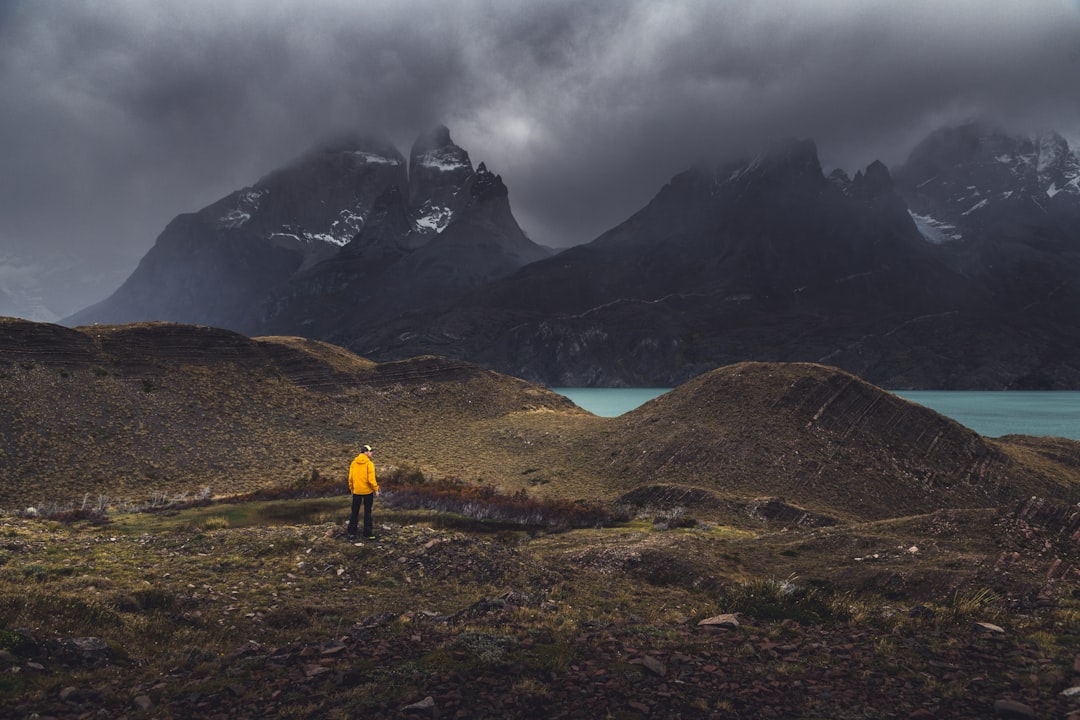
Photo by Andrew Svk on Unsplash
Before diving into the destination guides, use this planning table to match your energy level with the kind of landscape that will keep you grinning rather than grinding. Some of the best places for adrenaline activities are surprisingly easy to reach, while others ask for longer transfers in exchange for bigger drama.
| Destination | Terrain | Best months | Signature thrill | Typical daily budget | Best for |
|---|---|---|---|---|---|
| Queenstown, New Zealand | Alpine lake and canyon | Nov-Mar | Nevis Bungy, jet boating, heli-hiking | NZD 180-700 | First-time and seasoned adrenaline lovers |
| Interlaken, Switzerland | Alpine valley and glacial peaks | Jun-Sep, Dec-Feb | Paragliding, canyoning, ski access | CHF 170-800 | Travelers who want precision and scenery |
| La Fortuna, Costa Rica | Volcano, rainforest, river | Dec-Apr, Jul-Aug | White-water rafting, canyoning, hanging bridges | USD 120-650 | Jungle-based adventure vacation ideas |
| Moab, Utah, USA | Desert slickrock and canyon country | Mar-May, Sep-Oct | Canyoneering, 4x4 trails, rafting | USD 140-550 | Best places for adrenaline activities on land |
| Pokhara, Nepal | Himalayan foothills and lakeside ridges | Oct-Nov, Mar-Apr | Paragliding, trekking, ultralight flights | USD 45-300 | Outdoor adventure trips with strong value |
| Cape Town, South Africa | Ocean, mountain, peninsula | Oct-Apr | Surfing, shark diving, abseiling, trail running | ZAR 1300-7000 | Multi-sport thrill seeker destinations |
Queenstown, New Zealand: alpine speed with polish
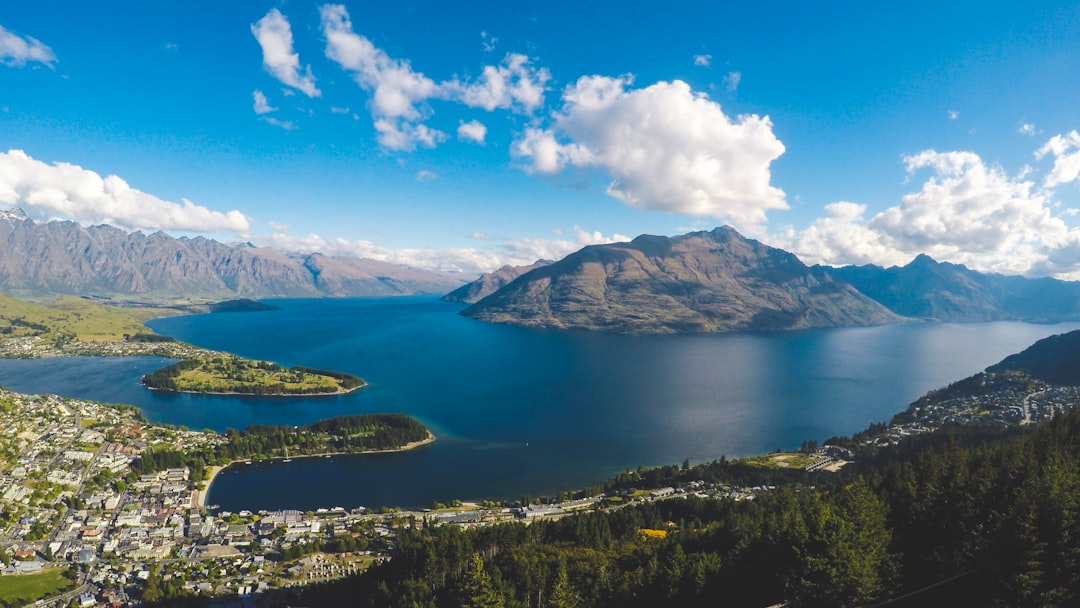
Photo by Ömer Faruk Bekdemir on Unsplash
Among the best adventure travel destinations, Queenstown stands out because it never feels like a one-note stunt town. You arrive to a lake that glows blue-green under a wall of mountains, and within minutes the place starts whispering options at you: a gondola line rising into the sky, a jet boat slicing the Shotover, paragliders folding down toward meadows, mountain bikers rattling home dusty and ecstatic. The town itself is compact, walkable, and confident, which is exactly what many thrill seeker destinations lack.
What makes Queenstown such a strong pick is the range. You can do high-wire adrenaline in the morning, a long ridgeline hike after lunch, and a pinot noir dinner in nearby Gibbston by evening. Few of the best adventure travel destinations combine this much infrastructure with this much raw landscape. If you want extreme travel experiences without spending half the trip decoding transport or safety standards, Queenstown is a sweet spot.
How to get there
Queenstown is easy by New Zealand standards, which is one reason it remains one of the best adventure travel destinations for first big-adventure trips.
- Fly in: Queenstown Airport (ZQN) has direct domestic links from Auckland, Wellington, and Christchurch. Typical flight times are about 1 hour 20 minutes from Christchurch and 1 hour 50 minutes from Auckland.
- From the airport to town: The airport is about 8 km from central Queenstown. Shuttles usually cost NZD 20-30, rideshares around NZD 25-40, and local buses are cheaper if you are light on luggage.
- Drive times: Wanaka is about 1 hour away, Te Anau about 2 hours, and Milford Sound day tours usually involve 4 hours or more each way.
- Useful links: Queenstown Airport and New Zealand Tourism - Queenstown.
Things to do
Queenstown is built for motion. Even the air feels charged here, cool in the morning, bright by noon, and often scented with lake water and dry grass. The best approach is to mix one major booked activity with one flexible, weather-dependent plan each day.
- Nevis Bungy: A 134 m jump that still feels absurd even after the safety briefing. Expect around NZD 300-340.
- Shotover Jet: High-speed turns through a narrow canyon, about 25 minutes on the water. Prices usually start around NZD 169.
- Skyline Queenstown and Luge: Ride the gondola for wide views over Lake Wakatipu, then race the luge tracks. Good for a lower-intensity adventure afternoon.
- Ben Lomond Track: A demanding full-day hike with a summit panorama that shows why Queenstown owns so many postcards. Start from the Skyline base area.
- Mountain biking at Queenstown Bike Park: Lift-served downhill and flow trails for different levels.
- Kawarau Bridge Bungy: The classic AJ Hackett site if you want history with your nerves.
- Day trip to Glenorchy and Routeburn area: For kayaking, horse trekking, or a taste of New Zealand's great alpine wilderness.
Where to stay
Queenstown can be expensive, but you can still shape the trip around your comfort level.
- Budget
- Haka House Queenstown Lakefront: Clean, practical, often NZD 50-160. Good kitchen setup.
- Mid-range
- Blue Peaks Lodge: Usually NZD 190-300, reliable and well placed for town access.
- Luxury
- Eichardt's Private Hotel: Historic splurge territory, commonly NZD 900+.
Where to eat
After a day of outdoor adventure trips, Queenstown leans comforting: big burgers, hot dumplings, grilled meat, deep reds, and the kind of desserts you earn.
- Fergburger, 42 Shotover Street: Still the most famous burger line in town, and still worth it if you go off-peak.
- Blue Kanu, 16 Church Street: Pacific-Asian plates with bold spice and atmosphere.
- Madam Woo, 5 Ballarat Street: Fast, flavorful noodles and dumplings.
- Botswana Butchery, 17 Marine Parade: Steak and lake views for a celebratory dinner.
- Patagonia Chocolates, 2 Rees Street: For dulce de leche ice cream or hot chocolate after cold-weather activities.
Practical tips
Queenstown earns its place among the best adventure travel destinations because it works in all seasons, but the feel changes dramatically.
- Best months: November to March for hiking, biking, and lake activities. June to August for ski culture.
- Weather: Expect quick changes. Even sunny days can turn sharp after sunset.
- What to pack: Windproof shell, light fleece, trail shoes, sunglasses, and a dry bag for water activities.
- Money: New Zealand dollar. Cards are widely accepted.
- Safety: Book major operators with strong reputations and weather policies. Wind regularly changes schedules.
- Connectivity: Local eSIMs and airport Wi-Fi are easy to arrange.
- Extra planning: If you are arriving from Europe or North America, build in a recovery day before the biggest activity.
Interlaken, Switzerland: the precision-engineered alpine playground
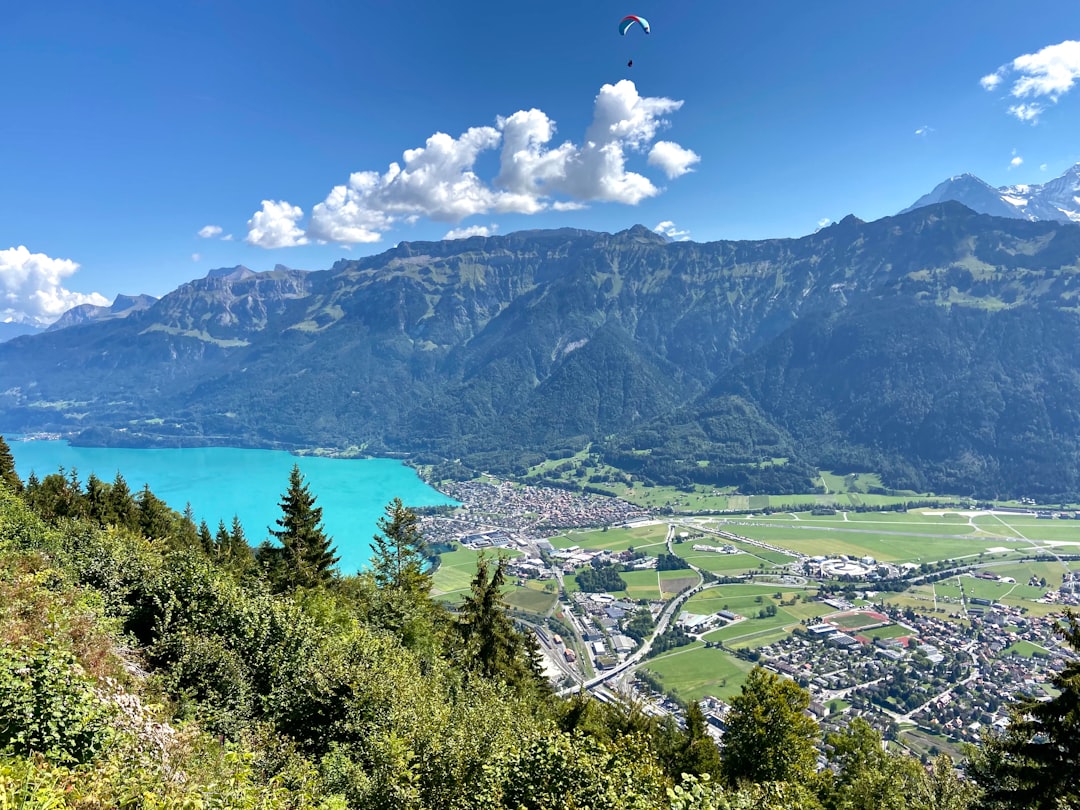
Photo by Jenny DeLuca on Unsplash
If Queenstown feels playful, Interlaken feels exact. Trains glide in on time, lifts run like clockwork, the air looks sharpened by snow even in summer, and the lakes on either side of town seem too clean to be real. Among the best adventure travel destinations in Europe, Interlaken is the one that makes high drama feel surprisingly manageable. It is an ideal answer for travelers searching best places for adrenaline activities without rough logistics.
The valley sits between Lake Thun and Lake Brienz, with access to Lauterbrunnen, Grindelwald, Mürren, and the Jungfrau region. That means you are not choosing one experience so much as choosing a platform for many. One day can hold a cogwheel train, a cliffside path, a paraglider descent, and a riverside beer. For adventure vacation ideas that pair efficiency with grandeur, few thrill seeker destinations are this complete.
How to get there
Switzerland makes access part of the pleasure. You can land, board a train, and watch the landscape become more cinematic by the hour.
- Fly in: The most convenient airports are Zurich (ZRH), Geneva (GVA), and Basel (BSL). Zurich to Interlaken Ost takes around 2 hours 10 minutes by train; Geneva around 2 hours 50 minutes.
- Train links: From Bern, Interlaken is roughly 50 minutes. Use SBB for timetables and saver fares.
- Regional access: Interlaken Ost is the key station for Jungfrau trains, Lauterbrunnen, Grindelwald, and Brienz.
- Useful links: Switzerland Tourism - Interlaken and Jungfrau Region.
Things to do
Interlaken rewards travelers who like variety framed by altitude. Cowbells, glacial water, clipped alpine grass, and sharp limestone walls give even simple walks a sense of scale.
- Paragliding over Interlaken: Tandem flights usually launch from Beatenberg and land near Höhematte. Expect CHF 180-220.
- Canyoning in Saxeten or Grimsel: Cold, technical, and thrilling. Good operators provide full wetsuit and rope systems.
- Harder Kulm: Take the funicular for a quick viewpoint over both lakes and the Eiger, Mönch, and Jungfrau trio.
- Via ferrata Mürren-Gimmelwald: A dramatic cliffside route for confident, steady-headed hikers.
- Jungfraujoch region day trip: Even if it is not your most extreme day, the glacier world is unforgettable.
- Kayaking on Lake Brienz: Best on calm mornings when the water turns glassy and pale turquoise.
- Winter add-on: Ski or snowboard in Grindelwald-Wengen if you visit December to March.
Where to stay
Interlaken has options for backpackers, rail-pass travelers, and luxury seekers who want a spa after the mountains.
- Budget
- Balmers Hostel: A classic social option, usually CHF 40-140.
- Mid-range
- Hotel Interlaken: Often CHF 220-360, close to Interlaken Ost.
- Luxury
- Grand Hotel Belvédère, Wengen: Good luxury alternative if you want to sleep deeper in the mountains.
Where to eat
Swiss mountain food is built for recovery. Think melted cheese, rösti, sausage, river fish, and dense cakes that make sense after vertical effort.
- Hüsi Bierhaus, Postgasse 3: Good for sausages, schnitzel, and a casual beer-hall mood.
- Restaurant Taverne, Höheweg 74: Swiss staples in a historic setting.
- Aare Korean BBQ, Höheweg area: Surprisingly popular after a day outdoors if you want something hearty but different.
- Bebbis Unterseen: Fondue and regional comfort food with old-town atmosphere.
- Café de Paris, Höheweg: Handy for coffee and pastries between activities.
Practical tips
Interlaken remains one of the best adventure travel destinations for travelers who want structure. It is pricey, but the clarity is part of the value.
- Best months: June to September for hiking, climbing, canyoning, and paragliding. December to February for snow sports.
- Weather: Afternoon storms can build in summer. Start early for mountain plans.
- What to pack: Layers, waterproof shell, trail shoes, and cash for smaller mountain huts.
- Money: Swiss franc. Cards are widely accepted, but not everywhere in small alpine spots.
- Safety: Weather and altitude change fast above valley level. Check forecasts before committing.
- Connectivity: Excellent. Public transport apps are very reliable.
- Budget note: A Swiss Travel Pass or regional pass can reduce transport friction if you are stacking cable cars and trains.
La Fortuna, Costa Rica: volcano heat, jungle rain, river pulse
Some of the best adventure travel destinations thrill you with speed; La Fortuna does it with density. The landscape feels alive in every direction. Mist clings to the slopes of Arenal Volcano, howler monkeys throw their voices through the trees, warm rain sweeps through and vanishes, and rivers run brown and strong after a storm. For travelers who want outdoor adventure trips with less cold and more humidity, this is one of the great thrill seeker destinations on the planet.
La Fortuna also wins because the adventure comes in layers. You can spend the morning on hanging bridges over the canopy, the afternoon rappelling through a canyon, and the evening soaking in hot springs under torchlight. Among the best adventure travel destinations in the tropics, it is especially good for couples or mixed-ability groups who want both pulse-raising action and easy recovery.
How to get there
The town is inland, but the route is straightforward once you know your airport options.
- Fly in: Most travelers arrive via San José Airport (SJO) or Liberia Airport (LIR). San José to La Fortuna takes about 3-3.5 hours by road; Liberia roughly 3 hours.
- Shared shuttles: Usually USD 55-65 per person from San José hotels or airport zones.
- Rental car: Practical if you want freedom for hot springs and lake viewpoints. Roads are mostly manageable in dry season, but avoid driving after dark if possible.
- Useful links: Visit Costa Rica - Arenal and SJO Airport.
Things to do
The soundscape in La Fortuna is half spa town, half rainforest theater. Cicadas buzz, rain drums on leaves, toucans bark from hidden branches, and river water is never far away.
- White-water rafting on the Sarapiquí or Balsa River: Class II to IV depending on route and season. Great for first-time rafters and confident paddlers alike.
- Canyoning and waterfall rappelling: Pure jungle adrenaline, often with multiple descents through narrow, wet rock corridors.
- Arenal 1968 Trails: Lava-flow landscapes and open volcano views on clear mornings.
- Mistico Arenal Hanging Bridges Park: Excellent canopy-level walking and wildlife spotting.
- Arenal Volcano National Park area hikes: Good for combining short treks with birding and photography.
- Lake Arenal kayaking or paddleboarding: Windier than it looks and often more adventurous than advertised.
- Hot springs evening: Tabacón, Ecotermales, or Baldi are classic post-adventure resets.
Where to stay
La Fortuna has a wider lodging spread than many jungle hubs, from backpacker pools to world-famous resorts.
- Budget
- Selina La Fortuna: Often USD 20-95, polished hostel-hotel hybrid.
- Mid-range
- Casa Luna Hotel and Spa: Around USD 140-240, leafy and calm.
- Luxury
- Nayara Springs or Nayara Gardens: Usually USD 600+, among the region's most memorable luxury stays.
Where to eat
Costa Rica's food scene here is grounded, fresh, and often best in humble rooms with open sides and ceiling fans. After river days, you want rice, beans, plantains, grilled fish, and coffee that tastes like wet forest air smells.
- Soda Viquez, near central park: Casados, fresh juices, and dependable local prices.
- Don Rufino, Avenida 311: More refined plates and a strong cocktail list.
- Red Frog Coffee Roaster: Excellent breakfast and coffee before early tours.
- Organico Fortuna: Good for light bowls, juices, and produce-driven meals.
- Tiquicia Restaurant: Handy for local dishes close to the center.
Practical tips
For many travelers, La Fortuna becomes one of the best adventure travel destinations because it balances effort and comfort so well.
- Best months: December to April for drier weather. July and August can also be excellent with fewer crowds.
- Weather: Rain is normal year-round. Trails can turn muddy fast.
- What to pack: Quick-dry clothing, sandals with grip, insect repellent, waterproof phone pouch, and a spare T-shirt for transfers.
- Money: Costa Rican colón and US dollars are both widely used.
- Safety: Rivers swell after heavy rain; take operator briefings seriously.
- Connectivity: Good in town, patchier in lodges and forest zones.
- Food note: If you love market snacks and roadside sodas, keep basic hygiene in mind with Street Food Safety Abroad in 2026: Eat Like a Local.
Moab, Utah, USA: red rock, slickrock, and desert exposure
Moab is one of those best adventure travel destinations that looks almost impossible in person. The ground glows rust red at dawn, the sky stretches a hard blue above knife-edged mesas, and every direction seems to promise a route with consequences. This is not a place of lush abundance. It is a place of friction: heat, rock, height, wind, and distance. That friction is exactly why it ranks so high for best places for adrenaline activities on land.
What makes Moab special is the spectrum between technically demanding and beautifully simple. You can spend a day threading sandstone slots with a guide, then follow it with a sunset on a quiet overlook where the whole desert seems to hum. For travelers building adventure vacation ideas around mountain biking, canyoneering, 4x4 driving, or river days, Moab belongs near the top of the shortlist.
How to get there
Desert adventure starts with accepting some distance. Moab rewards road trippers, but there are easier flight combinations than many first-timers expect.
- Fly in: Salt Lake City (SLC) is the most common gateway, with a drive of about 3 hours 45 minutes to 4 hours. Grand Junction, Colorado (GJT), is around 1 hour 45 minutes away by car. Canyonlands Field Airport (CNY) also has limited regional service.
- Drive access: From Denver, plan about 5.5-6 hours. From Las Vegas, around 6.5-7 hours.
- Car rental: Strongly recommended. Many trailheads and park viewpoints are not practical without your own vehicle or a tour.
- Useful links: Discover Moab, Arches National Park, and Canyonlands National Park.
Things to do
Moab has a dryness that sharpens everything: boot steps on sandstone, chain links on bike frames, wind hitting your ears on an exposed ledge. Start early, carry more water than seems reasonable, and let the landscape set the pace.
- Slickrock Bike Trail: The iconic mountain biking route. Technically demanding and unforgettable.
- Hell's Revenge 4x4 route: Best with an experienced guide unless you are very confident off-road.
- Canyoneering in Entrajo, Medieval Chamber, or Ephedra's Grotto: Depending on skill, guides can take you from beginner slots to rope-intensive descents.
- Colorado River rafting: Half-day float trips are scenic; white-water sections west of town add more push.
- Arches National Park: Delicate Arch, Devils Garden, and Fiery Furnace with a ranger-led or guided route.
- Canyonlands Island in the Sky: Immense overlooks and tougher trails with huge payoff.
- Sunset at Dead Horse Point State Park: Less adrenaline, more pure awe.
Where to stay
Moab fills quickly in peak spring and fall, so book earlier than you think.
- Budget
- Adventure Inn and Motel: Often USD 90-160, simple but well placed.
- Mid-range
- Aarchway Inn: Around USD 170-290, useful for park access.
- Luxury
- Sorrel River Ranch Resort and Spa: Frequently USD 450-900 for a more remote splurge.
Where to eat
After a desert day, cold drinks and salt suddenly feel as luxurious as any fine dining room. Moab's food scene is casual, practical, and stronger than a town of its size has any right to be.
- Moab Brewery, 686 South Main Street: Burgers, beer, and a classic post-trail stop.
- Jailhouse Café, 101 North Main Street: Popular breakfast before early park starts.
- Milt's Stop and Eat, 356 South Mill Creek Drive: Old-school burger and shake energy.
- Antica Forma, 267 North Main Street: Reliable pizza with better-than-expected dough.
- Desert Bistro, 36 South 100 West: The nicer dinner option when you want to celebrate a big route.
Practical tips
Moab is one of the best adventure travel destinations for self-driven travelers, but it demands respect more than comfort.
- Best months: March to May and September to October. Summer heat can be punishing.
- Weather: Spring winds are common. Summer regularly pushes above 38 C.
- What to pack: Sun hoodie, wide-brim hat, 2-3 liters of water minimum for short outings, electrolyte tabs, and grippy shoes.
- Money: US dollar. Cards widely accepted.
- Safety: Flash floods are a real risk in slot canyons. Never ignore storm forecasts.
- Connectivity: Good in town, weak to nonexistent in backcountry areas.
- Park access: Timed entry or reservation systems can apply in busy periods, so check official park pages in advance.
Pokhara, Nepal: Himalayan air and high-value altitude thrills
Pokhara has a softness on the surface that hides serious adventure underneath. The lakefront can feel almost lazy in the mornings, with rowboats drifting over Phewa Lake and prayer flags twitching in the breeze, but raise your eyes and the Annapurna range appears like a wall from another scale of reality. Among the best adventure travel destinations for travelers who want value, altitude, and character in the same place, Pokhara is exceptionally hard to beat.
This is where outdoor adventure trips start to feel bigger than isolated activities. A paraglide does not just give you a rush; it lets you float eye-level with Himalayan ridges. A trek is not simply exercise; it becomes a slow passage through villages, terraces, suspension bridges, and changing weather. For extreme travel experiences with a deeply human backdrop, Pokhara remains one of Asia's most rewarding thrill seeker destinations.
How to get there
The route is part of the planning challenge, but it is manageable with the right expectations.
- Fly in internationally: Most travelers enter Nepal through Kathmandu's Tribhuvan International Airport (KTM).
- Domestic connection: Kathmandu to Pokhara Airport (PKR) takes about 25 minutes by air. Book early in peak trekking season.
- Tourist bus: A cheaper option at around 7-8 hours depending on traffic and road conditions, often USD 10-20 for standard or deluxe coaches.
- Useful links: Welcome Nepal - Pokhara and Nepal Tourism Board.
Things to do
Pokhara feels atmospheric rather than showy. The lake reflects clouds, temple bells drift from the hillside, and the light at dawn turns the snow peaks pink and then white. It is a place where the sense of ascent begins before your body does.
- Paragliding from Sarangkot: One of the world's great tandem flights, often USD 70-110 depending on package and photo add-ons.
- Sunrise at Sarangkot: Even if you do not fly, the ridge view over Annapurna and Machhapuchhre is worth the early alarm.
- Annapurna Base Camp or Poon Hill trek departures: Pokhara is the staging ground for some of Nepal's most famous trekking routes.
- Ultralight flight: A rare chance to see the mountains from a small open-view aircraft.
- Upper Seti River rafting or kayaking: Shorter but exciting water-based add-on.
- World Peace Pagoda hike: A good acclimatization or recovery day with lake views.
- Lakeside cycling and boat rides on Phewa Lake: Gentler, but a smart balance against harder days.
Where to stay
Pokhara is one of the rare best adventure travel destinations where a modest budget still buys comfort and scenery.
- Budget
- Zostel Pokhara: Usually USD 8-30, social and affordable.
- Mid-range
- Temple Tree Resort and Spa: Often USD 90-160, attractive garden feel.
- Luxury
- The Pavilions Himalayas - The Farm: Usually USD 220-400 for a quieter upscale stay outside the bustle.
Where to eat
Food in Pokhara shifts between trekking fuel and laid-back café culture. You will find dal bhat refills, momos, strong coffee, bakery counters, and rooftop views that make lingering easy.
- Moondance Restaurant and Bar, Lakeside: A long-running favorite for varied menus and easy evenings.
- OR2K, Lakeside: Great for vegetarian and Middle Eastern-inspired plates.
- Fresh Elements, Lakeside Road: Dependable for breakfast, coffee, and healthier meals.
- Caffe Concerto: Cakes, espresso, and a relaxed pre-bus or post-flight stop.
- Thakali Bhanchha Ghar: For a proper Nepali thali when you want local depth over café comfort.
Practical tips
Pokhara deserves its place on any list of best adventure travel destinations because it offers outsized scenery for comparatively low spend.
- Best months: October to November for clear skies; March to April for warmer trekking weather and rhododendron bloom.
- Weather: Clouds can hide the mountains for days during monsoon, usually June to September.
- What to pack: Layers, rain shell, small daypack, water purification option, and cash for mountain routes.
- Money: Nepalese rupee. ATMs are available in town but not everywhere on trekking routes.
- Safety: Choose licensed operators for flying and rafting, and buy trekking insurance with evacuation cover.
- Connectivity: Wi-Fi is common in Lakeside, though speeds vary. NTC or Ncell SIMs work well in town.
- Customs: Dress modestly away from tourist strips and ask before photographing people in villages.
Cape Town, South Africa: where mountains dive into the sea
Cape Town feels cinematic before you do anything adventurous at all. Table Mountain rises like a stage set over the city, the Atlantic flashes steel blue in strong wind, and the peninsula seems designed for motion: surf breaks, coastal drives, trail runs, kite beaches, and cliff lines. Among the best adventure travel destinations for variety, this is the one that lets you move between saltwater and summit in a single day.
It also has range in the truest sense. One traveler comes for trail running above Camps Bay, another for shark diving day trips, another for surfing at Muizenberg and hiking Lion's Head at sunset. The mix of urban energy, wild shoreline, and short transfer times makes Cape Town one of the most practical thrill seeker destinations for travelers who want multiple sports without constant repacking. It is also one of the best adventure travel destinations for couples or groups with different tolerance levels, because even the down-time looks spectacular.
How to get there
Cape Town is well connected internationally, and once you land, the city opens quickly.
- Fly in: Cape Town International Airport (CPT) is about 20 km from the City Bowl, usually 20-30 minutes by car depending on traffic.
- Airport transfer: Rideshare or metered taxi usually costs around ZAR 180-350 into central neighborhoods.
- Driving times: Camps Bay is around 20 minutes from the center, Muizenberg around 35-45 minutes, Simon's Town about 50 minutes, and Gansbaai roughly 2.5-3 hours for shark diving trips.
- Useful links: Cape Town Tourism and SANParks - Table Mountain.
Things to do
Cape Town's adventure rhythm is shaped by wind and water. The southeast gust can turn beaches white with spray, while clear mornings can deliver huge views over the peninsula before the cloud rolls over Table Mountain's edge.
- Hike Lion's Head: Best at sunrise or late afternoon for a dramatic but manageable climb.
- Table Mountain hiking or abseiling: Platteklip Gorge is the direct route; abseiling off the top is for travelers who want their views with a drop.
- Surf at Muizenberg: Good for learners, with board rentals and lessons easy to arrange.
- Sea kayaking from Three Anchor Bay: Often includes dolphin, seal, and dramatic city-from-water views.
- Shark cage diving in Gansbaai: Long day, strong nerves required.
- Chapman's Peak drive and Noordhoek trails: Ideal for road-trip scenery and trail running.
- Paragliding from Signal Hill: Short but exhilarating and one of the easiest big-view activities in town.
Where to stay
Cape Town offers real value by international city standards, especially outside peak holiday periods.
- Budget
- Once in Cape Town: Often ZAR 500-1200, social and well located on Kloof Street.
- Mid-range
- The Winchester Hotel: Often ZAR 2400-3800, sea-facing charm on the Atlantic side.
- Luxury
- The Silo Hotel: Frequently ZAR 12000+ for one of the city's most iconic splurges.
Where to eat
Cape Town eats brilliantly after a big day outside. The city moves from fish-and-chips and market grazing to sleek tasting menus without losing its coastal ease.
- Oranjezicht City Farm Market, Granger Bay: Best for weekend grazing, coffee, pastries, and local produce stalls.
- Kalky's, Kalk Bay Harbour: Classic fish-and-chips by the water.
- Kloof Street House, 30 Kloof Street: Atmospheric dinner in an old house with a garden feel.
- Time Out Market Cape Town, V&A Waterfront: A good one-stop option when groups cannot agree.
- The Pot Luck Club, Woodstock: For a more celebratory, reservation-worthy meal.
Practical tips
Cape Town rounds out this list of best adventure travel destinations because it gives you genuine range without forcing you far from a comfortable base.
- Best months: October to April for warmer, drier conditions. December and January are busiest.
- Weather: Wind is a major factor for paragliding, cable cars, and ocean plans.
- What to pack: Wind layer, sun cream, trail shoes, swimsuit, and a compact fleece for evenings.
- Money: South African rand. Cards accepted widely.
- Safety: Use the same city awareness you would in any major destination. Avoid isolated trailheads alone in low-light hours.
- Connectivity: Excellent in central areas. eSIM options are easy.
- Local habit: Book popular restaurants and shark diving slots in advance during summer.
FAQ
What are the best adventure travel destinations for beginners?
If you are new to big adrenaline trips, Queenstown, Interlaken, and La Fortuna are the easiest starting points. They combine strong operator networks, clear transport, and activities available at multiple intensity levels. Among the best adventure travel destinations, these three make it easiest to scale up gradually.
Which destination is best for a 7-day adventure trip?
For one week, pick a place with short transfers once you arrive. Queenstown, Interlaken, La Fortuna, and Cape Town all work well because you can base yourself in one area and stack several adventure vacation ideas without losing days to long overland moves.
What is the cheapest option for thrill seekers?
Pokhara is usually the best-value choice on this list, especially for longer outdoor adventure trips. Bed prices, meals, and domestic transport stay relatively low, though you should still budget properly for insurance, guides, and quality operators.
Which destination has the best mix of adventure and comfort?
That depends on your preferred terrain, but Interlaken and Queenstown are probably the strongest comfort-plus-thrill combinations. They are two of the best places for adrenaline activities if you want excellent infrastructure, polished tours, and memorable scenery without much friction.
When should I book adventure activities?
For peak seasons, book major items 2-8 weeks ahead, especially bungy jumps, canyoning, shark diving, guided canyon routes, and high-demand lodges. Weather-sensitive activities may still shift, so choose operators with clear rescheduling policies.
The right thrill starts with the right landscape
The best trips for adrenaline lovers are rarely about doing the single wildest thing on earth. They are about landing in a place that fits your body, budget, and appetite for uncertainty. The best adventure travel destinations are the ones that keep delivering after the signature activity is over: the meal that tastes better because you earned it, the road back at golden hour, the strange quiet in your muscles the next morning, the sudden desire to do it all again. Choose the terrain that pulls at you most, and the rest of the planning gets much easier.