Here is the paradox of food travel: the meal you remember forever is often the one served on a plastic stool, under a humming strip light, with smoke rising into the night. Street food safety abroad is not about retreating to bland hotel buffets. It is about learning how to read a stall, a market, a plate, and a glass in seconds. Do that well and you can enjoy local dishes with far more confidence and far less chance of losing two precious travel days to cramps, dehydration, or a panicked pharmacy run.
Most stomach trouble on the road is not random bad luck. It usually starts with a handful of small decisions: a sauce left in the sun, ice from questionable water, cut fruit that has been sitting out, or seafood served warm instead of cold. The good news is that safe food travel tips are practical, fast, and easy to remember once you know what matters most. You do not need to travel in fear. You need a sharper eye, a calmer routine, and a better street food guide than the usual vague advice to just eat where locals eat.
The goal of this article is simple: help you keep the thrill of culinary travel while reducing the risks that most often lead to travelers' diarrhea and ruined itineraries. You will find sensory cues, ordering strategies, packing ideas, and real-world examples from food-loving cities where these habits pay off quickly. Before a food-heavy trip, I like to pin late-night markets, pharmacies, and one reliable grocery store into TravelDeck so the delicious parts of the day stay spontaneous while the backup plan is already sorted.
Street food safety abroad starts before your first bite
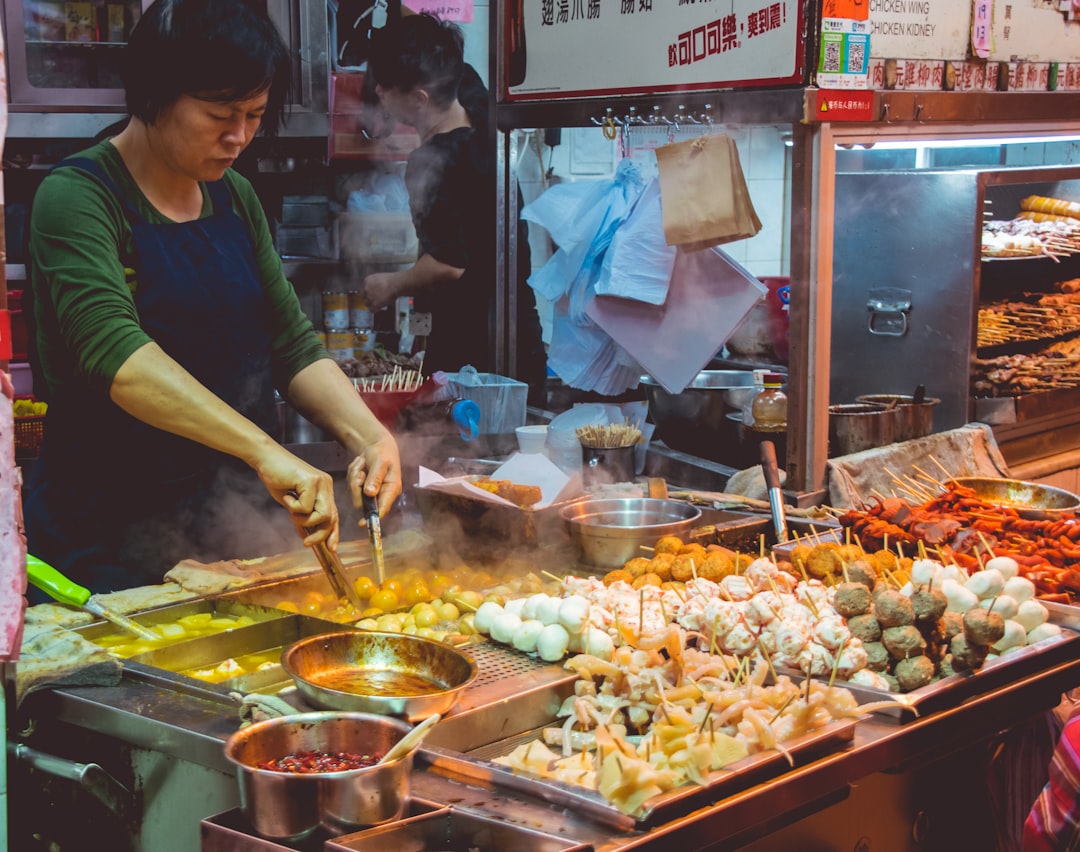
Photo by Vernon Raineil Cenzon on Unsplash
The safest eaters abroad are rarely the most cautious-looking people in the room. They are the ones quietly scanning the whole scene before they order. They notice whether the stall is cooking constantly or just reheating. They watch how money is handled. They clock whether raw chicken is sharing a cutting board with herbs and cucumbers. They see whether the line is moving fast enough that nothing sits around for an hour losing heat and gaining risk.
Street food safety abroad begins with turnover. A busy noodle stand at 7:30 p.m. that serves a bowl every 20 seconds is usually more reassuring than a spotless but empty place with trays of food waiting under weak lamps. Heat matters, but so does time. Freshly grilled food can be wonderful. Food grilled three hours ago and held lukewarm is where your confidence should start to wobble.
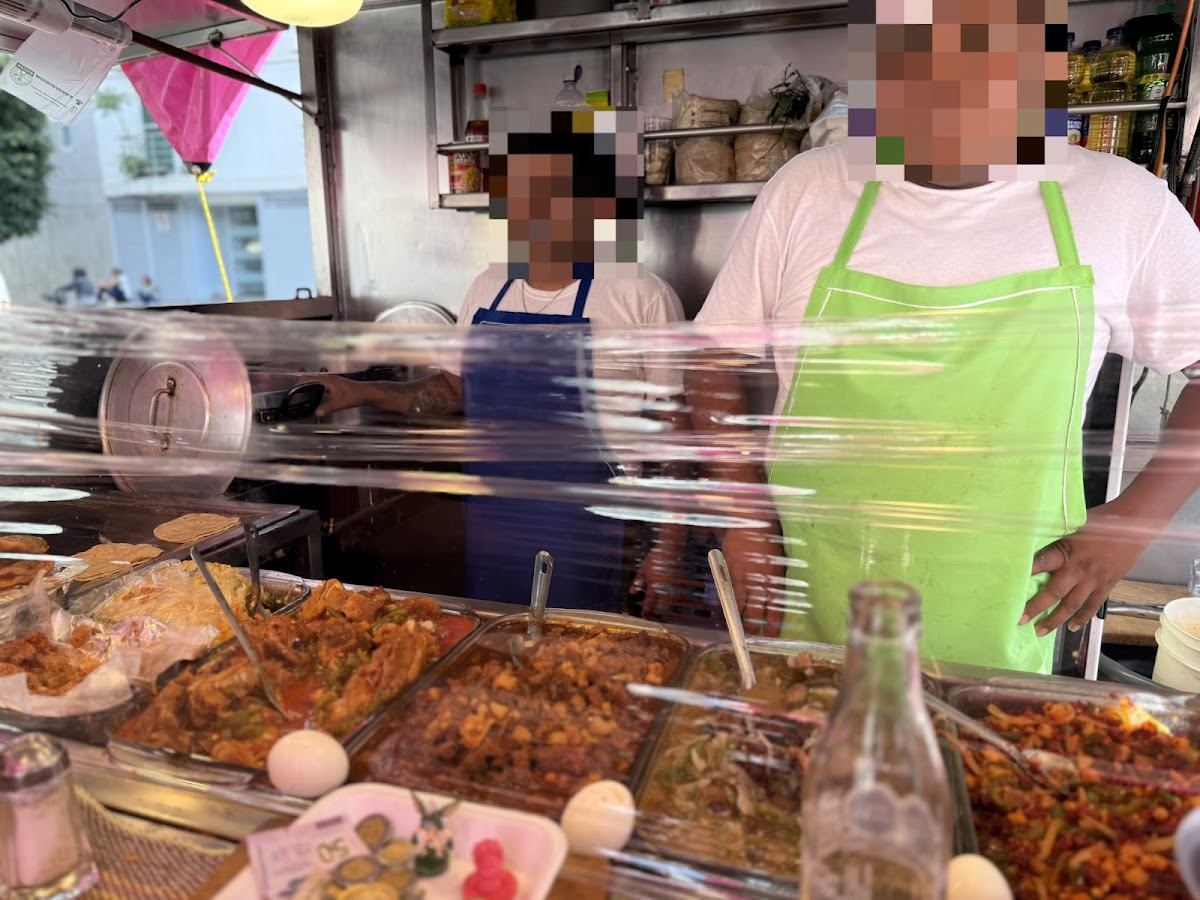
Another part of the equation is rhythm. Good vendors move with practiced economy: tongs for cooked food, separate bins for raw ingredients, sauces covered when not in use, wiping down between orders, hands washed or at least cleaned regularly, and ingredients restocked from cold storage rather than left exposed all day. You are not inspecting a laboratory. You are watching for habits.
Look for these signs before you order:
- A steady line of customers, especially local office workers, families, or taxi drivers
- Food cooked to order, or at least finished to order on a hot grill, griddle, wok, fryer, or pot
- Steam, bubbling broth, crackling oil, or a visible oven or charcoal fire
- Raw ingredients stored separately from cooked items
- Covered sauces and garnishes rather than open bowls attracting dust and flies
- A vendor using tongs, spoons, gloves, or paper barriers instead of bare hands for everything
- Clean plates, ladles, chopping blocks, and a worktop that gets wiped often
- Shade, refrigeration, or ice for perishables such as seafood, dairy, and meat
Walk away if you see these red flags:
- Pre-cut fruit uncovered in warm air
- Meat or seafood sitting in the sun
- Rice, noodles, or sauces holding at room temperature for long periods
- Raw and cooked foods handled with the same utensil
- A stall that smells sour, stale, or oddly sweet in the heat
- Drinks poured from large open containers with dubious ice
- Eggs, shellfish, or minced meat that look undercooked or only gently warmed
Food and water safety: the invisible part of the meal
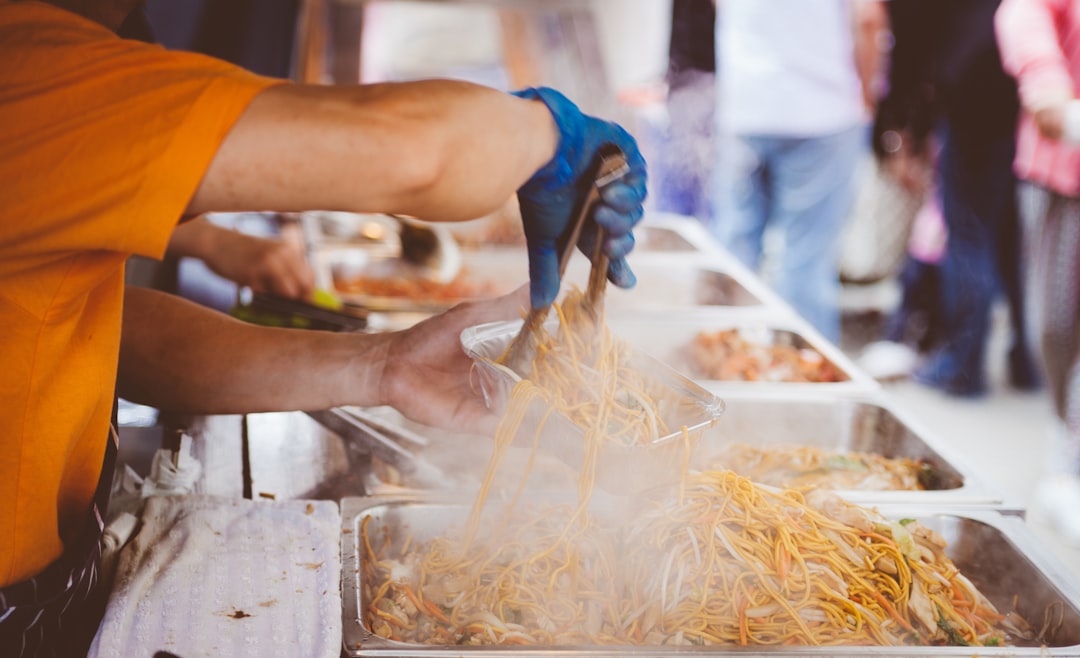
Photo by Clem Onojeghuo on Unsplash
Food and water safety is often decided by what you do not taste. The broth may be perfect, the bread still warm, the herbs bright and fragrant, and yet the problem can be the cube of ice melting into your tea or the rinsing water used on your salad. Travelers often focus on dramatic risks and miss the ordinary ones. In many destinations, the higher-risk part of the meal is not the sizzling skewer but the raw garnish beside it.
Water deserves more respect than most travelers give it. If local tap water is not reliably safe, that caution extends beyond drinking glasses. It can affect ice, smoothies, fountain sodas, washed fruit, salad leaves, mint sprigs, coffee equipment rinsed badly, and even toothpaste if you are especially sensitive. Food and water safety is not glamorous, but it is the backbone of a good eating day abroad.
There is also a psychological trap here. A beautiful restaurant can feel safer than a humble stall, but a polished dining room does not automatically guarantee better storage, cleaner ice, or fresher produce. Meanwhile, a tiny dumpling shop with rapid turnover and boiling steam may be one of the best choices in the neighborhood. Safe food travel tips work best when you judge process, not décor.
When water quality is uncertain, play it smart:
- Choose sealed bottled water or properly treated water for drinking
- Skip ice unless you are sure it was made from safe water
- Favor tea and coffee made with boiling water
- Prefer canned or bottled soft drinks over fountain drinks
- Wipe the rim or top of cans and bottles before drinking directly
- Brush your teeth with safe water if sanitation is questionable
- Be cautious with fresh juices diluted with water or blended with ice
- Avoid salads, chutneys, fresh salsas, and raw herbs if you do not know how they were washed
Food and water safety also matters with dairy and condiments:
- Choose pasteurized dairy whenever possible
- Treat soft cheeses and creamy desserts cautiously in hot weather
- Be wary of mayonnaise-heavy salads sitting out
- Ask for sauces on the side if they have been standing unrefrigerated
- Prefer condiments from squeeze bottles, sealed packets, or containers kept chilled
Local dishes that are usually safer bets
Flavia Desirée Bascone
One of the smartest ways to enjoy local dishes abroad is to lean into cooking methods that naturally reduce risk. Boiling, pressure cooking, roasting, griddling, and frying create a margin of safety that raw, lukewarm, or heavily handled foods simply do not. That does not mean every grilled snack is safe or every soup is perfect. It means you are choosing categories that tend to work in your favor.
Think about the dishes that come to the table with energy still in them: ramen with steam clouding your glasses, tagine lifted straight from the flame, dosa peeled from a hot griddle, skewers snapping off a charcoal fire, fried pastries shattering at the first bite, dumplings carried from bamboo steamers, or chickpea fritters still audibly sizzling in paper. Local dishes like these are not just delicious. They are often better first choices for newcomers.
Street food safety abroad gets much easier when you build your order around heat and freshness rather than around the most photogenic plate on the menu. The bowl of broth may be safer than the raw seafood platter. The flatbread assembled in front of you may be a smarter bet than the buffet of dressed vegetables. The banana you peel yourself may beat the tropical fruit cup every time.
Safer first-choice local dishes in many destinations include:
- Brothy bowls such as ramen, pho, noodle soups, lentil soups, pozole, and caldo
- Griddled breads and pancakes such as dosa, arepas, gözleme, okonomiyaki, and stuffed flatbreads
- Freshly fried snacks such as samosas, pakoras, arancini, tempura, churros, and youtiao
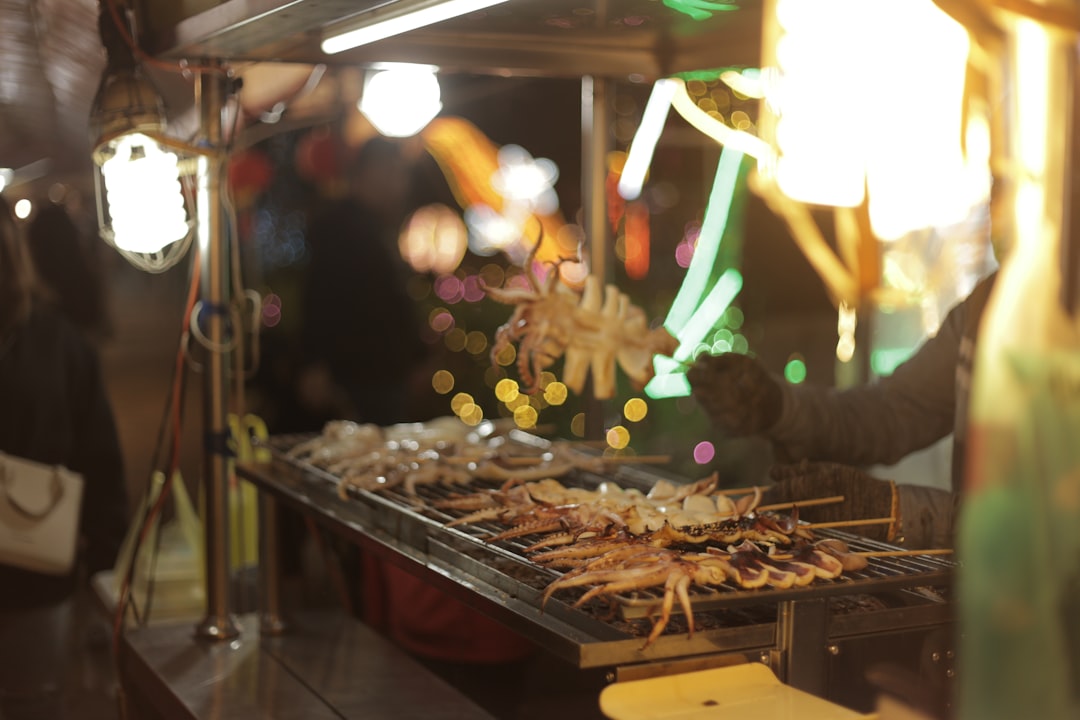
- Roasted or grilled meats cooked in front of you, including satay, yakitori, souvlaki, and shawarma carved hot from the spit
- Steamed dumplings, buns, and tamales served straight from steamers or pots
- Rice dishes finished hot to order, such as nasi goreng, bibimbap, or paella portions from a busy service
- Fruit you can peel yourself, including bananas, mandarins, mangoes, and oranges
- Bakery items from places with good turnover, especially breads, buns, and pastries that are baked the same day
Treat these with more caution, especially in hot weather or low-sanitization settings:
- Leafy salads and raw garnishes
- Cut fruit exposed to air or handled repeatedly
- Raw shellfish and ceviche unless you trust the establishment deeply
- Rare burgers, undercooked eggs, and runny sauces made with raw egg
- Unpasteurized milk and dairy desserts
- Buffet items sitting warm for long stretches
- Rice held at room temperature for hours
- Seafood that smells too fishy, metallic, or sweet in a bad way
How to choose street food without killing the spontaneity
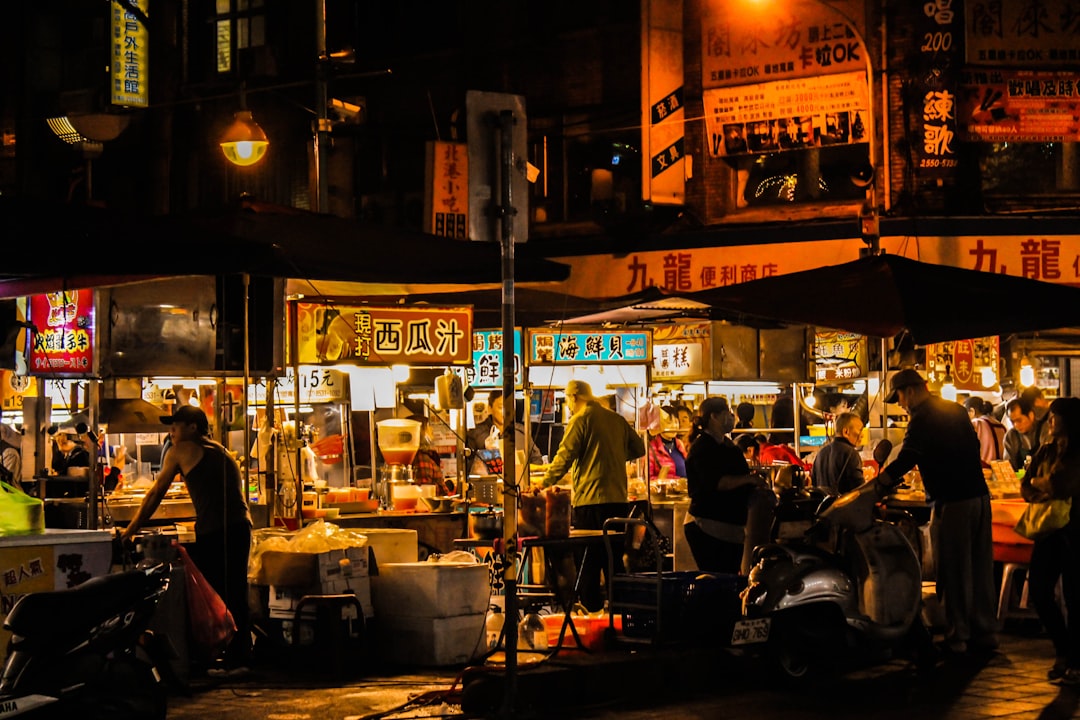
Great markets reward patience for five minutes and punish impatience for two days. Walk one full lap before you commit. Let the aromas settle into a map in your head: smoke from the skewer lane, star anise from the braise pots, the buttery sweetness of egg tarts, citrus and chili near the seafood counters. That first lap is not wasted time. It is your reconnaissance round.
A good street food guide should not make you feel like a nervous auditor. It should make you feel more free. Once you have scanned a market properly, you can relax into it. You know which stall has the fastest turnover. You know where the fried food comes out in small, constant batches. You know which dessert counter is popular enough that nothing sits long. Street food safety abroad becomes intuitive once you stop ordering at the first stall that catches your eye.
Night markets, bus depots, ferry piers, and roadside clusters each have their own rhythm. Transit hubs can be excellent because turnover is high, but they can also tempt vendors to cut corners because customers are passing through. Tourist squares can be lively, yet some stalls survive mainly on one-time customers. Your job is to spot where locals return repeatedly and where the kitchen looks built for volume rather than for display.
Use this market strategy:
- Walk the whole market once before buying anything substantial.
- Notice where locals queue twice: once for a savory dish and once for dessert or drinks.
- Start with a hot, simple item instead of three risky dishes at once.
- Watch one or two orders assembled before you place yours.
- Avoid stalls with all the food pre-plated and no active cooking.
- Eat earlier in the service window when ingredients and oil are fresher.
- If trying seafood, choose the busiest specialist stall, not the one with the prettiest sign.
- Order smaller portions from multiple good stalls rather than one giant feast from a questionable one.
A useful rule of thumb for street food safety abroad is this: choose the stall where the vendor is too busy to let food sit. That rhythm is your ally.
Safe food travel tips for restaurants, buffets, trains, and flights
Travelers sometimes relax their standards the moment they sit indoors. That can be a mistake. Restaurants present different risks from street stalls rather than automatically lower ones. In a market, you can often see the entire process. In a restaurant, much of the risk lives behind a swinging door: storage temperature, staff training, reheating practices, and whether yesterday's sauce has been given one day too many.
Buffets are particularly seductive because they look abundant and safe under polished lids and warm lights. Yet buffet food often sits in the danger zone longer than freshly cooked street food. The same is true of hotel breakfasts where eggs, sausages, yogurt, cut fruit, and pastries may have been handled repeatedly since dawn. Safe food travel tips are not anti-buffet, but they do demand selectivity.
Food on trains, buses, ferries, and even flights deserves the same scrutiny. A boxed meal loaded at 6 a.m. and eaten at noon is not inherently dangerous, but it is not magical either. If the airline meal includes fully cooked hot food, sealed yogurt, factory-packaged crackers, and a bottled drink, great. If the station kiosk sandwich has been sweating in plastic for hours, maybe not. Travelers' diarrhea has started with far less drama.
When eating in restaurants or in transit, prioritize:
- Dishes made fresh and served hot
- Open kitchens or counters where you can watch some of the process
- Short, focused menus instead of giant everything-for-everyone menus
- Busy service periods rather than the dead middle of the afternoon
- Individually sealed drinks, yogurts, and snacks for transit days
- Dry, packaged snacks such as nuts, crackers, or chips for backup
- Bakery breakfasts over sprawling buffet spreads when you are unsure
Be cautious with:
- Hotel breakfast buffets where eggs, dairy, and cut fruit have been sitting out
- Lounge food left under covers for long periods
- Train sandwiches with mayonnaise, tuna, or deli meat in hot weather
- Sushi or raw seafood from stations unless turnover is visibly fast and cold chain is strong
- Leftovers you cannot refrigerate within two hours
Ordering safely and still sounding like a gracious traveler
There is an art to ordering carefully without sounding suspicious or rude. In many places, the easiest way to get a better meal is also the safest way: ask what is fresh, what is most popular right now, and what is cooked to order. Vendors usually light up when they can steer you toward a specialty. You are not demanding a special protocol; you are inviting local expertise.
It also helps to understand the etiquette of the table. In some countries, asking to customize a beloved dish extensively can sound awkward. In others, asking for a sauce on the side is completely normal. That is where cultural awareness protects both your meal and the mood. If you want a quick refresher on reading social cues abroad, Unspoken Travel Rules Abroad in 2026: Be a Better Guest is a helpful companion.
Language is a major safety tool. A translation app, offline phrase list, or allergy card can be as useful as any medicine in your bag. When I know a trip will revolve around markets and small family-run places, I download offline translation, map labels, and currency tools ahead of time; Must-Have Travel Apps for 2026: Build a Lean Phone Setup covers the kind of minimalist setup that actually earns its place on your home screen.
Useful phrases to learn before a food-focused trip:
- Is this cooked fresh now?
- Can I have it very well cooked?
- No ice, please.
- Bottled water only, please.
- I cannot eat peanuts, shellfish, dairy, gluten, or egg.
- Is there raw egg in this?
- Is this pasteurized?
- What do local people eat here for breakfast?
These questions do two things at once. They improve food and water safety, and they move you closer to the food that the place is proud of.
Pack a tiny kitchen, not a giant pharmacy
The best food travelers carry a small kit that supports good decisions. Not a panic bag. Not a mountain of supplies that turns every walk into a trek. Just a few practical items that make it easier to say yes to the good stuff and no to the avoidable stuff.
Think of it as mobility insurance for your appetite. If you have safe water, dry backup snacks, a clean spoon, hand sanitizer, and rehydration salts, you can recover from small missteps quickly and avoid bad choices made out of desperation. The hungriest traveler is often the least selective traveler. Street food safety abroad gets much simpler when you are never forced into the first dubious sandwich you see.
Packing well for food-heavy trips follows the same logic as any smart packing system: small, repeatable, and versatile. If you want a good reminder that useful packing is about scenarios rather than bulk, Morocco Packing List 2026: Cities, Desert, Coast, Mountains is a good example of planning by conditions instead of packing by anxiety.
What earns a place in a food-focused day bag:
- Hand sanitizer with at least 60 percent alcohol
- A small bar of soap or paper soap sheets for bathrooms without supplies
- Oral rehydration salts or electrolyte sachets
- Any doctor-approved medications you rely on for stomach issues
- A reusable water bottle you can fill safely
- A few sealed, dry snacks such as crackers, nuts, or granola bars
- Resealable bags for leftovers or emergency food storage
- Tissues or wipes for messy counters and picnic setups
- A printed or phone-based allergy card in the local language
- A compact tote for market purchases
What usually does not need to come unless your doctor recommends it:
- Half a suitcase of supplements
- Fragile homemade food that needs refrigeration
- Perishable snacks for long transit days
- Random antibiotics taken without medical guidance
If you have allergies, kids, a sensitive stomach, or zero margin for error
Some travelers can afford to be adventurous with a little risk. Others cannot. If you have severe allergies, celiac disease, a weakened immune system, are pregnant, are traveling with infants, or are simply prone to travelers' diarrhea, the smartest strategy is not to avoid all local food. It is to narrow your choices to the highest-confidence version of that food.
That may mean choosing dumplings at a busy specialist shop rather than assorted snacks from ten stalls. It may mean hot soy milk from a famous breakfast counter rather than raw milk sweets from a roadside cooler. It may mean eating local dishes at lunch, when everything is fresh and the sun is not yet punishing, rather than gambling on leftovers at 11 p.m. Food and water safety is always contextual, but some travelers benefit from stricter rules.
Families with children should remember that tired kids are more likely to grab at drinks with ice, sauces on shared tables, and uncovered sweets. Babies need especially careful feeding routines. Ready-to-feed formula can be easier than managing uncertain water. Older adults and immunocompromised travelers should be more skeptical about raw seafood, soft cheeses, and buffet spreads.
Higher-caution strategies that still allow good culinary travel:
- Choose one standout meal a day rather than continuous grazing
- Avoid raw seafood and undercooked eggs in warm climates
- Carry translated allergy cards and show them before ordering
- Use ready-to-feed formula for infants when safe water is uncertain
- Stick to peeled fruit, bakery items, soups, rice, grilled meats, and steamed foods on low-energy days
- Keep children hydrated and fed on schedule so they do not make impulsive choices
- Know where the nearest clinic or pharmacy is before the market opens
A full day of eating well abroad, without overthinking every bite
The trick to sustainable caution is rhythm. You cannot spend twelve hours interrogating every dumpling and still enjoy your trip. A better approach is to structure the day so your highest-risk decisions happen when you are freshest and the food is at its best. Morning is for bakeries, breakfast counters, and fruit you can peel yourself. Lunch is for signature local dishes served hot in busy places. Late afternoon is for coffee, tea, and a pastry. Night is for markets after you have walked them once and chosen your stalls on purpose.
Picture it. The day starts with the smell of butter and yeast at a bakery where trays are emptying as quickly as they are filled. At noon, you slide onto a stool for a simmered bowl of noodles bright with herbs added at the last second. At dusk, a market comes alive: skewers hitting charcoal, dumplings stacked in steam, iron woks flashing under lamps. Street food safety abroad is not about avoiding this scene. It is about entering it with a system.
A sensible eating flow for a food-heavy day abroad:
- Breakfast: bakery items, hot tea or coffee, eggs cooked thoroughly, fruit you peel yourself
- Mid-morning: sealed yogurt, packaged snack, or another baked item if you are in transit
- Lunch: one famous local dish from a busy specialist shop with visible turnover
- Afternoon: bottled drink, coffee, or tea; skip the melting ice drink if you are uncertain
- Dinner: a market crawl built around three or four hot dishes from your best-observed stalls
- Late-night snack: only if it is cooked fresh and you still trust the place after watching it work
That pattern keeps safe food travel tips realistic. You are not fighting hunger, heat, or bad timing all at once.
Quick comparison table: what is usually safer and what deserves more caution
Street food safety abroad becomes easier when you think in categories. This table is not a set of laws. It is a practical shortcut.
| Situation | Usually safer choice | More cautious choice |
|---|---|---|
| Breakfast in an unfamiliar city | Fresh bakery items, hot eggs, hot tea, peeled fruit | Buffet cut fruit, lukewarm dairy, fountain juice |
| Market lunch | Soup, dumplings, skewers cooked in front of you | Pre-made rice boxes sitting out for hours |
| Hot weather snack | Factory-sealed drink, nuts, chips, whole fruit | Cream desserts, mayo salads, unrefrigerated dairy |
| Seafood craving | Busy cooked-seafood specialist with rapid turnover | Raw shellfish from a quiet stall |
| Transit-day meal | Hot meal served now, sealed snacks, bottled water | Gas-station sandwich with deli fillings |
| Sweet treat | Fresh pastry, fried dough, packaged sweets | Custard items sitting warm, cut fruit cups |
| Hydration | Sealed bottled water, boiled tea, canned drinks | Ice-filled drinks, fountain soda, unclear filtered water |
How to get there
If you want to practice these habits on a real trip, start in food cities where you can eat brilliantly without feeling thrown into the deep end. Tokyo, Taipei, and Lisbon are excellent training grounds for culinary travelers: huge variety, strong public transport, plenty of cooked specialties, and enough English support that asking simple safety questions is manageable. They also reward curiosity. Every one of these cities lets you build a safer first trip around local dishes rather than around generic international menus.
The smartest arrival plan is simple: land, drop bags, drink safe water, take one easy walk, and save your biggest market exploration for the next meal. When you arrive exhausted, hungry, and overstimulated, even seasoned travelers make sloppy choices.
| City | Main airport | Best city transfer | Typical cost | Typical duration |
|---|---|---|---|---|
| Tokyo | Haneda HND or Narita NRT | Tokyo Monorail or Keikyu from HND; Narita Express from NRT | JPY 500 to 3,250 | 15 to 60 min |
| Taipei | Taoyuan TPE | Airport MRT to Taipei Main Station | NT$160 | 35 to 50 min |
| Lisbon | Humberto Delgado LIS | Metro Red Line or taxi to center | €1.80 to €15 | 20 to 30 min |
More detailed arrival notes:
Tokyo
Tokyo gives food travelers an easy landing because Haneda Airport sits close to the center. From HND, the Tokyo Monorail to Hamamatsucho takes about 13 minutes and costs around JPY 500, while Keikyu trains to Shinagawa are similarly quick. From Narita Airport, the Narita Express reaches Tokyo Station in roughly 53 minutes for about JPY 3,070 if booked close to departure, while low-cost buses can be cheaper but slower depending on traffic.
Coming from elsewhere in Japan, the Tokaido Shinkansen gets you from Osaka to Tokyo in about 2 hours 30 minutes, usually from around JPY 14,000 one way. That makes Tokyo ideal as a final food splurge after Kansai.
Taipei
Taipei is one of the most manageable food capitals in Asia for first-time market lovers. From Taoyuan International Airport, the Airport MRT takes about 35 to 50 minutes to Taipei Main Station depending on train type and costs NT$160. Official airport taxis into central Taipei usually run around NT$1,000 to NT$1,300 depending on traffic and district.
If you are already in Taiwan, the high-speed rail from Kaohsiung's Zuoying Station to Taipei can be as fast as 1 hour 35 minutes, with standard fares often around NT$1,490. It is a superb way to arrive rested and hungry.
Lisbon
Lisbon is compact, atmospheric, and forgiving for travelers who want markets, tascas, and great seafood without complicated logistics. Lisbon Airport is only about 7 kilometers from the center. The Metro Red Line gets you toward downtown for around €1.80 plus the reusable card, and taxis or ride-hail rides into Baixa, Chiado, or Avenida usually cost about €10 to €15.
Traveling from Porto, the Alfa Pendular train reaches Lisbon Santa Apolónia or Oriente in roughly 2 hours 50 minutes, with fares commonly starting around €25 to €45 depending on booking time.
Things to do
Food trips go flat when every experience is just another restaurant reservation. The most memorable culinary travel usually happens when eating is woven into neighborhoods, markets, museums, river walks, and everyday routines. You learn the flavor of a place by watching where people buy knives, groceries, pastries, and flowers, not only where they sit down for dinner.
That is also where safer choices become easier. When you understand a neighborhood's rhythm, you can tell whether a stall is feeding commuters, serving families, or surviving on distracted tourists. A good street food guide is really a city-reading guide.
Here are seven specific activities worth building around:
- Tokyo: Tsukiji Outer Market, Chuo City
- Tokyo: Kappabashi Kitchen Town, Taito
- Taipei: Ningxia Night Market, Datong District
- Taipei: Yongkang Street, Da'an District
- Lisbon: Mercado de Campo de Ourique
- Lisbon: Mouraria and Intendente
- All three cities: a supermarket visit on day one
Where to stay
For food travelers, location matters almost as much as price. Stay where breakfast options open early, public transport works late, and you can walk to at least one market and one dependable grocery store. Being able to pop back for a rest between lunch and a night market is often the difference between making sharp choices and grabbing the nearest dubious snack because you are exhausted.
A small room in the right neighborhood usually beats a grand hotel isolated from everyday eating. Look for easy transit access, a mini-fridge if possible, and lots of local foot traffic in the evening.
| Budget tier | Tokyo | Taipei | Lisbon |
|---|---|---|---|
| Budget | Nui. Hostel and Bar Lounge, Kuramae, about $30 to $70 | Star Hostel Taipei Main Station, about $35 to $80 | Lost Inn Lisbon, about €30 to €70 |
| Mid-range | Tokyu Stay Shibuya, about $120 to $220 | CityInn Hotel Plus Ximending Branch, about $90 to $160 | LX Boutique Hotel, about €130 to €220 |
| Luxury | The Gate Hotel Kaminarimon by Hulic, about $250 to $420 | Mandarin Oriental, Taipei, about $350 to $650 | Bairro Alto Hotel, about €350 to €700 |
Why these work for food trips:
- Nui. Hostel and Bar Lounge puts you near Asakusa and Ueno food zones without Shibuya prices.
- Star Hostel Taipei Main Station is excellent for MRT connections and day-one convenience.
- Lost Inn Lisbon gives you a central base for Baixa, Mouraria, and market hopping.
- Tokyu Stay Shibuya makes late-night returns from ramen bars and izakaya streets easy.
- CityInn Ximending is practical for night markets and airport transfers.
- LX Boutique Hotel sits well for river walks, Time Out Market, and tram access.
- The Gate Hotel Kaminarimon lets you do early Asakusa breakfasts before crowds build.
- Mandarin Oriental, Taipei is a strong choice if you need maximum comfort and careful service.
- Bairro Alto Hotel is ideal if you want polished hospitality close to serious dining.
Where to eat
The easiest way to eat well and safely in any city is to combine three categories: one market, one specialist shop, and one restaurant known for a dish that arrives hot and fresh. That balance keeps your trip exciting without turning every meal into a gamble. It also lets you explore local dishes in different formats: street, casual, and sit-down.
Below are reliable kinds of places and specific names that food travelers often find rewarding. Prices are approximate and can change with season and demand.
Tokyo
Tokyo is one of the world's great cities for solo dining and specialist counters. Menus are often focused, turnover is fast, and the standard for hot, freshly prepared food is high.
- Tsukiji Outer Market: Go for tamagoyaki, grilled scallops, grilled eel, and hot bowls from busy counters. Expect snacks from JPY 300 to JPY 1,500.
- Asakusa Imahan: A classic place for sukiyaki if you want a sit-down splurge with ingredients cooked at the table. Lunch sets can start around JPY 5,000.
- Ginza Kagari: Famous for rich chicken paitan ramen served piping hot. Bowls usually run around JPY 1,500 to JPY 2,000.
- Omoide Yokocho, Shinjuku: Best for yakitori and grilled skewers from tiny counters. Choose the busiest lanes and order cooked items first. Expect JPY 200 to JPY 500 per skewer.
Best local dishes to prioritize in Tokyo:
- Ramen
- Soba served hot
- Yakitori
- Tempura fresh from the fryer
- Kare raisu, or Japanese curry rice
Taipei
Taipei is a dream for anyone building confidence with street food safety abroad. The city's night markets are thrilling, but it also shines at breakfast shops, dumpling houses, and tea culture. Many of the best local dishes arrive steaming or sizzling, which works nicely in your favor.
- Ningxia Night Market: Start with braised pork rice, taro balls, grilled mushrooms, and sesame oil chicken from stalls with visible queues. Budget NT$50 to NT$200 per item.
- Fuhang Soy Milk: A legendary breakfast stop for hot soy milk, shaobing, and egg-filled breads. Expect NT$40 to NT$120. Go early.
- Din Tai Fung, Xinyi Road branch: Famous for xiaolongbao with highly controlled turnover and consistent preparation. Around NT$300 to NT$700 per person depending on appetite.
- Raohe Night Market: Best known for pepper buns baked in tandoor-style ovens, plus grilled skewers and herbal soups. Most snacks are NT$60 to NT$150.
Best local dishes to prioritize in Taipei:
- Beef noodle soup
- Braised pork rice
- Pepper buns
- Xiao long bao
- Scallion pancakes cooked to order
Lisbon
Lisbon rewards travelers who like markets, seafood, old taverns, and late lunches. It is an easy city to eat in if you focus on hot dishes, good turnover, and places that locals still use regularly.
- Time Out Market Lisboa: Touristy, yes, but useful for variety and visible turnover, especially early in service. Small plates and snacks often run €8 to €18.
- Cervejaria Ramiro: One of the city's iconic cooked seafood restaurants. This is the place for prawns, crab, and garlicky shellfish rather than raw bar experimentation. Expect €35 to €70 per person depending on seafood choices.
- Zé da Mouraria: A much-loved neighborhood spot for hearty Portuguese cooking. Daily specials often land around €10 to €18.
- Manteigaria: For hot pastel de nata with fast turnover. About €1.50 to €2 each, and worth eating warm on the spot.
Best local dishes to prioritize in Lisbon:
- Caldo verde
- Bacalhau preparations served hot
- Bifanas
- Grilled sardines in season
- Pastel de nata fresh from the oven
Practical tips
Food confidence abroad comes from stacking small advantages in your favor: travel in good weather for walking, carry enough cash for market stalls, learn a few key phrases, and never let yourself get so thirsty that you accept the first mysterious ice drink offered to you. Good habits feel tiny in the moment and huge in the aftermath.
These three starter cities also behave differently by season. Tokyo can be humid and punishing in midsummer. Taipei is magical for food but sticky and storm-prone in the hottest months. Lisbon is glorious in shoulder season but packed in high summer. If your priority is calm, comfortable culinary wandering, spring and autumn usually win.
Best months at a glance
| City | Best months | Why |
|---|---|---|
| Tokyo | March to May, October to November | Comfortable weather, great walking, strong seasonal menus |
| Taipei | November to April | Cooler nights, easier market wandering, less punishing humidity |
| Lisbon | April to June, September to October | Pleasant temperatures, lively markets, fewer extreme crowds |
Practical details that make a difference
- Cash: Small stalls still often prefer cash, especially in markets. Carry small notes and coins.
- Connectivity: An eSIM or local SIM helps with translation, maps, and checking reviews in real time.
- Shoes: Wear shoes you can stand in for hours. Good food neighborhoods are usually best explored on foot.
- Weather: Heat increases food risk and weakens your judgment. Hydrate before market time, not after.
- Timing: Eat signature dishes during peak service when turnover is highest.
- Customs: Watch how locals queue, clear tables, order, and pay. In some places you order first, in others you sit first.
- Recovery plan: Know one pharmacy, one clinic, and one grocery store near your hotel.
Useful official links
- Japan National Tourism Organization: https://www.japan.travel/en/
- JR East travel information: https://www.jreast.co.jp/e/
- Taiwan Tourism Administration: https://eng.taiwan.net.tw/
- Taoyuan Airport MRT: https://www.tymetro.com.tw/eng
- Visit Lisboa: https://www.visitlisboa.com/en
- Lisbon Metro: https://www.metrolisboa.pt/en/
FAQ
Is street food actually less safe than restaurants?
Not always. A busy stall cooking constantly in front of you can be safer than a quiet restaurant with poor storage and a long buffet line. Street food safety abroad depends more on turnover, heat, separation of raw and cooked ingredients, and water quality than on whether the meal is eaten indoors.
What are the best local dishes for a sensitive stomach?
Start with soups, rice dishes served hot, steamed dumplings, grilled meats cooked through, fresh bakery items, and fruit you peel yourself. These local dishes are usually easier first choices than raw salads, cold seafood, or creamy desserts in hot weather.
Should I avoid all ice abroad?
If you do not know that it was made from safe water, yes, skipping it is the simpler move. Food and water safety often breaks down through little details like ice, rinsing water, or diluted juices.
Is it rude to ask for food to be well cooked?
Usually not, if you ask politely and keep the request simple. Asking what is fresh or what is cooked to order often sounds more natural than listing fears. Respectful curiosity goes a long way.
What should I do if I think I have travelers' diarrhea?
Prioritize hydration immediately. Use oral rehydration salts or electrolytes, rest, and eat simple foods if you can tolerate them. Seek medical help promptly if you have high fever, blood in the stool, severe vomiting, or signs of dehydration.
The best meals abroad still ask for a little courage. Not reckless courage, and not the fake bravado of eating anything just to prove you did. The real kind is quieter. It is the confidence to pause, observe, choose well, and then lean fully into the pleasure of the place: the hiss of oil, the warmth of bread in paper, the perfume of broth, the clatter of stools, the vendor who remembers your order on the second night. Street food safety abroad is not the opposite of adventure. It is what lets adventure keep going tomorrow.