Safe Street Food Mexico City 2026: Taste More, Risk Less
One bad ice cube can derail a week of tacos faster than any extra-hot salsa. That is why safe street food Mexico City is not a boring side topic for cautious travelers; it is the skill that lets you taste more, wander longer, and spend your nights under neon taqueria signs instead of in your hotel bathroom. In a city where a perfect al pastor taco can cost less than a metro ride, eating well is easy. Eating smart is what turns a good trip into a great one.
Mexico City is one of the best places on earth to learn how to eat safely while traveling abroad because the rewards are enormous and the clues are visible if you know how to read them. Steam rising from a tamal basket at dawn, a trompo of pork caramelizing in Narvarte at midnight, a comal hissing in Coyoacan, cooks pressing masa with quick palms while traffic hums outside: the city constantly teaches you what fresh looks like, what turnover smells like, and what corners deserve your appetite. This guide is built around safe street food Mexico City, but the habits work almost anywhere you travel.
If you like planning your routes around markets, pharmacies, and backup dinner spots before you land, plotting them in TravelDeck makes this kind of food-first trip much easier.
Why Mexico City is the perfect classroom for safe food abroad
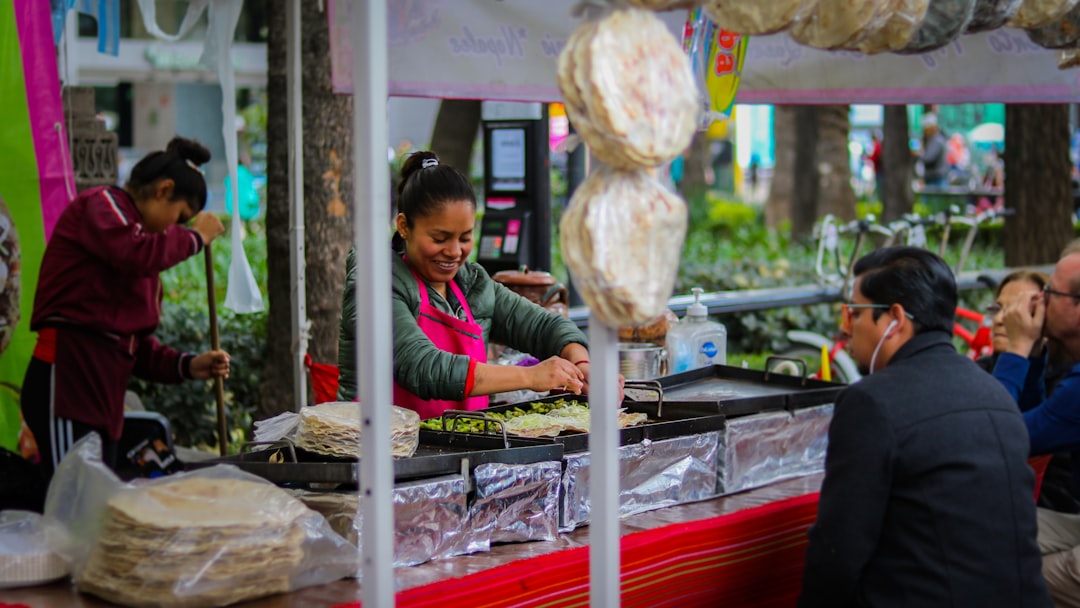
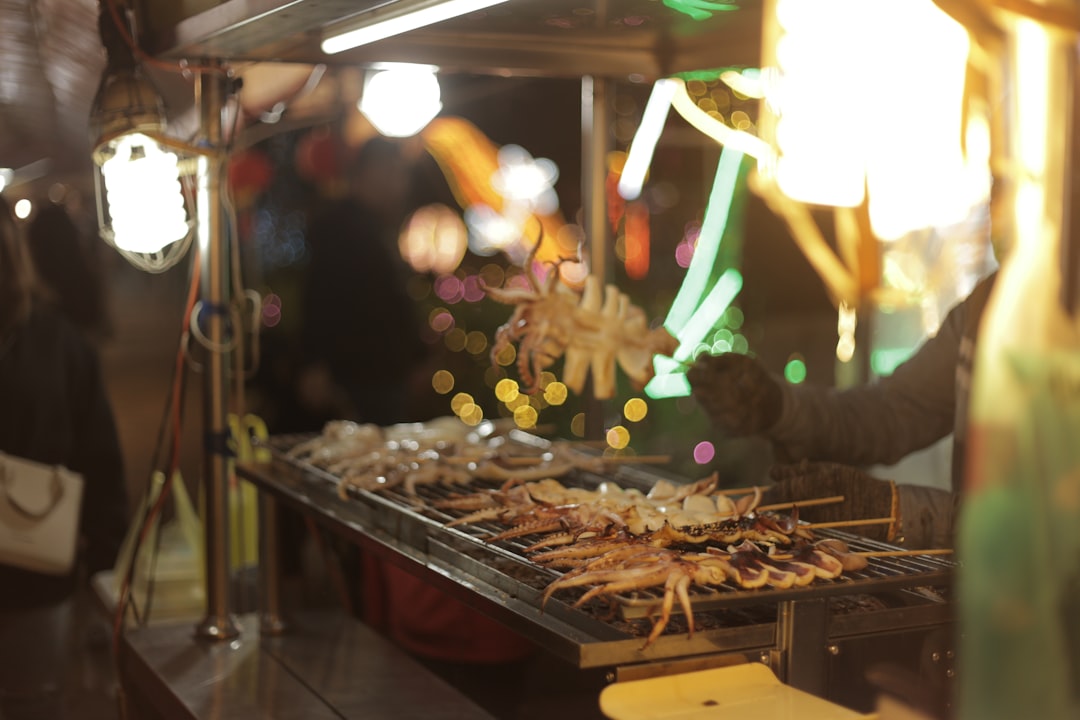
Photo by Daniel Lerman on Unsplash
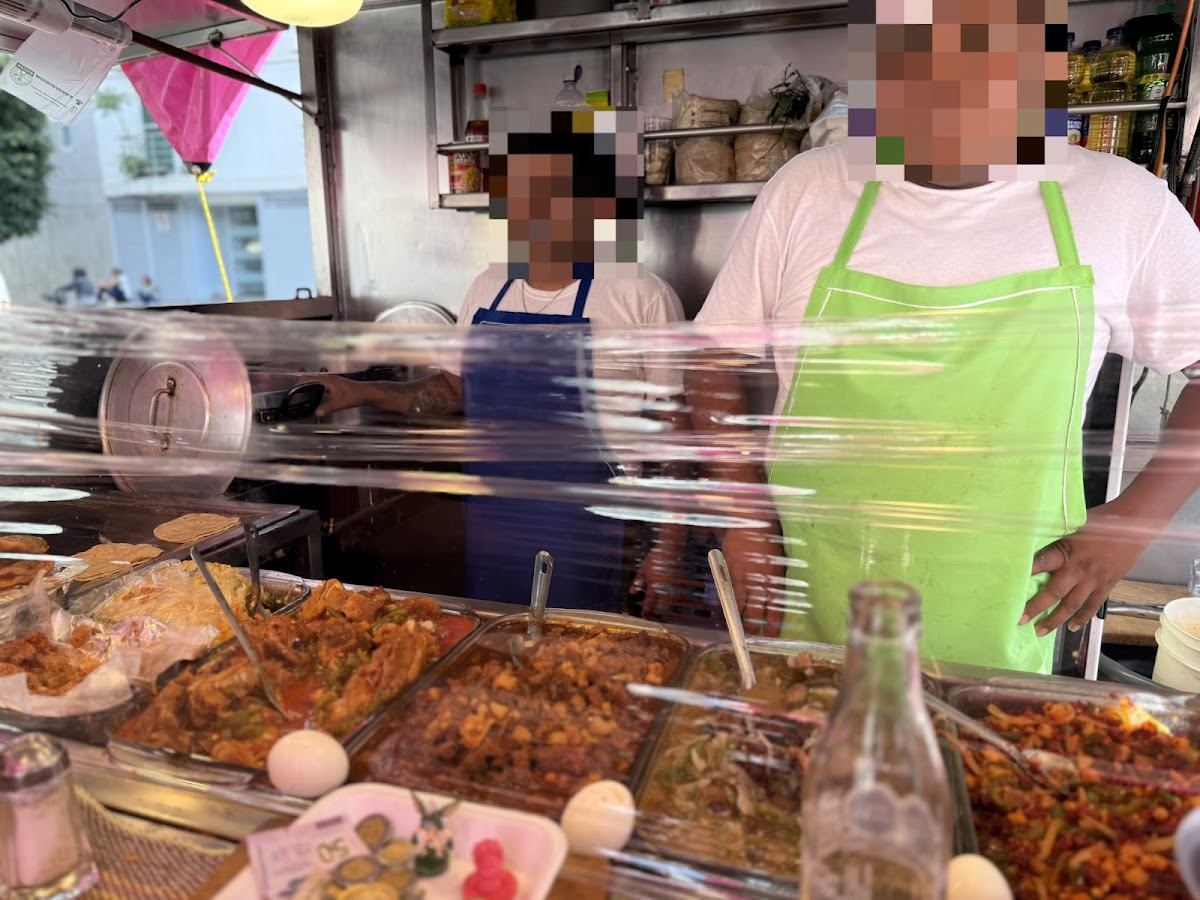
Mexico City does not ask you to choose between culinary thrill and common sense. It asks you to pay attention. The food scene moves at street level, out in the open, where you can see tortillas puff on the griddle, watch a ladle dip into pozole, and notice whether the cook handles cash and garnishes with the same bare hand. For travelers trying to master safe food abroad, that visibility is gold. You are not guessing what happened in a hidden kitchen; you are reading the scene in real time.
The city also rewards selectiveness. Some stalls are so busy that meat barely has time to rest before it lands in a tortilla. Others linger in the lukewarm danger zone, with chopped toppings sweating under the afternoon sun. The difference is obvious once you slow down. Mexico City food safety is less about paranoia than pattern recognition: high turnover, hot food served hot, cold food served properly cold, sealed drinks, clean prep surfaces, and a vendor whose whole operation looks rhythmical rather than chaotic.
This is also a city where first-time visitors often overestimate the role of spice and underestimate the role of water, temperature, and timing. Most stomach trouble is not caused by fiery salsa; it is caused by contamination, poor storage, untreated water, or food that sat too long. Travelers' diarrhea prevention starts with simple habits, and Mexico City gives you constant opportunities to practice them. Once you can navigate safe street food Mexico City with confidence, food decisions in many other destinations become much easier.
Safe street food Mexico City rules that actually work
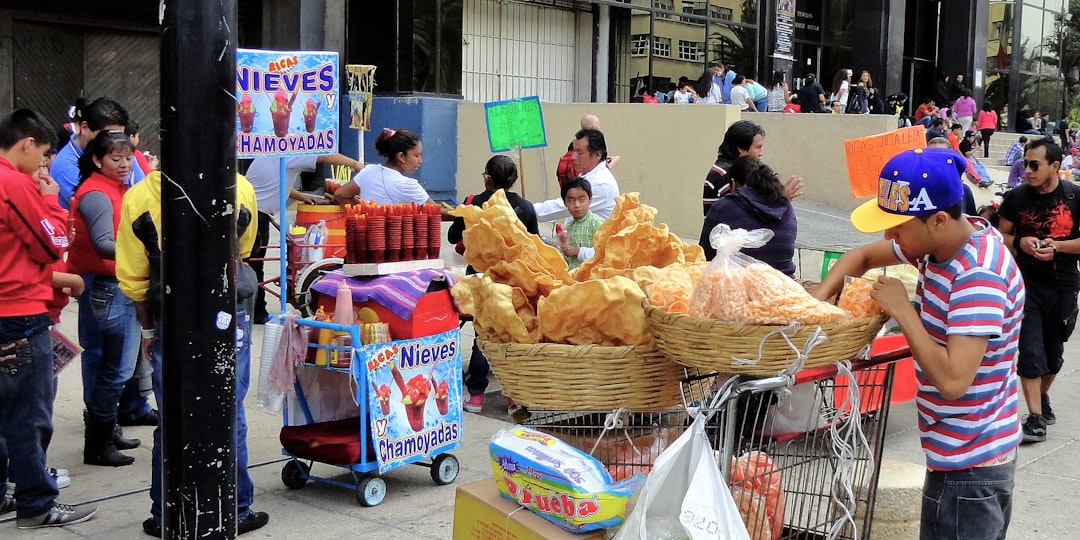
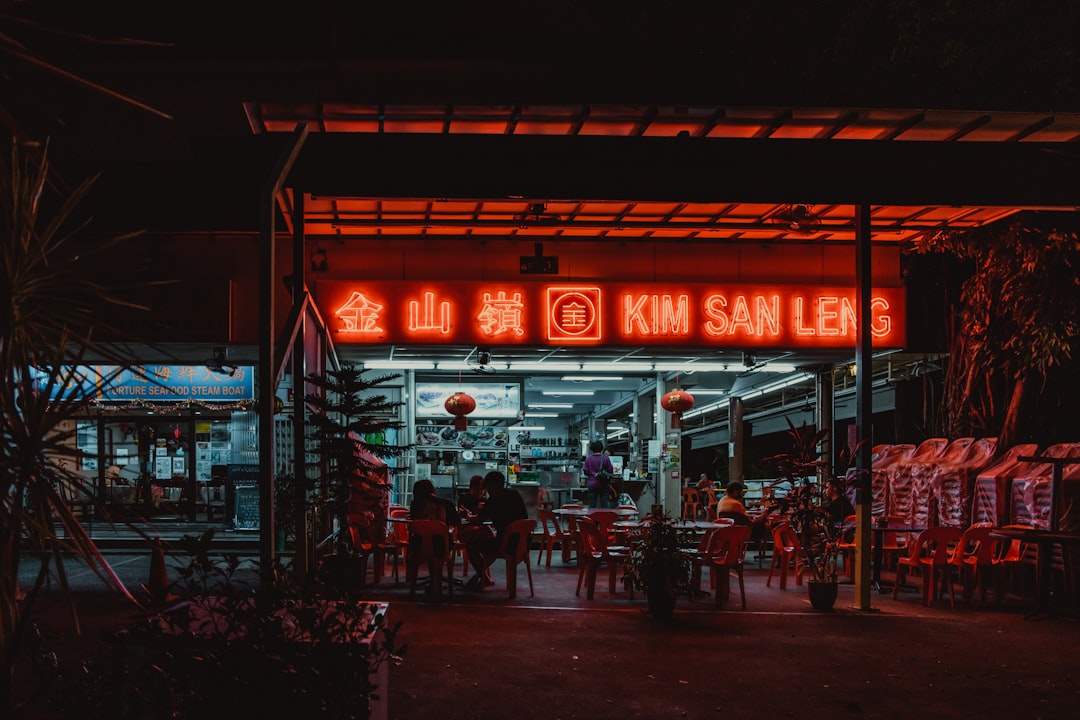
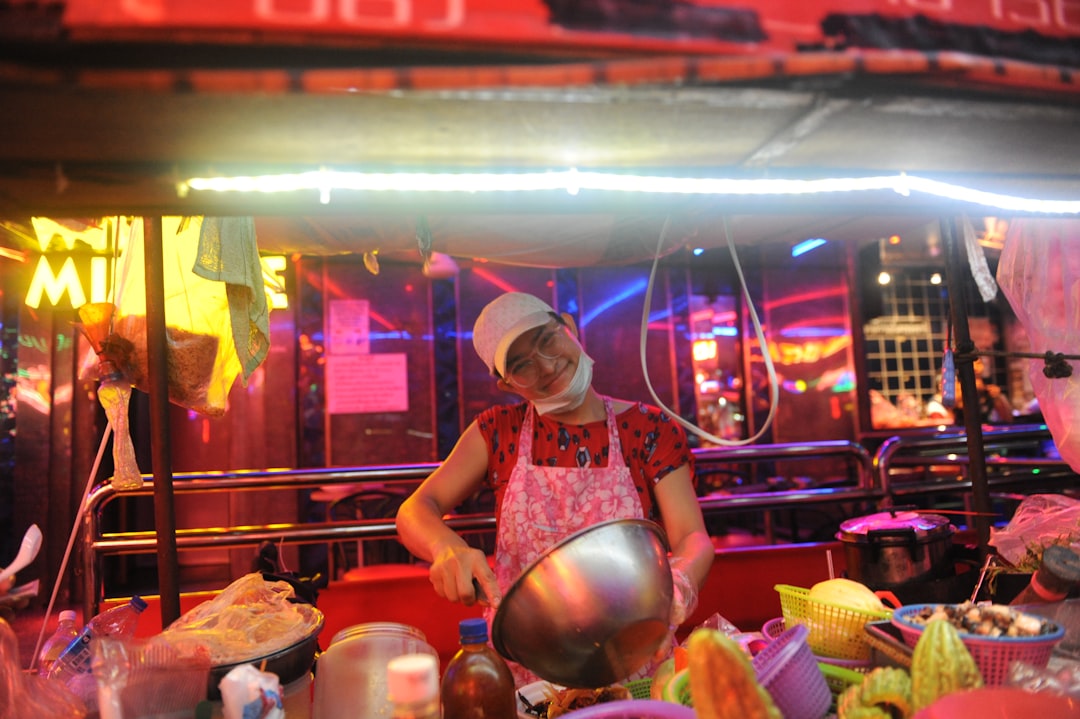
Photo by Carl Campbell on Unsplash
The first surprise for many travelers is that the busiest roadside stall can be safer than the empty restaurant with laminated menus and air-conditioning. A line means turnover. Turnover means less time for bacteria to multiply and more chance that what you are getting was cooked recently. On a cool morning in Roma Norte, the smell of fresh masa and simmering beans can make every corner feel irresistible. Your job is not to resist the city. Your job is to choose the corners where heat, pace, and cleanliness are on your side.
Think like a cook, not a tourist. Ask yourself what ingredients can go wrong fastest, which items are reheated repeatedly, and whether the vendor can keep raw and cooked foods separate. A stall slicing meat straight from a hot spit into tortillas is usually a stronger bet than a tray of pre-made sandwiches or seafood tostadas sitting in the sun. A clay pot of steamy atole at breakfast is more reassuring than a pitcher of juice diluted with unknown water. Safe street food Mexico City depends on learning to trust evidence, not appearances.
Mexico City food safety also means adjusting your ambitions on day one. After a long flight, fatigue lowers your judgment. You are thirsty, hungry, and thrilled to be there. That is when people take the free ice, the washed salad garnish, or the creamy salsa that has obviously been standing out. The smarter move is simple food first: tacos, tlacoyos, tamales, griddled quesadillas, broth-based dishes in busy places, and sealed drinks.
Use these street-level rules every time you stop to eat:
- Choose food that is cooked to order and served steaming hot.
- Skip anything lukewarm, especially meat, rice, eggs, sauces, and buffet trays.
- Favor stalls with a steady local line, fast turnover, and a limited menu done well.
- Watch the workflow. Good signs include separate tools for meat and toppings, frequent wiping of the prep area, and ingredients kept covered.
- Be cautious with raw garnishes. Cilantro, onion, lettuce, chopped tomato, and salsas can be fine at very busy, reputable stalls, but if you are unsure, ask for your taco plain and add bottled hot sauce later.
- Avoid cut fruit unless you peel it yourself or you are in a trusted cafe or hotel with strong hygiene standards.
- Avoid fresh juices unless you watched them made with safe water and clean equipment.
- Say no to ice unless you know filtered water is used.
- Prefer sealed bottled water, sparkling water, canned soda, or hot coffee and tea served hot.
- If dairy has been sitting out, skip it. That includes cream, soft cheese, and creamy sauces at warm stalls.
The safest foods in the city often happen to be some of the most delicious. Tacos al pastor are shaved from a hot vertical spit. Tlacoyos are pressed and cooked on a comal. Tamales are steamed in their wrappers. Churros drop from hot oil into sugar. Pozole arrives in a deep bowl, almost breathing with heat. These are not bland compromises. They are among the foods that define what to eat in Mexico City.
There are also foods worth saving for when you know the city better. Seafood tostadas from casual outdoor stands, ceviche at midday heat, salads washed in uncertain water, room-temperature aguas frescas from quiet kiosks, and mayonnaise-heavy tortas from sleepy counters all deserve a more cautious eye. Safe food abroad does not mean never eating bravely. It means knowing when bravery is just bad odds.
For travelers' diarrhea prevention, small behaviors matter as much as restaurant choice:
- Wash hands with soap when you can.
- Carry sanitizer with at least 60 percent alcohol for market hopping.
- Use bottled water for brushing your teeth if your stomach is sensitive.
- Do not swallow shower water.
- Peel fruit yourself.
- Ease into richer foods rather than attacking six salsas and mezcal on your first night.
- Rehydrate early if you feel off.
One useful test is the five-sense scan. Before you order, look for steam, listen for active cooking, smell fresh grilling rather than stale oil, watch whether ingredients are protected from dust and sun, and notice whether locals are eating the same item you want. Safe street food Mexico City gets much easier when you make this scan automatic.
Before you fly: build a realistic Mexico City food safety kit
A good food trip starts before takeoff. Not because you need to pack your own dinner, but because smart preparation gives you options when your stomach feels uncertain. Mexico City food safety begins with accepting that your body is traveling too. Time zones, altitude, sleep loss, dehydration, and airport food all change how you feel when you land. If you arrive already run down, even an otherwise fine meal can hit harder.
The easiest upgrade is to build a compact response kit. It fits in one pouch and saves time when every pharmacy sign seems to blur together. This is also a good reason to read Pack Everything in a Carry-On in 2026 Without Outfit Panic before a food-heavy trip, because the smartest packing list is usually the one that makes minor problems easy to handle.
Pack these basics:
- Oral rehydration salts or electrolyte tablets
- A small hand sanitizer
- Any stomach medication you normally use and know works for you
- A thermometer if you are traveling for several weeks
- A printed list of allergies in English and Spanish
- A reusable bottle you can fill only with safe water
- Wet wipes for messy market meals
For food allergies or dietary restrictions, translation matters more than confidence. Knowing how to ask whether something contains peanuts, shellfish, dairy, sesame, or pork is worth more than memorizing ten menu items. Download offline translation and mapping tools before you land; Best Travel Apps 2026: Essential Downloads for Every Trip is useful for that pre-trip setup.
A few practical Spanish phrases go a long way:
- Sin hielo, por favor: no ice, please
- Solo agua embotellada: only bottled water
- Bien cocido: well cooked
- Sin salsa, por favor: no salsa, please
- Soy alergico a... or Soy alergica a...: I am allergic to...
- Tiene leche, crema, o nuez: does it have milk, cream, or nuts
If you want travelers' diarrhea prevention to feel less reactive, plan your first 24 hours intentionally. Land, hydrate, eat one simple cooked meal, sleep, then expand. A tamal and coffee in the morning, tacos al pastor from a famous busy stand at lunch, and a sit-down dinner in Roma or Centro is a much better opening move than an all-out market crawl after a red-eye flight.
How to get there
Mexico City is served mainly by Benito Juarez International Airport, known as MEX, with additional service from Felipe Angeles International Airport, known as NLU or AIFA. A smaller share of travelers also use Toluca, code TLC, especially for budget domestic connections. For most international visitors focused on neighborhoods like Roma, Condesa, Juarez, Centro, and Polanco, MEX is still the most convenient arrival point. The city has no true cross-country passenger rail network for most long-distance arrivals, so flights and long-distance buses are the practical choices.
Arriving feels dramatic. The plane drops over a vast bowl of concrete, mountains, and color, then suddenly you are in one of the largest urban food capitals on earth. The temptation is to rush straight to tacos. Resist that for an hour. Sort your transport, buy water, and head to your hotel first. Safe street food Mexico City begins with a calm arrival.
| Arrival option | Best for | Time to Roma or Centro | Typical cost | Notes |
|---|---|---|---|---|
| MEX Benito Juarez | Most international flights | 20 to 45 minutes by authorized taxi or rideshare, traffic dependent | MXN 180 to 350 | Closest major airport to central neighborhoods |
| NLU AIFA | Some domestic and lower-cost flights | 60 to 100 minutes | MXN 400 to 700 by car or shuttle | Farther out, less convenient for short stays |
| TLC Toluca | Some regional flights | 75 to 120 minutes | MXN 500 to 900 by car or shuttle | Useful only if fare savings are significant |
Official airport information:
- MEX: https://www.aicm.com.mx/
- AIFA: https://www.aifa.aero/
From the airports into the city
From MEX, authorized airport taxis are straightforward and fixed-rate. Rideshare prices fluctuate, but to Roma Norte, Condesa, Juarez, or Centro you will usually pay around MXN 180 to 350 depending on traffic and time of day. Metrobus can be cheaper, but after a flight, luggage, altitude, and the simple goal of arriving intact usually make a taxi or rideshare worth it.
From AIFA, expect a longer journey. Buses and shuttle links exist, but if your hotel is central, the extra transit time can eat into your first meal window. If you save only a small amount on airfare, MEX is usually the better choice.
By bus from nearby cities
Mexico has an excellent intercity bus network, and many food-first itineraries pair Mexico City with Puebla, Queretaro, Oaxaca, or San Miguel de Allende.
- Puebla to Mexico City: around 2 to 2.5 hours, MXN 220 to 400
- Queretaro to Mexico City: around 3 to 3.5 hours, MXN 300 to 550
- Oaxaca to Mexico City by bus: around 6.5 to 8 hours, MXN 500 to 900
- Guadalajara to Mexico City by bus: around 6.5 to 8 hours, MXN 700 to 1,200
Main bus lines include ADO, ETN, and Primera Plus, depending on route.
Getting around once you arrive
Mexico City is huge, but food neighborhoods cluster well. If you stay in Roma, Condesa, Juarez, Centro, or Polanco, many meals are a short rideshare or metro trip away. The Metro is cheap and efficient, usually MXN 5 per ride, while Metrobus is also inexpensive and useful on major avenues.
Official transport links:
- Metro: https://www.metro.cdmx.gob.mx/
- Metrobus: https://www.metrobus.cdmx.gob.mx/
- City tourism portal: https://mexicocity.cdmx.gob.mx/
Things to do
Mexico City rewards appetite with context. The more you understand its neighborhoods, history, and daily rhythms, the easier it becomes to judge where and when to eat. Spend a morning in a market and an afternoon in a museum, and you start noticing how recipes, migration, trade, and street life are all braided together. That makes safe food abroad feel less like a checklist and more like cultural literacy.
The city also works beautifully in food-shaped days. Breakfast in Del Valle, museum in Chapultepec, tacos in Narvarte, coffee in Roma, late churros in Centro. That rhythm keeps you moving, gives your stomach breaks between heavier meals, and prevents the classic mistake of trying to do everything in one marathon sitting.
Here are seven specific things to do that pair well with a careful eating strategy:
- Walk the Centro Historico taco corridor
- Browse Mercado de Coyoacan
- Explore Mercado Medellin in Roma Sur
- Spend half a day at Chapultepec and the National Museum of Anthropology
- Take an early Xochimilco boat ride
- Breakfast in Del Valle, then walk Narvarte for tacos al pastor
- Do a Roma and Condesa cafe-to-cantina afternoon
Where to stay
Where you sleep changes how you eat. Stay too far out, and hunger pushes you toward random, tired decisions between long rides. Stay in the right neighborhood, and you can return to your hotel for a rest, rehydrate, then head back out for a carefully chosen dinner. For safe street food Mexico City, location is not a luxury; it is part of the strategy.
Roma Norte, Condesa, Juarez, Centro Historico, and Polanco are the easiest bases for first-time visitors who want food access with manageable logistics. Roma and Condesa are especially good for travelers who like cafe mornings and taqueria nights. Centro puts history and late-night classics at your feet. Polanco costs more but gives you polished dining and easier recovery days.
| Budget tier | Stay | Neighborhood | Typical nightly rate |
|---|---|---|---|
| Budget | Casa Pepe Hostel Boutique | Centro Historico | USD 18 to 45 dorm, USD 55 to 85 private |
| Budget | Viajero CDMX Centro Hostel | Centro Historico | USD 20 to 50 dorm, USD 60 to 95 private |
| Budget | Hostal Regina | Centro Historico | USD 18 to 40 dorm, USD 45 to 80 private |
| Mid-range | Historico Central Hotel | Centro Historico | USD 140 to 220 |
| Mid-range | Casa Decu | Condesa | USD 130 to 230 |
| Mid-range | Hotel Carlota | Cuauhtemoc near Juarez | USD 120 to 210 |
| Luxury | Sofitel Mexico City Reforma | Reforma | USD 320 to 520 |
| Luxury | Four Seasons Hotel Mexico City | Reforma | USD 500 to 800 |
| Luxury | Las Alcobas | Polanco | USD 450 to 750 |
Best neighborhood picks by travel style
- For first-time food travelers: Roma Norte or Condesa
- For history and easy late-night eating: Centro Historico
- For polished dining and calmer mornings: Polanco
- For value with strong local breakfast culture: Del Valle or Narvarte
If Mexico City food safety is your priority, book a place with these features:
- Strong recent reviews mentioning cleanliness
- Easy access to busy food districts
- Air-conditioning or good ventilation in warmer months
- A mini fridge for yogurt, sealed water, and leftovers you actually trust
- A front desk that can call reliable transport late at night
Where to eat
This is the question everyone really means when they ask about safe food abroad: yes, but where exactly should I go tonight? Mexico City answers generously. You can eat world-class food here at almost any budget, and some of the best bites are still astonishingly cheap. The trick is not chasing every famous dish at once. Build from hot, high-turnover classics toward more adventurous stops as your confidence grows.
A great Mexico City street food guide should tell you not only what is tasty, but why it is a smart order. Freshly sliced pastor is safer because it comes from intense heat and fast turnover. A tamal is safer because it is steamed and enclosed. Churros are safer because they come out of hot oil and into your hand. That does not mean every taco is safe or every market is risky. It means understanding the mechanics behind the pleasure.
Best first meals for cautious travelers
If you want to enjoy what to eat in Mexico City without second-guessing every bite, start here:
- Tacos al pastor from a famous high-turnover stand
- Tlacoyos with beans or fava, cooked fresh on the comal
- Quesadillas and sopes made to order
- Tamales and atole at breakfast from busy morning vendors
- Pozole, caldo, or sopa in a reputable restaurant
- Churros with hot chocolate late afternoon or after dinner
Specific places worth your appetite
#### El Vilsito, Narvarte
By day it looks like a functional car shop. By night it turns into one of the city's great al pastor theaters. Order pastor tacos and watch the rhythm of the place: meat slicing, tortillas warming, plates moving, lines never stopping. This is safe street food Mexico City at its most persuasive because the evidence is right in front of you. Go in the evening. Expect around MXN 25 to 35 per taco.
#### Los Cocuyos, Centro Historico
An old-school late-night classic on Bolivar 57, best known for suadero and longaniza. The counter is tiny, the energy relentless, the turnover constant. If you are new to Mexico City food safety, this is a good place to understand why popularity matters. Keep it simple, order the meats cooked in front of you, and skip raw extras if you are feeling cautious. Around MXN 22 to 35 per taco.
#### Tacos de Canasta Los Especiales, Centro
On Francisco I. Madero 71, this place is famous for basket tacos. Basket tacos are not the first recommendation for ultra-cautious travelers because they sit enclosed and warm rather than being cooked to order, but at a famous high-volume place the turnover is the point. Come when it is busy, order a small amount first, and treat it as a study in timing. About MXN 10 to 15 each.
#### Fonda Margarita, Del Valle
A breakfast institution where regulars queue early for guisados, eggs, beans, and tortillas. The room feels steam-soft and alive from the moment it opens. If you need a reset meal after a late night, this is one of the best answers to what to eat in Mexico City without overcomplicating things. Expect around MXN 120 to 220 for a hearty breakfast.
#### Mercado de Coyoacan
Not one single vendor, but a useful cluster for trying market food intelligently. Go for hot antojitos made to order rather than anything cool and mayonnaise-heavy. Quesadillas, flautas, and tlacoyos are usually the strongest first choices. Prices range from MXN 40 to 120 depending on what you order.
#### Azul Historico, Centro
Inside a beautiful courtyard at Isabel la Catolica 30, this is the kind of place to learn regional dishes in a more controlled dining room. If street food has you a little nervous on your first day, a polished lunch here lets you experience moles, soups, and classic preparations with less guesswork. Main dishes often run MXN 250 to 450.
#### Contramar, Roma Norte
Durango 200 is one of the city's best-known seafood addresses. Seafood requires more care than grilled meat, so this is the kind of place where a reputable, established restaurant makes sense. Book ahead. Tuna tostadas, fish, and seasonal specials are excellent, but if you are focused on travelers' diarrhea prevention, avoid overdoing raw items if you are already tired or dehydrated. Expect MXN 450 to 900 per person depending on appetite.
#### Churreria El Moro, several locations
The original Centro branch remains iconic. Few foods are more comforting after a long day than a hot churro and thick chocolate. Fresh fried dough is one of the easiest yes decisions in the city. Around MXN 40 to 120 depending on order.
What to order, what to skip, and what to modify
Sometimes the difference between a memorable meal and a rough night is not the restaurant. It is the extra topping, the ice, or the timing. Safe street food Mexico City often comes down to small edits.
Order confidently:
- Tacos sliced from a hot spit
- Fresh tortillas from the comal
- Soups served steaming
- Tamales from busy morning stalls
- Coffee and tea served hot
- Sealed bottled water, canned soda, sparkling water
Modify if needed:
- Ask for no raw onion or cilantro if you are sensitive
- Skip lettuce and tomato at casual stalls
- Take salsa only if it looks freshly replenished and the place is very busy
- Ask for drinks without ice
Usually skip unless you know the place well:
- Seafood sitting in the sun
- Cut fruit from unknown vendors
- Fresh juice diluted with water
- Milk or cream from open containers
- Anything warm but not hot
One more rule that belongs in every Mexico City street food guide: never confuse novelty with obligation. You do not need to eat the most extreme thing on the market menu to have an authentic trip. Some of the smartest travelers eat brilliantly by repeating the same five or six trusted formats while varying neighborhoods and sauces.
Practical tips
Mexico City is high, sprawling, and rhythm-driven. Mornings feel bright and cool, afternoons can turn rainy in summer, and evenings often pull everyone back onto the sidewalks. That climate matters for food choices. On dry, sunny winter days, market wandering feels effortless. In the rainy season, puddles, humidity, and stop-start transit make sealed drinks and indoor lunch plans more appealing. Safe food abroad is always partly about the environment around the meal.
The city sits at about 2,240 meters above sea level, so dehydration sneaks up fast. Many first-time visitors blame the salsa when the real culprit is altitude, low water intake, cocktails, and a long day in the sun. Mexico City food safety begins with hydration. Drink more water than you think you need, especially if you are walking all day between markets, museums, and parks.
Currency is the Mexican peso. Cards are widely accepted in hotels, restaurants, and many cafes, but street stalls still often prefer cash, especially for small orders. Carry small bills. Avoid flashing large notes in crowded markets, and keep your phone tucked away when juggling tray, salsa, and wallet. If you are also thinking about general city caution, Travel Fraud Prevention Tips 2026: A Scam-Proof Trip Plan pairs well with a market-heavy itinerary.
Best months for food-focused travel
| Months | Weather feel | Food travel notes |
|---|---|---|
| January to March | Cool mornings, dry days, mild afternoons | Excellent for market walks, taco nights, and long neighborhood strolls |
| April to May | Warmer and drier, some hazy afternoons | Great for rooftop dining, but hydrate more aggressively |
| June to September | Rainy season, humid afternoons, storms often later in day | Plan indoor lunches, carry a light rain jacket, and be pickier about exposed foods |
| October to November | Often one of the sweetest periods to visit, fresh evenings | Strong all-around season for what to eat in Mexico City |
| December | Festive, busy, cool nights | Reserve restaurants early and pack a layer for evening street eating |
Practical details that matter on the ground
- Water: Drink sealed bottled or properly filtered water. If you are highly sensitive, use safe water for brushing teeth too.
- Ice: Best avoided unless you know the venue uses purified ice.
- Connectivity: eSIMs and local SIMs from Telcel or AT and T are easy to arrange. Reliable data helps with maps, reviews, and translation.
- Tipping: Around 10 to 15 percent in sit-down restaurants is standard. Street stalls usually do not require tipping, though rounding up is appreciated.
- Packing: Bring tissues, hand sanitizer, and one extra tote bag for market stops. Layers help because mornings and nights can be cool even when midday is warm.
- Customs: Greet people, be patient in lines, and do not bark dietary demands as if the city owes you substitutions. Courtesy gets better help.
A simple daily eating rhythm
For many travelers, the best system for travelers' diarrhea prevention is not rigid avoidance. It is rhythm.
- Breakfast: one hot cooked dish and coffee or tea
- Mid-morning: sealed water and a light snack
- Lunch: your bigger culinary experiment of the day
- Afternoon: rest, hydrate, maybe fruit you peel yourself
- Dinner: return to trusted formats such as tacos, soup, or grilled foods
This pacing is especially useful on your first two days. It also leaves room for spontaneity, which is the whole point of eating in this city.
If your stomach starts to turn
Do not panic at the first wobble. Stop eating rich food for a bit, switch to safe fluids, and rest. Broth, plain rice, bananas, toast, or simple tortillas can help you settle. Seek medical care quickly if you develop high fever, bloody diarrhea, signs of dehydration, severe abdominal pain, or symptoms that do not improve.
Safe street food Mexico City is not about pretending risk disappears. It is about lowering the odds, recognizing warning signs early, and keeping your trip on track.
FAQ
Is street food in Mexico City safe for tourists?
Yes, often surprisingly so, if you use the right filters. The best version of safe street food Mexico City means choosing busy vendors, food cooked to order, hot dishes served hot, and sealed drinks. The riskiest situations are usually not the famous taco stand with a line. They are the quiet stall with slow turnover, warm sauces, and exposed ingredients.
Can you drink tap water in Mexico City?
Most visitors should avoid drinking tap water directly. Use bottled or reliably filtered water, skip fountain drinks in uncertain places, and be cautious with ice. This is one of the simplest safe food abroad habits you can apply almost anywhere.
What should I eat first in Mexico City if I have a sensitive stomach?
Start with hot, straightforward, high-turnover foods: tamales, tacos al pastor from a famous stand, quesadillas made to order, chicken soup, pozole in a reputable restaurant, and churros. These are classic answers to what to eat in Mexico City when you want flavor without unnecessary risk.
How do I avoid travelers' diarrhea in Mexico City?
Travelers' diarrhea prevention comes down to temperature, water, and timing. Eat hot food, avoid lukewarm items, be selective with raw toppings, drink safe water, skip ice when unsure, wash or sanitize hands often, and do not attack the city's richest foods while jet-lagged and dehydrated.
Are food markets safer than restaurants?
Neither is automatically safer. Some markets are excellent because you can see the cooking and turnover. Some restaurants are excellent because they control storage and filtration better. Mexico City food safety depends on observation more than category. A busy market comal can beat an empty dining room every time.
At its best, eating in Mexico City feels like following heat, sound, and scent through a living map. The hiss of meat on metal, the sweet pull of warm corn, the flash of green salsa, the morning steam rising from a tamal pot: the city keeps inviting you closer. The secret is not standing back from it all. The secret is learning how to step in with judgment. Once you do, safe street food Mexico City stops sounding like a contradiction and starts feeling like the key to traveling well anywhere.