Food Safety Tips Abroad in 2026: Start With Singapore
Food Safety Tips Abroad in 2026: Start With Singapore
A bad meal can steal more than an afternoon. It can flatten your energy, erase a museum day, and turn a dream food trip into a hotel-room memory. That is why good food safety tips abroad matter just as much as a passport, a bank card, or a phone charger. The surprise is this: eating safely while traveling does not mean eating blandly. It means learning how to read a room, a stall, a plate, and a glass before the first bite.
If you love food travel, you already know the deepest part of a place often lives on a spoon. It shimmers in fish soup at breakfast, in smoky satay after rain, in noodles tossed so fast they hit the bowl still hissing. The goal of these food safety tips abroad is not to scare you away from local dishes or street snacks. It is to help you eat more boldly, with fewer regrets, by understanding the signals that experienced travelers and careful locals notice without thinking.
Singapore is the ideal city to learn this skill. It is one of the easiest places in the world to practice food safety tips abroad because the city combines unforgettable hawker culture with strong hygiene systems, clear food handling rules, reliable transport, and a dining scene that moves from plastic trays to white tablecloths without losing its soul. Think of this guide as a field manual for safe street food, drinking water safety, travelers' diarrhea prevention, and figuring out what to eat abroad when you want flavor instead of fear.
The best part is that these habits travel well. Learn them in Singapore, and you can carry them to Penang, Oaxaca, Istanbul, Taipei, Palermo, or wherever your appetite pulls you next. And if you want a broader read on food-related medical planning before you fly, pair this guide with Traveling with Allergies Tips 2026: Essential Safe-Travel Guide.
Why Singapore is the smartest place to learn safe eating abroad
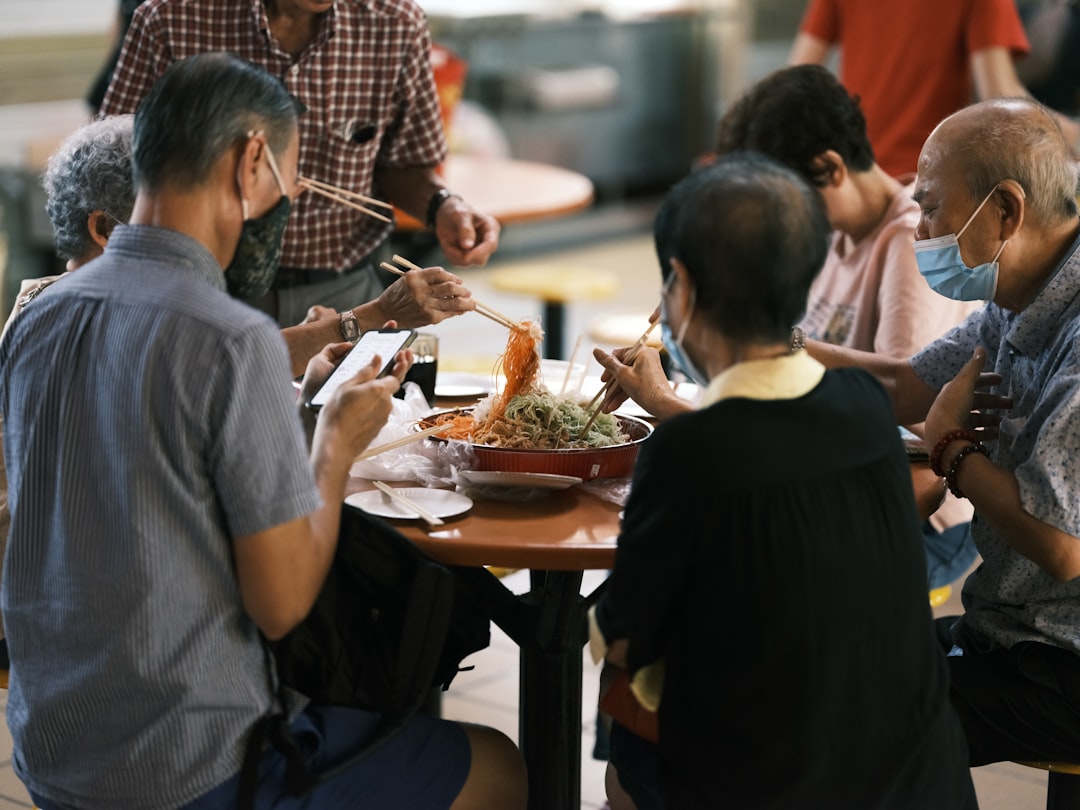
Photo by Galen Crout on Unsplash
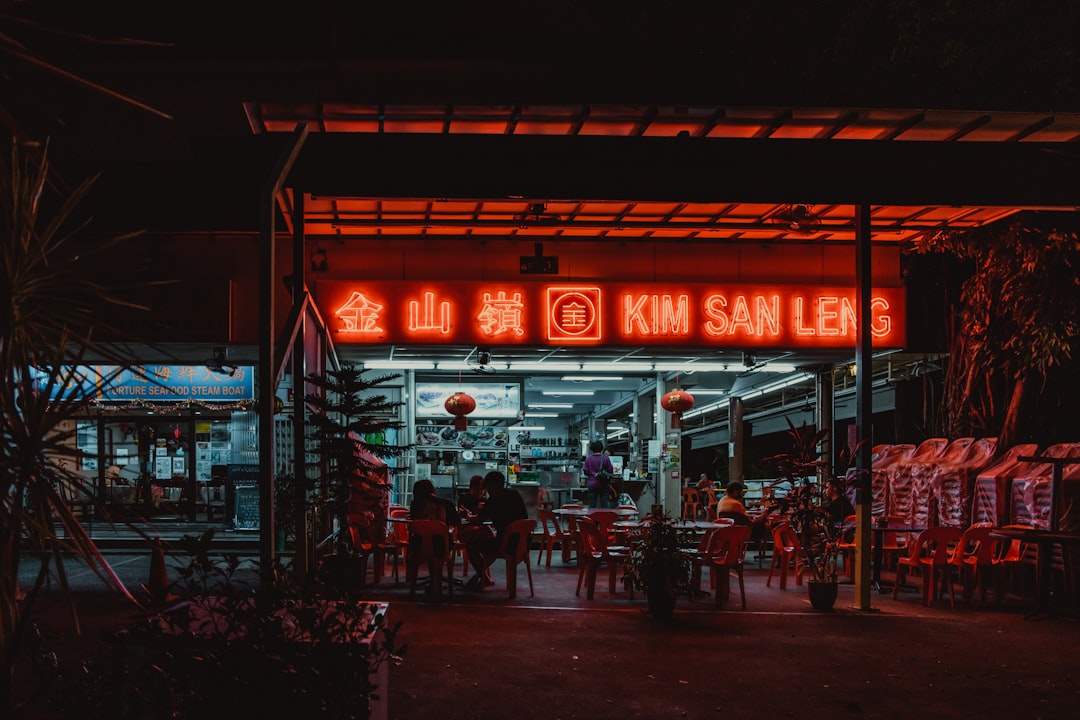
Some cities throw you into the culinary deep end. Singapore hands you the menu, points to the clean table, and still lets you taste the thrill of discovery. The city smells like pandan, broth, grilled stingray, roasted coffee, buttered kaya toast, and wet tropical air. In one hawker center you can eat Hainanese chicken rice beside office workers, night-shift nurses, grandparents, and tourists still staring upward at the skyline. It feels democratic, delicious, and surprisingly structured.
That structure is what makes Singapore so useful for learning food safety tips abroad. Hawker centers are not random rows of mystery carts. They are regulated, busy, competitive spaces where turnover is high and freshness is usually obvious. You can watch cooks work, see whether ingredients are chilled or exposed, notice how long prepared dishes sit, and compare one stall with the next in minutes. In many destinations, the same habits help you identify safe street food. Singapore simply makes those habits easier to observe.
There is another reason this city works so well as a training ground for food safety tips abroad: it rewards attention. Look around and you begin to notice the signs that matter everywhere. Busy stalls move ingredients fast. Soup comes out steaming. Fried items are cooked to order. Sauces are less risky when they are handled with clean utensils instead of shared fingers. A queue is not a guarantee of safety, but turnover is one of the strongest clues you can get. These are the foundations of travelers' diarrhea prevention, and Singapore lets you practice them with excellent odds.
Here is why Singapore makes learning what to eat abroad much easier than many first-time food destinations:
- Hawker centers have high turnover, which reduces the time food spends sitting in the temperature danger zone.
- You can see a great deal of the preparation, making hawker center hygiene easier to judge.
- Tap water is generally safe in Singapore, which lets you focus on food decisions before applying stricter drinking water safety rules elsewhere.
- Public transport is efficient, so you can eat in the best neighborhoods without wasting energy.
- English is widely spoken, making it easier to ask simple questions about spice, ingredients, or preparation.
- Meals can be inexpensive, so you do not have to take risks just to stay on budget. If that matters to you, Budget Travel Strategies 2026: Smart Ways to Stretch Every Euro is a useful companion read.
The real rules of safe street food
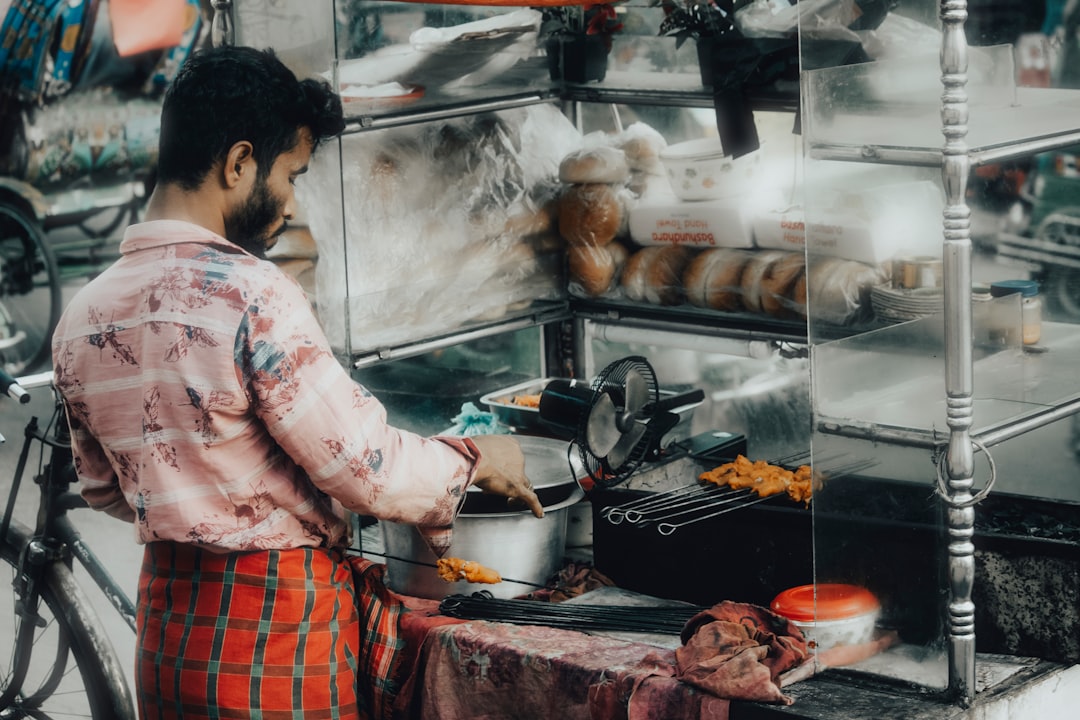
Photo by Ayman Ahmed on Unsplash
Safe street food is rarely about whether a stall has wheels or whether a dining room has air-conditioning. It is about heat, time, water, hands, and turnover. If you remember only one image from this guide, let it be this: the safest plate is usually the one that moves fast from hot pan to your table. Not warm. Not waiting. Not lukewarm under a lamp. Hot enough that steam lifts into humid air.
This is where many travelers go wrong. They assume the biggest risk comes from strange ingredients. In reality, the bigger risk often comes from familiar ingredients handled badly: cooked rice left out too long, sauces sitting warm, cut fruit washed in unsafe water, buffet eggs resting at room temperature, or iced drinks made with water you should never have swallowed. Food safety tips abroad work best when you focus less on what sounds exotic and more on how something has been stored, served, and touched.
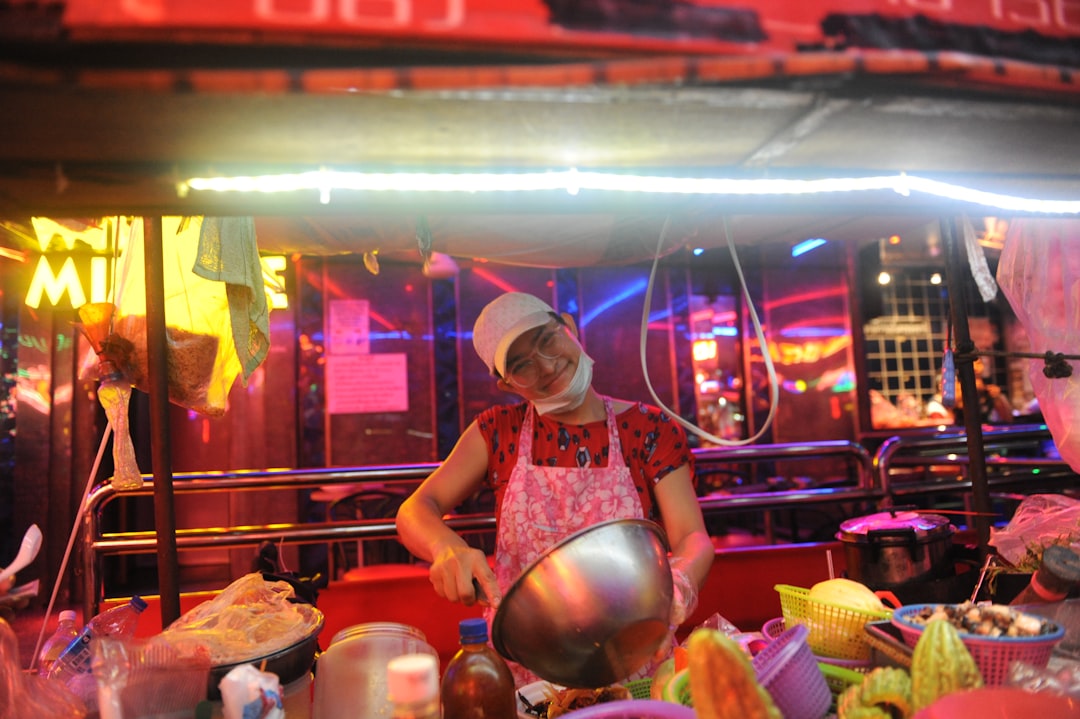
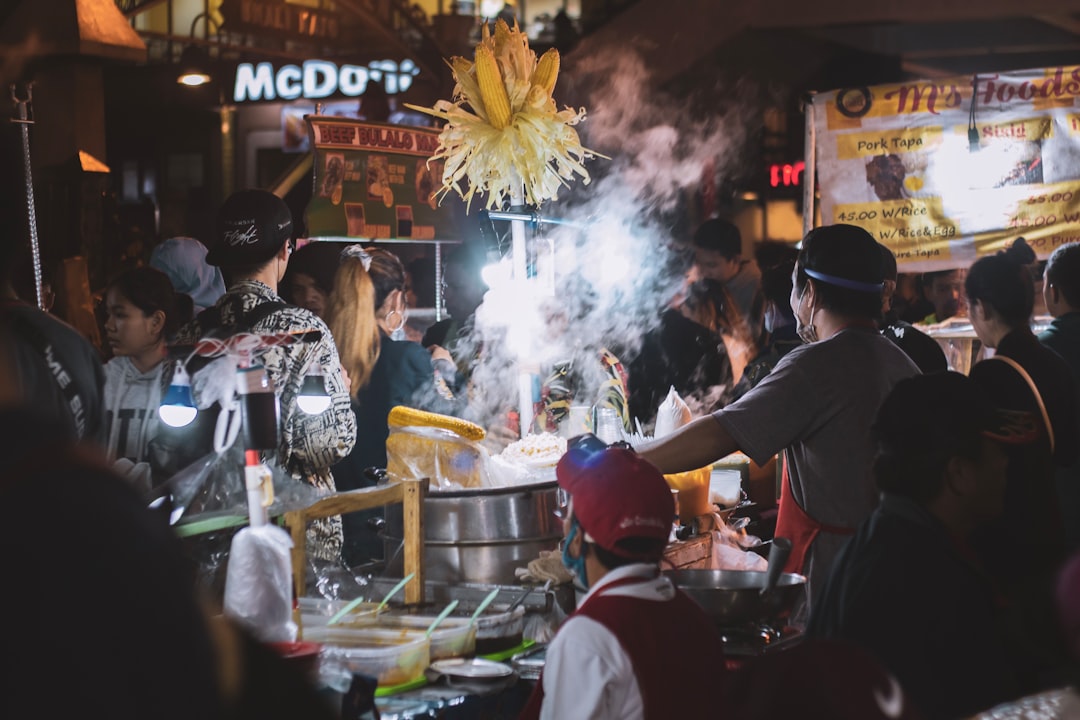
In Singapore, walk through Maxwell Food Centre at lunch or Old Airport Road Food Centre in the evening and watch the choreography. Bowls are built fast. Woks flare. Rice is portioned in rhythm. Plates disappear as soon as they land. That pattern is what safe street food looks like. The same pattern matters in Bangkok alleyways, Mexico City markets, and night bazaars across Asia. Good food safety tips abroad are really about learning to read movement.
Use this quick stall scan before you order safe street food anywhere:
- Choose stalls with steady turnover, especially among locals eating full meals rather than just taking photos.
- Look for food cooked to order or kept properly hot. Soups should steam. Grills should sizzle. Fried food should come straight from oil or pan.
- Be cautious with food that looks pre-plated, room temperature, or exposed to flies and dust.
- Check the cook's workflow. Money handling and food handling should ideally be separated, or hands should be washed frequently.
- Notice whether raw ingredients and cooked foods are kept apart.
- Skip a stall if cutting boards, tongs, or counters look sticky, greasy in an old way, or layered with yesterday rather than tonight.
- Trust your nose. Burnt is fine. Fermented can be intentional. Sour, swampy, or stale is not.
When you want safe street food with maximum flavor and minimum risk, these are usually strong bets:
- Grilled skewers cooked in front of you
- Noodle soups served boiling hot
- Stir-fried rice or noodles made to order
- Freshly fried snacks that come straight from oil
- Roasted meats from busy vendors with high turnover
- Whole fruits you peel yourself
- Bakery items from clean, busy shops
And these are the foods that deserve more caution, even in exciting markets:
- Cut fruit sitting uncovered
- Raw garnishes washed in uncertain water
- Fresh salads and uncooked herbs from unknown kitchens
- Creamy sauces left out in heat
- Raw shellfish
- Buffet items sitting warm but not hot
- Ice creams or dairy desserts from places without visible refrigeration
- Drinks with unknown ice
Drinking water safety and the hidden danger of ice
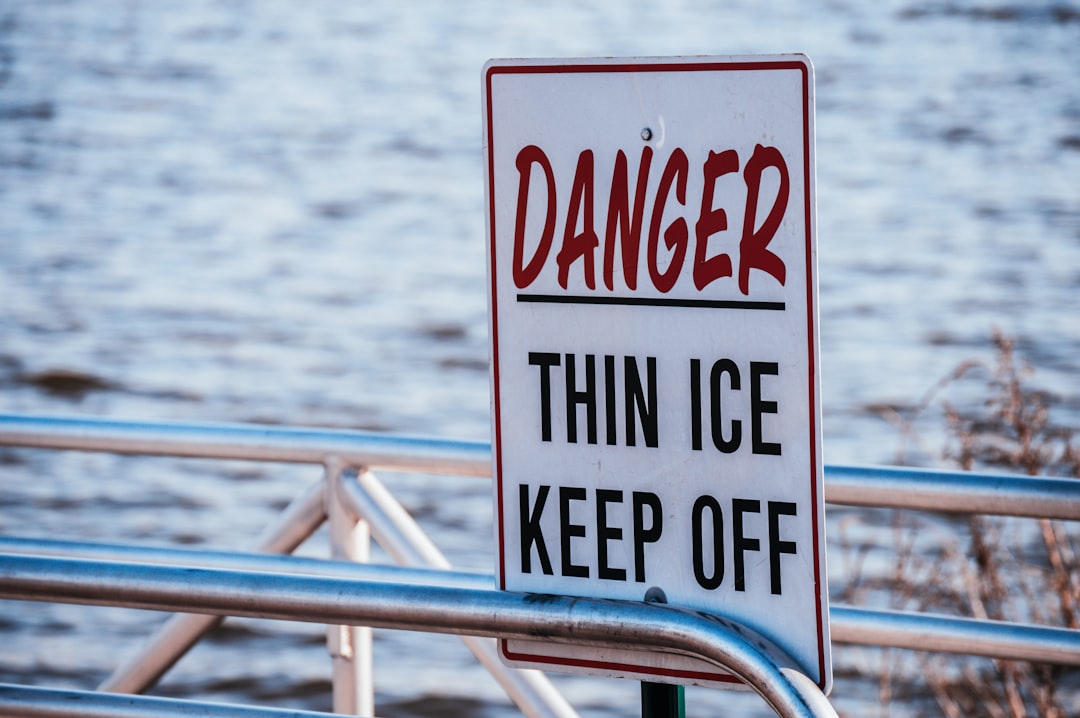
Photo by Erica Nilsson on Unsplash
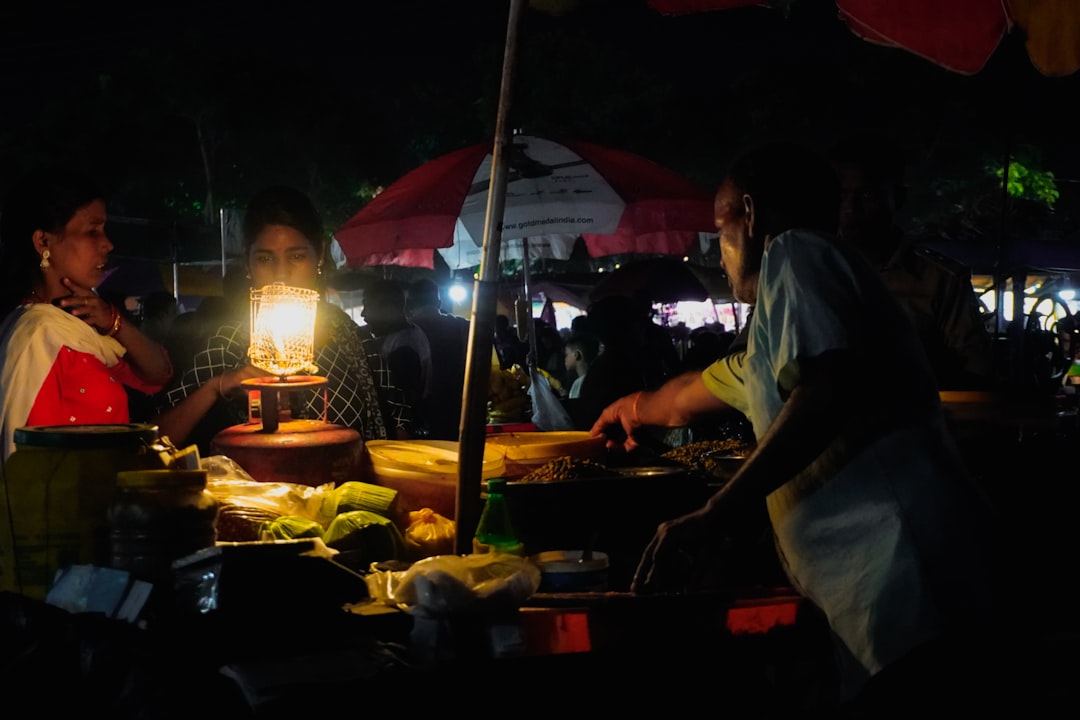
Most travelers think about food first and water second. Often it should be the other way around. Drinking water safety is one of the quiet pillars of travelers' diarrhea prevention because even a careful eater can lose the game with one brushed tooth, one glass of diluted juice, or one cheerful cube of ice dropped into a cocktail. The danger is not always dramatic. Sometimes it is the perfectly ordinary drink served in a perfectly ordinary glass.
Singapore makes drinking water safety easy because tap water is generally safe to drink. That said, this article is about building habits you can use abroad, not only in one city. The habit is simple: if you do not know the water standard, assume caution until you confirm it. That means no tap water, no fountain drinks, no ice, and no raw produce washed in untreated water. Drinking water safety is not paranoia. It is pattern recognition.
Think of water as an ingredient, not just a beverage. It hides in juices, in ice, in rinsed lettuce, in blended sauces, in popsicles, in fountain sodas, and in the mint leaves floating over your drink. Many food safety tips abroad fail because travelers follow the rules for plates but forget the rules for liquids. When you travel farther into markets, beaches, or rural stops, drinking water safety often matters even more than what to eat abroad.
Keep these drinking water safety rules in your head:
- If local tap water quality is uncertain, drink factory-sealed bottled or canned beverages.
- Prefer carbonated bottled drinks when you are unsure, since tampering is harder to hide.
- Avoid fountain sodas in places where tap water may be unsafe.
- Say no to ice unless you know it was made from treated water.
- Brush your teeth with bottled or treated water when local conditions are unclear.
- Choose tea or coffee only when it is served properly hot.
- Be cautious with fresh juices unless you watched them prepared with safe water and clean equipment.
- Avoid milk and dairy sitting in open pitchers or unrefrigerated containers.
Reliable low-risk drink choices in many destinations include:
- Sealed sparkling water
- Sealed bottled still water from reputable brands
- Hot tea served steaming
- Hot coffee served hot, without questionable cream
- Beer, wine, or straight spirits without ice
What to eat abroad on your first day without missing the fun
The first day of a trip is when appetite and poor judgment often arrive together. You are tired, maybe dehydrated, maybe a little thrilled, and your senses are turned all the way up. The market smells incredible. The grill smoke is sweet with soy and char. Someone at the next table is slurping noodles that look like a revelation. This is not the moment to order the riskiest thing on the block. The smartest food safety tips abroad begin with pacing.
I like to think of arrival-day eating as a soft landing for the stomach. Your job is not to be timid. Your job is to choose clean wins: hot dishes, high-turnover stalls, familiar textures with local flavor, and enough fluids to keep your body from mistaking jet lag for illness. In Singapore, this might mean chicken rice, fishball noodle soup, kaya toast, congee, or a fresh roti prata straight off the griddle. It is still local. It is still memorable. It is just wiser than leading with raw shellfish and a mystery smoothie.
This approach also sharpens travelers' diarrhea prevention. By the second or third day, once your schedule, sleep, and hydration are steadier, you can branch out more confidently. You will also know which neighborhoods feel cleaner, which hawker centers you trust, and what to eat abroad when a long line signals freshness instead of hype. Good food safety tips abroad are often about sequence more than restriction.
A smart first-day food plan abroad looks like this:
- Breakfast: hot tea or coffee, toast, eggs cooked through, porridge, or bakery items
- Lunch: a cooked rice or noodle dish made to order
- Afternoon snack: bananas, oranges, or fruit you peel yourself; packaged crackers or nuts are also useful
- Dinner: grilled meat or seafood cooked thoroughly, soup, stir-fry, or roasted dishes from busy stalls
- Drinks: sealed water, sealed soda, or steaming tea
In Singapore, excellent low-stress first-day dishes include:
- Hainanese chicken rice from a busy stall
- Fishball noodle soup served hot
- Kaya toast with soft-boiled eggs from a reputable breakfast chain or busy kopi shop
- Roti prata cooked in front of you
- Congee with cooked toppings
- Carrot cake, meaning fried radish cake, cooked fresh on a hot plate
If your trip combines food exploration with awkward meal times, red-eye flights, or late arrivals, Survive Long-Haul Flight Comfortably 2026: Practical Travel Hacks helps with the fatigue piece that often leads to sloppy eating decisions.
The foods that deserve extra caution, even when they look irresistible
A glossy salad can be riskier than a bubbling pot of stew. That feels unfair, but it is true. Food safety tips abroad often sound counterintuitive because the prettiest, freshest-looking dishes can be the ones that rely most heavily on water quality, hand hygiene, refrigeration, and temperature control. A plate of sliced mango on a metal tray can be riskier than a rough paper bowl of noodles because one has been peeled, cut, washed, handled, and left exposed.
In tropical heat, the danger zone is time plus moisture. Bacteria love damp, protein-rich, room-temperature foods. That is why travelers' diarrhea prevention so often comes down to avoiding food that has been sitting out. In hawker environments, there is a big difference between ingredients being assembled quickly and cooked immediately, and a finished dish waiting around for customers. Singapore makes that distinction easier to notice because hawker center hygiene is often visible if you pay attention.
You do not need to avoid entire cuisines. You need to treat certain categories with more respect. Raw seafood, unpasteurized dairy, buffet eggs, fresh salsas, room-temperature sauces, and pre-cut fruit are all riskier for reasons that have nothing to do with local culture and everything to do with biology. These food safety tips abroad apply in luxury hotels, airport lounges, backpacker beaches, and polished restaurants just as much as on the street.
Treat these foods carefully when deciding what to eat abroad:
- Raw or undercooked seafood, including oysters and ceviche-style dishes if hygiene is uncertain
- Rare meat or undercooked minced meat
- Unpasteurized milk, yogurt, or soft cheese
- Fresh salads from places where water quality is unclear
- Cut fruit sold ready to eat
- House sauces, relishes, and fresh salsas sitting out in heat
- Buffet dishes that are warm rather than hot
- Desserts with dairy or cream that are not clearly refrigerated
- Food from markets where raw meat and cooked dishes share surfaces
In Singapore, you can usually lower risk by making small adjustments rather than skipping the experience entirely:
- Order laksa piping hot rather than choosing pre-portioned bowls sitting on the counter.
- Choose satay grilled fresh rather than skewers that look like they have waited too long.
- Pick fruit from vendors who cut to order, or better yet, buy whole fruit.
- Opt for cooked sambal dishes over raw garnishes if you are uncertain.
- Prefer pasteurized dairy desserts from established shops.
Hawker center hygiene: how to read a food hall in under one minute
There is a special sound inside a good hawker center: chopsticks tapping bowls, woks cracking with fire, trays sliding, orders shouted, rain drumming outside, fans pushing humid air through the smell of garlic and broth. It is noisy, practical, and full of micro-decisions. Hawker center hygiene does not announce itself with polished surfaces alone. It shows up in workflow, temperature, waste handling, and turnover.
This is where food safety tips abroad become almost detective work. Stand back for sixty seconds before you join a queue. Watch how food moves. Are finished plates flying out, or are they waiting? Are raw ingredients chilled? Is the person plating also digging into a cash drawer and then grabbing garnish with bare hands? Are tables being cleared at a normal pace? Is the condiment station sticky and neglected, or refreshed? You can learn more in one minute of observation than in ten minutes of reading reviews.
Singapore's hawker culture is famous because it is emotional as well as efficient. You might eat char kway teow while a thunderstorm flashes silver outside. You might sit under fluorescent lights at midnight over stingray and sugarcane juice while office towers blink in the distance. The point is not to sterilize the experience. The point is to train your eye so safe street food becomes intuitive. Once you understand hawker center hygiene, food safety tips abroad become much easier to apply anywhere.
Use this hawker center hygiene checklist before you commit:
| Signal | Good sign | Warning sign |
|---|---|---|
| Turnover | Constant queue, fast service, frequent cooking | Food sitting assembled for long periods |
| Temperature | Soup steaming, grills active, fryers in use | Warm trays, barely heated food |
| Separation | Raw and cooked ingredients handled separately | Cross-use of boards, knives, or trays |
| Hand hygiene | Visible glove changes or hand washing | Same hands for cash, phone, and food |
| Condiments | Covered, replenished, clean utensils | Open, crusted, warm, or shared carelessly |
| Seating area | Tables cleared regularly | Trays piling up, insects hovering |
| Smell | Freshly cooked, smoky, savory, aromatic | Sour, stale oil, drain-like odor |
A few extra hawker center hygiene habits help a lot:
- Carry hand sanitizer and use it before eating.
- Wipe your table if it has not just been cleaned.
- Keep tissues with you; many locals do.
- Avoid communal sauce bottles that look old or sun-warmed.
- If you are unsure, order dishes that are finished in front of you.
How to get there
Singapore sits at one of the easiest crossroads in Asia, which is another reason it works beautifully for learning food safety tips abroad. Flights arrive at all hours, immigration is generally efficient, and the leap from airport to first bowl of noodles is short enough that you can land, shower, and be at a hawker table the same evening. The city-state is compact, which means neighborhoods with great food are rarely more than 20 to 30 minutes apart once you are settled.
For regional travelers, Singapore is also accessible by bus, ferry, and the Singapore-Johor link from Malaysia. That matters if you are building a longer Southeast Asia trip and want one polished, low-stress culinary stop to recalibrate your stomach, your sleep, and your confidence. It is a practical base for testing food safety tips abroad before moving on to destinations where drinking water safety and safe street food decisions may require a stricter eye.
Arriving by air, land, and sea
| Route | Typical duration | Approximate cost | Notes |
|---|---|---|---|
| London to Singapore SIN | 13 to 14 hours nonstop | SGD 850 to 1,500 return | Strong full-service flight options, often overnight |
| Dubai to Singapore SIN | 7.5 to 8 hours | SGD 450 to 900 return | Good hub for Europe-Africa connections |
| Sydney to Singapore SIN | 7.5 to 8.5 hours | SGD 500 to 1,000 return | Popular overnight route |
| Bangkok to Singapore SIN | 2 to 2.5 hours | SGD 120 to 300 return | Easy regional hop |
| Kuala Lumpur to Singapore SIN | 1 to 1.25 hours | SGD 80 to 220 return | Fastest air option, though not always best overall |
| Kuala Lumpur to Singapore by bus | 5 to 6.5 hours | SGD 25 to 45 | Usually departs from TBS or Berjaya Times Square |
| Kuala Lumpur to Singapore via JB train link | 6 to 7 hours total | MYR 70 to 120 plus SGD 5 | ETS to JB Sentral plus Shuttle Tebrau to Woodlands |
| Batam to Singapore by ferry | 45 to 70 minutes | SGD 38 to 70 return | Good add-on from Indonesia |
| Bintan to Singapore by ferry | 60 to 75 minutes | SGD 60 to 95 return | Useful for beach extensions |
From Singapore Changi Airport to the city
- MRT from Changi Airport station to City Hall, Bugis, or Chinatown: about 35 to 45 minutes, roughly SGD 2 to 2.50.
- Taxi to most central neighborhoods: 20 to 30 minutes in normal traffic, usually SGD 25 to 40 plus any surcharges.
- Private airport transfer: about 20 to 30 minutes, commonly SGD 45 to 70.
- Driving from Johor Bahru via the Causeway: 30 to 90 minutes depending on border traffic; it can be far longer on weekends.
Useful official links
Things to do
Singapore is not only a place to eat; it is a place to notice. Morning markets smell different from night markets. Tiled shophouses in Joo Chiat glow pastel under tropical sun, while Chinatown turns all chrome and steam by dinner. The city rewards wandering with a loose appetite and a curious nose. One moment you are in Little India with jasmine and spice in the air; the next you are under old fans at a hawker center, studying what to eat abroad with the help of a queue.
What makes the city especially enjoyable for cautious food travelers is that food exploration can be layered with architecture, waterfront walks, neighborhood history, and museums. You do not have to spend the whole trip eating. In fact, pacing your day with movement improves travelers' diarrhea prevention in a practical way: you stay hydrated, you avoid panic-ordering the first thing you see, and you make better decisions about safe street food when you are not overheating.
Here are the most rewarding food-focused things to do in Singapore:
- Breakfast at Tiong Bahru Market, 30 Seng Poh Road
- Lunch scout at Maxwell Food Centre, 1 Kadayanallur Street, Chinatown
- Explore Tekka Centre, 665 Buffalo Road, Little India
- Walk Joo Chiat and Katong
- Evening satay at Lau Pa Sat, 18 Raffles Quay
- Night feast at Old Airport Road Food Centre, 51 Old Airport Road
- Sunset snack at East Coast Lagoon Food Village, 1220 East Coast Parkway
- Take a respectful neighborhood walk through Kampong Glam and Haji Lane
Where to stay
Where you sleep shapes what you eat. Stay near a good MRT line and suddenly safe street food becomes easier to reach at breakfast, lunch, and late-night snack hour. Stay too far from your preferred neighborhoods and you may end up choosing convenience over judgment, which is rarely the best formula for food safety tips abroad. In Singapore, the sweet spot for many travelers is a neighborhood that balances transport, evening walkability, and easy access to hawker centers.
Chinatown, Bugis, Kampong Glam, Clarke Quay, Katong, and Tiong Bahru are especially practical. They put you near strong food options while also making it easy to return to your room if tropical weather, jet lag, or a too-ambitious lunch catches up with you. Singapore hotel prices run high compared with much of Southeast Asia, but the trade-off is efficiency, cleanliness, and generally reliable standards.
Hotel suggestions by budget
| Budget tier | Hotel | Area | Typical nightly price | Why it works for food travelers |
|---|---|---|---|---|
| Budget | Cube Boutique Capsule Hotel @ Kampong Glam | Kampong Glam | SGD 55 to 95 | Walkable, social, close to late-night food |
| Budget | The Pod @ Beach Road | Bugis | SGD 75 to 130 | Good transit access, solid for short stays |
| Budget | Hotel 81 Palace | Geylang | SGD 85 to 140 | Budget-friendly base near famous supper spots |
| Mid-range | Holiday Inn Express Singapore Clarke Quay | Clarke Quay | SGD 190 to 280 | Reliable comfort, easy MRT access |
| Mid-range | Hotel Indigo Singapore Katong | Katong | SGD 240 to 340 | Great for Peranakan food explorations |
| Mid-range | The Clan Hotel | Chinatown | SGD 260 to 360 | Stylish and well placed for Maxwell and the CBD |
| Luxury | Raffles Singapore | Bras Basah | SGD 1,000 to 1,500 | Iconic heritage splurge |
| Luxury | The Fullerton Bay Hotel | Marina Bay | SGD 650 to 950 | Waterfront setting with polished service |
| Luxury | Capella Singapore | Sentosa | SGD 900 to 1,400 | Resort-style reset for a slower food trip |
Best neighborhood picks
- Chinatown: best for Maxwell, Chinatown Complex, easy MRT access, and classic first-trip convenience.
- Katong and Joo Chiat: best for food lovers chasing laksa, kueh, kopi, and heritage architecture.
- Bugis and Kampong Glam: best for mixed budgets, cafe culture, Malay and Arab food, and lively evenings.
- Tiong Bahru: best for a calmer, more local-feeling stay with a strong breakfast scene.
Where to eat
This is where Singapore stops being a lesson and becomes a craving. The city's eating scene is full of dishes that taste deeply comforting while still feeling specific to place: glossy chicken rice with fragrant stock, laksa rich with coconut and chili, smoky satay dipped in peanut sauce, oyster omelette, popiah, prata, bak kut teh, nasi lemak, carrot cake, kaya toast, fish head curry. The challenge is not finding delicious food. It is knowing what to eat abroad in a way that keeps the trip running smoothly.
The good news is that Singapore's most famous foods often align beautifully with food safety tips abroad. Many classics are cooked hot, assembled quickly, and sold with strong turnover. That makes the city a dream for travelers who want real flavor without gambling too hard. If you are careful about drinking water safety, choose high-turnover stalls, and pay attention to hawker center hygiene, you can eat remarkably well here.
Below is a practical eating list built around both flavor and risk awareness. It is not the only way to eat in Singapore, but it is a strong route for travelers who want safe street food, local dishes, and memorable neighborhoods.
Best places to eat in Singapore for flavor and confidence
- Tian Tian Hainanese Chicken Rice, Maxwell Food Centre, 1 Kadayanallur Street
- Ah Tai Hainanese Chicken Rice, Maxwell Food Centre, 1 Kadayanallur Street
- 328 Katong Laksa, 51 East Coast Road
- The Roti Prata House, 246M Upper Thomson Road
- Zam Zam, 697-699 North Bridge Road
- Hill Street Tai Hwa Pork Noodle, 466 Crawford Lane
- Lau Pa Sat satay stalls, 18 Raffles Quay
- Tekka Centre hawker stalls, 665 Buffalo Road
- Chinatown Complex Food Centre, 335 Smith Street
- East Coast Lagoon Food Village, 1220 East Coast Parkway
Local dishes that are usually easier bets
These dishes often fit well with food safety tips abroad because they are served hot and prepared in high-turnover settings:
- Chicken rice
- Bak kut teh
- Fishball noodle soup
- Fresh roti prata
- Hot congee
- Satay grilled to order
- Stir-fried carrot cake
- Wanton noodles served hot
- Fried oyster omelette from busy stalls
Dishes to enjoy more selectively
- Raw or lightly cured seafood
- Buffet seafood left on ice in outdoor heat
- Pre-cut tropical fruit from slow stalls
- Desserts with dairy sitting at room temperature
- Large mixed salads unless you know the water and prep standards well
Practical tips
Singapore looks sleek, but it still behaves like the tropics. Heat builds early, shirts stick by midmorning, and sudden rain can wash a street silver in minutes. This climate changes how you eat. Heavy dehydration makes every stomach wobble feel worse. Long walks in wet heat can push you toward the nearest cold drink, even when drinking water safety should tell you to pause and check the ice. The best food safety tips abroad are always practical, never abstract.
Packing and pacing matter. I always recommend carrying tissues, hand sanitizer, oral rehydration salts, and a refill strategy for days when the weather gets punishing. In Singapore, tap water is generally safe, but on multi-country trips you will need to switch your habits quickly depending on the next stop. Before I land, I like to map likely hawker centers, pharmacies, MRT stations, and backup dinner spots in TravelDeck, especially when I know weather or fatigue may change the plan.
A few local habits also improve the experience. Many hawker centers use table-number systems. Some stalls are cash-only, though card and app payments are increasingly common. Shared seating is normal. You may need patience more than reservation skills. And while Singapore is one of the easiest cities in Asia for what to eat abroad, food safety tips abroad still matter because overeating, bad timing, and impulsive drink choices can ruin even a very clean trip.
Best months to visit Singapore
| Month | Weather feel | What it means for food travelers |
|---|---|---|
| January | Warm, humid, often wetter | Good indoor food days, carry a light rain layer |
| February | Warm, slightly more comfortable | One of the easier months for long walking-and-eating days |
| March | Hot and humid | Start early, hydrate more, choose shaded lunch stops |
| April | Hot, stormy afternoons possible | Great for breakfast markets and evening hawkers |
| May | Very warm, humid | Good for night food adventures, slower midday sightseeing |
| June | Warm with some drier stretches | Strong month for neighborhood wandering |
| July | Warm, often slightly drier | Popular time for food events and active days |
| August | Warm and humid | Comfortable enough for long evening eating circuits |
| September | Warm, humid, scattered rain | Good balance for indoor-outdoor planning |
| October | Humidity builds, rain more frequent | Lean into malls, markets, and flexible schedules |
| November | Wetter season starts to show | Great for soup, kopi, and covered hawker centers |
| December | Humid and festive, often rainy | Book earlier, expect crowds in key areas |
What to pack for safer eating
- Hand sanitizer with at least 60 percent alcohol
- A small pack of tissues or wipes
- Oral rehydration salts
- Any doctor-approved stomach medication you normally use
- A refillable bottle for destinations with safe tap water; otherwise buy sealed water
- Light breathable clothing for humidity
- A compact umbrella
- A card or phone note listing food restrictions if relevant
Money, connectivity, and everyday logistics
- Currency: Singapore dollar, abbreviated SGD.
- Typical hawker meal cost: SGD 4 to 10 for everyday dishes, more for seafood or specialty stalls.
- Connectivity: tourist SIMs and eSIMs are easy to find at the airport and in the city.
- Payments: cards are widely accepted, but carry some cash for hawker stalls.
- Safety: Singapore is very safe overall, but ordinary city awareness still applies.
- Emergency: call 995 for emergency ambulance or fire service.
Official planning links
Quick practical rules for food safety tips abroad
- Eat hot food hot and cold food cold.
- Skip anything lukewarm and lingering.
- Treat water as an ingredient.
- Avoid ice when local water quality is uncertain.
- Prefer high-turnover vendors.
- Peel fruit yourself when possible.
- Wash or sanitize your hands before eating.
- Rest, hydrate, and do not force your way through a heavy eating schedule.
FAQ
Is street food safe in Singapore?
Often, yes, especially compared with many destinations. Singapore is one of the easiest places to practice safe street food habits because hawker centers usually have strong turnover and visible cooking. Still, food safety tips abroad apply here too: choose busy stalls, favor dishes served hot, watch hawker center hygiene, and be careful with items that sit out.
Can you drink tap water in Singapore?
Yes, tap water is generally safe to drink in Singapore. That makes drinking water safety much simpler here than in many countries. But if Singapore is only one stop on a larger trip, do not let that lull you into bad habits elsewhere. Reassess drinking water safety every time you cross a border.
What should I eat on my first day abroad?
A smart answer to what to eat abroad on day one is simple, hot, high-turnover food. In Singapore, think chicken rice, roti prata, hot noodle soup, congee, or kaya toast from reputable, busy places. Travelers' diarrhea prevention is often about easing into richer, riskier foods rather than attacking everything at once.
How do I reduce the risk of travelers' diarrhea while traveling?
The core of travelers' diarrhea prevention is straightforward: wash or sanitize your hands, eat food served steaming hot, avoid unsafe water and ice, skip raw foods when hygiene is uncertain, and choose busy vendors. These food safety tips abroad work in luxury hotels, airports, and street markets alike.
What if I get food poisoning in Singapore?
First, hydrate aggressively with water and oral rehydration salts if you can keep fluids down. Rest and avoid heavy meals. Seek medical help quickly if you have blood in the stool, severe dehydration, persistent vomiting, high fever, intense abdominal pain, or symptoms lasting more than a couple of days. Singapore has excellent medical care, and pharmacies are easy to find in central areas.
A final thought on eating well without eating recklessly
The most satisfying food trips are not the ones where you order the most extreme thing first. They are the ones where confidence builds meal by meal. You learn the language of steam, queues, chilled displays, clean utensils, and fast turnover. You discover that food safety tips abroad do not fence off pleasure. They sharpen it. They help you taste more because you spend less time recovering.
Singapore is a generous place to learn that lesson. It gives you satay smoke under downtown towers, laksa in heritage neighborhoods, market breakfasts under ceiling fans, and hawker halls loud with ordinary life. Learn what to eat abroad here, practice drinking water safety and hawker center hygiene here, and the wider world of safe street food opens up with far more clarity. The goal is not perfect control. It is good judgment, used early enough that the trip still tastes like adventure.