Survive Long-Haul Flight Comfortably 2026: Practical Travel Hacks
Survive Long-Haul Flight Comfortably — A Short Promise
Photo by Kwesi Morton on Unsplash
Imagine stepping off a 12+ hour flight and feeling more curious than collapsed. That outcome is possible: you can survive long haul flight comfortably with a handful of reliable habits and gear. This guide lays out an in-flight blueprint — from seat hacks and strategic sleep to on-board routines and post-flight recovery — so you land ready to explore.
Why this matters
A long-haul flight is more than hours in a seat; it's a controlled micro-environment with low humidity, recycled air, and a unique rhythm of lights, meals, and announcements. Knowing how to work with that rhythm — not against it — is the secret to arriving less frazzled. Read on for practical, sensory-rich advice that turns the cabin into a place you can rest, hydrate, move, and even enjoy.
Primary strategies before you board
Photo by Jacob Mathers on Unsplash
Before you ever step on the plane, your choices shape the entire experience. The right seat, clothing, and pre-flight routine can shave hours off recovery time and pay dividends mid-air.
- Choose seats over the wing for a steadier ride, or an exit/bulkhead for extra legroom.
- Wear breathable layers (merino or soft synthetics) and slip-on shoes to accommodate swelling and temperature swings.
- Do a light workout or long walk the day before travel to boost circulation and sleep quality.
Your pre-flight decisions create a foundation. Think of them like packing a travel first aid kit for comfort: small efforts early yield big returns during the flight.
Cabin comfort: fabrics, layers, and scents
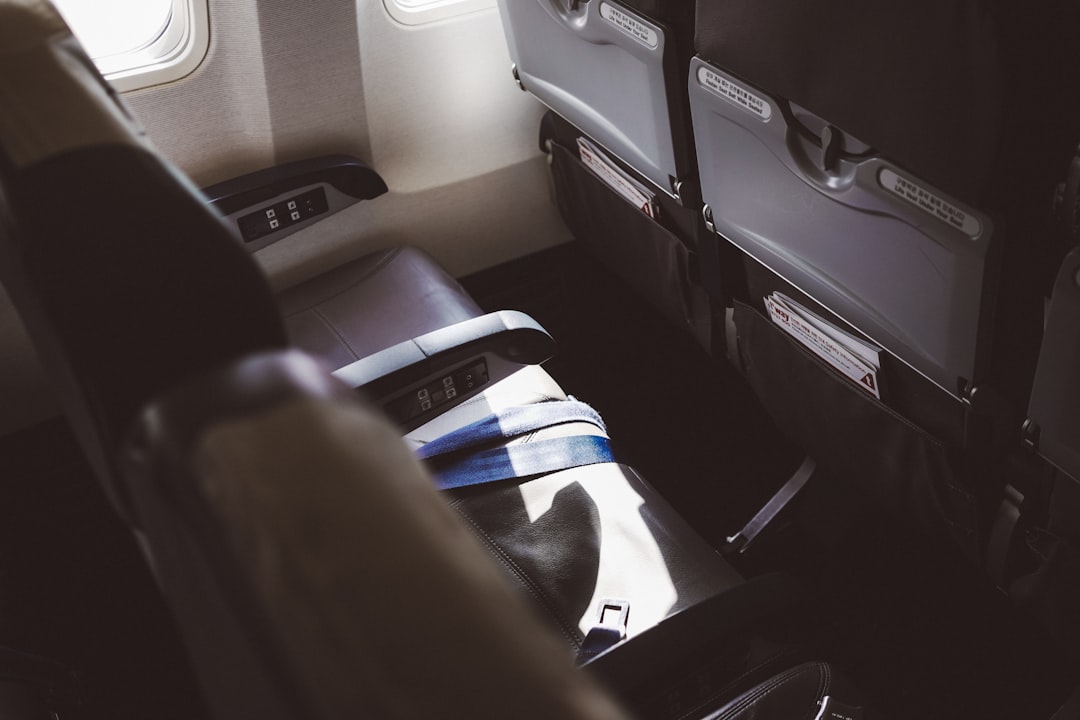
Photo by Manki Kim on Unsplash
Cabins swing between cool and warm depending on service moments and sunlight. Bring thin, insulating layers and a soft, breathable base. Merino or modal shirts won’t cling or smell quickly; a zip-up hoodie doubles as a pillow cover or blanket.
Avoid heavy perfumes in the cabin; instead, pack a tiny roller of calming essential oil (lavender or frankincense) to dab on your wrists during anxious spells. The scent helps mask stale cabin smells without bothering neighbors.
Sleep tactics that actually work
Sleeping upright is an art. Combine these elements:
- Block sensory input: high-quality eye mask + noise-cancelling headphones or solid earplugs.
- Create micro-routines: face wipe, moisturize, and a short breathing cycle (4-7-8) just before trying to sleep.
- Use layered supports: inflatable or memory-foam travel pillow plus a small lumbar roll (rolled sweater works) to prevent slumping.
Timing matters too. If you can, align your longest sleep period with destination night. If the flight schedule works against you, split sleep into two productive naps so you’re never totally out of sync.
Hydration, humidity, and skin care
Cabin humidity hovers at desert levels. Hydration must be both internal and surface-level:
- Drink regularly from a refillable bottle — add electrolytes if you tend to cramp or feel drained.
- Use a small facial mist and preservative-free eye drops every 2–3 hours.
- Apply a richer night cream before sleep and reapply to lips and hands during the flight.
A saline nasal spray before takeoff and before descent keeps mucous membranes functional and reduces irritation that often becomes a post-flight sinus headache.
Movement, circulation, and compression
Long-haul flights compress hours into small spaces. Counteract this by combining seated exercises, periodic walks, and compression garments.
Narrative: The brass hum of the engines is a steady metronome; use that to time little rituals. Every 30–45 minutes, while the cabin is quiet, do ankle circles, seated leg lifts, and calf raises. When the seatbelt light is off, stand and walk the aisle for 3–5 minutes — not to chat, but to reset your circulation.
Compression socks should be put on before you leave home. Kneehigh, graduated compression (15–20 mmHg for typical travelers) keeps lower-leg swelling at bay. If you have clotting risks, consult your doctor and consider higher compression.
Eating smart on the plane
Plane meals are unpredictable. Pack a few reliable snacks that travel well: mixed nuts, protein bars, dried fruit, and savoury crackers. When offered airline meals, favor light proteins and vegetables; avoid heavy cream-based sauces that can sit uncomfortably in a pressurized cabin.
Narrative: There’s a distinct, canned aroma when meals are served; choose textures and flavors that soothe rather than shock your stomach. Ginger chews or tea are great for queasy moments, and a small packet of instant miso in hot water brings surprising comfort.
Entertainment and mental pace
Long flights tempt you to binge. Mix activities to prevent restlessness: a movie, a 30–minute audiobook, a quick journal session, and a restful break of meditation or deep-breathing. Use a checklist of short items (read an article, write three trip goals, sketch the destination skyline) to break time into manageable chunks.
Noise-cancelling headphones are high-return gear. Even if you play nothing, the reduction in plane and passenger noise makes sleep and concentration far easier.
Gear checklist: your comfort carry-on kit
Before every long flight, pack this carry-on kit:
- High-quality eye mask and noise-cancelling headphones
- Inflatable memory-foam travel pillow and a small lumbar cushion
- Refillable 500ml water bottle (empty through security)
- Electrolyte sachets, mixed nuts, and a compact protein snack
- Compression socks worn at home and a fresh pair in a seal bag
- Moisturizer, lip balm, facial mist, saline nasal spray, eye drops
- Spare merino socks and a lightweight scarf/blanket
- Portable charger (20,000mAh) and charging cable
- Basic toiletries in a TSA-approved bag (toothbrush, face wipe)
Narrative: Unpack the kit at your seat like setting up a tiny, portable sanctuary: mask on, pillow arranged, socks changed, bottle filled. The rituals themselves calm the nervous system.
Coping with turbulence and anxiety
Turbulence feels worse than it is for most passengers. Choose seats near the wing to reduce motion, and practice grounding techniques during rough patches: place your palms on your thighs, breathe 4-7-8, and focus on a stable object in the cabin (a nearby panel or the seat headrest). Cabin crew are trained to manage and reassure; a friendly question to a flight attendant often helps reframe worry.
If flying triggers severe anxiety, consult a medical professional before travel; low-dose short-term remedies or prescription anti-anxiety options may help a small group of travelers.
Mid-flight productivity and creativity
Long flights are one of the few times people have uninterrupted hours. If you want to use that time productively, block a 90-minute write or edit session, followed by a 20-30 minute rest. Keep a notebook for hands-only creativity: map routes, sketch scenes, or write a micro-essay about the journey.
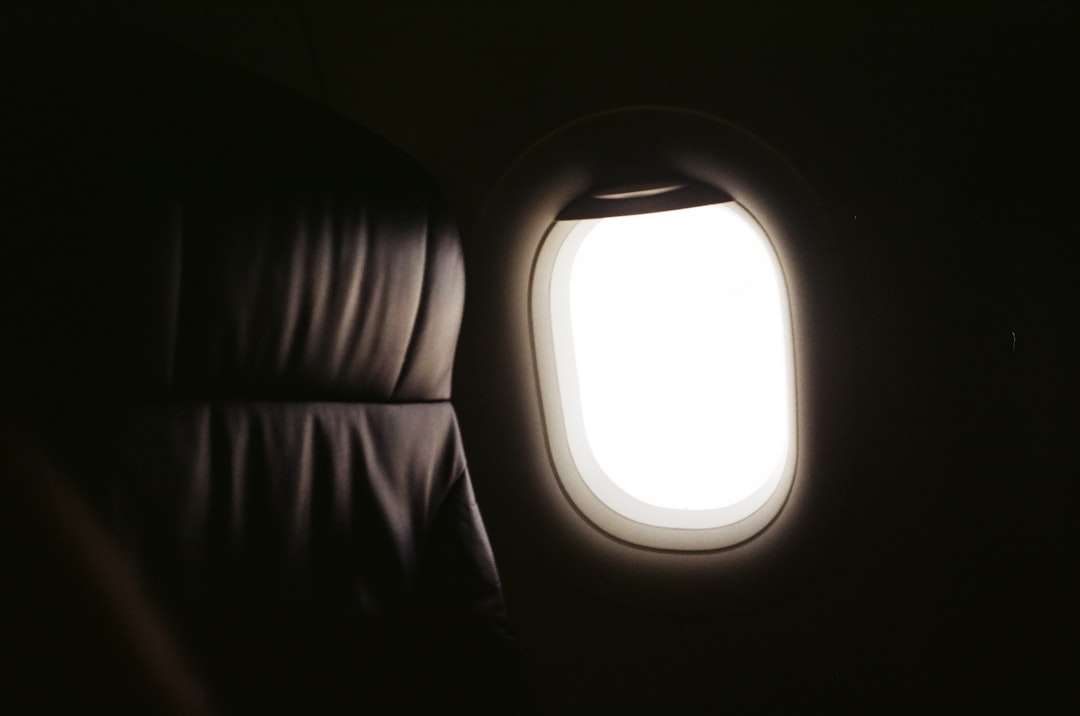
Narrative: The cabin light slants through a tiny porthole and the world becomes a muted watercolor. These are the hours to plan quietly, to turn travel excitement into a calm list of first-day discoveries.
Arrival strategy: immediate recovery steps
How you spend the first hour after landing shapes the next two days. Avoid collapsing in a taxi. Instead:
- Hydrate with an electrolyte drink or water with a pinch of salt.
- Take a brisk 20-minute walk after passport control to kick circulation into gear.
- If it’s local daytime, get 20–30 minutes of sunlight exposure to help reset circadian rhythm.
- Delay heavy meals for your first local meal; choose balanced proteins and vegetables.
Narrative: The airport air feels different — warmer, with local humidity. Use that to your advantage: a short walk through the arrivals hall is like a gentle wake-up call.
How to get there
This section covers common international hubs and basic travel approaches for long-haul flights.
- Major airports: JFK (New York), LHR (London Heathrow), DXB (Dubai), SIN (Singapore), LAX (Los Angeles). When booking a long-haul, check total travel time including layovers; a single long leg often beats multiple short legs for comfort.
- Transfers: many cities offer express trains connecting central stations to major airports: Heathrow Express (LHR — Paddington, ~15–20 min, £25–£30), Narita Express (NRT — Tokyo, ~60 min, ¥3,000–¥3,500), Arlanda Express (ARN — Stockholm, ~20 min, SEK 295).
- Cost and duration: typical international long-haul fares vary by route and season. Expect transatlantic economy fares to range from $600–$1,200 and transpacific fares from $700–$1,500 in 2026 off-peak; premium economy and business class vary widely.
Note: If you want strategies for booking and points, see Best Travel Credit Cards and Points 2026: Smart Ways to Use Rewards.
Things to do (in-flight and immediate post-flight)
This list mixes inflight rituals with first-hour activities upon arrival to keep comfort as a priority.
- Inflight: 90-minute sleep block timed to destination night.
- Inflight: 20–30 minute movement circuit every 3 hours (seat mobility + short walk).
- Arrival: 20-minute outdoor walk for sunlight.
- Arrival: Hydration and a light protein meal within 90 minutes.
- Arrival: Gentle stretching session in a hotel room or lounge to release seated tension.
Each item is designed to rebuild physical rhythm and lower travel fatigue.
Where to stay (on arrival): comfort-first options
Your first night matters. Choose accommodations that prioritize rest:
- Budget: Guesthouse or business hotel with quiet rooms and blackout curtains. Expect $40–$80/night depending on city.
- Mid-range: Three-star hotel with soundproofing, a good mattress, and early check-in options. Expect $90–$180/night.
- Luxury: Hotels offering sleep amenities (soundproof windows, pillow menus, on-call aromatherapy). Expect $250+/night.
Narrative: After a long flight, a dark, cool room with minimal noise is priceless. If you can, request a room away from elevators and streets.
Where to eat after a long flight
Your first meal should be simple, balanced, and nourishing. Seek out:
- A grilled fish or lean protein and steamed vegetables for ease of digestion.
- A vegetable-forward bowl or miso-based soup for hydration and gentle salt balance.
- Local markets for fresh fruit and small bites when you need variety.
Narrative: The first bite after a long flight should taste like an honest return to earth — salt, acidity, and texture that remind your body it’s back in real food, not canned, reheated trays.
Practical tips
- Best months: Avoid peak holiday travel if possible; traveling mid-week reduces crowds.
- What to pack: a small toiletry kit, spare socks, compression socks, a lightweight scarf, and your carry-on comfort kit.
- Customs and currency: keep your documents in an easily accessible front pocket; use local ATMs for better rates and notify your bank.
- Connectivity: pre-download maps and entertainment; buy local SIMs at the airport or enable an international eSIM plan.
For cultural tips and etiquette in your destination, check Cultural Etiquette Tips 2026: What to Know Before You Travel.
FAQ — Domande frequenti
Q: How can I avoid jet lag on a long-haul flight?
A: Shift sleep and meals toward your destination time before you fly, hydrate, and use light exposure on arrival to reset your clock. Small supplements like melatonin (low dose) can help some travelers; consult your doctor.
Q: Are compression socks necessary?
A: For flights over 4 hours, compression socks reduce swelling and lower DVT risk for most people. Put them on before you leave home.
Q: What should I do if I can’t sleep at all on the plane?
A: Break the flight into manageable activities, prioritize movement, hydrate, and plan an immediate gentle recovery walk on arrival. Consider short naps timed to destination night.
Comparison: cabin seat types and comfort features
- Economy: Affordable, basic recline, variable seat pitch (usually 29–32 inches). Best for budget travelers who focus on gear and routine.
- Premium Economy: Extra recline and legroom, improved amenities — good mid-tier choice for comfort without full business cost.
- Business/First: Lie-flat or angled-flat seats, premium service, often best for arriving refreshed on long-haul legs.
Prices vary by route and season; use points or upgrade offers when possible.
External resources
- Official airport websites for local transfer and train schedules (search your departure/arrival airport code for up-to-date timetables).
- Government travel advisories for entry requirements and health information.
Also visit https://traveldeck.ai for planning tools and itinerary organization.
Tags
Tags: long-haul flight tips, survive long haul flight, inflight comfort 2026, long haul travel hacks, jet lag recovery
Final thoughts
Long-haul travel is inevitable for global exploration, but fatigue doesn't have to be. With thoughtful pre-flight choices, a compact comfort kit, paced in-flight rituals, and purposeful arrival steps, you can survive long haul flight comfortably and arrive curious rather than crushed. Treat the cabin like a temporary habitat — design it for rest, movement, hydration, and small rituals — and you will travel with gentler edges and brighter mornings.