Traveling with Allergies Tips 2026: Essential Safe-Travel Guide
Traveling with Allergies: Essential Tips (2026)
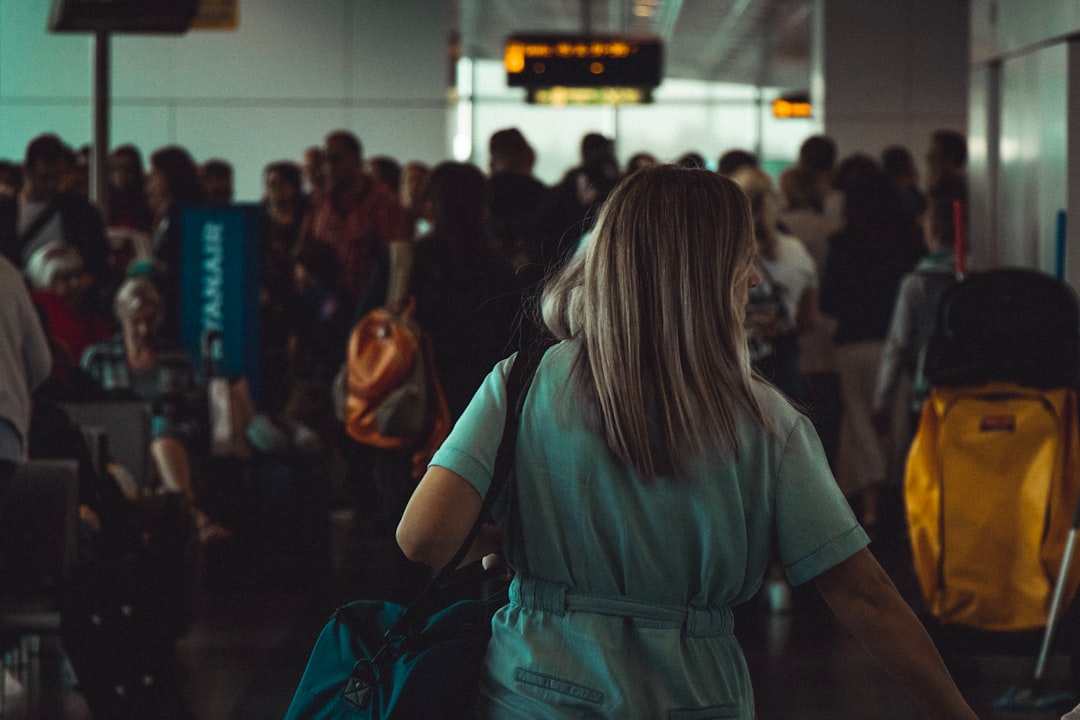
Photo by Arthur Edelmans on Unsplash
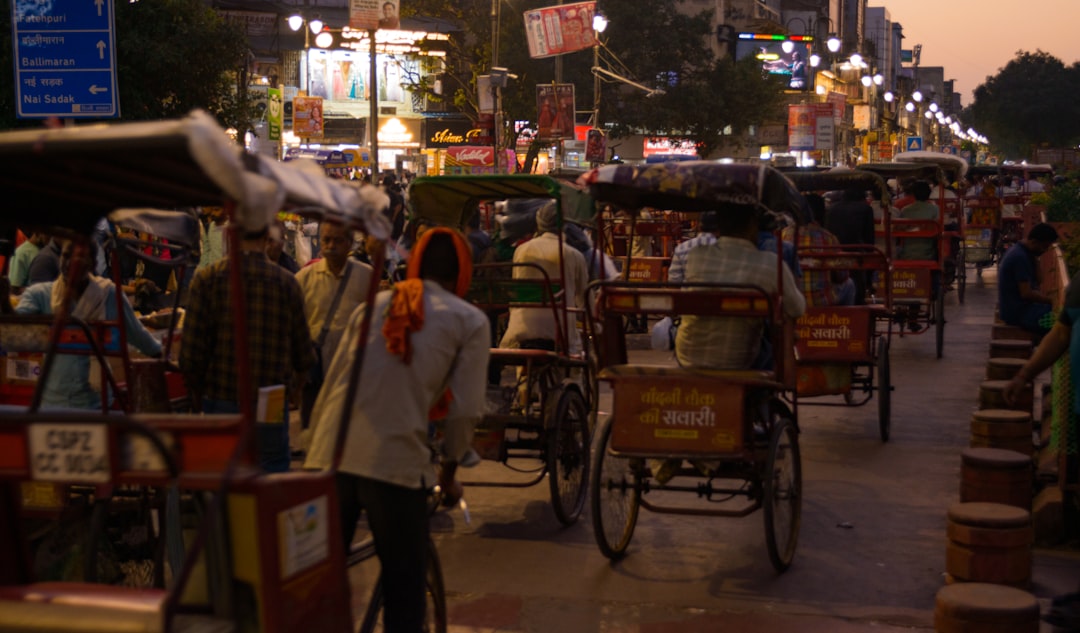
Have you ever stood in a bustling market overseas, the air thick with spices and fried foods, and wondered if a single bite could send you rushing to emergency care? Traveling with allergies tips can turn that fear into confidence. This guide unpacks real-world strategies for food allergies, pollen and environmental triggers, medication sensitivities and cross-contamination risks so you can explore with a calm, steady heartbeat.
In this article you'll find empathetic stories, practical checklists, and step-by-step plans that read like a travel magazine feature — full of color, sensory detail and local flavor. You'll learn how to negotiate kitchens in foreign languages, prepare for flights and hotels, and build an emergency action plan that puts safety and joy on equal footing.
Note: For planning tools and smart itineraries, visit https://traveldeck.ai for a quick overview of trip organization.
Why this matters
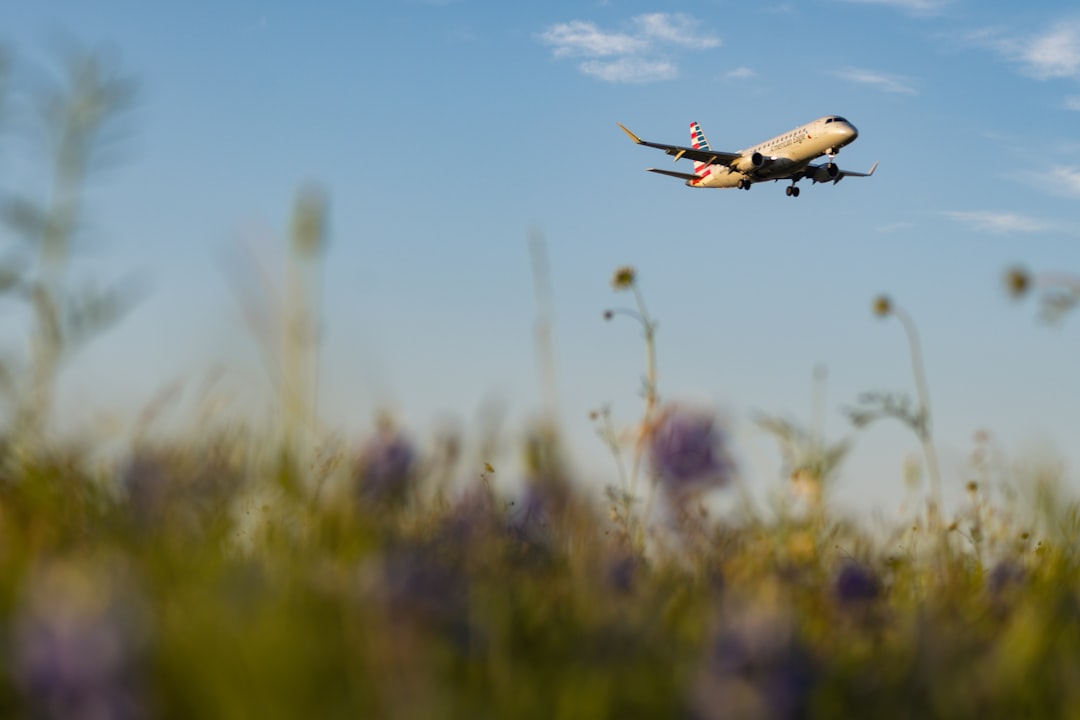
Photo by Dheeraj M on Unsplash
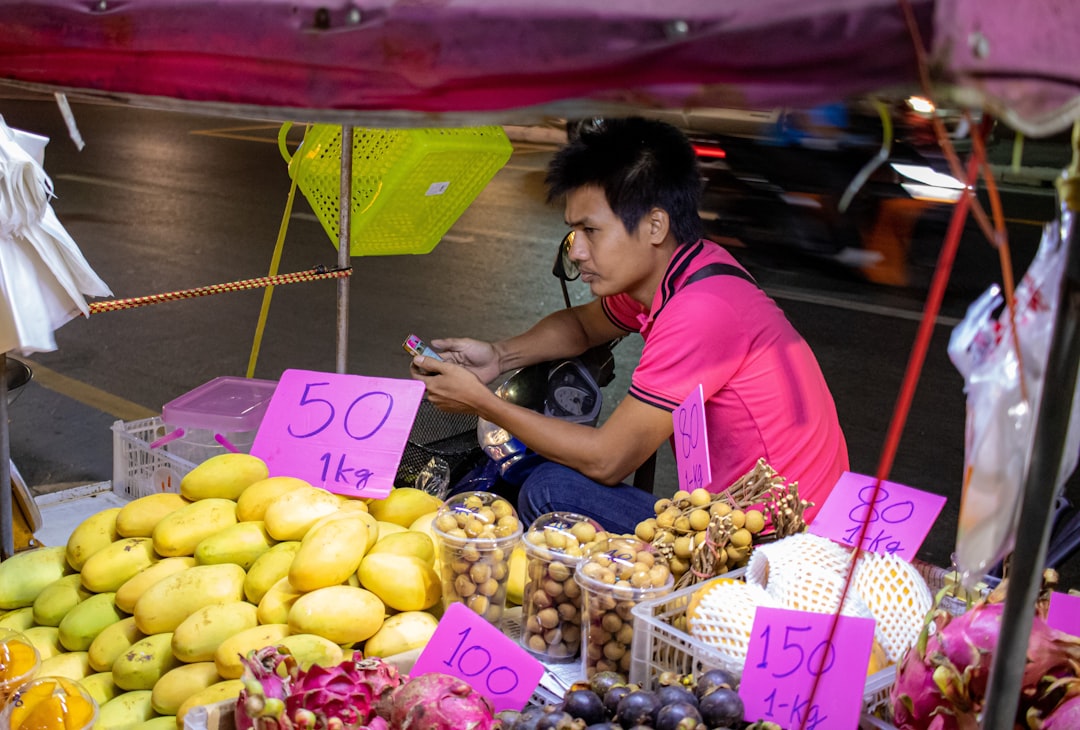
Air thick with jasmine in a Thai night market, winter pollen dusting the sidewalks of Prague, or a pastry glazed with hidden nuts — travel amplifies exposure to unfamiliar allergens. "Traveling with allergies tips" isn't just about packing medicine; it's about anticipating moments of risk, translating your needs across cultures, and reclaiming the pleasure of shared meals and markets.
How to use this guide
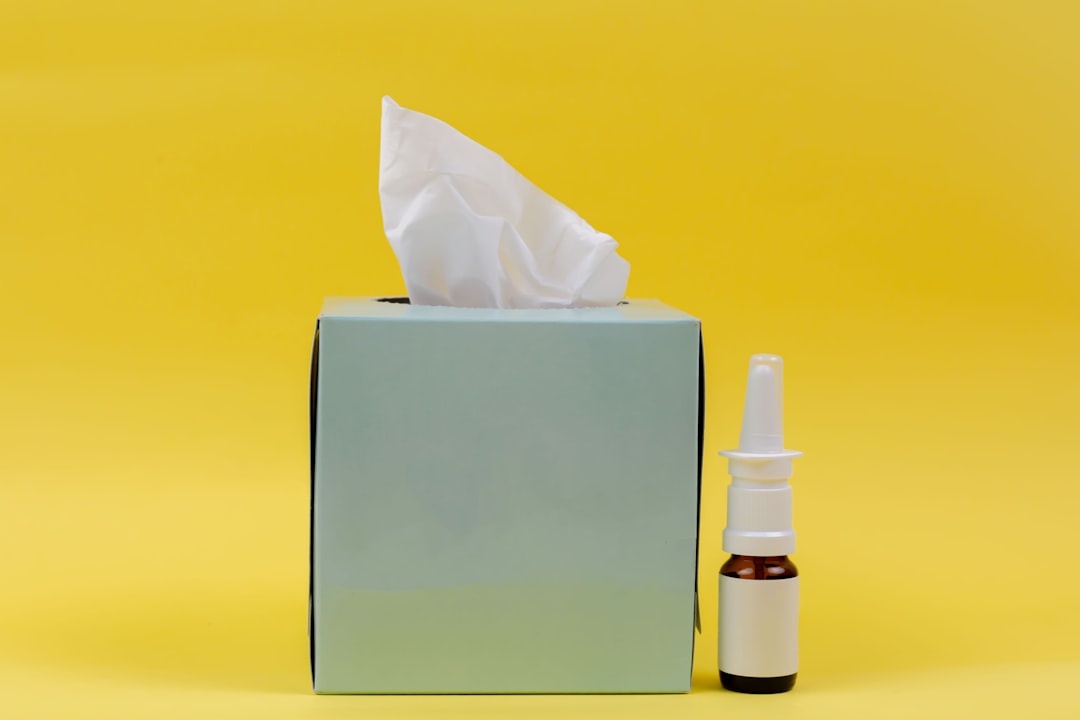
Photo by Diana Polekhina on Unsplash
Read straight through for a complete checklist before departure, or jump to the practical sections when you need quick answers. You'll find sensory narratives, tactical bullet points, and travel-tested recommendations. Where relevant, I link to deeper reads like Survive Long-Haul Flight Comfortably 2026: Practical Travel Hacks and budgeting advice in Budget Travel Strategies 2026: Smart Ways to Stretch Every Euro.
Key concepts up front
Traveling with allergies tips centers on three pillars:
- Prepare: documentation, medication, research.
- Communicate: clear translation cards, on-site discussions, and pre-booking.
- Respond: a concise emergency plan, local medical contacts, and backup supplies.
With those pillars in mind, let’s dig into the details.
Pre-trip essentials: medical prep and paperwork
The first breath of preparation feels like the clean, cool air that arrives after stepping into a well-ventilated museum. You want every practical detail in place so curiosity, not anxiety, leads your day.
Before you leave:
- See your doctor or allergist. Get an updated action plan in writing, prescriptions (including at least two adrenaline auto-injectors if you have anaphylaxis risk), and a dated medical letter explaining your condition and treatment. Ask about replacement options in your destination country and whether pharmacies will refill prescriptions for travelers.
- Check medication legality. Research whether your medication is controlled in the destination country and if you need a prescription translation or permit. Some countries require a stamped physician letter or translated prescription to avoid confiscation at customs.
- Register your allergy with travel insurance. Not all policies cover reactions or emergency evacuation. Ask about pre-existing condition clauses, medication loss coverage, and evacuation limits.
- Make digital and physical copies. Keep a laminated copy of your emergency action plan and translation cards in your wallet; store digital backups in a secure cloud and on your phone.
Practical checklist (pack these in your carry-on):
- Two adrenaline auto-injectors (if prescribed), plus antihistamines and inhalers.
- A plastic bag with prescriptions in original pharmacy bottles.
- A laminated allergy card in the local language(s) and a simple English version.
- A small first-aid kit (antihistamines, sterile wipes, bandages).
- Contact list: local emergency numbers, nearest consulate or embassy, and the address of where you’re staying.
Translation cards and communication
Words can build bridges — or they can leave you stranded on an island of misunderstanding. A crisp, precise translation card is your bridge.
A good card includes:
- Clear statement of the allergen(s) and severity ("I have a severe, life-threatening allergy to: [nuts, shellfish, dairy, etc.]").
- Symptoms to expect and what will happen if you are exposed.
- A direct request: "No traces, no cross-contact, do not use shared oil or equipment."
- Emergency instruction: "If I have a reaction, call [local emergency number]. I am carrying an epinephrine auto-injector."
How to use it:
- Show it to servers and ask to speak to the chef.
- Keep a backup photo on your phone.
- Laminate one small card to fit in your wallet and carry larger copies for hosts or tour operators.
Sample short translation line (English-style phrasing for chefs): "My life depends on avoiding [peanuts]. Please use separate utensils and clean surfaces."
Research: local cuisine, labeling and common allergens
Listen to the market: aromas, sizzling oils, and street vendors tell you as much as the menu. But they won't warn you about cross-contact.
Before traveling, research:
- Which ingredients are commonly used in your destination. Example: many Southeast Asian sauces contain fish and shellfish pastes; Mediterranean desserts often use pistachio and almond.
- Local labeling laws for packaged food. The EU requires 14 allergens to be declared on packaged goods; other regions vary considerably.
- Popular street foods that are higher risk (deep-fried shared oil, buffet-style displays, sauces made from ground nuts).
Planning tip: Choose a few safe dishes you recognize before you travel — simple grilled proteins, steamed vegetables, plain rice or potatoes — and memorize the local names so you can ask for them by name.
Airports, flights and in-flight food strategies
Airport terminals hum with announcements, rolling suitcases and the faint scent of coffee. Airports are controlled spaces that can be easier to navigate than local markets — if you plan.
Before and during your flight:
- Notify the airline well in advance. Many airlines allow allergy declarations during booking; follow up by email and again at check-in.
- Don't rely on meal orders alone. Airline kitchens are complex; even specially requested meals can be contaminated. Bring your own safe meals and snacks, especially for long-haul flights.
- Keep adrenaline injectors in the cabin, not in checked luggage. Keep them accessible under the seat in front of you.
- Wipe down tray tables, armrests and seatback screens with alcohol wipes. This reduces uncertain surface cross-contact.
- Discreetly inform cabin crew and confirm the location of on-board medical kits. Ask them where they would direct an emergency on arrival at the destination airport.
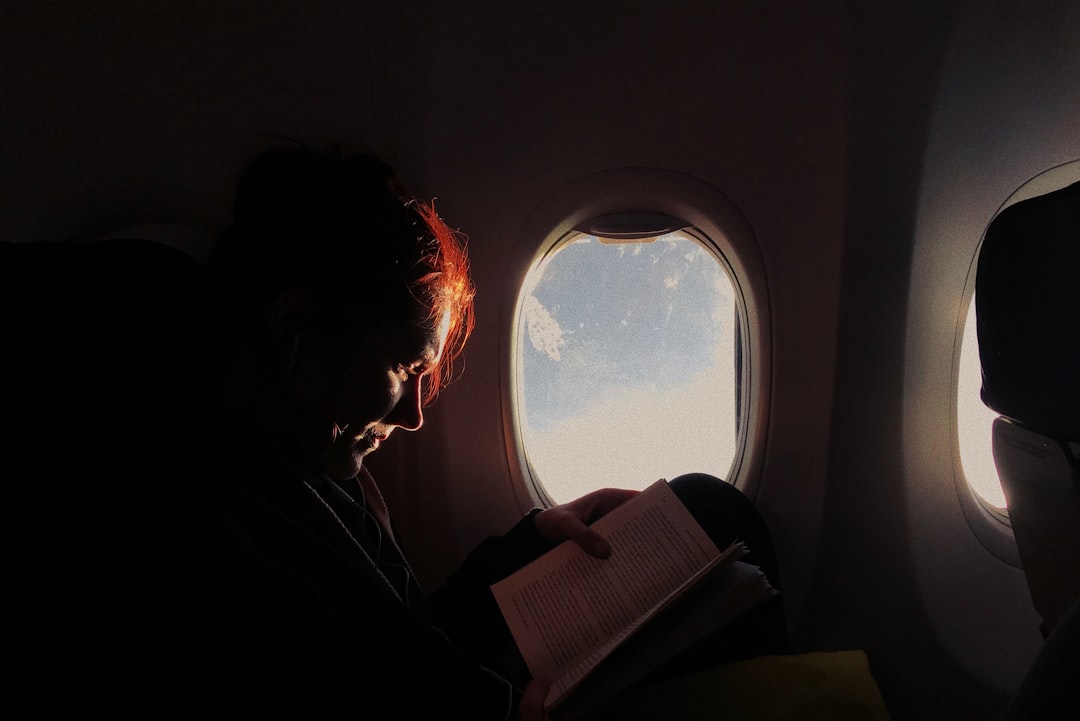
Narrative aside: I once sat on a red-eye with a passenger who had a severe shellfish allergy. We agreed with the crew to skip the cup-nuts service and swapped stories quietly as airports lit the horizon. A small human moment, but the reassurance of shared awareness was everything.
Accommodation: hotels, rentals and kitchens
The smell of citrus cleaner, the hum of the city outside, the riffle of the minibar — your accommodation should be a safe, restful haven.
Hotels:
- Inform the property before arrival and reconfirm at check-in. Ask about breakfast buffets and whether the kitchen can provide ingredient lists or prepare a private breakfast.
- Request a room cleaning without scented sprays if you have chemical sensitivities.
- Ask for a mini-fridge to store safe foods and a kettle to prepare simple meals.
Self-catering and rentals:
- Inspect kitchen surfaces and appliances for signs of prior use (pitted cutting boards, crumbs in toasters).
- Bring your own cutting board, a set of utensils and a shallow pan if you plan to cook.
- If you must prepare food in shared kitchens, lock and label your items clearly.
Sensory detail: cooking your own simple stew in a rental kitchen can be one of travel's quiet joys — the steam fogging the window, a spice jar's bright paprika scent, the comfort of a predictable meal.
Eating out: choosing restaurants and ordering safely
Eating out should be an act of joy, not a gamble. Travel with a plan and your meals will become memories.
How to pick restaurants:
- Favor reputable, well-reviewed restaurants with clear menus and staff willing to discuss ingredients.
- Avoid busy buffets and street stalls where cross-contact is common, unless you can speak directly with the cook.
- Search for allergy-friendly and vegetarian restaurants where customisation is more common.
At the restaurant:
- Arrive early or during off-peak times so staff have time for your questions.
- Speak to the manager or chef if possible — they will understand the seriousness of the situation more than a harried server.
- Use your translation card. Be explicit: "I cannot have even a tiny amount of [allergen]."
- Start with simple dishes: plain grilled fish or meat, steamed rice and vegetables, or salads dressed on the side.
Anecdote: In Lisbon, I once asked a small tavern to prepare a plain grilled sea bass without butter because of a dairy sensitivity. The chef carried the fish out personally and told me about the family's fishing trips; the meal tasted like the ocean and felt like a handshake between cultures.
On the ground: managing environmental allergies (pollen, molds, dust)
Some travels swirl with pollen and perfume: spring in Kyoto, lavender fields in Provence, or dusty inland plains. Environmental allergies require different tactics than food allergies.
Pre-travel:
- Check seasonal pollen counts for your destination and adjust timing where possible.
- Bring a peak-flow meter or other monitoring tools if you have asthma.
- Pack nasal sprays, antihistamines and extra inhaler refills.
During your stay:
- Choose accommodation with air-conditioning and avoid rooms with visible mold.
- Shower and change clothes after outdoor excursions to wash off pollen.
- Wear sunglasses and a lightweight scarf in windy, pollen-heavy climates.
A sensory tip: The scent of cut hay or a field of wildflowers is intoxicating, but if your throat tightens and you’re wheezing, retreat to a cool, shaded spot, hydrate and use your inhaler per your action plan.
Medication allergies and interactions
Medication allergies are often overlooked until a mishap. Some countries use brand names unfamiliar to you or administer antibiotics freely in clinics.
Before travel:
- Carry a list of medications you must avoid and the class of drugs (e.g., "No penicillin or cephalosporins").
- Ask your physician for alternatives and a translated medical letter for local doctors.
At clinics abroad:
- Verbally and physically present your medication allergy card.
- Ask the provider to write prescriptions clearly and verify the generic name of drugs.
Practical note: over-the-counter cold remedies can contain hidden NSAIDs or other compounds; if you have medication allergies, check ingredient lists carefully.
Special situations: traveling with children and group travel
Traveling with allergies tips shift when you're responsible for others.
Children:
- Teach age-appropriate words for their allergy and when to say them.
- Make child-friendly translation cards and share picture cues for the caregiver or teacher at camps and group activities.
- Request pre-boarding for extra cleaning on flights if available.
Group travel:
- Designate an allergy buddy who knows where medication is stored and how to administer it.
- Brief the group before meals so everyone understands not to share food or utensils without checking.
Emotional scene: Watching a child discover a safe street-food crepe, the sugar melting on their fingers as they grin, proves that careful planning keeps wonder alive.
Emergency response plan abroad
A swift and calm response can make all the difference.
Create a one-page emergency plan that includes:
- Signs of a severe reaction and immediate actions (administer epinephrine, call local emergency services).
- A list of symptoms that trigger immediate medical care.
- Contact information for local hospitals, your embassy/consulate and your emergency contacts back home.
Carry that plan laminated and teach travel companions how to use it. Practice visualising the steps so you act quickly if needed.
Apps, devices and tech that help
Technology can be a reassuring companion: from translation apps that scan menus to mapping services that locate hospitals.
Useful tools:
- Translation apps with camera menu translation (offline packs help when roaming is costly).
- Map apps pre-saved with hospital and pharmacy locations.
- Allergy card apps and printable cards like SelectWisely-style templates.
Pro tip: Download offline maps and mark multiple hospitals and pharmacies before you arrive.
Packing list: the traveler’s allergy kit
Think of this as the camera bag for your health. The kit should be compact, complete and split between carry-on and the main bag.
Carry-on essentials:
- Two adrenaline auto-injectors (if applicable) plus antihistamines.
- A laminated medical action plan and translation cards.
- A set of safe, sealed snacks for delays.
- Copies of prescriptions and doctor letters.
Checked luggage extras:
- Replacements for non-controlled meds.
- Simple staple packets (oats, rice cakes, powdered milk substitutes) for unlikely situations.
Maintenance note: Check auto-injector expiry dates before travel and replace as needed. Plan ahead for refills if your trip exceeds their expiry.
How to get there / Come arrivare
This practical section focuses on specific travel logistics for popular entry points and the kind of transport options you'd use when managing allergies.
Airports and codes (examples for major hubs):
- London Heathrow (LHR): 30–60 minutes to central London by Heathrow Express (£25–£30, 15–20 minutes) or Piccadilly Line tube (£3–£6, 45–60 minutes).
- Tokyo Narita (NRT): 60–90 minutes to central Tokyo by Narita Express (~¥3,000–¥4,000, 55–65 minutes).
- New York JFK (JFK): 45–75 minutes to Manhattan by AirTrain + subway ($7.75, 50–70 minutes) or taxi (~$60–$80 depending on traffic).
Trains, buses and ferries:
- Many European cities are well-connected by high-speed rail; reserve seats in advance and keep medication in your carry-on.
- For island destinations, ferries often lack medical facilities; carry extra supplies and confirm nearest hospital on the main island.
Costs and durations vary by route — always confirm schedules and pre-book where possible. Public transport is often cheaper but may require more planning to access medical care quickly.
Things to do / Cosa fare
Even with allergies, the world is full of safe experiences. Here are 6-8 activities that are manageable and unforgettable across tastes and budgets.
1) Guided food tours with allergy-aware operators
- Seek tours that advertise allergy accommodations. They often arrange private tastings or pre-check menus.
- Neighborhood example: Alfama walking food tours in Lisbon that can prepare safe seafood-free options if arranged in advance.
2) Cooking class with a private chef
- A private cooking class allows control of ingredients and the joy of learning local techniques. Ask for a tailored menu ahead of time.
3) Market visits with a translator or guide
- Explore food markets early in the morning when vendors are less rushed; with a guide you can ask deeper questions about preparation.
4) Nature-based activities (light hiking, botanical gardens)
- Avoid peak pollen times; bring antihistamines and plan shaded rest stops.
5) Museum and cultural days
- Museums are low-risk for food exposure and high on atmosphere — ideal when you want a sensory break from food-focused outings.
6) Private dining experiences
- Chefs who host private dinners often appreciate the challenge of crafting a safe, elegant menu.
7) Day trips to smaller towns
- Research in advance and bring a packed lunch; smaller towns may have limited medical access so plan accordingly.
8) Spa or wellness days (check products)
- For chemical sensitivities, confirm products used and request fragrance-free treatments.
Where to stay / Dove dormire
Choosing the right base makes days easier. Below are suggestions for three budget tiers, with estimated nightly rates that vary by city and season.
Budget (hostels, budget hotels, guesthouses):
- Features: private rooms where possible, shared kitchens for self-catering. Price range: $30–$80 per night in many European or Asian cities.
- Example: small guesthouse with a kitchenette in Porto — €40–€70 low season.
Mid-range (boutique hotels, serviced apartments):
- Features: kitchen access, staff able to communicate dietary needs. Price range: $90–$200 per night.
- Example: family-run pension in Kyoto with access to a shared kitchen — ¥9,000–¥15,000 per night.
Luxury (4–5 star hotels, private villas):
- Features: concierge assistance, private chefs on request, higher staff training for allergies. Price range: $250+ per night.
- Example: beachfront resort offering allergy-aware menus and private dining options.
Tip: When booking, message the property with your allergy details and request confirmation of their ability to accommodate.
Where to eat / Dove mangiare
Local dishes and markets can be safe if chosen wisely. Here are examples of how to approach dining in different food scenes.
Mediterranean regions:
- Look for grilled fish, roasted vegetables and plain rice or potatoes. Beware of desserts with ground nuts.
- Market: central fish market where vendors will show the day's catch and cooking methods.
Southeast Asia:
- Safe choices: simple steamed fish, plain rice, and vegetable stir-fries made fresh to order. Ask about fish sauce, oyster sauce and shrimp pastes.
North America:
- Many cities have dedicated allergy-aware eateries. Search for allergy-award listings and call ahead.
Street food strategy:
- Pick vendors who cook to order and avoid fried foods if oil is shared.
- Use your translation card and show it as you order.
Dining sensory note: The crunch of a perfectly cooked vegetable, the glassy sheen on fresh-caught fish, or the steam rising from a bowl of rice — these simple experiences can be the safest and most memorable.
Practical tips / Consigli pratici
Best months: Travel outside peak pollen seasons if you have strong seasonal allergies. For Mediterranean spring pollen, consider late autumn. For tropical climates, dry seasons often have fewer molds.
Weather: Check temperature ranges and humidity. Mold thrives in warm, damp months.
What to pack: lightweight medical kit, laminated allergy cards, fragrance-free toiletries, a small vacuum-sealed food stash.
Currency and payments: Keep some local cash for small vendors but rely on cards where possible. Pharmacies sometimes accept only cash.
Safety and connectivity: Carry a portable battery pack for phone and translation apps, and download offline maps.
Local customs: Learn polite phrases to decline food; in many cultures a medical reason is understood better than a preference.
FAQ / Domande frequenti
Q: Can I fly with adrenaline auto-injectors?
A: Yes. Keep them in your carry-on and bring the prescription and doctor’s letter if customs questions arise.
Q: Are "may contain" labels reliable overseas?
A: Labelling laws vary. Treat precautionary statements with caution and prefer fully labelled products where possible.
Q: How many epinephrine pens should I bring?
A: Bring at least two, ideally more if your trip is long or remote. Check expiry dates beforehand.
Q: What if I need a refill abroad?
A: Research local pharmacies and bring your prescription letter. Some countries require a physical prescription from a local doctor.
Q: Should I wear medical ID jewelry?
A: Yes. Medical ID in the local language can speed emergency treatment.
Comparison tables
Airline special meal policies (sample costs and notes):
| Airline type | Typical policy | Cost/Notes |
|---|---|---|
| Major international carriers | Accept allergy declarations, some no-nut options | Free but not guaranteed allergen-free |
| Low-cost carriers | Limited special meal support | Bring your own food; carry-on required |
| Regional carriers | Variable | Call ahead; bring translation card |
Budget tiers for accommodation (sample pricing):
| Tier | Typical amenities | Price range per night |
|---|---|---|
| Budget | Shared kitchen, private lockers | $30–$80 |
| Mid-range | Kitchen or kitchenette, concierge | $90–$200 |
| Luxury | Private chef options, in-room dining | $250+ |
Month-by-month allergy risk (example for Mediterranean city):
| Month | Pollen risk | Travel note |
|---|---|---|
| March–May | High (tree & grass pollen) | Bring antihistamines, avoid parks at midday |
| June–August | Moderate | Heat may worsen asthma; hydrate |
| Sept–Nov | Low–moderate | Good time for travel with allergies |
External resources and links
- Government travel advice: https://travel.state.gov (U.S. Department of State travel resources)
- World Health/Medical assistance directories: https://iamat.org
- Airline information: check individual carrier sites for allergy policies
Final thoughts and reflection
Traveling with allergies tips isn't about building a fortress around yourself; it’s about crafting a flexible, humane plan so you can meet the world without fear. From the citrus-slick markets of Lisbon to temple courtyards in Kyoto, preparation lets you taste the moment, not anxiety. The small rituals — a laminated card slipped across a chef's counter, the soft click of an auto-injector case in your bag, a whispered explanation — become part of your travel story.
Travel is a sensory feast. With practical preparation and honest communication, you can let the smells, textures and sounds of a place move you. Take the precautions, bring the courage, and keep exploring.